Health Tips

General health tips include tips to keep healthy & lose weight.

What is a healthy life? A life where you have no disease condition or a life where your body is doing physically good,

or a life where your mind is at peace or a life where you have a social circle and well-being?


Well to answer this question, you should analyze your life and think about what actually health is.


Health as defined by WHO as a state of complete physical, mental and social well-being and not merely the absence of disease or infirmity.

So that means, health is not only just being free of a disease condition, but in order to be healthy, one must be sound physically, mentally, and socially.


Health tips not only include what one should eat and not to eat, but it also includes the practice to attain a complete state of health.


If you are doing well physically and mentally but not consuming the required amount of nutrition that your body requires,

you will not be able to achieve your health goal to the fullest. Physical activity, mental health, social well-being, and dietary habits go hand in hand to live a healthy life.


Health tips will provide you with an outlook of how you can be healthy by putting in just a few efforts and making your health a priority.


Because if your body is in a state of health, you will be in a state of overall well-being. So choose yourself and your health over anything else!


summer coolers and food options

Easy to make summer coolers and other food options at home

Summers are at their peak with the sweltering heat taking a toll on your body. The best thing about summers is the varities of food and also coolers available to appease your palette and quench your thirst. Therefore, summer coolers come to your rescue to beat the heat.

Staying hydrated is one of the most vital things to do in summers. During Summer, your body tends to lose water and electrolytes at a rapid pace due to excessive sweating. Thus, water is undoubtedly the most important drink to quench thirst and balance your system. There are some summer beverages that can be great companions for all of us who are struggling with the hot weather. These coolers are perfect to beat the heat as well as treat the buds.

If you are looking for a drinks and also food varities that will cool you down in summer, then you have come to the right place. We have brought you the various coolers and food options that are perfect match for this hot summer.

So, let’s have a look at the coolers and other food options that are perfect match for this hot summer!

Summer foods

Gulkand:

Gulkand is an Ayurvedic preparation which is made of rose petals believed to originate in India. It is also rich in calcium and has antioxidant activity. And, also beneficial for acidity, gastritis, skin care, indigestion, ulcer and nosebleed, stress etc.

Moreover, the intake of gulkand regularly in summer can help you to prevent sun strokes, nostril bleeding and dizziness.

How to make gulkand at home?

Ingredients:

  • Rose flowers/petals-1 cup
  • Sugar-3 tbsp

Method of preparation:

  • Firstly, collect the rose petals in a mixing bowl and wash the rose petals thoroughly.
  • After washing, drain the water completely and spread them in a kitchen towel and let it dry completely. 
  • Once the moisture is completely gone, put the petals into the mixie. Quickly pulse the petals one or two times to shred them. You can also chop the petals or tear the petals into small pieces.
  • After pulsing, spread a layer of rose petals in a dry glass jar. Now, spread a layer of sugar over the rose petals evenly. Then again spread a layer of petals over the sugar layer. Repeat the same process till all the petals are over.
  • Further, close the lid of the jar and keep it in the sunlight up to 6-8 hours a day with lid open for about 7- 10 days.
  • Lastly, mix the layer with the spoon everyday. After 7-10 days your gulkand will be ready.
  • Finally, keep it refrigerated and use it for longer period.

How to consume gulkand in summers?

You can take gulkand in form of gulkand shake, gulkand thandai, aam-gulkand chutney, gulkand toast, etc.

Gond katira:

Gond katira is a natural gum obtained from the dried sap of several species of Middle Eastern legumes. It is a odourless and tasteless. It has numerous health benefits such as it helps to flush out toxins from your body and improves metabolism. Also, has anti-ageing and anti-inflammatory properties that work on fine lines and wrinkles.

Moreover, Gond katira benefits your hair health by adding more volume and strengthening it. The benefits of Gond katira for gut health and digestion include laxative effects that help in preventing constipation.

How to consume gond katira?

There are several ways to consume gond katira such as:

  1. You can make drinks like lemonade, chaas, sattu or traditional sharbets with gond katira.
  2. It can be used for salads dressing, dips, thick chutneys.
  3. It can be also used in making puddings, jellies, kheer or sweets.

Melons:

Watermelons and muskmelons are high in water content which helps to regulate body temperatures. Melons also help with weight loss as it is very few calories. They help you in staying hydrated and gives you a wonderful cooling and refreshing effect.

Melons, Cantaloupe, Watermelon, Honey Dew, Summer

How to consume melons?

You can consume melons in fruit chaat, salads, smoothies, shakes, ice-creams, lemonades, etc.

Mangoes:

Mangoes are the perfect summer treat. As a summer fruit, it is very refreshing and can help prevent heat strokes. It is also high on vitamins A and C which help build the immune system.

Fruit, Mango, Parts, Png, Yellow, Cut Out, Transparent

How to consume mangoes?

You can slice your mango and eat it or can make ice-creams, shakes, smoothies, etc.

Cucumber:

Cucumbers are loaded with fibre and also contains high amount of water content. Additionally, the fiber boost they give you helps you to avoid constipation. It is also rich in vitamin K which helps you in blood clotting and keep your bones healthy.

Cucumber, Ice, Eating

How to consume cucumbers?

You can consume cucumber in your salads, raita, cucumber sushi, snacks, etc

Curd:

Curd is not only delicious but also gives you a coolant effect to the body. It gives you a cooling, soothing and light feeling. Regular consumption of curd in summer helps you cool the stomach. It is rich in calcium which helps in strengthening of your bones, teeth and nails.

Raspberries, Yogurt, Nature, Fresh, Breakfast, Pink

How to consume curd?

You can make spicy buttermilk (masala chaas), or sweet lassi, fruit yogurt, raitas, smoothies with curd, etc.

Summer coolers:

Mint lemonade:

Mint Lemonade is one of the best options to beat the heat and keep you hydrated in this hot summer. This is our go to drink whenever we feel thirsty. Mint is really refreshing and also makes you feel fresh when you have it after you come back home from scorching hot sun.

Drink, Glass, Lime, Mint, Cold, Fresh, Refreshing

Ingredients:

  • Lemon Juice-1 tbsp
  • Mint Leaves-10-12
  • Water-1 cup/1 glass
  • Sugar-1 tsp (optional)
  • Black salt-1 tsp

Method of preparation:

  • Firstly, squeeze out the juice from half lemon and remove the seeds.
  • Secondly, wash the mint leaves . Next, add the lime juice, mint leaves and ¼ cup of water into a blender and blend them well.
  • Now, add in the remaining water, sugar and salt to taste and strain them in a glass.
  • Finally, serve it with ice cubes.

Aam panna:

Aam panna is everyone’s favorite drink in summers. There’s nothing better than a glass full of tangy Aam Panna to refresh your body. It not only quenches your thirst but is also considered beneficial for a good digestive system.

Smoothie, Mango, Meal, Drink, Glass, Yellow, Food

Ingredients:

  • Green mangoes-500 g
  • Sugar-2-3 tbsp
  • Black salt -2 tsp
  • Cumin seeds, roasted and powdered-2 tsp
  • Mint leaves, finely chopped-2 tbsp
  • Water-2 cups

Method of preparation:

  • Firstly, boil the mangoes till they become soft inside, and the skin gets discolored.
  • Secondly, remove the skin when it cools down and squeeze the pulp out of the mangoes.
  • Next, mix all the ingredients together, blend and add 2 cups of water.
  • Finally, put some ice in the glasses and pour the panna over it.

Sattu sharbat:

Sattu sharbat is native to Bihar but has its own variations in states like Punjab, Madhya Pradesh and Uttar Pradesh. This cooler recipe is considered a detox drink that cleanses the system properly and aids in weight loss. It also gives you a very refreshing taste.

Ingredients:

  • Chana sattu – 1/4 cup
  • Water, chilled – 4 cups
  • Lemon juice – 2 teaspoons
  • Cumin powder, roasted and powdered – 1 teaspoon
  • Mint leaves, chopped – 2 teaspoons
  • Black salt to taste
  • Raw Mango, grated- 2 teaspoons

Method of preparation:

  • Firstly, add all ingredients such as sattu, lemon juice, cumin powder, mint leaves, black salt, raw mango and water in a jug and mix well.
  • Next, serve the drink in glasses along with some ice cubes.
  • Finally, garnish it with more mint leaves.

Masala chaas:

Masala chaas is the most favourite amongst the famous Indian traditional drinks. It is a salty drink, mainly for summers to energize the body in the heat. It is one of the easiest drinks that can be prepared in no time.

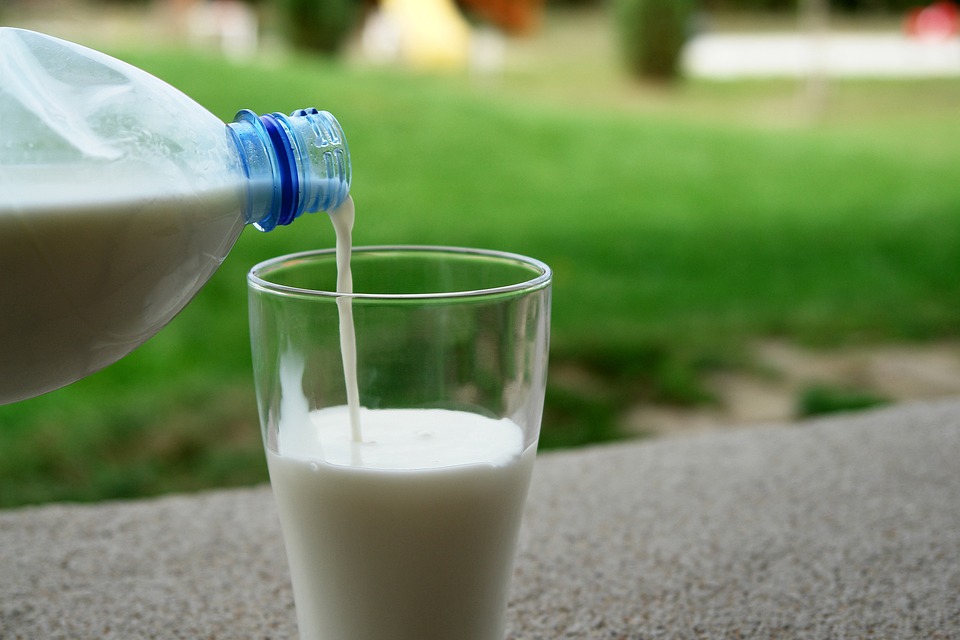
Buttermilk, Milk, Pour, Pouring, Glass, Food, Healthy

Ingredients:

  • Buttermilk-1 glass
  • Mint leaves, chopped-6-7
  • Chilli, chopped-1/2 tsp
  • Black salt, to taste
  • A pinch of chaat masala

Method of preparation:

  • Firstly, in a bowl, add the buttermilk, chopped mint leaves, chilli, and black salt.
  • Next, mix it thoroughly.
  • Now, pour it in a glass and add a pinch of chaat masala.
  • Finally, garnish it with coriander leaves and serve.

Mango lemonade:

Mango Lemonade recipe for a fruity, citrusy, and refreshing drink. Perfect for bringing you sunshine any time of the year! Made with sugar, water, lemon, and mangoes. You are mere moments away from sipping this dangerously easy drink. This easy and simple refreshing mango lemonade or limeade is made with ripe mangoes, lemon or lime juice, sugar/honey, water, and ice.

Mango, Drink, Fruits, Diet, Healthy, Smoothie, Food

Ingredients:

  • Mango pulp or chunks- 1 cup
  • Lemon juice-2 tbsp
  • Sugar-1 tbsp
  • Water-2 cups
  • Mint leaves (for garnishing)

Method of preparation:

  • Firstly, add the mango chunks, lemon, sugar, 1 cup of water and a few ice cubes in a blender and blend until you have a smooth mix. You can also strain if you want to.
  • Secondly, mix in the rest of the water and mix thoroughly.
  • Finally, serve and garnish with fresh mint leaves.

Coconut water with lemon and mint:

A quick summer drink to quench your thirst and soothe your soul. Coconut is loaded with electrolytes. So, when it comes to staying hydrated while replenishing nutrients, then there is nothing better than a glass of refreshing and breezy coconut water.

Coconut, Lombok, Bali, Tropical, Drink, Asia, Indonesia

Ingredients:

  • Coconut-1
  • Mint leaves-7-8
  • Honey-1 tbsp (optional)
  • Lemon juice-1 tbsp

Method of preparation:

  • Firstly, break a coconut and empty the water in a jug.
  • Secondly, scrape off white coconut using a spoon and chop it finely and add it to coconut water.
  • Next, add mint, honey and lemon juice as well as lemon peel.
  • Lastly, mix well and serve with ice cubes.

Watermelon-coconut cooler:

Summer is a watermelon season. And, the watermelon coconut cooler is one of the drinks which is perfect to soothe your thirst on a hot summer day. It is not only delicious but also refreshing.

Table, Refreshment, Glass, Food, Drink, Fruit, Summer

Ingredients:

  • Watermelon, chilled and cubed-1 cup (seed free)
  • Coconut water – 1 cup
  • Lemon juice-1 tbsp

Method of preparation:

  • Firstly, place watermelon cubes, coconut water, and lemon juice in blender and blend until it becomes smooth.
  • Next, serve it with some ice cubes and enjoy!

Sabja lemonade:

Sabja lemonade is a very delicious, refreshing and healthy summer drink. It helps you to hydrate yourself and and boost your immunity.

Pro tip: Sabja seeds are very hard and that is why you cannot consume them raw. So, they are best consumed after soaking in water which makes them more gelatinous.

Ingredients:

  • Sabja seeds-1 tsp
  • Mishri, powdered-1 tbsp
  • Lime juice-2 tbsp
  • Lime, sliced-1
  • Mint leaves-8-10

Method of preparation:

  • Firstly, sabja for 15 minutes and let it form a gelatinous structure.
  • Next, in a jar. add soaked sabja, lime juice, powdered mishri and mint leaves. Also, crush some mint leaves better flavour.
  • Now, add 2 glasses of chilled water to the jar and stir everything well.
  • Lastly, you can add few ice cubes and serve this sabja drink to cool yourself down from this summer.

If you are struggling shedding weight. You can talk to us by taking this assessment: Click here

For more information click here

Back pain

How to manage your back pain at home?

Nowadays, back pain has become so common that almost everyone complain about it at some point of time. It can interrupt your day or interfere with your plans. It can also result from injury and some medical conditions.

Back pain can affect people of any age but the reason may be different for everyone. As people get older, the chance of developing lower back pain increases due to factors such as previous occupation or degenerative disk disease.

Furthermore, physical inactivity is also one of the reasons these days for the back pain. When an individual does not meet the recommended level of physical activity, he or she will be classified as physically inactive. This prolonged physical inactivity can actually increase back pain as the back becomes stiff, weak, and de-conditioned.

Want to know about cervical pain. A comprehensive guide on cervical pain and how to manage it at home?

What are the types of back pain?

There are two types of back pain:

  • Acute back pain: It is a short-term back pain which lasts a few days to a few weeks. It tends to get better on its own within a few days with self-care.
  • Chronic back pain: It is defined as the pain that continues for 12 weeks or longer, even after an initial injury or underlying cause of acute low back pain has been treated. About 20 percent of people affected by acute low back pain develop chronic low back pain with persistent symptoms at one year.

What are the risk factors for developing back pain?

The risk factors of developing back pain are as following:

Age: 

The first attack of low back pain typically occurs between the ages of 30 and 50 years, and back pain becomes more common with advancing age. The inter-vertebral discs begin to lose fluid and flexibility with age, which decreases their ability to cushion the vertebrae.

Back Pain, Pain, Body, Backache, Shoulder, Muscle, Work

Sedentary lifestyle:

Your prolonged inactivity can increase back pain as this inactivity can make your back stiff, weak, and atrophied. As the pain increases, many patients reduce their activity more resulting in even more back pain and aggravating the cycle of inactivity and back pain recurrence. Studies also shows that low-impact aerobic exercise can help maintain the integrity of inter-vertebral discs.

Person, Young, Reading, Tablet, Ipad, Casual, Home

Weight gain: 

Being overweight, obese, or quickly gaining significant amounts of weight can put stress on the back and lead to low back pain.

Man, Obese, Weight, Loss, Nutritionist, Doctor

Job-related factors: 

If you have a job that requires heavy lifting, pushing, or pulling, particularly when it involves your spine, can lead to injury and back pain. Also, working at a desk all day can contribute to pain, especially from poor posture or sitting in a chair with not enough back support.

Back Pain, Body Pain, Ergonomics, Sedentary Lifestyle

Smoking: 

It can restrict blood flow and oxygen to the discs, causing them to degenerate faster leading to back pain.

Cigarettes, Ashtray, Ash, Smoking, Nicotine

Psychological factors: 

Mood and depression, stress, and psychological well-being also can influence the likelihood of experiencing back pain.

Smiley, Emoticon, Anger, Angry, Anxiety, Emotions

(Source: https://www.ninds.nih.gov/Disorders/Patient-Caregiver-Education/Fact-Sheets/Low-Back-Pain-Fact-Sheet)

How common is back pain?

Back pain is one of the most common medical problems which affects 8 out of 10 people at some point of their lives. It can range from a dull, constant ache to a sudden, sharp pain. This back pain can be acute as well as chronic. Acute back pain comes on suddenly and usually lasts from a few days to a few weeks. Whereas chronic back paint lasts for more than three months.

The estimated worldwide lifetime prevalence of back pain varies from 50% to 84%.  Studies in developed countries have shown that the back pain point prevalence was 6.8% in North America, 13.7% in Denmark, 12% in Sweden. Also, 14% in the United Kingdom, 33% in Belgium, and 28.4% in Canada. Similarly, some studies in developing countries have revealed much higher incidence of 72.4% in Nigeria, 64% in China, and 56.2% in Thailand.  

The occurrence of back pain in India is also alarming with nearly 60% of the people in India have suffered from low back pain at some time during their lifespan.

(Source: https://indianjpain.org/article.)

How to treat your back pain at home?

Back pain which results from improper body postures may be prevented by avoiding movements that jolt or strain the back and maintaining correct posture. There are several ways to treat back pain at home. Here are few recommendations for keeping one’s back healthy.

Try heat and ice:

Both are very good in relieving back pain. You can use the option which works best for you. Usually, ice is best if your back is bothered by swelling or inflammation. A heating pad may be better if you’re trying to relax stiff or tight muscles. Furthermore, you should not exceed this treatment for more than 20 minutes at a time. And don’t use them if you’re also putting muscle-ache creams or ointments on your skin.

Exercise:

Stay active through regular exercise to keep muscles strong and flexible. You can opt for age-appropriate exercises that are specifically targeted to strengthening lower back and abdominal muscles.

Weight loss:

Loose weight if obese or overweight to maintain healthy weight. By maintaining healthy weight and eating a nutritious diet with sufficient daily intake of calcium, phosphorus, and vitamin D can promote new bone growth and strengthen your bones.

Stretch in between your working hours:

You can switch sitting positions often and can take a small walk around the office or gently stretch your arms and legs to relieve tension in your muscles. Also, placing a pillow or rolled-up towel placed behind the small of the back can provide some lumbar support.

Wear comfortable shoes:

If you like wearing heeled shoes then you should opt for the comfortable no-heeled or low-heeled shoes which will help you in preventing your back pain.

Sleeping posture:

Sleeping on one’s side with the knees drawn up in a fetal position can help open up the joints in the spine and relieve pressure by reducing the curvature of the spine.

 Smoking cessation:

Smoking reduces blood flow to the lower spine, which can contribute to spinal disc degeneration. It also increases the risk of osteoporosis and impedes healing. Excessive coughing due to heavy smoking also may cause back pain.

How does yoga help in relieving your back pain?

There are several types of yoga that involves practicing specific postures or poses, breathing exercises, and relaxation techniques. Yoga can stretch and strengthen your muscles and improve posture.

Downward-Facing Dog (Adho Mukha Svanasana):

This yoga pose is a great for total body stretch. This posture targets the large muscles that help form lower back, support and also strengthen your spine.

How to do it?

  • Firstly, bend on your hands and knees, with your hands slightly in front of your shoulders.
  • Now, pressing your lower body back, raise your knees away from the floor. And lift your tailbone up toward the ceiling.
  • For an added hamstring stretch, you can also gently push your heels toward the floor. Hold the position for a while and repeat the same pose.

2. Child’s pose (balasana):

Child’s pose is an active stretch that helps elongate your back.

How to do it?

  • Firstly, start on all fours with your arms stretched out straight in front of you. Then sit back so you butt come to rest just above but not touching your heels.
  • Hold the position for a while, and repeat the same.

Pigeon’s pose (Kapotasana):

Pigeon pose is a popular yoga pose that stretches your hips and lower back

How to do it?

  • Firstly, start in downward facing dog.
  • Next, lift your leg and bring your knee behind your wrist.
  • Now, walk your back leg directly behind. Next, untuck your toes and press into the top of your back foot so that your back leg is active.
  • Keep your knee outside of your hip.
  • Fold forward keeping your shoulders away from your ears.
  • Finally, rest your head on a yoga mat for support.

Cat and cow pose (Marjaryasana/Bitilasana):

Cow and Cat stretches helps to loosen your back muscles. Moreover, moving back and forth from Cat to Cow helps move your spine onto a neutral position, relaxing the muscles and easing tension.

How to do it?

  • Firstly, start in an all-fours position, move into Cat pose by slowly pressing your spine up and arching your back.
  • Next, hold for a few seconds and then move to Cow by scooping your spine in, pressing your shoulder blades back and lifting your head.
  • Repeat this Cat to Cow, and Cow back into Cat formation for few times.

Bottom line:

Back pain can range from a dull, constant ache to a sudden, sharp pain. It has become so common which can interrupt your plans. This condition can affect people of any age but with different reasons. Although, old age increases the chance of developing lower back pain. It can be acute as well as chronic.

The risk factors for the back pain can include age, sedentary lifestyle, job-related factors, smoking, weight gain, etc. These factors can lead you to severe health condition if proper measure are not taken.

Moreover, this back pain can be treated at home with few home remedies such as ice/hot pack, common and simple physical exercise, yoga, maintaining correct posture, etc. By taking correct measures at correct time instead of ignoring can help you to prevent your back pain.

If you are struggling shedding weight. You can talk to us by taking this assessment: Click here

For more information click here

What is abdominal bloating and how to manage it

What is abdominal bloating and how to manage it?

What do we understand by the term Abdominal bloating?

Abdominal bloating is a common clinical condition that is rarely dangerous but it causes discomfort. It is common in both men and women and is not age-centric. Anyone can report this condition irrespective of gender or age. Abdominal bloating generally associates with abdominal distention. Abdominal distention is a condition where you can see and feel an increase in abdominal girth. 

Do you ever feel your abdomen swelling up and you all of a sudden start feeling heavy? The distention of the abdomen is so visible that you start feeling uncomfortable. Generally people report such discomfort after having meals or maybe by the end of the day. This swelling up of your abdomen and a visible distention is known as bloating. Now you must wonder why it happens? Well, bloating is one of the major symptoms reported by the people suffering from gut disorders, and the most common of all these disorders is IBS (irritable bowel syndrome).

What is IBS? Irritable bowel syndrome is a common disorder that affects the large intestine. 

IBS is a condition characterized by unexplained abdominal discomfort or pain which associates with changes in bowel habits. Other common symptoms include gas, bloating, diarrhoea and constipation, and increased GI distress associated with psychosocial distress.

Learn more about what IBS is and how to manage it.

Abdominal bloating

Bloating can be defined as a sense of gassiness or a sense of being distended where measurable distention does not have to occur. You may or may not be able to measure the distention and therefore, the term abdominal distention should be used for those people who show a visible increase in abdominal girth. 

Let us try to understand  the diagnostic criteria for bloating.

Rome III for functional bloating:

  • Recurrent feeling of bloating or visible distention for at least 3 days per month
  • Onset of symptoms at least 6 months prior to diagnosis
  • Presence of symptoms for at least 3 months
  • Insufficient criteria to establish a diagnosis of irritable bowel syndrome, functional dyspepsia, or any other functional gastrointestinal disorder

Many people also suffer from other symptoms such as burping, well this should not be gel up with bloating and it should be monitored to rule out the actual condition. 

Why is bloating bad? 

Well, on top of all the reasons, bloating creates distress. Let’s just assume that you start your day with energy and a positive feeling. You have your meal, work on your usual stuff and by evening you start feeling abdominal discomfort with a visible distention. In such a situation, you will start feeling stressed. Not only does the person feel distress, but the quality of life also suffers. 

The diagnosis and treatment of bloating is not completely understandable by researchers. But in the past decade, there has been intensive research on bloating, IBS, flatulence and other gut disorders to understand these conditions more properly. 

Pathophysiology of bloating

Pathophysiology is very important to understand the cause of the condition. It relates pathology with physiology so that we can get a better understanding of what goes on inside our body and what results in the disease condition. 

The pathophysiology of gas and bloating is quite complicated. We need to relate and understand the gut microflora, intestinal transit, gas production, etc. 

Gut microflora:

Gut microflora or gut microbiome are the bacteria that reside in our intestinal tract. They have an impact on not only gut health but on the whole body. This microflora varies from one person to another and it is more than the total number of cells in the human body. As the colonic microflora varied from one person to antoher, less research is available for the same. Do you know that these bacterias play an important role in maintaining immune health of the gut, production of short-chain fatty acids and even these can control the obesogenic factors. They also have an impact on gas production. If there is a minor disturbance in the gut microflora, it can lead to gut malfunctioning which also includes gas production. 

Intestinal gas:

At any point of time, the average individual has around 100-200 cc of gas within the gastrointestinal tract. Volume and composition of human intestinal gas determined by …. The volume of gas increases after consuming meals. Let’s try to understand this mechanism. We just learned that 100-200 cc of gas is present in the GI tract at any time. When we consume meals, digestion takes place and post-prandial this volume of gas increases. It depends on the individual how much postprandial gas will be there. Also, the colonic gas production depends on the gut microflora. These bacteria metabolize different components and as a result gas is produced. Now, during digestion and metabolism, the gastric distention and the movement of small intestines make sure to accelerate the process of gas transit. When there are some disturbing or delaying factors present for such movements, gas retention may take place leading to discomfort. 

The 5 most common gases present within the GI tract are nitrogen, oxygen, carbon dioxide, hydrogen and methane. Most of the carbon dioxide is absorbed by the small intestine. 

One cannot define how much gas production is normal and how much is abnormal for human beings. It is individualised and therefore what seems abnormal for one person might feel normal for another. Bloating is more of a sensory phenomenon and therefore we cannot measure it exactly. 

What can we do to treat bloating?

The best way to treat bloating and abdominal distention is to understand the underlying cause of the problem. When you try to understand the chief symptoms and the cause behind them, then you can easily manage bloating and abdominal distention. 

A person suffering from bloating should know the pathophysiology of the same, so that a clear picture is formed in the mind of the patient and how to handle the condition seems easy.

Diet:

Food is something that we all cherish irrespective of any other factors. Diet is an integral part of our daily routine and therefore, understanding your diet is one of the crucial steps in managing bloating. Ideally the dietician should take a thorough look at the dietary history and habits of the individual and should focus more on the foods which are fermented in the colon ( dairy, fructose, fructans, fibre and sorbitol). To better understand what these foods mean and how a low FODMAP diet works, read through FODMAP diet. 

Now, you must wonder how to manage a diet to improve bloating? 

Well, the answer to this question is quite simple. All you have to do is to eliminate a food group at one time and see if the symptoms improve. Such diets are generally called elimination diets or hit and trial methods. One food group is eliminated at one time, let’s say dairy is eliminated from your diet, then your dietician will see if the symptoms improve or they’re still the same. In the similar manner other food groups are eliminated and re-introduced depending upon the status of the symptoms. 

What works for one person may not work in case of another and therefore, such elimination diets are on individual basis.

Exercise and posture:

You might have noticed that when you’re in a supine position, the symptoms of bloating worsens as compared to an upright position. Well, posture plays a great role in managing bloating symptoms. Individuals suffering from bloating should know that exercise and posture can help reduce the frequent episodes of bloating in a day. 

A light exercise or maybe a walk can help you ease out the gas produced in the body. Make sure to not lay in a supine position after having meals.

Probiotics:

You must be aware of the term probiotics. Well, probiotics are the live microorganisms that intend to give health benefits to the host when consumed in adequate amounts. In many randomize trials, researchers observe that an adequate amount of probiotics can significantly improve bloating and flatulence in IBS patients. Probiotics promote the health of gut microbiota, which in return make sure to improve gut health. It is more of a domino effect, probiotics work on your gut microbiome health and as a consequence the bacteria make work on the normal functioning of the colon which reduces bloating and abdominal distention. 

Lactose intolerance and gluten sensitivity:

Apart from identifying the cause of bloating and trying elimination diets, you should also check for some common conditions such as lactose intolerance and gluten sensitivity. Many people are unaware of the fact that they are lactose intolerant or have gluten sensitivity. Our food practices are such that milk and wheat are most commonly consumed foods in every household. 

Lactose intolerance is a condition in which the body is not able to fully digest lactose in dairy products. It is due to the deficiency of an enzyme called lactase. Consumption of milk causes symptoms like abdominal cramps, discomfort, diarrhoea, and bloating. Fermented forms of milk such as curd and paneer are better tolerated in place of milk. During childhood, the production of the enzyme lactase is maximum. As we age, most people are not able to produce enough lactase to digest lactose. Therefore, it is important to understand whether your bloating is a result of lactose intolerance.

On the other hand, gluten intolerance or sensitivity is an immune response that takes place on consumption of gluten (a protein found in wheat, barley and rye). Symptoms generally include diarrhoea, abdominal discomfort, fatigue and bloating. The treatment includes following a strict gluten-free diet for the rest of the life. 

Apart from these treatments, over the counter medications are also available to treat bloating. But such medications shall only be follow on doctor’s prescription.

Bottom line:

Bloating and abdominal distention are very common symptoms and affect the quality of life of an individual. It is very important to understand the underlying cause of bloating to treat and manage it effectively. Diet along with exercise and correct posture can help you manage it. 

If you are struggling shedding weight. You can talk to us by taking this assessment: Click here

For more information click here

neck pain

A comprehensive guide on cervical pain and how to manage it at home?

What is cervical pain?

Our cervical spine or neck spine is a coordinated network of nerves, bones, joints, and muscles that extend from skull to upper torso. It provides support and mobility for the head. Any abnormalities, inflammation, or injury in nerves, bones, joints or muscles of the neck can cause neck pain or stiffness. This is called cervical pain.

Cervical pain usually goes away within a few days or weeks, but pain that persists for months may signal an medical cause that needs to be addressed. It is common among adults, but it can occur at any age.

It is a fairly common health problem, and most people may experience it at one point in their lives.

Check out this article about back pain. How to manage your back pain at home?

What is the prevalence of cervical pain?

Prevalence is generally higher in women than in men, also higher in high-income countries compared with low- and middle-income countries. Furthermore, it is higher in urban areas compared with rural areas and peaks at around 45 years of age. 

Moreover, rates of recurrence and chronicity of neck pain are high. Most people with neck pain do not experience a complete resolution of symptoms, with between 50% and 85% of those who experience neck pain reporting neck pain again 1 to 5 years later. Childs et al suggest that 30% of patients with neck pain will develop chronic symptoms and 37% of individuals who experience neck pain will report persistent problems for at least 12 months. In chronic conditions, the course may be stable or fluctuating, but in most cases can best be classified as recurrent, characterized by periods of relative improvement followed by periods of relative worsening. 

(Source: https://www.physio-pedia.com/Epidemiology_of_Neck_Pain)

How can you develop cervical pain?

Well, you can develop cervical pain in many ways which can include:

  • It may start slowly as mild or only occur toward the end of a work day but then it might recur and get worse with time.
  • Neck pain may also start right after a you get injured around upper body area or if you slept awkwardly on the neck.
  • It may be a delayed symptom after an injury. Sometimes neck pain may occur as a delayed reaction of your injury such as after a car or bike accidents. They may begin hours or a few days after the injury occurred and also may get worse over time.
  • It may be due to carrying a heavy item which puts strain on one side of the body.
  • If you are spending extra time hunched over a computer monitor or phone.
  • Also, pain caused by a physical problem such as a herniated disc or compressed nerve.

What are the signs and symptoms of cervical pain?

Cervical pain usually involves one or more of the following symptoms and signs:

  • Stiff neck: You may have soreness and difficulty in moving your neck, especially when trying to turn the head from side to side. You may also feel pain in the middle or on either side of your neck, and may extend to the shoulder or to your upper chest.
  • Numbness or sharp pain: A nerve can become pinched or compressed when the muscles, bones or tissues surrounding it apply too much pressure. As a result, you may feel numbness, pins and needles or a tingling sensation that can be felt down your arm, sometimes right down to your fingers. This type of pain typically occurs in the lower neck.
  • Radicular pain: This pain travels from a nerve from the neck into the shoulder and arm. The intensity of pain can vary and this nerve pain might feel like it is burning or searing.
  • Cervical radiculopathy: Neurological deficits such as problems with reflexes, sensation, or strength may be experienced in the arm due to nerve root compression.
  • Trouble with gripping or lifting objects: This happens if numbness or weakness goes into the arm or fingers.
  • Headaches: An irritation in the neck can affect muscles and nerves connected to the head which sometimes may lead to headaches.

What are the risk factors of cervical pain?

The most common risk factors of cervical pain are:

  • Elderly people: In elderly people, the cervical spine discs becomes weak or break down, lose fluid, and then become stiffer. This makes people above the age of 60 years more susceptible to this cervical pain.
  • People having desk jobs involving use of computers: This can cause awkward positioning of the neck which can exert pressure on the neck causing injury, thus increasing the risk of cervical pain. 
  • Neck injuries: Pressure or sudden jerk to a neck that has a history of injury can increase the risk of the person suffering from cervical pain. 
  • Smoking: Researches show that smoking can elaborate the pain caused due to cervical pain. 

How to diagnose cervical pain?

Diagnosis of cervical pain can be done by physical examination, imaging tests and nerve function tests.

A physical examination includes:

  • Checking range of motion in your neck.
  • Testing your reflexes and muscle strength to find out if there’s pressure on your spinal nerves or spinal cord.
  • Watching you walk to see if spinal compression is affecting your gait.

Imaging tests can provide detailed information to guide diagnosis and treatment. These include:

  • Neck X-ray: An X-ray can show abnormalities, such as bone spurs, that indicate cervical pain. Neck X-ray may also help you to rule out rare and more serious causes for neck pain and stiffness, such as tumors, infections or fractures.
  • CT scan: A CT scan can provide more detailed imaging, particularly of bones.
  • MRI: MRI can help pinpoint areas where nerves might be pinched or compressed.

Nerve function tests to determine if nerve signals are traveling properly to your muscles can be done. These include:

  • Electromyography: This test measures the electrical activity in your nerves as they transmit messages to your muscles when the muscles are contracting and at rest.
  • Nerve conduction study: Electrodes are attached to your skin above the nerve. A small shock is passed through the nerve to measure the strength and speed of nerve signals.

(Source: https://www.mayoclinic.org/diseases-conditions/cervical-spondylosis/diagnosis-treatment/drc-20370792)

Do you know that poor posture can cause cervical pain?

Poor head posture is one of the common cause of cervical pain. If you tilt your head forward to type or text the it puts excess weight on the cervical spine. This poor head posture is a leading cause of neck pain in patients under 45 years of age. This leads to chronic neck pain that may turn into Dowager’s Hump (an outward curvature of the thoracic vertebrae of the upper back), which makes the base of the neck look fleshy and rounded.  

Is there anything that you can do to prevent cervical pain?

Well yes, you can prevent cervical pain by making changes in your lifestyle. This change in lifestyle will help make you less sedentary, or improve in your working style and posture can prevent neck pain in many cases.

Here are few tips which will help you in preventing your cervical pain.

  • Always fasten your seat belt and headrest behind your neck can also prevent some neck injuries from auto accidents.
  • When you are working on your computer, always place your computer monitor at eye level to avoid straining your neck.
  • You can stretch regularly if you have a desk job or traveling for long hours.
  • Try to participate in physically activities such as yoga or pilates class.
  • You should keep your posture in mind and avoid hunching your shoulders forward.

How to treat your cervical pain at home?

Take it easy:

Nowadays, most people live a very hectic life. And if you’re living with cervical pain on top of that then it is important to temporarily ease back on your activities. If muscles, tendons, or ligaments have been over-exhausted or overused, then it makes sense to give them a rest. You should limit or avoid neck movements that exacerbate the pain. However, after an initial rest period, try to get back to normal activity levels if possible as too much rest can cause muscles to weaken and tighten, which can lead to more pain.

Apply cold/heat:

You can either apply ice or heat to the neck for pain relief, depending on your preference. Ice tends to be good at stopping the injury’s initial inflammation and numbing pain. Heat tends to be good at relaxing muscles and helping nutrient-rich blood flow into the area to promote healing. Just be careful to limit applications to 20 minutes or less at a time and regularly check the skin to avoid tissue damage.

Heat packs and ice packs are readily available at the store, or you can make them from common items at home, such as using a frozen bag of peas.

(Amazon link for hot/cold pack: https://www.amazon.in/SAXAT-water-relief-heating-muscle)

Do some stretching:

You can go for gentle stretching or massage. Some gentle stretching can help reduce tightness in the neck as you recover. As long as the massage or stretching doesn’t increase pain, it can help relax muscles, help in flexibility and improve your blood flow.

Here are a few simple stretches for pain that you can do at home:

1. You can try slowly stretching your neck to one side, and then the other. With your left hand, apply very light tension on your chin so that your head turns slightly more. Hold for 20 seconds and return your head slowly to center and then repeat it to other side.

2. You can bend your head forward and try to touch your chin to your chest. Relax the shoulders as you do this and hold for 20 seconds and repeat.

3. You can lie on your back with your knees bent and a pillow under your head and neck for support. Nod your head forward gently. Hold the position for 10 seconds and then relax and repeat the same.

If you feel significant discomfort or pain with any of these stretches, then you should stop immediately.

Correct your posture:

Bad posture is one of the major contributor to neck pain. You should always pay attention to your bodily posture such as sitting, standing, or lifting. Keep your head and neck straight and make sure your back is supported. For example, when you sit at your desk, your computer should be at eye level and chair should be right up against your back.

A soft neck brace:

If you wear these neck braces then it can help you to relieve pain temporarily. However, long-term use can result in weaker neck muscles.

(Amazon link for neck brace: https://www.amazon.in/Hexafit-Premium-Durable-Cervical-Collars/dp/B085S3H2QJ/ref=asc_df_B085S3H2QJ/?tag=googleshopdes-21&linkCode=df0&hvadid=544987653559&hvpos=&hvnetw=g&hvrand=16936540504031006717&hvpone=&hvptwo=&hvqmt=&hvdev=c&hvdvcmdl=&hvlocint=&hvlocphy=9303870&hvtargid=pla-1638991426218&psc=1)

What exercise can you opt for your cervical pain?

Researches shows that exercise is an effective way to treat cervical pain. According to a study in the Journal of the American Medical Association, women with chronic cervical pain who performed strength and endurance exercises using resistance bands and light weights significantly reduced their neck pain and disability. It’s also important to keep active in general. Aerobic exercise of 30 minutes such as walking, biking, swimming every day can keep your back muscles strong.

Some common yoga pose which can help to treat your cervical pain:

Bhujangasana (Cobra Pose):

  1. Begin on your belly with your feet hip-distance apart and your hands beside your ribs.
  2. Now, extend your big toes straight back and press down with all ten toenails to activate your quadriceps.
  3. Next, rotate your inner thighs toward the ceiling to broaden the lower back. Pressing down lightly with your hands, start to lift your head and chest, rolling your shoulders back and down.
  4. Also, keep the back of your neck long and focus on lifting your sternum instead of lifting your chin.
  5. Your arms should be straight while keeping your shoulders remaining away from your ears. Keep at least a slight bend in your elbows.
  6. To exit the pose, release back to your mat.

Ardha Matsyendrasana (Sitting Half-Spinal Twist):

  • Firstly, sit up with the legs stretched out straight in front of you, keeping the feet together and the spine erect.
  • Bend the left leg and place the heal of the left foot beside the right hip (optionally, you can keep the left leg straight).
  • Take the right leg over the left knee.
  • Place the left hand on the right knee and the right hand behind you.
  • Twist the waist, shoulders and neck in this sequence to the right and look over the right shoulder.
  • Keep the spine erect.
  • Hold and continue with gentle long breaths in and out.
  • Breathing out, release the right hand first (the hand behind you), release the waist, then chest, lastly the neck and sit up relaxed yet straight.
  • Repeat to the other side.
  • Breathing out, come back to the front and relax.

Dhanurasana (Bow Pose):

  1. Firstly, lie on your stomach with your feet apart, in line with your hips, and your arms by the side of your body.
  2. Next, fold your knees, take your hands backward, and hold your ankles.
  3. Breathe in, and lift your chest off the ground and pull your legs up and towards the back. 
  4. Look straight ahead and keep the pose stable while paying attention to your breath.
  5. Next, continue to take long, deep breaths as you relax in this pose. But, bend only as far as your body permits you to. Do not overdo the stretch.
  6. After 15 -20 seconds, as you exhale, gently bring your legs and chest to the ground. Release the ankles and relax.

Matsyasana (Fish Pose)

  1. Firstly, lie on your back and come up to your elbows with your forearms flat on the mat and your upper arms perpendicular to the floor.
  2. Next, keep your forearms in place and puff up your chest by rolling your shoulders back and tucking your shoulder blades firmly onto your back.
  3. Now, press your palms into the mat.
  4. Lower the very top of your head back until it comes to the floor, opening your throat.
  5. Next, hold the toes with your hands and rest your elbows on the floor. Breathe slowly and deeply. 
  6. To come out, press strongly into your forearms and raise your head off the floor. Then release your upper body to the mat.

Bottom line:

Cervical pain is a common health problem. You may experience it at sometime in your life. It is common among adults, but it can occur at any age.

It shows some sign and symptoms which may include stiffness, headaches, numbness or sharp pain or radicular pain, etc. The risk factors of this condition include elderly people, smoking, neck injuries and people having desk jobs involving the use of computers as it may strain neck muscles.

Many people experience neck pain because of poor posture and muscle strain. In these cases, your neck pain should go away if you practice good posture and rest your neck muscles when they’re sore. There are many techniques to do that such as stretching, applying cold/heat on your neck, using neck brace, etc. These techniques will help you to relax your nerves.

There are some things that you can try at home, for example, yoga poses such as bhujangasana, matsyasana, dhanurasana, aadha matsyendrasana. These yoga poses will strengthen your neck muscles and will help you to reduce your cervical pain. You should not overdo yourself and if you feel any discomfort then you should stop immediately.

If you are struggling shedding weight. You can talk to us by taking this assessment: Click here

For more information click here

migraine

A comprehensive guide on migraine and how to manage migraine without medicines?

What is a migraine?

Migraine is a very common neurovascular disorder. It is characterized by episodes of headache that is often throbbing, frequently unilateral and sometimes it may be severe. These migraine attacks are also sometimes associated with nausea, vomiting, or sensitivity to light, sound, or movement. Also, migraine attacks are episodic and may vary among people. If these attacks are left untreated, they may typically last 4-72 hours.

Do you know the types of migraine?

Well yes, there are several types of migraines. Let’s discuss about its types.

  • Classic migraines (migraine with aura): These are the migraines which start with a warning sign called an aura. It is a recurring headache that strikes after or at the same time as sensory disturbances called aura. These disturbances can include flashes of light, blind spots, and other vision changes or tingling in your hand or face. Auras last about 15 to 30 minutes.
  • Common migraines (migraine without aura): These migraines do not with an aura. The common migraines may start slowly than classic migraines. It may also last longer, and interfere more with daily activities. The pain of common migraines may be on only one side of your head. This type is very common among people.
  • Migraines without head pain: This type also known as “silent migraines”. In this, you may feel other migraine symptoms, but not the usual migraine pain around your eyes and temples. But they may produce other symptoms, including upset stomach, dizziness, and sensitivity to light or sound.
  • Hemiplegic migraines: This type of migraine cause one side of your body to become weak. These symptoms are only temporary. This weakness may affect the areas of your body such as your face, arm, or leg. And it may last from an hour to even days. In this type, the head pain can come before or after the weakness. This type of migraine is also rare.
  • Retinal migraines: This type cause changes in your vision that are not related to aura vision changes. For retinal migraines, symptoms involve diminished vision or even blindness in one eye. These symptoms do not last long. They can occur before or after head pain.

What are the symptoms of migraine?

Migraine occurs differently in different people. They may happen in stages which may include:

Prodrome: It is an early sign or symptom that often indicates the onset of a disease before more specific signs and symptoms may develop. Hours or days before a headache, most of people who have migraines may notice symptoms such as:

  • sensitivity to light, sound, or smell
  • Fatigue
  • Food cravings or lack of appetite and severe thirst
  • Mood changes
  • Bloating, constipation or diarrhea

Aura: Aura is a sensation which you experience at the onset of a neurological condition such as migraine. These symptoms stem from your nervous system and often involve your vision. They usually start gradually, over a 5- to 20-minute period, and last less than an hour.

  • may see black dots, wavy lines, flashes of light, or hallucinations
  • blurred vision
  • not be able to see at all
  • tingling or numbness on one side of your body
  • a heavy feeling in your arms and legs
  • ringing in your ears
  • changes in smell, taste, or touch

Attack: A migraine headache usually begins with dull ache which then grows into a throbbing pain. This pain can also move from one side of your head to the other parts. The duration of migraines will vary person to person. For some people, it may last for only few hours and for other, may last for days.

Postdrome: It is a symptom or set of symptoms that occurs after a particular condition has passed. This stage can last up to a day after a headache. The symptoms may include:

  • tired, wiped out, or cranky
  • unusually refreshed or happy
  • muscle pain or weakness
  • food cravings or lack of appetite

What are the triggers of the migraine?

Let’s understand about few common triggering factors. These include:

Hormone changes: Most of the women notice that they have headaches around their period, or when they are pregnant, or when they’re ovulating. Symptoms may also be due to menopause, birth control that uses hormones, or hormone replacement therapy.

Stress: It is one of the common factor for the stress. When you are in stress, your brain releases chemicals that can cause change in blood vessel of your body that might lead to a migraine.

Food: There are specific foods and drinks, such as aged cheese, alcohol, and food additives like nitrates and monosodium glutamate may be responsible in some people.

Skipping meals: Skipping meals cab be a big migraine trigger. Because skipping meals can cause blood sugar level dips and this may lead to migraine attacks.

Caffeine: If you are having too much caffeine then it can lead to a migraine attack for some people. However, cutting out caffeine at once can also trigger a migraine attack. Thus, it is best to try and gradually cut down the amount you have, rather than stopping suddenly.

Changes in weather: Weather like storms, changes in barometric pressure, strong winds, or changes in altitude may also trigger a migraine.

Senses: Loud noises, bright lights, and strong smells can set off a migraine.

Medications: Medications such as vasodilators which may widen your blood vessels and in turn can trigger migraines.

Tobacco: Nicotine is a chemical which is generally present in tobacco products like cigarettes. When you smoke, nicotine causes the blood vessels in your body to narrow. This reduces blood flow to your brain. This reduction in blood flow may trigger a migraine.

Changes to your sleep: Some people may get headaches when they sleep too much or not enough.

What is the relationship between diet and migraine?

Migraine is a primary headache disorder. Dietary triggers are a common cause of migraine and certain diets have been reported to decrease the frequency of migraine attacks if dietary triggers or patterns are adjusted. There certain diets that are helpful in migraines are as follows:

Elimination Diets:

There are a number of foods that may have an impact on headaches. For some people, it is clear that a particular food causes a problem whenever you eat it. But for others, different foods may contribute to these headaches. Elimination diets require the identification of provocative dietary ingredients and their subsequent elimination. Decreasing intake of these compounds can reduce headache frequency for some people.

  • To identify the triggering dietary ingredients, an individual notices a high frequency of headache or migraine upon exposure to a dietary trigger and, consequently, avoids it.
  • Most experts recommend that it should be followed for at least 3 months. Depending on how frequent headaches are, patients may be able to tell much sooner than that if it is working or not.
  • Dietary triggers do not necessarily point to a food allergy. Food intolerances are more common than food allergies. Therefore, it is important to distinguish between a food allergy and a food trigger for migraine.
  • A complete food diary noting the presence or absence of migraine for assessment by physicians can be useful. Exposure to a given food may not always trigger a headache, and the amount of food or the time of exposure might largely influence the outcome.
  • Patients with headaches should be encouraged to eat regular meals, whether they are eliminating a food or not. This is because low blood glucose trigger headaches for some people.
  • A person on an elimination diet should plan carefully if they are traveling or going to be eating foods cooked by others.
  • A number of other triggers, apart from food such as stress, weather conditions, and dehydration, may initiate the migraine process. According to the literature, a food might be a trigger if headache occurred in ≥50% of instances within one day of exposure.

Migraine diets:

There are specific diets for migraine alongside elimination diets. The types of diets that are proposed to be beneficial for migraine are not evidence-driven, but have been proposed to act through a variety of mechanisms. For example, acting on serotoninergic dysfunction, neuronal excitability, brain mitochondrial function, neuroinflammation, hypothalamic function, and platelet aggregation.

  • Keto diet, high-folate, low-fat, modified Atkins, and high omega-3 or low omega-6 diets have demonstrated beneficial effects.
  • Ketogenic and modified Atkins diets promotes neuroprotection, improve mitochondrial function, compensate for serotoninergic dysfunction, decrease calcitonin gene- related peptide (CGRP) levels, and suppresses neuroinflammation.
  • Ketogenic diets also produces ketosis in the body leading to the elevation of ketone bodies, which is beneficial in migraine prevention. Ketone bodies act on mitochondrial functioning, oxidative stress, cerebral excitability, inflammation, and the gut microbiome.
  • A low glycemic diet might also be useful in migraine. This diet helps in migraine by lowering the inflammatory state.
  • A balance between the intake of omega-6 and omega-3 fatty acids has also been suggested to reduce inflammatory responses, enhance platelet function, and regulate vascular tone. Therefore, a dietary strategy reducing omega-6 and increasing omega-3 fatty acid intake may prove beneficial for migraine.
  • Sodium levels have been shown to be higher in the cerebrospinal fluid of patients with migraine than in people without migraine, particularly during a headache attack. While a low-sodium diet has been shown to be protective for elderly individuals, but in a young female population without hypertension, a high-sodium diet was shown to be beneficial. Therefore, sodium intake should be tailored to specific patient populations.

Gut brain axis and probiotics:

Is there a relation between gut brain axis and migraine?

Migraine is often accompanied by gastrointestinal symptoms, including nausea, vomiting, dyspepsia, and bowel disturbances. A link has also been found that headaches occur at a higher rate in patients with gastrointestinal disorders. Studies have also suggested that migraine is associated with inflammatory bowel disease and celiac disease. The concept of a gut–brain axis, explains a bidirectional relationship between the gastrointestinal system and the central nervous system. The cross-talk between the gut and brain may impact several neurological and behavioral disorders. That is why, the modulation of the gut microbiota is helpful in treating or preventing those disorders.

Probiotics and migraine:

  • Studies suggest that probiotics might be useful for some neurological disorders, such as Parkinson’s disease. Evidence, however, is limited for migraine. Alteration in the gut microbiota by probiotics has demonstrated beneficial effects, and certain probiotics mainly the strains of lactobacilli and bifidobacteria could prove useful to increase the integrity of the gut epithelial barrier.
  • Migraine may improve by dietary approaches with beneficial effects on the gut microbiota and gut brain axis. It also includes appropriate consumption of fiber, low glycemic-index diet, supplementation with vitamin D and omega-3 fatty acids, low-fat vegan diet, gluten-free diet, probiotics, and weight-loss diets.

(Source: https://www.mdpi.com/2072-6643/12/6/1658)

Is there any relation between reduced calories and headaches?

Headaches can occur for a person due to different reasons. These reasons are:

  • If you are not getting enough calories, you may feel fatigue and a calorie deficit headache which can be counter-productive to losing weight.
  • Skipping meals is not a healthy or migraine-friendly tactic. This may lower your blood sugar levels which is a common migraine trigger. 
  • If migraine attacks increase after you start a new exercise program, chances are that you are experiencing exercise-induced migraine. It is difficult to point out a single reason for these pains. It could be due to changes in blood pressure during exercise. Certain heavy intensity exercise like weightlifting, rowing, running are the common triggers.

How to control migraines at home without medicines?

If you are facing migraines, then you can follow the following methods to control them naturally at your home. Let’s understand these methods one by one.

Dietary modifications:

There are certain foods which contain specific chemicals and can cause migraines. Many people who get migraines may notice that certain foods can trigger them. These foods may include: processed foods, red wine, alcohol, chocolate, caffeinated beverages. Therefore, modifying diet or eating patterns to avoid the triggers of migraine may help you to prevent migraines in the future.

Stay hydrated:

Dehydration may lead you to develop a headache. Several studies have demonstrated that chronic dehydration is a common cause of migraines. And drinking water helps to relieve headache symptoms in most dehydrated individuals. To help avoid dehydration headaches, focus on drinking enough water throughout the day and eating water-rich foods.

Stress management:

Stress is a one of the common trigger for migraine. It can also create a cycle where migraine pain worsens the stress, which then triggers another migraine. You can try managing your stress by exercise, or meditation. You can also choose to take a warm bath or listen to music to relieve your stress.

Get adequate sleep:

Sleep is very important for your health. The deprivation of sleep can be detrimental to your health in various ways and can also cause migraines.

What is the relation between sleep and migraines?

A study compared headache frequency and severity in those who got less than six hours of sleep per night and those who slept longer. It was found that those who got less sleep had more frequent and severe headache. However, getting too much sleep has also been shown to trigger headaches as well. Thus, getting right amount of sleep is very important to prevent these headaches. The sleep of 8-9 hours per night is essential.

Essential oils:

You can use these essential oil as natural remedies for your migraines. Lavender and peppermint is an essential oil which is beneficial in stress, anxiety, and headaches. A study published in European Neurology found that lavender oil inhalation helped reduce the severity of migraine headaches in some people.

Try yoga:

Exercise of heavy intensity may trigger migraines for some people. But yoga with its slower movements is a safe alternative to heavy workouts. Including regular yoga sessions in your lifestyle may help you to cut the number of attacks of migraines and make them less intense when they do happen.

If you are struggling shedding weight. You can talk to us by taking this assessment: Click here

For more information click here

What’s the cause for hyperandrogenism in females & treatment?

Before talking about hyperandrogenism in females, let’s first understand about androgens and its types!

What are Androgens?

Androgens are a group of sex hormones that give men their male characteristics. These include deepening of voice, the growth of facial and body hair, increased muscle mass, and penile growth. But both men and women produce androgens, though the amount of production will vary in both of them.

Moreover, women do need a small amount of androgen to produce the female sex hormones called estrogens. But the excessive production of androgens in the ovaries and adrenals can lead to hyperandrogenism.

What are the types of androgen?

Testosterone is the predominant androgen found in all genders. Other androgens include:

  • Androstenedione.
  • Dehydroepiandrosterone (DHEA).
  • DHEA sulfate (DHEA-S).
  • Dihydrotestosterone (DHT).

What is hyperandrogenism in females?

The ovaries, adrenal glands, fat cells and skin cells make the female body’s supply of androgens. Hyperandrogenism is the defining feature of women with PCOS. It is caused by the disruption of normal ovarian or adrenal function which results in the production of excess androgens.

What are the symptoms of hyperandrogenism?

  • Hirsutism: It is a condition in which women have excess dark or coarse hair growth in male-like pattern such as face, chest and back.
  • Alopecia: It causes your hair to come out in clumps. But the amount of hair loss is different in everyone. It happens because high levels of androgens including DHT can shrink your hair follicles causing hair to grow out looking thinner and more brittle, as well as fall out faster. DHT can also make it take longer for your follicles to grow new hairs once old hairs fall out which may result in baldness over time.
  • Acne:  Acne is one of the symptoms of hyperandrogenism. This occurs because high level of androgens, or hypersensitivity of the sebaceous glands (oil-producing gland) to a normal level of androgens causes an increase in sebum production which can trigger an acne outbreak.
  • Anovulation: It happens when an egg doesn’t release from your ovary during your menstrual cycle. Hyperandrogenism has an impact on fertility in addition to anovulation. Many studies suggest a decreased conception rate in spite of induced ovulation, and some suggest an increased risk for spontaneous miscarriage in hyperandrogenic women.
  • Insulin resistance: Insulin resistance is when cells in muscles, fat, and liver don’t respond well to insulin and can’t easily take up glucose from your blood. As a result, your pancreas makes more insulin to help glucose enter your cells.

How to diagnose hyperandrogenism?

Hyperandrogenism can be diagnosis can be done as following:

  • Clinical hyperandrogenism: These are the characteristics that can be present on your physical self easily. It can either be objective when observed by a physician, or subjective when perceived by the patient. It is the presence of hirsutism, acne, androgenic alopecia, insulin resistance and anovulation.
  • Biochemical hyperandrogenism: It refers to an elevating serum level of one or more androgens, that is, total testosterone, free testosterone, dehydroepiandrosterone sulfate, and androstenedione.

If there are clinical symptoms or signs to suggest hyperandrogenism, then biochemical investigations may be useful to identify the exact cause.

These biochemical tests for hormones are as follows:

  • FSH (follicle stimulating hormone)
  • LH (luteinizing hormone)
  • Oestradiol
  • Prolactin
  • Testosterone
  • SHBG (sex hormone binding globulin)
  • 17-hydroxyprogesterone
  • DHEAS (Dehydroepiandrosterone sulfate)
  • Thyroid function
  • Pelvic ultrasound scan to evaluate ovarian cysts

What are the causes of hyperandrogenism in females?

There are various causes of hyperandrogenism in females. Some of them are as follows:

Polycystic ovary syndrome (PCOS):

PCOS is the most popular cause of hyperandrogenism. It is an endocrine disorder characterized by an excess of androgens produced by the ovaries. It is estimated that approximately 90% of women with PCOS demonstrate hypersecretion of these hormones. This hormonal imbalance can also lead to chronic anovulation, in which the ovaries fail to release mature eggs. These cases of ovulatory dysfunction are linked to infertility and also menstrual disturbances.  

To know more about PCOS, visit these articles.

why PCOS is common in India and what can you do to treat PCOS at home?

A comprehensive guide- PCOS and Dietary Habits

Congenital Adrenal hyperplasia:

Congenital adrenal hyperplasia is a group of autosomal recessive disorders that cause a lack of an enzyme necessary for the production of cortisol and aldosterone produced by the adrenal cortex. The enzyme that causes most of the congenital adrenal hyperplasia is 21-hydroxylase. The heightened androgen levels seen in congenital adrenal hyperplasia affect the hypothalamic–pituitary–gonadal axis. These androgen levels can also affect the ovaries, which can lead to infertility as well as chronic anovulation.

Cushing’s syndrome:

Cushing’s disease occurs when the body has too much cortisol, a stress hormone, either by overproduction or via medication. Overproduction may be due to growth on the adrenal gland or pituitary gland, which helps with hormone regulation. This growth may lead to high levels of a hormone that helps with cortisol production which can increase androgens levels in the body.

Menopause:

The end of ovulation and the beginning of menopause can result in hyperandrogenism. During this transition, the body stops releasing estrogen at a faster rate than it stops releasing androgens. In some cases, the difference between the lower estrogen levels and higher androgen levels can produce hyperandrogenism. A decrease in sex hormone levels while the free androgen index increases can also contribute to this process.

(Source:https://en.wikipedia.org/wiki/Hyperandrogenism#:~:text=It%20occurs%20in%20approximately%205,of%20cancers%2C%20and%20certain%20medications)

How to treat hyperandrogenism?

For the treatment, you should consult with your doctor first. He will provide you with the best suitable treatment option for you. All treatments have their advantages as well as disadvantages, and medications may carry side effects and risks.

Birth Control:

If you are not trying to get pregnant, you can use hormonal birth control pills to reduce androgens. You can try combination of estrogen-progesterone birth control first to treat PCOS symptoms.

Anti-Androgen Drugs:

Another possible treatment is anti-androgen medication, which reduces the effects of excess androgens. This may be used alone or in combination with birth control pills. They should not be used if you are trying to get pregnant.

Insulin Reducing Drugs:

There are several medication that you can use for the insulin resistance and metformin is one of them. Metformin which improves insulin sensitivity, you may use it to treat PCOS-related androgen symptoms, including unwanted hair growth and acne. You can also take it if you are trying to get pregnant.

Hair Removal:

Excess hair often treated with a combination of approaches, including oral contraceptives with or without an anti-androgen which can lower levels or block actions of androgen on hair follicles. Oral contraceptives are often combined with anti-androgens to improve their clinical effect and to prevent pregnancy, since accidental exposure of the male fetus to anti-androgens can harm fetal development.

This medical therapy usually is combined with mechanical methods of hair removal, such as electrolysis or lasers. Electrolysis is the insertion of an electrode to destroy individual hair follicles. It is ideal for removing small areas of sparse hair of any color. On the other hand, laser therapy destroys hair by targeting the pigment melanin in the hair follicle and is ideally suits for dark-haired, light-skinned individuals.

Acne Treatments:

Based on the severity of your acne, different treatment options are available to reduce sebum production, pimple formation and painful inflammation. You can treat your acne problem with the combination of oral contraceptives and anti-androgens. But you should not take these medications without doctors prescription.

Bottom line:

Hyperandrogenism is caused by the disruption of normal ovarian or adrenal function which results in the production of excess androgens. The symptoms of hyperandrogenism are hirsutism, acne, infertility and so on. Furthermore, PCOS is the most popular cause of the hyperandrogenism. Other medical conditions are congenital adrenal hyperplasia, menupause and cushing’s syndrome. These conditions are responsible for the hormonal imbalance in your body.

The treatment for the hyperandrogenism are birth control pills, anti-androgen drugs. Also, insulin resistance drugs such as metformin, and hair removal treatment such as electrolysis and lasers.

If you are struggling shedding weight. You can talk to us by taking this assessment: Click here

For more information click here

What chronic obesity can do to you? Why reaching a higher BMI can be dangerous to your health?

What is chronic obesity & how to reverse?

What is obesity? 

Obesity is a complex disorder related to lifestyle, environment and genes. It is a condition where there is excessive fat storage in the body which increases the risk of health problems. The World Health Organisation (WHO) has declared obesity as the largest global chronic problem, including in India. Almost 30-65% of Indians are either overweight or obese, directly correlating with the increasing prevalence of obesity-related comorbidities: hypertension, metabolic syndrome, dyslipidemia, type 2 diabetes, cardiovascular disease, stroke, osteoarthritis, sleep apnoea, respiratory problems, certain cancers, polycsytic ovary syndrome (PCOS), infertility and gestational diabetes in women. 

A proper body weight is most conducive to good health. Increase or decrease from this normal body weight beyond certain limits are not only detrimental to health but also predispose a person to many other disorders. There should be a balance between energy intake and expenditure. 

What happens when there is an imbalance in energy intake and expenditure?

 Several neural, hormonal and chemical mechanisms help maintain the body weight by keeping a balance between energy intake and energy expenditure. If there is more energy consumed than expended, then the remaining energy is stored in the body in form of either glycogen or fat (depending upon the periods), such an imbalance is called a positive imbalance. You consume more energy and expend less, the excess energy then gets stored in the body. Now, if you consume less energy and expend more, such an imbalance is called negative energy imbalance. 

Both of these imbalances show symptoms over a period of time. If there is a chronic positive imbalance, then you might start seeing fat deposits and gain in your weight over a period of time. Therefore, it is very important to create a balance between energy intake and expenditure.

Let’s try to understand what are the risk factors of chronic obesity?

Etiology

Genetics

Genetic inheritance influences a person’s chances of becoming obese. Many hormonal and neural factors involved in weight regulation are determined by genetic factors. The number and size of fat cells, regional distribution of body fat and resting metabolic rate are also influenced by genes. Nutritional or lifestyle choices can activate or deactivate these obesity-triggering genes. Various genes are involved in weight regulation, but these following caught much attention, the Ob gene, adiponectin (ADIPOQ) gene, the “fat mass and obesity related gene”, FTO gene and the beta 3-adrenoreceptor gene. It is also seen that the FTO gene predisposes the individuals to diabetes by its effect on body mass.

Physical inactivity

Lack of exercise and a sedentary lifestyle, accompanied by chronic overeating are also one of the most pressing causes of chronic obesity. The increase in screen-time and decrease in exercise routine is increasing sedentary lifestyle. 

Sleep and stress

Shortened sleep alters the endocrine regulation of hunger and appetite. Hormones that affect appetite take over and may promote excessive energy intake. Thus recurrent sleep deprivation can modify the amount, composition, and distribution of food intake and may contribute to the obesity epidemic.

Stress is another factor. The cortisol hormone is released when an individual is under stress, and stimulates insulin release to maintain blood glucose levels in the “fight-or-flight” response. Thus an increase in appetite occurs. Chronic stress with constantly elevated cortisol levels can also lead to appetite changes. Cortisol levels are typically high in the early morning and low around midnight.

Taste, satiety and portion sizes

Just imagine that you are in a buffet and there are numerous delicious options of food in front of you. What will you do? Will you try to resist or will you just put the amount of food on your plate for which you are actually hungry? Or would you rather like to try each and every option available and increase the amount of food? 

Well, food gives us satisfaction, we all crave for something or other. When provided with numerous options, an individual ends up eating more, totally ignoring his/her hunger. We think that just adding half a piece of cake or a muffin will not do too much! But all these extra calories add up. 

Therefore, there is a direct correlation between taste and portion sizes. Once you keep on eating extra portions, you’ll form a habit and then going back to eating according to your hunger feels difficult. 

Gut microflora and diet

You must be wondering what can be the relationship between gut microbes and the diet you consume? Well, researchers have identified a complex relationship between the both, i.e., microflora gut population and food absorption. There are two microbes present in the gut- firmicutes and bacteroidetes. These two live in a symbiotic relationship, one acting as slimming and the other acts as fattening microbe. Firmicutes bacteria tend to be much more efficient at nutrient breakdown and calorie absorption than bacteroidetes, and therefore contribute to calorie absorption and the development and maintenance of chronic obesity in individuals. A higher number of bacteroidetes, on the other hand, may help to make or keep people lean. Weight loss, then, it appears would require a higher number of bacteroidetes and a lower number of firmicutes. (Reference: Krause’s food and nutrition care process, 14th ed).

Now let’s briefly understand how you diagnose chronic obesity?

Diagnosis:

Anthropometric assessment-

Body weight and height are measures of body size and based on these, BMI (body mass index) is the most researched measure of generalised obesity. It helps in assessing the nutritional status, identifying individuals at risk, and monitoring the efficacy of a nutrition intervention. It also provides information about the body’s stores of fat and muscle. 

In anthropometric measurements, one can measure weight, height, waist circumference (for abdominal obesity), and waist to hip ratio (WHR). 

Classification of obesity based on Body Mass Index (BMI) (kg/m2):

CategoryGradeWHOIndian consensus
Underweight <18.5 
Normal 18.5-24.918-22.9
Overweight 25.0-29.923-24.9
ObesityIII30.0-34.935.0-39.925-29.930-34.9
Extreme obesityIII>40.0>35

Waist circumference cut offs for Asian Indians:

GenderAction level 1Action level 2
 Should avoid gaining weightSeek medical help
Women>72 cm>80 cm
Men>78 cm>90 cm

Assessment of physical activity:

Physical activity tells a lot about the lifestyle of an individual. It is very important to assess how active a person is. It can be measured by questionnaire, direct observation and using electronic monitoring devices such as pedometers (to measure step counts) and heart rate monitors. 

Dietary assessment:

It is crucial to know the diet of a person. What is she/he eating and how much. Food choices and food portions make a huge difference and therefore should be assessed properly. Generally a 24 hour dietary recall is done by a nutritionist to understand all about diet. It can be done through a questionnaire or by asking one to one or by asking the person to maintain a food diary.

After discussing what obesity is, what are the risk factors and how can you assess is a person is obese or not, now is the time to understand why is chronic obesity harmful? You must know that obesity is a reversible disorder. With proper diet, exercise and lifestyle modification, you can bring your weight down in the normal ranges. Of Course there are a few factors such as genetics which are not in your control. But such factors can be easily managed by taking care of modifiable factors, such as diet, physical activity, sleep and stress. 

Why reaching a higher BMI can be dangerous to your health?

Chronic obesity leads to psychological problems, mechanical disabilities, predisposition to renal, metabolic and cardiovascular diseases and overall reduces life expectancy. 

Obesity is a disorder which is metabolically unhealthy. It can predispose you to many complications. Chronic heart disease, diabetes, hypertension, gall-bladder disorder, stroke, cataract, PCOS, sleep apnea, hormonal cancers, gout and osteoarthritis are just a few complications which tend to worsen if you are obese. 

Complications of Obesity

Being obese always doesn’t mean that you can get these complications. There are people who are obese and still living a healthy life. But the risk of development of such complications is always a concerning factor. 

If we talk in terms of BMI, then many studies suggest that a normal BMI increases longevity but any deviation from the normal range, i.e, 18-22.9 kg/m2 can reduce the longevity and quality of life. 

Furthermore, if you look at the consequences of obesity, you’ll see how much chronic obesity really costs. 

Mechanical disabilities:

The extra weight load of the body may cause flat feet and arthritis leading to pain in hips, knees and spine. Moreover, adipose tissue deposition in the chest region and under the diaphragm interferes with normal respiration and predisposes to bronchitis. This further makes breathing difficult and the person feels sleepy and drowsy throughout the day. 

What is the relationship between obstructive sleep apnea and obesity?

Obstructive sleep apnea (OSA) is characterized by episodes of complete collapse of the airway or partial collapse leading to deprivation of breathing and oxygen temporarily. OSA is linearly related to obesity because in chronic obesity fat gets deposited in the chest area making the airways narrow. The muscle activity in this region also decreases and there are frequent episodes of hypoxia (having low oxygen level in tissues). Furthermore, such episodes can alter heart rate, drop in oxygen saturation and loud breathing sounds. It impacts cardiovascular health as well. 

Obesity is one of the major risk factors for OSA which further leads to other comorbidities such as hypertension, CAD, depression, insulin resistant diabetes and sleep related accidents.

Other comorbidities:

Obesity is one of the major leading risk factors for non-alcoholic fatty liver disease which can further develop end-stage liver disease. Fat deposits on the liver causes various other problems and further causes alterations in metabolism of macronutrients. 

Obesity is also related to increased risk of gallbladder disease. Moreover, the production of cholesterol and the amount of serum cholesterol is reported to correlate with body weight and the number of fat cells. 

Obesity and heart disease:

With the increased fatty deposits in the body, there is an increased risk of atherosclerosis, stroke and heart attack. The fatty built-up in the arteries make them narrow leading to atherosclerosis. Furthermore, it becomes difficult for blood to pass through the narrow arteries leading to hypoxia and cell death. This makes the heart work more and more to pump blood with more efficacy. Moreover, myocardial infarction, congestive heart failure are few conditions which can develop over time if the heart keeps on working in such stressful conditions. 

Understand more about heart disease by reading How to prevent heart disease? A step by step detailed guide for you.

Do you know the relationship between obesity and type 2 diabetes mellitus?

Obesity can worsen diabetes and it is also one the major risk factors of developing diabetes. In obesity there is hyperinsulinemia and insulin resistance or impaired insulin uptake by receptors in target tissues. Insulin resistance is common in obesity and can be reversed. Furthermore, the fat deposition in abdomen and central obesity is one of the major reasons for insulin resistance. Moreover, in these conditions the cells resist the insulin present in the body leading to elevated blood glucose levels. Chronically such conditions develop into pre-diabetes and then to diabetes. 

To understand more about pre-diabetes and insulin resistance, give a read to Understanding Pre-diabetes and insulin resistance!

PCOS and obesity

Due to hormonal disbalance, obesity is one of the risk factors for PCOS. in fact, menarche is found to occur generally at a younger age in overweight or obese girls. Irregular menstrual cycle and increased menstrual abnormalities are also experienced by females. 

To know how to manage PCOS, give a read to A comprehensive guide- PCOS and Dietary Habits

Stress

Obesity leads to psychological problems such as anxiety, stress and depression. Furthermore, fatigue, drowsiness and irregular sleep cycles cause such psychological conditions. An obese person may also suffer from personality complexes and may disassociate him/her self from the society. 

Bottom line:

Obesity associates with many comorbidities such as coronary artery disease, diabetes, hypertension, stroke, obstructive sleep apnea, PCOS, psychological conditions, etc. Above all, obesity can reduce life expectancy and may also tarnish quality of life. Obesity is a reversible condition and therefore, one should work towards reversing it for a sustainable life. Moreover, with a proper diet, physical activity and lifestyle and behavioral modification, one can easily win over obesity and lead a happy and healthy life!

If you are struggling shedding weight. You can talk to us by taking this assessment: Click here

For more information click here

PCOS

Reasons why PCOS is common in India?

Firstly, let’s understand about PCOS. What it is and how it occurs in females of reproductive age?

What is PCOS?

PCOS stands for Polycystic Ovarian Syndrome. It is a condition in which the ovaries produce an abnormal amount of androgens, a male sex hormones that are usually present in women only in small amounts. P in PCOS stands for polycystic which means that are formation of cysts in ovaries. But not all the women with PCOS develop cysts.

These cysts develop when a woman doesn’t make enough hormones needed to ovulate. So, when ovulation doesn’t happen, the ovaries can develop many small cysts. And these small cysts make excess male hormones called androgens.

Interesting fact: PCOS was first reported by Stein and Leventhal in 1935. However, even today there is a lack of awareness regarding the condition in India and often remains undetected for years.

Why does this PCOS occurs in females of reproductive age?

  • Genetics: It is well known that genes can trigger a hormonal cascade. It may be possible that you may inherit the risk for PCOS. In a study conducted at the University of Alabama at Birmingham, the researchers found that 24% of women with PCOS had a mother with PCOS and 32% of the women had a sister with the condition.

However, there is no such single PCOS gene but a wide variety of genes and mechanisms seem to be at work, which may explain why PCOS has a wide range of symptoms and develops at different ages for women.

  • Insulin resistance leads to secretion of excess male hormones: Most women with PCOS are expect to gain excess weight. This weight gain status contribute to insulin resistance. It means that your body is partially unable to send enough glucose to the cells for energy throughout your body. And when it happens, the pancreas produces more insulin to help keep glucose levels even. This production of extra insulin may have negative effects such as shutting down your ovaries and leading to higher than normal levels of male hormones, called androgens, including testosterone.

These higher levels of androgens are most likely to interfere with or even halt normal ovulation. And this interference alters the secretion of luteinizing hormone and gonadotropin-releasing hormone. Both of these hormones are involved in the development and release of an egg at the midpoint of a woman’s menstrual cycle.

What are the negative effects of hormonal imbalance in females?

The hormonal imbalances due to PCOS can put women at higher risk for a wide range of negative effects such as irregular menstrual cysts and infertility.

  • Irregular menstrual cycles: Women with PCOS usually have menstrual cycles with infrequent periods (often more than 35 days apart) or no periods at all (amenorrhea). Your periods may be light because you’re not ovulating or extremely heavy because the lining of your uterus, called the endometrium, continues to thicken when the monthly cycle doesn’t happen. Since this lining is shed during a menstrual period, there is more to shed when you do menstruate. Women with PCOS typically have fewer than six to eight menstrual periods in a year (the norm is about 10 to 17 periods per year.)
  • Infertility: With PCOS, hormonal imbalances interfere with normal ovulation. When your ovaries do not release an egg, you can’t conceive. Polycystic ovary syndrome is the leading cause of infertility in women.

Why PCOS is common in India?

One in every 10 women in India has PCOS, a common endocrinal system disorder among women of reproductive age, according to a study by PCOS Society. And out of every 10 women diagnosed with PCOS, six are teenage girls.

PCOS was discovered in 1935. However, even today there is a general lack of awareness regarding the condition in India and it often remains undetected for years. This health condition is affects about 10 million women globally. 

The department of endocrinology and metabolism of AIIMS conducted a study in female of reproductive age which shows that about 20-25% of Indian women of childbearing age are suffering from PCOS. While 60% of women with PCOS are obese, 35-50% have a fatty liver. About 70% have insulin resistance, 60-70% have high level of androgen and 40-60% have glucose intolerance.

The incidence of PCOS among women and teenage girls has risen to such an extent that the Indian Council of Medical Research (ICMR) has taken up a nationwide survey. The reason it is dangerous is that if this condition is left unchecked or undiagnosed, it can lead to infertility among other long-term health concerns.

(Source: https://www.dailyo.in/variety/polycystic-ovary-syndrome-womens-health/story/1/16785.html)

The reason that PCOS is increasing in Indian females is because of their poor dietary habits and sedentary lifestyle.

Poor dietary habits and sedentary lifestyle:

Nowadays, everybody are too busy in their work life to take proper care of them. These hurries and worries have made people forget about the importance of proper eating habits, healthy lifestyle and proper emotional balance. The imbalance of all these things leads to lifestyle disorders and PCOS is one of them.

A sedentary lifestyle is the most common cause of this disease and that’s why PCOS is more common in the urban population than the rural one. As in cities, people have a more lack of any physical activity than the people living in villages. In villages, people are more active and eat light and healthy food, at least lighter than the urban population. Bad eating habits and unhealthy lifestyle are the main causes of every second disease.

Similarly, PCOS is also a lifestyle disorder developed from unhealthy eating and living. It should be treated properly as if remained for the long term in the body can cause many complications like infertility, hypertension, diabetes, and depression.

How can you treat your PCOS naturally?

There are various ways to manage your PCOS at home. Well, the secret lies in your kitchen. You can find the cure of PCOS in your kitchen. If you still haven’t understood what I am talking about and let me explain it to you!

To to keep it under control, women often make lifestyle changes either in their diets, adding exercise to their routine, or taking medications prescribed by their doctor. But what if I tell you that there are home remedies to keep a tab on the condition?

Well, we here at Fitpiq have got the list of tried-and-tested natural home remedies which will keep your PCOS under control. Here are few home remedies for PCOS that can help manage the symptoms and help in the treatment.

1. Cinnamon: 

Cinnamon is an easily available spice in Indian kitchen. It contains cinnamaldehyde, which reduces insulin resistance. And plays a key role in regulating your periods. It also increases the production of the hormone progesterone which helps to balance the hormones and reduces the amount of testosterone in the body.

How to take it? Well, you can add one teaspoon of cinnamon powder to coconut water, porridge, soups, curries or salads. Also, you can even mix one teaspoon of the powder in water and drink it.

2. Apple Cider Vinegar: 

Apple cider vinegar have an anti-glycemic effect which helps to regulate insulin levels in the body and thus, aids in the management of PCOS. It is also used as a home remedy for a wide range of health problems right from acne and hair fall to obesity.

How to take it? You can mix one teaspoon of apple cider vinegar to a glass of warm water and drink it on an empty stomach every day for effective results.

3. Green tea: 

We all know that green tea is brimming with potent antioxidants such as catechins which help in relieving the symptoms of PCOS by acting on the hormones. Moreover, it is also known to aid in weight loss as people with PCOS suffer from weight gain.

How to take it? If you are using green tea powder then mix a teaspoon of green tea powder to a glass of water. Let it boil for 5 minutes and then remove from flame and strain in a cup. Also, you can dip a green tea bag in a cup of boiling water.

4. Jeera seeds: 

Jeera seeds is one of the popular Indian spice. It contains antioxidants and certain chemicals which manages blood glucose levels in the body. Moreover, its powerful antioxidant also help in flushing out harmful toxins from the body.

How to take it? Well, you can add a teaspoon of jeera powder/seeds to a glass of water and boil it for 2-3 minutes. Now, let it cool and strain in a glass and drink it lukewarm. You can take it empty stomach in the morning.

5. Licorice: 

Licorice is also known as mulethi in Hindi. It is a medical herb which acts as a potent anti-adrenergic compound which helps in maintaining the levels of male hormones. It reduces inflammation, insulin resistance, and stress. Also, aids in liver detoxification.

How to take it? You can take mulethi in tea form. Just add 1 small peice of dry mulethi root or 1 teaspoon of mulethi powder to water and boil it for 5-8 minutes and strain and drink.

6. Shatavari: 

This is a ayurvedic herb. It is loaded with nutrients such as bioflavonoids, zinc, and calcium which are good for the overall women’s health. It is known to regulate the menstrual cycle and energize female reproductive cycle, which is impaired in women with the condition.

How to take it? You can add 1/2 teaspoon of Shatavari powder to a glass of milk/water, mix it well and drink it. It is easily available on online platforms so no need to worry about its availability.

7. Pumpkin seeds: 

Pumpkin seeds are loaded with nutrients. These seeds contain healthy fats which not only help manage excess cholesterol levels in the body but also regulate insulin levels. It also contains a compound known as beta-sitosterol which helps remove excess androgen and treat symptoms of PCOS such as hirsutism, acne and weight gain.

How to take it? You can take 1 tablespoon of roasted pumpkin seeds. You can also add them to your salads or smoothies.

(Source: https://www.1mg.com/articles/polycystic-ovarian-syndrome-home-remedies-for-pcos/

8. Methi Dana or Fenugreek seeds:

It is one of the famous home remedies to get PCOS under control. It has properties that can reduce cyst size and facilitate the consumption of normal menstrual cycle in women suffering from PCOS. Your consumption of fenugreek leaves or seeds will help in maintaining normal insulin levels.

How to take it? Soak methi seeds overnight and have it empty stomach in the morning. You can also consume cooked methi leaves in dals, chapatis, sabzi, etc

9. Flaxseed:

These seeds are rich in fibre, omega 3, omega 6 fatty acids and lignans which helps in reducing the testosterone in women’s body. They help in utilizing the glucose and insulin in the body.

How to take it? You can can either powder these seeds and add them to your breakfast or mix with your smoothies. You can also add them to your drinking water every day in morning/night.

10. Tulsi:

Tulsi can control androgens and moderate insulin levels. It also contains an excellent antioxidant.

How to take it? You can chew at tulsi leaves early in the morning on an empty stomach or can consume it in form of tulsi tea. Just add 5-6 tulsi tea in a glass of water and boil it for 4-5 minutes and strain and drink.

11. Bitter Gourd:

Bitter gourd is also known as karela in Hindi. It helps in keeping insulin and glucose level under control. It also helps in weight loss as women with PCOS tend to be obese or overweight.

How to take it? You can have it in form of a juice or eat it as a karela ki sabzi with a chapati.

12. Amla:

This fruit is rich in Vitamin C and has antioxidants which not just control blood sugar levels but also improve fertility in women.

How to take it? You can have it in the form of juice or can add them to your salads.

Bottom line:

PCOS was discovered in 1935 but the main cause is still known. It has been seen that more than one factor is responsible for the occurrence of PCOS in female of reproductive age. The prevalence is increasing in India rapidly. The permanent has not been found yet but you can manage it naturally at your home.

The cure to manage your PCOS lies in kitchen. Indian household kitchen contains many natural ingredients such as tulsi, flaxseed, fenugreek seeds, bitter gourd, amla, etc. which can help you control your PCOS and live your life comfortably without any stress and complications.

If you are struggling shedding weight. You can talk to us by taking this assessment: Click here

For more information click here

How to prevent heart disease A step by step detailed guide for you.

How to prevent heart disease-A step by step detailed guide for you.

Heart disease or cardiovascular disease, is often a preventable disease. In India, non-communicable diseases (NCD’s) account for the majority of deaths (59.1%), with most loss taking place during the productive years of life. And in India, cardiovascular disease accounts for about 53.7% of NCD mortality. Cardiovascular disease remains to be one of the leading causes of death worldwide. And therefore, to understand how to prevent and manage cardiovascular disease is very important and should be a priority in relation to public health. 

According to the World Health Organisation (WHO), CVDs are the number 1 cause of death globally, taking an estimated 17.9 million lives each year. CVDs are a group of disorders of the heart and blood vessels and include coronary heart disease, cerebrovascular disease, rheumatic heart disease and other conditions.

Coronary heart disease – disease of the blood vessels supplying the heart muscle;

Cerebrovascular disease – disease of the blood vessels supplying the brain;

Peripheral arterial disease – disease of blood vessels supplying the arms and legs;

Rheumatic heart disease – damage to the heart muscle and heart valves from rheumatic fever, caused by streptococcal bacteria;

Congenital heart disease – malformations of heart structure existing at birth;

Deep vein thrombosis and pulmonary embolism – blood clots in the leg veins, which can dislodge and move to the heart and lungs.

Coronary Artery disease

Do you know what coronary artery disease is? Well, CAD or coronary artery disease causes dangerous thickening and narrowing of coronary arteries. You must wonder why it is dangerous. We all know that blood travels through blood vessels in our body. Now imagine those blood vessels becoming narrower day after day. A time will come when the arteries will become completely blocked by thickening and narrowing. In such cases, the blood will not be able to pass through that segment of the artery. This will lead to oxygen deprivation to the part of the body to which blood is not able to reach. In such conditions, the heart has to work more to pump blood with much more force. The artery may become completely blocked or it may become prone to clotting.

This disrupts the flow of blood carrying oxygen and nutrients to the heart, causing serious problems such as angina (chest pain), myocardial infarction, arrhythmias (irregular heartbeat) and possible heart failure. The symptoms depend on the stage of illness. The commonly noticed first indication is shortness of breath or chest pain or exertion.

You must wonder how to prevent such conditions? So, such conditions develop over a long period of time, slowly and usually over decades. Looking at the time frame, you might have understood that there is a great possibility to prevent heart disease. The best way to prevent heart disease is through eating habits and lifestyle modifications.

Risk factors

 Let’s briefly discuss the risk factors to prevent heart disease

Major risk factorsAdditional risk factorsNon-traditional risk-factors
Advanced ageObesity, abdominal obesityHigh Lipoprotein (a)
High total cholesterolFamily history of hyperlipidaemiaHigh clotting factors
High non-HDL-CPCOSHigh inflammatory markers
High LDL-CMetabolic syndromeHigh uric acid
Low HDL-CHigh Apolipoprotein BHigh homocysteine
Diabetes mellitus  
Hypertension  
Chronic kidney disease  
Cigarette smoking  
Family history of CVD  
Reference: Clinical Dietetics Manual, second edition, IDA

As we can see in the table, few of the risk factors are modifiable and few are non-modifiable. For example, you cannot modify advancing age or your genetics. But you can surely modify your lipid profile, manage your diabetes or obesity or kidney disease. It is very important to understand the risk factors as they tell us a lot about the condition. 

If we talk about the diagnosis of heart disease to prevent heart disease, then the markers such as blood pressure, lipid profile, blood glucose as well as family history of the disease are commonly used. One can also go for tests such as electrocardiogram (ECG), inflammatory marker tests such as high sensitivity C-reactive protein, or chest angiography or thallium test, depending on the symptoms suffered by the individual. 

What is lipid profile? And Why is it so important in reference to heart health?

Lipids are bound to protein as lipoprotein for transportation in blood. Lipids consist of total cholesterol, low density lipoprotein (LDL) and high density lipoprotein (HDL).

We all are aware of HDL being the good cholesterol and LDL being the bad cholesterol. To understand cholesterol better give a read to A comprehensive guide on different types of cholesterol.

Importance of lipid profile in relation to heart disease is that it is one of the most basic factors leading to the development of heart disease. You cannot see or feel it, and therefore, it is important to get it checked. Once checked, you get to know your numbers which becomes easy to prevent heart disease. You must be aware of the fact that LDL contributes to the fatty build-ups in arteries which causes atherosclerosis. This raises the risk of heart attack, stroke and other heart-related conditions. On the other hand, HDL acts as a scavenger, carrying LDL away from the arteries and back to the liver for disposal. 

Triglycerides

Apart from cholesterol, triglycerides are of utmost importance. Triglycerides are the most common type of fat in the body which stores excess energy. A high triglyceride level with low HDL and high LDL level is linked with fatty build-ups in artery walls. It is observed that many people with heart disease or diabetes have high triglyceride levels. It can also elevate as a result of obesity, physical inactivity, smoking, excess alcohol consumption, or a diet which is very high in carbohydrates. Well, to make it easier to understand, all these conditions can easily be monitored with a better diet and good lifestyle habits. 

By reading this you must have got an idea of how diabetes or obesity is related to heat diseases. A high level of triglycerides in both of these conditions may cause the development of heart related conditions. You must also be aware of the fact that heart diseases are one of the manifestations or complications of diabetes and obesity in the long term. 

Can we really prevent heart diseases?

Yes, we can prevent heart disease for sure. All you need is extra care and attention towards your lifestyle habits and what goes into your body. If you are able to make mindful eating choices and modify your lifestyle in such a way that you are physically active, practising meditation, and losing excess weight, then the chances of developing heart disease becomes significantly low. In fact, a person suffering from any heart condition should also try to follow a lifestyle which promotes heart health. 

For example, if you’re taking care of your diet, eating healthy and in moderation. Along with diet, you’re able to follow a physical activity routine, then the levels of your deranged lipid profile will surely start becoming normal and you’ll see the levels coming in optimal ranges. All it takes is a little bit of motivation and focus!

How can we prevent heart diseases?

The following should be the goals of prevention:

  • Eating a heart healthy diet
  • Being physically active
  • Shedding extra weight (if overweight or obese)
  • Smoking cessation
  • Moderate alcohol consumption
  • Focusing on electrolyte balance
  • Practicing mindful eating and focusing on portion control.

Diet:

Diet is one of the most important parts of our lives. We always look forward to having our meals of the day. And therefore, one can never keep diet aside. It is very important to plan your diet according to your health status. All of the food and beverages choices that you make in your daily life matter. The amount of calories consumed, what kind of fat goes into your body, are there adequate nutrients in the diet. Each and every choice matters. If a person is overweight, the amount of calories to lose and maintain weight will matter.

Diet patterns to follow:

Mediterranean diet pattern: this diet pattern focuses on the consumption of whole foods as compared to refined foods. A diet rich in fruits and vegetables with low fat milk and milk products and lean meats. It focuses on healthy fats such as oil, nuts and seeds. This diet pattern is considered to be healthy because it includes around 5-6 servings of fruits and vegetables with whole grains, nuts, beans and seeds. The Mediterranean diet is also rich in fibre.  

DASH diet pattern: DASH diet stands for Dietary Approaches to Stop Hypertension. This diet pattern focuses on vegetables, fruits, low fat dairy, whole grains, and fish. It is low in saturated fats and trans fats and rich in minerals and vitamins such as potassium, calcium, magnesium, protein and fibre. 

To know more about the DASH diet and how it helps in hypertension management, you can give a read to the DASH diet and its role in hypertension.

The healthy vegetarian eating pattern: this diet pattern majorly focuses on the vegetarian choices available in the diet such as pulses, legumes, soy products, nuts and seeds. This pattern also includes dairy and whole grains. People may or may not include eggs in their diet in such a pattern. 

What does a heart healthy eating pattern include?

1 cup= 250 ml

  • Fruit- 1-2 no.
  • Vegetables: 2.5 cups/day (include green, red, orange and other colours)
  • Grains: 3+ servings of whole grains and <3 of refined grains
  • Dairy low fat: 2-3 cups/day (milk, curd, buttermilk, paneer)
  • Protein rich food options:

– Meat, poultry, eggs- 100g/day

– Dals, pulses, legumes

– Nuts, seeds: 8-12g/day

  • Oil: 20-25g/day

Dietary fats and heart disease:

The association between LDL cholesterol and saturated fatty acids (SFA) to heart disease is not only very strong but also important to understand. Do you know that 1% increase in SFA consumption equals 2.7 mg increase in serum cholesterol. Furthermore, low intake of SFA replaced with polyunsaturated fat (PUFA) which contains vegetable oils, may prevent heart disease risk by 30%. So therefore, it is a wise choice to reduce SFA and trans fat from your daily diet and replace them with PUFA or MUFA (monounsaturated fats).

Both MUFA and PUFA may be used to replace SFA, with PUFA having a greater cholesterol-lowering effect. Examples of PUFA include sunflower and corn oil and oils high in MUFA are olive oil, canola oil, peanut oil and gingelly oil. 

Dietary cholesterol <200 mg/day. dietary cholesterol is present only in animal foods and the richest sources are organ meats and egg yolk.

Exercise and physical activity

In addition to the dietary recommendations, adults and children of all ages should meet the physical activity guidelines for health promotion. Achieving a healthy body weight by appropriate control of the diet and level of physical activity holds the key to a healthy lifestyle.

For adults, it is generally advised to do a least 150 minutes of moderate-intensity aerobic physical activity per week or around 75 minutes of vigorous physical activity per week. If all days of the week are not possible, then you should at least aim for 5 days/week. Both aerobic and non-aerobic exercises are beneficial. 

You can carry out a simple activity to keep your heart healthy, and that is going for a brisk walk. Make sure to get your heart moving!

Shedding extra weight:

Weight gain and heart disease are related to each other. Obesity is associated with an increased risk of CVD. Furthermore, high levels of triglycerides along with changes in body composition are one of the most critical reasons. Weight loss is also associated with an increase in HDL cholesterol and decrease in LDL cholesterol.

Therefore, it is important to reduce those extra kilos! Achieve your healthy weight goal and try to maintain it with the help of a diet and physical activity regime.

Alcohol consumption

Consumption of alcohol in high amounts can cause cardiomyopathy and high blood pressure in some people. Furthermore, moderate consumption has few adverse effects. Moreover, alcohol should not exceed 30-60 ml of ethanol per day. 

Bottom line:

Heart diseases are preventable with not only the help of right diet but also with good lifestyle habits. The prevalence of heart disease is increasing in India and even worldwide. Moreover, it is very important to follow a heart-healthy lifestyle to keep the disease conditions at bay.

Make sure to keep your heart healthy and beating by making a few changes in your lifestyle slowly and steadily. For example, it is better to take stairs than elevators, better to avoid fried and oily food and have whole foods, better to have alcohol in moderation than over-consumption. These small choices everyday can really make a difference.  

If you are struggling shedding weight. You can talk to us by taking this assessment: Click here

For more information click here
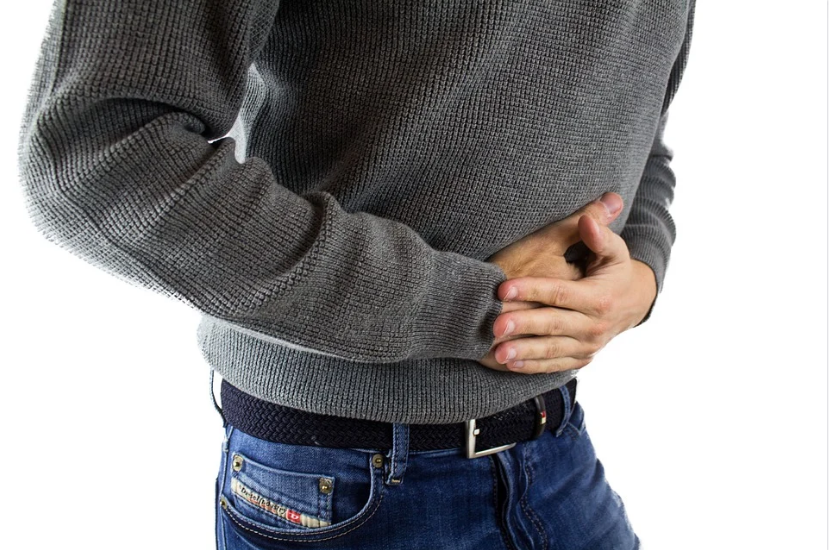
Diabetes

How to reverse type 2 diabetes without medications?

Before we talk about how to reverse diabetes, let’s first understand about type 2 diabetes and how it affects your body?

What is Diabetes?

Diabetes is a group of disorders characterized by high blood glucose concentrations resulting from defects in insulin secretion, insulin action or both.

In other words, diabetes is a chronic disease that occurs either when the pancreas does not produce enough insulin or when the body cannot use the insulin effectively it produces. Insulin is a hormone produce by the pancreas that regulates the blood glucose levels. And sometimes your body does not make enough insulin or does not use it well. In turn, this glucose stays in your blood and does not reach your body cells and having too much glucose in your blood for longer period can cause health problems.

Do you know what is prediabetes? Understanding Pre-diabetes and insulin resistance

Types of Diabetes:

T1DM:

T1DM stands for Type 1 diabetes mellitus. The primary defect of this diabetes is pancreatic beta cell destruction, usually leading to absolute insulin deficiency. It is also known as insulin-dependent. It is usually diagnosed in children, teenagers, and young adults which is why it is known as juvenile or childhood-onset diabetes.

Furthermore, if you have T1DM, then you’ll need to take insulin every day to survive as neither its cause nor the means to prevent it are known yet.

Symptoms of T1DM:

It includes following symptoms:

  • Excessive excretion of urine (polyuria)
  • Excessive thirst (polydipsia)
  • Constant hunger
  • Weight loss
  • Vision changes
  • Fatigue.

T2DM:

T2DM stands for Type 2 diabetes mellitus. In this, the body does not produce enough insulin or does not use it properly (insulin resistance) then type 2 diabetes is likely to develop. It is also known as non-insulin-dependent, or adult-onset results from the body’s ineffective use of insulin.

About 90-95% of people with diabetes have type 2 diabetes mellitus. It can be prevented or delayed with healthy lifestyle changes such as losing weight, eating healthy food, and being active.

Symptoms of T2DM:

The symptoms of T2DM are almost similar to those of T1DM but these are often less marked. As a result, the diagnosis of disease may be delayed for years even after its onset. This is most likely to be diagnosed after complications have already arisen.

Gestational Diabetes Mellitus (GDM):

Gestational diabetes is diabetes whose diagnosis happens for the first time during pregnancy (gestation period). It affects how your cells use blood glucose and high blood sugar can affect your pregnancy and your baby’s health.

In women with gestational diabetes, blood sugar usually returns to normal soon after delivery. But if you’ve had gestational diabetes, you have a higher risk of getting type 2 diabetes. Thus, regular checkup is necessary to avoid the risk of developing diabetes.

Symptoms of GDM:

For most women, gestational diabetes doesn’t cause noticeable signs or symptoms. Increased thirst and more-frequent urination are possible symptoms.

Screening/risk factors of diabetes:

Screening for diabetes should be mandatory in all adults who are overweight and who have one or more additional risk factors for T2DM. In those without these risk factors, testing should begin at age 45 years. If tests are normal, testing shall be done at 3-year intervals. A1C test, Fasting Prandial Glucose, or 2-h Oral Glucose Tolerance Test can be used to test for either prediabetes or diabetes.

Additional risk factors for diabetes are the following:

  • Physical inactivity
  • First-degree relative with diabetes
  • Members of a high-risk population (African Americans, Latino, Native American, Asian American, and Pacific Islander)
  • Women who have delivered a baby weighing more than 9 lb or 4 kg or have been diagnosed with GDM
  • Hypertensive (blood pressure 140/90 mm Hg or taking medication for hypertension)
  • Women with polycystic ovary syndrome (PCOS)
  • Other clinical condition associated with insulin resistance such as severe obesity, acanthosis nigricans [gray-brown skin pigmentations]).
  • History of Cardiovascular disease.

Diagnostic criteria of diabetes:

Source: ADA 2018; ISPAD 2018

Let’s understand how can we reverse diabetes and control the same without medications:

There are so many research related to diabetes and how can you reverse it for good. As reversal can imply a permanent cure, a more apt term for this is diabetes remission. The complete cure is not found yet but putting your diabetes into remission can help. Yes, it may be possible to put your type 2 diabetes into remission. But this concept is not applicable on Type 1 diabetes. Researches are currently in progress on remission for type 1 diabetes as well but no effective results have come so far.

Do you know what Diabetes remission is? No, then let’s talk about it. Diabetes remission means that your blood sugar levels are below the diabetes range (complete remission) or in pre-diabetes range (partial remission), usually without you needing to take any diabetes medication for at least 6 months.

People that have type 2 diabetes are most likely to be overweight or obese. This leads to fat building up around vital organs such as the pancreas and liver which causes them to not work as effectively and results in diabetes.
Source: https://www.bmj.com/content/374/bmj.n1449

You must be wondering that how people with type 2 diabetes may be able to put their diabetes into remission?

It is possible to put your diabetes into remission. Some people have lost a significant amount of weight and put their diabetes into remission through lifestyle and diet changes or by having weight loss surgery called bariatric surgery. But we, here at Fitpiq, prefer the most natural and healthy way to put your diabetes into remission.

Healthy lifestyle includes:

1) healthy weight/lose healthy weight

2) mindful eating

3) complete smoking cessation 

4) alcohol in moderation

5) practice meditation

Lose extra weight:

The primary means by which people with type 2 diabetes achieve remission is by losing significant amounts of weight. For instance, if you are obese, then your diabetes is more likely to go into remission if you lose a significant amount of weight (let’s say 15kg) as quickly and safely as possible following your diagnosis.

Research shows that losing just 5%-10% of your body weight can have huge benefits for your health. Furthermore, losing weight and the fat around these organs allows them to work properly again which can put your diabetes into remission.

There are also other benefits of losing weight such as:

  • Reducing your risk of developing complications from diabetes
  • Improved blood sugar levels
  • Reducing medications
  • Lowering cholesterol levels
  • Helps you to sleep better

Exercise:

People that have type 2 diabetes are most likely to be overweight or obese. This leads to fat building up around vital organs such as the pancreas and liver which causes them to not work as effectively and results in diabetes.

A exercise routine for at least 45 minutes of moderate intensity i.e. 5 to 6 days a week is very effective for your weight loss. Additionally, you can also opt for a daily step count challenge. This helps you in burning calories and reducing fat in your body. It also reduces insulin resistance, which brings your blood sugar under control.

How can you start:

  • First step is choose something that you can stick to for longer period. If you choose something that you are not comfortable with, then you will most likely to get stray off the path.
  • Always start with small changes and can increase it gradually as you start to develop strength. For example, you can park your vehicle farther from the door, take the stairs, go for brisk walking, do yard work, or walk the dog.
  • Set a goal in your mind. For example, walk a mile every day for a month or yoga every weekend for 30 minutes.

Diet:

The low carb and low glycemic index diet is the most effective way to go into diabetes remission.

Low Carbohydrate diet:

Low-carbohydrate diets may seem to be a logical approach to lowering postprandial glucose. However, foods that contain carbohydrates (whole grains, legumes, fruits, vegetables, and low-fat milk) are excellent sources of vitamins, minerals, dietary fiber, and energy.

A low-carb diet is one that limits carbohydrates, primarily found in sugary foods, refined pasta, and bread. Instead of eating simple carbs, this focuses on complex carbs, protein-rich whole foods, fruits and vegetables.

  • Complex carbohydrates includes whole grains such as oats, wheat and millets such as ragi, jowar, bajra, etc.
  • Protein rich foods include milk and milk products, pulses and legumes, eggs, lean meat, fish, poultry, etc.
  • Low glycemic index fruits such as cherries, apple, orange, plums, pears, etc.
  • Low glycemic index vegetables such as peas, onions, cabbage, beans, tomatoes, cucumber, bottle gourd, bitter gourd, ivy gourd, etc.

What is glycemic index? It shows the effect different foods have on the blood sugar levels.

Smoking cessation:

Smoking tends to increase the inflammation in the body. It also causes oxidative stress, a condition that occurs as chemicals from cigarette smoke combine with oxygen in the body. This causes damage to cells. And both inflammation and oxidative stress may be related to an increased risk of diabetes. Smoking is associated with a higher risk of abdominal obesity, or belly fat.

What is the relation between smoking and diabetes?

When people with type 2 diabetes are exposed to high levels of nicotine, insulin is less effective. People with diabetes who smoke need larger doses of insulin to control their blood sugar. So, complete smoking cessation is necessary for the insulin to start working better to lower blood glucose levels.

Meditation:

When we are in stress, then we tend to have higher cortisol levels which in turn increases insulin resistance. This stress also makes you to make wrong choices, for example, eating at night. This is particularly bad for diabetics, because there is a natural five-minute spike in growth hormone at 3:00 a.m.

This leads to a temporary increase in insulin resistance and subsequent higher blood sugar. So it’s very important to control stress and anxiety when treating diabetes.

Meditation will help people to relax and gives you some fresh perspective for dealing with stress. It can help by decreasing stress and regulating sleep patterns, so the person is sleeping through the night and not eating at midnight because of stress or anxiety.

Is the diabetes remission permanent?

Remission is not permanent but you can maintain it for longer periods with your active lifestyle, healthy weight and diet. It is always possible that your blood sugar levels could come back into the diabetes range. Thus, you need to keep an eye on your weight, and if you starts to gain weight again, then you can ask for extra support from experts to adjust your eating pattern and activity levels.

Can anyone put diabetes into remission phase?

It has been seen through several researches that the longer you have had type 2 diabetes, the more difficult it is to reach remission. As longer the time you have diabetes, the beta cells in the pancreas may lose their ability to produce insulin. And after a certain duration, it may be impossible to restore normal insulin production. Researchers suggest that diabetes remission is possible for some people out to ten years following diagnosis, though the DiRECT remission study only included people who had diabetes for six years or fewer.

Source: https://www.diabetes.org.uk/guide-to-diabetes/managing-your-diabetes/treating-your-diabetes/type2-diabetes-remission#:~:text=Remission%20means%20that%20your%20blood,for%20at%20least%20six%20months.

What to keep in mind when you are in remission?

When you are remission, regular check-ups are mandatory as there are high chances that you may go back into the diabetes range. Test such as A1C test, fasting glucose and post prandial glucose test shall be done once in every 6 months.

If you are struggling shedding weight. You can talk to us by taking this assessment: Click here

For more information click here