Health Tips

General health tips include tips to keep healthy & lose weight.

What is a healthy life? A life where you have no disease condition or a life where your body is doing physically good,

or a life where your mind is at peace or a life where you have a social circle and well-being?


Well to answer this question, you should analyze your life and think about what actually health is.


Health as defined by WHO as a state of complete physical, mental and social well-being and not merely the absence of disease or infirmity.

So that means, health is not only just being free of a disease condition, but in order to be healthy, one must be sound physically, mentally, and socially.


Health tips not only include what one should eat and not to eat, but it also includes the practice to attain a complete state of health.


If you are doing well physically and mentally but not consuming the required amount of nutrition that your body requires,

you will not be able to achieve your health goal to the fullest. Physical activity, mental health, social well-being, and dietary habits go hand in hand to live a healthy life.


Health tips will provide you with an outlook of how you can be healthy by putting in just a few efforts and making your health a priority.


Because if your body is in a state of health, you will be in a state of overall well-being. So choose yourself and your health over anything else!


Intermittent Fasting

How to do Healthy Intermittent Fasting

Intermittent Fasting is not a diet, it’s a pattern of eating which is 16:8. Scheduling your meals so that you get the most out of them. Intermittent fasting doesn’t change what you eat, it changes when you Eatwell, most notably, it’s a great way to get lean without going on a crazy diet or cutting your calories down to nothing. Many times you’ll try to keep your calories the same when you start intermittent fasting. Intermittent fasting is a good way to keep muscle mass on while getting lean.

How intermittent fasting leads to fat loss in a Moment and also helps many diseases also.

Step 1:

this, we eat good fats and victims and minerals and remove all the bad fats and things that are harming us and incorrect quantity which is more important in it. This helps us to get back in shape.  TO be fit it requires very little behavior change in habit which is good for healthy living.

Step 2:

 A Very good thing  About intermittent fasting falls into the category of “simple enough that you’ll actually do it, but meaningful enough that it will actually make a difference.”In this, you eat good qualitative food like fruit, vegetable and nuts and eggs and many more Things which is required for your balanced diet and in required quantity.

Step 3: 

This fasting helps to get people back with confidence and also helps change their lifestyle which is more important for us these days as everyone these days wants to fit in. 

 Eg – All of us are aware with the  COV-19 we all are sitting at home and doing the work and not doing physical tasks.  Before this COV-19 we are going to the office and we are on the proper route and doing some physical activities which are more important for the body to burn fat.  But due to this cov19, we are sitting at home doing work that destroys our lifestyle and due to this we also know that hormonal problems have increased and people have to gain a lot of weight loss and suffer from many diseases.

  Many people celebrate and people who have started intermittent fasting have lost their weight like Bharti Singh who lost 16 kg with intermittent fasting.

Learn how Fasting Plan for Weight Loss is Different Types

 How Does Intermittent Fasting Work?

To understand how intermittent fasting leads to fat loss we first need to understand the difference between the fed state and the fasted state.

Your body is in the fed state of digesting and absorbing food. The fed state starts when you begin eating and lasts for three to five hours as your body digests and absorbs the food you just ate. When we are in a fed state, it’s very hard for our bodies to burn fat because our insulin levels are high

After some time our body goes into the process of a postabsorptive state, which is just a fancy way of saying that your body isn’t processing a meal. The post-absorptive state lasts until 8 to 12 hours after your last meal, this time we enter the fasted state. It is much easier for your body to burn fat in a fasted state because your insulin levels are low.

When you’re in the fasted state your body can burn fat that has been inaccessible during the fed state. We don’t enter the fasted state until 12 hours after our last meal,  this much time our body requires to digest the food. 

The main reasons why many people start intermittent fasting will be to lose fat without changing what they eat, how much they eat, or how often they exercise is affecting their body.

Fasting puts your body in a fat-burning state that you rarely make it to during a normal eating schedule.

The Benefits of Intermittent Fasting                                                                                            

Leangains are called intermittent fasting. 16–hour fast followed by an 8–hour eating period.  Intermittent fasting was popularized by Martin Berkhan of Leangains.com, which is where the name originated.

It doesn’t matter when you start your 8–hour eating period. You can start at 9 am and stop at 5 pm. I tend to find that eating around 1 pm and 8 pm works well because those times allow me to eat lunch and dinner with friends and family. Most people already “fast” every day, while they sleep. Intermittent fasting can be as simple as extending that fast a little longer.

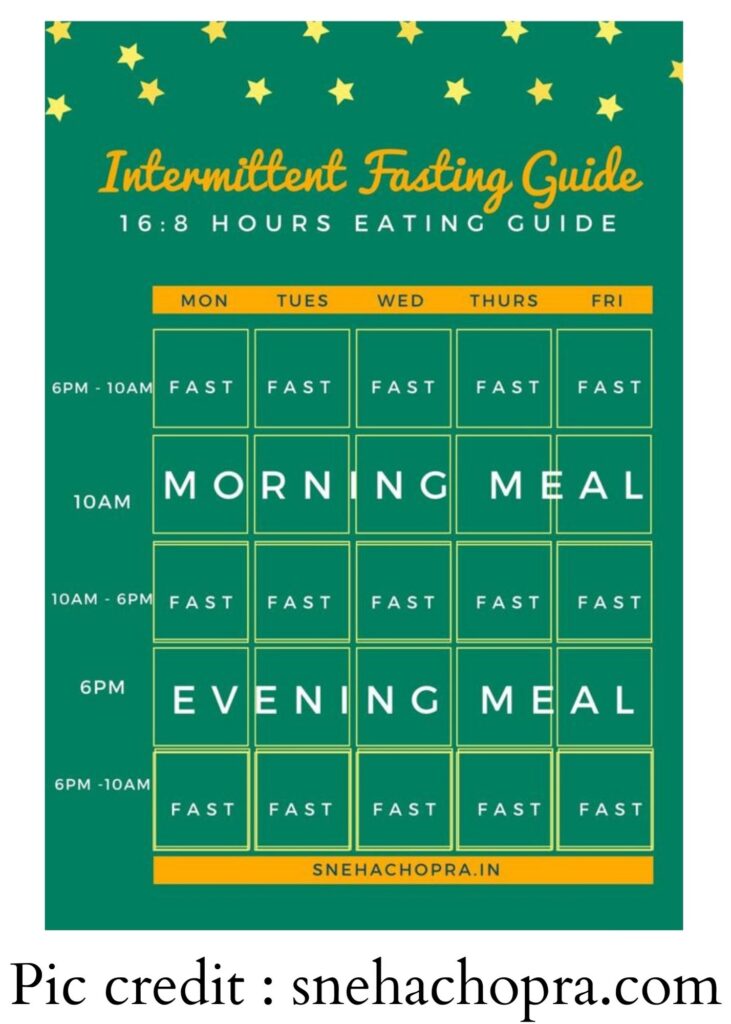
You can do this by skipping breakfast, eating your first meal at noon, and your last meal at 8 pm. Then you’re technically fasting for 16 hours every day, and restricting your eating to an 8-hour eating window. This is the most popular form of intermittent fasting, known as the 16/8 method.

Hunger is not that big of an issue, although it can be a  problem in the beginning, while your body is getting used to not eating for extended periods of time.

No food is allowed during the fasting period, but you can drink water, coffee, tea, and other non-caloric beverages. Some forms of intermittent fasting allow small amounts of low-calorie foods during the fasting period.

When practicing intermittent fasting, working out in the morning can be super beneficial.
Since it is near the end of your fast, your body’s insulin levels have hit their baseline, meaning that your body is no longer storing fat, but rather is burning it.
Therefore when you work out, you are burning solely to store body fat.

How much weight can you lose in a 16: 8 diet?

According to the studies published in Molecular and cellular endocrinology who have found out on average,

someone whose weight is just 90 kg would lose 5%of their total body weight in the 10week period.

someone needs to do correct exercise and diet only then he or she can lose 11 pounds in 10 weeks.

For good weight loss try to follow food on 16:8 diet

  • Whole grains like – rice, oats barley, whole grain pasta, and quinoa will keep you fuller for longer.
  • Protein meat, poultry, fish, eggs, nuts, and seeds will keep you full.
  • Fruit: Apples, bananas, berries, oranges and pears will offer good vitamin sustenance.
  • Vegetables: Broccoli and leafy greens are especially good for making sure you’re eating enough fiber.
  • Healthy fats: Olive oil, coconut oil, avocados.

Intermittent Diet – as follow below for 1 day


If you are struggling shedding weight. You can talk to us by taking this assessment: Click here

For more information click here

Different Types of Fasting Plan for Weight Loss And Help To Improve Our Lifestyle.

Everyone dreams of having a perfect and healthy body. Only a few people have a perfect body and health. Others have to work hard to maintain their body perfectly. But no one says that it is impossible. Maintaining your body and keeping it perfect is possible. People are having difficulties with their weight loss. There are many tips and advice given to them for losing their weight. Today I will be telling you about the Indian diet plan for losing weight.

Intermittent fasting, also known as intermittent energy restriction. Intermittent fasting is an eating pattern where you cycle between periods of eating and fasting.  There are many different ways of intermittent fasting methods, all of which split the day or week into eating periods and fasting periods.

Most people already “fast” every day, while they are sleep. Intermittent fasting can be as simple as extending that fast a little longer. You can do this by skipping breakfast, eating your first meal at noon, and your last meal at 8 pm. Then you’re technically fasting for 16 hours every day, and restricting you’re eating to an 8-hour eating window.

Many fewer behavioral changes are required in Intermittent Fasting. The changes were seen in different people after intermittent Fasting are:

  • Muscle mass increases
  • Body fat decreases
  • Spontaneity increases

The decrease in the amount of time in training.

Intermittent Fasting Diet Plan

Diet plan which can help in weight loss. It is rightly said that to avoid sickness eat less. Intermittent fasting helps in scheduling meals to get the most benefits from it. The calorie intake in this diet remains the same as for a weight loss diet. Here is some food composition of intermittent fasting:

  • It includes fresh fruits and vegetables for daily vitamins and minerals.
  • It is having moderate fat, moderate carbohydrate, and high protein.
  • You can opt for whole-grain cereal, millets, and fiber-rich fruits as these things help in weight loss.
  • Taking the good quality of proteins like low-fat milk and its products, lean meat, fish, and egg are vital.
  • Taking 2-3-liter water daily.

Diet Plan Intermittent Fasting

The exercise you can do in Intermittent Fasting

When you do a Cardio workout then it targets the fat stored in the body.

High-intensity interval training can have a great impact on lean body mass and fat storage.

You must avoid exercise before going to bed as it can disturb your sleep.

Before a workout, have a cup of coffee or green tea an hour ago. It will boost metabolism and help in weight loss.

 Intermittent Fasting Diet

It has become a health trend in every country. It helps in weight loss and also maintains our body. There are many methods for an intermittent fasting diet plan. I will be telling you about a few of them:

The 16/8 Method

In this method, the fasting period is between 14-16 hours daily and eating hours are between 8-10 hours. It is an easy method of fasting. In this, you can skip your breakfast and should not eat anything after dinner. During the fast, you can have water, coffee, and other zero-calorie beverages. Within the eating window, you can fit in two, three, or more meals.

 This method is also known as the Leangains protocol and was popularized by fitness experts.

 It’s very important to eat healthy foods during your eating window. This method won’t work if you eat lots of processed foods or an excessive number of calories. You also need to do exercise so that old storage fat will get burn fast.

Pls see below-attached link for more information-https://snehachopra.com/blog/2020/07/how-to-follow-intermittent-fasting-in-the-right-way-a-comprehensive-intermittent-fasting-guide/

5:2 Diet

In this method, you have to eat normally for 5 days of the week. Then reducing calorie intake between 500 – 600 in the next two days of the weak. It is also called the fast

For example, you might eat normally every day of the week except Mondays and Thursdays. For those 2 days, you eat 2 small meals of 250 calories each for women and 300 calories each for men.

Eat stop eat

It involves 24 hours fast once or twice a week. This method was given by Brad Pilon and is quite popular. You have to fast from one meal of the day to the same meal as the second day. For example, if you had breakfast on Sunday then up to Monday morning breakfast you have to fast to complete 24 hours.

For example, if you finish dinner at 7 p.m. Monday and don’t eat until dinner at 7 p.m. Tuesday, you’ve completed a full 24-hour fast. You can also fast from breakfast to breakfast or lunch to lunch — the end result is the same.

learn how to do 5.2 Intermittent Fasting

Alternate Day Fasting

In this method, you have to fast every Alternate day. For example, you can have a proper diet on Sunday but on Monday you have to fast. On Tuesday you can have a proper diet but on Wednesday you have to fast. This way you fast will go on.

There are several different versions of this method. Some of them allow about 500 calories during the fasting days.

 It has been researched that alternate-day fasting wasn’t any more effective at producing weight loss or weight maintenance than a typical calorie-restrictive diet. A full fast every other day can seem rather extreme, so it’s not recommended for beginners.

With this method, you may go to bed very hungry several times per week, which is not very pleasant and probably unsustainable in the long term.

 There are two subtypes

  • Complete alternate-day fasting (or total intermittent energy restriction), where no calories are consumed on fast days.
  • Modified alternate-day fasting (or partial intermittent energy restriction) which allows the consumption of up to 25% of daily calorie needs on fasting days instead of complete fasting. This is eating to alternating days with normal eating and days with a very low-calorie diet.

The Warrior Diet

In this method, you have to eat fruits in a day and eat a heavy meal diet at night time. This means in this you have to fast in the day and should have proper meals at night time. It involves eating small amounts of raw fruits and vegetables during the day and eating one huge meal at night. Basically, you fast all day and feast at night within a 4-hour eating window.

In this method, you have to skip a meal from time to time. You can skip a meal when you are busy or when you are not hungry. In other words, we can say skipping one or two meals in a day is known as spontaneous meal skipping.

1. How It Affects Your Cells, Hormones, Heart disease, and diabetes Also

 Body changes hormone levels when we do fasting stored body fat accessible and initiates important cellular repair processes.

Some of the changes that occur in your body during fasting:

Insulin levels- Blood levels of insulin drop significantly, when we fast and facilitate fat burning. Buy this we will lose weight.

  • Also, help from Diabetes.
  • Blood sugar levels
  • Blood pressure
  • Blood triglycerides
  • Total and LDL (bad) cholesterol
  • inflammatory markers

Human growth hormone (HGH) levels. The blood levels of human growth hormone (HGH) may increase dramatically. Higher levels of this hormone facilitate fat burning and muscle gain and have numerous other benefits.

Cellular repair- The body plays important cellular repair processes, such as removing waste material from cells. So there are benefits of intermittent fasting which leads to changes in hormones, the function of cells

2. Intermittent fasting diet plan for Weight Loss

Today time everyone wants to be slim of having a perfect and healthy body. But no one says that it is impossible. Maintaining your body and keeping it perfect is possible for these people who have determined they should not leave any hope. Step by step they will reach success. 

 If you lose weight you will gain your confidence back and your body will get free from many diseases. So weight loss help in the overall mental and physical health. Also, help from depression is the most face by people days.

Has benefits for your brain

It is good for the body is often good for the brain as well. Intermittent fasting improves various metabolic features known to be important for brain health.

3. Intermittent fasting helps Reduce

  • Oxidative stress
  • Inflammation

Several studies in mice and rats have shown that intermittent fasting may increase the growth of new nerve cells, which should have benefits for brain function.

Fasting also increases levels of a brain hormone called brain-derived neurotrophic factor (BDNF). A BDNF deficiency has been implicated in depression and various other brain problems.

4. May Help Prevent Alzheimer’s Disease

Alzheimer’s disease is the world’s most common neurodegenerative disease. There’s no cure currently available for Alzheimer’s, so preventing it from showing up in the first place is critical. A progressive disease that destroys memory and other important mental functions. Brain cell connections and the cells themselves degenerate and die, eventually destroying memory and other important mental functions.

Memory loss and confusion are the main symptoms. Fasting helps slow down the progress of this disease.

In a series of case reports, a lifestyle intervention that included daily short-term fasts was able to significantly improve Alzheimer’s symptoms in 9 out of 10 people

Recap & Final Thoughts

The main reason for any dietary change is to have a sustainable and healthy lifestyle that helps you meet your health goals. Whether you’re looking to lose weight or prevent disease, intermittent fasting is one eating style that may work for you. The most important thing with any diet is to get all of your essential macro and micronutrients, appropriate amounts of food, and fiber for a healthy gut microbiome and enjoy your lifestyle in the long run.

low calorie

Low-Calorie food items when dining out!

Low-Calorie food items are good for health. and also for a healthy lifestyle, a well-balanced diet that consists of fruits, vegetables, dairy, grains, and protein is a must.

A) Starbucks’ spinach, feta, and cage-free-egg-white wrap 

B) Chipotle salad bowl with chicken, salsa, pinto beans, fajita veggies, and cheese.

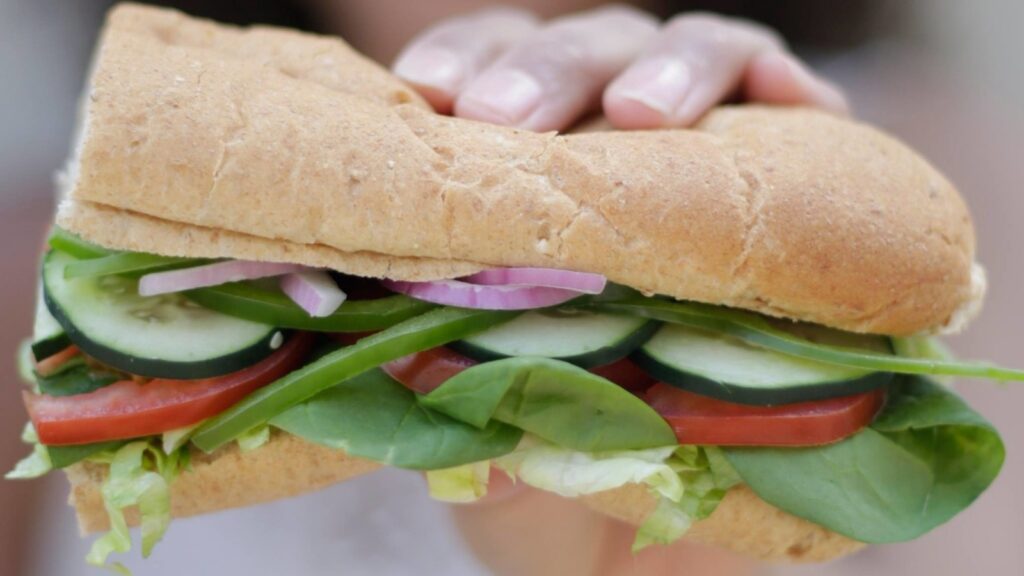
C) Subway’s veggie sandwich

D) A Jimmy John’s “Totally Tuna Unwich”

The Unwich takes all the best parts of a Jimmy John’s sandwich and wraps them in the vegetable lettuce.

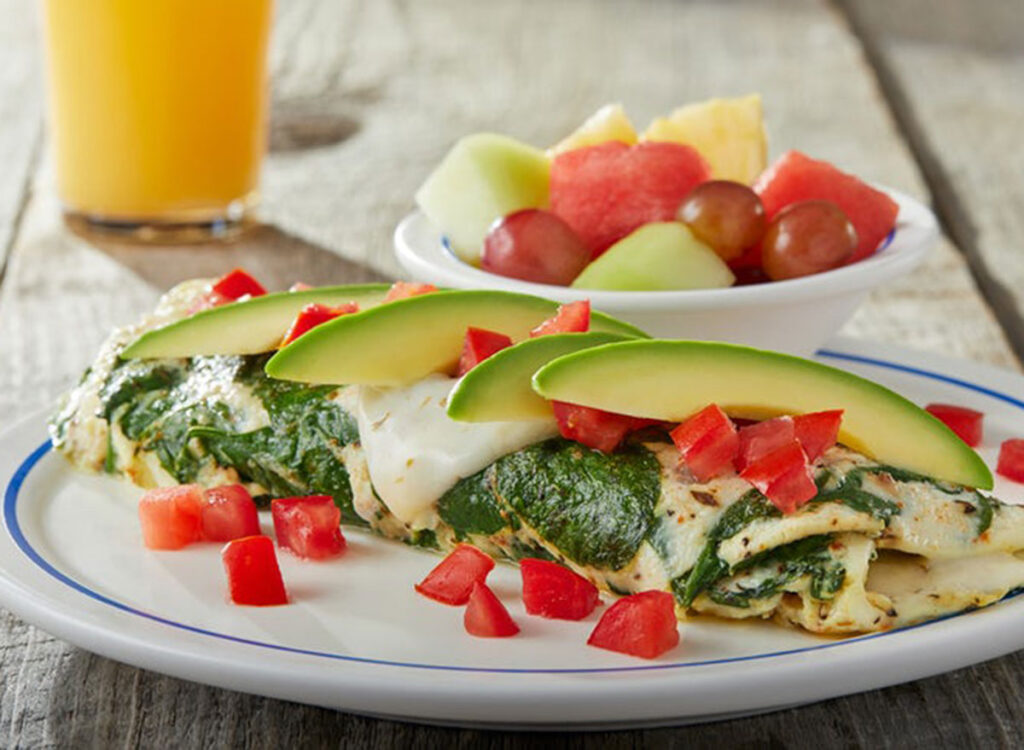
E) IHOP’s 380-calorie egg-white vegetable omelet-

IHOP offers a variety of low-calorie omelets, scrambles, and oatmeal as part of their “Simple and Fit” selections.

F) Marie Callender’s 460-calorie veggie tacos

These tacos are already perfectly portioned and come with black beans, poblano peppers, corn, zucchini, cheese, pico de gallo, and avocado.

G) Thai chopped salad at Dave & Buster’s

The salad features a mix of kale, cabbage, brussel sprouts, scallions, cilantro, and fire-grilled chicken tossed in a ginger-peanut dressing.

H) Panera pick-two deal is a chicken Caesar salad with 10 types-vegetable soup 

Panera has a ton of high-quality, healthy choices on its menu. The pick-two deal, which lets you get a half order of soup, salad, or a sandwich.

I) The bean burrito “fresco” from Taco Bell

Foodbeast named Taco Bell one of America’s healthiest fast-food chains. You can modify nearly all of their options to make them diet-friendly.

J) Denny’s “Fit Fare” loaded veggie omelet is filling and delicious

The omelet is stuffed with zucchini, squash, mushroom, and cheese and comes with fruit and an English muffin.

Benefits of Low-Calorie Food

Here is a list of few benefits of being on a low-calorie food items diet:

  • Effectivity 
  • Accessibility 
  • Safety 

If you are struggling shedding weight. You can talk to us by taking this assessment: Click here

For more information click here

Detox

Detox diet for Indians

Detoxification (Detox) is a natural process that is carried out by our internal organs like kidneys and liver throughout the day. Our body is designed in a way that it can remove the toxins from the system naturally with the help of internal organs.

Why do we need detox diet ?

Toxins from oily, unhygienic food and an unhealthy lifestyle cause chronic low-grade inflammation, which causes weight gain. The toxin build-up also causes acne breakouts, hair loss, indigestion, and constipation. A detox diet of course plan helps flush out toxins, improve digestion, boost metabolism, aid weight loss, enhance cognitive function, and equally important to provide glowing skin and shiny hair. 

lean how to make 14 most famous and effective Detox drinks

Some habits that will help the body detox internal organs-

Detoxification is a natural process that cannot be initiated or stopped. All we can do is support the internal system to carry out the process more efficiently and smoothly. 

Step 1:

A plant-based diet it is better for the gut and organ when trying to detoxify. Non-vegetarian diet has the most toxins. So, it is important to limit the intake of animal-based foods. Have a well-balanced diet that contains both animal and plant-based foods. Refined and processed foods only contain calories and zero nutrients.

Step2:

High-calorie foods increase the chances of diseases such as obesity, diabetes, and heart problems. Exclude these food items from your diet for better health and body activity.

Step3:

Walter is essential to support healthy body function. Drinking an adequate amount of water every day is paramount for health. 

Step4:

Sleep also plays a major role in keeping us healthy and improve regular body functionality. So, sleep soundly on time and exercise every day to stay fit.

What to eat?

It depends on the particular detox diet you are on. There are many,  some involve fasting, or just drinking liquids. Others allow some foods, like fruits and vegetables. They typically are short diets and they are not a way of eating you can stick within the long run.

If the idea of detoxing appeals then one can go for clean eating that focuses on vegetables, fruits, whole grains, and lean protein — basically, whole foods without a lot of processing. That is good and more likely to give results that last, especially if you make exercise a habit.

The only type of detox diet that is worthwhile is the one that limits processed, high-fat, and sugary foods, and replaces them with more whole foods like fruits and vegetables. Also, that clean-eating approach is your best, to stay fit & healthy for lifelong.

Is It Good for Certain Conditions?

Detox diets are not good for people with certain medical conditions, similarly, they could be harmful. There is no research showing they improve blood pressure or cholesterol or have a positive effect on the heart. as well as People with diabetes may be quite dangerous. Any diet that severely restricts what you eat could lead to dangerously low blood sugar if you take medicine for diabetes.

3 Day detox Diet plan

Day 1 – 

Early morning- Lukewarm lemon water 1 glass

Breakfast – Pear (do not mix two fruits)

Lunch – Steamed vegetable dish- ( capsicum, carrot. French beans, cucumber ). Add spices & green chutney to it – 1 med. bowl

Snack – coconut water 1 yield

Dinner – Tomato soup with boiled vegetables in it – 1 med. bowl

Day 2- 

Early morning- Lukewarm water 1 glass

Breakfast- Boiled split green moong dal chaat with vegetables in it. – 1 med. bowl

Lunch – Yellow moong dal khichdi (Add ¼ of rice to it) – 1 med. Bowl

Snacks – Sweet potato chaat – 1 small bowl

Dinner – Lemon coriander soup (add boiled vegetables)- 1 med. bowl

Day 3- 

Early morning- Lukewarm water 1 glass

Breakfast- Veg. Oats cheela – 2

Lunch- Dal 1 kat. , chawal 1 kat. & Onion tomato salad – 1 kat.

Snacks- 4 soaked Almonds & 1/2 soaked walnut.

Dinner – 1-2 Roti , vegetable- 1 kat. & Tomato cucumber salad- 1 kat.

Take away message

A detox diet that just focuses on clean eating. This approach could be great for anyone living with high cholesterol, high blood pressure, diabetes, and even heart disease. 

If you are struggling shedding weight. You can talk to us by taking this assessment: Click here

For more information click here

Are you having enough water/fluids?

Are you having enough water/fluids? Fluid intake for Men and Women

Water is the most abundant constituent of the human body and regular fluid intake is important for our bodies to properly function. The amount of fluid needed varies between people and according to age, time of year, diet levels of physical activity and climatic conditions. We can get our fluid requirements from a number of sources such as water and other drinks, as well as the food we eat. Dehydration can impair physiological & performance responses and in extreme cases can be fatal.

It can be harmful to drink too much water as water intoxication can lead to hyponatraemia. Regular fluid intake and water replacement are essential before, during and after exercise.

Recommended intake  –

The recommended intake for men is about 15.5 cups (3.7 liters) of fluids a day and for women about 11.5 cups (2.7 liters) of fluids a day.

The image demonstrates the amount of fluid intake for both genders per day with different cup sizes. 

For females, fluid in cup no. 1 (capacity 118 ml) and drinking 15 cups of it will constitute to 2.7 liters of fluid intake per day. Same way, fluid in Cup no. 2 (capacity 210 ml) and drinking 13 cups of it will constitute to 2.7 liters of fluid intake per day. Same goes for other cup no.’s as well. Accordingly, it goes for the other cup no.’s. 

 For males, fluid in cup no. 1 (capacity 118 ml) and drinking 21 cups of it will constitute to 3.7 liters of fluid intake per day. Same way, fluid in Cup no. 2 (capacity 210 ml) and drinking 18 cups of it will constitute to 3.7 liters of fluid intake per day. Accordingly, it goes for the other cup no.’s . 

Conclusion – 

Fluids in the form of coffee, tea, buttermilk, water used in cooking, milk, etc. we are used to consuming every day and this consumption comes out to be approximately 1 liter. Other than this, it should be consumed in the form of drinking water. 

If you are struggling shedding weight. You can talk to us by taking this assessment: Click here

For more information click here