Health Tips

General health tips include tips to keep healthy & lose weight.

What is a healthy life? A life where you have no disease condition or a life where your body is doing physically good,

or a life where your mind is at peace or a life where you have a social circle and well-being?


Well to answer this question, you should analyze your life and think about what actually health is.


Health as defined by WHO as a state of complete physical, mental and social well-being and not merely the absence of disease or infirmity.

So that means, health is not only just being free of a disease condition, but in order to be healthy, one must be sound physically, mentally, and socially.


Health tips not only include what one should eat and not to eat, but it also includes the practice to attain a complete state of health.


If you are doing well physically and mentally but not consuming the required amount of nutrition that your body requires,

you will not be able to achieve your health goal to the fullest. Physical activity, mental health, social well-being, and dietary habits go hand in hand to live a healthy life.


Health tips will provide you with an outlook of how you can be healthy by putting in just a few efforts and making your health a priority.


Because if your body is in a state of health, you will be in a state of overall well-being. So choose yourself and your health over anything else!


What chronic obesity can do to you? Why reaching a higher BMI can be dangerous to your health?

What is chronic obesity & how to reverse?

What is obesity? 

Obesity is a complex disorder related to lifestyle, environment and genes. It is a condition where there is excessive fat storage in the body which increases the risk of health problems. The World Health Organisation (WHO) has declared obesity as the largest global chronic problem, including in India. Almost 30-65% of Indians are either overweight or obese, directly correlating with the increasing prevalence of obesity-related comorbidities: hypertension, metabolic syndrome, dyslipidemia, type 2 diabetes, cardiovascular disease, stroke, osteoarthritis, sleep apnoea, respiratory problems, certain cancers, polycsytic ovary syndrome (PCOS), infertility and gestational diabetes in women. 

A proper body weight is most conducive to good health. Increase or decrease from this normal body weight beyond certain limits are not only detrimental to health but also predispose a person to many other disorders. There should be a balance between energy intake and expenditure. 

What happens when there is an imbalance in energy intake and expenditure?

 Several neural, hormonal and chemical mechanisms help maintain the body weight by keeping a balance between energy intake and energy expenditure. If there is more energy consumed than expended, then the remaining energy is stored in the body in form of either glycogen or fat (depending upon the periods), such an imbalance is called a positive imbalance. You consume more energy and expend less, the excess energy then gets stored in the body. Now, if you consume less energy and expend more, such an imbalance is called negative energy imbalance. 

Both of these imbalances show symptoms over a period of time. If there is a chronic positive imbalance, then you might start seeing fat deposits and gain in your weight over a period of time. Therefore, it is very important to create a balance between energy intake and expenditure.

Let’s try to understand what are the risk factors of chronic obesity?

Etiology

Genetics

Genetic inheritance influences a person’s chances of becoming obese. Many hormonal and neural factors involved in weight regulation are determined by genetic factors. The number and size of fat cells, regional distribution of body fat and resting metabolic rate are also influenced by genes. Nutritional or lifestyle choices can activate or deactivate these obesity-triggering genes. Various genes are involved in weight regulation, but these following caught much attention, the Ob gene, adiponectin (ADIPOQ) gene, the “fat mass and obesity related gene”, FTO gene and the beta 3-adrenoreceptor gene. It is also seen that the FTO gene predisposes the individuals to diabetes by its effect on body mass.

Physical inactivity

Lack of exercise and a sedentary lifestyle, accompanied by chronic overeating are also one of the most pressing causes of chronic obesity. The increase in screen-time and decrease in exercise routine is increasing sedentary lifestyle. 

Sleep and stress

Shortened sleep alters the endocrine regulation of hunger and appetite. Hormones that affect appetite take over and may promote excessive energy intake. Thus recurrent sleep deprivation can modify the amount, composition, and distribution of food intake and may contribute to the obesity epidemic.

Stress is another factor. The cortisol hormone is released when an individual is under stress, and stimulates insulin release to maintain blood glucose levels in the “fight-or-flight” response. Thus an increase in appetite occurs. Chronic stress with constantly elevated cortisol levels can also lead to appetite changes. Cortisol levels are typically high in the early morning and low around midnight.

Taste, satiety and portion sizes

Just imagine that you are in a buffet and there are numerous delicious options of food in front of you. What will you do? Will you try to resist or will you just put the amount of food on your plate for which you are actually hungry? Or would you rather like to try each and every option available and increase the amount of food? 

Well, food gives us satisfaction, we all crave for something or other. When provided with numerous options, an individual ends up eating more, totally ignoring his/her hunger. We think that just adding half a piece of cake or a muffin will not do too much! But all these extra calories add up. 

Therefore, there is a direct correlation between taste and portion sizes. Once you keep on eating extra portions, you’ll form a habit and then going back to eating according to your hunger feels difficult. 

Gut microflora and diet

You must be wondering what can be the relationship between gut microbes and the diet you consume? Well, researchers have identified a complex relationship between the both, i.e., microflora gut population and food absorption. There are two microbes present in the gut- firmicutes and bacteroidetes. These two live in a symbiotic relationship, one acting as slimming and the other acts as fattening microbe. Firmicutes bacteria tend to be much more efficient at nutrient breakdown and calorie absorption than bacteroidetes, and therefore contribute to calorie absorption and the development and maintenance of chronic obesity in individuals. A higher number of bacteroidetes, on the other hand, may help to make or keep people lean. Weight loss, then, it appears would require a higher number of bacteroidetes and a lower number of firmicutes. (Reference: Krause’s food and nutrition care process, 14th ed).

Now let’s briefly understand how you diagnose chronic obesity?

Diagnosis:

Anthropometric assessment-

Body weight and height are measures of body size and based on these, BMI (body mass index) is the most researched measure of generalised obesity. It helps in assessing the nutritional status, identifying individuals at risk, and monitoring the efficacy of a nutrition intervention. It also provides information about the body’s stores of fat and muscle. 

In anthropometric measurements, one can measure weight, height, waist circumference (for abdominal obesity), and waist to hip ratio (WHR). 

Classification of obesity based on Body Mass Index (BMI) (kg/m2):

CategoryGradeWHOIndian consensus
Underweight <18.5 
Normal 18.5-24.918-22.9
Overweight 25.0-29.923-24.9
ObesityIII30.0-34.935.0-39.925-29.930-34.9
Extreme obesityIII>40.0>35

Waist circumference cut offs for Asian Indians:

GenderAction level 1Action level 2
 Should avoid gaining weightSeek medical help
Women>72 cm>80 cm
Men>78 cm>90 cm

Assessment of physical activity:

Physical activity tells a lot about the lifestyle of an individual. It is very important to assess how active a person is. It can be measured by questionnaire, direct observation and using electronic monitoring devices such as pedometers (to measure step counts) and heart rate monitors. 

Dietary assessment:

It is crucial to know the diet of a person. What is she/he eating and how much. Food choices and food portions make a huge difference and therefore should be assessed properly. Generally a 24 hour dietary recall is done by a nutritionist to understand all about diet. It can be done through a questionnaire or by asking one to one or by asking the person to maintain a food diary.

After discussing what obesity is, what are the risk factors and how can you assess is a person is obese or not, now is the time to understand why is chronic obesity harmful? You must know that obesity is a reversible disorder. With proper diet, exercise and lifestyle modification, you can bring your weight down in the normal ranges. Of Course there are a few factors such as genetics which are not in your control. But such factors can be easily managed by taking care of modifiable factors, such as diet, physical activity, sleep and stress. 

Why reaching a higher BMI can be dangerous to your health?

Chronic obesity leads to psychological problems, mechanical disabilities, predisposition to renal, metabolic and cardiovascular diseases and overall reduces life expectancy. 

Obesity is a disorder which is metabolically unhealthy. It can predispose you to many complications. Chronic heart disease, diabetes, hypertension, gall-bladder disorder, stroke, cataract, PCOS, sleep apnea, hormonal cancers, gout and osteoarthritis are just a few complications which tend to worsen if you are obese. 

Complications of Obesity

Being obese always doesn’t mean that you can get these complications. There are people who are obese and still living a healthy life. But the risk of development of such complications is always a concerning factor. 

If we talk in terms of BMI, then many studies suggest that a normal BMI increases longevity but any deviation from the normal range, i.e, 18-22.9 kg/m2 can reduce the longevity and quality of life. 

Furthermore, if you look at the consequences of obesity, you’ll see how much chronic obesity really costs. 

Mechanical disabilities:

The extra weight load of the body may cause flat feet and arthritis leading to pain in hips, knees and spine. Moreover, adipose tissue deposition in the chest region and under the diaphragm interferes with normal respiration and predisposes to bronchitis. This further makes breathing difficult and the person feels sleepy and drowsy throughout the day. 

What is the relationship between obstructive sleep apnea and obesity?

Obstructive sleep apnea (OSA) is characterized by episodes of complete collapse of the airway or partial collapse leading to deprivation of breathing and oxygen temporarily. OSA is linearly related to obesity because in chronic obesity fat gets deposited in the chest area making the airways narrow. The muscle activity in this region also decreases and there are frequent episodes of hypoxia (having low oxygen level in tissues). Furthermore, such episodes can alter heart rate, drop in oxygen saturation and loud breathing sounds. It impacts cardiovascular health as well. 

Obesity is one of the major risk factors for OSA which further leads to other comorbidities such as hypertension, CAD, depression, insulin resistant diabetes and sleep related accidents.

Other comorbidities:

Obesity is one of the major leading risk factors for non-alcoholic fatty liver disease which can further develop end-stage liver disease. Fat deposits on the liver causes various other problems and further causes alterations in metabolism of macronutrients. 

Obesity is also related to increased risk of gallbladder disease. Moreover, the production of cholesterol and the amount of serum cholesterol is reported to correlate with body weight and the number of fat cells. 

Obesity and heart disease:

With the increased fatty deposits in the body, there is an increased risk of atherosclerosis, stroke and heart attack. The fatty built-up in the arteries make them narrow leading to atherosclerosis. Furthermore, it becomes difficult for blood to pass through the narrow arteries leading to hypoxia and cell death. This makes the heart work more and more to pump blood with more efficacy. Moreover, myocardial infarction, congestive heart failure are few conditions which can develop over time if the heart keeps on working in such stressful conditions. 

Understand more about heart disease by reading How to prevent heart disease? A step by step detailed guide for you.

Do you know the relationship between obesity and type 2 diabetes mellitus?

Obesity can worsen diabetes and it is also one the major risk factors of developing diabetes. In obesity there is hyperinsulinemia and insulin resistance or impaired insulin uptake by receptors in target tissues. Insulin resistance is common in obesity and can be reversed. Furthermore, the fat deposition in abdomen and central obesity is one of the major reasons for insulin resistance. Moreover, in these conditions the cells resist the insulin present in the body leading to elevated blood glucose levels. Chronically such conditions develop into pre-diabetes and then to diabetes. 

To understand more about pre-diabetes and insulin resistance, give a read to Understanding Pre-diabetes and insulin resistance!

PCOS and obesity

Due to hormonal disbalance, obesity is one of the risk factors for PCOS. in fact, menarche is found to occur generally at a younger age in overweight or obese girls. Irregular menstrual cycle and increased menstrual abnormalities are also experienced by females. 

To know how to manage PCOS, give a read to A comprehensive guide- PCOS and Dietary Habits

Stress

Obesity leads to psychological problems such as anxiety, stress and depression. Furthermore, fatigue, drowsiness and irregular sleep cycles cause such psychological conditions. An obese person may also suffer from personality complexes and may disassociate him/her self from the society. 

Bottom line:

Obesity associates with many comorbidities such as coronary artery disease, diabetes, hypertension, stroke, obstructive sleep apnea, PCOS, psychological conditions, etc. Above all, obesity can reduce life expectancy and may also tarnish quality of life. Obesity is a reversible condition and therefore, one should work towards reversing it for a sustainable life. Moreover, with a proper diet, physical activity and lifestyle and behavioral modification, one can easily win over obesity and lead a happy and healthy life!

If you are struggling shedding weight. You can talk to us by taking this assessment: Click here

For more information click here
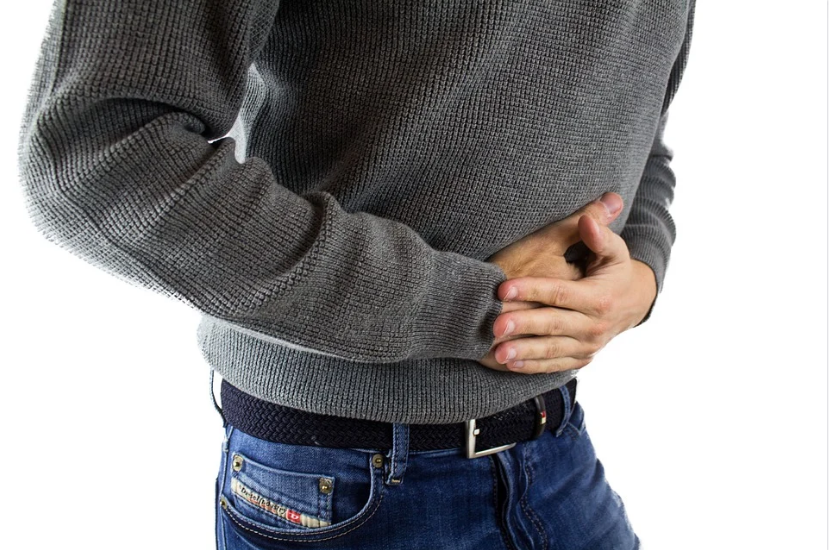
PCOS

Reasons why PCOS is common in India?

Firstly, let’s understand about PCOS. What it is and how it occurs in females of reproductive age?

What is PCOS?

PCOS stands for Polycystic Ovarian Syndrome. It is a condition in which the ovaries produce an abnormal amount of androgens, a male sex hormones that are usually present in women only in small amounts. P in PCOS stands for polycystic which means that are formation of cysts in ovaries. But not all the women with PCOS develop cysts.

These cysts develop when a woman doesn’t make enough hormones needed to ovulate. So, when ovulation doesn’t happen, the ovaries can develop many small cysts. And these small cysts make excess male hormones called androgens.

Interesting fact: PCOS was first reported by Stein and Leventhal in 1935. However, even today there is a lack of awareness regarding the condition in India and often remains undetected for years.

Why does this PCOS occurs in females of reproductive age?

  • Genetics: It is well known that genes can trigger a hormonal cascade. It may be possible that you may inherit the risk for PCOS. In a study conducted at the University of Alabama at Birmingham, the researchers found that 24% of women with PCOS had a mother with PCOS and 32% of the women had a sister with the condition.

However, there is no such single PCOS gene but a wide variety of genes and mechanisms seem to be at work, which may explain why PCOS has a wide range of symptoms and develops at different ages for women.

  • Insulin resistance leads to secretion of excess male hormones: Most women with PCOS are expect to gain excess weight. This weight gain status contribute to insulin resistance. It means that your body is partially unable to send enough glucose to the cells for energy throughout your body. And when it happens, the pancreas produces more insulin to help keep glucose levels even. This production of extra insulin may have negative effects such as shutting down your ovaries and leading to higher than normal levels of male hormones, called androgens, including testosterone.

These higher levels of androgens are most likely to interfere with or even halt normal ovulation. And this interference alters the secretion of luteinizing hormone and gonadotropin-releasing hormone. Both of these hormones are involved in the development and release of an egg at the midpoint of a woman’s menstrual cycle.

What are the negative effects of hormonal imbalance in females?

The hormonal imbalances due to PCOS can put women at higher risk for a wide range of negative effects such as irregular menstrual cysts and infertility.

  • Irregular menstrual cycles: Women with PCOS usually have menstrual cycles with infrequent periods (often more than 35 days apart) or no periods at all (amenorrhea). Your periods may be light because you’re not ovulating or extremely heavy because the lining of your uterus, called the endometrium, continues to thicken when the monthly cycle doesn’t happen. Since this lining is shed during a menstrual period, there is more to shed when you do menstruate. Women with PCOS typically have fewer than six to eight menstrual periods in a year (the norm is about 10 to 17 periods per year.)
  • Infertility: With PCOS, hormonal imbalances interfere with normal ovulation. When your ovaries do not release an egg, you can’t conceive. Polycystic ovary syndrome is the leading cause of infertility in women.

Why PCOS is common in India?

One in every 10 women in India has PCOS, a common endocrinal system disorder among women of reproductive age, according to a study by PCOS Society. And out of every 10 women diagnosed with PCOS, six are teenage girls.

PCOS was discovered in 1935. However, even today there is a general lack of awareness regarding the condition in India and it often remains undetected for years. This health condition is affects about 10 million women globally. 

The department of endocrinology and metabolism of AIIMS conducted a study in female of reproductive age which shows that about 20-25% of Indian women of childbearing age are suffering from PCOS. While 60% of women with PCOS are obese, 35-50% have a fatty liver. About 70% have insulin resistance, 60-70% have high level of androgen and 40-60% have glucose intolerance.

The incidence of PCOS among women and teenage girls has risen to such an extent that the Indian Council of Medical Research (ICMR) has taken up a nationwide survey. The reason it is dangerous is that if this condition is left unchecked or undiagnosed, it can lead to infertility among other long-term health concerns.

(Source: https://www.dailyo.in/variety/polycystic-ovary-syndrome-womens-health/story/1/16785.html)

The reason that PCOS is increasing in Indian females is because of their poor dietary habits and sedentary lifestyle.

Poor dietary habits and sedentary lifestyle:

Nowadays, everybody are too busy in their work life to take proper care of them. These hurries and worries have made people forget about the importance of proper eating habits, healthy lifestyle and proper emotional balance. The imbalance of all these things leads to lifestyle disorders and PCOS is one of them.

A sedentary lifestyle is the most common cause of this disease and that’s why PCOS is more common in the urban population than the rural one. As in cities, people have a more lack of any physical activity than the people living in villages. In villages, people are more active and eat light and healthy food, at least lighter than the urban population. Bad eating habits and unhealthy lifestyle are the main causes of every second disease.

Similarly, PCOS is also a lifestyle disorder developed from unhealthy eating and living. It should be treated properly as if remained for the long term in the body can cause many complications like infertility, hypertension, diabetes, and depression.

How can you treat your PCOS naturally?

There are various ways to manage your PCOS at home. Well, the secret lies in your kitchen. You can find the cure of PCOS in your kitchen. If you still haven’t understood what I am talking about and let me explain it to you!

To to keep it under control, women often make lifestyle changes either in their diets, adding exercise to their routine, or taking medications prescribed by their doctor. But what if I tell you that there are home remedies to keep a tab on the condition?

Well, we here at Fitpiq have got the list of tried-and-tested natural home remedies which will keep your PCOS under control. Here are few home remedies for PCOS that can help manage the symptoms and help in the treatment.

1. Cinnamon: 

Cinnamon is an easily available spice in Indian kitchen. It contains cinnamaldehyde, which reduces insulin resistance. And plays a key role in regulating your periods. It also increases the production of the hormone progesterone which helps to balance the hormones and reduces the amount of testosterone in the body.

How to take it? Well, you can add one teaspoon of cinnamon powder to coconut water, porridge, soups, curries or salads. Also, you can even mix one teaspoon of the powder in water and drink it.

2. Apple Cider Vinegar: 

Apple cider vinegar have an anti-glycemic effect which helps to regulate insulin levels in the body and thus, aids in the management of PCOS. It is also used as a home remedy for a wide range of health problems right from acne and hair fall to obesity.

How to take it? You can mix one teaspoon of apple cider vinegar to a glass of warm water and drink it on an empty stomach every day for effective results.

3. Green tea: 

We all know that green tea is brimming with potent antioxidants such as catechins which help in relieving the symptoms of PCOS by acting on the hormones. Moreover, it is also known to aid in weight loss as people with PCOS suffer from weight gain.

How to take it? If you are using green tea powder then mix a teaspoon of green tea powder to a glass of water. Let it boil for 5 minutes and then remove from flame and strain in a cup. Also, you can dip a green tea bag in a cup of boiling water.

4. Jeera seeds: 

Jeera seeds is one of the popular Indian spice. It contains antioxidants and certain chemicals which manages blood glucose levels in the body. Moreover, its powerful antioxidant also help in flushing out harmful toxins from the body.

How to take it? Well, you can add a teaspoon of jeera powder/seeds to a glass of water and boil it for 2-3 minutes. Now, let it cool and strain in a glass and drink it lukewarm. You can take it empty stomach in the morning.

5. Licorice: 

Licorice is also known as mulethi in Hindi. It is a medical herb which acts as a potent anti-adrenergic compound which helps in maintaining the levels of male hormones. It reduces inflammation, insulin resistance, and stress. Also, aids in liver detoxification.

How to take it? You can take mulethi in tea form. Just add 1 small peice of dry mulethi root or 1 teaspoon of mulethi powder to water and boil it for 5-8 minutes and strain and drink.

6. Shatavari: 

This is a ayurvedic herb. It is loaded with nutrients such as bioflavonoids, zinc, and calcium which are good for the overall women’s health. It is known to regulate the menstrual cycle and energize female reproductive cycle, which is impaired in women with the condition.

How to take it? You can add 1/2 teaspoon of Shatavari powder to a glass of milk/water, mix it well and drink it. It is easily available on online platforms so no need to worry about its availability.

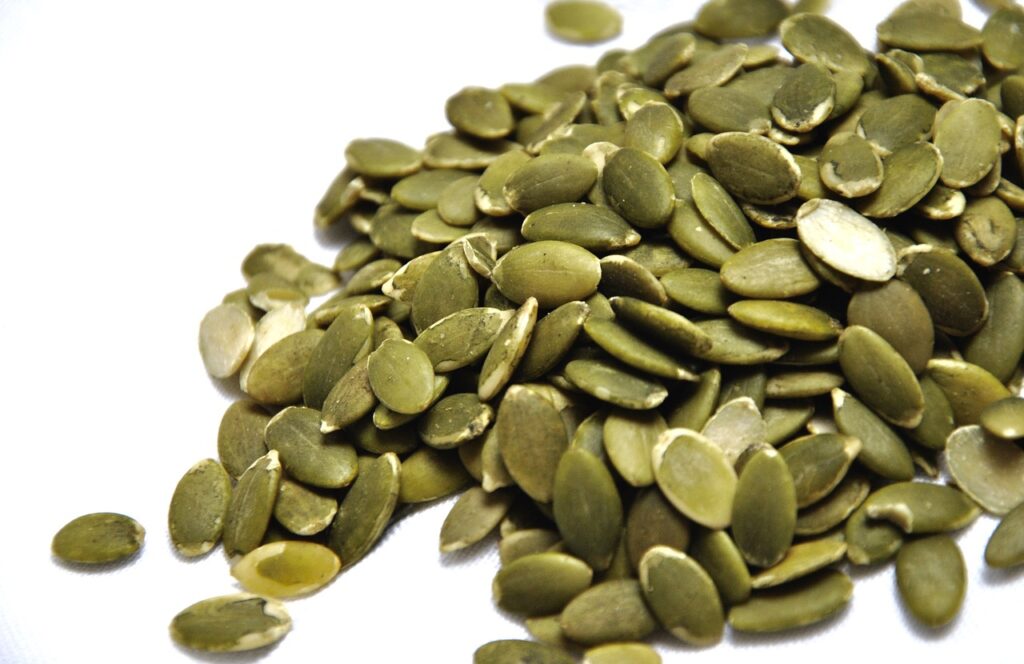
7. Pumpkin seeds: 

Pumpkin seeds are loaded with nutrients. These seeds contain healthy fats which not only help manage excess cholesterol levels in the body but also regulate insulin levels. It also contains a compound known as beta-sitosterol which helps remove excess androgen and treat symptoms of PCOS such as hirsutism, acne and weight gain.

How to take it? You can take 1 tablespoon of roasted pumpkin seeds. You can also add them to your salads or smoothies.

(Source: https://www.1mg.com/articles/polycystic-ovarian-syndrome-home-remedies-for-pcos/

8. Methi Dana or Fenugreek seeds:

It is one of the famous home remedies to get PCOS under control. It has properties that can reduce cyst size and facilitate the consumption of normal menstrual cycle in women suffering from PCOS. Your consumption of fenugreek leaves or seeds will help in maintaining normal insulin levels.

How to take it? Soak methi seeds overnight and have it empty stomach in the morning. You can also consume cooked methi leaves in dals, chapatis, sabzi, etc

9. Flaxseed:

These seeds are rich in fibre, omega 3, omega 6 fatty acids and lignans which helps in reducing the testosterone in women’s body. They help in utilizing the glucose and insulin in the body.

How to take it? You can can either powder these seeds and add them to your breakfast or mix with your smoothies. You can also add them to your drinking water every day in morning/night.

10. Tulsi:

Tulsi can control androgens and moderate insulin levels. It also contains an excellent antioxidant.

How to take it? You can chew at tulsi leaves early in the morning on an empty stomach or can consume it in form of tulsi tea. Just add 5-6 tulsi tea in a glass of water and boil it for 4-5 minutes and strain and drink.

11. Bitter Gourd:

Bitter gourd is also known as karela in Hindi. It helps in keeping insulin and glucose level under control. It also helps in weight loss as women with PCOS tend to be obese or overweight.

How to take it? You can have it in form of a juice or eat it as a karela ki sabzi with a chapati.

12. Amla:

This fruit is rich in Vitamin C and has antioxidants which not just control blood sugar levels but also improve fertility in women.

How to take it? You can have it in the form of juice or can add them to your salads.

Bottom line:

PCOS was discovered in 1935 but the main cause is still known. It has been seen that more than one factor is responsible for the occurrence of PCOS in female of reproductive age. The prevalence is increasing in India rapidly. The permanent has not been found yet but you can manage it naturally at your home.

The cure to manage your PCOS lies in kitchen. Indian household kitchen contains many natural ingredients such as tulsi, flaxseed, fenugreek seeds, bitter gourd, amla, etc. which can help you control your PCOS and live your life comfortably without any stress and complications.

If you are struggling shedding weight. You can talk to us by taking this assessment: Click here

For more information click here

How to prevent heart disease A step by step detailed guide for you.

How to prevent heart disease-A step by step detailed guide for you.

Heart disease or cardiovascular disease, is often a preventable disease. In India, non-communicable diseases (NCD’s) account for the majority of deaths (59.1%), with most loss taking place during the productive years of life. And in India, cardiovascular disease accounts for about 53.7% of NCD mortality. Cardiovascular disease remains to be one of the leading causes of death worldwide. And therefore, to understand how to prevent and manage cardiovascular disease is very important and should be a priority in relation to public health. 

According to the World Health Organisation (WHO), CVDs are the number 1 cause of death globally, taking an estimated 17.9 million lives each year. CVDs are a group of disorders of the heart and blood vessels and include coronary heart disease, cerebrovascular disease, rheumatic heart disease and other conditions.

Coronary heart disease – disease of the blood vessels supplying the heart muscle;

Cerebrovascular disease – disease of the blood vessels supplying the brain;

Peripheral arterial disease – disease of blood vessels supplying the arms and legs;

Rheumatic heart disease – damage to the heart muscle and heart valves from rheumatic fever, caused by streptococcal bacteria;

Congenital heart disease – malformations of heart structure existing at birth;

Deep vein thrombosis and pulmonary embolism – blood clots in the leg veins, which can dislodge and move to the heart and lungs.

Coronary Artery disease

Do you know what coronary artery disease is? Well, CAD or coronary artery disease causes dangerous thickening and narrowing of coronary arteries. You must wonder why it is dangerous. We all know that blood travels through blood vessels in our body. Now imagine those blood vessels becoming narrower day after day. A time will come when the arteries will become completely blocked by thickening and narrowing. In such cases, the blood will not be able to pass through that segment of the artery. This will lead to oxygen deprivation to the part of the body to which blood is not able to reach. In such conditions, the heart has to work more to pump blood with much more force. The artery may become completely blocked or it may become prone to clotting.

This disrupts the flow of blood carrying oxygen and nutrients to the heart, causing serious problems such as angina (chest pain), myocardial infarction, arrhythmias (irregular heartbeat) and possible heart failure. The symptoms depend on the stage of illness. The commonly noticed first indication is shortness of breath or chest pain or exertion.

You must wonder how to prevent such conditions? So, such conditions develop over a long period of time, slowly and usually over decades. Looking at the time frame, you might have understood that there is a great possibility to prevent heart disease. The best way to prevent heart disease is through eating habits and lifestyle modifications.

Risk factors

 Let’s briefly discuss the risk factors to prevent heart disease

Major risk factorsAdditional risk factorsNon-traditional risk-factors
Advanced ageObesity, abdominal obesityHigh Lipoprotein (a)
High total cholesterolFamily history of hyperlipidaemiaHigh clotting factors
High non-HDL-CPCOSHigh inflammatory markers
High LDL-CMetabolic syndromeHigh uric acid
Low HDL-CHigh Apolipoprotein BHigh homocysteine
Diabetes mellitus  
Hypertension  
Chronic kidney disease  
Cigarette smoking  
Family history of CVD  
Reference: Clinical Dietetics Manual, second edition, IDA

As we can see in the table, few of the risk factors are modifiable and few are non-modifiable. For example, you cannot modify advancing age or your genetics. But you can surely modify your lipid profile, manage your diabetes or obesity or kidney disease. It is very important to understand the risk factors as they tell us a lot about the condition. 

If we talk about the diagnosis of heart disease to prevent heart disease, then the markers such as blood pressure, lipid profile, blood glucose as well as family history of the disease are commonly used. One can also go for tests such as electrocardiogram (ECG), inflammatory marker tests such as high sensitivity C-reactive protein, or chest angiography or thallium test, depending on the symptoms suffered by the individual. 

What is lipid profile? And Why is it so important in reference to heart health?

Lipids are bound to protein as lipoprotein for transportation in blood. Lipids consist of total cholesterol, low density lipoprotein (LDL) and high density lipoprotein (HDL).

We all are aware of HDL being the good cholesterol and LDL being the bad cholesterol. To understand cholesterol better give a read to A comprehensive guide on different types of cholesterol.

Importance of lipid profile in relation to heart disease is that it is one of the most basic factors leading to the development of heart disease. You cannot see or feel it, and therefore, it is important to get it checked. Once checked, you get to know your numbers which becomes easy to prevent heart disease. You must be aware of the fact that LDL contributes to the fatty build-ups in arteries which causes atherosclerosis. This raises the risk of heart attack, stroke and other heart-related conditions. On the other hand, HDL acts as a scavenger, carrying LDL away from the arteries and back to the liver for disposal. 

Triglycerides

Apart from cholesterol, triglycerides are of utmost importance. Triglycerides are the most common type of fat in the body which stores excess energy. A high triglyceride level with low HDL and high LDL level is linked with fatty build-ups in artery walls. It is observed that many people with heart disease or diabetes have high triglyceride levels. It can also elevate as a result of obesity, physical inactivity, smoking, excess alcohol consumption, or a diet which is very high in carbohydrates. Well, to make it easier to understand, all these conditions can easily be monitored with a better diet and good lifestyle habits. 

By reading this you must have got an idea of how diabetes or obesity is related to heat diseases. A high level of triglycerides in both of these conditions may cause the development of heart related conditions. You must also be aware of the fact that heart diseases are one of the manifestations or complications of diabetes and obesity in the long term. 

Can we really prevent heart diseases?

Yes, we can prevent heart disease for sure. All you need is extra care and attention towards your lifestyle habits and what goes into your body. If you are able to make mindful eating choices and modify your lifestyle in such a way that you are physically active, practising meditation, and losing excess weight, then the chances of developing heart disease becomes significantly low. In fact, a person suffering from any heart condition should also try to follow a lifestyle which promotes heart health. 

For example, if you’re taking care of your diet, eating healthy and in moderation. Along with diet, you’re able to follow a physical activity routine, then the levels of your deranged lipid profile will surely start becoming normal and you’ll see the levels coming in optimal ranges. All it takes is a little bit of motivation and focus!

How can we prevent heart diseases?

The following should be the goals of prevention:

  • Eating a heart healthy diet
  • Being physically active
  • Shedding extra weight (if overweight or obese)
  • Smoking cessation
  • Moderate alcohol consumption
  • Focusing on electrolyte balance
  • Practicing mindful eating and focusing on portion control.

Diet:

Diet is one of the most important parts of our lives. We always look forward to having our meals of the day. And therefore, one can never keep diet aside. It is very important to plan your diet according to your health status. All of the food and beverages choices that you make in your daily life matter. The amount of calories consumed, what kind of fat goes into your body, are there adequate nutrients in the diet. Each and every choice matters. If a person is overweight, the amount of calories to lose and maintain weight will matter.

Diet patterns to follow:

Mediterranean diet pattern: this diet pattern focuses on the consumption of whole foods as compared to refined foods. A diet rich in fruits and vegetables with low fat milk and milk products and lean meats. It focuses on healthy fats such as oil, nuts and seeds. This diet pattern is considered to be healthy because it includes around 5-6 servings of fruits and vegetables with whole grains, nuts, beans and seeds. The Mediterranean diet is also rich in fibre.  

DASH diet pattern: DASH diet stands for Dietary Approaches to Stop Hypertension. This diet pattern focuses on vegetables, fruits, low fat dairy, whole grains, and fish. It is low in saturated fats and trans fats and rich in minerals and vitamins such as potassium, calcium, magnesium, protein and fibre. 

To know more about the DASH diet and how it helps in hypertension management, you can give a read to the DASH diet and its role in hypertension.

The healthy vegetarian eating pattern: this diet pattern majorly focuses on the vegetarian choices available in the diet such as pulses, legumes, soy products, nuts and seeds. This pattern also includes dairy and whole grains. People may or may not include eggs in their diet in such a pattern. 

What does a heart healthy eating pattern include?

1 cup= 250 ml

  • Fruit- 1-2 no.
  • Vegetables: 2.5 cups/day (include green, red, orange and other colours)
  • Grains: 3+ servings of whole grains and <3 of refined grains
  • Dairy low fat: 2-3 cups/day (milk, curd, buttermilk, paneer)
  • Protein rich food options:

– Meat, poultry, eggs- 100g/day

– Dals, pulses, legumes

– Nuts, seeds: 8-12g/day

  • Oil: 20-25g/day

Dietary fats and heart disease:

The association between LDL cholesterol and saturated fatty acids (SFA) to heart disease is not only very strong but also important to understand. Do you know that 1% increase in SFA consumption equals 2.7 mg increase in serum cholesterol. Furthermore, low intake of SFA replaced with polyunsaturated fat (PUFA) which contains vegetable oils, may prevent heart disease risk by 30%. So therefore, it is a wise choice to reduce SFA and trans fat from your daily diet and replace them with PUFA or MUFA (monounsaturated fats).

Both MUFA and PUFA may be used to replace SFA, with PUFA having a greater cholesterol-lowering effect. Examples of PUFA include sunflower and corn oil and oils high in MUFA are olive oil, canola oil, peanut oil and gingelly oil. 

Dietary cholesterol <200 mg/day. dietary cholesterol is present only in animal foods and the richest sources are organ meats and egg yolk.

Exercise and physical activity

In addition to the dietary recommendations, adults and children of all ages should meet the physical activity guidelines for health promotion. Achieving a healthy body weight by appropriate control of the diet and level of physical activity holds the key to a healthy lifestyle.

For adults, it is generally advised to do a least 150 minutes of moderate-intensity aerobic physical activity per week or around 75 minutes of vigorous physical activity per week. If all days of the week are not possible, then you should at least aim for 5 days/week. Both aerobic and non-aerobic exercises are beneficial. 

You can carry out a simple activity to keep your heart healthy, and that is going for a brisk walk. Make sure to get your heart moving!

Shedding extra weight:

Weight gain and heart disease are related to each other. Obesity is associated with an increased risk of CVD. Furthermore, high levels of triglycerides along with changes in body composition are one of the most critical reasons. Weight loss is also associated with an increase in HDL cholesterol and decrease in LDL cholesterol.

Therefore, it is important to reduce those extra kilos! Achieve your healthy weight goal and try to maintain it with the help of a diet and physical activity regime.

Alcohol consumption

Consumption of alcohol in high amounts can cause cardiomyopathy and high blood pressure in some people. Furthermore, moderate consumption has few adverse effects. Moreover, alcohol should not exceed 30-60 ml of ethanol per day. 

Bottom line:

Heart diseases are preventable with not only the help of right diet but also with good lifestyle habits. The prevalence of heart disease is increasing in India and even worldwide. Moreover, it is very important to follow a heart-healthy lifestyle to keep the disease conditions at bay.

Make sure to keep your heart healthy and beating by making a few changes in your lifestyle slowly and steadily. For example, it is better to take stairs than elevators, better to avoid fried and oily food and have whole foods, better to have alcohol in moderation than over-consumption. These small choices everyday can really make a difference.  

If you are struggling shedding weight. You can talk to us by taking this assessment: Click here

For more information click here

Diabetes

How to reverse type 2 diabetes without medications?

Before we talk about how to reverse diabetes, let’s first understand about type 2 diabetes and how it affects your body?

What is Diabetes?

Diabetes is a group of disorders characterized by high blood glucose concentrations resulting from defects in insulin secretion, insulin action or both.

In other words, diabetes is a chronic disease that occurs either when the pancreas does not produce enough insulin or when the body cannot use the insulin effectively it produces. Insulin is a hormone produce by the pancreas that regulates the blood glucose levels. And sometimes your body does not make enough insulin or does not use it well. In turn, this glucose stays in your blood and does not reach your body cells and having too much glucose in your blood for longer period can cause health problems.

Do you know what is prediabetes? Understanding Pre-diabetes and insulin resistance

Types of Diabetes:

T1DM:

T1DM stands for Type 1 diabetes mellitus. The primary defect of this diabetes is pancreatic beta cell destruction, usually leading to absolute insulin deficiency. It is also known as insulin-dependent. It is usually diagnosed in children, teenagers, and young adults which is why it is known as juvenile or childhood-onset diabetes.

Furthermore, if you have T1DM, then you’ll need to take insulin every day to survive as neither its cause nor the means to prevent it are known yet.

Symptoms of T1DM:

It includes following symptoms:

  • Excessive excretion of urine (polyuria)
  • Excessive thirst (polydipsia)
  • Constant hunger
  • Weight loss
  • Vision changes
  • Fatigue.

T2DM:

T2DM stands for Type 2 diabetes mellitus. In this, the body does not produce enough insulin or does not use it properly (insulin resistance) then type 2 diabetes is likely to develop. It is also known as non-insulin-dependent, or adult-onset results from the body’s ineffective use of insulin.

About 90-95% of people with diabetes have type 2 diabetes mellitus. It can be prevented or delayed with healthy lifestyle changes such as losing weight, eating healthy food, and being active.

Symptoms of T2DM:

The symptoms of T2DM are almost similar to those of T1DM but these are often less marked. As a result, the diagnosis of disease may be delayed for years even after its onset. This is most likely to be diagnosed after complications have already arisen.

Gestational Diabetes Mellitus (GDM):

Gestational diabetes is diabetes whose diagnosis happens for the first time during pregnancy (gestation period). It affects how your cells use blood glucose and high blood sugar can affect your pregnancy and your baby’s health.

In women with gestational diabetes, blood sugar usually returns to normal soon after delivery. But if you’ve had gestational diabetes, you have a higher risk of getting type 2 diabetes. Thus, regular checkup is necessary to avoid the risk of developing diabetes.

Symptoms of GDM:

For most women, gestational diabetes doesn’t cause noticeable signs or symptoms. Increased thirst and more-frequent urination are possible symptoms.

Screening/risk factors of diabetes:

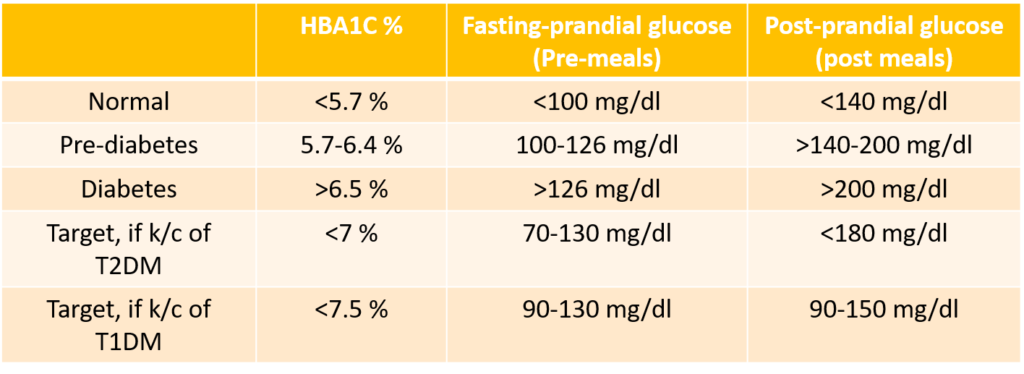
Screening for diabetes should be mandatory in all adults who are overweight and who have one or more additional risk factors for T2DM. In those without these risk factors, testing should begin at age 45 years. If tests are normal, testing shall be done at 3-year intervals. A1C test, Fasting Prandial Glucose, or 2-h Oral Glucose Tolerance Test can be used to test for either prediabetes or diabetes.

Additional risk factors for diabetes are the following:

  • Physical inactivity
  • First-degree relative with diabetes
  • Members of a high-risk population (African Americans, Latino, Native American, Asian American, and Pacific Islander)
  • Women who have delivered a baby weighing more than 9 lb or 4 kg or have been diagnosed with GDM
  • Hypertensive (blood pressure 140/90 mm Hg or taking medication for hypertension)
  • Women with polycystic ovary syndrome (PCOS)
  • Other clinical condition associated with insulin resistance such as severe obesity, acanthosis nigricans [gray-brown skin pigmentations]).
  • History of Cardiovascular disease.

Diagnostic criteria of diabetes:

Source: ADA 2018; ISPAD 2018

Let’s understand how can we reverse diabetes and control the same without medications:

There are so many research related to diabetes and how can you reverse it for good. As reversal can imply a permanent cure, a more apt term for this is diabetes remission. The complete cure is not found yet but putting your diabetes into remission can help. Yes, it may be possible to put your type 2 diabetes into remission. But this concept is not applicable on Type 1 diabetes. Researches are currently in progress on remission for type 1 diabetes as well but no effective results have come so far.

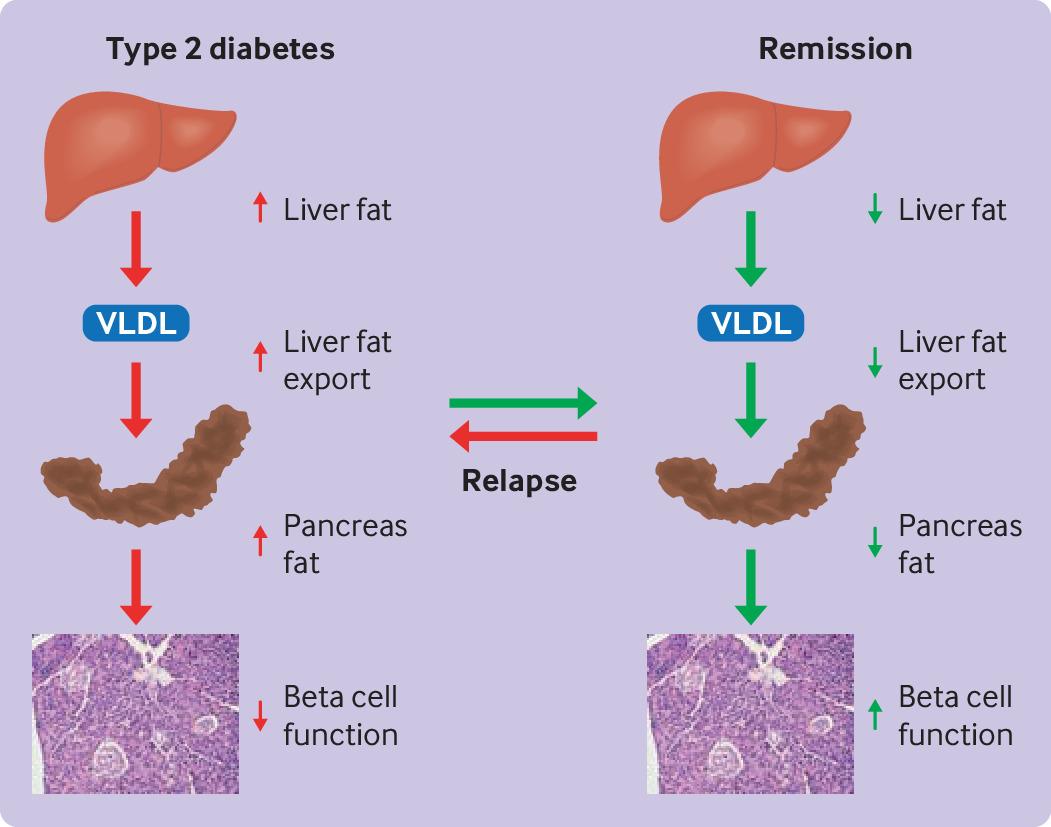
Do you know what Diabetes remission is? No, then let’s talk about it. Diabetes remission means that your blood sugar levels are below the diabetes range (complete remission) or in pre-diabetes range (partial remission), usually without you needing to take any diabetes medication for at least 6 months.

People that have type 2 diabetes are most likely to be overweight or obese. This leads to fat building up around vital organs such as the pancreas and liver which causes them to not work as effectively and results in diabetes.
Source: https://www.bmj.com/content/374/bmj.n1449

You must be wondering that how people with type 2 diabetes may be able to put their diabetes into remission?

It is possible to put your diabetes into remission. Some people have lost a significant amount of weight and put their diabetes into remission through lifestyle and diet changes or by having weight loss surgery called bariatric surgery. But we, here at Fitpiq, prefer the most natural and healthy way to put your diabetes into remission.

Healthy lifestyle includes:

1) healthy weight/lose healthy weight

2) mindful eating

3) complete smoking cessation 

4) alcohol in moderation

5) practice meditation

Lose extra weight:

The primary means by which people with type 2 diabetes achieve remission is by losing significant amounts of weight. For instance, if you are obese, then your diabetes is more likely to go into remission if you lose a significant amount of weight (let’s say 15kg) as quickly and safely as possible following your diagnosis.

Research shows that losing just 5%-10% of your body weight can have huge benefits for your health. Furthermore, losing weight and the fat around these organs allows them to work properly again which can put your diabetes into remission.

There are also other benefits of losing weight such as:

  • Reducing your risk of developing complications from diabetes
  • Improved blood sugar levels
  • Reducing medications
  • Lowering cholesterol levels
  • Helps you to sleep better

Exercise:

People that have type 2 diabetes are most likely to be overweight or obese. This leads to fat building up around vital organs such as the pancreas and liver which causes them to not work as effectively and results in diabetes.

A exercise routine for at least 45 minutes of moderate intensity i.e. 5 to 6 days a week is very effective for your weight loss. Additionally, you can also opt for a daily step count challenge. This helps you in burning calories and reducing fat in your body. It also reduces insulin resistance, which brings your blood sugar under control.

How can you start:

  • First step is choose something that you can stick to for longer period. If you choose something that you are not comfortable with, then you will most likely to get stray off the path.
  • Always start with small changes and can increase it gradually as you start to develop strength. For example, you can park your vehicle farther from the door, take the stairs, go for brisk walking, do yard work, or walk the dog.
  • Set a goal in your mind. For example, walk a mile every day for a month or yoga every weekend for 30 minutes.

Diet:

The low carb and low glycemic index diet is the most effective way to go into diabetes remission.

Low Carbohydrate diet:

Low-carbohydrate diets may seem to be a logical approach to lowering postprandial glucose. However, foods that contain carbohydrates (whole grains, legumes, fruits, vegetables, and low-fat milk) are excellent sources of vitamins, minerals, dietary fiber, and energy.

A low-carb diet is one that limits carbohydrates, primarily found in sugary foods, refined pasta, and bread. Instead of eating simple carbs, this focuses on complex carbs, protein-rich whole foods, fruits and vegetables.

  • Complex carbohydrates includes whole grains such as oats, wheat and millets such as ragi, jowar, bajra, etc.
  • Protein rich foods include milk and milk products, pulses and legumes, eggs, lean meat, fish, poultry, etc.
  • Low glycemic index fruits such as cherries, apple, orange, plums, pears, etc.
  • Low glycemic index vegetables such as peas, onions, cabbage, beans, tomatoes, cucumber, bottle gourd, bitter gourd, ivy gourd, etc.

What is glycemic index? It shows the effect different foods have on the blood sugar levels.

Smoking cessation:

Smoking tends to increase the inflammation in the body. It also causes oxidative stress, a condition that occurs as chemicals from cigarette smoke combine with oxygen in the body. This causes damage to cells. And both inflammation and oxidative stress may be related to an increased risk of diabetes. Smoking is associated with a higher risk of abdominal obesity, or belly fat.

What is the relation between smoking and diabetes?

When people with type 2 diabetes are exposed to high levels of nicotine, insulin is less effective. People with diabetes who smoke need larger doses of insulin to control their blood sugar. So, complete smoking cessation is necessary for the insulin to start working better to lower blood glucose levels.

Meditation:

When we are in stress, then we tend to have higher cortisol levels which in turn increases insulin resistance. This stress also makes you to make wrong choices, for example, eating at night. This is particularly bad for diabetics, because there is a natural five-minute spike in growth hormone at 3:00 a.m.

This leads to a temporary increase in insulin resistance and subsequent higher blood sugar. So it’s very important to control stress and anxiety when treating diabetes.

Meditation will help people to relax and gives you some fresh perspective for dealing with stress. It can help by decreasing stress and regulating sleep patterns, so the person is sleeping through the night and not eating at midnight because of stress or anxiety.

Is the diabetes remission permanent?

Remission is not permanent but you can maintain it for longer periods with your active lifestyle, healthy weight and diet. It is always possible that your blood sugar levels could come back into the diabetes range. Thus, you need to keep an eye on your weight, and if you starts to gain weight again, then you can ask for extra support from experts to adjust your eating pattern and activity levels.

Can anyone put diabetes into remission phase?

It has been seen through several researches that the longer you have had type 2 diabetes, the more difficult it is to reach remission. As longer the time you have diabetes, the beta cells in the pancreas may lose their ability to produce insulin. And after a certain duration, it may be impossible to restore normal insulin production. Researchers suggest that diabetes remission is possible for some people out to ten years following diagnosis, though the DiRECT remission study only included people who had diabetes for six years or fewer.

Source: https://www.diabetes.org.uk/guide-to-diabetes/managing-your-diabetes/treating-your-diabetes/type2-diabetes-remission#:~:text=Remission%20means%20that%20your%20blood,for%20at%20least%20six%20months.

What to keep in mind when you are in remission?

When you are remission, regular check-ups are mandatory as there are high chances that you may go back into the diabetes range. Test such as A1C test, fasting glucose and post prandial glucose test shall be done once in every 6 months.

If you are struggling shedding weight. You can talk to us by taking this assessment: Click here

For more information click here

A comprehensive guide on different types of cholesterol. How to increase good cholesterol and reduce bad cholesterol

A comprehensive guide on different types of cholesterol

To understand different types of cholesterol, it is very important to first understand what cholesterol is and what its role is in our body.

What is cholesterol?

Cholesterol is universally present in all eukaryotic cells, in their plasma membrane. It is a fat-like substance which is present in the bloodstream and is also present in body organs. There are various types of cholesterol, but generally it is mentioned as total serum cholesterol, which signifies the total amount of cholesterol present in the serum. 

Cholesterol is present in tissues and in plasma, either as free cholesterol or as combined with a long chain fatty acid, this form is a storage form. If we talk about transportation of cholesterol in the body, it is transported via plasma. It enters the bloodstream, and as mentioned is present in 2 forms in the plasma. Both of these forms, i.e Free or combined, are transported in lipoprotein. Lipoproteins are the substances which are made up of fat and proteins, that carry cholesterol through the bloodstream. There are two main types of lipoproteins- high-density lipoprotein (HDL), also known as ‘good cholesterol’ and low-density lipoprotein (LDL), also known as ‘bad cholesterol’. We will discuss these further, later in the article. 

Facts about Cholesterol:

Do you know that cholesterol is an amphiphilic lipid? Well, it contains both hydrophilic and hydrophobic parts in it. Furthermore, this nature of cholesterol makes it an essential structural element of cell membranes. It also forms the outer layer of plasma lipoproteins. 

Now, you think that how exactly is cholesterol synthesised in our body? Well, it is synthesised in many tissues present in our body, from acetyl Co-A. Acetyl Co-A is the precursor of not only cholesterol but also many other steroids in our body. 

Sources of different types of cholesterol:

We just got to know that cholesterol can be synthesised in our body, and the process is the same for animals as well. Cholesterol is present in all eukaryotic cells and therefore, it is the result of animal metabolism. It occurs in food sources of animal origin such as egg yolk, meat and liver. 

Before discussing different types of cholesterol, let’s first try to understand what role does cholesterol play in our body:

Functions of different types of cholesterol:

  • The main function of cholesterol is to maintain the integrity of the cell membrane.
  • It also serves as the precursor for the synthesis of many substances that are important for human survival such as vitamin D, steroid hormones.
  • One of the most important roles of cholesterol is that it helps in the production of bile salts in the liver. 

Different types of cholesterol:

Lipids are bound to proteins as lipoproteins for transportation in the blood. The lipids consist of total cholesterol, LDL and HDL cholesterol levels, and triglycerides. 

Cholesterol

Total blood (or serum) cholesterol

Two main types of lipoproteins carry cholesterol to and from cells. One is low-density lipoprotein or LDL and the other is high-density lipoprotein or HDL. 

HDL cholesterol

HDL, also known as good cholesterol, acts as scavenger or a hunter or a collector, carrying LDL cholesterol away from the arteries and back to the liver for disposal. This is one of the main reasons why high density lipoprotein cholesterol is k/as good cholesterol. Moreover, a healthy HDL cholesterol level may protect against heart disease and stroke. 

Why is HDL cholesterol considered to be heart healthy?

You must have come across many statements claiming that HDL cholesterol is good cholesterol and is also heart healthy. It is actually true. The mechanism behind this is that LDL tends to flow to arteries and it tends to collect over there, forming a clog. Through the time, debris, fat cells, platelets along with LDL cholesterol accumulate in the arteries. This accumulation makes arteries narrow and it becomes difficult for the blood to flow through the artery. Over time, this accumulation may completely block the passage, making it impossible for the blood to flow. This whole condition is known as atherosclerosis.

If the artery is blocked, the blood won’t be able to reach the part of the body, which that particular artery is catering to. In such conditions, the cells, or the part of the body to which blood is not able to reach, becomes deprived of oxygen and stops functioning, resulting in the death of the cell or the part of the body. 

Now, to make it easier to understand, HDL helps in preventing the accumulation of the LDL, debris, platelets etc in the arteries. By doing so, HDL prevents atherosclerosis and promotes heart health. 

According to a cohort study, it is estimated that the annual number of deaths from CVDs (Cardiovascular diseases) in India is projected to rise from 2.26 million (1990) to 4.77 million (2020). This shows just double numbers. Heart disease is escalating in India and it is the need of the hour to focus on how to prevent and treat heart diseases.

Talking about HDL, low levels of HDL cholesterol increases the risk of heart disease. People with high blood triglycerides usually also have lower HDL cholesterol. 

Factors that can affect HDL cholesterol are: genetics, type 2 diabetes, smoking, being overweight and being sedentary negatively affects HDL cholesterol levels in serum.

It is observed that women tend to have higher levels of HDL cholesterol than men.

LDL cholesterol

LDL cholesterol is also k/as bad cholesterol, as it contributes to fatty build-ups in arteries causing atherosclerosis. As discussed above, this raises the risk for heart attack, stroke and peripheral artery disease. A low LDL level is considered to be good for heart health. 

What can cause high levels of LDL cholesterol in the body?

Well, firstly, a diet rich in saturated fats and trans fat is unhealthy because it tends to raise LDL cholesterol. A low level of HDL cholesterol also raises LDL cholesterol in our body. 

Classification of LDL, HDL, Total cholesterol (mg/dl), according to ATP III (Adult Treatment Panel) Classification

LDL Cholesterol 
<100Optimal
100-129Above optimal
130-159Borderline high
160-189High
More than equal to 190Very high
Total Cholesterol 
<200Desirable
200-239Borderline high
More than equal to 240High
HDL Cholesterol 
<40Low
More than equal to 60High

How we can really increase good cholesterol and reduce bad cholesterol in our body.

The most efficient way to increase good cholesterol and reduce bad cholesterol is through diet. Your food choices say a lot about your body. If you learn to choose what is best for you, then you can govern your health to a certain level.

But diet alone may not provide you with the results that you aim for, you need to get moving, start staying active, and boost your physical fitness. Diet and exercise can really help you to reduce your bad cholesterol and even it reduces your risk of CVDs. 

Understand better about how to prevent heart disease with a detailed step guide!

Lifestyle modification is the key to lead a healthy life. But how can you really modify your lifestyle? 

Well, 1) try to be more fit

2) Practice mindful eating

3) Stop smoking 

4) Drink alcohol in moderation

5) Practice meditation

6) Lose excess weight

Let’s now further understand how can we really increase good cholesterol and reduce bad cholesterol

Diet:

Many studies have shown that a Mediterranean diet with high servings of fruits and vegetables and consumption of low fat milk and milk products, can really aid in reducing bad cholesterol in your body. 

What changes do you need to make in your diet?

  • Consume around 5-6 servings of fruits and vegetables daily
  • Consume low fat milk and milk products, such as buttermilk, fat-free milk etc.
  • Make sure to reduce the intake of saturated fats and completely avoid trans fat.
  • Include sources of healthy fats in your diet such as MUFA (mono-unsaturated fatty acids) and PUFA (poly-unsaturated fatty acids). Examples of MUFA and PUFA include rice bran oil, olive oil, sunflower oil, safflower oil, soybean oil, etc. 
  • Include a serving of nuts in your diet such as 4 almonds, 1 walnut, etc.
  • Consume whole grains as compared to refined grains.
  • In the similar manner, make sure to consume whole cereals such as wheat, millets, rice, as compared to refined cereals such as refined wheat flour. 

There is generally a controversy about whether to consume eggs if you have high cholesterol.

So, are eggs good or bad for your cholesterol?

Many studies have shown that the cholesterol in eggs does not tend to increase or raise the serum cholesterol. In Fact eggs can be eaten as a part of a healthy diet that is rich in fibre and low in saturated fats. Eggs do not increase the risk of dyslipidemia. 

The fats that you should focus on are saturated fats. Furthermore, the sources of saturated fats include ghee, butter, coconut oil, etc. Moreover, if you have a deranged lipid profile, make sure to limit your intake of saturated fats and avoid trans fats.

Therefore, it is very important to focus on what kind of fats you are consuming in your daily life. 

Some tips to choose good fats:

  • Use more and more PUFA and MUFA sources in your diet.
  • Avoid processed foods and foods high in fats, sugar and salt, such as biscuits, cookies, chips, pickles etc.
  • Always read the food labels for the amount of saturated fat and for trans fat. If you make reading labels a habit, you’ll always be able to make a wise food choice while doing grocery shopping.
  • Use a non-stick pan and utensils to prepare food, so that the amount of oil/fat used to prepare a meal is minimum.
  • Use combinations of oils while cooking.

Exercise:

It is very important to get moving. Exercise can not only reduce bad cholesterol, also may aid in raising HDL cholesterol. A moderate intensity of physical activity for about 30-40 minutes for 5-6 days a week can really help you reduce your LDL cholesterol. 

What kind of exercises can you opt for?

  • Go for a brisk walk
  • Opt for running, jogging, or cycling.
  • You can do aerobic or cardiovascular exercises. 
  • If suited, you can do resistance training as well. 

Make sure to give your body a recovery period after workout. 

Quit smoking

It is observed that by quitting smoking you can reduce the bad cholesterol in your bloodstream and improve HDL cholesterol.

Studies show that smoking can make LDL or as you say bad cholesterol, a bit stickier. Which makes LDL stick to the artery wall and make the build-up known as plaque. This plaque further leads to atherosclerosis. 

On the other hand, quitting smoking can increase HDL cholesterol which further reduces LDL cholesterol. 

So, take a wise step, and quit smoking for good heart health.

Losing extra weight

You might wonder what is the relationship between cholesterol and weight? Well, weight does have a significant effect on cholesterol. Losing weight can help you reduce cholesterol. According to the American Heart Association, high cholesterol can affect people with any weight. But being overweight or obese adds extra burden, as it further increases the LDL cholesterol and decreases HDL cholesterol.

Do you know that, Every 5 kgs you are overweight, causes your body to produce as much as an additional of 10 milligrams of cholesterol per day. 

Source: https://www.webmd.com/cholesterol-management/cholesterol-and-weight#:~:text=Every%2010%20pounds%20you’re,of%20heart%20disease%20and%20diabetes.

Apart from these lifestyle changes, if you suffer from hypercholesterolemia, medications can help you as well. But these medications must be taken under the consultation of your doctor. 

Bottom line:

Though we need cholesterol to perform certain important functions in our body, excess of cholesterol is harmful for our heart health. LDL cholesterol causes build-up of plaque in our arteries leading to atherosclerosis. Moreover, the effect of high cholesterol is not limited to this, you may suffer from other cardiovascular diseases and manifestations of CVDs. 

Make sure to keep a balance between HDL and LDL cholesterol to promote heart health. 

Also, if you have a deranged lipid profile, you should always consult a doctor before following any kind of diet or before taking any kind of drugs and supplementation. 

If you are struggling shedding weight. You can talk to us by taking this assessment: Click here

For more information click here
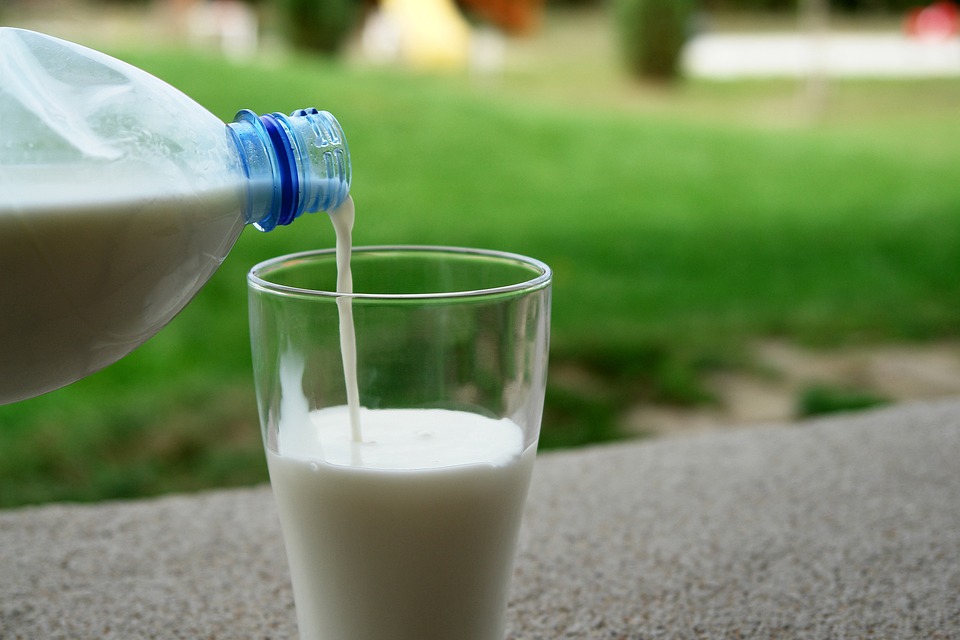
DASH diet

What is DASH diet and its role in hypertension?

What is DASH diet?

The DASH diet stands for the ”Dietary Approaches to Stop Hypertension”. It is used for the prevention and controlling of hypertension. It can also help in lowering of high blood pressure, cholesterol and other fats in your blood.

Moreover, this diet is low in sodium i.e. salt and rich in nutrients such as vitamins and minerals.

Goals of DASH diet:

  • To lower blood pressure level and maintain it at desirable level.
  • To control sodium intake to manage hypertension in sodium sensitive persons.
  • Control of body weight at desirable level.
  • To prevent long term complications of hypertension.

How DASH diet came into effect?

DASH was first introduced at a meeting of the American Heart Association in 1996. And later published in the New England Journal of Medicine in 1997.

Firstly, the DASH trial randomly assigned 456 people to different diets to test the effects of dietary patterns on lowering blood pressure. It was inferred that eating a diet with many different foods groups would show a greater effect on blood pressure than eating single nutrients, such as found in supplements or in a limited diet.

Three diets were tested:

1) a control diet, or a standard American diet.

2) a fruits and vegetables diet, similar to the control diet but providing more fruits and vegetables and less snacks and sweets.

3) a combination diet rich in fruits, vegetables, nuts, and low-fat dairy foods with reduced amounts of saturated fat, total fat, and cholesterol.

The last two diets were richer in nutrients associated with lower blood pressure, such as potassium, magnesium, calcium, fiber, and protein. All three diets provided about 3000 mg sodium, which is more than the recommended amount from the Dietary Guidelines for Americans. But less than the average sodium intake for Americans.

Despite no weight changes, the combination diet reduced blood pressure more than the other two diets. Those with hypertension showed greater decreases in blood pressure than those without hypertension. The reduction of blood pressure in the DASH combination diet was comparable to that of people on medication for stage 1 hypertension.

(Source: nutritionsource/healthy-weight/diet-reviews/dash-diet/)

DASH diet:

DASH diet emphasizes increase in low fat dairy and its products, fruit and vegetables consumption. And also reduction in fats, sweets, and red meat consumption.

It focuses on:

  • dietary patterns, rather than single nutrients.
  • foods that are rich in antioxidants.

Table: Number of DASH diet servings for different energy levels

Grains:

For grains, focus should be more on whole grains like whole wheat bread/chapati, oats. And millets such as jowar chapati, bajra, ragi or rice. In other words, choose whole grains over refined grains as they have more fibre and nutrients.

Vegetables:

Vegetables such as tomatoes, carrots, broccoli, green beans, green leafy, peas and sweet potatoes are a great sources of fibre, vitamins, and minerals such as potassium and magnesium. Moreover, in aspect of serving, 1 serving equals to 1 cup of raw leafy green vegetables.

Fruits:

Seasonal fruit options are always the best to choose from. These fruits are low in fat, cholesterol. And high in fibre, potassium, and magnesium, and vitamins. So, they are the obvious choice when it comes to following a healthier DASH diet.

Dairy:

When choosing dairy products as a part of DASH diet, always make sure to opt for the fat-free or low fat such as skimmed or toned milk and its products. Dairy products are rich in calcium, Vitamin D, and protein, thus adding them to your diet can be a very healthy choice.

Lean meat, poultry, and fish:

Meat is a great source of Vitamin B such as thiamine, riboflavin, niacin, vitamin B6 and vitamin B12. And also rich in protein, iron and zinc. Further, the healthiest way to consume meat, poultry or fish is to bake, grill or roast instead of frying in oil.

Nuts, seeds and legumes:

This food group is high in magnesium, potassium as well as fibre and phytochemicals. These nutrients can help to protect against certain types of cancers and cardiovascular disease.  Some examples are almonds, sunflower seeds, kidney beans, peas or masoor dal.

The important thing to remember is that nuts contain healthy fats such as MUFA and omega-3 fatty acids. A good way to include them in your diet is to add them to salads or breakfast.

Fats and oils:

The DASH diet aims to limit the total fat consumption per day by focusing on healthier fat such as MUFA and PUFA. It is important to include fats in your diet because they help to absorb important vitamins and boost your body’s immune system.

According to the DASH diet, you should limit your intake saturated fat such as butter, cheese, whole milk and cream in your diet. It also recommends to completely avoid trans fats found in processed foods and fried items.

Sweets/Sugar:

In DASH diet, you don’t have to eliminate your sweets or sugar entirely. However, you can limit the intake of them. It is also alright to use artificial sweeteners, but consumption should be in moderation.

Researches that shows the effectiveness of DASH diet:

In a study conducted by the Lawrence J. et al. and published in The New England Journal of Medicine, they enrolled about 459 adults with systolic blood pressures of less than 160 mm Hg and diastolic blood pressures of 80 to 95 mm Hg. These subjects were not on anti-hypertensive medications. For three weeks, the subjects were fed a control diet that was low in fruits, vegetables, and dairy products, with a fat content typical of the average diet in the United States. They were then randomly assigned to receive for eight weeks, a combination diet rich in fruits, vegetables, and low-fat dairy products and with reduced saturated and total fat. Sodium intake and body weight were maintained at constant levels.

The systolic and diastolic blood pressures were 131.3±10.8 mm Hg and 84.7±4.7 mm Hg respectively. The combination diet reduced systolic and diastolic blood pressure by 5.5 and 3.0 mm Hg more, respectively, than the control diet. Among the 133 subjects with hypertension (systolic pressure >140 mm Hg; diastolic pressure >90 mm Hg; or both), the combination diet reduced systolic and diastolic blood pressure by 11.4 and 5.5 mm Hg more, respectively than the control diet; among the 326 subjects without hypertension, the corresponding reductions were 3.5 mm Hg and 2.1 mm.

Few tips that will be helpful in following DASH Diet:

Getting started:

  • When you think of starting with DASH diet, always keep in mind not to make changes all at once. But to change your eating habits gradually.
  • It will be easier for you to add vegetables in form of a salad such as adding cucumber, onion, lettuce, carrots, or tomatoes in your lunch and dinner. In other words, try to make your meal plate as colorful as possible by adding different vegetables and fruits.
  • If you don’t eat fruit daily or have juice only at breakfast, add a serving of whole fruit to your meals or have it as a snack.
  • Gradually, increase your use of fat-free and low-fat milk and milk products to three servings a day. For example, drink milk with lunch or dinner to reduce your intake of saturated fat, total fat, cholesterol and calories.
  • Read the Nutrition Facts label on oils and salad dressings to choose those lowest in saturated fat and trans fat.

Treat meat as a part of meal, not the sole focus:

  • Limit lean meats such as fish, skinless poultry to 3-6 ounces a day i.e. 1-2 servings in a day.
  • If you eat large portions of meats then you should cut them back slowly.
  • Increase servings of vegetables, brown rice, whole wheat pasta, and cooked dry beans in meals which have less meat and more vegetables, grains, and dry beans.

Use foods low in saturated fat, trans fat, cholesterol, sodium, sugar:

  • Fresh fruits require little or no preparation. Dried fruits are also a good choice to carry with you or to have ready in the car.
  • Choose healthy snacks such as makhana, murmura, dried fruits, unsalted popcorn, seeds and nuts but mind the portions as these snacks are high in calories.
  • For dessert, choose healthier options such as fresh fruit or low-fat yogurt instead of sweets such as cakes, rasgulla, burfi, pasteries, etc.

Frequency of meals:

  • Frequency of meals (5-6 times), quality of meal and portion size is the key to healthier you. It has been seen that eating 5–6 small meals per day prevent your metabolism from slowing down. And it results in fat burning thus reducing your weight.

Why alcohol consumption in moderation?

  • Alcohol consumption should be in moderation. Drinking too much alcohol can raise blood pressure to unhealthy levels. Having more than three drinks at a time can temporarily raise your blood pressure and repeated drinking can lead to long-term complications.

Why smoking cessation is advised?

  • Smoking can cause an acute increase in blood pressure and heart rate. Nicotine found in cigarettes raises your blood pressure and heart rate. It also narrows your arteries and hardens their walls, and makes your blood more likely to clot. It stresses your heart and may cause a heart attack or stroke.

How can you control your Salt intake in DASH diet?

Take salt bottle off the table:

  • As keeping salt bottle or shaker on the dining table may tempt you to add it to your meals thus removing it off the table may help you in that aspect.
  • Furthermore, eating too much salt can result in water retention in our body which in turn can increase blood volume. As blood volume increases, the pressure on our blood vessels begins to increase and our heart needs to work harder to move blood around our body.
  • Over time this extra strain can lead to stiffening of blood vessels and increases the risk of high blood pressure and heart disease.

Use of herbs and spices, lemon or vinegar:

  • You can flavor your food with herbs and spices and also lemon or vinegar instead of salt. This will decrease the usage of salt consumption thereby keeping your blood pressure in normal range.

Reading food labels:

  • Always read the food labels for sodium content before buying them. Also, choose foods that contain less than 5% for the daily value of sodium.

Avoid canned and frozen foods:

  • Avoid canned and frozen foods as they are often high in salt.

Limit or avoid foods and condiments:

  • Limit foods and condiments that have a lot of salt, such as pickles, olives, cured meats, ketchup, soy sauce, mustard, and barbeque sauce.

Dining out:

  • When you are dining out, you can make requests that food should be made with no added salt or MSG.
  • Do not include condiments such as the pickles, sauces, etc.

DASH diet meal plan:

Early morning:

  • Lukewarm lemon water-1 glass
  • Almnds-4+walnut-1 (Overnight soaked)

Breakfast:

  • Tea-1 cup/Skimmed milk-1 glass
  • Paneer vegetable poha-1 pc/Paneer poha-1 katori

Mid-morning:

  • Seasonal fruit-1 pc/ Fruit chaat-1 katori

Lunch:

  • Chapati-2/Rice-1 katori
  • Gobhi matar sabzi-1 katori
  • Moong dal-1/2 katori
  • Curd-1 katori
  • Salad-1 plate

Mid-evening:

  • Green tea-1 cup
  • Roasted makhana-handful

Dinner:

  • Sprouted moong + paneer salad loaded with vegetables-1 bowl/Chicken breast salad with veggies-1 bowl
  • Soup of choice-1 bowl/Buttermilk-1 glass

Bottom line:

The DASH eating plan is an example of a healthy eating plan. It as a plan that not only meets your nutritional needs but can accommodate varied types of cuisines and special needs.

The foods that you eat can affect your blood pressure, both positively and negatively. For example, foods high in salt, sugar, and saturated or trans fats can increase blood pressure and damage your heart health. But by limiting these foods and replacing them with DASH diet, you can keep your blood pressure at a healthy level.

If you are struggling shedding weight. You can talk to us by taking this assessment: Click here

For more information click here

Water

Water fasting: A new trend

Water fasting is a type of fast in which there is an absolute cessation of food consumption while consuming water only throughout the day. It can last for 24-72 hours at maximum and water fasting beyond this should require medical supervision. 

This type of fasting is believed to improve health and can help motivate a healthy diet and lifestyle changes. It has been shown through ancient to modern researches that this type of intervention can stimulate physiological effects that are potentially favorable to health. These include enhanced ketogenesis, modulated hormone activity, reduced inflammation and oxidative stress symptoms. Also includes lipolysis, autophagy, and improved physical and emotional well-being. 

Looking for detox drinks to loose weight then check this out. 14 most famous and effective Detox drinks

History of water fasting:

The origin of water fasting for health dates back the development of the present forms of animal life. The first records of human fasting for the remedy of disease go back to the ancient civilizations of Greece and the Middle East. ​The ancient Greeks were great believers in fasting.  

In the past, Socrates (philosophers) fasted for 10 days at a time to attain mental and physical efficiency. Many ancient people used water fasting as a source of treating many types of diseases.

For instance, the ancient Egyptians treated syphilis with fasting cures. And, the great Greek physician, Hippocrates, prescribed fasting during critical periods of disease. Asclepiades and Thessalus employed fasting; Celsus used it in the treatment of jaundice and epilepsy, and the Arab physician, Avicenna, prescribed fasting for three to five weeks at a time.

In Germany, Dr. Adolph Mayer asserted that “fasting is the most efficient means of correcting any disease,” and Dr. Moeller wrote that “fasting is the only natural evolutionary method whereby through a systemic cleansing you can restore yourself by degrees to physiologic normality.”

History thus shows considerable evidence of scientific and clinical work done to determine the effects of fasting. The therapeutic measure of water fasting is not a new idea and has been recognized and studied by brilliant minds for centuries.

What things to keep in mind while preparing for water fasting?

Before anyone wants to try their hands at water wasting, it’s a good idea to learn more about the dangers and risks associated with water fasting. This is more important for those people who are suffering from Diabetes, Kidney disease, Pregnant and/or breastfeeding, Eating disorders.

Here are steps you need to take to safely practice water fasting for weight loss or better overall health.

1. Prepare your body:

For water fasting, it is really important that you prepare your body well. Especially if you have never fasted before in your life. The best way to prepare is to start reducing your meal portion sizes, or you could try replacing a meal with water. You can keep doing this for a few days to see how well your body is adapting the water fast.

2. Stick to 24–72 hours only:

You should only stick to 24-72 hours of water fasting without any medical supervision. More than 72 hours can be dangerous to your health. 

3. Best to try it during your weekend or day off:

Water fasting is not for everyone as it may cause weakness and dizziness in some people. It is best to try water fasting on your weekend or day off especially if your job requires a lot of physical and mental effort. 

4. Resist eating a big meal just after your fasting:

It is normal that you will be famished by the end of your water fast and will feel the urge to consume a large meal. But you should resist the urge to do that just after your fast as it may cause some adverse effects such as bloating or other digestive problems. Instead of doing that, you can opt to break your fast with a light meal. And best to increase the portion size gradually throughout the day.

What can you eat while water fasting?

You can only drink water for the duration of the fast.

What you cannot eat while water fasting?

It is a fast during which all food and drink except water are restricted. That means no coffee, no tea, no alcohol, no zero-calorie sports drinks, or any other beverage. This also means no food.

What are the potential benefits of water fasting?

The list of health benefits of water fasting are as follows:

It may promote autophagy:

“Auto” means self and “phagy” means eat making it to “self-eating.” In other words, autophagy is the body’s way of cleaning out damaged cells in order to regenerate newer and healthier cells. For instance, it may prevent the accumulation of damaged parts of your cells which can be a risk factor for many cancers. 

May help lower blood pressure:

It has been shown that medically supervised water fast may help people with hypertension lower their blood pressure.

May improve insulin and leptin sensitivity:

Insulin and leptin are two important hormones that affect the body’s metabolism. Insulin helps the body to store nutrients while leptin helps the body to feel satiety. Many research shows that water fasting can make your body more sensitive to leptin and insulin. Greater the sensitivity, more effective your bodily hormones.

For example, being more insulin sensitive means your body is more efficient at reducing its blood sugar levels. Meanwhile, being more leptin sensitive could help your body process hunger signals more efficiently, and in turn, lower your risk of obesity.

Helps you in getting a healthier skin:

Water fasting improves hydration and elasticity which in turn will get you a healthier skin. It also activates metabolic pathways that protect your body from oxidative damage and aging.

If you are struggling shedding weight. You can talk to us by taking this assessment: Click here

For more information click here

Sesame brocolli recipe

How To Make Sesame Brocolli?

Broccoli is a nutritional powerhouse full of vitamins, minerals, and antioxidants. Broccoli has an impressive nutritional profile. It is “high in fiber, very high in vitamin C and has potassium, B6 and vitamin A. So here is sesame brocolli recipe for you.

A combination of broccoli and Sesame is too delicious. This was a good and easy to make dish. This salad is the perfect side dish or starter salad for any meal, packed with bright flavors.

Sesame seeds have many potential health benefits and have been used in folk medicine for thousands of years. Sesame seeds also known as Til, is mainly grown for its seed and oil. It is packed with various nutrients also with fibre and can be beneficial to add in your daily diet. Seeds can also be consumed roasted, crushed or sprinkled over salads.

(Good for problem A comprehensive guide- PCOS and Dietary Habits )

Preparing – 5 minutes

Total time-17 minutes

Serving -6 Person

What are the Ingredients need for sesame broccoli?

  • 2 lbs/half a kg  broccoli
  • ½ tablespoon of grated ginger
  • 1 ½  tablespoon of soy sauce
  • 2 1/2 tablespoon  orange  juice
  • 1 tablespoon sesame oil
  • 1 ½  tablespoon of sesame seeds.
  • 4 cup of water

How to make sesame brocolli?

  • Firstly Take a pan put 4 cup of water and put the broccoli in the boiling water .keep this for 5-6 mints in the steam. So that broccoli become crisp.
  • Then remove the water from the broccoli.
  • Now Take another pan add grated ginger and soya sauce and lemon juice in it mix them all well.
  •  After that add broccoli into it and sprinkle sesame seed on it.
  • Finally sprinkle the Sesame on the broccoli is ready to serve.
  • TIP-In a pan, roast sesame seeds over low medium heat for 4 to 5 minutes. Stir occasionally. Then sprinkle over the broccoli for the good taste.

If you are struggling shedding weight. You can talk to us by taking this assessment: Click here

For more information click here  

Inflammatory Bowel Disease

A comprehensive guide on IBD management

IBD stands for inflammatory bowel disease. It is the disease that signifies the ongoing inflammation of your digestive tract. This inflammation is usually chronic. Chronic refers to something that is going on for a long period of time.

And inflammation refers to the condition where due to an infection or an injury, the site of infection/injury gets red, swollen and sore.

Moreover, IBD has two major forms, Crohn’s disease and Ulcerative Colitis. These diseases are relatively rare but the prevalence is increasing and observed more in elderly.

Also learn about FODMAP diet and its benefits. FODMAP diet: Benefits, diet plan and food list

What are the risk factors of IBD?

  • Age: it generally occurs often in the age of 15-30 and for some it may also get observed in adulthood.
  • Sex: it affects both the genders equally.

It is observed that IBD is more prevalent in the urban as well as developed areas as compared to the rural.

What are the causes of IBD?

The cause of the IBD is not completely understood. But it involves the interaction of the gastrointestinal system with the immune system, genetic as well as environmental factors. Over time, it is seen that genes also play a role in the risk factor and cause of IBD.

If we talk about environmental factors, then we all are familiar with the micro-organisms living in our GI tract and the interaction of dietary components. Diet does play an important role when it comes to the IBD and its management.

Now, if we discuss the role of the immune system in the cause of this disease, there is a decreased immune defense against the increased antigen (foreign substance attacking the body). Furthermore, decreased immune response plays an important role in the causation of this disease. As there is an inflammatory response in this condition, there is damage to the body’s own cells and thereby increasing further inflammation. This causes the formation of ulcers in the intestines and also results in the malabsorption of the dietary components.

Let’s discuss Crohn’s disease and Ulcerative colitis (UC) in detail.

Crohn’s disease and UC share some common characteristics such as diarrhea, fever, weight loss, anemia, food intolerances, malnutrition, growth failure. And other characteristics which are not related to intestines such as liver related conditions, arthritis, and even skin-related conditions.

Moreover, malnutrition becomes a lifelong problem with patients with Crohn’s disease as compared to ulcerative colitis. Due to the malabsorption of nutrients in the body, malnutrition becomes an inescapable condition in these diseases. The body is not able to absorb sufficient nutrients. Which further leads to low immune response and increased inflammation. Thereby making it a vicious cycle or loop.

Now, you might wonder what is the difference between these two forms of IBD. Well, the difference is as follows:

 Ulcerative ColitisCrohn’s disease
PresentationBloody diarrheaPerianal disease, mass in abdomen, abdominal pain
Gross pathologyRectum always involved,Moves continuouslyRectum may not be involved,Can occur anywhere along the GI tract
Microscopic examinationThin wallFew stricturesNo granulesLow inflammationDeeper ulcersThick wallStrictures commonGranulomas presentHigh inflammationShallow ulcers
Reference: Krause’s food and nutrition process book (14th edition)

Inflammatory bowel disease dietary management

Diet can be an environmental factor that triggers IBD and usually the triggers are not so uniform. You might see that one person may get triggered by a specific food item whereas another might get triggered by some ingredient or totally different food item. It is very important to observe the pattern of triggers and also to mark the food items you think you might have intolerance for.

But diet is also a remedy for IBD. You can manage your IBD forms with proper dietary modifications and recommendations. 

Persons with IBD are at increased risk of nutrition problems for a host of reasons related to the disease and its treatment. Thus, the primary goal is to restore and maintain the nutrition status of the individual. Foods, dietary and micronutrient supplements, and enteral as well as parenteral nutrition may be used to accomplish that mission. 

There is no single dietary regimen for reducing symptoms or decreasing the flares in IBD. Diet and specific nutrients play a supportive role in maintaining nutrition status, limiting symptom exacerbations, and supporting growth in pediatric patients. 

Energy:

Energy needs of patients with IBD are not greatly increased (unless weight gain is desired). Generally, when disease activity increases basal metabolic rate, physical activity is greatly curtailed and overall energy needs are not substantially changed. 

Protein:

Protein requirements may be increased, depending on the severity and stage of the disease and the restoration requirements. Inflammation and treatment with medications induce a negative nitrogen balance and cause a loss of lean muscle mass. So, to maintain positive nitrogen balance, 1.3 to 1.5 g/kg/day of protein is recommended.

Fats:

Omega-3 fatty acid supplements in Crohn’s disease significantly reduce disease activity. Use of omega-3 fatty acids or fish oil supplements appears to result in a significant medication-sparing effect, with reductions in disease activity. In cases in which fat malabsorption is likely, supplementation with foods made with medium-chain triglycerides may be useful in adding calories. And also serving as a vehicle for fat-soluble nutrients.

Carbohydrates:

Excessive intake of lactose, fructose, or sorbitol may contribute to abdominal cramping, gas, and diarrhea; and high fat intake may result in steatorrhea. However, the incidence of lactose intolerance is no greater in patients with IBD than in the general population. Patients with IBD who tolerate lactose should not restrict lactose-containing foods because they can be a valuable source of high-quality protein, calcium, and vitamin D. 

Minerals and vitamins:

Supplemental vitamins, especially folate, B6, and B12, may be needed. Also, minerals such as iron and trace elements to replace stores or for maintenance because of mal-digestion, malabsorption, drug-nutrient interactions, or inadequate intake. Diarrhea can aggravate losses of zinc, potassium, and selenium. Patients who receive medications may also need supplemental calcium and vitamin D. 

Dietary fiber:

Patients with strictures or partial bowel obstruction benefit from a reduction in dietary fiber or limited food particle size. In other words, follow a low residue diet to relieve abdominal pain and diarrhea.

Fluids and Electrolytes:

It is important to drink adequate amounts of fluid. Fluid requirements increase during or after episodes of diarrhea and with exercise. You should also make sure that you also replenish losses of electrolytes from diarrhea. Sodium, chloride and potassium as well can be replenished by drinking drinks, such as ORS.

Probiotics and prebiotics:

Probiotic foods and supplements have the ability to modify the gut microbiota and potentially modulate gut inflammatory response. Multi-strain probiotic supplements have been shown to be beneficial in maintaining disease remission in patients with UC. However, a different probiotic supplement at a lower dose did not significantly reduce symptoms. Specific probiotic supplements also appear to be useful for induction and extension of remissions in pediatric and adult UC. 

Moreover, regular intake of prebiotic foods such as oligosaccharides, fermentable fibers, and resistant starches can beneficially affect the gut microbiota. In addition, fermentation of prebiotics leads to increased production of short-chain fatty acids, creating a more acidic and less favorable environment for opportunistic bacteria. 

Probiotic FoodsPrebiotic Foods
Plain YogurtOat groats, Steel-cut Oats
Aged CheesesBananas
Fermented veggiesGround Flax seed, chia seed
KefirGarlic, Onions
 Barley (for non-celiac patients)
 Chicory root, acacia root
PicklesArtichokes (Jerusalem and globe)
Raw honeyLeeks
Fermented CabbageAsparagus
 All vegetables, some fruits
  

Role of Fermented cabbage juice in inflammatory bowel disease:

You might have heard about the role of fermented cabbage juice in the management of IBD. It helps to reduce inflammation. And also the other symptoms of gut disorder especially in the case of Crohn’s disease and ulcerative colitis. As there is chronic inflammation of the digestive tract in both of these forms of IBD, fermented cabbage juice helps to reduce that.

Moreover, many researches on fermented cabbage juice suggest that it helps to heal the gut. You might not be aware of, but cabbage is brimming with various micronutrients and it also possesses antioxidant properties. This property aids in the reduction of inflammation of the gut in IBD.

Role of Wheat-grass juice in inflammatory bowel disease:

Many studies suggest that wheatgrass juice can be used in the IBD management. Especially in the case of ulcers, it helps to reduce rectal bleeding and reduce the inflammation of large intestines. Studies also suggest that wheatgrass juice helps in ulcerative colitis recovery. 

You might be wondering why we are talking about taking juices in place of whole fruit or vegetables. Well, a low dietary fibre diet is recommended in the management of IBD. Whole fruits and vegetables are rich in dietary fibre and that can irritate the digestive system. And therefore, it is better to consume juices instead of whole fruits or vegetables. 

What is the role of a ketogenic diet in Crohn’s disease?

A ketogenic diet is basically a high-fat and low-carbohydrate diet which consists of about 80 % fat, 15 % protein and 5 % carbs. Generally, your body’s primary source of fuel is glucose which is made from the carbs that we eat. When you don’t eat enough carbs, your body goes into ketosis and starts to make ketones from fat, which are used as a secondary energy source. 

There is also emerging evidence that the underlying cause of IBD is a bacterial imbalance in the gut. Gut bacteria survive on sugar and carbohydrates, so by starving them, you can restore balance to your gut bacteria. By doing this, it will help you to reduce symptoms and will also improve your health.

Moreover, a ketogenic diet is low in FODMAPs (fermentable oligosaccharides, disaccharides, monosaccharides, and polyols). These FODMAPs are classically associated with irritable bowel syndrome but may also play a role in Crohn’s disease. And it’s possible that a reduction in FODMAPs is the real reason behind reduced Crohn’s symptoms.

What is the role of Paleo diet in Ulcerative colitis?

The paleo diet includes eating foods like meat, eggs, fruits, vegetables, and nuts. The paleo diet limits the amount of whole grains, dairy, refined sugar, and starchy vegetables that you generally eat. It encourages increasing the amount of healthy fats in your diet, including omega-3 fatty acids.

Following the paleo diet means avoiding foods such as cereals and whole grains, dairy products, legumes, processed foods, refined sugar, potatoes, refined vegetable oils and salt.

Moreover, these restricted foods items may include known common triggers of UC flare-ups.

  • As starchy foods cause gas and increase the amount of stool you produce so eliminating these foods could relieve your symptoms.
  • Avoiding dairy products can also help you manage symptoms. These symptoms include diarrhea, abdominal cramping, and gas as dairy intolerance is common among those with UC.
  • Paleo diet helps you to get higher amounts of antioxidants in your diet from eating more fish and healthy fats. Omega-3 and other antioxidants encourage healing. They may have a protective effect on tissues, reducing inflammation and symptoms.
  • The paleo diet allows you to get more B vitamins and other nutrients that you miss out on by keeping whole grains in your diet. People with UC often suffer from nutrient deficiencies because of rectal bleeding, chronic diarrhea, and poor appetite.
  • The paleo diet doesn’t include beans and other legumes. These foods may aggravate your bowels and increase stool output and gas.
  • Meat, fish, and poultry contain heme iron, which is more easily absorbed by the body than non-heme iron found in plants. People with UC have a high risk of iron deficiency anemia from chronic diarrhea and bloody stools. So, consuming meat, fish and poultry helps you to provide enough iron to correct your iron deficiency.

(Source: https://www.healthline.com/health/ulcerative-colitis-take-control/paleo-diet#paleo-diet-benefits )

What is the role of Intermittent fasting in inflammatory bowel disease?

Intermittent fasting is an umbrella term that describes many different fasting cycles. Rather than focusing on what foods are eaten, it focuses more on when foods are eaten. One theory behind the potential benefits of intermittent fasting is that it can lead to changes in your gut bacteria. It will help to create an anti-inflammatory environment in the intestines and will also restore the gut barrier.

However, it is important to know that achieving these benefits is less about the timing of eating, but rather an overall reduction in the amount of food being eaten. So, for those who are looking for a structured approach to eating, intermittent fasting may be a helpful way to limit excess food. Also, eating a wide variety of whole grains, fruits, and vegetables during periods of remission can help feed our gut microbiome and achieve similar results.

Source: https://www.ibdcentrebc.ca/2021/07/intermittent-fasting-on-ibd/ 

Foods to avoid: 

  • Fatty, fried foods
  • Spicy foods
  • Meats
  • Creamy sauces
  • High-fiber foods including raw fruits and vegetables
  • Nuts, seeds, and beans
  • Caffeinated beverages
  • Sweets including candy, soda, and juice
  • Alcohol

Food to eat/enjoy:

  • Applesauce
  • Bananas
  • Oatmeal
  • Lean poultry or fish, plain
  • Eggs
  • Mashed potatoes
  • Canned fruit
  • Rice
  • Noodles
  • White bread
  • Diluted juices
  • Plain cereals
  • Fermented products such as cabbage

If you are struggling shedding weight. You can talk to us by taking this assessment: Click here

For more information click here

A NEAT way to weight loss and health benefits

NEAT is Non-exercise activity thermogenesis. In the modern era especially after the pandemic, almost everyone is leading a sedentary lifestyle or an inactive lifestyle. It’s because of their jobs as it involve sitting or being at rest for too long with little or no exercise. It has become one of the biggest threats to your health. Moreover, moving less and sitting more is linked to a number of health conditions. And it is believed to be a major cause of the obesity epidemic.

Fixing a sedentary lifestyle takes some effort at first, but the value of being more physically active is worth the benefits it brings. One of the best ways to lead a healthy life is to increase your NEAT levels. Now you must be thinking what is this NEAT and how do we increase it?

So, now let’s talk about NEAT!

Non-exercise activity thermogenesis (NEAT) describes the energy expended for everything we do in our daily business. It involves physical activity that is not pre-planned exercise, sports-like exercise, eating, breathing and sleeping. It’s also sometimes called non-exercise physical activity, or NEPA. 

It ranges from the energy expended walking to work, typing, cleaning, performing yard work. Also undertakes agricultural tasks and fidgeting. It also includes even trivial physical activities that can have substantial impact on your metabolic rate and calorie expenditure.

Let’s understand NEAT with the help of a study conducted by Levine and his colleagues:

Inadequate energy expenditure results in the excess energy being stored as fat. Scientists demonstrated the relationship between fat gain and NEAT in obese and lean individuals exposed to similar environments. Twenty healthy volunteers (10 lean and 10 obese) were examined for 10 days by comparing body posture and motion to assess NEAT. Volunteers were instructed to continue with their usual daily activities without adopting new exercise practices.

The results showed that the obese individuals were seated for longer periods compared with their leaner counterparts. It suggests that if obese individuals were to adopt the same NEAT activities as the leaner counterparts, an extra 350 calories per day of energy expenditure would be achieved.

What is the importance of NEAT?

Your basal metabolic rate (BMR), plus the thermic effect of the foods you eat, added to something often referred to as NEAT makes up your energy requirements for each day. 

BMR + thermic effect of food + NEAT/NEPA = daily energy requirement

BMR, or Resting Metabolic Rate (RMR), is the energy requirement of your body either without any activity or at rest. BMR/RMR accounts for about 60% of your total daily energy requirements. The thermic effect of food (the amount of calories needed to digest food) accounts for about 10-15% of your energy requirements. The rest of your energy requirements are dependent on how active you are in both intentional exercise and NEAT/NEPA activities.

NEAT can account for as little as 15% of energy expenditure in the very sedentary and up to 50% in very active individuals. If a woman has a BMR of around 1,000 calories, then she’ll burn about 150 calories digesting the food she eats each day. She may also burn anywhere from 150 to 500 calories more per day. But it depends on whether she has a day full of walking around, shopping, and cleaning or if she spends the day sitting and working on the computer.

So, on the low end of things, she is going to burn 1,300 calories. If her NEAT activities are on the higher end, she’s going to burn 1,650. That’s a 350-calorie per day difference between those activity levels. 

(Source-https://breakingmuscle.com/fitness/its-not-your-metabolism-its-your-neat-thats-stopping-your-fat-loss/)

What are the benefits of increasing your NEAT Levels?

  • The primary benefit of increasing your NEAT levels is to combat the ill effects of your sedentary lifestyle.
  • More your NEAT activity, means less risk of health disorders such as metabolic syndrome, cardiovascular events, etc.
  • NEAT can make it easier for you to achieve weight loss and stay within a calorie deficit.
  • By performing low intensity activity such as walking and standing can improve your blood cholesterol and blood sugar levels. And, it may be better than a single bout of exercise while sitting the rest of the day.

How can NEAT help you reach your health and weight-loss goals?

1. Standing can make a difference:

A growing body that sits still for too long can be hazardous to your health. But simply standing is one form of NEAT that can help increase your daily caloric expenditure.

Feet, Legs, Standing, Waiting, Crossed Legs, Shoes

2. Daily steps add up:

The U.S. Department of Health has been promoting 10,000 steps a day as an achievable goal for daily physical activity. Even if you don’t make it to 10,000 steps, adding extra steps to your day is an important component of NEAT. It can burn calories, while adding health-promoting activity to your life.

Couple, Elderly, Walking, Fall, Trail, Elderly Couple

3. Walk or cycle for transportation:

Choosing to walk or ride a bicycle for your daily commute can burn significant amounts of energy. Instead of choosing a car or motorbikes for travelling to short distances, choose to cycle your way to that place or rather walk. If you need to run errands for your kitchen or something else, walking to your destination is a great way to increase your NEAT.

Person, Woman, Together, Two Women, Two, Friends

4. Do your own cleaning:

There is cleaning and then there is getting your house ready for Diwali celebration or having your guests over for dinner cleaning—we all know the difference. Doing these kinds of additional tasks around the house can be a great opportunity to increase daily NEAT.

Woman, Window, Cleaning, Person, Female, Housework

5. Play with your kids:

In this modern era, everybody is busy in their daily life. No one has time to play with their kids or to take them to parks. If you can spare even a few minutes for playing with your kids or walking down to your neighborhood park, you will be spending precious time with your offspring while racking up NEAT. 

Children, Kids, Childhood, Games, Play, Fun, Playful

6. Fidget while you’re sitting:

If your work falls under the sedentary category then the best option to burn calories is fidgeting such as stretching your legs and arms. According to a research published in The American Journal of Clinical Nutrition, you can burn up to 120 calories an hour by simply sitting, toe-tapping, stretching their legs and arms. Or flipping through papers as compared to sitting motionlessly.

7. Take stairs instead of elevator:

Take stairs if you only have 2-3 flights to go. It will increase your NEAT levels as it is twice the work of standing still.

Stairs, Step, Climb, Staircase

8. Dance your way in life:

Take some time to celebrate yourself and put your dance shoes on!

Now, put your favorite playlist on and dance around the house. Or dance when you’re cooking, cleaning or just to cheer yourself up.

Freedom, Girl, Travel, Adventure, Summer, Dance, Dancer

9. Cook your own food:

Sometimes, cooking works in a therapeutic way. It relieves all your stress. It is a great way to move more and increase your NEAT levels and your digestion will also benefit from this.

Woman, Man, Kitchen, Food Preparation, Couple

10. Stretching whenever you get time:

Incorporating some stretching into your daily routine will help keep you strong and flexible. And it is also a great opportunity to move your body. 

Sport, Stretch, Fitness, Girl, Black, Outdoor, Runner

How many calories do you burn from NEAT?

Well, it depends from person to person how many calories NEAT burns. A 2014 study reported that the number of calories burned from NEAT vary by up to 2000 kilocalories a day between two individuals of similar size. There are a number of factors that can account for this difference, including environment and genetics. Your job and lifestyle can also influence NEAT. Two people with similar body mass indexes (BMIs), but different jobs, sedentary versus active, will likely burn different calorie amounts.

There are few examples of calorie burns with doing normal household chores:

Using vacuum cleaner for cleaning: Pushing your vacuum cleaner in the house requires some serious calories. Vacuuming for 30 minutes zaps 99 calories if you’re 120 pounds (54.4 kg), 124 calories if you’re 150 pounds (68 kg), and 166 calories if you’re 200 pounds (90.7 kg). 

Play with your children: A fun family workout is good for your body and spirit. Even if you only do a little work, 30 minutes of playtime burns 120 calories if you weigh 125 pounds (56.6 kg) and 178 calories if you weigh 200 pounds (90.7 kg). Ramp up to serious horseplay, and you’ll zap 30 or more extra calories per outing.

(Source- https://www.webmd.com/fitness-exercise/ss/slideshow-calories-burned-by-household-chores )

If you are struggling shedding weight. You can talk to us by taking this assessment: Click here

For more information click here