General health tips include tips to keep healthy & lose weight.
What is a healthy life? A life where you have no disease condition or a life where your body is doing physically good,
or a life where your mind is at peace or a life where you have a social circle and well-being?
Well to answer this question, you should analyze your life and think about what actually health is.
Health as defined by WHO as a state of complete physical, mental and social well-being and not merely the absence of disease or infirmity.
So that means, health is not only just being free of a disease condition, but in order to be healthy, one must be sound physically, mentally, and socially.
Health tips not only include what one should eat and not to eat, but it also includes the practice to attain a complete state of health.
If you are doing well physically and mentally but not consuming the required amount of nutrition that your body requires,
you will not be able to achieve your health goal to the fullest. Physical activity, mental health, social well-being, and dietary habits go hand in hand to live a healthy life.
Health tips will provide you with an outlook of how you can be healthy by putting in just a few efforts and making your health a priority.
Because if your body is in a state of health, you will be in a state of overall well-being. So choose yourself and your health over anything else!
Paleo diet, or caveman diet is a type of diet that resembles to what the early men used to eat. It dates back to human-hunters era, that is many and many years ago, when there was no availability of processed foods. Early men used to hunt their food and then eat it without any processing.
Paleo diet supports the idea of consumption of unprocessed food such as fruits, vegetables, nuts, roots and meat. It excludes all dairy products, sugar, grains, legumes, processed oils, coffee, salt and alcohol. The rule is to not consume any food item that is processed. So, it generally involves very simple cooking methods, and consumption of fresh fruits and vegetables.
Now, you might ask, why paleo diet?
Well, the evidence suggests that back in stone-age era, when there was no such technology and no availability of processed food and food products. Human ancestors survived on a whole-food based diet combined with rigorous physical activity. And it has been assumed that the prevalence of lifestyle related disorder such as obesity or other non-communicable lifestyle related disease were quite low.
No one can actually tell that what exactly the diet of early men would have looked. Because the diet would surely would have been based on the availability of food at that time. But some suggests that it would have revolved around whole foods. Furthermore, some studies suggest that paleo diet may aid in significant amount of weight loss and may also aid in improving overall health of an individual.
Paleo diet: What to eat and what to avoid
Everyone might have their different definition of right paleo diet in their minds. Because, as mentioned earlier as well, the diet of the cavemen would have entirely dependent on the availability of the food. Therefore, some may say that the diet should be high in proteins as the human hunters might have hunted the animals and then consumed the meat. Whereas, some might suggest it to revolve around fruits, vegetables and nuts.
What to eat:
Fruits
Vegetables
Nuts and oilseeds
Lean meats
Fish
Eggs
Healthy fats and oils
What to avoid:
Grains, such as wheat, rice, oats
Legumes such as beans, peanuts, lentils
Dairy products
Sugar, artificial sweeteners
Processed foods, soft drinks
Vegetable oils
The best way to follow this diet is to just avoid any processed product. If the food item is processed and made in a factory or industry, you must avoid it because that will not be paleo friendly.
Sticking to all the natural sources of foods is the key.
You might come across various versions of paleo diet, because over the course of years, this diet has changed and people from around the world incorporated various changes in the diet. Some people consume rice, or even grass-fed butter during this diet.
Drinks during paleo diet:
Whenever you are thirsty, your go-to drink should be water. You can squeeze few drops of lemon in it to make the taste better.
But to satiate your thirst, you can opt for teas and coffees in beverages, though not a part of paleo, but can be consumed in moderation. As we mentioned earlier, there are variations in the paleo diet.
Many people don’t follow a strict format of this diet, they try and include food items and keep increasing the list. So, you may think it as a template of the diet.
Before starting with the sample menu plan for the diet, let’s discuss what researches have to say about this diet.
Researches and Paleo diet
Many clinical trials are performed taking a combination of diets such as Paleo diet along with Mediterranean diet and various other diets. It has been found that paleo diet results in more weight loss, improved glucose tolerance, lower lipid profiles, and better blood pressure management. But to come to a conclusive answer and evidence, more research in this area needs to be done.
Also learn what FODMAP diet is by following this link!
Sample Paleo diet:
A day in paleo diet should look like:
Breakfast: Eggs and vegetables. Along with a fruit. OR Sautéed vegetables with a fruit.
Along with handful of nuts
Lunch: Chicken salad loaded with vegetables OR Boiled fish with vegetables. OR Sandwich in a lettuce leaf or chicken
Dinner: steamed chicken with vegetables OR steamed broccoli and mashed potatoes with loaded vegetables. Strawberries
Snacks: Carrots, handful of nuts, Hard-boiled eggs, a bowl of berries.
Also, to give you a clearer picture of condiments: you can surely use salt, pepper, garlic, parsley, turmeric, chili powder etc.
It’s always better to get a side of lots of vegetables along with your main dish. Be it fish curry, or grilled chicken or you can also make a salad with walnuts and apples and strawberries.
The only drawback of this diet is that it might be a bit expensive for few, and if vegetarian, you might go less on proteins, calcium and other few micronutrients. Though fruits and vegetables are rich sources of micronutrients, few macros might go missing from your diet.
The bottom line:
Paleo diet is a diet that resembles with the dietary patterns of early men or cavemen. It suggests to avoid the intake of processed food and food products and consume only whole foods. The list includes, fruits, vegetables, nuts, roots and meats and fishes. Researches suggest that you can lose more weight by using this diet. But when the goal is weight loss, make sure to keep calories in check. Because paleo diet often does not keep track of calories.
Avoiding the processed foods and consuming only the whole foods is the key of the diet. Though the diet is rich in fruits and vegetables and nuts, but it restricts the consumption of milk and milk products and legumes which are one the major sources of protein and calcium.
The paleo diet has changed during years and you can always substitute few modern paleo options such as rice and grass-fed butter and even gluten-free grains (i.e., grains expect wheat, rye and barley).
Happy dieting!
If you are struggling shedding weight. You can talk to us by taking this assessment: Click here
FODMAP stands for Fermentable Oligosaccharides, Disaccharides, Monosaccharides, and Polyols.
FODMAPs are a group of sugars that are not completely digested or absorbed in your intestines. When these FODMAPs reach your small intestine, they move slowly, attracting water. When they pass into the large intestine, FODMAPs are fermented by gut bacteria, producing gas as a result. The extra gas and water cause the intestinal wall to stretch and expand. Because people with IBS have a highly sensitive gut, ‘stretching’ the intestinal wall causes exaggerated sensations of pain and discomfort.
FODMAPs are found naturally in many foods and food additives.
A low Fermentable Oligosaccharides, Disaccharides, Monosaccharides, and Polyols diet is the diet which is low in foods containing oligosaccharides, disaccharides, monosaccharides and polyols. The principle behind the diet is to give the gut a chance to heal, especially if you have gastrointestinal problems like IBS.
The treatment for people with IBS include avoiding high FODMAP foods and choosing low FODMAP foods as their daily staples. Also, it is important to monitor portion sizes because having a large amount of a low FODMAP food could turn it into a high FODMAP food.
Who should try this FODMAP diet?
Low FODMAP diets are for those people who suffer from digestive problems such as Irritable Bowel Syndrome (IBS). High FODMAP foods cause irritable bowel syndrome, but they also may aggravate IBS symptoms. That’s why a low FODMAP diet is often recommended for IBS treatment, Small intestinal bacterial overgrowth (SIBO) and also for functional GI disorders other than IBS.
How does the low FODMAP diet work?
Low FODMAP is a three-step elimination diet:
Restriction: Firstly, stop eating high FODMAPs foods for a minimum of 6-8 weeks.
Reintroduction: Once your stomach calms down, slowly reintroduce them one by one to see which ones are troublesome for you.
Personalization: Once you identify the foods that cause IBS or any other digestive symptoms, you can avoid or limit them while enjoying everything else in your diet worry-free.
What happens when a person with IBS eats FODMAPs?
FODMAPs are found in a wide range of foods, and most people eat high FODMAP foods everyday without issue. When a person with GI problems or IBS eat FODMAPs, they move slowly through the small intestine attracting water. When they reach the large intestine, gut bacteria use the FODMAPs as a fuel source to survive. The bacteria rapidly ferment FODMAPs, producing gas as a result.
These events occur in all people i.e. people with and without IBS. The difference is that people with IBS can have problems with the speed at which contents move through the intestines or a highly sensitive gut wall as well. The extra water and gas in the intestines, causes the intestinal wall to stretch and expand and results in common IBS symptoms. These symptoms are pain, excessive wind, bloating, distension and altered bowel habit such as diarrhoea, constipation or both.
A low FODMAP diet may help in improving the following symptoms:
pain and discomfort
bloating and distension
Bowel habit such as diarrhea or constipation
quality of life
You can see these benefits are usually within 2-6 weeks of following a low FODMAP diet.
In fact, the diet does not cure IBS symptoms, it just helps people to live more comfortably with their condition.
FODMAPs Guidelines:
A diet low in FODMAPs may be an effective therapy in the management of GI symptoms in patients with IBS.
The low FODMAPs diet limits foods that contain lactose, fructose, fructo-oligosaccharides (fructans), galacto-oligosaccharides (galactans), and polyols or sugar alcohols (sorbitol, xylitol, mannitol, isomaltase, and maltitol).
A cutoff value for acceptable amounts of FODMAPs has not been well defined and is likely patient specific. Patients may tolerate small amounts, but symptoms can develop if they consume quantities that surpass their threshold.
Nutrition intervention begins with elimination of all high FODMAPs foods from the diet for a trial period of 6 to 8 weeks.
The challenge phase begins with a slow, controlled reintroduction of one FODMAPs diet category at a time to observe for symptoms and identify the most challenging foods.
Nutritional deficiencies that can arise with the low FODMAPs diet include folate, thiamin, and vitamin B6 (from limiting cereals and breads), as well as calcium and vitamin D (from avoidance of dairy). The goal is to eventually reduce or eliminate GI symptoms, by creating a diet that includes FODMAPs at the most tolerable intake level, and with use of alternative foods.
It does not present a cure but a dietary approach to improve symptoms and quality of life.
(Source – Krause’s Food & the nutrition care process, 14th edition)
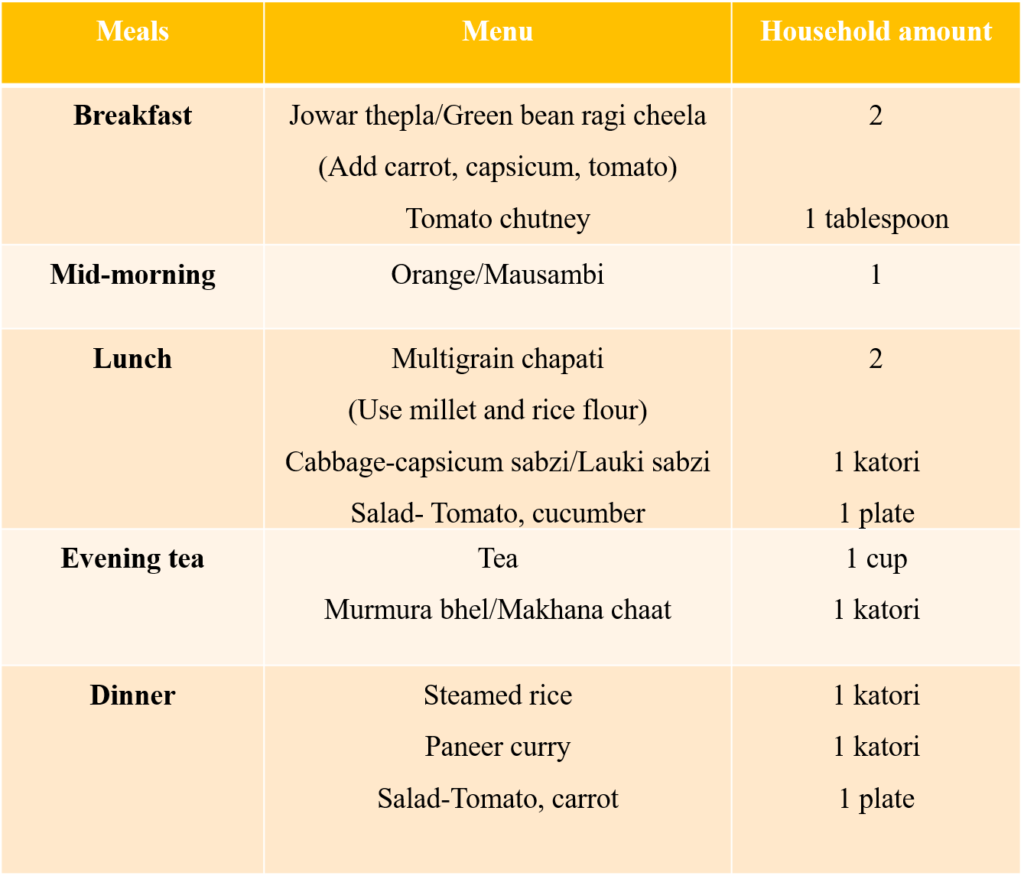
A sample FODMAP diet plan:
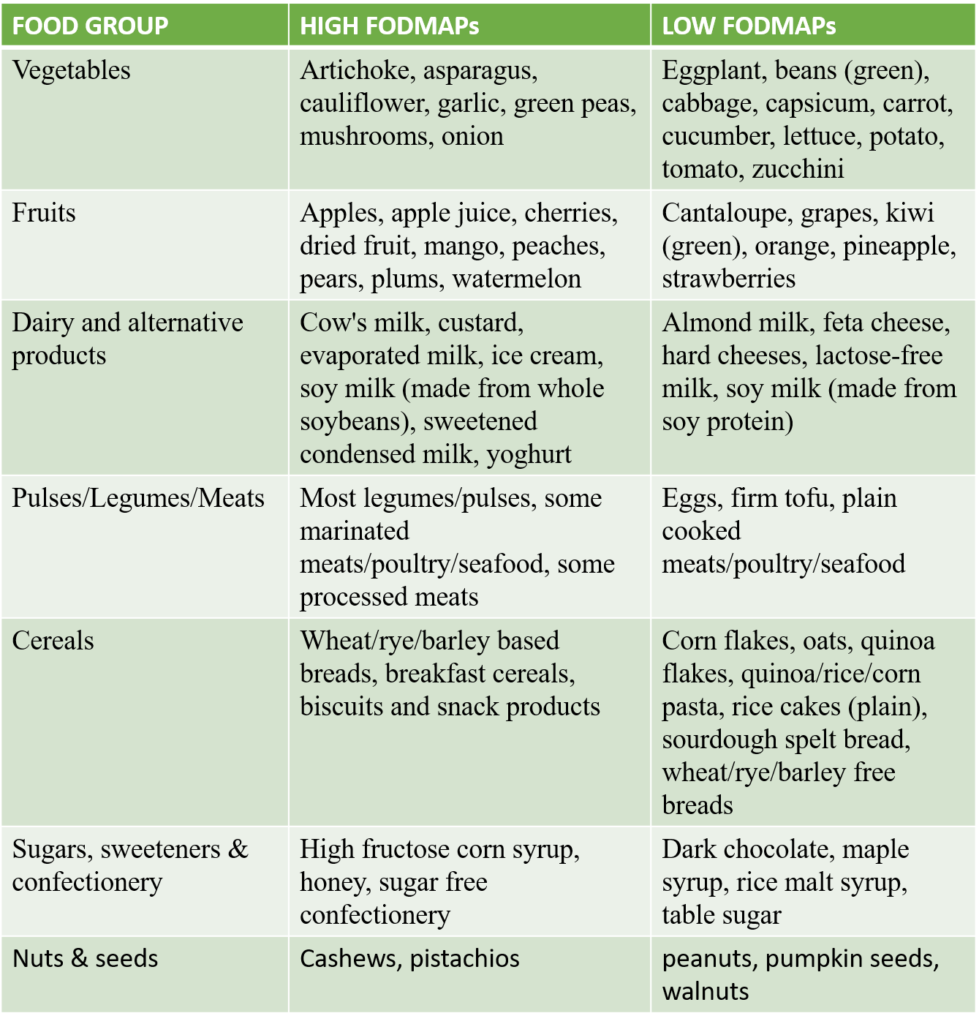
Table showing high FODMAPs and Low FODMAPs food sources:
Let’s start this topic by a basic understanding of phytonutrients. Phytonutrients are naturally occurring chemicals or compounds that are present in plants. They are also known as phytochemicals. Or you can also understand them as the chemicals produced by plants.
They have different roles or functions such as protecting the plant from insects or from UV radiations. Phytonutrients are bioactive substances. Now, to make it easier, let me explain what are bioactive compounds. In simple words, bioactive compound is a compound that has an effect on living organism. These compounds are known to be essential compounds.
Phytonutrients have an excellent effect on health of human beings and they may provide health benefits in treatment/prevention of various diseases and in disease management. Moreover, it can be said that phytonutrients have a positive impact on human health.
Do you know that researches say, that phytonutrients being natural compounds have less side-effects as compared to various therapies and treatments such as radiations and chemo-therapy? Furthermore, the best part about them is that they are cost-effective and are easily available. If used widely, they can help in reducing health care cost. Which we all know is way higher in these times.
Let me introduce you to the various bioactive phytonutrients. Some of the important phytonutrients include, polyphenols (you must have heard about them), terpenoids, flavonoids, isoflavonoids, carotenoids (another common phytonutrient), phytoestrogens, phytosterols, omega-3 fatty acids and probiotics. Now, let’s discuss about the characteristic values of these phytonutrients:
They are anti-microbial, anti-oxidants, anti-inflammatory, anti-allergic
Neuroprotective, hepatoprotective (preventing damage to the liver), hypolipidemic and hypotensive.
They also aid in diabetes and osteoporosis management.
And this is not all, applications of phytonutrients are much wider.
Benefits/Efficacy of Phytonutrients
As mentioned above, we have seen that phytonutrients are loaded with ample amount of benefits corresponding to human health. Be it anti-oxidative properties or anti-carcinogenic or anti-inflammatory properties, they not only possess them, but are way rich in them.
So now, by seeing all these benefits, you might have a question, that What really is the efficacy of phytonutrients?
It is said by researchers that phytonutrients when consumed in diet have beneficial health benefits and promotes overall health. They protect against chronic degenerative diseases such as cancer, cardiovascular, neurodegenerative disease and diabetes, hypertension etc.
Let’s take examples of few phytonutrients to understand the benefits/efficacy:
Carotenoids, tocopherols, lipoic acids and polyphenols have very strong anti-oxidative properties which helps to reduce the effect of free-radicals on your body.
Phytoestrogens may help in hormone replacement therapy and are also good for cardiovascular health. These phytonutrients are also known to help in menopausal symptoms.
Probiotics is another class of phytonutrients and generally constitutes the microorganisms from the following two classes: Lactobacillus and Bifidobacterium. They are used for controlling weight gain or obesity, improves insulin sensitivity and also increases satiety.
It can be said that phytonutrients pose an immense amount of benefits to the human health, but there are some factors that should be kept in mind before consuming them. Such as amount, interaction with the body, and their effects on individuals under certain medical conditions.
Different phytonutrients and their benefits
Polyphenols
They are naturally occurring compounds majorly found in fruits, vegetables, cereals and even chocolates and legumes.
Major sources include: cereals, legumes, nuts and oilseeds (flaxseeds, olive seeds), fruits and vegetables. Also found in tea, coffee, cocoa, beer and wine.
Generally, fruits include 200-300 mg of polyphenols per 100g. Dietary intake of polyphenols may be about 1g per day.
Therapeutic property:
These are generally available as fortified nutraceuticals and their health benefits include:
Influential anti-oxidative, anti-inflammatory, antidiabetic, anti-viral, anti-allergic, anti-aging and DNA protective properties.
Resveratrol
It is a natural compound make by plants when they are under stress and under the attack of pathogens. Most commonly found in grapes and peanuts. They are found in grape skins and little in the grape flesh. Do you know that they are present in red wine in good amounts?
Therapeutic property:
It is considered to be good for cardiovascular health and also possess neuroprotective effects.
You will be amazed to know that resveratrol has two forms under UV radiations. It goes under isomerization and produced “trans” and “cis” form. Trans form has much more beneficial effects as compared to cis form.
The most important property of resveratrol is that is has anti-carcinogenic and anti-tumor properties. And that is really great for cancer treatment and prevention.
Flavonoids
Flavonoids are said to be polyphenolic compounds and they are majorly present in legumes, fruits and vegetables, tea, olive oil, walnuts, peanuts and even in spices. Green leafy vegetables, onion, apple and berries are one of the richest sources of flavonoids.
Therapeutic property
These has been an extensive research on flavonoids. And they have anti-bacterial, anti-viral and anti-oxidative properties. That means they have a protective effect on free radicals.
They also act against allergies, inflammation, microbes, and tumors.
Do you know they have a protective effect on inflammatory disease, such as cardiovascular disease and cancer?
Carotenoids
Carotenoids are one of the major groups of phytochemicals. Majorly found in red, yellow and orange fruits and vegetables, this class possess amazing health benefits.
Do you know a fun fact: that there are around 700 phytochemicals of carotenoids present and out of these 700, only about 24 are commonly available for the human consumption!
You must have heard about different carotenoids such as α-carotene, β-carotene, lycopene (present in tomatoes), and lutein.
Therapeutic properties
They have anti-cancerous properties. And they are also found to be protective against cardiovascular diseases.
Eye health protection is also one of the properties of carotenoids.
They also have anti-oxidant properties that reduces the risk generated by free-radicals.
Phytoestrogens
Phytoestrogen are naturally occurring non-steroidal compounds produced by plants. They mimic estrogens in human body. These are present in natural dietary products such as soybeans, wheat, barley and corn.
Therapeutic properties
Phytoestrogens have similar structure to the estrogens and possess both, estrogenic and anti-estrogenic properties. They also provide protection against bone loss and heart disease.
You must be aware of menopausal symptoms, and high rates of fractures associated with post menopause. Phytoestrogens protects bone loss.
They also have anti-cancerous properties and promotes heart health.
Glucosinolates
For this phytonutrient, cruciferous vegetables are the richest source. Furthermore, Glucosinolates are present in the crucifers in very good concentrations. Such as, cabbage, broccoli, cauliflower, kale. Not only these vegetables are rich in this phytonutrient, but also are rich in various vitamins and minerals.
Therapeutic properties
They are activators of liver’s detoxifying enzymes. Therefore, aiding in detoxification of the body.
Also have a protective effect on carcinogenesis and from free radicals. They not only helps in digestion but also improves overall digestive health.
Phytonutrient
Source
Benefits
Polyphenols
Cereals, legumes (barley, corn, nuts, oats, rice, sorghum, wheat, beans, and pulses), oilseeds (rapeseed, canola, flaxseed, and olive seeds), fruits, vegetables, and beverages (fruit juices, tea, coffee, cocoa, beer, and wine)
Anti-oxidant, anti-cancer, prevents aging, diabetes, and heart diseases
Flavonoids
Berries, legumes, tea, grapes, olive oil, cocoa, walnuts, peanuts, spices, fruits, and vegetables. Especially green vegetables, onion, apple, berries, and tea
Anti-bacterial, anti-oxidant, anti-viral, analgesic activities, inhibition of hydrolytic and oxidative enzymes, anti-inflammatory, anti-viral, and antiproliferative
Carotenoids
Carrots, leafy greens and red, orange and yellow vegetables, and pumpkin
Anti-carcinogenic, enhances release of immunogenic cytokines IL-1 and TNF-α, provides cornea protection against UV light, and stimulates DNA repair enzymes
Phytoestrogens
Soybeans, wheat, barley, corn, alfalfa, and oats
Anti-cancer, heart diseases, menopausal symptoms, and osteoporosis
Looking for weight loss and don’t know how to start? Well, try these detox drinks which will help you to get started with your day along with weight loss and other health benefits.
The detox water are those which will help your body to get rid of toxins, improve your energy levels, and help you lose weight. There are different types of detox drinks offering different health benefits. You can also make these detox drinks at home in lots of different ways.
Furthermore, detox drinks contain very few calories as it is only made by infusing flavor, rather than juicing or blending.
Detoxifying one’s body has fast become a new trend in the world of fitness. It aims to help the body to get rid itself of toxins. This detoxification occurs through liver, sweat, urine, faeces, etc. And by detoxifying your body, you help your vital organs cleanse themselves of the toxins, and also enable the liver to function appropriately in excreting them.
How detoxification of your body helps in weight loss?
Detox drinks can turn out to be quite effective in your weight loss journey. This is because detox drinks facilitate proper digestion in the body and a good digestive system is key to healthy weight loss. They also help flush out toxins from the body and also give a considerable boost to your body’s metabolism. A good metabolism and digestive system can help you achieve your weight loss goal easily, provided you make some dietary changes as well.
Let’s look at these 10 detox water or detox drinks along with their recipes:
1. Fenugreek water/Methi ka paani
Fenugreek seeds or methi dana are very popular seeds and present in almost every Indian household. This methi dana also has some magical powers which helps in various health benefits ranging from regulating the blood sugar levels to battling digestive problems including loss of appetite, bloating and constipation. It is also packed with essential nutrients such as vitamin A, vitamin D, and iron.
Moreover, these seeds are loaded with soluble and insoluble fibres which helps in curbing your appetite and also increases your metabolism which helps in weight loss. It also has anti-inflammatory properties which benefits people from arthritis, chronic coughs, bronchitis, mouth ulcers, etc.
Fenugreek water
Ingredients:
Fenugreek seeds-1 tbsp.
Water-250 ml/1 glass
Method of preparation:
There are two ways to make fenugreek water:
First method: Soak fenugreek seeds in water overnight and strain the water in a glass and drink it in the morning.
Second method: Take a deep pan, add 1 glass of water in it with 1 tbsp of fenugreek water and boil it for at least 5 minutes.
2. Flaxseed water
Flaxseed is one of the superfoods, known for its extensive nutritive and health benefits. These seeds are inexpensive and high in calories as compared to other nuts but are also extremely nutritious.
They are not common in Indian households like fenugreek but nowadays they are gaining popularity because of its benefits on your health. They have high omega-3 fatty acids and fiber content. It also contains other important minerals and compounds like thiamine, copper, molybdenum, magnesium, phosphorus, phytosterols and lignans, etc.
These brown seeds are known to improve digestion, lower cholesterol, reduce risk of heart disease, type 2 diabetes, and even cancer and weight loss.
Flaxseed water
Ingredients:
Flaxseed water-1 tbsp
Water-250 ml/1 glass
Method of preparation:
Firstly, mix ground flaxseed with boiling water, and then wait for about 10 minutes or until it reaches a comfortable temperature to drink.
Also, if you don’t prefer grounds in your tea, then you can strain them out before you start to drink it.
Pro-tip: You can also use flaxseed powder in place of seeds.
3. Lemon water
Let’s talk about the numerous benefits that lemon provides to your body. Yes, you heard it right. A tiny lemon can provide a wide variety of health benefits. Now, let’s talk about them. By drinking lemon water on daily basis, you have the potential of your risk of developing fatty liver. Also, the presence of certain phytonutrients in lemon stimulate blood sugar levels and reduces insulin resistance which is also the reason for your weight loss.
It helps in reducing kidney stones as well as it contains citrate which binds with the oxalate which prevents stones from occurring in your body. It is a good source of vitamin C and only a lemon has the potential to fulfil half of your daily requirement.
Lemon water
Ingredients:
Water-1 glass
Lemon-1/2
Method of preparation:
Firstly, cut lemons in half.
Pour yourself a glass of purified water and squeeze the juice of 1/2 lemon in your glass of water and enjoy the freshness of lemon.
Tip: If you want, you can make it in cold water or lukewarm water. The choice is yours.
4. Lemon-ginger water
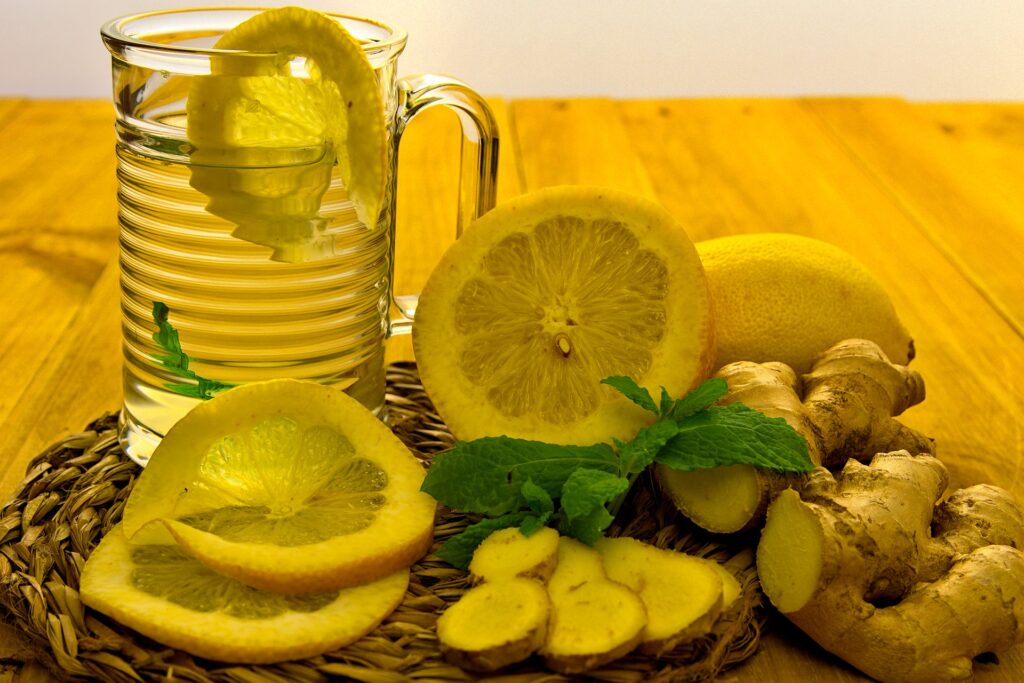
Lemon-ginger water is an infusion of fresh lemon and ginger with a bit of sweetener like honey and black pepper. This water activates metabolism and eliminates toxins from the body and also helps in the cleanse of intestines, which in turn aids weight loss and your immunity buildup as well.
Lemon-ginger water
Ingredients:
Water-250 ml/1 glass
Lemon peel-1 tbsp
Ginger, grated- 1 tsp
Black pepper-5-6
Honey-1 tsp
Method of Preparation:
Firstly, take a deep pan and add water, lemon peel, ginger, black pepper and boil it for 5-7 minutes.
Now, remove it from the heat and strain the water in a glass.
Now, add honey and mix well and your detox water is ready.
Decoction method:
Firstly, add the 1 L cold water to a pot.
Place cut ginger roots, (2–3 tablespoons), black pepper and lemon peels in the pot and bring to a boil.
Now, cover and reduce the heat to simmer for 20 minutes until the water is reduced to its half.
When the water is reduced, add honey to it. Now, strain and enjoy. You can keep the rest in the fridge and enjoy whenever you want after luke-warming it.
5. Tulsi water/Tulsi tea
Tulsi water/tea is a healthy beverage which have healing, anti-fungal, anti-bacterial and digestive properties. These properties are present because it contains essential oils. Tulsi is also beneficial in inducing sleep, relieving stress and headaches as well as boosts immunity.
Ingredients:
Cumin seeds – 1 tsp
Tulsi leaves – 6-8
Ginger – 1 tsp
Cloves – 2
Water – 1.5 cups
Method of preparation:
By decoction method– In this process, the herb or spice is boiled in water for 15 to 60 minutes until the water is reduced to its half-quantity, then it is cooled, strained and added enough cold water to obtain the desired volume.
Firstly, take cumin, tulsi leaves, ginger, and cloves.
Secondly, add these ingredients to water and boil and reduce to 1 cup water.
Now, cool the water till it is lukewarm and serve.
6. Dalchini tea/Cinnamon tea
Cinnamon tea is simple and quick to make. It is also known as a fat cutter drink. This is a wonder drink for those looking for drinks that aid in losing weight.
This spice may help to improve digestion, heartburns and gastric problems. Also, it has some anti-carcinogenic properties known to reduce the risk of cancer. Also, it helps in reducing the blood sugar levels and the cholesterol levels in your body.
Cinnamon water/tea
Ingredients:
Cinnamon stick/Dalchini stick- 1 or 2
Water-250 ml/1 glass
Method of preparation:
Firstly, take a deep pan and add water in it.
Next, add cinnamon sticks in the pan and bring it to a boil.
After boiling, reduce the flame and simmer it for 2-3 minutes. When water appears golden brown, switch off the flame.
Let it cool down for a few minutes and then strain the water in a glass.
7. Jeera or cumin seeds water
It is an Indian spice and present in every Indian household and also used in Indian dishes everyday.
It contains a chemical known as thymol which stimulates your pancreas to produce enzymes and bile, therefore improves the overall digestion of carbs and fats within your body. Apart from digestion, jeera water provides various other health benefits such as detoxifying your body, improving your immunity and also weight loss.
Jeera water
Ingredients:
Water-1 glass/250 ml
cumin seeds-1/2 tbsp
Method of preparation:
Firstly, take a deep pan and add cumin seeds in it.
Secondly, put the pan on the stove and bring it to a boil on medium heat.
Next, cover the lid and simmer it for 2-3 minutes. After the color of water changes, turn off the heat and let the water cool down.
When the water becomes lukewarm, strain the water and then it is ready for your drinking.
8. Ajwain water/Carom seeds water
Like jeera and fenugreek spices, ajwain is also very common and popular spice in Indian households and it is capable of giving you a boost of health. This ajwain water is also very easy to make and time saving as well.
Moreover, when you drink ajwain water on an empty stomach, it activates the enzymes in your gut which help in better digestion and weight loss. It also has antiseptic, antimicrobial, and antiparasitic properties which makes it a perfect antidote to infections that cause cough, cold, ear, or even mouth infection.
Ingredients
Water-1 glass/250 ml
Carom seeds-1 tbsp
Method of preparation
To make ajwain water, firstly combine water and carom seeds in a deep pan and mix well and boil on a medium flame for 5 to 7 minutes.
After a boil, switch off the flame and strain it using a strainer in a glass and let it cool for some time before drinking.
9. Chia seeds and lemon water
This water makes a refreshing drink, perfect for enjoying the first thing in the morning. Chia seeds are small in size, which are full of important nutrients. They are an excellent source of omega-3 fatty acids, antioxidants, and they also contain fiber, iron, and calcium. Omega-3 fatty acids will help you in raising HDL cholesterol, the good cholesterol that protects against heart attack and also stroke.
Ingredients:
Chia seeds-1 tbsp
Cold water-½ cup
Warm Water-250 ml/1 glass
Lemon juice- 1 tsp
Honey-1 tsp
Method of preparation:
Firstly, in a bowl, add 1 tbsp chia seeds, normal/cold water and soak for 10 minutes.
Next, in a jug, add the soaked chia seeds, 250 ml warm water, and lemon juice and honey and mix it well and your detox water is ready to drink.
10. Cumin and cinnamon water
This cumin and cinnamon water contains the health benefits of both cumin and cinnamon water.
Cumin seeds are cold in nature and help in balancing the pH level of the stomach. It also helps you to get rid of water retention in the body, improves your insulin sensitivity, and is anti-inflammatory in nature.
Cinnamon, on the other hand, is warm in nature and great for balancing the hormones which can be beneficial in those people having PCOS. It also has antifungal and antibacterial properties that helps you to protect against viruses.
Cumin and cinnamon water
Ingredients:
Water-250 ml/1 glass
Cumin seeds-1 tbsp
Cinnamon stick-1
Lemon juice- 1 tsp
Honey- 1 tsp
Method of preparation:
First, take a deep pan, add water, cumin seeds, cinnamon stick and boil it for 5-7 minutes.
Now, remove it from the stove and strain the water in a glass and add lemon juice and honey in it and stir well.
11. Fennel tea
Fennel seeds are high in vitamins as well as minerals and act as a purifier for your blood. It is also great for your heart as it helps in reducing bad cholesterol and regulates your blood pressure levels. It is extremely good for eyesight and does wonders for stomach bloating, digestion and constipation.
Fennel water
Ingredients:
Water-250 ml/1 glass
Fennel seeds-1 tbsp
Method of preparation:
Firstly, in a pan, take approximately 1 glass of water and add fennel seeds in water.
Next, boil the water. After the boil, turn off the flame and let it sit for 10 minutes.
Pour it in a glass, add lemon and honey (both optional).
Stir and drink warm. If you want, you may or may not strain the seeds.
12. Pink salt-ginger water
This water is a perfect combination of sweet and sour. Pink salt is the Himalayan salt which is one of the healthiest varieties of salts, which is better than most other types of salt in terms of mineral content, processing method, and health benefits offered.
Moreover, pink salt stimulates enzymes that aid digestion, and also boosts food and water absorption, which allows for better nutrient and mineral absorption by the body. Pink salt is a major source of sodium, it also contains many other minerals like potassium, calcium, and also magnesium which work to improve muscle contraction and relaxation.
Ingredients:
Water- 250 ml/1 glass
A pinch of pink salt
Ginger, grated-1 tsp
Lemon juice-1 tsp
Honey-1 tsp
Method of preparation:
Firstly, take water in a deep pan and boil the water with grated ginger. Next, strain it in a glass and let it cool down for a while.
Secondly, add pink salt, lemon juice and honey to it and mix well and now it is ready to drink.
13. Ginger Wheatgrass tea
The Ginger Wheatgrass tea is a simple warming beverage which you can enjoy at any time of day. Wheatgrass contains nutrients such as iron, calcium, magnesium, and the antioxidant vitamins such as vitamin A, C, and E.
Ingredients:
Ginger, grated-1 tsp
Honey-1 tsp
Wheatgrass powder-1/2 tsp
Water – 1 cups
Method of preparation:
First method:
Firstly, in a small bowl, whisk together grated ginger and honey to make a syrup.
Secondly, in a tea or coffee mug, add wheatgrass powder, then add boiling water. Mix in ginger syrup and enjoy your tea.
Second method:
In a pan, boil water, add wheatgrass leaves/wheatgrass powder and ginger in it. Keep it boiling for like 5-10 minutes, so the properties of wheatgrass get mixed with water.
Now, turn off the heat and add honey in it and your hot cup of tea is ready.
14. Apple cider vinegar
Apple cider vinegar contains acetic acid. It also contains bacteria and lactic, citric, and malic acids. These acids are what gives the vinegar its tart taste. It is believed to boost your health in many ways. Some of its health benefits are:
a) helps in controlling blood sugar levels
b) aids in weight loss
c) eases heartburn and indigestion
d) reduces cholesterol
Apple cider vinegar
Ingredients:
Apple cider vinegar- 1-2 teaspoons
Water-1 glass
Method of preparation:
Firstly, lukewarm the water and turn the stove off.
Now, add apple cider vinegar in your water and mix it well.
Finally, enjoy drinking your water.
If you are struggling shedding weight. You can talk to us by taking this assessment: Click here
Pre-diabetes is defined as the higher blood glucose levels than normal range but not high enough to be diagnosed as diabetes. That is why it is also called as the Borderline diabetes.
It occurs in those people who already have some insulin resistance or whose pancreatic beta cells do not produce enough insulin to keep blood glucose in the normal range.
It does not show any clear symptoms for years, so there is a high chance that it often goes undetected until serious health problems shows up.
In the United States, it is estimated that 84 million adults in the USA have prediabetes in 2015 and that’s about 1 out of 3 adults.
According to a study published in the Indian Journal of Medical Research in 2018, the estimated prevalence of prediabetes in India is 14%. And this data only includes just those people who have been tested. (Source-How should one tackle prediabetes in India?)
According to a survey by National Health of India and National Center of Biotechnology Information, 70.5% of pre-diabetes cases were found in 25–44 age.
While 40% and 51.4% of diabetes cases were found in 25–44 and 45–60 aged individuals, respectively. Pre-diabetes is more prevalent in middle age (25–44 age group) and diabetes in 45–60 age group.
The prevalence of prediabetes is growing worldwide, and authorities have estimated that more than 470 million people will have prediabetes by 2030 (Sethuram K et al.).
What are the stages of diabetes?
Figure: Stages of diabetes
Stage 1: Insulin resistance
Insulin is a hormone which is produced by the beta-pancreatic cells that helps glucose to enter in your muscle, fat, and liver, and use it for energy.
The insulin resistance occurs when cells in your muscles, fat, and liver do not respond well to insulin. And because of that, blood glucose cannot be used for energy. In turn, your pancreatic cells make more insulin to help glucose enter your cells.
If your body becomes insulin resistant, this is what happens:
Rise in blood glucose (blood sugar) after you eat.
Then beta-pancreatic cells produces insulin, but it does not enter the cells and the glucose isn’t introduced to the cells efficiently.
Now, glucose stays in your blood because your cells aren’t burning the glucose for energy.
Over time, continuous high blood sugar levels damage your cells. It may lead to nerve damage, blood vessel and organ damage, cardiovascular disease and more.
If this insulin resistance occurs for a long time, it may develop into prediabetes.
Stage 2: Pre-diabetes
Pre-diabetes is also called borderline diabetes. Because it is at the verge of becoming diabetes mellitus but can be reversed if right measures are taken beforehand.
The most important thing about prediabetes is that it is reversible. You can prevent or delay prediabetes from developing into diabetes with a change in your lifestyle.
It is a serious condition and if not treated, then it can develop into diabetes.
Diabetes is a group of disorders, characterized by high blood glucose concentrations resulting in insulin secretion, insulin action or both. In other words, hyperglycemia develops gradually due to a progressive loss of beta-cell insulin secretion with insulin resistance.
Stage 4: Post diabetes:
If your blood sugar levels are too high for a long time, then it can lead to serious health problems including heart, nerve, kidney, eye damage and more.
It affects the microvascular and macrovascular of your bodies.
Microvascular diseases due to diabetes:
Diabetes is an important risk factor for Microvascular diseases affecting small blood vessels: retinopathy, nephropathy and neuropathy.
Diabetic retinopathy:
Diabetic retinopathy is the diabetic eye disease which includes all disorders of the retina caused by diabetes. It is the leading cause of blindness in people with diabetes and silent complication with no initial symptoms.
But when symptoms occur, treatment is more complicated and often impossible.
Diabetic nephropathy/Diabetic kidney disease:
Diabetic nephropathy is a condition caused by damage to the filtering system of the kidneys.
In severe cases, it can lead to kidney failure. The long standing diabetic nephropathy can lead to Chronic kidney disease (CKD).
Figure: This cycle shows how Chronic Renal Failure occurs due to diabetes.
Diabetic neuropathy is a group of nerve disorders caused by diabetes. It causes numbness and sometimes pain and weakness in the hands, arms, feet and legs. Longer the duration of diabetes, the greater the risk.
American Dietetic Association recommendations for screening of diabetic neuropathy:
All patients should be assess for diabetic peripheral neuropathy starting at diagnosis of diabetes at least annually thereafter.
Assessment for distal symmetric polyneuropathy should include a careful history and assessment of either temperature or pinprick sensation (small fiber function) and vibration sensation using a 128-Hz tuning fork (for large-fiber function)
All patients should have annual 10-g monofilament testing to identify feet at risk for ulceration and amputation
Symptoms and signs of autonomic neuropathy should be assess in patients with microvascular complications.
Macrovascular diseases due to diabetes:
Diabetes is an important risk factor for Macrovascular diseases affecting large blood vessels: Cardiovascular disease (CVD), Cerebrovascular disease, Peripheral vascular disease (PVD).
Cardiovascular diseases (CVD):
CVD complications are one of the most common causes of morbidity and mortality in people with diabetes.
Coronary Artery Disease, stroke and Peripheral Vascular Disease are increased by 2 to 4-fold in people with diabetes.
Symptoms include chest pain, chest tightness, chest pressure and chest discomfort (angina), shortness of breath. It also include pain, numbness, weakness or coldness in your legs or arms if the narrow blood vessels are present.
Cerebrovascular diseases:
Cerebrovascular diseases can occur due to sudden narrowing or occlusion of brain blood vessels.
Symptoms include sudden weakness or numbness of face, arm, leg on one side of the body, sudden confusion, sudden dizziness, loss of balance, visual impairment and sudden severe headache.
Peripheral vascular disease (PVD):
PVD is defined as the reduced blood supply due to occlusion/narrowing of peripheral blood vessels. It is a risk factor for diabetic foot amputations.
Symptoms include pain on doing any activity, calf pain, numbness in hands and feet.
Other complications due to diabetes:
Liver diseases/liver failure:
Liver is a multi-functional organ. One of the liver’s many jobs is regulating blood sugar, but fat in the liver makes that organ less responsive to insulin. In turn, leaves too much glucose in the blood, which can lead to type diabetes.
Diabetes raises your odds of having a more severe form of Non-Alcoholic Fatty Liver Disease, also known as nonalcoholic steatohepatitis (NASH). Fatty liver disease itself usually causes no symptoms. But it raises the risk of developing liver inflammation or scarring (cirrhosis).
It’s also linked to an high risk of liver cancer, heart disease and kidney disease.
Last stage: Death due to diabetes
In 2014, 8.5% of adults aged 18 years and older had diabetes. In 2019, diabetes was the direct cause of 1.5 million deaths and 48% of all deaths due to diabetes occurred before the age of 70 years. Both types of diabetes can also lead to other long-term complications, like kidney disease, that may result in premature death. Problems like vision loss, nerve damage and infections that may lead to amputations can increase the likelihood of injuries and accidents.
Between 2000 and 2016, there was a 5% increase in premature mortality rates (i.e. before the age of 70) from diabetes.
Who is more likely to develop insulin resistance or prediabetes?
People who have genetic or lifestyle risk factors are more likely to develop insulin resistance or prediabetes. These risk factors include
overweight or obesity
Old age-usually 45 years or older
Genetic factor- a parent, brother, or sister with diabetes
physical inactivity/sedentary lifestyle
health conditions such as hypertension and abnormal cholesterol levels, heart disease or stroke
a history of gestational diabetes
a history of heart disease or stroke
polycystic ovary syndrome, also called PCOS
People who have metabolic syndrome—a combination of high blood pressure, abnormal cholesterol levels, and large waist size—are more likely to have prediabetes.
How can you diagnose pre-diabetes?
To test for prediabetes, these 2 tests are the most important:
Fasting plasma glucose test, which tests your blood after you have fasted for eight hours.
HbA1C or glycated hemoglobin test, which provides your average blood glucose level over the past two to three months.
You would be diagnosed with prediabetes if:
Your fasting plasma glucose test is 100 to 125 mg/dL (normal is <100; diabetes is 126 or higher).
Your HbA1c test is 5.7% to 6.4% mg/dL (normal is < 5.7%); diabetes is 6.5% higher.
Is there a test for insulin resistance/Pre-diabetes?
There is a HOMA-IR test that determines if there is insulin resistance or not.
HOMA-IR stands for Homeostatic Model Assessment of Insulin Resistance or Pre-diabetes. It is an index which determines if a patient has insulin resistance. The blood tests like HbA1C or fasting sugar (glucose) levels may be normal, but if the insulin levels are high, this means that your body may be struggling to maintain normal blood sugar levels. This may be the precursor to diabetes.
Your results from the HOMA-IR test are displayed against a reference scale or range that determines the level of your insulin resistance.
Low HOMA-IR implies that you are sensitive to insulin. On the other hand, higher levels indicate insulin resistance and higher chances of you developing diabetes.
Interpretations of HOMA-IR lab test:
Optimal insulin-sensitivity- less than 1.0
Early insulin resistance- above 1.9
Significant insulin resistance- above 2.9
Labs from where you can get your HOMA-IR test done:
How can you treat or reverse insulin resistance and prediabetes?
It is possible to reverse the insulin resistance or prediabetes if diagnosed early. You can achieve it through lifestyle changes such as diet and exercise.
In other words, taking small steps, such as eating healthier foods and moving more to lose weight, can help reverse insulin resistance. Also, prevent or delay type 2 diabetes in people with prediabetes.
Don’t rely on dieting or exercise alone: In one University of New Mexico School of Medicine study, published in the International Journal of Obesity, overweight people who lost 10% of their weight through diet plus exercise saw insulin sensitivity improve by an impressive 80%. Those who lost the same amount of weight through diet alone got a 38% increase.
Dietary guidelines to improve glycemic control:
Firstly, a moderate calorie restriction of about 500-750 calories from usual daily intake and an increase in physical activity by 30 minutes/day may lead to improved insulin sensitivity.
Avoid whole milk and prefer skimmed milk for tea, coffee, curd, paneer, etc.
Choose lean sources of protein such as fish, skinless chicken, low-fat cottage cheese, turkey or ground turkey breast, etc. Protein helps to stabilize blood sugar.
Prefer whole grain cereals like millets, oats, quinoa, barley, long grain basmati rice and whole pulses.
Avoid refined carbohydrates like sugar, juices, jams, jellies, candies, honey, jaggery and chocolates.
Also, increase your fiber Intake. Fruits and vegetables are a good source of fibre such as pears, apples, dried figs, berries, green leafy and seasonal vegetables.
Limit roots and tubers like potato, arbi, sweet potato, and beetroot.
Sago, arrowroot and refined flour preparations like white bread, biscuits, sago poha, noodles and pasta should be avoided.
Also, reduce the intake or eliminate fried and creamed foods.
Emphasize on eating healthy and omega-3 rich sources such as fish, nuts and oilseeds.
Read the nutrition label carefully. Products that are “sugar-free”, “fat-free” or high fibre do not necessarily have a reduced number of calories or carbohydrates also.
Drink plenty of water as it may help in controlling blood glucose levels, and it’s also a healthy substitute for sodas and fruit juices.
Portion control can keep with your carbohydrate control. Practice mindful eating for your portion control.
The most important thing to consider when choosing foods to incorporate into diet is to aim for balance, variety, and moderation. Your goal should be to adopt an eating pattern that is sustainable and that you can stick with long-term, while still incorporating foods you enjoy.
Physical activity and exercise:
Clinical guidelines from the American Diabetes Association suggest exercising for at least 30 minutes a day, five days a week. If you have a strong family history of type 2 diabetes, it might be best to take it up a notch to 45 to 60 minutes a day.
Furthermore, losing as little as 5 to 10 percent of body fat can improve your blood sugar level and help reverse prediabetes.
Stop smoking:
Everyone knows that smoking increases the risk for heart disease and lung cancer. But smoking is also a risk factor for insulin resistance, prediabetes, and type 2 diabetes. So, quitting smoking is the best idea to reverse insulin resistance and prediabetes.
Get proper sleep everyday:
In a study presented at the 2015 meeting of the Obesity Society, researchers found that just one night of sleep deprivation boosted insulin resistance as much as eating high-fat foods for six months. So, get at least 8 hours of sleep for a better insulin production and usage by your cells.
If you are struggling shedding weight. You can talk to us by taking this assessment: Click here
PCOS stands for Polycystic Ovarian Syndrome which is a form of hormonal imbalance that affects 1/10 women of reproductive age, in India, today. The syndrome leads to overproduction of male hormones in women, resulting in multiple surfaced/under-surfaced symptoms.
Studies suggest that up to 70 percent of women with PCOS hadn’t been diagnosed. Underdiagnoses results in delay in seeking help therefore worsening the situation. Physically, PCOS affects a woman’s ovaries, resulting in disturbed production of estrogen and progesterone. The syndrome leads to other physical and mental effects on the overall wellbeing of the sufferer.
There are three main characteristics of PCOS:
First one is the formation of cysts in the ovaries
Second one is high level production of male hormones
And the third one is irregular periods or absence of periods for longer periods.
Between 5% and 10% of women of reproductive age can have PCOS. Furthermore, mostly women find out that they have PCOS in their 20s and 30s, when they have problems getting pregnant. But everyone should know that PCOS can happen at any age after puberty.
What is the prevalence of PCOS in India?
The exact prevalence of PCOS is not known as the syndrome is not defined precisely. Prevalence of PCOS is highly variable ranging from 2.2% to 26% globally. In few Asian countries, prevalence figures are ranging from 2% to 7.5% in China and 6.3% in Srilanka.
There are few studies conducted in India. Studies done in South India and Maharashtra, prevalence of PCOS were reported as 9.13% and 22.5% respectively.
Moreover, one in every 10 women in India has polycystic ovary syndrome (PCOS), among women of reproductive age, according to a study by PCOS Society. And out of every 10 women diagnosed with PCOS, six are teenage girls.
What is the difference between PCOD and PCOS?
PCOD stands for polycystic ovarian disease and PCOS stands for polycystic ovarian syndrome.
PCOS is a metabolic disorder which is a serious condition and PCOD is not considered a disease entirely.
PCOD can be controlled with proper diet and also exercise routine. Whereas PCOS needs treatment by consulting doctors as it is a metabolic disorder (disruption in chemical processes of your body).
What are the symptoms of PCOS?
The symptoms of PCOS may include:
Skipped periods, irregular periods, or very light periods
Large ovaries or cysts in ovaries
Excess body hair including the chest, stomach, and back
Weight gain – obesity or overweight
Acne or oily skin
Male-pattern baldness or thinning hair/loss of scalp hair
Infertility
Dark or thick skin patches on the back of the neck, in the armpits, and under the breasts
What is the exact cause of PCOS?
The cause of PCOS is not perfectly clear. It is clear that genetic and environmental factors contribute to the development of PCOS. But do not know exactly what causes PCOS.
Excess insulin production in your body: Insulin is the hormone produced in the pancreas that allows cells to use sugar. If your cells become resistant to the action of insulin, then your blood sugar levels can rise. In turn, your body might produce more insulin. Excess insulin might increase androgen production, causing difficulty with ovulation.
Low-grade inflammation in your body: This term is describes white blood cells’ production of substances to fight infection. Research has shown that women with PCOS have a type of low-grade inflammation that stimulates polycystic ovaries to produce androgens. And it can also lead to heart and blood vessel problems.
Heredity: Research suggests that certain genes might be linked to PCOS.
Excess androgenproduction in the body: The ovaries produce abnormally high levels of androgen, resulting in hirsutism and acne.
Women of all races and ethnicities are at risk of PCOS.
Your risk of PCOS may be higher if you have obesity or if you have a relative with PCOS.
You may also be more likely to have it if you have insulin resistance.
How to detect that you have PCOS?
There’s no specific single test for PCOS but a physical exam, ultrasound, and blood tests can help in the diagnosis of PCOS.
The diagnosis begins with a thorough history and physical examination also. The main focus is on menstrual history, any fluctuations in the weight and their impact on PCOS symptoms, and also other PCOS-related symptoms.
A diagnosis of PCOS can be made if you have been ruled out of other rare causes of the same symptoms. And you meet at least 2 of the following 3 criteria:
If you have irregular periods or no periods – this indicates that your ovaries do not regularly release eggs. In other words, ovulation occurs irregularly.
If your blood tests show that you have high levels of such as androgen (or sometimes just the signs of excess male hormones, even if the blood test is normal).
Also, your ultrasound scans show that you have polycystic ovaries.
Collections of 12 or more “cysts” on your ovaries that may be larger than normal also indicates PCOS. But women who don’t have PCOS may also have cysts, but fewer than 12 don’t meet the criteria for a diagnosis.
Generally, it is difficult to diagnose PCOS in adolescent women. Especially, at an early stage during their first few years of menstrual cycle. In the beginning, menstrual cycles of adolescent women can be irregular for reasons that are unrelated to PCOS. Because in the first year, periods are often irregular, and in their second year periods, they normally settle into a regular pattern.
In adolescent women having PCOS, periods are either very close together (fewer than 21 days) or far apart (more than 45 days). And also if this irregularity continues after three years, this suggests PCOS might be the cause.
How to read these lab reports yourself at home?
Lab results are often shown as a set of numbers known as a reference range. A reference range may also be called normal values which are based on the normal test results of a large group of healthy people.
Your lab results may also include one of these terms:
Negative or normal, which means the disease or substance being tested was not found.
Positive or abnormal, which means the disease or substance was found.
Inconclusive or uncertain, which means there wasn’t enough information in the results to diagnose or rule out a disease.
These are the reference range values for some of the tests that are conducted for the PCOS. These values might differ based on the type of method used in the laboratory.
Testosterone:
Most testosterone values in PCOS will be ≤150 ng/dL (≤5.2 nmol/L).
Testosterone values of ≥200 ng/dL (≥6.9 nmol/L) warrant consideration of an ovarian or adrenal tumor.
Dehydroepiandrosterone-sulfate (DHEA-S)
DHEA-S values may be normal or slightly elevated in PCOS.
Values ≥800 µg/dL (21.7 µmol/L) warrant consideration of an adrenal tumor.
17-hydroxyprogesterone
A morning, fasting, unstimulated level of <200 ng/dL in the follicular phase reliably excludes late-onset 21-hydroxylase deficiency.
Further evaluation of levels ≥200 ng/dL involves adrenocorticotropic hormone (ACTH)-stimulation with an intravenous 250 µg dose and a 30 minutes value (stimulated values ≥1,000 ng/dL confirm the diagnosis).
Also, Oral contraceptives and glucocorticoids can affect values.
Luteinizing hormone/follicle stimulating hormone (LS/FSH) ratio
A ratio ≥2.0 is suggestive of PCOS but is not highly sensitive or specific.
Gonadotropin levels are affected by oral contraceptives.
What are the health complications that developed due to PCOS?
Yes, studies have found links between PCOS and other health problems, including:
Diabetes: One of the most common complications of PCOS is diabetes. According to researchers, more than half of women with PCOS will have diabetes or prediabetes before the age of 40.
High blood pressure: Another complication is high blood pressure or hypertension. Women with PCOS are at greater risk of having high blood pressure compared with women of the same age without PCOS.
High cholesterol: Women with PCOS often have higher levels of LDL cholesterol also known as bad cholesterol. And low levels of HDL (good) cholesterol which raises risk for heart diseases.
Sleep apnea: A sleep disorder in an disorder in which breathing repeatedly stops and starts. Many women with PCOS are overweight or obesity, which can cause sleep apnea which raises the risk of heart disease and also diabetes.
Depression and anxiety: Depression and anxiety are common among women with PCOS.
Endometrial cancer: Anovulation, obesity, insulin resistance, and diabetes increase the risk of developing cancer of the endometrium.
What can you do to manage your PCOS?
PCOS can wreak havoc on your hormones and still doesn’t have a known cause and even permanent cure. Researchers suggest that the first line of treatment for PCOS is lifestyle changes, healthy diet and physical activity. This can also help women modify their focus and remove obstacles that may be in their way on the path towards wellness.
Lifestyle changes:
You can live with your PCOS without any complications if you change your lifestyle. There are certain things that I meant by a change in your lifestyle.
For instance, weight loss if overweight or obese through a calorie deficit diet combined with moderate exercise activities. A modest reduction in your weight, per say, losing 5-10 percent of your body weight may improve your condition.
Also, if you are taking any medications for your PCOS then losing weight may increase the effectiveness of medications.
Regular sleep for about 7-8 hours is also essential for the management of PCOS. Sleep is important to our hormone health. If you’re not getting enough sleep, your body can’t repair itself. And also a good night’s sleep is essential for the physical and mental well-being of women.
Healthy diet:
What you eat plays an important role in the management of PCOS. The most important focus of diet is weight management. This helps in the regulation of hormone levels, which in turn helps to improve symptoms of PCOS.
When you combine a healthy diet with exercise, it is more effective than following only one thing alone in achieving a healthy weight. In the long term, a healthy diet aims not only to prevent weight gain. But also reduces the risk of related health conditions such as type 2 diabetes and cardiovascular disease.
1. Watch out for types of carbs you are eating:
Eat low glycemic index foods like whole grains, pulses and a variety of vegetables. Every day add them to your meals, to make sure that your body gets proper nutrition. These types of foods are also rich in fibre which makes them digest slowly and causes less glucose spikes in your body.
Some of the examples for low glycemic foods are whole grains and millets like wheat, oats, quinoa, jowar, bajra, ragi. Pulses and legumes like bengal gram dal (Chana dal), beans, rajma, peas. And vegetables like broccoli, cabbage, mustard leaves, etc are great to balance your hormones.
2. Reduce intake of milk and dairy products:
Milk and milk products are not completely prohibited for women with PCOS. You can consume milk and its products but in a limited amount. Excess consumption of dairy which is a carbohydrate can lead to an increase in blood glucose level. According to several reports, milk, nonfat in particular, can contribute to increased androgen and insulin levels.
You don’t need to completelyeliminate dairy. You can consume a few servings per week unless you are a lactose intolerant.
3. Choose your fruits wisely:
There are certain fruits that are very high in natural sugar. If you are already insulin-resistant, then you need to watch out for what type of fruit you are consuming.
4. Include lean protein in your diet:
Eating meat low in fat will aid in weight loss and keep you feeling full longer.
Food sources: Salmon, tuna, shrimp, skinless chicken and turkey breast, beans, pulses, legumes, and tofu
5. Increase your intake of omega-3 fatty acid:
Fish oil is a rich source of omega-3 fatty acid. It is also associated with a long list of health benefits. There is some research indicating that omega-3 supplements can decrease androgen levels in women with PCOS.
Food sources: Cooking oil such as Olive oil, sunflower oil, safflower oil. And Nuts and oilseeds such as walnuts, almonds, chia seeds, flaxseeds, and sunflower seeds.
6. Choose food high in Vitamins and Minerals:
Variousstudies show that consuming foods high in Vitamin D, Vitamin B, and Magnesium will greatly aid in improving insulin resistance, and decrease the severity of symptoms associated with PCOS.
Vitamin D food sources: salmon fish, eggs, mushrooms and fortified products
Vitamin B food sources: eggs, meat such as chicken, tuna, mackerel, and salmon, and dark green vegetables, such as spinach and kale.
Skipping meals can crash your blood sugar levels, leading to food cravings and overindulgence. Keeping a routine will allow your blood sugar levels to stabilize. Also, stable blood sugar aids in the proper androgen production in your body.
Best food for PCOS:
Physical activity and PCOS:
Exercise helps lower blood sugar levels. If you have PCOS, increasing your daily activity may help in improving insulin resistance. And also help you keep your weight under control. The best type of exercise is one that you’ll do regularly i.e. Aerobic exercise such as brisk walking, biking, swimming, and jogging.
The regular physical activity will help you to reduce androgens levels in your body. It will also improve insulin resistance, regulate menstrual cycles, improve fertility, improve self-esteem, reduce anxiety and depression. You can also see these improvements in your body even when weight loss doesn’t occur.
There are some of the exercise links for you which can help you in weight loss.
What foods to eat and what food to avoid in PCOS?
Foods to eat
Foods to avoid
Natural and unprocessed foods
Refined carbohydrates, such as mass-produced pastries and white bread
High fiber foods
Fried foods, such as fast food.
Lean meat salmon, tuna, sardines, and mackerel
Red meat, such as steaks, hamburgers, and pork.
Fresh fruits such as blueberries, blackberries, guava, kiwi and cherries.
Fruits such as sapota, banana, grapes, dates, raisins, litchi, etc.
Fresh vegetables such as kale, spinach, and other dark, leafy greens, broccoli, cabbage, etc.
Whole grains such wheat, oats, quinoa, etc.
Sugary beverages, such as sodas and energy drinks.
Pulses and legumes such as dried beans, lentils, and other legumes
Healthy fats such as olive oil, as well as avocados and coconuts, nuts, including pine nuts, walnuts, almonds, and pistachios.
Solid fats, including margarine, shortening, and lard.
Counselling points:
Firstly, eat regular meals including a variety of food groups.
Also, include plenty of vegetables and salad (at least 5-6 servings every day).
Include a good amount of protein and a low to moderate amount of carbohydrate in each meal.
Opt for unrefined and unprocessed carbohydrates, such as whole grain cereals, legumes and fruit, rather than refined carbohydrates. (For example, white bread, white rice, soft drinks, lollipop, biscuits)
Replace saturated fats with unsaturated fats such as olive oil, sunflower oil, safflower oil, mustard oil, palm oil, and soybean oil. Also, nuts and oilseeds such as walnuts, almonds, pumpkin seeds, sunflower seeds, sesame seeds, etc.
What is seed cycle and its role in PCOS?
Seed cycle is a naturopathic remedy which claims to balance hormones, boosts fertility, and ease symptoms of menopause. It has become a trend nowadays. This seed cycle involves eating flaxseeds, pumpkin seeds, sesame seeds, and sunflower seeds.
These seeds are taken in 2 phases.
First Phase: It instructs women to eat 1 tablespoon of freshly ground flax and pumpkin seeds. You have to take them everyday for the first 13–14 days of their menstrual cycle, which is known as the follicular phase.
Second Phase: During the second half of their cycle, which is known as the luteal phase, seed cyclers eat 1 tablespoon each of ground sunflower and sesame seeds per day until the first day of their next period when their cycle starts again.
Phase 1 is believed to support the estrogen-dominant follicular phase when the ovaries increase estrogen levels in the body. On the other hand, Phase 2 is believed to support the increase of progesterone in the luteal phase.
But there are no scientific proven reason behind these seed cycle.
What is the effect of Oral contraceptives pills (OCPs) in PCOS?
Oral contraceptive pills are estrogen and progesterone containing hormonal birth control pills that acts on a person’s monthly cycle.
Albeit considered the first-line therapy for PCOS, the data regarding the effects of this mode of treatment on metabolism of carbohydrates, lipids, insulin, coagulation, and inflammation profile in women with PCOS is conflicting.
In PCOS, oral contraceptives are used to improve clinical symptoms of overproduction of androgen. And also help in regulating the menstrual cycles. It protects the endometrium against effects of unopposed estrogen action. This happens because estrogen content in the OCP increases Sex Hormone Binding Globulin levels, thus decreasing the free circulating androgens. The progesterone in OCPs suppresses the secretion of Luteinizing Hormone and decreases androgen production. (Source- https://www.ncbi.nlm.nih.gov/pmc/articles/PMC6094524/)
OCPs may also reduce adrenal production of androgens.
Furthermore, use of OCPs in PCOS women should be individualized after risk stratification and not used if any contraindications exist.
If you are struggling shedding weight. You can talk to us by taking this assessment: Click here
Superfoods are those foods that are mostly plant-based but also some fish and dairy as well that are thought to be nutritionally packed and good for one’s health. These foods are usually “whole” or “real” foods which means they are in their original form and are not processed. But, there are no set criteria for determining what is and what is not a superfood, according to the American Heart Association.
You must be thinking about what it is that makes these certain foods contain that makes it super? Well, for starters, these foods contain a variety of nutrients, such as vitamins, minerals, and antioxidants, which are thought to ward off various health problems and illnesses. They also have healthy fats which help in the prevention of heart disease and fiber, thought to prevent diabetes and gut problems; and phytochemicals as well which can have numerous benefits on our health.
In addition, almost all of the foods that are considered superfoods are easy to find at your local grocery stores. And also are very affordable which makes them accessible to almost anyone.
History:
Where did the term superfood originate? Well, not from those who formally study about food and its nutrients, such as nutrition scientists and dietitians. The earliest recorded example of the use of the superfood term may have taken place in the early 20th century around World War I. It was used as a marketing tool for selling specific foods, dietary supplements promising an enhancement to health.
It is said that it all began when the United Fruit Company initiated an enthusiastic advertising campaign to promote its major import of bananas. And published informational pamphlets including points about Bananas and the Food Value of the Banana. Initially the company had advertised the practicality of bananas in a daily diet. Being cheap, nutritious, easily digested, available everywhere, good when cooked and not cooked, and sealed by nature in a germ-proof package. (Source-https://www.ucdavis.edu/food/what-makes-superfood-so-super )
The American Medical Association announced that bananas in a child’s diet would provide relief for celiac disease or cure it (gluten had not yet been discovered as the true culprit).
Very soon, bananas became an emblem of health, and mothers started making bananas a mandatory inclusion in their children and infants diet even if they did not have celiac disease.
Why are superfoods more prominent in the 21st century?
In the 21st century, there is a rapid increase in the sales and the consumption of these superfoods. Because they are perceived as healthy and said to have health benefits. It has created a billion-dollar industry. And this may be due to providing added confirmation of a consumer’s knowledge through various media and social channels about a healthful food, increasing the likelihood they will purchase it.
The survey also shows that about 80% of respondents see “food as medicine” and eat certain foods to prevent health problems like obesity, diabetes, hypertension and high cholesterol.
According to Mintel research, in 2015 there was a 36% increase globally in the number of foods and beverages launched that were labeled as a “superfood,” “super-fruit,” or “super-grain,” with the United States leading those product launches.
Why should you choose superfoods?
Loaded with nutrients: Superfoods are foods that are nutritionally rich. This means that they provide a substantial amount of nutrients and very few calories. They are also brimming with minerals, vitamins, and antioxidants.
Because of their high nutritional density, they are helps to protect your organs from toxins. Also, help lower cholesterol, regulate metabolism and reduce inflammation.
Boosts Immunity: Superfoods help in strengthening and boosting your immunity. They are high in vitamins and protect your body from cold, flu, sinus etc.
Enhances your skin: Eating a balanced diet has a major impact on your skin. Superfoods brighten your skin and prevent acne, pimples etc. The alkalizing property reduces redness, puffiness and gives your skin an evenness. It also prevents your skin from aging.
Boosts energy: Superfoods boost energy and also reduce your cravings. This also cuts down your calories and promotes weight loss. It also increases alertness, focus and concentration. It keeps you supercharged the entire day.
You cannot get these health benefits just by eating these superfoods along with your poor diet. No, this is not how it works. You should include these superfoods as part of daily nutritional intake. It gives amazing health benefits only when consuming a healthy, balanced diet overall. You should eat a balanced diet rather than concentrating on individual foods.
Some of the most famous and nutritionally loaded superfoods are:
1. Berries:
Berries are small, pulpy, and edible fruit and among the most nutritious foods you can eat. There are various superfood berries such as blueberries, raspberries, tart cherries, cranberries, and strawberries. They are high in fiber and naturally sweet, and they are rich in colors. This means that they are high in antioxidants and have disease-fighting nutrients.
They have their own season, mostly grown in winters. But, they are available throughout the year in their dried and frozen form which are also as nutritious as their fresh form.
Health benefits:
Berries contain a good amount of antioxidants, which protects your body cells from any free radicals. And may reduce disease risk.
They may also improve blood sugar levels and insulin resistance when consumed with carbohydrate-rich foods.
Furthermore, they contain fiber, which increases feeling of fullness, as well as reduces appetite and helps in weight loss.
May also help in decreasing face wrinkles and other signs of skin aging related to sun exposure.
How to include themin diet?
You can add these berries in yogurts, cereals, and smoothies, or can eat them plain as snacks.
2. Fish:
Fish is not only a source of lean proteins and healthy omega-3 fats. But also an essential source of other nutrients like iodine, vitamin D and calcium, which are crucial for a healthy life.
Our bodies do not produce omega-3 fatty acids. That’s why we need to get them through food. Omega acid is prominently present in oily fish such as sardines, mackerel, salmon, trout, tuna and oysters who all are bumper sources of this health wonder.
Health benefits:
Helps in boosting heart health by lowering blood pressure and reducing the risk of heart attack and stroke.
Enhances brain function.
May protect against depression, anxiety, Alzheimer’s and diabetes also.
May help prevent inflammation and reduce the chances of arthritis.
How to include it in diet?
You can buy fresh, frozen, or canned fish. You can add cooked fish to your salads, also add the fish to rice or pasta. And smoked fish to your bagel or eggs for breakfast, and make fish tacos for Taco Tuesday.
3. Leafy greens:
Leafy greens, also called dark green leafy vegetables, or greens, are edible plant leaves. They are healthy vegetables that are rich in nutrients and fiber and low in calories and fat. You can eat some leafy greens raw, while others may require cooking. Dark, leafy greens are a good source of vitamin A, vitamin C, and calcium, as well as several phytochemicals.
Health benefits:
The bioactive compounds in leafy greens can provide antioxidant and anti-inflammatory properties. Which may lead to a vast array of health benefits, such as a reduced risk for health conditions like stroke, anemia, high blood pressure, certain cancers, and diabetes.
They may also help improve gut health, immunity, and heart, bone, and skin health.
How to include them in diet?
You can use them in salads. Make healthy bowls by adding greens to a bowl full of proteins, fruits, and whole grains. Also use them in wrap, soups, pizza. Sautes and stir-fries together with noodles, vegetables and seafood, juice, sandwich, chutneys, smoothies.
4. Nuts:
Nuts are a good source of plant protein. These include hazelnuts, brazils, walnuts, almonds, pecans, etc. They also contain monounsaturated fats (MUFA), protein, fibre, calcium, iron, selenium, magnesium and vitamin E. In addition, most of the fat in nuts comes from heart-healthy monounsaturated and polyunsaturated fats which is really good for your heart function.
What are the health benefits of nuts?
Almonds are a rich source of antioxidant vitamin E, a good intake of almonds has been associated with a healthy functioning of the heart.
Peanuts contain a flavonoid called resveratrol, which may have anti-cancer properties.
Walnuts also contain an antioxidant- ellagic acid, which is also linked to reducing free radicals in your body.
Brazils are one of the richest sources of antioxidant selenium, that’s been linked to lower rates of heart disease and cancer.
These nuts may also help in lowering the risk of developing type 2 diabetes. Because their fibre and magnesium content which helps to keep blood sugar and insulin levels high.
How to include them in diet?
You can add nuts in your oatmeal or yogurt. Have them as your snack, or nut butters such as peanut, almond, or cashew.
5. Olive oil:
Olive oil is an oil which is compressed from olives. This oil is super healthy especially for those who have heart disease or are at a high risk of developing it. This is a good source of vitamin E, polyphenols, oleocanthal vitamin K. And monounsaturated fatty acids, all which help reduce the risk of heart disease.
What are the health benefits of Olive oil?
Olive oil is known to have anti-inflammatory properties and may help in improving blood vessel function and reduce bad cholesterol, improve insulin sensitivity, and lower high blood pressure.
How to include it in diet?
Use olive oil in place of butter or your regular oil in pasta, or for toasting your breads, or in salads for dressings, or rice dishes or for sauteing vegetables.
6. Whole grains:
Whole grains are unrefined cereals which mean that they contain the germ, bran and the endosperm and are less processed. They offer a complete package of health benefits. These are a good source of both soluble and insoluble fiber, B vitamins, minerals, and phytonutrients.
What are the health benefits of whole grains?
The bran and fiber in whole grains slow down the breakdown of starch into glucose. Which in turn maintains a steady blood sugar which makes them suitable for diabetic patients.
Fiber also helps in lowering cholesterol and improves gut health.
Phytochemicals and essential minerals such as magnesium, selenium and copper in whole grains may help in providing protection against some cancers.
How to include them in diet?
You can have oatmeal or salted oats for your breakfast. Bulgur in salted or sweet form. Quinoa in salads or cook it with vegetables, oats chapati or wheat chapatis, etc.
7. Yogurt:
Yogurt is a complete superfood which you can be include in your daily healthy diet. It is a versatile superfood along with various benefits. It is a good source of calcium and protein, and also contains probiotics and prebiotics. These can protect the body from other, more harmful bacteria.
What are the health benefits of yogurt?
Yogurt is rich in zinc and has anti-inflammatory properties. So, it can help relieve sunburn and restore your skin.
It boosts digestion and can reduce the effect of diarrhoea and bloating. It also helps healthy bacteria to flourish in your gut which improves the gastrointestinal system.
Yogurt is also rich in calcium which makes it excellent for strengthening your bones.
Prebiotics and probiotics in yogurt can improve your sleep. And protect your body against the negative effects of stress, which are important to maintain a strong immune system and keep viruses at bay.
How to include it in diet?
You can eat plain yogurt with your meals. Or you can use yogurt in place of mayonnaise or sour cream in dips or sauces.
8. Cruciferous vegetables:
Cruciferous veggies are a diverse group that includes broccoli, Brussels sprouts, cabbage, cauliflower. Also, collard greens, kale, kohlrabi, mustard greens, radishes, and turnips. Consuming these types of vegetables, which are packed with nutrition, support a healthy diet and will help reduce obesity. They are an excellent source of fiber, vitamins C, E, K, folate. And phytochemicals including indoles, thiocyanates, and nitriles, which may prevent some types of cancer.
What are the health benefits of cruciferous vegetables?
Cruciferous vegetables are low-calorie, and rich in fiber which helps in weight loss.
Cruciferous vegetables are also good sources of plant-based compounds. This may help in lowering inflammation and reduce the risk of developing cancer.
They are also rich sources of compounds known as glucosinolates, which may help to fight cancer.
Also, some researchers have suggested that sulforaphane present in cruciferous vegetables. This may play a major role in preventing prostate and colon cancer.
How to include them in diet?
You can steam or stir-fry them and add healthy oils and herbs and seasonings for flavor. You can also try adding a cruciferous vegetable medley to soups, casseroles, and pasta dishes.
9. Legumes:
Legumes can make a quick, cheap and healthy high-protein meal with a range of health benefits. They have a broad category which include lentils, chickpeas, kidney beans, black beans or cannellini beans, as well as soybeans and peas. They are also an excellent source of fiber, folate, iron, magnesium and plant-based protein.
What are the health benefits of legumes?
They are full of fibre which give satiety to your stomach. And assist in cholesterol control and promoting a healthy gut.
Their glycemic index is also low and helps in blood glucose control, and improves insulin resistance.
How to include them in diet?
You can add them to salads, soups, and curry.
10. Tomatoes:
A tomato is a nutrient-dense superfood that offers benefits to a range of bodily systems. They are the fourth most popular fresh-market vegetable behind potatoes, lettuce, and onions. They contain carotenoids such as lutein and lycopene. There are different types and sizes of tomato, and they can be prepared in different ways. These include cherry tomatoes, stewed tomatoes, raw tomatoes, soups, juices, and purees.
What are the health benefits of tomatoes?
Tomatoes contain an abundance of minerals and vitamins that are good for our body. There is a high amount of vitamin C in tomatoes, which strengthens the immune system. And protects our body from infection.
The lycopene in tomatoes has many health benefits and acts as an antioxidant, promoting heart health.
Lycopene fights the free radicals that are damaging our cells and interfering with normal cell growth and activity.
How to include superfoods in diet?
You can try tomatoes in a salad or as a tomato sauce over your pasta. You can also add them in stews and soups.
Where can you buy these superfoods?
Nowadays, there are many ways through which we can easily buy these well-known superfoods. One of those ways, is buying them online platforms which can get them delivered to you in a very small amount per say maximum 24 hours after placing your order. The online platforms from which you can buy superfoods are:
Amazon Retail.
TrueElements.
G-Mart Store.
Bagrrys India Private Limited.
By Nature
Big basket
Organic India special
Grofers
Nourish you
Another way is to buy them directly from markets, grocery shops or “sabzi mandi”. You can buy them fresh and also inspect them before buying yourselves.
What to look at before buying the superfoods?
First, look for nutrition labels: The most important thing while shopping for superfoods is to check for the nutrition label. When reading the nutrition label, be sure to find the % Daily Values (%DV) of the minerals, vitamins, and nutrients in the superfood you’re interested in. This is because many individuals choose to consume specific superfoods that contain an important nutrient they may lack. It is beneficial to know how much of that nutrient you’re actually getting in each serving.
See, if it is a whole food or processed: Especially when purchasing superfoods, it’s important to make sure that what you’re consuming is raw. And made with whole foods, to get the greatest nutritional benefit!
Check, to which company does the superfood belongs: All superfoods are not made equally, so it’s a good idea to do some research about the company producing the food you’re buying.
Buy seasonal fruits and vegetables: Buy your produce in season and from local sources to ensure the highest nutrient content.
If you are struggling shedding weight. You can talk to us by taking this assessment: Click here
The food label tells you the nutritional content of a food to help you make wise choices about what you consume—it’s easy to read and allows you to quickly find information. In addition, standardized serving sizes make product comparison easier. Therefore reading food labels is critical to make the right choices.
Reading food labels is an important habit for a healthier lifestyle. All foods are not created equal. Two brands of the same type of food may have two completely different food labels. One may have more calories, fat, or sodium than the other.
Infact, you may also find out not just the nutritional content of the product but also the hidden values of the products that you are buying. Here are list of 15 things to check before your buy the right product for you and your family:
1. Check Net Weight/ net Quantity while reading food labels:
Its really important to check how much of the product you are buying. I see a lot of people buy products in bulk in lew to the offers they get. Sometimes it is buy one get one or sometimes it is 20/30/40 % off offers that makes you buy bigger package prices. Try to calculate your consumption and buy what is needed.
While reading food labels, net weight also helps you determine how much of the extra sugar/calories would you end up consuming buying that pack since each pack gives you nutritional fact per 100g only. For example if you are buying a juice pack. Buying a juice pack of 150 ml vs 1000 ltr. You might see calories per 100 ml only but in actual your end up buying a pack of 100 ml x 10.
2. The Nutritional Facts / 100g
Whatever you buy, whether it is ketchup sauce, or cookies to juices, canned food to your favourite mayo. Make sure to read nutritional facts and the breakup of each of these products.
A few examples totally shocked me when I read their food labels. One of the examples were the ketchup used in our home. Here is the copy, have a look:
If you check carefully, per 100g of tomato ketchup has 37g of plain sugar. And 1 spoon that is 1 serve (approx) 9g of serving size has 3.7g of sugar alone. Well, thats alot, alot and alot of sugar in ketchup!
3. Key Ingredients (Part I):
Reading food labels, reading key ingredients is extremely important. Most of the time we read only the front and end up missing out on what is the actual ingredients of the products. Here is what we should check when it comes to reading ingredient labels:
a) Read the key ingredients: For example, is the may ingredient for ketchup is tomatoes or not. Is the main ingredients for atta bread is atta or not.
Here is a food label of a famous atta bread which claims to be 100% atta on the front. I am sure when you read this, you think it is pure atta alone right? But looks at the labels here:
If you notice, in spite of claiming to be 100% atta/wholewheat. Wholewheat flour is only 54% in this bread. If you see the other ingredients include Wheat protein and Soya Flour. If not maida.
4. Key Ingredients (Part II):
Checking the INS of every number and category written in the ingredient section: INS stands for International Number system. In the categories of Emulsifiers, Thickening agents, preservatives, acidity regulators and improvers have been given a number. If you doubt any of the products, you can also find out each of these numbers and see if they are approved yet or not.
Always and always check sugar content of any particular product. I see sugar everywhere. Wheater it is bread or ketchup or even sugarfree drinks. many a time it would say no added suagr. However the product may already have added sugars in it. Sugar alone as a label can save you for opting in for hidden calories without knowing.
6. Different types of Oils used in preparation
Fats and oils can come from many sources, like animal fats, fish, seeds, plants, and nuts. Reading the ingredient lists on products will reveal the source of the fat. For oils and fats ingredient lists, fats and oils are referred to by their common names (e.g., “beef fat,” “cottonseed oil”). Like other ingredient lists, the types of fat and oils used should be listed by predominance. However, if there is a blend of fats, the ingredient list may say “___ shortening” or “blend of ___ oils” with the blank being filled by “vegetable,” “animal,” or marine,” whichever is applicable. If the ingredient is a blend, there must be a list of which specific fats or oils are used in the blend (e.g., “vegetable oil shortening (soybean and cottonseed oil)”).

Many of Indian origin products would either use Soyabean oil or palm oil. The reason why these oils are used is because these oils are cheap and are easily available. However, due to its processed nature, they are not advisable to be consumed. Therefore, avoid food pruducts using low grade oil.
7. Organic vs Non organic labels
If the product says it is organic, please do not agree to it. That may be a trap. If you are buying in the US market, always buy organic certified products certified by USDA or with a certified naturally grown.
Fssai food label vs organic fssai food label for Indian consumers. If you are buying any organic product do check for these labels on your products.
fssai organic food logo
Fssai normal food logo
Please note, Indian Organic is a mark of assurance for organically grown food and processed food made in India.
8. The critical dates of your product:
Always check for manufacturing date, expiry date and the Best before statement and match both. If both in alignment with each other that means that products shelf life is mentioned correctly. If the deviation is large then there can be an issue with the product printing.
Important dates in your food label
Please note, A date label on food should indicate the last date where the food maintains peak quality and flavor. Date labels are meant to reflect quality, not food safety.
9. Packaging
Food packaging serves many purposes, from protecting the food to creating portion sizes to offer information on the product.
However, what is not well known about food packaging is the different types of packaging available. There are nine types available: Plastics, tray, bags, cans, boxes, cartons, flexible packing, thermocol packaging & wraps.
Refrain from buying food products that are your regular food products and are packed in plastic form. Bottles, bags. covers or even wraps. Plastics not only have ill effects on health but also affect the environment.
10. Check the calories; Check Fat free or not
All too many people think the “110 calories” posted on that 20-ounce bottle of cola means they’re drinking 110 calories. Hardly. You’ve got to multiply the 110 calories by the total number of servings, 2.5, to realize that you’re actually downing a whopping 275 calories.
Also check calories from fat,
It’s on the Nutrition Facts label. Unfortunately, it doesn’t tell you “percent of calories from fat,” which is how all health guidelines direct us to limit fat. You’ve got to do a little math. Divide the number of calories from fat by the total calories. (If the serving’s 150 calories, 50 of which are fat, your product is 33% calories from fat.).
If division trips you up, go by grams. Use this easy rule. If a product has 2 grams of fat or less per 100 calories, its fat content is within Pritikin guidelines for processed foods: the fat, per serving, is 20% or less of total calories. You don’t have to be a mathematician to realize that 4 grams of fat per 100 calories is double the fat recommended by the Pritikin Eating Plan.
Don’t be fooled by claims like “99% fat-free” soup or “2% fat” milk. They’re based on the percent of weight, not percent of calories. So that can of 99% fat-free soup may actually have 77% of its calories from fat, or more. And 2% fat milk actually has about 34% of total calories from fat; 1% milk has about 23% calories from fat.
If you are struggling shedding weight. You can talk to us by taking this assessment: Click here
It’s that time of year again. Yes folks, you got it right – the wedding season where all brides and grooms are in full bloom, family members are brimming with happiness. And these weddings are also great opportunities for socializing, dancing and having a fabulous friends and family time. Thats where we skip and many a times think what food options in an indian wedding could be healthy.
Indian weddings are all about grand feasts. In other words, weddings are fat affairs which they are getting grander day by day. Also, their buffet menu are even grander which literally has the variety a restaurant and cafes serves on a normal day. They exceed our imagination. We get tempted by the lip-smacking and mouth-watering dishes. And end up eating extreme amounts of extra calories which we don’t actually need.
In actuality, we consider weddings as our cheat days but with the wedding season coming, we are sure to attend more than one wedding a week. And, that so many cheat days? That’s not ideal and it tends to happen with the best of us.
Well, if you are at the wedding, you can still eat food that is not only containing less oil, less sugar but also nutritious for your body.
Also, weddings can get you pretty worked up in various ways and amid all the festivities, you can suffer from dehydration. So, follow our classic rule to drink plenty of water. Most important thing is to control the portion size of what you eat. This way, you can control the consumption of extra calories and you won’t have to feel guilty about it.
We have created a list of food options from various cuisines which you can eat in Indian wedding guilt-free. Let’s have a look!
Salads
1. Fruit salad:
Fruit salad should be your first go-to stall as you enter the food hall. These salads consists of various kinds fruits which are really refreshing. This gives you a good start in weddings and it also fills you stomach with its goodness and feel less hungry when you reach the other food counters.
Fruit salad
2. Pasta Salad
Pasta gives you a Italian gist, that enhances a good old salad into something pretty gourmet. Plus, it comes with some added vegetables and a lot and a lot of Parmesan cheese. It tantalizes your taste buds with its tangy taste. You can enjoy this keeping in mind its portion size.
Pasta salad
Starters/Snacks:
1. Paneer tikka:
Indian weddings are incomplete without paneer tikkas. They are famous Indian starter and also generally served in every Indian wedding. They are served with barbeque vegetables and green chutney. Also, they are really healthy and if you want to keep it healthier, ask the chef to not brush it with oil. Enjoy this starter with its mouth melting flavors. Most importantly, keep portion size in mind and do not consume more than 3 to 4 pieces of it.
Paneer tikka
2. Chicken tikka:
Chicken tikka is one of the most famous dish served at the weddings. The chicken is blended with spices before it is put on the barbeque stove. Enjoy this chicken tikka with plenty of barbaque vegetables and also green chutney.
Chicken tikka
3. Khaman Dhokla/khandvi:
Khaman dhokla and khandvi is indeed the most famous Gujarati snack. Everyone is aware of it and loves to eat it. Also, the visual appeal of these snacks is so strong that you just cannot pass the plate by without picking one.
Furthermore, you can enjoy them with lemon juice on the top and green chutney. Only 2-3 pieces are enough to tantalize your taste buds.
Khaman dhokla
4. Pav bhaji:
Pav Bhaji has become the staple food in weddings. Have you been to a wedding where Pav Bhaji was not available? Probably never. This recipe is a beautiful amalgamation of vegetables with a unique blend of spices and serve it with pav with raw onions on the top. So, enjoy its deliciousness keeping in mind the portion size. You can have bhaji with 2 pav and enjoy it without any guilt.
Pav bhaji
5. Paneer stuffed cheela/Moong dal cheela:
The cheela is an evergreen dish and it never disappoints you. Also, it makes a delicious appetizer for the parties. It fills you stomach with its goodness. These are serve with sweet red chutney and green chutney.
Moong dal cheela
6. Idli sambhar/Dosa sambhar:
South Indian food options in an Indian wedding are found easily, south Indian food is very popular everywhere because of its unique flavor and taste. You can never go wrong with idli or dosa. Also, you can enjoy them with rasam or hot sambhar at weddings with coconut chutney. You can enjoy this South Indian food and can eat to satisfy your hunger pangs!
Idli sambhar with coconut chutney
Main course
Food options in an indian wedding – North Indian cuisine:
1. Matar paneer/Chicken curry with naan/tawa roti:
Paneer is a versatile ingredient which can be used in various kinds of dishes. Matar Paneer is one of them. It is a delicious recipe that is very famous in north India and is an all time favorite dish also. This dish, when served with any type of naan or tawa roti, tastes heavenly.
Furthermore, same goes for the chicken curry with naan/tawa roti. You should go for chicken curry instead of butter chicken. This may be the difficult choice to ditch butter chicken. However, there is a big difference in the amount of calories as the butter chicken may have thrice the calories than the healthier options.
Chicken curry
2. Bharwan baingan/capsicum/karela:
These stuffed vegetables are definitely Food options in an Indian wedding easily available on every wedding menu. It has a rich flavor of Indian spices and is usually loved by everyone.
Stuffed capsicum
3. Sarson ka saag with makki ki roti:
It is one of the most popular North Indian dishes. This dish is famous in almost every wedding during the winter season. Personally, sarson ka saag with makki ki roti have a special place in my heart. It is a dish that I crave all year and which makes me do cartwheels for the arrival of winter. I generally enjoy it with makki, but you can also enjoy it with missi roti or tawa roti.
4. Vegetable biryani/chicken biryani:
Biryani is very famous among the weddings and is incomplete without its deliciously good dish. You cannot pass the biryani food counter without having a taste of it. Whenever I am at any wedding I cannot resist it and I know you can’t either. You can enjoy this delicious dish with lots of salad and lemon juice sprinkled on top and also raita which will balance your complete meal.
Biryani
Food options in an indian wedding – Gujarati cuisine:
1. Gujarati Kadhi:
Gujarat’s most famous dish – The Gujarati Kadhi is not the typical kadhi we all make at our home. No, this version of kadhi is somewhat different. It is a traditional preparation of a wonderful sweet and spicy curd mixture thickened with besan (gram flour). This kadhi is a light dish on your stomach but it can be a bit heavy if you have too much of it. So, portion control is important even at weddings. You can serve it with one serving of steamed rice/vegetable pulao or tawa roti/naan which will tempt your taste buds.
Gujarati kadhi
2. Chana Batata:
Chana batata is a popular desi style dish made with chickpeas and potato. It kind of hangs in between being street-side-chatpata food to a proper side dish or a main course. Serve it on your plate and enjoy it with some side salads and also some lemon juice sprinkled on it.
Chana batata
3. Dal Dhokli:
Dal dhokli is also one of the Food options in an indian wedding. Want to havesomething delicious and nutritious at weddings? Well, dal dhokli is one of them which you can enjoy guilt-free.It is a most popular and favorite dish out of all the Gujarati cuisines. Serve this delicious dish with some steamed rice or tawa roti.
Food options in an indian wedding – South Indian cuisine:
1. Lemon Rice/Steamed rice:
Rice is a staple food in South India. It is impossible to imagine a South Indian wedding without rice. Varieties of rice are served at weddings, among which lemon rice and steamed rice is the most common.
The famous lemon rice will make you instantly drool over the taste and will tempt your taste buds. Also, for steamed rice, there are various kinds of dishes for you to enjoy with rice.
Lemon rice
2. Aviyal:
Aviyal is an authentic South Indian dish which is a spicy thick mixture of almost 13 vegetables. Rich in nutrients, it is one of the most popular dishes in the South Indian wedding menu. Furthermore, you can serve it with the rice served or as it is, depending on one’s preference and taste.
3. Kootu:
Kootu made using vegetables and dal is another dish which is often seen in South Indian wedding menus. It is famous for its hot and tangy taste. You can enjoy its hot and tangy taste with rice to enjoy the tempting flavors.
4. Rasam:
Rasam is a spicy, sweet’ n sour soup traditionally served at South Indian weddings. It is also the second main dish served after sambhar. It is usually eaten along with a vegetable side dish (poriyal). But you can also have it after having all your meals. It will aid in your digestion and helps relieve symptoms of common cold and stomach ailments.
5. Poriyal:
Poriyal is the ultimate vegetable side dish for any meal one can have in South Indian weddings. It is a dish consisting of fried or sauteed vegetables which are either diced or sliced up. You can enjoy it as a side dish along with rice mixed with sambhar and also rasam or yogurt (curd).
If you are struggling shedding weight. You can talk to us by taking this assessment: Click here
Exotic Vegetables are those which are of the foreign region, and not of native growth is known as exotic vegetables. These are known for their unique taste, nutritional value, and various health benefits. They are essential for a balanced diet and good health as they contain various micronutrients and phytochemicals. These nutrients help many health benefits like in reducing weight, diabetes, cardiovascular health, and even cancer.
Rapid rise in the production and cultivation of Exotic Vegetables in India:
In the past few decades, exotic vegetables were introduced in India and since then their demand is increasing every day. India is the second-largest producer of fruits and vegetables, followed by China and is also a significant consumer market for the same.
The demand for exotic produce is increasing and growing by 15% to 20% per annum.
The Indian exotic vegetables market is supported by the overall Indian fruits and vegetables market, which reached a volume of almost 322 million metric tons in 2020. And is further expected to grow at a CAGR (compound annual growth rate) of 5% between 2021 and 2026 to reach a volume of almost 432 million metric tons by 2026. (Source-hexpertmarketresearch.com)
Farmers in India grow these vegetables in winters as they only grow better in cold conditions especially, in the month of September to November. The popular cities that grow these vegetables are Pune, Ooty, Jammu and Kashmir, Uttarakhand, Mahabaleshwar, and Nasik, etc. And they are cultivated in poly houses (a type of greenhouse where specialized polythene sheets are used as a covering material under which the crops can be grown).
These vegetables are gaining popularity in India day by day. While some of the Exotic Vegetables are well-known names in the Indian household, some are still gaining popularity by their use in international cuisines or in restaurants. Also, the prices for these vegetables are very high as compared to our seasonal vegetables which are not affordable for everyone.
Why the use and production of Exotic Vegetablesis more prominent in India?
The use and production of these exotic vegetables is more prominent because of the following reasons:
Exotic vegetables are an important source of cash income for farmers.
These vegetables not only provide essential micronutrients but also contain a range of health– promoting phytochemicals.
These can also prevent nutritional deficiencies and reduce the risk of obesity and chronic disease including diabetes, cardiovascular diseases and cancer.
Also, correct cooking improves the nutritional value of exotic vegetables.
How to store exotic vegetables?
As exotic vegetables are grown in colder areas, they are also store in cold places/cold rooms such as storehouses where the temperature is less than 6-8 Degree Celsius.
These cold rooms are very important for exotic vegetables as they prolong their shelf life and are also effective in reducing waste.
Also, the moisture or the water content is removed to store them for a long time.
Here are some of the most popular Exotic Vegetables along with their nutritional benefits.
1. Asparagus Exotic Vegetables:
It is one of the most popular exotic vegetables because of its nutritional value and medicinal uses. It is low in calories, aids stomach acidity, and is rich in vitamins, minerals, and antioxidants.
Cultivation: It is widely grown in India and also cultivated mainly in the tropical and subtropical regions of the country. Himachal Pradesh is the main producer of this vegetable. This vegetable is in high demand as it is not commonly available in local markets which makes it rare and expensive too.
What are the health benefits of asparagus Exotic Vegetables?
Asparagus is a low-calorie vegetable that is an excellent source of essential vitamins and minerals, especially folate and vitamins A, C and K.
It is a good source of antioxidants that helps in the prevention of harmful free radicals and may reduce your risk of chronic disease.
As a good source of fiber, asparagus promotes regularity and digestive health.
How to use asparagus in your diet?
Asparagus can be used in a number of dishes like salads, stir-fries, frittatas, omelets and pastas, and it makes an excellent side dish.
Did you know?
Eating asparagus is good for hangovers.
2. Broccoli Exotic Vegetables:
Broccoli is India’s most common exotic vegetable. It is also one of the most nutritious vegetables and rather exotic because of its green color and also crispy and tasty to eat. It is loaded with protein, fiber, vitamin A, vitamin C, vitamin K, vitamin B9, potassium, phosphorus, and selenium. Also contains antioxidants that have various health protective effects. It also helps in glucose control and reduces constipation as well. Which makes it rank as the world’s fifth-most famous vegetable.
What are the health benefits of broccoli Exotic Vegetables?
Reduces the allergic reaction and inflammation because of the antioxidant, kaempferol.
It contains antioxidants that can help the body in a variety of ways. It is contains vitamin C, making it great for immunity.
Also, contains flavonoids which help recycle the vitamin C efficiently. It is also enrich with carotenoids lutein, zeaxanthin, beta-carotene and other power packed antioxidants.
Broccoli is a good carb and is high in fiber, which aids in digestion, prevents constipation, maintains low blood sugar, and curbs overeating.
How to use broccoli in your diet?
Some of the popular broccoli dishes are: baked broccoli, broccoli salad, buttermilk chicken with chargrilled broccoli, chapati broccoli, broccoli soup, broccoli pasta, broccoli paratha etc.
Did you know?
The word broccoli comes from an Italian word broccolo which means “the flowering top of a cabbage”.
3. Cherry Tomatoes:
The cherry tomatoes are small and round and taste much sweeter than normal tomatoes. These are quite expensive as well.
They are loaded with vitamins and minerals such as vitamin C, which promotes good health and plays a major role in bodily functions. Also, a good source of lycopene which can reduce inflammation and blood clotting.
4. Zucchini
Zucchini is a popular and a very healthy vegetable, with this you can also make healthy recipe. It is usually dark or light green in color. Also, it somewhat looks like a cucumber but zucchini is not a type of cucumber. It is soft, sweet and browns very quickly on the stove. It is an extremely healthy vegetable that is a source of iron, potassium, vitamin C, vitamin B6 and vitamin A, calcium, zinc.
Health benefits of zucchini:
Zucchini is used to prevent constipation and also aids in digestion.
Lowers cholesterol and also has anti-cancer properties.
Contains magnesium which reduces the risk of heart attack and stroke.
It is also a good source of vitamin C and vitamin A.
Also, contains lutein and zeaxanthin which protects the cells of our eye.
How can you make the use of zucchini in your diet?
You can use them raw in salads, in a stew with other fruits and vegetables, baked with rice, lentils, and vegetables, stir-fried with oil, soups, and spaghetti/pasta.
Did you know?
A zucchini contains more potassium than a banana.
5. Baby cornExotic Vegetables:
This exotic vegetable is highly popular because of its unique and slightly sweet taste. These baby corns are regular corns which are plucked before their maturing time. Its nutritive value only slightly from mature corn and it is one of the most imported vegetables in the world. It is rich in calcium, zinc, folic acid, vitamin A and iron.
What are the benefits of baby corn Exotic Vegetables?
It is low in calories and also helps in weight loss.
It is rich in fiber which helps to relieve constipation issues.
Baby corn is low in glycemic index hence in control of blood sugar.
How can you use baby corn Exotic Vegetablesin Indian cuisine?
You can use them in salads and dishes like Indian style pizza, pasta and sandwiches, baby corn fritters, chilli baby corn and also in rice and rolls/wraps. .
Did you know?
Baby corn has been recognized as one of the healthiest veggies.
6. Celery Exotic Vegetables:
Celery is one of the expensive exotic vegetables. It is a crunchy and watery vegetable that is extremely healthy for the human body and can be eaten both cooked and raw. It has vitamins and antioxidants like vitamin C, beta-carotene, flavonoids, vitamin K, magnesium, iron and folate. Additionally, it has a low glycemic index which makes it the best vegetables for diabetic people.
What are the health benefits of celery Exotic Vegetables?
It prevents cancer
regulates blood pressure
Supports good digestion
Reduces inflammation- it has approximately 25 anti-inflammatory compounds that protects our body against inflammation.
How can you use celery Exotic Vegetables in your diet?
You can use celery in many different ways like celery soup, celery salad, celery smoothie, chicken-celery salad, celery juice, etc.
Did you know?
Cultivation of celery is believed to have started 3000 years ago in the Mediterranean region.
April is National Fresh Celery Month.
Celery can reach the height of 3.3 feet.
7. Chinese cabbage/Napa cabbage:
Chinese/napa cabbage is firmly packed, pale green in color with crinkly leaves and a white stalk. It is also known as Chinese white cabbage or Peking cabbage, or celery cabbage.
This vegetable is resistant to cold and also very popular throughout the world, especially in the northern regions of the globe.
There are two major types of napa cabbage; Chilili and Che foo. The type of Chilili produces cylindrical heads, erect, upright growing habits. On the other hand, Che-foo type forms a compact, round head of green-blade with white-petioled leaves.
It is a nutritious and inexpensive vegetable when compared to a lot of other vegetables.
It’s taste varies based on if it’s raw or cooked. When eaten raw, it has a thin, crisp texture and a mild taste, and when cooked, it softens and gets sweeter.
This vegetable is low in calories, brimming with antioxidants like carotenes, thiocyanates, indole-3-carbinol, lutein, zeaxanthin, sulforaphane and isothiocyanates.Rich in vitamins such as vitamin C, vitamin K, riboflavin, pantothenic acid, pyridoxine and thiamine. And minerals like calcium, potassium, phosphorus, manganese, iron, and magnesium.
What are its health benefits?
Napa cabbage is an incredibly low calorie green-leafy vegetable which makes it really good for weight loss purposes.
It is brimming with many antioxidant plant compounds which helps in reduction of our body inflammation.
Also, it is an abundant source of soluble and insoluble dietary fiber which helps in good digestion.
It helps the body develop resistance against infectious agents and scavenge harmful, pro-inflammatory free radicals.
Likewise in other cabbages, napa too has moderate levels of vitamin-K. It plays a potential role in bone metabolism by promoting osteoblastic activity in bone cells.
It helps in regulating heart rate and blood pressure.
How can you use Chinese Cabbage in your daily life?
You can use this cabbage in various dishes like noodle dishes, spring rolls,as well as stir-fries, cabbage curry, Indian fried cabbage, cabbage kathi rolls/cabbage egg rolls, cabbage rice, cabbage pasta.
Did you know?
The word “napa” in the name napa cabbage comes from colloquial and regional Japanese, where nappa refers to the leaves of any vegetable
How can you differentiate between Chinese Cabbage and Green Cabbage?
Green cabbage is the most common and is a tightly wrapped and round cabbage, while napa cabbage looks more like leafy lettuce. On the other hand, the leaves of green cabbage are thicker and almost rubbery. Like napa cabbage, it also gets sweeter when cooked.
8. Bok choy Exotic Vegetables:
Bok choy is a cruciferous, green leafy vegetable which is native to China. It is also known as Pak-Choy or Chinese white cabbage. It consists of elongated leafy stalks that radiate out from a central stem. The leaves are dark green, sometimes ruffly and sometimes flat. The stems are either white or a lighter green, depending on the variety. Bok choy has a crisp texture with a fresh grassy flavor that increases as you cook it.
Moreover, this vegetable can be harvest in minimum 60-70 days from seed sowing.
Also, it is rich in antioxidants such as vitamin C, vitamin E, beta-carotene, and vitamins such as folate, vitamin B6. And minerals like magnesium, potassium, selenium and calcium.
What are the Health benefits of bok choy Exotic Vegetables?
Bok choy is rich in antioxidants which protects our cells from oxidative damage that can lead to inflammation and various chronic diseases.
It helps in the prevention of cancer as this vegetable contains cancer-fighting compounds such as vitamins C and E, beta-carotene, folate, and selenium.
Also, selenium may help to slow the growth rate of tumors.
Furthermore, it is full of fiber, which keeps our digestive system healthy and may help to prevent colon cancer.
Also, contains a flavonoid called quercetin which helps to reduce inflammation in the body and helps to reduce the risk of developing chronic health issues such as diabetes, heart issues, etc.
Rich in folate and vitamin B6 which helps to remove homocysteine from our blood as too much homocysteine can damage our blood vessels, increasing risk of heart problems.
This vegetable also helps to reduce your blood pressure naturally.
How can you incorporate bok-choy in your diet?
It is easy to make use of this vegetable in Indian and western cuisine. You can eat bok choy raw in the form of salads, roasted, or cooked in a soup, stir-fry like bok-choy and mushroom stir fry, or fried rice dish and pasta dishes or indian bok-choy stuffed chapati/paratha.
Did you know?
Bok choy is sometimes also called a “soup spoon” because of its leaf shape.
It may look a lot like celery, but it’s a member of the cabbage family.
9. Red cabbage Exotic Vegetables:
Red cabbage has a peppery taste and crunch when you eat them raw, but becomes sweeter and softer when cooked like other cabbages. It’s sometimes also called purple cabbage since its leaves are a dark purple-reddish color. This variety of cabbage gets its purple-reddish color from the flavonoid anthocyanin and the acidity level of the soil where it’s grown.
It is smaller and denser than our normal green cabbage, and has a more peppery taste.
Although it tastes almost similar to green cabbage, it is richer in its nutrient content. This is an incredibly versatile vegetable that can be eaten raw, cooked, or fermented and added to a variety of dishes.
Furthermore, red cabbage is a good source of vitamin K and provides small amounts of calcium, magnesium, and zinc, which can help build and maintain healthy bones. It is also high in fiber.
What are the health benefits provided by red cabbage Exotic Vegetables?
The health benefits provided by the red cabbage are almost similar to other cabbage variety:
Red cabbage may benefit your heart because it is high in anthocyanins, like those found in red cabbage, and is link with lower blood pressure. They’re also link to a reduced risk of cardiovascular disease.
Like all cabbage varieties, red cabbage is rich in vitamin C, vitamin K, and is a low-calorie source of dietary fiber. Red cabbage is also high in antioxidants, especially anthocyanins. These nutrients in red cabbage help keep the body healthy and may help reduce the risk of health conditions such as cancer, osteoporosis, and heart disease.
How can you incorporate red cabbage Exotic Vegetables in your diet?
Add this versatile vegetable to soups, stews, salads, and coleslaw sandwiches.
Also, steam them and use them to make dumplings and momos fillings or braise with apples, carrots, and beets.
You can also roast or sautéed it with meat and beans or can be shredded and used as a nutrient-rich garnish for soups, salads, and warm dishes.
Did you know?
Cabbage originated in China, sometime around 4,000 B.C. And it is consider to have been cultivated longer than any other vegetable – For almost 6000 years to be precise.
Also, red cabbage is used as an all-natural dye in food or on fabric.
if you don’t like vegetables then after watching this video, you will definiely like them
10. Lettuce Exotic Vegetables:
There are so many varieties of lettuce greens coming up at the market, each one more beautiful than the next.
It is consider one of the most popular and nutritious vegetables. Be it in our sandwiches or burgers, it doesn’t fail to surprise with its taste and versatility. It is also a perfect party snack for all health-conscious people.
Lettuce is not only a major ingredient in salads but also often added to various dishes, such as wraps, soups, and sandwiches.
There are different varieties of lettuce, some of them are:
1. Butterhead lettuce:
Butterhead lettuce gets its name from its characteristically soft, light and buttery leaves that range from pale green to pale yellow green.
It’s also known as cabbage lettuce due to its round shape. Its leaves have a crumple look that resembles flower petals. Furthermore, it works well in egg-salad or tuna sandwiches and serves as a great tortilla replacement for wraps.
Butter leaf lettuce is brimming with vitamins and nutrients. It is an excellent source of vitamin A, vitamin C, vitamin K, calcium, and iron, which help fortify bones and fight off inflammatory diseases.
2. Iceberg lettuce:
Iceberg lettuce is by far the most well known old fashion and most common. It is known for its tightly-ball shape heads. Also, has high water content and packs a powerful crunch. This a low calorie vegetable and has a crunchy texture and mild flavor and also pairs well with other vegetables and most salad dressings.
To keep lettuce fresh, refrigerate it in a sealable bag with a damp paper towel.
3. Romaine lettuce:
This variety of lettuce is higher in nutrients than iceberg lettuce. It bears green, crunchy leaves with large veins. And, It has a slightly sweeter, bolder flavor than iceberg.
Moreover, this vegetable is not only an excellent source of folate and vitamin K but also vitamin A which acts as a potent antioxidant and is vital for skin, eye, and immune health.
Moreover, romaine is a good source of phenolic compounds, particularly caffeic acid and chlorogenic acid. These antioxidants are associated with a lower risk of heart disease, inflammation, and certain cancers
How can you use these lettuce Exotic Vegetables in your daily life?
Some of the best lettuce recipes are Caesar’s salad, baby lettuce, citrus fruits, and feta salad, lettuce-paneer rolls, chicken tacos, vegetable tacos, spicy chicken lettuce wrap, and many more.
You can customize the role of lettuce in your meals as per your liking.
Did you know?
Lettuce shouldn’t be store near apples, bananas because they produce ethylene which causes lettuce to ripen super fast and start to decay rapidly.
It is the second most popular fresh veggie in the US, behind only the potato.
11. Kale Exotic Vegetables:
Kale is a cruciferous vegetable that has a slightly bitter or even peppery taste when you eat it raw. It is a vegetable that you can eat raw or cooked. It has become more popular than ever due to its health benefits.
Moreover, this vegetable is rich in antioxidants like lutein, zeaxanthin. Also, nutrients like fiber, vitamin A, pyridoxine, vitamin K and vitamin C, folate. And, also omega-m fatty acid and minerals like phosphorus, potassium, calcium and zinc.
What are the Health Benefits of kale Exotic Vegetables?
Helps in good eye and bone health and a strong immune system (vitamin A)
Aids in cold and chronic disease prevention (vitamin C)
Good for blood clotting and bone building (Vitamin K)
Helps in brain development (Folate)
Lutein and zeaxanthin give kale it’s dark green color and protect against macular degeneration and cataracts.
Lowers cholesterol because it has good fat-omega-3 fatty acid
Further, helps in weight loss as it has a high water content but few calories.
How to make use of kale in your diet?
Sautee kale, kale salad, kale pasta, kale chips, vegetable stock, kale in scrambled eggs/kale omelette, kale-spinach smoothie, etc.
Did you know?
Kale leaves were most commonly used in restaurants as decorative garnishes prior to its popularity.
One cup of kale provides more vitamin A and K than you need in a whole day.
12. Parsley Exotic Vegetables:
Parsley is one of the most versatile herbs. There are two types of fresh parsley frequently found in markets and other food shops. They are commonly two types of parsley: curly leaf parsley and flat leaf parsley. Curly leaf parsley, also called French parsley, is used as a garnish. Flat leaf parsley, also called Italian parsley, has a stronger flavor.
Today, it’s widely used as a fresh culinary herb or dried spice. It’s bright green in color and has a mild, bitter flavor that pairs well with many recipes. The herb is high in vitamin C, A, K and also a good source of calcium, iron, magnesium and potassium.
What are the Health benefits of parsley Exotic Vegetables?
Prevents lines and wrinkles
It has an essential nutrient (vitamin A) that plays a key role in our immunity and eye health.
Also, a great source of vitamin K, a nutrient that supports bone and heart health.
It is rich in antioxidants which can help soothe inflammation.
Parsley may help keep our kidneys healthy by fighting inflammation and reducing high blood pressure.
It contains essential oils, including apiol and myristicin, which have antibacterial effects and fight potentially harmful bacteria.
How to use parsley in our daily diet?
Stir fresh leaves into a homemade sauce, mix finely chopped leaves into your salad dressings, sprinkle fresh or dried leaves on top of a fish dish/chicken dish, and finely chop stems into a potato salad, garnish on pastas or soups, parsley rice, chutney, dried parsley in a homemade tomato sauce, etc.
Did you know?
Parsley is a natural breath freshener and is often added to shampoos.
According to legend, parsley sprang up where the blood of the Greek hero Archemorus was spilled when he was eaten by serpents.
The name “parsley” comes from a Greek word meaning rock celery as this plant thrives on rocks and walls.
13. Colored bell pepper Exotic Vegetables:
Colored bell pepper is especially favorite among kids due to its bright and varied colors. They are available in yellow, red, and green colors. They are another common and widely used vegetable in the list of exotic vegetables.
Moreover, red, orange, and yellow Bell Peppers have very similar health benefits to one another. Red Bell Peppers also contain lycopene, an antioxidant or carotenoid that helps fight free radicals in your body. Yellow and Orange Bell Peppers are also rich in carotenoids.
What are the health benefits of colored bell pepper Exotic Vegetables?
The health benefits of bell peppers include
reduces ‘bad’ cholesterol,
controls diabetes,
brings relief from pain and eases inflammation,
boosting immune system,
keeping skin and hair looking youthful,
maintaining eye health
plays a protective role in certain types of cancers.
How to include colored bell peppers in your diet?
Bell peppers can be consume raw in salads or marinated and tossed into pasta, pizza, fried rice and noodles. They can also be grilled and eaten with chicken and fish or other vegetables such as zucchini, onions, and tomatoes and served as a vegetable platter. They are also perfect for stuffing due to their hollow shape.
Did you know?
A large red pepper has three times more Vitamin C than an orange.
The color of a bell pepper typically indicates ripeness, not variety.
14. Avocado Exotic Vegetables:
Avocado is also called alligator pear. It has greenish or yellowish flesh with a rich, nutty flavour and buttery texture. Avocados are nutritionally rich as it provide thiamine, riboflavin, and vitamin A, E and folate. And also in some varieties, the flesh contains as much as 25 percent unsaturated oil. They also supply more soluble fibre than other fruit and contain a number of useful minerals including iron, copper and potassium.
What are the Health benefits of avocado Exotic Vegetables?
Avocados are high in fat with 60 percent of this being monounsaturated fats. This helps to protect against heart disease and lower blood pressure.
They are also an excellent source of potassium, folate and fibre, all of which benefit the heart and cardiovascular system.
The avocado oil contains oleic acid and linoleic acid. These unsaturated fats are recommended as part of a balanced diet to help manage cholesterol.
It is a rich source of protective vitamin E as well as carotenoids including lutein and zeaxanthin which are to help keep the eyes healthy.
How can you use avocado Exotic Vegetables in your diet?
Some of the common avocado recipes are:
Avocado smoothies, salads, avocado toast, baked avocado, avocados with eggs, etc.
Did you know?
Half of an average-size avocado has 4.6 grams of fiber — the most of any fruit!
You want to ripe an avocado? Here is a quick hack for you. Place it in a brown paper bag with a banana or two which will ripe your avocado.
15. Jalapenos Exotic Vegetables:
Jalapenos are small hot peppers which can be green at its initial stage or red when they are ripe. The sour-spicy taste with acidic afterburn is what makes these peppers unique and distinct. If you are looking to add something spicy then you are on the right track. Jalapeno will give you the right amount of spiciness in your life.
Moreover, India is one of the largest producers of jalapenos so availability is not an issue. It goes by several names such as Lalmirchi in Hindi, Lanka Maricha in Bengali, Menasinakai in Kannada. Also, Molagu in Malayalam, Mircha Kaya in Telugu, and Milagai in Tamil.
Rich in vitamins A and C and potassium. They also have carotene, an antioxidant that may help fight damage to your cells as well as folate, vitamin K, and B vitamins.
What are the Health benefits of JalapenosExotic Vegetables?
Many of their health benefits come from a compound called capsaicin. That’s what makes the peppers spicy.
Jalapenos may help you lose weight by boosting your metabolism, increasing fat burn and reducing your appetite.
The heat released by jalapenos is a natural pain reliever. This can temporarily block pain receptors, and help you relax. But remember, it isn’t a great idea to apply jalapeno peppers directly on the skin.
High blood pressure, high cholesterol levels, and diabetes are major risk factors of heart disease. But this chili pepper contains high flavonoids, vitamin C, A, and capsaicin, which is likely to help in the prevention of heart diseases and other risk factors.
How to use jalapeno in your diet?
Jalapeno goes well in stir-fries, gravies, pickles, pizza, eggs, burgers, dips, salads, stuffed jalapeno, jalapeno salan, etc.
Did you know?
August 19th is National Hot & Spicy Food Day.
Jalapenos were the first peppers that traveled into space on a NASA shuttle.
The name Jalapeños is derive from “Xalapa” which is the name of the city where they were traditionally cultivated.
16. Basil Exotic Vegetables:
Basil is an herb in the mint family. It is a flavorful, green leafy herb that originated in Asia and Africa. It is by far the most used herb in the world.
In India, Basil is a sacred plant. It is a symbol of eternal life, faithfulness, and love.
There are many different varieties of basils:
Sweet basil: it is the most popular and widely grown basil, and is famous for its use in Italian dishes. And It is commonly available in dry form in supermarkets.
Bush or Greek basil: it has a strong aroma but mild flavor. It forms a compact bush with small leaves and can also be grown well in a pot.
Thai basil: it has a flavor like anise/licorice and is commonly used in Thai and Southeast Asian dishes.
Cinnamon basil: It is native to Mexico and has a cinnamon-like flavor and scent.
Lettuce basil: It features large, wrinkled, soft leaves with a licorice-like flavor and works well in salads or tossed with tomatoes..
Basil contains Vitamin A, Vitamin K, Iron, Manganese, Calcium, and essential oils. Additionally, it is also brimming with antioxidants, such as beta-cryptoxanthin, zeaxanthin, lutein, and beta-carotene.
However, all these nutrients compounds happen to leave the herb during the process of drying. Therefore, use fresh basil leaves whenever possible to get the most of them.
What are the health benefits of basil Exotic Vegetables?
Basil reduces oxidative stress: It is a powerhouse of antioxidants which combats free radicals found in our body.
Also, basil has got flavonoids, which boost your immune system, slow down the effects of aging. And protect your cellular structure from damage.
Helps in preventing cancer: holy basil contains phytochemicals that shield us from various cancers, such as skin cancer, lung cancer, oral cancer, and liver cancer.
Sweet basil contains eugenol which has anti-inflammatory properties that ensure that your digestive tract is healthy.
It offers excellent skin benefits. It contains powerful and healing essential oils that cleanse skin from deep inside.
Further helps in dealing with depression as it contains adaptogen, an anti-stress substance.
Basil has detoxifying properties: Basil is a miraculous herb for our liver. It detoxifies our liver and plays a crucial role in preventing fat deposition in the liver.
How to use basil in your diet?
Basil gives zest to tomato dishes, salads, zucchini, eggplant, meat seasonings, stuffing, soups, sauces, pastas, pizzas, basil tea, etc. it also complements other herbs and spices such as garlic, mustard, oregano, paprika, parsley, pepper and rosemary.
Did you know?
It was used as an antidote for snake bites, and was believed to give strength during religious fasting.
17. FennelExotic Vegetables
Fennel is a flowering plant species in the carrot family. It is native to the Mediterranean, but is now found throughout the world. It has a pale bulb and long green stalks with yellow flowers and it can grow almost anywhere. All parts of the fennel plant, including the bulb, stalk, leaves, and seeds, are edible. It has a crunchy texture and mildly sweet flavor, making it a pleasant addition to any dish, whether eaten raw or cooked.
Fennel and fennel seeds provide important nutrients, such as vitamin C, calcium, magnesium, potassium, manganese and fiber and antioxidants like chlorogenic acid, limonene, and quercetin.
What are the health benefits of fennel Exotic Vegetables?
The powerful antioxidants in fennel, such as vitamin C and quercetin, can help reduce inflammation and levels of inflammatory markers.
May benefit mental health.
Also may relieve menopausal symptoms.
Promote good digestion and relieve digestive problems includingheartburn, bloating.
Did you know?
In Chinese and Hindu cultures fennel was ingested to speed the elimination of poisons from the system, particularly after snake bite and scorpion stings
Fennel seeds have anise-like aroma and taste and are used in scenting soaps and scents.
18. BlueberriesExotic Vegetables
Blueberries are tiny fruits that are plump, sweet, and juicy, with a color that ranges from indigo to deep purple due to high pigment content called anthocyanin. They are also low in calories. They are brimming with antioxidants and phyto-flavinoids. These berries are also high in potassium and vitamin C.
What are the Health benefits of blueberries Exotic Vegetables?
Blueberries are an excellent source of antioxidants, which are substances that help inhibit oxidative stress and free radicals that cause cell damage. And help protect against heart disease and reduce high blood pressure.
They also contain flavonoids, which helps to improve insulin sensitivity that help improve glucose metabolism in people with diabetes.
Also, they are a source of manganese, which plays a role in healthy bone development.
In addition, the vitamin C in blueberries can improve collagen.
Eating blueberries may also provide a dose of happiness and help relieve symptoms of depression. Because it has flavonoids that decreases the risk of depression and anxiety.
How can you incorporate blueberries in your diet?
Some of favorite recipes featuring blueberries include Blueberry Mint Refresher, Blueberries and Cream Waffles, Black and Blueberry Pie, Blueberry Chicken Salad, Blueberry Cookies, and Blueberry smoothies, blueberry cake and pastries, muffins, etc.
Did you know?
People have been eating blueberries for more than 13,000 years.
Native Americans once called blueberries “star berries” because the blossoms make a star shape.
19. RaspberriesExotic Vegetables
Raspberries have rich color with sweet juicy taste and are enjoyable all year long. They can be used fresh or frozen. Also, it can be found in four different colors: red, black, purple, and gold. Red raspberries are the most common type found at the grocery store.
Raspberries are rich in vitamin C, manganese and vitamin K, vitamin E, B vitamins, magnesium, copper, iron, and potassium.
What are the Health benefits of raspberries Exotic Vegetables?
Raspberries are one of the lowest-sugar fruits which makes them a great option for a diabetic patient and also for weight watchers out there.
They are antioxidant powerhouses. Which helps in reducing inflammation, a known trigger of premature aging.
It has antioxidants and anti-inflammatory compounds associated with cancer protection by reducing the reproduction of cancer cells.
Also, they are high in fiber which contributes to fullness, blunts blood sugar by slowing digestion, and supports good digestive health.
How to include raspberries in your meals?
Raspberries work well in both sweet and savory meals.
oatmeal with raspberries, garden salads, whole grain side dishes, yogurt, and desserts like smoothies, pancakes with raspberries, raspberries cakes, ice-creams.
Frozen, or fresh raspberries also make a great snack, paired with nuts, pumpkin seeds, or a few dark chocolate squares, or drizzled with nut butter.
fresh fruit cocktail with raspberries, pineapple, sliced peaches, and strawberries
Did you know?
Raspberries were once a symbol for kindness.
Tea made from raspberry leaves, is thought to help in childbirth.
They are related to blackberries and roses.
20. BlackberriesExotic Vegetables
Blackberries are the versatile fruits that will surely be a delicious addition to any diet. A berry is small in size and when ripe, is consist up of 20-50 single seeds known as drupelets. These berries which are immature are generally red or green and they later turn into purplish black, soft, juicy, fruits on ripening.
They are nutrient-dense fruits that includes vitamins such as vitamin A, thiamine, riboflavin, niacin, vitamin B6, folate, vitamin C, vitamin E, vitamin K and the minerals such as calcium, iron, magnesium, phosphorous, potassium and zinc. Also, a good source of amino acids and essential dietary fiber, and they do not contain any harmful cholesterol.
What are the Health benefits of blackberries Exotic Vegetables?
Several studies have shown that an anthocyanin extract found in blackberry juice provided protective effects against heart disease. They are also rich in vitamin C and potassium which support a healthy heart.
It can help prevent tumor growth in our body.
They may also improve both motor and cognitive function.
May be anti-inflammatory effects of blackberries may offer protection against inflammatory conditions like arthritis.
Blackberries have antibacterial properties, as well as anti-inflammatory and anti-viral effects. This potentially may offer a natural therapy approach against tooth infections.
How to use blackberries Exotic Vegetables in your diet?
You can use blackberries in form of blackberry ice-cream, tart, cakes, blackberry glazed chicken, smoothies, pie, pancakes, shakes, muffins, chocolates, etc.
Did you know?
The Greeks and the Romans used blackberry leaves o to treat various illnesses.
Blackberries also go by other names, including brambleberries, dewberries, thimbleberries.
21. Strawberries
It is the edible heart-shape red fruit which belongs to the rose family. They’re an excellent source of antioxidants and plant compounds such as polyphenols, vitamin C and minerals such as manganese, potassium and vitamins such as folate. And also sodium-free, fat-free, cholesterol-free, low-calorie food.
What are the Health benefits of strawberries?
Strawberries help in boosting our immune and skin health.
The antioxidants and phytochemicals present in strawberries may also help to reduce inflammation of the joints.
Strawberries are naturally low in calories, fat-free and low in both sodium and sugar which makes it good for body health.
Also folate present in strawberries plays an important role for normal tissue growth and cell function. This mineral is involve in many essential body functions, such as regulating blood pressure
How to use strawberries in your diet?
You can make use of these deliciously food strawberries in:
fruit salads.
snack or dessert like cake, smoothies, shakes, pies, pancakes, jams, ice-creams, etc.
Strawberry yogurt
Strawberry cooler
Did you know?
Ancient Romans used the berries to treat everything from depression to fever and sore throats.
Strawberries are the first fruit to ripen in the spring.
22. Artichokes:
Artichoke is a leafy vegetable. It is consider to be one of the world’s oldest cultivated vegetables which was grown by the Greeks and the Romans. This vegetable comes in two varieties: large, round artichoke and the long artichoke which is most commonly eaten. Artichokes are certainly delicious, easy to prepare, and fun to eat.
Artichoke is high in nutrition and also low in calories. They are a good source of magnesium, potassium, folate, vitamin C, iron and antioxidants like cynarin and silymarin. Also, it’s edible parts are one of the richest sources of polyphenols, fibre, minerals and inulin (prebiotic).
What are the health benefits of artichoke?
Artichokes have anti-inflammatory properties and are used as a digestive aid to reduce bloating and promote regularity.
It’s extract may also help in reducing bad cholesterol while increasing good cholesterol. Moreover, artichokes contain an antioxidant called luteolin which prevents cholesterol formation
Leaf extract may also protect the liver from damage and promote the growth of new tissues.
It also increases the production of bile, which helps remove harmful toxins from your liver.
This vegetable is rank as the number one vegetable containing antioxidants, which help to combat oxidative stress related to chronic diseases and aging.
How to include artichokes in your diet?
You can make spinach artichoke dip, roasted artichoke, soups and stews, stuffed artichoke, pizza, salad, pasta, fritters, tarts, kofta, artichoke sabzi, curry, etc.
Did you know?
Artichokes are one of the oldest foods known to humans.
According to Greek mythology, the artichoke became known through the Greek God Zeus.
23. Thai chilli
Thai chili has smooth skin that turns from immature bright green to a vibrant mature. It is available year-round. It kind of looks like a bird’s beak in its appearance. The chili is small, but is quite hot. The flesh is thin, crisp, and pale red, encasing a central cavity filled with small, round, and flat cream-colored seeds. Thai chili has a fruity flavor with a pungent heat that slowly builds and then lingers on the palate.
What are the health benefits in your diet?
Thai chili are a good source of vitamins A and C, which are antioxidants that can boost the immune system, increase collagen production, and help prevent vision loss.
They also contain fiber, copper, potassium, vitamins B6 and K, and capsaicin, which has anti-inflammatory benefits.
How to make use of thai chili in your diet?
These chilis are widely use in a variety of dishes like soups, salads, and stir-fry dishes, in a wide variety of sauces, pastes, and marinades, used as a condiment or eaten raw, both fresh and dried.
24. Brussels sprouts:
Brussels sprouts are compact packed leaves into spherical-shape heads and available year-round. These sprouts are name after Brussels, Belgium, where they are believe to have first cultivated in the 16th century. Their leaves color range from sea green to fern green. They have the flavor of the earth and the bitter sweetness of cabbage and also the younger the Brussels sprouts, the sweeter the taste.
What are the health benefits of brussels sprouts?
Brussels sprouts are especially rich in vitamin K, which helps in faster blood clotting and bone health.
They’re also high in vitamin C, an antioxidant that helps promote iron absorption and also helps in tissue repair and boosting immune health.
It also contains an antioxidant kaempferol that may reduce cancer growth, decrease inflammation and promote heart health.
Their high fiber content helps support regularity and gut health.
Also, they are a good source of omega-3 fatty acids, which can reduce inflammation, improve insulin resistance, cognitive decline and blood triglycerides.
How to use brussels sprouts in your diet?
You can add Brussels sprouts in casseroles, soups, roasted vegetables, and salad.
Did you know?
Overcooked Brussels sprouts turn olive green and have an unpleasant sulfur odor.
Steam-cooking fresh Brussels sprouts actually enhances their cholesterol-lowering powers.
25. Thyme:
Thyme is a herb from the mint family. It is easy to grow and usually thrive in rocky crevices and containers, usually having woody stems and a base. It has a distinct taste which makes it a staple in culinary practices. But now thyme is also fast gaining popularity for its medicinal qualities, such as its ability to help treat acne and high blood pressure.
Thyme is rich in various vitamin and minerals such as vitamin C, vitamin A, copper, fiber, iron, manganese.
What are the health benefits in thyme?
Thyme essential oil- an extract from its leaves, is used as a natural cough remedy.
Thyme is brimming with vitamin C and is also a good source of vitamin A which is good for our immune health and vision.
Thymol is also an ingredient in many pesticides — both outdoor and indoor — and is commonly use to target bacteria and viruses, as well as rats, mice, and other animal pests.
It also has antiseptic and antifungal properties which makes it a perfect ingredient in mouthwash.
It is often use for aromatic and therapeutic purposes because of its active substance carvacrol which has shown to affect neuron activity in ways that boosts the feelings of well-being in our body.
How can you use thyme in your diet?
You can use thyme as a condiment or add it to pasta or rice, use fresh leaves or whole sprigs while preparing meat or poultry, and use it with fish.
Did you know?
Ancient Egyptians used to use the spice during the mummification process
Ancient Greeks used to sprinkle thyme in their baths.
26. Oregano:
Oregano is an herb which can be of use to flavor foods. It is consider a staple herb in many cuisines around the world. This herb has olive-green leaves and purple flowers and can be find as fresh, dried or as an oil.
Also, contains antioxidants like thymol and carvacrol and an excellent source of fiber, vitamin K, manganese, iron, vitamin E, tryptophan and calcium.
What are the Health benefits of oregano?
Oregano contains chemicals that might help reduce cough.
It also may help with digestion and with fighting against some bacteria and viruses because of its phytonutrients.
Oregano essential oil is especially high in carvacrol and thymol that can help prevent damage to cells caused by free radicals.
How can you use oregano in your diet?
This versatile herb can be of use in various cuisines and dishes like pizza and pasta sauce, can be used as a sprinkler on lamb, chicken, fish dishes and in soups or stews.
Did you know?
Oregano in Greek means Joy of The Mountain..
Ancient Greeks believed that cows that graze in fields full of oregano had tastier meat
27. Rosemary:
Rosemary is a fragrant herb native to the Mediterranean region and its plant is perennial (lives more than 2 years). It is a versatile herb which can be use as a culinary condiment, to make bodily perfumes, and for its potential health benefits. It can be use as both fresh and dried.
This herb not only tastes good in culinary dishes, such as rosemary chicken and lamb, but it is also a good source of iron, calcium, and vitamin B-6.
It is typically prepare as a whole dried herb or a dried powdered extract, while teas and liquid extracts are made from fresh or dried leaves.
What are the health benefits of the rosemary?
The herb has been hail since ancient times for its medicinal properties. Some of the benefits of this herbs are:
Rosemary oil may combat certain types of hair loss, including male pattern baldness and patchy hair loss.
Rosemary oil’s use in natural pesticides to kill certain insects. Additionally, the oil helps repel some blood-sucking insects, such as particular mosquitoes and ticks.
Rosemary may reduce levels of cortisol, a hormone that can have harmful effects on your body.
It’s oil may help by expanding your blood vessels, thereby warming your blood so that it reaches your fingers and toes more easily
The extracted oil may stimulate the release of bile, which is important in fat digestion, and activate your own antioxidant defense mechanisms to protect your liver.
How can include rosemary in your diet:
In cooking, rosemary is can be use as a seasoning in a variety of dishes, such as soups, casseroles, salads, and stews. Use rosemary with chicken and other poultry, game, lamb, pork, steaks, and fish, especially oily fish. It also goes well with grains, mushrooms, onions, peas, potatoes, and spinach.
Did you know?
During the 16th century, people used burned rosemary to disinfect rooms
Rosemary is a symbol of loyalty and love.
If you are struggling shedding weight. You can talk to us by taking this assessment: Click here