Healthy Recipes

All healthy recipes are under this category. Try at your convenience.

Healthy eating means eating a variety of foods that give you the nutrients you need to maintain your health, feel good, and have energy.


These nutrients include protein, carbohydrates, fat, water, vitamins, and minerals. A healthy diet is essential for good health and nutrition.

It protects you against many chronic non-communicable diseases, such as heart disease, diabetes, and cancer. It can also boost a person’s mood and provide them with more energy.


A doctor or dietitian can provide tips on eating a more healthful diet.  If you take care of yourself, you can keep your cholesterol and blood pressure within a safe range.

This keeps your blood flowing smoothly, decreasing your risk of cardiovascular diseases.


Eating a variety of foods and consuming less salt, sugars, and saturated and industrially-produced trans-fats, are essential for a healthy diet

Healthy  Recipes foods nourish us with vitamins, minerals, protein, fiber, and healthy fat.


So, healthy recipes are made up of vegetables, fruits, whole grains, lean meats, legumes, low-fat or fat-free dairy, and healthy fats.

It’s a combination of these foods that give us the most nutritional bang for our caloric buck. Nutrition is important for everyone.


When combined with being physically active and maintaining a healthy weight, eating well is an excellent way to help your body stay strong and healthy.


Having foods & drink that are high in fat, sugar & salt have these often & in small amounts.

Nutritious recipes can include butter and sugar, just like healthy meals can include an indulgent dessert—

it’s all about moderation and the big picture.


Gond ke laddu

Gond ke laddu: sugarfree recipe

Gond laddu is a highly nutritious sweet dish during winter. The laddus are full of fiber and nutrients. They are good for kids, pregnant women and after pregnancy and also for elder people. Gond ke laddu has many benefits. Here, we are giving you a sugar-free recipe for making gond ke laddu. So, they can also be eaten by people with diabetes.

Ingredients for gond ke laddu:

Desi ghee – 4 tbsp

Edible gum (gond) – ½ cup

Cashew – 10-12 (chopped)

Almonds – 9-10 (chopped)

Poppy seeds – 2 tbsp

Date syrup – 2 cups

Cardamom powder – ¼ tsp

Nutmeg powder – ¼ tsp

Method:

Firstly, heat ghee in a pan, add gond, and roast it in batches.

Then, crush the gond with the help of a rolling pin.

After that, roast cashew, almonds, poppy seeds, and coconut.

Roast khajur powder with little desi ghee on low flame.

After that, put roasted khajur in the same bowl.

Additionally, add cardamom powder and nutmeg powder.

Then, mix almonds, cashews, and raisins and keep them aside.

After that, pour your date syrup over dry fruits and mix well.

Now, start making laddu when the mixture is little warm enough to bind with greased hands.

Finally, your gond ke laddu is ready. Store them in an airtight container.

For more recipes: Click here

If you are facing issues in dropping your weight, please take this free-body type assessment: Click here

Gond ke laddu: sugarfree recipe Read More »
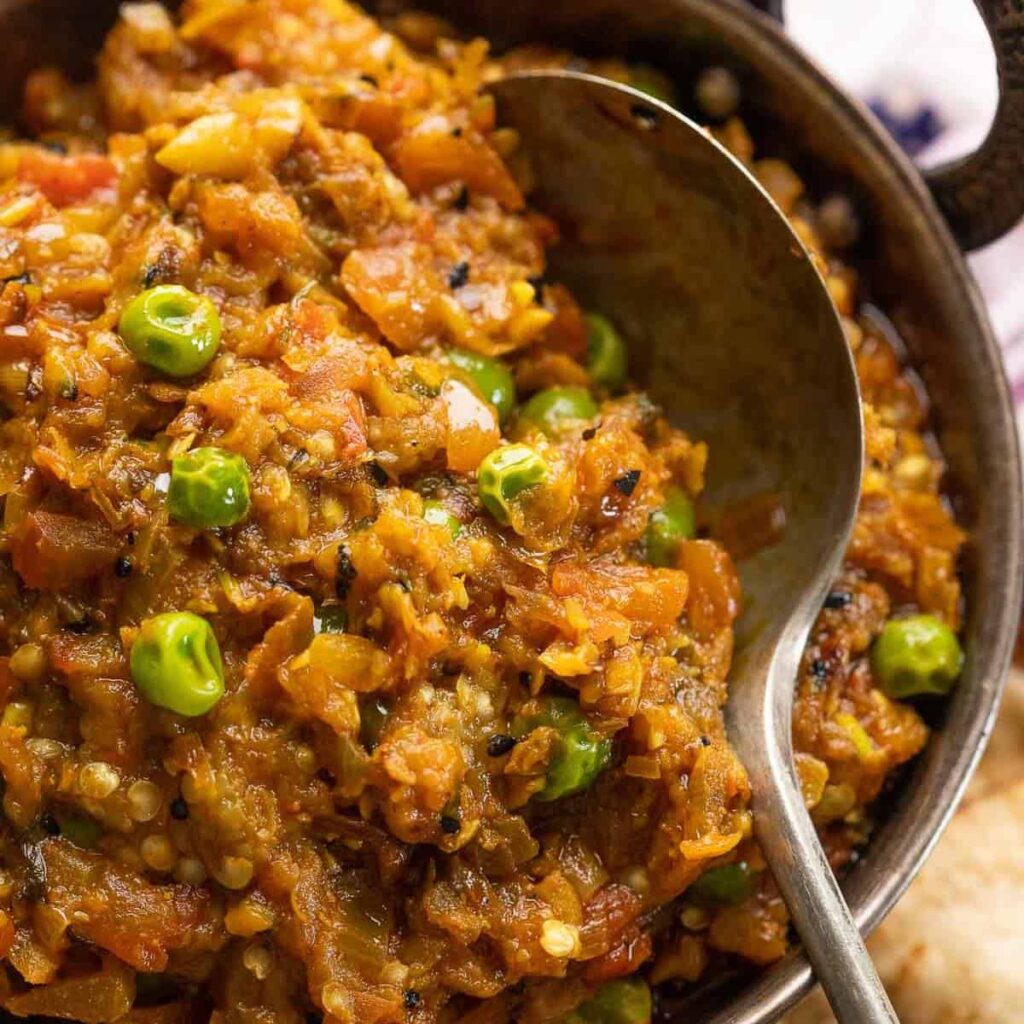
Baigan ka bharta

Baigan ka bharta with green peas: winter special

Baigan ka bharta is a very healthy side dish in winter. Brinjals are low in carbs and peas contain protein. So, this dish is low in carbs and rich in protein which is good for weight loss. You can eat it with roti, paratha, or rice. It is often made in our houses during the winter seasons. This dish is loved by almost everyone. Baigan ka bharta is a simple and easy recipe.

You can also try: the Sarson ka saag recipe in the best way, Makki Di Roti Recipe

Ingredients for baigan ka bharta:

Big Brinjal – ½ kg

Ginger garlic paste – 2 tsp

Coriander powder – 1 tsp

Garam masala powder – ½ tsp

Turmeric – 1 tsp

Asafoetida – ¼ tsp

Cumin seeds – ½ tsp

Tomato chopped – 2

Onions chopped – 3

Green chilli =- 2

Boiled Green peas – ½ cup

Kashmiri Lal mirch powder – 1 tsp

Green coriander – 1 -2 tbsp

Oil – 2 tbsp

Method:

Firstly, grease the brinjals and roast them on gas or oven.

After that, peel them properly and mash them well.

Then, heat some oil in a kadhai, put cumin, asafoetida, ginger garlic paste, and sauté for 10 seconds.

After that, add onions and sauté until turns golden brown.

Then, add tomato and fry until turns mushy.

Now, add turmeric, green chili, salt, red chili powder, coriander powder, garam masala and mix well and cover with a lid for 5 minutes on medium flame.

After 5 minutes, add mashed brinjals and green peas in it, mix well and let it cook for 5-10 minutes on medium heat.

Finally, garnish it with coriander leaves and serve hot.

For more recipes: Click here

If you are facing issues in dropping your weight, please take this free-body type assessment: Click here

Baigan ka bharta with green peas: winter special Read More »

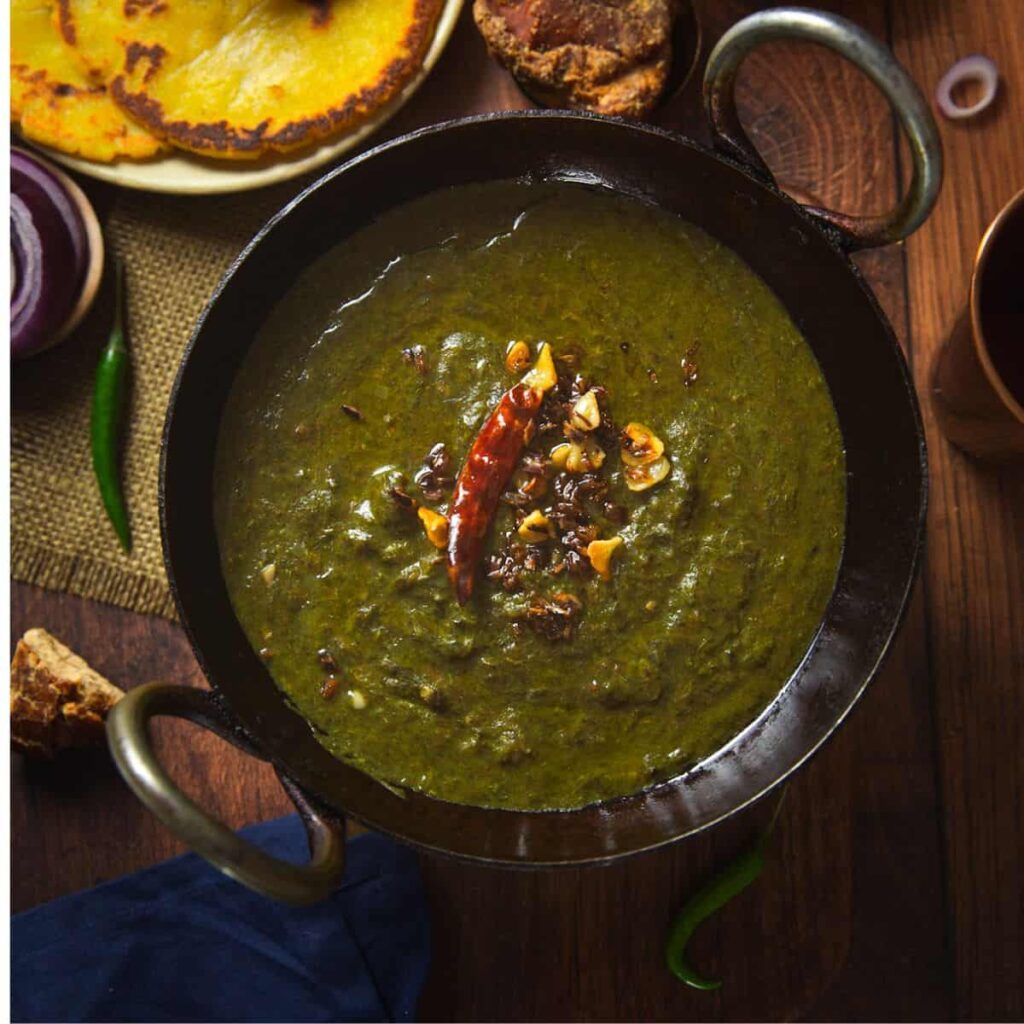
sarson ka saag

Sarson ka saag recipe in the best way

Sarson ka saag is a very popular Punjabi dish. It is common during cold north Indian winters. It is eaten with Makki ki roti especially. Also, you can eat it with roti or paratha. This dish is a little time taking but gives an unmatchable taste. It is highly nutritious because it contains varieties of vegetables.

You can also try: Stuffed brinjal (Bharli vangi) recipe in Maharashtrian style, winter stuffed paratha

Ingredients for Sarson ka saag

Mustard greens (Sarson ka saag) – 1 bunch

Bathua leaves – ½ bunch

Spinach leaves – ½ bunch

Radish leaves chopped – 1 cup

White radish root – 3-4 inches

Fenugreek leaves chopped – 1 cup

Onion chopped – 1 cup

Tomato chopped – 1.5 cups

Ginger chopped – 2 inches

Green chili chopped – 2

Garlic chopped – 7-8

Red chili powder – ½ tsp

Asafoetida – 2-3 pinches

Water – as required

Maize flour – 2 tbsp

Salt – as required

For tempering:

Onion finely chopped – 1 medium size

Oil/ghee – 1-2 tbsp

Method:

Firstly, wash the greens and chop them and wash them again in running water.

Then, take a pressure cooker and add mustard greens, bathua leaves, spinach leaves, radish leaves, white radish root, fenugreek leaves, onions, tomatoes, ginger, green chilies, garlic, red chili powder, asafoetida powder, water, salt and cover the pressure cooker and cook for 10 minutes on medium-high heat.

After that, when the pressure is released, transfer the greens into a bowl and let it cool.

Then, put the greens along with stock into the blender and add maize flour too. Blend all ingredients until they turn to a smooth paste.

Transfer your pureed greens to the pressure cooker and simmer for about 25- 30 minutes on low heat.

Tempering for Sarson da saag:

Firstly, heat oil or ghee in a small pan, put chopped onions, and saute till light brown on medium heat.

Then, put the prepared saag in it and stir and simmer for a couple of minutes.

Finally, your saag is ready. Serve it with chopped onions, green chili, and Makki ki roti.

For more recipes: Click here

If you are facing issues in dropping your weight, please take this free-body type assessment: Click here

Sarson ka saag recipe in the best way Read More »

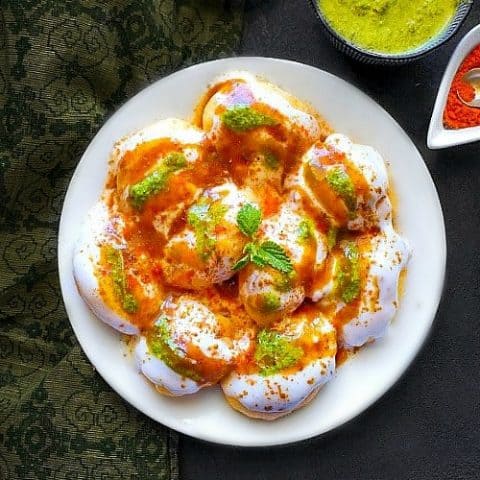
Dahi vada: paleo, gluten-free, and dairy free

Dahi vada is traditionally a fried lentil dumpling served with yogurt and chutney. But here we are giving you a lentil-free recipe for those who can’t tolerate legumes or follow a paleo diet. In this recipe, we will bake the fritters in place of deep frying them.

Ingredients for making Dahi vada:

  1. Almond flour – 1 cup
  2. Arrowroot – ½ cup
  3. Coconut flower – ¼ cup
  4. Baking soda – ½ tsp
  5. Ginger (minced) – 1 inch
  6. Pepper (minced) – ½ tsp
  7. Salt – 1 tsp
  8. Cumin ground – ¼ tsp
  9. Full-fat coconut milk – 1 cup
  10. Ghee (melted) – 2 tbsp
  11. Raisin (chopped) – 4-5
  12. Cashew (chopped) – 6-7
  13. Dairy-free yogurt -1 cup
  14. Tamarind chutney – as per taste
  15. Green chutney – as per taste
  16. Kashmiri chili powder – for garnishing

Method:

  1. Firstly, preheat a donut hole maker or oven to 250 degrees F if using a donut pan.
  2. Then take a large bowl, add almond flour, arrowroot flour, coconut flour, baking soda, ginger, pepper, salt, cumin, coconut milk, and ghee and mix until turns into a smooth paste.
  3. Then, scoop the batter into a zip lock bag, seal the top, and cut one of the bottom corners.
  4. After that, fill the batter into the mold. Add cashew, and one raisin to the batter and fill the mold.
  5. Then cook for 15 min if baking in the oven or if using a donut machine then cook until the indicator light goes off.
  6. Now, remove them and let them cool on a wire rack.
  7. After that, put vadas into a bowl and pour dahi on top. Keep them in a fridge for at least 30 min to soak the dahi.
  8. Finally, garnish vada with chutney and Kashmiri chili powder and serve.

For more recipes: Click here

If you are facing issues in dropping your weight, please take this free-body type assessment: Click here

Dahi vada: paleo, gluten-free, and dairy free Read More »

Gulab jamun

Gulab jamun: paleo, gluten-free, and allergy friendly

Gulab jamun is an Indian dessert that is everyone’s favorite. But if we are on a diet then we have to avoid typical gulab jamun because they are made of refined flour and a lot of sugar so here is the recipe for healthy, gluten-free paleo gulab jamun. It would be best if you tried this recipe.

INGREDIENTS FOR GULAB JAMUN:

  1. Almond flour – 1cup
  2. Arrowroot flour – ½ cup
  3. Coconut sugar – ½ cup
  4. Coconut flour – ¼ cup
  5. Baking soda – ½ tsp
  6. Full-fat canned coconut milk – ¾ cup
  7. Maple syrup – ¼ cup
  8. Ghee melted – 2 tbsp
  9. Egg -1

For syrup –

  1. Maple syrup – 1cup
  2. Coconut sugar – ¼ cup
  3. Water – ½ cup
  4. Lemon juice – ½ tsp
  5. Rose water – 1 tsp
  6. Ground cardamom – 1 tsp
  7. Saffron – a pinch
  8. Crushed pistachios – for garnishing  

Method :

  1. Firstly, preheat a donut hole maker or oven to 350 degrees F if using a donut pan.
  2. Then, take a large bowl put all the dry ingredients, and mix well.
  3. After that, put coconut milk, maple syrup, ghee, and egg and mix well.
  4. Now, scoop the batter into a zip lock bag and seal the top. Fill the batter into the mold filling it all the way.
  5. Then, cook until the donut machine indicator light goes off, and if cooking in the oven then bake for 15 min.
  6. After that, remove the donut and let them cool on a wire rack.

Method for making syrup:

  1. Firstly, take a saucepan add maple syrup, coconut sugar, water, lemon juice, rose water, cardamom, and saffron in it, and cook for 5-8 min on low medium heat.
  2. Then, turn off the heat, add donuts to the sauce pan, and let them soak in the syrup for 5-10 min.
  3. Finally, garnish them with pistachios and serve hot.

If you are facing issues in dropping your weight, please take this free-body type assessment: Click here

For more recipes: Click here

Gulab jamun: paleo, gluten-free, and allergy friendly Read More »

apple jalebi

Apple jalebi: a gluten-free, paleo, and vegan dessert

Apple jalebi is a healthy and tasty dessert recipe. Traditionally, jalebi is made with refined flour, sugar, and yogurt which is not healthy. So, if you want to eat jalebi but without disturbing your diet then, apple jalebi is the way. These jalebis are made with probiotic capsules, apples, and coconut sugar. So, it will satiate your taste buds and will not give you empty calories.

Ingredients for making apple jalebi:

Almond flour – ½ cup

Arrowroot flour – ½ cup

Canned coconut milk – ½ cup

Probiotic capsules – 40-50 billion culture

For frying:

Water – ¼ cup

Arrowroot flour – ¼ cup

Apple sliced – 2

For syrup:

Coconut sugar – ½ cup

Water – ¼ cup

Cardamom ground – ¼ tsp

Pistachios crushed – for garnishing

Method:

Firstly, take a big bowl and put almond flour, arrowroot, and coconut milk in it. Put the content probiotic capsules into the bowl and mix all ingredients well.

Then, cover the bowl with a lip and put it in the oven light for at least 10 hours.

After 10 hours, when the batter gets fermented, add ½ cup water in it and mix well.

Now, heat oil in a wok or a heavy wide-bottomed pot.

Until the oil is heating, add ¼ cup arrowroot flour to a plate and dip apple slices in it from both sides.

Then, dip the apple into the fermented batter, and place it into the hot oil. Fry them from both sides until turn light golden brown.

After that, set it aside on a paper towel-lined plate.

Then, dip them into the cooled syrup, and garnish them with pistachios before serving.

Syrup-making method:

Firstly, take a small saucepan and add coconut sugar, water, and cardamom over medium heat. Cook for 3 minutes and stir it.

Switch off the heat and let the syrup cool.

For more recipes: Click here

If you are facing issues in dropping your weight, please take this free-body type assessment: Click here

Apple jalebi: a gluten-free, paleo, and vegan dessert Read More »

stuffed brinjal recipe

Stuffed brinjal (Bharli vangi) recipe in Maharashtrian style

The stuffed brinjal recipe is a very tasty and flavourful recipe. It is very famous in Maharashtra. It is also known as bharli vangi in the regional language. Brinjal can have a bitter taste but it develops a unique flavor when gets cooked in the correct method. They are a very good source of dietary fiber, vitamin B1, copper, and manganese.

Also, try: Amazing and Easy Recipe for Dahi Baghaar e Baingan, Super Amazing High Protein Vegetarian Recipes

Ingredients for stuffed brinjal recipe:

Baby eggplant – 500gm

Dry coconut grated – 1 cup

Peanuts – ½ cup

Onions sliced – 1.5 cup

Tomatoes finely chopped – 1 cup

Coriander leaves – 1 tbsp

Garlic cloves – 8 small

Red chili powder – 1.5 tsp

Turmeric powder – ½ tsp

Garam masala – 1 tsp

Salt – as per taste

Oil – 3-4 tbsp

Instructions:

Firstly, wash eggplants well and trim a little of the stem.

Then, slit the eggplant vertically into 4 from the bottom up to the stem keeping it intact.

After that, place the slit eggplant in salted water for 15-20 minutes and prepare the stuffing.

Then, roast peanuts on low heat and keep them aside.

Also, roast dry coconut until golden brown and keep it aside.

After that, heat little oil in a pan and sauté it, and let it come to room temperature.

Then, take a food processor, put roasted coconut, onions, garlic, and roasted peanut and grind to a coarse mixture. Add little water if required and grind to a fine paste.

After that, add tomato, turmeric, chili powder, cilantro, garam masala, and salt to the above mixture and mix everything well.

Now, stuff each eggplant with the prepared stuffing.

Then, heat some oil in a pan, add stuffed eggplant and sprinkle a little salt, and shallow fry it on low heat for 5-7 minutes from both sides.

After that, add 1 cup of water to the remaining masala and mix well. Pour this into the pan and stir gently.

Then, cover the pan and let it cook on low heat for 20-30 minutes until the eggplant is cooked thoroughly.

When the oil starts to float on the top then, close the flame and garnish it with cilantro and serve.

For more recipes: Click here

If you are facing issues in dropping your weight, please take this free-body type assessment: Click here

Stuffed brinjal (Bharli vangi) recipe in Maharashtrian style Read More »

How to make Paleo Pakora

Paleo pakora is crispy, golden, battered, and pan-fried vegetables with awesome flavor. They’re similar to a classic onion ring but somehow better. And you can use just about any vegetable you have on hand. However, I’ve found this combo to be best. Lets jump over to this awesome recipe..

Ingredients

PAKORAS

  • 1/2 medium red onion (thinly sliced lengthwise)
  • 2 cups chopped cauliflower (or small florets)
  • 5 Baby potatoes (thinly sliced)
  • 50 gm paneer (cubes small/lengthwise slice)
  • Salt as per taste
  • Lal mirch powder as per taste
  • 1 tsp garam masala
  • 1/2 tsp cumin powder
  • 2 Tbsp chopped corriander leaves

COATING

  • 2 cups chickpea (aka besan or gram) flour
  • 1 cup water (plus more as needed)

OIL FOR COOKING

  • 1 cup oil for frying 

Method

  • Add onion, cauliflower, paneer and potato to a large mixing bowl and season with salt, red chilli powder, garam masala, cumin powder and chopped coriander. Toss and set aside.
  • To a separate mixing bowl, add chickpea flour and water and stir until a pourable, pancake-like batter is achieved. Then pour over the vegetables and toss to coat. There should be plenty of batter to generously coat the vegetables. If not, mix together bit more batter and pour over the vegetables.
  • Heat 2 large skillets over medium high heat. Once hot, add enough oil to coat the bottom of the pan and let the oil warm. Add the coated vegetables one at a time, grouping the onions together in small bunches so they cook together. Reduce heat to low and cook for 2-3 minutes on each side. If cooking too quickly, reduce heat to medium / medium-low. Repeat.
  • Serve these hot pakoras with chutney of choice.

You can also try our Other recipes like paleo pizza, weight loss roti, Paleo roti, Paleo chicken masala etc

For more recipes: Click here

If you are facing issues in dropping your weight, please take this free-body type assessment: Click here

How to make Paleo Pakora Read More »

How to make paleo Chicken Masala

Paleo chicken Masala is a easy and tasty recipe which can be enjoyed with paleo rotis. This recipe turns a classic Indian dish into a tantalizing Paleo adaptation. After all, it is the abundant amount of spice that makes it the real thing. Allow sufficient time, 12 to 24 hours, to marinate the chicken breasts for the most noteworthy flavors.

For some people, chicken masala is the ultimate comfort food, for others it is a simple burger.

Ingredients

  • 500gm chicken breast fillets, boneless & skinless, cubed
  • 4 tsp. garam masala
  • 1 tsp. ground coriander
  • 1 tsp. ground cumin
  • 1/2 tsp. turmeric
  • 1/2 tsp. chili powder
  • 1 lemon juice
  • 1 onion, finely chopped
  • 2 tsp ginger garlic paste
  • 3 tomatoes
  • 1 cup coconut cream or full-fat coconut milk
  • Salt & freshly ground black pepper as per taste
  • Fresh corriander, to serve

Method

  1. Combine the chicken breasts, 2 teaspoons garam masala, coriander, cumin, turmeric, chili powder, lime juice, and 1 teaspoon salt in a large bowl and mix to combine.
  2. Allow to marinate for at least 1 hour – ideally up to 24 hours, covered in the refrigerator.
  3. When the chicken has finished marinating, fry the onion in a saucepan until soft and translucent, then add the ginger garlic paste and remaining 2 teaspoons of garam masala and cook until fragrant.
  4. Add the marinated chicken and allow to cook for 5 minutes.
  5. Pour in the tomatoes and break up with a wooden spoon.
  6. Pour in the coconut cream and bring to a boil.
  7. Turn down the heat and allow to simmer for 30 minutes until the sauce has thickened slightly and the chicken is tender and cooked through.
  8. Serve with fresh coriander leaves and enjoy with paleo rotis

You can also try our Other recipes like paleo pizza, weight loss roti etc

For more recipes: Click here

If you are facing issues in dropping your weight, please take this free-body type assessment: Click here

How to make paleo Chicken Masala Read More »

How to make Paleo Roti

Paleo roti !! Yes you heard it correct in this article we will discuss the recipe of paleo roti. Chapati or Roti, is a staple of Indian cuisine. Although rice is more commonly eaten in a typical southern Indian household,  whole wheat rotis do have an important place too.  Nowadays, people are moving more to multigrain atta. You can also use multigrain atta to make wholesome parathas and rotis.

Paleo roti is a boon for those suffering from IBS/IBD or wants a gluten free diet. You cant eat curries like a soup.  That’s why we came up with the idea of paleo roti.

 They taste great both with wet curries as well as dry sabzis (sautéed vegetables). Gluten free and grain free rotis that are soft with a wonderful texture. Goes well with Indian curries!

INGREDIENT –

  • ⅔ cup cassava/Tapoica flour
  • ⅓ cup water chestnut flour (Singhara aata)
  • ¼ tsp salt
  • 1-2 tsp extra virgin olive oil
  • 1 cup hot water
  • extra cassava flour for dusting
  • 1 tbsp

METHOD –

  1. In a large mixing bowl, add the cassava flour, water chest nut flour, salt and the oil.
  2. Place a kettle filled with water on the stove to heat. Let it come to boil and then turn heat off.
  3. Immediately measure 1 cup of this hot water and pour it into the bowl carefully. Use a spatula to mix the hot water into the flour mixture. After a few seconds of mixing, test how hot the mixture is by slowly placing a finger into the bowl. Once the mixture is cool enough to be handled (should be still warm), use your hands to knead the dough and make a smooth dough. Add the additional 1-2 tbsp of olive oil as needed to make the dough smooth (should not be sticky). Divide the dough into small balls (about 10)
  4. Flatten each dough ball and then using a rolling pin flatten this ball to make a round (about 4 inches dia).
  5. Heat a cast iron (or non stick) skillet or pan and when hot turn heat to medium.
  6. Place the rolled chapati onto the hot pan. Let cook for 1 min and flip to the other side. Now press the chapati with a flat spatula and as you press it , it will start puffing up from all sides. Let cook for 1 more min and then transfer to a tray. If using ghee, apply a small dollop of ghee over the top of the chapati.
  7. Repeat the process for making more rotis as needed. (You can refrigerate the remaining dough for up to 2 days)

You can also try our Other recipes like paleo pizza, weight loss roti etc

For more recipes: Click here

If you are facing issues in dropping your weight, please take this free-body type assessment: Click here

How to make Paleo Roti Read More »