Shruti Mishra

How to Make Banana Caramelised Protein Bowl

🍌 Caramelised Banana Protein Bowl | Easy High-Protein Breakfast

Looking for an easy, healthy and protein-rich breakfast for weight loss? Try this delicious Caramelised Banana Protein Bowl made with Greek yogurt, soaked chia seeds, fresh blueberries, nuts and seeds.

It is creamy, naturally sweet, crunchy and super easy to prepare

🥣 Ingredients

  • 150 g Greek yogurt
  • 10 g chia seeds, soaked
  • 50 g red banana, sliced
  • ½ tbsp cinnamon powder
  • ½ tbsp honey
  • 20 g blueberries
  • 5 g sunflower seeds
  • 5 g pumpkin seeds
  • 4 almonds, chopped

👩‍🍳 How to Make Caramelised Banana Protein Bowl

1. Soak the Chia Seeds

Soak 10 g chia seeds in a little water for 15–20 minutes, or until they become soft and gel-like.

2. Make the Caramelised Banana 🍌

Heat a pan on low flame. Add sliced banana, honey and cinnamon powder.

Cook for 2–3 minutes, gently mixing until the banana becomes soft and lightly caramelised.

3. Prepare the Protein Base 🥣

Add Greek yogurt to a bowl and mix in the soaked chia seeds.

4. Build Your Bowl ✨

Add the warm caramelised banana and fresh blueberries over the Greek yogurt.

5. Add the Crunch 🌻

Top with chopped almonds, sunflower seeds and pumpkin seeds.

💚 Why You’ll Love This Healthy Breakfast

  • High in protein
  • Contains healthy fats and seeds
  • Chia seeds provide fibre
  • Naturally sweet and satisfying
  • Quick and easy to prepare
  • Great option for a weight-loss breakfast
  • No complicated cooking required

🌟 Easy Tip

For a lower-calorie version, reduce the honey or skip it if your banana is naturally sweet enough.

Creamy Greek yogurt + caramelised banana + soaked chia seeds + crunchy nuts and seeds = a delicious high-protein breakfast bowl!

Your creamy, crunchy and protein-rich bowl is ready to enjoy! 💛

Perfect for busy mornings when you want a quick, filling and nutritious breakfast without spending much time in the kitchen.

https://www.instagram.com/reel/Dc3EhB4T4-Y/?stkn=N2hnajdseGZrOHN2

How to Make Paneer Bhurji Rice with Cucumber Raita at Home

🍚 Paneer Bhurji Rice with Cucumber Raita

A simple, tasty and filling meal made with paneer, rice, veggies and refreshing cucumber raita.

🧀 For Paneer Bhurji Rice

Ingredients

  • Paneer – homemade or market-bought
  • 2–3 tbsp curd
  • 1 tbsp oil
  • 1 tsp jeera
  • 2 tbsp chopped ginger, garlic & green chilli
  • 1 onion, thinly sliced
  • 1 tomato, thinly sliced
  • ½ tsp haldi
  • 1 tsp red chilli powder
  • ½ tsp coriander powder
  • 1 tsp pav bhaji masala
  • Salt as needed
  • 100 g spinach, finely chopped
  • Cooked rice as needed

🥛 Option 1: Homemade Paneer

  1. Boil 1 litre milk.
  2. Add lemon juice or vinegar little by little until the milk curdles.
  3. Strain it using a clean cloth.
  4. Wash and squeeze out the extra water.
  5. Your homemade paneer is ready!
  6. Crumble the paneer and mix it with 2–3 tbsp curd.

🛒 Option 2: Market-Bought Paneer

  • Use ready-made paneer from the market.
  • Crumble it with your hands or grate it.
  • Mix it with 2–3 tbsp curd and keep aside.

🍳 Making the Paneer Bhurji Rice

  1. Heat oil in a pan and add jeera.
  2. Add ginger, garlic and green chilli. Sauté for a few seconds.
  3. Add onion and tomato. Cook until soft.
  4. Add haldi, chilli powder, coriander powder, pav bhaji masala and salt.
  5. Add a little water and cook until the masala becomes soft.
  6. Add chopped spinach and cook for 1–2 minutes.
  7. Add the paneer-curd mixture and mix well.
  8. Cook for another 2–3 minutes.
  9. Add cooked rice and gently mix everything together.
  10. Finish with lemon juice, fresh coriander and a little kasuri methi.

🥒 Easy Cucumber Raita

Ingredients

  • 1 cup curd
  • 1 grated cucumber
  • 1 green chilli, finely chopped
  • ½–1 tsp jeera powder
  • ½ tsp black salt
  • Salt as needed
  • Little water, if required

Method

  1. Whisk the curd until smooth.
  2. Add a little water if needed.
  3. Add grated cucumber, green chilli, jeera powder, black salt and salt.
  4. Mix well and garnish with fresh coriander.

💚 Serve & Enjoy!

Serve hot Paneer Bhurji Rice with chilled Cucumber Raita for an easy, wholesome and delicious meal.

This version makes it clear that both homemade and market paneer can be used, without making the recipe complicated.

Vegetarian Protein Chart: Your Simple Guide to Protein-Rich Foods

🌱 Vegetarian Protein Chart: Your Simple Guide to Protein-Rich Foods

When we hear the word “protein,” we often think of eggs, chicken or fish. But if you’re vegetarian, don’t worry—you have plenty of protein-rich options available.

From paneer and soy chunks to dals, beans, seeds and even oats, vegetarian foods can contribute significantly to your daily protein intake.

The chart above gives an approximate comparison of calories and protein per 100 g. But remember: some foods are listed in their raw/dry form, while others are ready-to-eat foods. So the numbers should be used as a reference, not as a direct comparison of typical serving sizes.

Let’s go through them one by one. 💚


🧀 1. Paneer (Full Fat)

Approx. 265 kcal | 18 g protein per 100 g

Paneer is one of the most popular vegetarian protein sources in Indian households. It is versatile, delicious and easy to include in almost any meal.

You can enjoy paneer as:

  • Paneer bhurji
  • Paneer tikka
  • Paneer salad
  • Paneer wrap
  • Paneer cheela
  • Paneer curry

Because full-fat paneer is also calorie-dense, portion size matters, especially if your goal is weight management.


🧀 2. Paneer (Low Fat)

Approx. 200 kcal | 28 g protein per 100 g

Low-fat paneer can be a useful option when you want to increase protein while keeping calories relatively lower.

It can be used in exactly the same ways as regular paneer.

👉 Simple idea: Add low-fat paneer to a vegetable stir-fry or salad for a more protein-rich meal.


🌱 3. Soy Chunks (Dry)

Approx. 345 kcal | 58 g protein per 100 g

Soy chunks are one of the most protein-dense vegetarian foods on this list.

They are particularly useful for vegetarians trying to increase their protein intake without relying heavily on dairy.

Try them as:

  • Soy keema
  • Soy tikki
  • Soy pulao
  • Soy curry
  • Soy salad
  • Soy cheela


🥤 4. Whey Protein

Approx. 400 kcal | 75–80 g protein per 100 g

Whey protein is a milk-derived protein supplement and can be suitable for people following a vegetarian diet who consume dairy.

It can be especially convenient when meeting protein requirements through food alone is difficult.

You can add it to:

  • Milk
  • Smoothies
  • Curd
  • Oats
  • Homemade protein shakes

Remember, whey is a supplement, not a replacement for a balanced diet.


🌱 5. Tofu (Firm)

Approx. 140 kcal | 15 g protein per 100 g

Tofu is made from soybeans and is a fantastic plant-based alternative to paneer.

It is relatively light in calories and can easily absorb the flavours of spices and marinades.

Try:

Tofu + vegetables + Indian spices = quick protein-rich stir-fry.

You can also use tofu in wraps, salads, curries and bhurji.


🌱 6. Tempeh

Approx. 190 kcal | 20 g protein per 100 g

Tempeh is another soy-based food, but unlike tofu, it is made from fermented soybeans.

It has a firmer, more textured consistency and can be grilled, sautéed or added to curries and salads.

If you’re looking for variety beyond paneer and tofu, tempeh is worth trying.


🟢 7. Moong Dal (Raw)

Approx. 347 kcal | 24 g protein per 100 g

Moong dal is an everyday Indian staple and an excellent way to add plant protein to your meals.

It can be used to make:

  • Dal
  • Moong chilla
  • Sprouts
  • Khichdi
  • Moong dosa
  • Salads

💡 Tip: Combine moong dal with vegetables and curd for a balanced meal.


🟠 8. Masoor Dal (Raw)

Approx. 352 kcal | 25 g protein per 100 g

Masoor dal is quick to cook and provides protein along with carbohydrates, fibre and several micronutrients.

It works beautifully in a simple dal with vegetables and roti or rice.

For a protein-rich breakfast, try masoor dal chilla.


🟡 9. Toor Dal (Raw)

Approx. 343 kcal | 20 g protein per 100 g

Toor dal, also known as arhar dal, is a staple in many Indian homes.

The classic combination of:

Dal + roti/rice + sabzi + salad

can make a nutritious and satisfying meal.

Don’t underestimate simple dal—it can make a meaningful contribution to your daily protein intake.


⚫ 10. Urad Dal (Raw)

Approx. 341 kcal | 25 g protein per 100 g

Urad dal is another protein-containing pulse that is especially popular in South Indian cuisine.

It can be used in:

  • Idli
  • Dosa
  • Dal
  • Medu vada
  • Dal-based chillas

For a healthier everyday option, steamed preparations such as idli can be preferable to deep-fried versions


🟠 11. Chana Dal (Raw)

Approx. 364 kcal | 21 g protein per 100 g

Chana dal is made from split Bengal gram and is a great addition to an Indian vegetarian diet.

Use it for:

  • Chana dal
  • Chilla
  • Dal paratha
  • Dal-based snacks
  • Soups

It also provides fibre, which can help make meals more satisfying.


🫘 12. Rajma (Raw)

Approx. 333 kcal | 24 g protein per 100 g

Rajma is a classic example of a food that gives you both protein and carbohydrates.

The famous rajma + rice combination can absolutely fit into a balanced diet.

The key is appropriate portions and adding plenty of vegetables or salad to the meal.

⚠️ Always cook rajma thoroughly; raw or undercooked kidney beans can be unsafe.


🫘 13. Kabuli Chana (Raw)

Approx. 364 kcal | 19 g protein per 100 g

Kabuli chana, or chickpeas, are incredibly versatile.

You can make:

  • Chole
  • Chana salad
  • Hummus
  • Chana chaat
  • Chickpea wraps

For a simple protein-rich snack, combine boiled chickpeas with cucumber, tomato, coriander, lemon and spices.


🖤 14. Black Chana (Raw)

Approx. 360 kcal | 20 g protein per 100 g

Black chana is another nutritious pulse that provides protein, carbohydrates and fibre.

Try it as:

Boiled black chana + vegetables + lemon + spices = easy chana chaat.

It can also be added to salads or used to make curries.


🟢 15. Green Peas (Dry)

Approx. 340 kcal | 22 g protein per 100 g

Dry green peas can contribute a useful amount of plant protein.

They can be incorporated into:

  • Peas pulao
  • Curries
  • Soups
  • Chaat
  • Vegetable dishes

Remember that fresh/frozen green peas contain much more water, so their nutrition per 100 g will differ from dry peas.


🌾 16. Sattu

Approx. 400 kcal | 20 g protein per 100 g

Sattu is a traditional Indian food made primarily from roasted gram.

It’s affordable, convenient and incredibly versatile.

Try a simple sattu drink:

Sattu + water + lemon + roasted cumin + black salt + coriander

You can also use sattu to make parathas, chillas and savoury fillings.


🥣 17. Curd

Approx. 60 kcal | 3 g protein per 100 g

Curd may not have as much protein per 100 g as soy or paneer, but it can still make a valuable contribution to your daily intake.

Use it as:

  • A side with lunch
  • Salad dressing
  • Raita
  • Breakfast accompaniment
  • Base for smoothies

💡 Tip: If protein is your priority, compare different curd/Greek yogurt products because protein content can vary considerably.


🧀 18. Cheese

Approx. 400 kcal | 25 g protein per 100 g

Cheese provides protein but is also relatively calorie-dense.

So rather than making cheese your primary protein source, use it as a flavourful addition.

A small amount can make:

  • Cheela
  • Wraps
  • Sandwiches
  • Salads
  • Vegetable dishes

more enjoyable.


🥛 19. Buttermilk

Approx. 35 kcal | 2 g protein per 100 g

Buttermilk is a light and refreshing dairy option.

It contributes a small amount of protein while also adding fluid to the diet.

Try homemade buttermilk with:

Curd + water + roasted cumin + coriander + black salt.

It makes a refreshing accompaniment to an Indian meal.


🥜 20. Peanuts

Approx. 567 kcal | 26 g protein per 100 g

Peanuts are often called a protein-rich food—and they certainly contain protein.

But they are also high in calories and fat.

Therefore, think of peanuts as a combination of:

Protein + healthy fats + calories

rather than as a pure protein source.

A small serving of roasted peanuts can be a great snack.


🌰 21. Almonds

Approx. 579 kcal | 21 g protein per 100 g

Almonds provide protein, healthy fats, fibre and several micronutrients.

But just like peanuts, they are calorie-dense.

You don’t need 100 g to benefit from them!

A small portion can be added to:

  • Oats
  • Curd
  • Smoothies
  • Breakfast
  • Homemade trail mix

💚 22. Pistachio

Approx. 560 kcal | 20 g protein per 100 g

Pistachios provide protein along with healthy fats and other nutrients.

They can be a nutritious snack when eaten in an appropriate portion.

Choose plain or lightly roasted pistachios more often than heavily salted versions.


🎃 23. Pumpkin Seeds

Approx. 559 kcal | 30 g protein per 100 g

Pumpkin seeds are one of the higher-protein seeds on the chart.

They also provide healthy fats and minerals.

But remember:

30 g protein per 100 g does NOT mean you need 100 g!

A small sprinkle over:

  • Salads
  • Curd
  • Oats
  • Smoothies
  • Soups

is enough to add nutrition and crunch.


🌱 24. Chia Seeds

Approx. 486 kcal | 17 g protein per 100 g

Chia seeds are better known for their fibre and omega-3 fatty acid content, but they also contribute protein.

Try adding them to:

  • Overnight oats
  • Curd
  • Smoothies
  • Chia pudding

Because they absorb liquid and expand, always consume them with adequate fluids.


🥣 25. Oats

Approx. 389 kcal | 17 g protein per 100 g

Oats are a nutritious grain that can contribute to your protein intake, but they shouldn’t be considered a concentrated protein food.

Make them more balanced by combining them with another protein source.

Example:

Oats + milk/curd + seeds + nuts

or

Savory oats + tofu/paneer + vegetables

This is much more satisfying than plain oats.


🌾 26. Quinoa

Approx. 368 kcal | 14 g protein per 100 g

Quinoa contains more protein than many common grains and also provides fibre and minerals.

You can use it instead of rice in:

  • Quinoa pulao
  • Quinoa salad
  • Buddha bowls
  • Khichdi-style meals

For a more protein-rich meal, combine quinoa with chana, dal, tofu or paneer.


🌾 27. Amaranth (Rajgira)

Approx. 371 kcal | 8 g protein per 100 g

Amaranth, or rajgira, is a traditional Indian grain/pseudocereal that can be included in a varied diet.

It can be used to make:

  • Rajgira roti
  • Rajgira porridge
  • Rajgira chilla
  • Rajgira ladoo
  • Rajgira-based snacks

While its protein number is lower than soy or dals, it still contributes to overall nutrition.


🌟 The Big Lesson: Don’t Chase the Highest Number!

Looking at this chart, it may be tempting to think:

“I should only eat the foods with the highest protein.”

But that’s not how a healthy diet works.

Soy chunks may provide more protein per 100 g than oats, but that doesn’t make soy “better” than oats.

Similarly, pumpkin seeds provide more protein than curd, but curd can still be an excellent addition to a balanced meal.

Every food has a different nutritional role.

Think of your plate like a team:

🌱 Protein source → dal, paneer, tofu, soy, chana
🥦 Vegetables → vitamins, minerals and fibre
🌾 Carbohydrates → energy
🥜 Healthy fats → nuts and seeds
🥣 Dairy/alternatives → additional protein and nutrients

💚 Final Takeaway of Vegetarian Protein Chart

You don’t need complicated foods or expensive ingredients to improve your vegetarian protein intake.

Your everyday Indian kitchen already has plenty of options.

The real goal is to include a protein source in your meals regularly, choose sensible portions, eat a variety of foods and create balanced meals.

And most importantly:

Don’t focus on one food. Focus on your whole day.

A little protein from curd, some from dal, some from paneer or tofu, and some from nuts and seeds can all add up.

Small choices. Big nutrition. Stronger you. 🌱💪

How to Make Healthy Veg Korean Pancake (Yachaejeon)

Crispy outside, soft inside, and packed with colourful vegetables — a healthier Indian-kitchen-friendly version of the Korean vegetable pancake.

🥕 Ingredients for making Korean Pancake at home:

  • ½ cup besan
  • 2 tbsp rice flour
  • ½ cup water, as needed
  • ¼ cup finely sliced cabbage
  • ¼ cup carrot, julienned
  • ¼ cup capsicum, thinly sliced
  • ¼ cup spring onion
  • 1 small green chilli, finely chopped
  • ½ tsp grated ginger
  • ½ tsp chilli flakes
  • ½ tsp black pepper
  • ½ tsp salt
  • ½ tsp soy sauce
  • 1 tsp sesame seeds
  • 1 tsp oil for cooking

👩‍🍳 Method

  1. Make the batter: Mix besan, rice flour, salt, pepper, chilli flakes and soy sauce. Add water gradually to make a thin, pourable batter.
  2. Add cabbage, carrot, capsicum, spring onion, chilli and ginger. Mix well so the vegetables are coated but the batter doesn’t become too thick.
  3. Heat a non-stick pan and lightly grease it with oil.
  4. Pour the mixture onto the pan and spread it into a thin pancake.
  5. Cook on medium heat for 3–4 minutes until the bottom becomes golden and crisp.
  6. Flip carefully and cook the other side until crisp.
  7. Sprinkle sesame seeds and spring onion on top.
  8. Cut into wedges and serve hot.

🥢 Quick Korean-Style Dipping Sauce

Mix:

  • 1 tbsp soy sauce
  • 1 tsp vinegar
  • ½ tsp sesame seeds
  • Chilli flakes
  • A little grated garlic
  • 1–2 tsp water

Healthy tip: Keep the pancake thin and use minimal oil for better crispiness without making it heavy. You can also add tofu, mushrooms or paneer for extra protein.

How to Make High-Protein Mutter Paneer Cheela Wrap

Mutter Paneer Chilla Wrap A healthy and filling roll made with a peas & paneer wrap, crunchy vegetables, and your choice of sauce.

Ingredients of Mutter Paneer Chilla Wrap

For the Mutter Paneer Chilla Wrap

  • Green peas – boiled
  • Paneer
  • Besan – for binding
  • Ginger
  • Green chilli
  • Cumin powder
  • Red chilli powder
  • Black pepper
  • Chaat masala
  • Salt
  • Water, as required

For the Vegetable Filling

  • Cabbage – finely shredded
  • Carrot – grated
  • Capsicum – thinly sliced
  • Onion – thinly sliced
  • Black pepper
  • Chaat masala
  • Lemon juice
  • Salt

For the Sauce – Choose Any One

Option 1: Homemade Yogurt Sauce

  • Thick hung curd/Greek yogurt
  • Grated garlic
  • Coriander or mint
  • Chilli flakes
  • Black pepper
  • Lemon juice
  • Salt

Option 2: Ready-Made Sauce

  • Mint chutney
  • Green chutney
  • Chilli-garlic sauce
  • Sandwich sauce

Option 3: Mayonnaise

  • Regular mayonnaise
  • Light mayonnaise
  • Eggless mayonnaise

Method to Make Mutter Paneer Chilla Wrap at Home

1. Make the wrap batter
Blend boiled peas, paneer, ginger and green chilli into a smooth paste. Add besan, cumin powder, red chilli powder, black pepper, chaat masala and salt. Mix into a thick, spreadable batter.

2. Cook the wrap
Heat a non-stick tawa and lightly grease it. Spread the batter thinly like a cheela. Cook until golden and easy to release. Flip and cook the other side.

3. Prepare the vegetables
Mix cabbage, carrot, capsicum and onion with black pepper, chaat masala, lemon juice and salt. Keep them crunchy.

4. Assemble
Place the Mutter Paneer wrap on a plate. Spread your chosen sauce over it. Add the crunchy vegetables and roll tightly.

5. Make it crisp
Toast the roll on a tawa from both sides until lightly golden and crisp.

💡 Advanced Prep

The Mutter Paneer batter and homemade sauce can be prepared in advance and refrigerated. Keep the vegetables separately and assemble the roll fresh.

https://www.instagram.com/reel/DcskxPsCM9j/?igsi=a25rdWFhN2U4cWZk

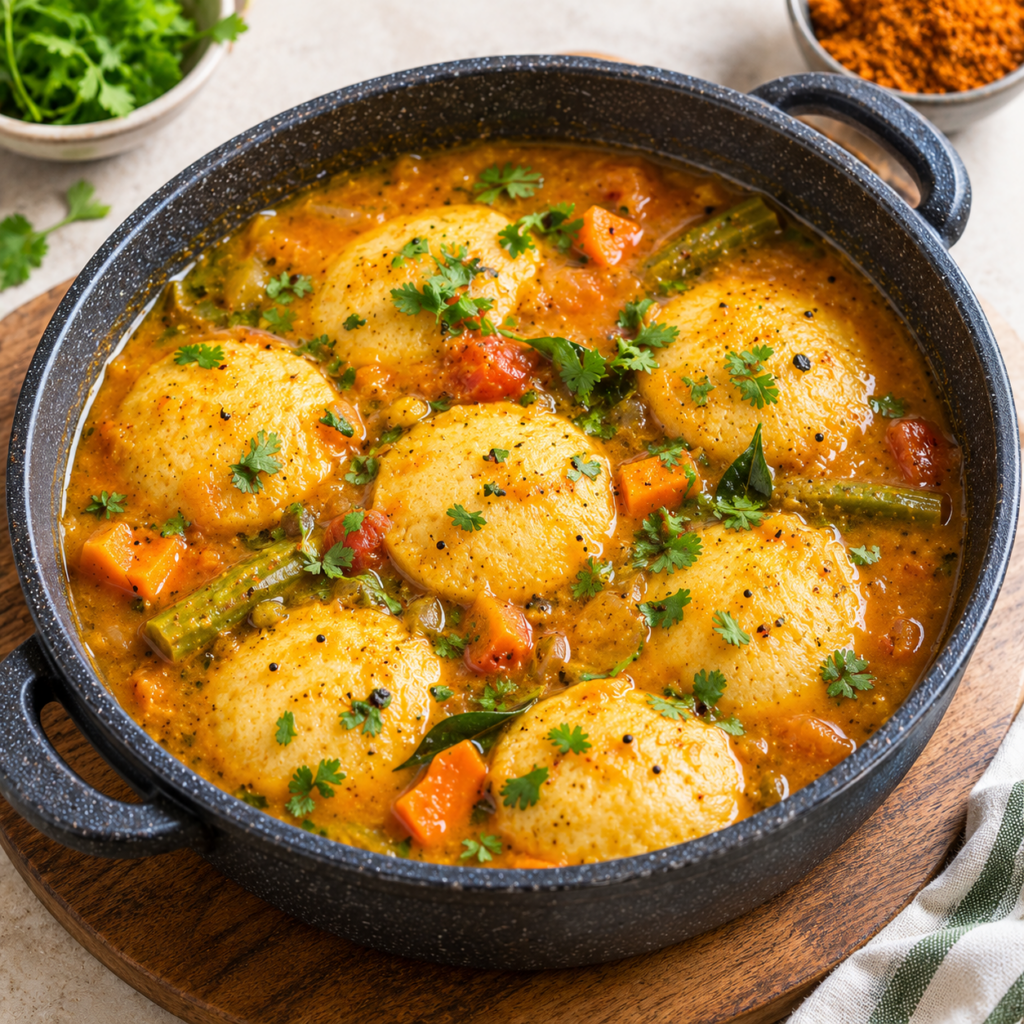
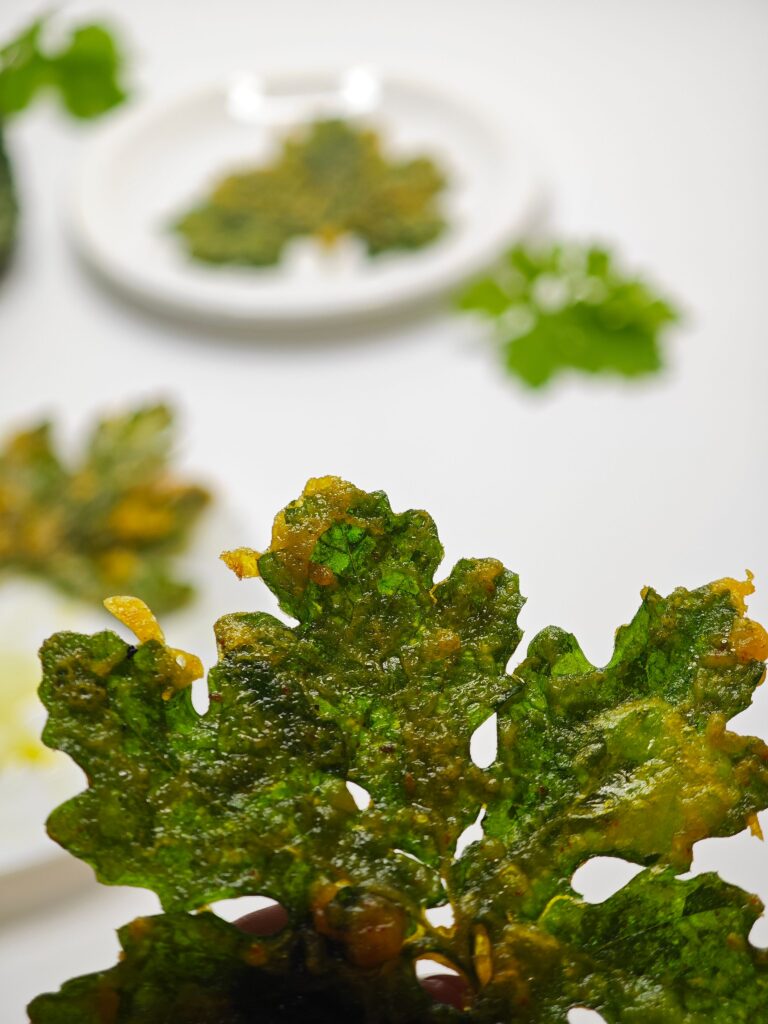
Idhal Kadhi

🌿 Idhal Kadhi

Ingredients of Idhai Kadhi

For the Idhal Rolls

  • 8–10 kochai (colocasia) leaves
  • 1 cup urad dal, soaked for 4–5 hours
  • 1–2 green chillies
  • 1-inch ginger
  • 3–4 garlic cloves
  • ½ tsp turmeric
  • 1 tsp red chilli powder
  • 1 tsp coriander powder
  • ½ tsp cumin powder
  • ½ tsp ajwain
  • Salt to taste
  • 1–2 tbsp water, as needed

For the Kadhi

  • 2 tomatoes, finely chopped or pureed
  • 1 cup curd
  • 1–1½ tbsp besan
  • 2–3 garlic cloves, chopped
  • ½ tsp cumin
  • ½ tsp mustard seeds
  • 1–2 dry red chillies
  • ½ tsp turmeric
  • ½–1 tsp red chilli powder
  • ½ tsp coriander powder
  • Salt to taste
  • 2–3 cups water
  • 1 tbsp oil

Method to make idhai kadhi

1. Prepare the urad dal paste

  1. Drain the soaked urad dal.
  2. Grind it with green chilli, ginger, garlic and a little water into a thick, smooth paste.
  3. Add turmeric, chilli powder, coriander powder, cumin powder, ajwain and salt.
  4. Mix well.

2. Make the kochai rolls

  1. Wash the kochai leaves thoroughly and pat them dry.
  2. Place one leaf flat, with the vein side facing up.
  3. Spread a thin layer of the urad dal-spice paste evenly over the leaf.
  4. Place another leaf on top and repeat the process.
  5. Roll the leaves tightly from one end to the other, tucking the sides in as you roll.
  6. Steam the rolls for 20–25 minutes, or until the dal mixture is completely cooked.
  7. Allow them to cool slightly, then cut into bite-sized slices.

3. Fry the Idhal pieces

  1. Heat a little oil in a pan.
  2. Shallow-fry or deep-fry the sliced rolls until they become golden and crisp on the outside.
  3. Keep them aside.

4. Prepare the tomato kadhi

  1. Whisk curd and besan together until completely smooth.
  2. Add turmeric, chilli powder, coriander powder, salt and water. Mix well.
  3. Heat oil and add mustard seeds and cumin.
  4. Add dry red chillies and chopped garlic.
  5. Add the tomatoes and cook until soft and the oil begins to separate.
  6. Lower the flame and add the prepared curd-besan mixture.
  7. Stir continuously while bringing it to a gentle boil so the curd does not split.
  8. Simmer for 8–10 minutes, adding water if needed to get a medium-thick kadhi consistency.

5. Add the Idhal

  • Gently add the fried kochai rolls to the hot kadhi.
  • Simmer for 2–3 minutes so the rolls absorb the flavour while still retaining some texture.
  • Turn off the heat and let it rest for 5 minutes before serving.

🌿 Serving

Serve hot with steamed rice, jeera rice or roti. The combination of tangy tomato kadhi + spicy urad dal kochai rolls makes this a delicious traditional-style meal.

https://www.instagram.com/reel/Dcd5krKSgda/?igsi=MWk3NDlkY2k0ejR0aw==

Suji–Rice Idli Sandwich

Crispy Layered Suji–Rice Idli Sandwich

A healthy twist on classic idli, layered with spicy vegetable potato masala and finished on the tawa for a delicious crispy texture.

Ingredients

For the Suji–Rice Idli Batter

  • 1 cup suji/rava
  • ½ cup cooked rice
  • ½ cup yogurt
  • Water as required
  • Salt to taste
  • ½ tsp Eno

For the Potato Masala

  • 2 boiled potatoes, mashed
  • 1 onion, finely chopped
  • 1 carrot, grated
  • ½ capsicum, finely chopped
  • 1 green chilli, finely chopped
  • Fresh coriander, chopped
  • ½ tsp mustard seeds
  • ½ tsp cumin seeds
  • Curry leaves
  • ¼ tsp turmeric
  • ½ tsp red chilli powder
  • ½ tsp coriander powder
  • ½ tsp garam masala
  • Salt to taste
  • 1 tsp oil

Method

  1. Prepare the batter: Blend cooked rice, yogurt and a little water until smooth. Mix with suji and salt. Add water as required to make a thick but pourable batter. Rest for 15–20 minutes.
  2. Prepare the potato masala: Heat 1 tsp oil. Add mustard seeds, cumin seeds and curry leaves. Once they crackle, add onion, green chilli, carrot and capsicum. Sauté until slightly soft.
  3. Add turmeric, red chilli powder, coriander powder, garam masala and salt. Add mashed potatoes and mix well. Finish with fresh coriander.
  4. Add Eno: Just before steaming, add ½ tsp Eno to the prepared batter. Sprinkle 1–2 tsp water over it and gently mix in one direction. Do not overmix.
  5. First layer: Grease a round steel plate/thali that fits inside your steamer. Pour half of the batter onto the plate and spread evenly.
  6. Steam for 5–7 minutes, just until the first layer is set.
  7. Add the filling: Carefully spread the potato masala evenly over the steamed first layer.
  8. Second layer: Pour the remaining batter over the potato masala and gently spread it to completely cover the filling.
  9. Steam again for 10–12 minutes, or until the top layer is fully cooked.
  10. Allow it to rest for 5 minutes, then carefully remove it from the plate and cut into squares or wedges.

Make It Crispy

  1. Heat a non-stick tawa and lightly brush it with oil.
  2. Place the idli sandwich pieces on the tawa.
  3. Cook on medium-low heat for 2–3 minutes until golden and crisp underneath.
  4. Flip carefully and crisp the other side.
  5. For extra crunch, sprinkle a few sesame seeds on the tawa before placing the idli pieces.

Serve hot with mint-coriander chutney, tomato chutney or a yogurt dip.

Tip: If you are making two layers, add Eno to the batter immediately before starting the steaming process so the batter stays light and fluffy.

https://www.instagram.com/reel/DZ2tbAojMV5/?igsi=MTV2N2hkd24zZjF3ZQ==

Vegetable and Paneer Pasta

Serves: 1

Ingredients

  • Pasta – 30 g dry
  • Paneer – 75 g
  • Tomatoes – 2 medium
  • Garlic – 3 cloves
  • Onion – ¼ small
  • Capsicum – ¼ cup
  • Thick yogurt – 1 tbsp
  • Chilli flakes – ½ tsp
  • Oregano – ½ tsp
  • Black pepper – ¼ tsp
  • Kashmiri chilli powder – ½ tsp
  • Salt – to taste
  • Cheese – 10 g
  • Oil – ½ tsp

👩‍🍳 Method

  1. Cook the pasta until al dente and keep aside.
  2. Roughly chop tomatoes, onion and garlic.
  3. Heat ½ tsp oil and sauté garlic, onion and tomatoes until soft.
  4. Add Kashmiri chilli powder, chilli flakes, oregano and pepper.
  5. Cool slightly and blend the tomato mixture + paneer + yogurt into a smooth, creamy paste.
  6. Return the sauce to the pan and cook on low heat for 2–3 minutes.
  7. Add the cooked pasta and toss well. Add a little pasta water if needed.
  8. Finish with 10 g grated cheese and oregano.

💡 For a smoother sauce

Soak the paneer in warm water for 5–10 minutes before blending. This makes the paneer easier to blend and gives the sauce a much creamier texture.

Advanced prep: Make the paneer-tomato sauce in advance and refrigerate. Cook fresh pasta and combine when ready.

How to Make Paneer Reshmi Kebab

Paneer Reshmi Kebab

Makes: 6–8 small kebabs

Ingredients of Paneer Reshmi Kebab

  • Paneer – 100 g, grated/crumbled
  • Hung curd – 2 tbsp
  • Besan – 1 tbsp
  • Capsicum – 2 tbsp, very finely chopped
  • Carrot – 2 tbsp, very finely chopped
  • Onion – 1 tbsp, very finely chopped
  • Green chilli – 1, finely chopped
  • Ginger-garlic paste – ½ tsp
  • Kasuri methi – ½ tsp
  • Roasted cumin powder – ½ tsp
  • Garam masala – ¼ tsp
  • Black pepper – ¼ tsp
  • Chaat masala – ¼ tsp
  • Salt – to taste
  • Oil – ½–1 tsp for cooking

👩‍🍳 Method

  1. Dry roast the besan in a pan on low heat for 2–3 minutes. Let it cool.
  2. In a bowl, combine crumbled paneer + hung curd.
  3. Add finely chopped capsicum, carrot, onion, green chilli and ginger-garlic paste.
  4. Add roasted besan and all the spices.
  5. Mix well until you get a thick, soft mixture.
  6. Refrigerate for 20–30 minutes. This makes shaping much easier.
  7. Shape into small flat kebabs using slightly wet hands.
  8. Heat a non-stick pan and brush with a little oil.
  9. Cook the kebabs on medium-low heat, gently turning them until golden on both sides.
  10. Serve hot with mint-yogurt chutney and salad.

❄️ Advanced Prep

You can prepare the complete kebab mixture the night before and refrigerate it. Shape and cook when needed.

Important: Make sure the vegetables are very finely chopped and don’t add excess moisture. If the mixture feels loose, add another ½–1 tsp roasted besan rather than adding lots of flour.

Cheesy Garlic Bhaji with Pav

🧄🌿 Garlic Leaves Palak with Cheese & Pav

Serves: 1

Ingredients of Cheesy Garlic Bhaji with Pav

  • Palak – 2 cups
  • Garlic leaves – 1–1½ cups, finely chopped
  • Garlic cloves – 6–7, finely chopped
  • Green chilli – 1–2
  • Ginger – ½ inch
  • Cumin – ¼ tsp
  • Turmeric – ¼ tsp
  • Coriander powder – ½ tsp
  • Black pepper – ¼ tsp
  • Garam masala – ¼ tsp
  • Cream – 1 tsp
  • Cheese – 15–20 g, grated
  • Oil – ½ tsp
  • Salt – to taste
  • Pav – 1–2

👩‍🍳 Method og Making Cheesy Garlic Bhaji with Pav at home

  1. Make the palak paste: Blanch palak for 1–2 minutes. Blend it with green chilli + ginger and a little water until smooth.
  2. Heat ½ tsp oil in a pan.
  3. Add cumin and chopped garlic cloves. Sauté on low heat until fragrant.
  4. Add the chopped garlic leaves and sauté for 2–3 minutes.
  5. Add turmeric, coriander powder, black pepper and salt.
  6. Pour in the palak-chilli-ginger paste and cook for 3–4 minutes.
  7. Lower the flame and add cream + grated cheese together. Mix until the cheese melts and the palak becomes creamy.
  8. Finish with garam masala and serve hot with toasted pav.

Advanced prep: Make the palak + chilli + ginger paste in advance and refrigerate. Chop the garlic and garlic leaves beforehand. At mealtime, sauté → add paste → add cream & cheese → serve.