Science behind weight loss

If losing weight and keeping it off is your goal, it’s important to explore a variety of weight-loss programs, diets, and solutions before investing time and money. The Science of Weight Loss and identify exactly what works…and why.


https://calendly.com/snehachopra/online-sessions-with-sneha


When we think about losing weight, the assumption is we’ll be losing fat, but weight loss is more complicated than that because not all weight loss is necessarily fat loss.


When we reduce calories, our bodies don’t exclusively turn to burn excess fat for fuel. In an ideal world, the body would only burn fat, we’d lose belly fat first, and it would be easy to look like a fitness model.


But that’s unfortunately not the case. When you begin a diet and reduce your calories, the body can burn fat,

But it can also burn lean muscle tissue if you get too hungry. This is a cruel trick of nature, and one of the reasons that crash dieters tend to regain their weight.


If one crash-diet away your lean muscle mass, your metabolic rate will slow. Since one reason for losing weight is to improve your future health,

we should go about Science behind weight loss in the healthiest and most sustainable ways we can. Research shows the typical healthy rate for fat loss is 1-2 pounds of fat per week.


You can also use a rule of thumb of burning 1% of your body weight in a week as fat, under ideal conditions. So if you are 300 pounds, that would be 3 pounds of fat. 180 pounds would be 1.8 pounds of fat, and so on.


lockdown weight

Lockdown Weight: How to reduce- A comprehensive Guide

Lockdown weight is something that the majority of us have experienced during this pandemic. The lockdown period has been really difficult for everyone. Not only for adults but also for school-going and college-going students. Who would have thought that one day, our country would come under a complete state of lockdown? And we will not be able to go out, or meet anyone, or even perform our usual activities.

With everyone being at home, all under the same roof, we surely got a lot of family time. Moreover, many of us learned new hobbies and many of us also practiced our long-lost hobbies. Everyone got used to the comfortable lifestyle. With school classes going online, even examinations were online, to offices opting for work-from-home. We all got a lot of comfort with the lockdown lifestyle.

With the gyms getting closed, and open spaces getting locked, we all stayed at home and still many offices and schools are not back on-site. Staying at home impacted our eating habits and our physical activity pattern. You might have put up some extra kilos during the lockdown. Many would have gained weight, and many would have also shed weight during this lockdown period.

No, that you have gained those extra kilos, you must be having thought about how to reduce that weight.

Listen to Dr Sneha Chopra’s Podcast:

Let’s discuss some ways that will help you reduce lockdown weight.

1 Set up a routine to reduse lockdown weight

Yes, you read it right. It is very important to set and follow a routine. Our body is set to work in a certain manner. When we disturb that momentum, the body tries to adjust according to that. Now, it might reduce your metabolism, or increase your metabolism, depending upon the activity and the routine you set for it.

So, it is better to set a routine and follow that up. Try to sleep at a time, and wake up at the time. So that your body clock can work properly. Make sure to have your meals on time. Furthermore, try to take out some time for physical activity. When you set such kind of regime, your body will adapt to it.

2 Reduce extra calories

Being at home, we all tried new recipes. Be it the Algona coffee challenge, or making momos, or our favorite gol-gappas and other snacks at home. We all were eating and making our favorite dishes at home. Many of you might be new-found chefs buy now!

Well, let’s use that chef talent and curate our meals in such an order that they are not very high in calories. A wholesome, nutrient-dense yet low on calorie meal is perfect. Reducing calories along with performing physical activity will surely show you the results that you are looking for.

Include more fruits and salads in your diet. Instead of soft drinks and drinks that are high in sugars, try to have healthy options. For instance, you can opt for buttermilk, or lemonade, or mint mojitos, and coconut water.

Substitute your fried and oily snacks with healthier options. You can have murmurs chaat, or makhana bhel, sprouts or can try different soups.

Try to eat less processed foods, especially foods high in salt, sugar, and fat. Always look up to the food labels of the foodstuffs before purchasing. Make a healthy choice!

Get some amazing healthy weight loss recipes here!

3 Practice mindful eating to reduse lockdown weight

It is very important to practice mindful eating. Eat only the amount of food, that you are hungry for. Do not try to put extra food on your plate.

We generally try to exceed our hunger. If our favorite dish is prepared, we usually end up eating more. Well, you need to monitor that. Eat-in moderation, and along with that enjoy your food too.  Always remember, that moderation is the key.

For instance, let’s say that you are in a buffet. And there are a lot of options from which you can choose. Or you’re at a party where you see a variety of food options. Try not to get overwhelmed with all those food options. Eat only that much amount in which you will feel satiated. You don’t need to fill up your plate with extra Kcals. Here, you need to practice mindful eating. If you do that, you will surely be able to enjoy your food without feeling guilty about it.

Controlling the portion size is one of the best ways to follow mindful eating. When your stomach says that it’s full, listen to it and do not binge on extra food. That is the signal you should look for, and keep your plate down!

4 Increase physical activity

We all are a little too comfortable with the lockdown lifestyle that, now when we think of performing physical activity, we feel like giving up. Well, do not fall for giving up an option. You’ve got this.

Let’s discuss a few ways in which you can incorporate physical activity into your sedentary lifestyle.

  • Use stairs in place of lift whenever possible.
  • Try to place your belongings far from your reach. So, every time you need something, you get up and walk to the grab your things.
  • When working or studying, follow this simple rule. Work for 55 minutes, and walk or stretch for 5 minutes. Follow the same every hour. If you follow this, and let’s say you work for 6 hours, you will be unknowingly performing physical activity for 30 minutes in a day. You can dance on your favorite song, or can brisk walk for 5 minutes. Furthermore, you can jog for 5 minutes, or do some stretching exercise.

This will not only make you active but also will help you feel refreshed. So next time, instead of sitting and working straight for 6-7 hours, try to take out those 5 minutes from each hour for your workout!

  • When on a call, try to walk and talk.
  • Practice aerobic exercises, such as walking, running, jogging, jumping. You can also practice exercises such as planks, squats, lunges, jumping jacks, etc. Try to put your muscles on work!

5 Stay hydrated

Always try to replenish your fluid reservoir. This will not only make your feel refreshed, but also will keep your electrolytes in check. Drink plenty of water according to your body’s requirements.

If you are struggling shedding weight. You can talk to us by taking this assessment: Click here

For more information click here       

Adolescents

Adolescents (10-19 years)- strategies to reduce weight

Adolescents transgress through many physical changes like in growth, weight, height, and other bodily changes throughout their life. These changes can be traced back to their parents and their lifestyles. Therefore, parents affect the mental, emotional as well as physical growth of the child.
Parents can prevent their children from being overweight by developing healthy eating habits, creating a calorie-deficit diet. Also, them being physically active, by reducing their screen timing and also by getting adequate sleep.

What is Adolescents obesity?

Adolescent obesity is a condition in which a child is significantly overweight for his or her age and height.

Who are at risk?

Those children are at greater risk of being obese who have:

  • poor physical activity/exercise,
  • poor eating habits
  • been in front of the screen continuously.

These are all factors contributing to the epidemic.

How to calculate BMI for your adolescents?

BMI helps in estimating how much body fat your child have which is usually based on height and weight. But for children, height and weight alone aren’t as accurate as they are for adults. So, you must be thinking why is that? It is because their BMIs vary due to their regular growth and development, body fat percentages change.

The formula which is used for calculating the BMI:

BMI = Weight (kg)/[height (m)]2 

After the child’s BMI is calculated with the help of the above formula then it is expressed as a percentile. This percentile is obtained from a graph provided by the Indian Pediatric Academy (IAP).

BMI percentiles are grouped into eight categories:

Weight Status CategoryPercentile Range
UnderweightLess than the 5th percentile
Healthy Weight5th percentile to less than the 85th percentile
Overweight85th to less than the 95th percentile
ObesityEqual to or greater than the 95th percentile
Source- WHO

Let’s see some hypothetical examples for BMI percentiles:

Firstly, let’s take an example for a 17-year girl of average height 156 cm who weighs 68.5 kg will have a BMI of 28.2 kg/m2. This will also place the girl in the 90th percentile for BMI. And she will also be considered to fall into the overweight category according to the reference table above provided by WHO.

Now, this percentile is plotted on the BMI-for-age percentile chart. The green dot on the graph represents the BMI percentile for the girl which is in the 90th percentile – the overweight region.

Chart 1: The chart for a 17-year-old girl showing BMI percentile

Similarly, let’s take another example for a 16-year-old boy of average height 160 cm who weighs 65.5 kg will have a BMI of 25.5 kg/m2. This will also place this boy in the 78.33 percentile (between 75th and 85th). He will also be considered to fall into the normal category according to the reference table above provided by WHO.

This percentile now is plotted on the BMI-for-age percentile chart. The green dot on the graph represents the BMI percentile for the boy which is in the 78th percentile – the normal region.

Chart 2: The chart for a 16-year-old boy showing BMI percentile

How accurate is BMI for all children?

The BMI is a good measure of body fat. But this can be misleading in the case of some children like athletes and sportsperson who can fall into the overweight or obese category. This happens due to their bulky muscles and also lean body mass.

How adolescent obesity can be treated?

Adolescent obesity can be treated with the focus on developing healthy eating and exercise habits as well.

Thereby, reducing calorie intake and burning calories are two ways to meet these goals.

Firstly, calorie intake is reduced by planning a customized well-balanced diet of healthy foods. And by making permanent changes in their eating habits. Secondly, calorie-burning can be increased by increasing their physical activity.

TIP: In addition, also do not use any weight-reducing drugs for adolescents as there may be concerns about their safety.

Dietary guidelines for adolescents:

These dietary guidelines are the basis for designing healthy eating patterns that link nutrients to food intake and also ensure overall dietary quality for the health of your child.

  • First thing to remember is to give your child a variety of foods from all the five food groups   (for example – cereals, pulses, milk, meat, fruits and vegetables, fats and sugar). It is to ensure a balanced diet. But how much food adolescents need depends on their body size and also their activity levels. 
  • Secondly, add plenty of green leafy vegetables, seasonal vegetables and fruits in their diet. Diet rich in vegetables and fruits will also provide them various nutrients like vitamin C, vitamin A, vitamin E, iron, etc.
  • Thirdly, include milk and milk products in skimmed form. They should be consumed in moderate amounts as this is the best source of calcium for them and low in saturated fat as well.
  • Also, use moderate amount of edible oils and animal foods and use a minimum of ghee/butter/vanaspati.
  • Furthermore, ensure an adequate amount of water intake (8-10 glass/day) for them. 
  • Most importantly, avoid soft drinks, fruit juices, flavoured milk and water, sports drinks, energy drinks, tea as well as coffee as they are only empty calories without any nutrients.
  • Additionally, children under 18 years shouldn’t drink alcohol.
  • Avoid overeating to prevent overweight and obesity and also divide their meals into 5-6 meals a day.
  • Exercise regularly and also be physically active to maintain ideal body weight.
  • Restrict salt intake to a minimum for them.
  • Ensure the use of safe and clean foods.
  • Minimize the use of processed foods rich in salt, sugar and fats.     
(Source: https://www.indif.com/food/nutri/pyramid/food_pyramid.asp)

A sample menu including all the food groups and a balanced diet

Mealtime MenuHousehold amount
BreakfastSkimmed milk
Multigrain spinach cheela (wheat + jowar)
Green chutney 
1 glass
2 pieces
1 tsp
Mid-morning Fruit smoothie
Soaked almonds
1 glass
3-4
Lunch Paneer vegetable roti wrap
Mint buttermilk (chaas)
2
1 glass
Evening snackMakhana bhel with vegetables in it1 bowl
Dinner Chapati
Rice
Rajmah curry
Salad
1
1 Katori
1 Katori
½ plate
Post dinnerFruit rabri/Fruit custard1 Katori

Parent’s role in managing their child’s healthy eating habits and serving healthy food options to the Adolescents:

Parents or Guardians play a very big part in shaping children’s eating patterns as well as lifestyle habits.

  1. Have regular family meals – Family meals are a chance for parents to introduce their child to new foods and to be role models for healthy eating. This can also help them grow as a healthy and happy family.
  2. Keep your meal-time calm and friendly, therefore no lectures or arguing should be included on the dining table which may cause your child to lose appetite.
  3. Likewise, make it easy for your child to choose healthy snacks by keeping fruits and vegetables on hand and ready to eat too. Also, other good snacks include low-fat yogurt and celery, or whole-grain crackers and cheese. 
  4. Also, involve your child in what to make for dinner. In addition, talk to them about making healthy choices and planning a balanced meal. Some might even want to help shop for ingredients and prepare the meal also.
  5. Moreover, make healthy food fun. If your children won’t eat vegetables, you can also experiment with condiments and dips. 
  6. You can get furthermore creative with meals. The more creative the meal is, the greater the variety of foods your children eat. 

The healthy recipes that children of age group 10-19 enjoy:

Non-VegetarianVegetarianDessert/Drinks
Chicken-spinach pastaGrilled sandwichOats-apple phirni
Chicken biryaniMultigrain bread burgerMakhana dry fruit kheer
Chicken rolls/wrapsSweet potato tikki/sweet potato chaatApple-banana oats pudding
Bread omelet with ketchup/green chutneySoya cutlet/oats-moong Dal Tikki Fruit rabri/fruit custard
Steamed rice with fish curry/chicken curryTomato-spinach savory pancakes sweet rose lassi
Chicken biryani with curdOats-tofu pancakes 
Hummus wrapStuffed paneer moonglet 
Egg tomato currySprouts parantha 
Egg fried rice with vegetables in itBesan cheela/sooji  cheela/jowar cheela (with vegetables) 

Exercise and Physical activity in Adolescents:

Exercise and physical activity are important parts of keeping your children healthy especially in today’s scenario. Especially when everyone is sitting behind their computers with little physical activity. This is only leading your children into depression, mood swings, anxiety, and other health comorbidities also.

I myself believe that lifestyles that are learned in childhood from your family and friends are more likely to stay with you till the end. That’s why learning a healthy lifestyle at an early age can benefit you in so many ways.

Not to forget, that there are so many health benefits of exercise and physical activity like controlling body weight as well as its composition. Also reduces the risk of chronic diseases and builds strong muscles, bones, and joints too. It also improves flexibility, wards off depression, and improves mood, sense of well-being, and self-esteem too.

Children with comorbidities like heart disease, hypertension, diabetes, asthma, osteoporosis, and obesity should consult a physician before taking up any exercise program.

Children need at least 60 minutes of exercise every day which can be low intensity, moderate intensity, and vigorous intensity levels as well.

The low to moderate intensity activities include the following:

  • Pleasure walking
  • Climbing stairs
  • Dancing
  • Yoga

The vigorous-intensity activities include the following:

  • Brisk walking
  • Running
  • Swimming
  • Cycling
  • Roller skating
  • Jumping rope
  • Playing on the playground
  • Jumba
  • Gymnastics
  • Hiking
  • Soccer

Lifestyle modifications in Adolescents:

By definition, lifestyle modification is altering long-term habits typically of eating or physical activity, and also about maintaining the new behavior for months or years.

  • Children should exercise regularly for at least 60 minutes a day.
  • They should also eat a healthy balanced diet coupled with changes in meal size, meal times, or frequency of meals.
  • They should also maintain a healthy weight in their teen years as children and teenagers with obesity are more likely to have obesity as an adult. 
  • Also, they should get enough sleep (at least 8-10 hours a day) as sleep patterns are irregular in teen children.
  • A habit of brushing and flossing teeth twice a day should be encouraged which can help teens to prevent tooth and gum problems in adulthood too.
  • Lastly, a good balance between school, work, and social life to avoid stress in life.

If you are struggling shedding weight. You can talk to us by taking this assessment: Click here

For more information click here       

What does our Hormones say about our Body type?

Do you know that Hormones play a huge role in your normal functioning? They control heart rate, sleep cycles, sexual function, and reproduction. Your metabolism, appetite, growth and development, mood, stress, and body temperatures are all affected by hormones.

Hormones affect the quality of life of both men and women. When estrogen, testosterone, progesterone, thyroid, and growth hormones are out of whack, so are you.

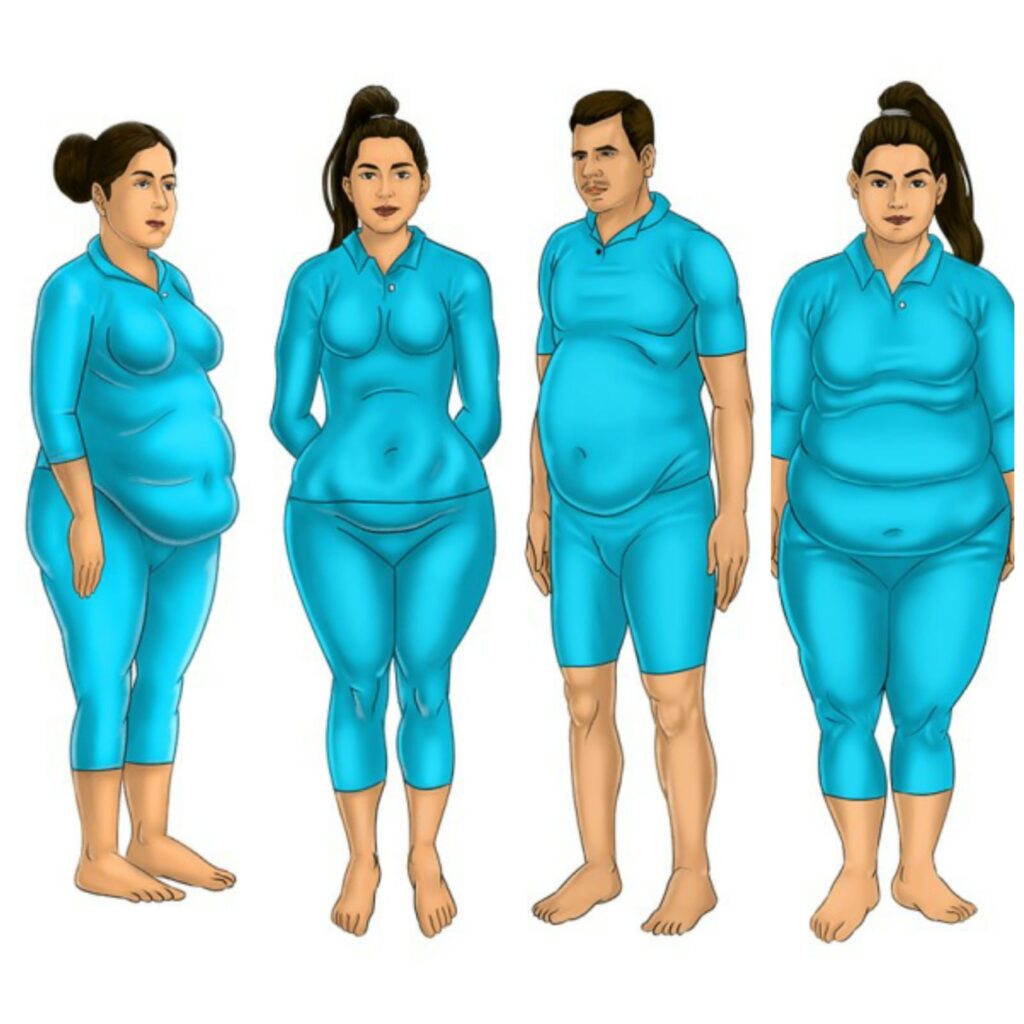
Everyone has a unique body type and that makes them special. You should know what is your body type. It is very important to know that in which body type your body fits in so that you can get a clear picture and set realistic and achievable fitness goals.

Let’s just discuss and try to understand what are the four body types that are influenced by hormones. By understanding the body types, you will be able to differentiate and compare your body type. And, it will also help you to understand and work towards the issue, if any.

You can also know more about Hormones for Fat burning and Fat storage

Adrenal type:

Point no1: Characteristics of adrenal body type is a “sagging belly”. In the type, the fat is coming from a hormone called as cortisol. You might have heard and read about this hormone. It is also known as the stress hormone. Whenever we are under stress, cortisol is released from the adrenal glands. So next time, when you are under stress, remember that cortisol is in action.

Point no2: In this type, it is not necessary that the sagging belly is resulting from diet related issue, but it is generally stress related. That’s the reason why sometimes even after going on a diet, and following a diet plan rigorously, it doesn’t work out as we expect it to. This is majorly because, in order to make the diet plan work, you need to work out the stress out of your body. If you are able to manage stress, you’ve won half of the battle.

Point no3: People with adrenal body type usually have problem in sleeping, in stress responses, in feeling calm, they have memory issue and generally crave for salts and chocolates and crunchy things. They might have allergies and sinuses problems too.

Point no4: The most important recommendation is to reduce the stress and to try getting sound sleep. As of diet, adrenal body type people should not be advised a low protein diet. If you are an adrenal type, then you should consume protein in each meal. Also, in this type, potassium reserves of the body are generally depleted by the stress. So, diet should be rich in potassium and vegetarian sources are enough to replenish potassium stores of the body.

It is very important to reduce your stress levels. Practice meditation and yoga. Try to indulge in your favorite hobby or activity. Do something that excites you and alleviates your mood!

Adrenal type- Sagging belly

Thyroid type:

Characteristics of thyroid type are the ones which have weight present all over and not just in a particular area. They will have problems of hair loss, loose skin, thinning of hair, and generally crave carbohydrates, sugars, and alcohol.

If a person is diagnosed with thyroid and even after being on medication, he/she is not getting any better, that is known as secondary thyroid.

Let’s discuss the primary thyroid. Primary thyroid condition usually comes from too much estrogen, from having heavy periods or from the environment or it could also come from the digestive issue with gall bladder release. The gall bladder issue means that the liver is not able to work properly and is not able to produce enough bile. Bile is a digestive fluid produced by the liver and stored in the gall bladder, which is very important in breaking down fats during digestion. Bile is also required to convert T4 to T3 (hormones produced by the thyroid gland). So you don’t have those active converting factors, in other words, around 80% of the thyroid is controlled by the conversion of T4 to T3 through the liver by the gall bladder.

There can be three issues that result in thyroid type:

1 Estrogen

2 Liver issue involving gall bladder

3 stress adrenal issue

If you develop an autoimmune disorder, such as Hashimoto’s or Graves’s disease, then there is a chance that these disorders may come from adrenal, because most of all autoimmune cases are stemmed from the cause of adrenal.

The diet for thyroid type should be according to the underlining issue, like if the problem is with the liver, then the diet should be in accordance with foods that support the liver. If it is related to estrogen, then foods should be the ones that can support estrogen balance and the same goes for the stress-related issue. Diet and recommendations totally depend on the source of the problem.

Thyroid type- All over weight

Liver type:

Liver type is mainly seen in men and is characterized with a protruding belly or as we can say a pot belly. It can also happen in women. People with this type generally have itchy skin and have digestive problems such as bloating and flatulence. They crave for fried foods of any kind.

General recommendations include, not consuming alcohol as it destroys liver and its function. Those with this type, do not do very well on high protein diets and therefore should not consume a high protein diet. They do well on vegetarian diets and so there should be an increase in the servings of fruits and vegetables in the diet.

So, if you think your body is in this type, try to increase the intake of fruits and vegetables.

Liver type- Protruding Belly

Ovary type:

Characteristics of ovary type are the ones with the more weight in hips and little below the belly button. Such type has estrogen dominant case and needs to support estrogen balance. They generally have menstrual problems, hot flashes and ovary related issues. They crave for creamy foods such as milk products. Cruciferous vegetables are one of the key foods to consume. One should not consume highly processed commercial foods and foods rich in sugar, salts and fats.

Ovary type- More weight in hips and thighs

Get your hands on some amazing weight loss recipes

If you are struggling shedding weight. You can talk to us by taking this assessment: Click here

For more information click here
hormones-for-fat-burning-fat-storage/

Hormones for Fat burning and Fat storage

Hormones are the most powerful chemical messengers in the body, and when it comes to weight loss and feeling well, can make it or break it. In addition to blood sugar control and insulin balance, Our hormone control metabolism and therefore are intricately connected to the amount of fat you gain or lose. In other words, burning fat and achieving successful weight loss is in fact partly a hormonal event.

The hormones involved in fat burning & fat storage are as follows-

Human Growth Hormone is a very powerful hormone that changes the chemistry of the body so that it starts using fat for energy instead of just sugar. It reduces the age of your metabolism. It turns the age of your metabolism to that of a younger body.

Some of the things HGH Does For You:

  • It Increases calcium retention, and strengthens and increases the mineralization of bone
  • Increases muscle mass
  • Promotes lipolysis (breaking down fat for fuel)
  • Increases protein synthesis
  • Stimulates the growth of all internal organs excluding the brain
  • Promotes gluconeogenesis in the liver
  • Stimulates the immune system

It doesn’t take much to see how this affects your weight loss and fat loss progress. All the above allows your muscles to recover faster, grow stronger and burn fat (lipolysis).

Makes Your Metabolism Younger :

Internally, Hormones make your metabolism younger. If you are someone who used to be low fat and very lean when you were younger, and now you are having a difficult time getting there when it was so easy before, there is a different internal environment in your body. In fact, human growth hormones have also been regarded as an anti-aging agent. One of the changes in the amount of HGH that is released and present in the blood. As a person grows older, the amount of HGH produced decreases. 

What Promotes HGH?

  • Deep Sleep. Most HGH is secreted during deep sleep. 2
  • Intense exercise (in particular resistance training)3
  • Low levels of blood sugar (hypoglycemia)4
  • Dietary protein

What Stops HGH Secretion?

Chronic Stress

Cortisol (which is caused by stress)

High Blood Sugar

Insulin

Lack of Sleep

Relation between HGH & Sleep?

Other than exercise (intense), the bulk of your HGH is produced and secreted in deep sleep, especially in the first two hours of sleep so, this is the reason why fat is burned when you sleep and not during the exercise. Professional weightlifters and bodybuilders all make sure recuperation is a part of their entire program. This includes making sure there is enough sleep.

How Is It Increased?

step 1:

Reduce cortisol levels- But reducing stimulants, eating nutritious water-rich foods & eating small & frequent meals.

step 2:

Reduce high levels of Insulin- High levels of insulin will suppress growth hormone. Hormones also mean one must reduce or eliminate sugar from the blood to help increase growth hormone or restore normal levels of growth hormone. 

Testosterone

It specifically, builds lean muscle which in turn can assist with fat burning. Testosterone changes your body shape into the shape that you want it to look like. It is formed in the testes, adrenal glands, and ovaries. It’s a fat-burning hormone. It increases lean muscle development and strength, mental and physical energy, and maintenance of muscle nutrition.

Few things that increase and decrease Testosterone for Fat Loss:

  • Sleep (REM dream) increases nocturnal testosterone levels.
  • Resistance training increase testosterone levels, however, in older men, that increase can be avoided by protein ingestion.
  • Zinc deficiency lowers testosterone levels but over supplementation has no effect on serum testosterone.
  • What does our Hormones say about our Body type?

Similarities to growth hormones :

The above list looks very similar to what increases human growth hormones. That is because testosterone follows where human growth hormone (HGH) goes.

Facial features :

Some of the effects that testosterone has been a but unique to changing appearance. The person has a more chiseled look. Testosterone decreases subcutaneous fat in the face and other fat deposit areas that are associated with children. Jawline becomes more defined and the body frame also becomes more defined. The shoulders broaden appropriately and the waist narrows. This gives both men and women a better body shape. This is particularly true for testosterone. The great news is that you just need to do the same things needed to produce HGH to produce Testosterone.

Insulin – like growth factor

No 1:

Insulin-like growth factors are fat-burning hormones. It is stimulated by HGH. Its primary purpose is to provide fuel to your body in between meals. The way it does this is by releasing stored fat as well as stored sugar to create energy. It works together with insulin. Insulin regulated blood sugar during a meal. Insulin is an important hormone that carries sugar into the cells. But after the meal and in between meals, insulin-like growth factor raises the blood sugar level in between meals when blood sugar gets low it does so by breaking fat down. It has the ability to break fat down to increase blood sugar and is mainly secreted by the liver as a result of stimulation by growth hormone (GH), so human growth hormone is a prerequisite.

No 2:

Almost every cell in the human body is affected by IGF-1, especially cells in muscle, cartilage, bone, liver, kidney, nerves, skin, and lungs. In addition to the insulin-like effects, IGF-1 can also regulate cell growth and development, especially in nerve cells, as well as cellular DNA synthesis.

No 3:

In terms of creating a weight loss plan, the way this hormone comes into play is depended on the health of the liver. If the liver is weak, one will need to decrease the number of times you eat to stimulate this hormone. It’s only activated on an empty stomach. Also with a weak liver one wants to reduce the amount of fat and protein. The liver processes fat and protein after it is broken down and excess protein and fat will stress it out. When the health of the liver gets better then the person will need to increase the number of times they eat and can incorporate protein again.

If or the hormones it produces are working well one should be able to lose weight relatively easily. If it is not working well or the hormones it produces are not working well or in too little quantity, then there will be a barrier to weight loss and unexplained weight gain.

Thyroxine

This gland is located on your neck. It is located below the adams apple for men and in the same location for women. It has a butterfly shape when you look at the body from the front.

T4 & T3

It does this through the hormones it produces. The two main hormones are thyroxine and triiodothyronine (pronounced try-iyodo-thy-roneen). They are also called as T4 and T3, respectively.

Thyroxine (T4) is produced in large quantity to T3 but is the not main active hormone that is produced. It is converted to triiodothyronine (T3). T3 is the hormone that does most of the work associated with this gland. It, however, is dependent on T4 to be produced.

What they regulate

These two estrones regulate a number of physiologic processes such as growth, development, metabolism, and reproductive function. Iodine is an important component of producing auxin triiodothyronine (T3) and thyroxine (T4) and its also important for normal function. To meet the body’s demand for T4 and T3, the gland traps iodine from the blood and incorporates it into its auxins that is stored and released into the circulation when needed.

In target tissues, T4, the most abundant circulating hormone, can be converted to T3 by selenium-containing enzymes known as deiodinases. Deiodinase (dee-iyo-din-ayse) is an enzyme in your body that are unusual because they contain selenium. Selenium is needed for the production of the thyroid hormones.

Regulation

The regulation of thyroid function is a complex process & it involves the hypothalamus and pituitary gland. In response to thyrotropin-releasing hormone (TRH) secretion by the hypothalamus, the pituitary gland secretes thyroid-stimulating hormone (TSH), which stimulates iodine trapping, T3 and T4 synthesis, and release of T3 and T4 by the gland.

The presence of adequate circulating T4 decreases the sensitivity of the pituitary gland to TRH, limiting its secretion of TSH. When circulating T4 levels decrease the pituitary gland increases its secretion of TSH, resulting in increased iodine trapping as well as increased production and release of T3 and T4.

Deficiency of iodine results in inadequate production of T4. In response to decreased blood levels of T4, the pituitary gland increases its output of TSH. Elevated TSH levels may lead to hypertrophy (enlargement) of the this gland, also known as goiter.

It also regulates body temperature carbohydrate beak down, mental clarity, energy levels, general well-being, vitamin absorption (all of which help weight loss), sex drive, skin moisture and nail strength.

Glucagon

Glucagon regulates and creates more sugar in the blood. When insulin converts sugar to glycogen the glucagon converts glycogen to sugar. When the body goes for several hours without glucose, glucagon will go to work trying to generate glucose. It does this by getting glycogen stored in the liver and breaking it down by activating an enzyme called as phosphorylase. Due to the rise in blood sugar the insulin is increased again to shunt the sugar into the cells.

When liver glycogen depletes the metabolism switches to using fat to form blood sugar. Liver glycogen depletes in about 24 hours without food. Physical activity will shorten this period.

So you can conclude here, that the liver being depleted of glycogen stores will eliminate a source of blood sugar. Without this, there become only two sources: Dietary sources or body’s glycogen stores. 

In terms of dietary carbohydrate and whether it gets stored in muscle or the liver, a difference exists. Sugar in cakes and cookies for example is actually part fructose and glucose. Fructose is primarily used to refill liver glycogen stores and glucose is primarily used to refill muscle glycogen stores. After both are refilled then both are stored as body fat.

What about Fructose ?

The next thing is that, is the sugar in fruit is fructose. Sugar in fruit when consumed in moderate quantity has very little sugar content as they are full of fiber. Fruits also have so much micro and trace nutrients. So fruits in little quantities will not have fat-storing effects.

Glucagon muscle – destroyer :

As fat-burning is a much more complicated, involved and slower process than sugar burning the nervous system will select sugar burning over fat burning for energy creation.

So it will be easier for the nervous system to create blood sugar from glycogen stores in the muscle preferential to using body fat. In the process of creating blood sugar from muscle glucose the muscle protein is degraded to amino acids to convert to glucose. This is the muscle destroyer aspect of glucagon.

Trigger to Glucagon :

Where carbohydrate is the trigger for insulin, protein is the trigger for glucagon. Protein does trigger insulin but at around 30% strength. Also glucagon is triggered by too little food.

Glucagon is another ” Fat burning hormone ” that is secreted after exercise (intense).  The key here is that unlike other methods of creating sugar in the blood, glucagon does so by breaking down body fat to do so.

Leptin

Leptin is produced by your fat cells. It is considered a “satiety hormone” that reduces appetite and makes you feel full.

As a signaling hormone, its role is to communicate with the hypothalamus, the portion of your brain that regulates appetite and food intake. It tells the brain that there’s enough fat in storage and no more is needed, which helps prevent overeating. People who are overweight or obese usually have very high levels of leptin in their blood. As per one study, leptin levels in obese people were 4 times higher than in people of normal weight. If leptin reduces appetite then obese people with high levels of leptin should start eating less and lose weight. Unfortunately in obesity the leptin system doesn’t work as it should. This is called as Leptin resistance.

When leptin signaling is impaired the message to stop eating does not get through to the brain so it does not realize that enough energy is stored. In essence, brain thinks it is starving, so one is driven to eat. Leptin levels are also dropped on losing weight, which is one of the main reasons it is so hard to maintain weight loss in the long-term. The brain thinks one is starving, and pushes to eat more. Two potential causes of leptin resistance are chronically elevated insulin levels and inflammation in the hypothalamus.

Few suggestions for improving leptin sensitivity:

  • Avoid inflammatory foods: Limit foods that causes inflammation, especially sugary drinks and trans fats.
  • Eat certain foods: Eat more anti-inflammatory foods, such as fatty fish.
  • Exercise regularly: Moderate activity can improve leptin sensitivity.
  • Get enough sleep: Studies have shown that insufficient sleep leads to a drop in leptin levels and increased appetite.
  • Supplements: In one study, women on a weight-loss diet who took alpha-lipoic acid and fish oil lost more weight and had a smaller decrease in leptin than those in a control group.

Ghrelin

Ghrelin is known as a “hunger hormone.”

When your stomach is empty, it releases ghrelin which sends a message to the hypothalamus telling to eat. Normally, ghrelin levels are highest before eating and lowest about an hour after meal. However in overweight and obese people fasting ghrelin levels are often lower than in people of normal weight. As per studies after obese people eat a meal, ghrelin only decreases slightly because of this the hypothalamus does not receive as strong of a signal to stop eating, which can lead to overeating.

Few tips to improve the function of ghrelin:

  • Sugar: Avoid high-fructose corn syrup and sugar-sweetened drinks, which can impair ghrelin response after meals.
  • Protein: Eating protein at every meal, specially breakfast can reduce ghrelin levels and promote satiety.

Cortisol

Cortisol is a hormone produced by the adrenal glands. Its known as a “stress hormone” because it is released when your body senses stress. Like other hormones its important for survival. However chronically elevated levels of cortisol can lead to overeating and weight gain. Women who carry excess weight around the middle respond to stress with a greater increase in cortisol. However, a strict diet can also raise cortisol. As per one study women who consumed a low-calorie diet had higher cortisol levels and reported feeling more stressed than women who ate a normal diet.

These strategies can reduce cortisol levels:

  • Balanced diet: Follow a balanced, real food-based diet. Don’t cut calories to extremely low levels.
  • Meditate: Practicing meditation can significantly reduce cortisol production.
  • Listen to music:. Researchers report that when soothing music is played during medical procedures, cortisol doesn’t rise as much.
  • Sleep more: One study found that when pilots lost 15 hours of sleep over the course of a week, their cortisol levels increased by 50-80%.

Insulin

This is a peculiar hormone because it can be used both ways and it is equally effective for losing weight and fat as well as gaining weight. The purpose of this hormone is to transport nutrients into muscle cells. Glucose is one of them. When glucose in the blood rises, insulin is secreted and the glucose is transported via this hormone into the cells together with other nutrients. If it was not secreted to shunt glucose away, blood sugar levels from starch consumption would rise too high and induce coma and death.

Muscle builder

Insulin has major benefits such as enhancing muscle growth, recovery, and repair by delivering to the muscles the raw materials needed for protein synthesis. It also inhibits muscle breakdown.

Promoter of Death

However, high levels of it lead to death by way of diabetes and heart disease. This is done gradually and slowly and the road is riddled with poor enjoyment of life and addiction to food. At the same time it lowers the fat set-point of your body. It makes it very easy to build fat. In a study published in Journal of Comparative and Physiological Psychology in 1978, rats that were injected with insulin had an increase in fat, and rats injected with glucagon had a decrease in fat.

The difficulty with insulin is that its secretion from the pancreas is very extreme in both directions. It is not fine-tuned. Insulin is usually secreted in excess amounts and when the muscles have received enough glucose and nutrients, they stop receiving the inflow of insulin and insulin is shut off as suddenly as it was turned on. Insulin then takes the sugar supply away and brings the glucose level too low. This is the state of hypoglycemia.

This is the sugar low you experience after eating a very starchy and sugary meal. So the drop in insulin now takes all the benefit away and prevents the muscle cells from receiving nutrition. Over a prolonged basis, muscles will atrophy.

Counterpart to IGF

Insulin is the counterpart to Insulin like growth factor and a chemical that acts like a hormone that comes from the liver. While IGF tries to raise blood sugar through lipolysis, insulin works to lower blood sugar. It gets the cells to absorb sugar and the sugar it does not absorb is converted by insulin to fat and cholesterol. In the presence of insulin, you will not be able to burn fat.

It blocks the human growth hormone and ALL the other fat burning hormone. So after reading about all the estrone relating to fat, you will see that it is an either-or proposition. Either fat burning or fat storing hormone are going to be present or dominant.

Focus on controlling insulin

With the group of people who cannot lose weight, insulin is the prime target. Lack of knowledge can also cause you to be eating foods that spike insulin.

Another Insulin myth : Protein in low GI

One of the byproducts of the Atkins craze is the idea that protein does not cause insulin spikes. Its false. Eating a large amount of protein in one sitting will cause an insulin spike. A small amount like 3 to 4 oz of meat will not. Granted, it is a smaller spike in insulin (about 30% compared to a starch) but still a large enough spike to cause problems.

So the Atkins diet that says you can have ‘liberal’ amounts of meats and cheeses has not worked consistently. People whose pancreas is more sensitive will release a lot more insulin. Also if the level of insulin resistance is high, insulin is not used by the cells and it converts the protein you eat to body fat.

Estrogen

Estrogen and fat are related. It is the antithesis of Testosterone. While testosterone is created by men and have certain effects on fat, estrogen is created by women from their ovaries. Estrogen produces fat. Because of the difference between estrogen receptors in men and women, you will find a natural difference in the difference between fat levels in men and women.

It’s produces fat around the female body. Fat cells also produce estrogen. Estrogen regulates the sexual development in the female body. It can also inhibit thyroid and liver function.

Estrogen problem

The problem with estrogen and fat is not about being a man or a woman. What has become evident is that both men and women now are exhibiting estrogen characteristics at younger ages. Both young boys and young girls are also exhibiting mature estrogen characteristics earlier and earlier in life.

Young boys are developing extra breast tissue and fat deposits usually associated with females. Young girls are also developing breasts earlier, beginning menstruation earlier and earlier, and girls are developing larger breasts.  As a whole these, changes are date-coincident with increases in obesity and obesity in younger and younger people in the US.

There is also evidence that immigrants and visitors coming to America will develop one or more of these characteristics, but almost always increases in fat. However, upon returning to their homeland, they lose all these symptoms.

Estrogen in the environment

The common denominators are two things: Hormones in the animals we eat and toxic chemicals in the environment that mimic estrogen.

In America animals grown for meat are grown in mass quantities. They are sold by weight. Not lean muscle mass. Doctors have known about the effects of hormones for five decades. Animals grown for meat production are fed extra hormones and specific diets to increase their weight. Increasing muscle is helpful but it is also expensive. Increasing fat is cheaper. It is cheaper because it is faster. Estrogen causes excess fat.

We eat these foods and ingest these estrogens. So do our children. So even an Atkins or South Beach Diet can cause a person to ingest foods that contain hormones that cause fat to be created.

If you are struggling shedding weight. You can talk to us by taking this assessment: Click here

For more information click here

Fasting Plan

Fasting Plan for Weight Loss is Different Types

Follow (Fasting Plan), Everyone dreams of having a perfect and fit body. Only some people only have perfect bodies and health. To maintain it they have worked so hard. Many people are facing difficulties in weight loss and also doing so many remedies for it. Today we will tell you about the Indian various diet plan for losing weight.

Intermittent fasting is known as intermittent energy restriction. Intermittent fasting is an eating pattern in this cycle is between periods of eating and fasting.  There are many types of intermittent fasting methods. This can be split in day or week into eating periods and fasting periods.

Most people already “fast” every day while they are sleeping. Intermittent fasting is where we have to extend this for a little longer fast. We can do this by skipping breakfast or eating our first meal at noon. This is 16 hours fasting window every day, and restrict ourselves to eating for an 8-hour eating window.

Some of the behavioral changes need in Intermittent Fasting. Here are some of the changes that were seen in different people after intermittent Fasting are:

  • Muscle mass increases
  • Body fat decreases
  • Spontaneity increases

Intermittent Fasting Diet Plan

https://open.spotify.com/episode/7vLWimMqYvPKmBS5NTfU87?si=jXbGPoS4R9OALmo7EhUZCw

Diet plan which can help in weight loss. Intermittent fasting helps in scheduling meals to take food on time not eat at odd times. Make your lifestyle correct The calorie intake in this diet remains the same as for a weight loss diet.

Here is some food Recommended in intermittent fasting:

  • It includes fresh fruits and vegetables which are your daily vitamins and minerals need.
  • It contain moderate fat, carbohydrate, and high protein.
  • You can opt for whole-grain cereal, millets, and fiber-rich fruits as all these things help in weight loss.
  • Taking the good quality of proteins like low-fat milk and products like this lean meat, fish, and egg are vital.
  • Need toTaking 2-3-liter water daily.

The exercise you can do in the Intermittent Fasting Plan

  • When you do a Cardio workout that targets your stored fat in our body.
  • High-intensity interval training can have a great impact on your body storage fat.
  • You must avoid exercise before going to bed as it can disturb your sleep pattern.
  • Before doing exercise have a cup of coffee or green tea an hour ago. It will boost metabolism you will do exercise with more engey and also help in weight loss.

 Intermittent Fasting Diet Plan

It has become a health trend in every country. It helps in weight loss and also maintains our body. There are many methods for an intermittent fasting diet plan. I will be telling you about a few of them:

The 16/8 Method

The fasting Plan period is between 14-16 hours daily and eating hours are between 8-10 hours. This is an easy method of fasting. In this, you can skip your breakfast and should not eat anything after dinner. and after 8 clocks. During the fast, you can have water, coffee, and other zero-calorie beverages. 8 hours of eating window, you can fit in two, three, or more meals.

 This method is also known as the Leangains protocol and was popularized by fitness experts.

 It’s very important to eat healthy foods during your eating window. This method won’t work if you eat lots of processed foods and junk food. You also need to do exercise so that old storage fat will get burned fast.

Read more about Intermittent fasting by Dr. Sneha Chopra

Eat stop eat

this method involves 24 hours of fast once or twice a week. This method was given by Brad Pilon and is quite popular. You have to fast from one meal of the day to the same meal as the second day. For example, if you had breakfast on Tuesday then up to Wednesday morning breakfast you have to fast to complete 24 hours.

Alternate Day Fasting

In this method fast is done on every Alternate day. For example, if you have a normal healthy diet on Sunday but on Monday you have to fast. On Tuesday you can have done proper healthy diet but on Wednesday you have to fast. This way you fast will go on. But do not eat any junk food in it.

There are many different versions of this method.

 It has been researched that alternate-day fasting is not any more effective at producing weight loss or weight maintenance than a typical calorie-restrictive diet. For the beginner, it becomes difficult to do fast every day.

With this method, you may go to bed very hungry several times per week, which is not very pleasant and probably unsustainable in the long term.

 There are two subtypes

  • Complete alternate-day fasting (or total intermittent energy restriction), where no calories are consumed on fast days.
  • Modified alternate-day fasting (or partial intermittent energy restriction) in this we consumption of up to 25% of daily calorie needs on fasting days instead of complete fasting. This is eating to alternating days with normal eating and days with a very low-calorie diet.

How to do 5.2 Intermittent Fasting

The Warrior Diet

In this method, you have to eat fruits in a day and eat a heavy meal diet at night time. This means in this you have to fast in the day and should have proper meals at night time. It involves eating small amounts of raw fruits and vegetables during the day and eating one huge meal at night. Basically, you fast all day and feast at night within a 4-hour eating window.

In this method, you have to skip a meal from time to time. You can skip a meal when you are busy or when you are not hungry. In other words, we can say skipping one or two meals in a day is known as spontaneous meal skipping.

1. How It Affects Your Cells, Hormones, Heart disease, and diabetes Also

 Body changes hormone levels when we do fasting stored body fat accessible and initiates important cellular repair processes.

Some of the changes that occur in your body during fasting:

Insulin levels- Blood levels of insulin drop significantly, when we fast and facilitate fat burning. Buy this we will lose weight.

  • Also, help from Diabetes.
  • Blood Sugar levels
  • Bp(Blood Pressure)
  • Blood Triglycerides
  • Total and LDL (bad) cholesterol

Human growth hormone (HGH) levels. The blood levels of human growth hormone (HGH) may increase dramatically. Higher levels of this hormone facilitate fat burning and muscle gain and have numerous other benefits.

Cellular repair- The body plays important cellular repair processes, such as removing waste material from cells. So there are benefits of intermittent fasting which leads to changes in hormones, the function of cells

2. Intermittent Fasting diet Plan for Weight Loss

Today time everyone wants to be slim or have a perfect and healthy body. But no one says that it is impossible. Maintaining your body and keeping it perfect is possible for these people who have determined they should not leave any hope. Step by step they will reach success. 

 If you lose weight you will gain your confidence back and your body will get free from many diseases. So weight loss help in the overall mental and physical health. Also, help from depression is the most faced by people days.

Has benefits for your brain

It is good for the body is often good for the brain as well. Intermittent fasting improves various metabolic features known to be important for brain health.

3. Intermittent fasting helps Reduce

  • Oxidative stress
  • Inflammation

Several studies in rats -intermittent fasting may increase the growth of new nerve cells, which should have benefits for brain function.

Fasting also increases levels of a brain hormone called brain-derived neurotrophic factor (BDNF). A BDNF deficiency has been implicated in depression and various other brain problems.

4. May Help Prevent Alzheimer’s Disease

Alzheimer’s disease is the world’s most common neurodegenerative disease. There’s no cure currently available for Alzheimer’s, so preventing it from showing up in the first place is critical. A progressive disease that destroys memory and other important mental functions. Brain cell connections and the cells themselves degenerate and die, eventually destroying memory and other important mental functions.

Memory loss and confusion are the main symptoms. Fasting helps in slow down the progress of this disease.

In a series of case reports, a lifestyle intervention that included daily short-term fasts was able to significantly improve Alzheimer’s symptoms in 9 out of 10 people

Recap & Final Thoughts

The main reason for any dietary change is to have a healthy lifestyle that helps you meet your health goals. Whether you’re looking to lose weight or prevent disease, intermittent fasting is one eating style that may work for you. The most important thing with any diet is to get all of your essential macro and micronutrients, appropriate amounts of food, and fiber for a healthy gut microbiome and enjoy your lifestyle in the long run.

If you are struggling shedding weight. You can talk to us by taking this assessment: Click here

For more information click here