healthy south indian

Healthy Ragi Mudde Recipe

Ingredients (Serves 2)

  • 1 cup ragi (finger millet) flour
  • 2 cups water
  • ½ tsp ghee (optional but recommended for flavor & easier rolling)
  • ¼–½ tsp salt (optional)
  • (Optional healthy additions)
    • 1–2 tbsp cooked tur dal water / veggie stock (for extra nutrition)
    • 1 tsp flaxseed powder or chia seeds (optional)

🥣 Instructions

1. Boil water

  • In a heavy-bottomed pot, bring 2 cups of water to a boil.
  • Add salt and ½ tsp ghee.

2. Mix ragi slurry (important for lump-free mudde)

  • In a small bowl, mix 2 tbsp ragi flour with ¼ cup water to make a smooth paste.
  • Add this paste to the boiling water while stirring — this prevents lumps.

3. Add remaining ragi flour

  • Reduce heat to low.
  • Add the rest of the ragi flour in one go.
  • Do NOT stir immediately; let it steam for 1 minute.

4. Stir and cook

  • With a sturdy spoon (or mudde katti), mix vigorously until it forms a smooth dough-like ball.
  • Cook covered for 3–4 minutes on low heat.

5. Shape the mudde

  • Wet your palms with cold water or apply a drop of ghee.
  • Roll the hot ragi mixture into smooth balls.

✔️ Healthy Tips

  • Add dal water instead of plain water for protein boost.
  • Use minimal ghee—just enough for shaping (optional).
  • Great to pair with:
    • Sambar
    • Bassaru
    • Chicken or mutton saaru
    • Coconut chutney + rasam

🍽️ Nutrition Benefits

  • High in fiber → good for digestion
  • Rich in calcium & iron
  • Low glycemic index → diabetic-friendly
  • Gluten-free

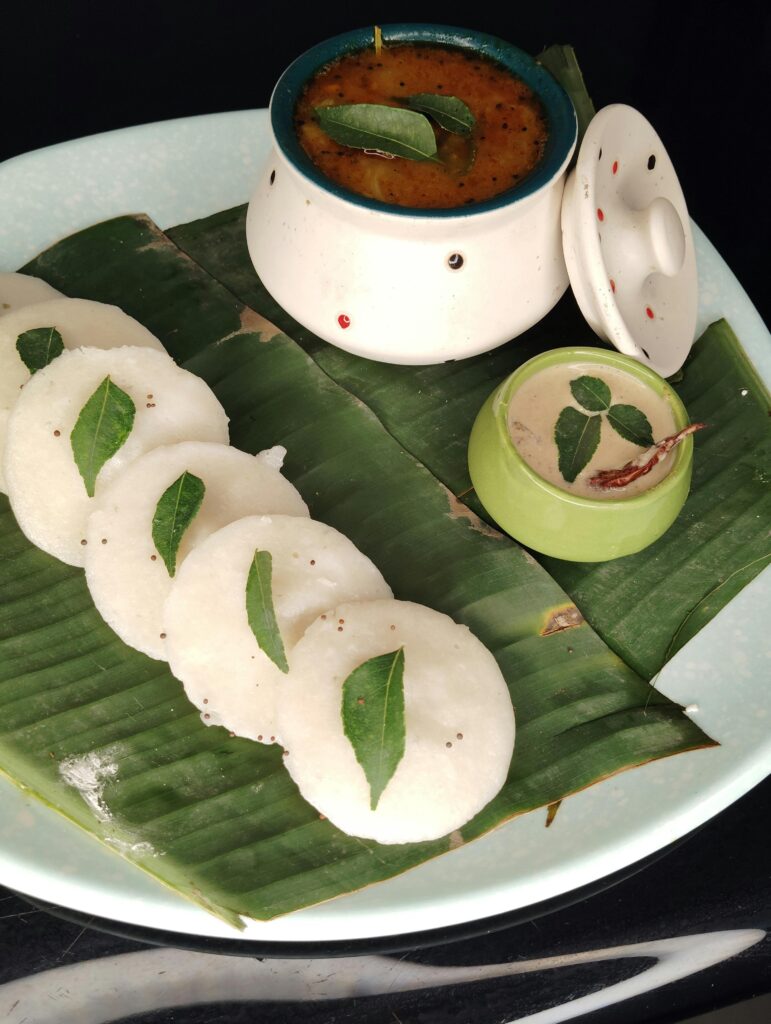
Soft & Fluffy Paneer Idli Recipe

Paneer idli is a protein-rich, kid-friendly twist on the classic South Indian idli. You can make it two ways:

  1. Paneer mixed into the batter, or
  2. Paneer stuffing inside the idli.

Below is the easiest mixed-batter version, plus an optional stuffing version.


⭐ Ingredients (for 12–14 idlis)

For the idli batter

  • 2 cups idli batter (fermented)
  • ½ cup grated paneer
  • 1–2 tbsp curd (optional, for softness)
  • Salt to taste (if your batter isn’t already salted)
  • 1–2 tbsp chopped coriander (optional)
  • 1 green chilli finely chopped (optional)

⭐ Optional Tempering (adds flavor)

  • 1 tsp oil or ghee
  • ½ tsp mustard seeds
  • ½ tsp urad dal
  • 1 tbsp finely chopped onions
  • Few curry leaves
    (Mix this into the batter if you want masala-style paneer idlis.)

⭐ Method

1. Prepare the batter

  • Take fermented idli batter in a bowl.
  • Add grated paneer, curd (optional), coriander, and chillies.
  • Mix gently—don’t overmix or the idlis won’t be fluffy.

2. Optional: Tempering

  • Heat oil, splutter mustard seeds, add urad dal and onions; sauté lightly.
  • Let it cool slightly and fold it into the batter.

3. Steam the idlis

  • Grease the idli plates.
  • Pour batter up to ¾ full.
  • Steam for 10–12 minutes on medium heat.
  • Let them rest for 2 minutes before removing.

4. Serve

Serve hot with:

  • Coconut chutney
  • Tomato chutney
  • Sambar
  • Or drizzle ghee on top!

🍽 Alternative: Paneer Stuffed Idlis (Quick Version)

Stuffing:

  • ½ cup crumbled paneer
  • 1 tsp oil
  • 1 tsp ginger-garlic paste
  • ¼ tsp red chilli powder
  • ¼ tsp turmeric
  • Salt, pepper
  • Coriander

Steps:

  1. Prepare a dry paneer bhurji–style stuffing.
  2. Pour a spoon of batter into each mould, add 1 tsp paneer stuffing, cover with more batter.
  3. Steam 12–14 minutes.

If you want, I can also give:
✅ Paneer Idli Fry recipe
✅ Restaurant-style chutney pairing
✅ Instant no-fermentation idli with paneer

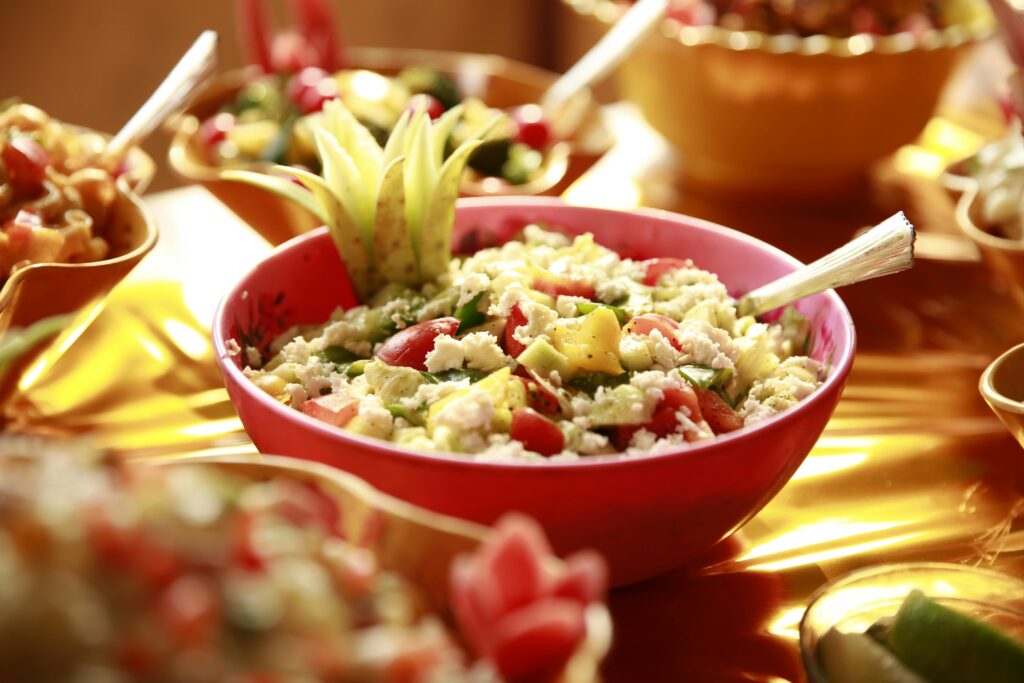
How to make Paneer Curd Vegetable Salad

🥗 Healthy Paneer Curd Vegetable Salad

Ingredients

  • Paneer (cottage cheese) – 100–150g, cut into small cubes
  • Curd (plain yogurt) – ½ cup (preferably low-fat or Greek yogurt)
  • Cucumber – 1 medium, diced
  • Tomato – 1 medium, diced
  • Carrot – 1 small, grated or julienned
  • Capsicum (bell pepper) – ½, chopped
  • Red onion – ½ small, thinly sliced (optional)
  • Coriander leaves – handful, chopped
  • Mint leaves – a few, chopped (optional)

🧂 For Dressing

  • Black salt / regular salt – to taste
  • Black pepper powder – ½ tsp
  • Roasted cumin powder – ½ tsp
  • Chaat masala – ½ tsp (optional)
  • Lemon juice – 1 tbsp
  • Olive oil – 1 tsp (optional for richness)
  • Green chili / chili flakes – to taste (optional)

🥣 Instructions

  1. Prep the paneer:
    • Lightly grill or sauté paneer cubes in a nonstick pan for 2–3 minutes if you prefer it slightly crispy. Or use raw for a softer texture.
  2. Mix vegetables:
    • In a large bowl, combine chopped cucumber, tomato, carrot, capsicum, onion, coriander, and mint.
  3. Add curd:
    • In a separate bowl, whisk the curd until smooth. Mix in the salt, pepper, cumin powder, chaat masala, lemon juice, and olive oil (if using).
  4. Combine all:
    • Add the paneer cubes and curd dressing to the vegetables. Mix gently so the paneer doesn’t crumble.
  5. Taste and chill:
    • Adjust seasoning. Refrigerate for 15–20 minutes for best flavor (optional).
  6. Serve:
    • Garnish with extra herbs or a sprinkle of chaat masala. Serve chilled.

🥦 Tips for Health Boost

  • Add boiled chickpeas or sprouts for extra protein and fiber.
  • Use hung curd or Greek yogurt for a thicker, creamier dressing.
  • Add a dash of flax seeds or chia seeds for omega-3s.

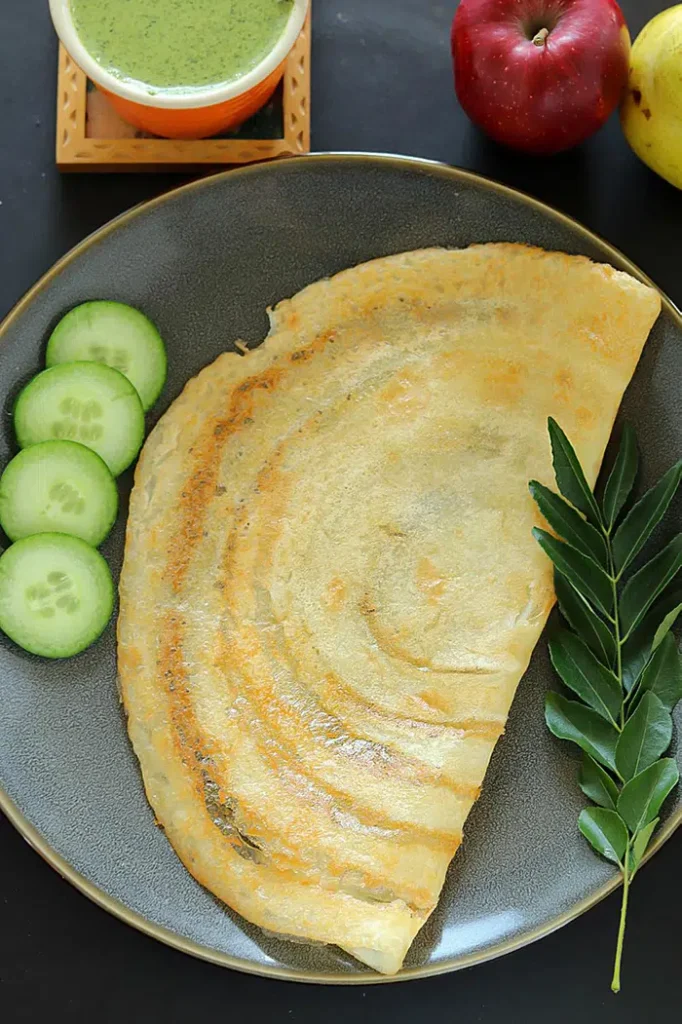
How to make Sabudana Dosa

🌿 Sabudana Dosa Recipe (Perfect for Vrat/Fasting)

Crispy, light, and nutritious dosa made with sabudana, peanuts, and makhana — great for Navratri or any fasting days.


Ingredients:

For the Dosa Batter:

  • 1 cup sabudana (sago pearls)
  • ½ cup peanuts
  • ¼ cup makhana
  • ½ tsp sendha namak (rock salt/vrat salt)
  • ½ tbsp black pepper powder
  • 1 tbsp ginger, finely chopped
  • 1-2 green chilies, finely chopped
  • 2 tbsp fresh coriander, chopped
  • 2 boiled potatoes, mashed
  • 2 tbsp curd/yogurt (optional, for slight tang)
  • Water – as needed

For the Dosa Topping (optional):

  • 2 tbsp of the leftover peanut + makhana powder

🥣 Instructions:

Step 1: Roast & Prepare Sabudana Powder

  1. In a dry pan, roast 1 cup sabudana on medium flame for 3–4 minutes.
  2. Roast until it starts to pop slightly or you hear crackling sounds.
  3. Let it cool completely, then grind into a fine powder using a mixer/grinder. Set aside.

Step 2: Prepare Peanut-Makhana Powder

  1. In the same pan, dry roast ½ cup peanuts and ¼ cup makhana on medium flame until golden and aromatic.
  2. Let them cool, then remove peanut skins.
  3. Grind both into a fine powder. Divide into two parts:
    • Half will go into the batter.
    • Half will be used for chutney or as a topping.

Step 3: Prepare Potato Mixture

  1. Mash 2 boiled potatoes, put them in a mixer jar.
  2. Add 1 cup water and blend into a smooth paste.

Step 4: Make the Dosa Batter

  1. In a large bowl, combine:
    • Ground sabudana powder
    • Half of the peanut-makhana powder
    • Mashed potato paste
    • ½ tsp sendha namak
    • ½ tbsp black pepper powder
    • Finely chopped ginger, green chilies, and coriander
    • 2 tbsp curd (optional)
  2. Gradually add water to make a smooth, flowing batter like regular dosa batter.
  3. Let it rest for 10–15 minutes if time allows.

🔥 Cooking the Dosa

  1. Heat a non-stick dosa pan or tawa on medium heat.
  2. Sprinkle some water to check heat; wipe clean.
  3. Pour a ladleful of batter and spread evenly – don’t make it too thick.
  4. Optionally, sprinkle some of the leftover peanut-makhana powder on top for crunch.
  5. Cook on medium flame for 3–4 minutes or until the bottom is golden and edges lift.
  6. No need to flip. Remove and serve hot.

🥥 Coconut-Peanut Chutney

Ingredients:

  • ½ cup fresh grated coconut
  • 2 tbsp roasted peanuts and Makhana Powder
  • 1 green chili
  • Small piece of ginger
  • Sendha namak – to taste
  • Few curry leaves (optional)
  • Water – as needed

Method:

  1. Blend all ingredients together into a smooth chutney.
  2. Adjust water to get your desired consistency.
  3. For tadka (optional during non-fasting): Heat ghee, add cumin, curry leaves, and pour over chutney.

Tips:

  • The dosa may take a little longer to cook than regular dosa. Be patient and keep the flame medium.
  • If batter thickens over time, add a little more water.
  • You can skip curd for a completely vegan/strict vrat version.

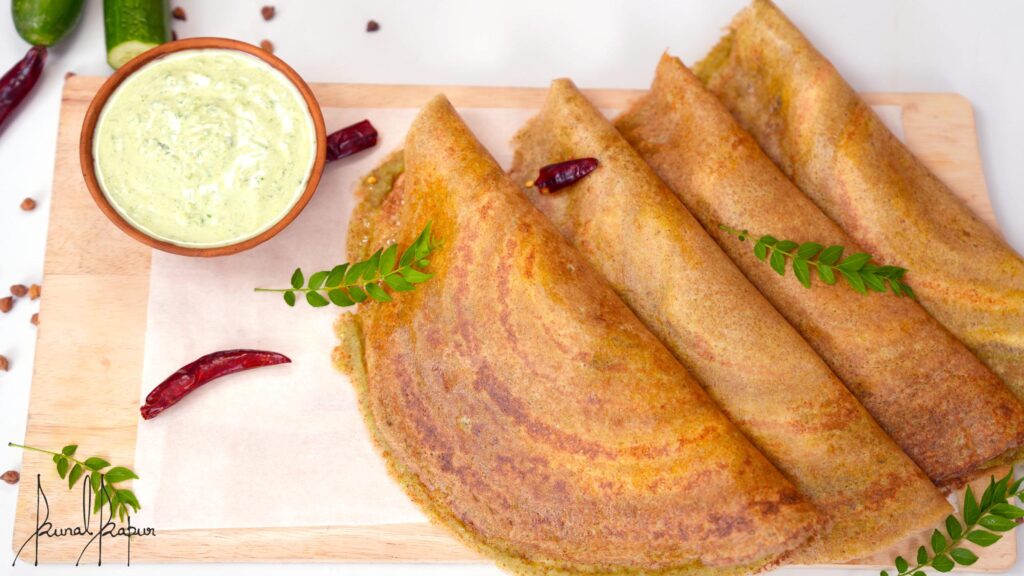
How to make Chickpea Dosa

🌰 Chickpea Dosa (Gluten-Free + Protein-Rich)

Ingredients:

  • 1 cup besan (gram flour) or soaked raw chickpeas (1/2 cup, soaked overnight & ground)
  • 1/4 cup finely chopped onions
  • 1–2 green chilies (finely chopped)
  • 1 tsp ginger paste
  • 1/4 tsp turmeric
  • 1/2 tsp cumin seeds
  • Salt to taste
  • Chopped coriander
  • Water (to make thin batter)
  • Oil for cooking

Instructions:

If using besan:

  1. In a bowl, mix besan with water to make a smooth, pourable batter.
  2. Add onions, chilies, ginger, spices, salt, and coriander.

If using soaked chickpeas:

  1. Blend soaked chickpeas with ginger, green chili, a little water into a smooth batter.
  2. Mix in the rest of the ingredients as above.

Cooking:
3. Heat a non-stick tawa, pour a ladle of batter, and spread like dosa.
4. Drizzle a few drops of oil, cook till golden on both sides.


🥄 Serve hot with mint chutney, curd, or tomato chutney.
✅ High protein, gluten-free, and perfect for breakfast or dinner!

How to Make Kala Chana Dosa


🥞 Kala Chana Dosa Recipe (Serves 1)

🫘 Ingredients:

  • Kala chana (black chickpeas) – ⅓ cup (soaked overnight)
  • Rice – 2 tbsp (optional, for crispiness)
  • Ginger – ½ inch piece
  • Green chili – 1 (adjust to taste)
  • Cumin seeds – ¼ tsp
  • Salt – to taste
  • Water – as needed (about ¼ to ⅓ cup)
  • Oil – for cooking (1–2 tsp)

🧑‍🍳 Instructions:

1. Soak:

  • Soak ⅓ cup kala chana and 2 tbsp rice overnight (8–10 hours).
  • Drain the water before blending.

2. Blend:

  • In a mixer, add soaked chana, rice, green chili, ginger, cumin seeds, salt, and a little water.
  • Grind into a smooth, slightly thick batter (like regular dosa batter).

3. Rest (optional):

  • You can use it right away, or rest for 15–30 minutes to improve flavor.
  • No fermentation needed.

4. Cook:

  • Heat a non-stick or cast iron tawa.
  • Pour a ladle of batter, spread it in a circle like dosa.
  • Drizzle a few drops of oil around the edges.
  • Cook on medium flame until golden and crisp.
  • Flip and cook the other side if needed.

5. Serve:

  • Serve hot with garlic chutney, mint chutney, or curd.

How to make soya paneer pancake

Soya Paneer Pancake is a healthy and nutritious pancake recipe made with soy flour, paneer, and a blend of aromatic spices. This recipe is gluten-free and vegetarian, making it suitable for many dietary preferences. It is also a great source of protein and fiber, thanks to the soy flour and paneer. However, people with a dairy or soy allergy should avoid this dish.

INGREDIENTS

1 cup soya flour: 120gms – 1/2 cup paneer, crumbled: 50gms – 1/2 teaspoon cumin powder: 2.5gms – 1/2 teaspoon coriander powder: 2.5gms – 1/4 teaspoon red chili powder: 1.25gms – Salt to taste – Water, as needed: 100ml – Oil, for cooking: 10ml

PREPERATION

1. In a large mixing bowl, combine the soya flour, crumbled paneer, cumin powder, coriander powder, red chili powder, and salt.

2. Add enough water to make a smooth batter. The batter should be of pouring consistency.

3. Heat a non-stick pan or griddle over medium heat. Brush some oil on the pan.

4. Pour a ladleful of the batter onto the hot pan and spread it into a circle.

5. Cook for 2-3 minutes until the bottom is golden brown. Flip the pancake and cook the other side for 1-2 minutes.

6. Remove the pancake from the pan and repeat the process with the remaining batter.

7. Serve hot with chutney or sauce of your choice.

NUTRITIONAL VALUE PER SERVING: –

  • Calories: 140 kcal
  • – Protein: 10g
  • – Fat: 6g
  • – Carbohydrates: 10g
  • – Fiber: 4g

How to make Healthy Bajra Chilla

 Bajra is an extraordinary health food, rich in iron and the highest plant-based source of calcium. It also contains essential minerals and a good amount of protein, making it excellent for maintaining strong teeth and bones.

It can help lower your total cholesterol and lower the blood sugar.

Ingredients –

  1. Bajra flour-1 cup
  2. Pumpkin, grated-1/4 cup
  3. Oil-2 tsp
  4. Cumin seeds-1/2 tsp
  5. Garlic, chopped-1/2 tsp
  6. Green chilies-chopped to taste
  7. Tomato chopped1 tbsp
  8. Onion chopped1 tbsp
  9. Coriander leaves chopped
  10. 2 tbsp Black pepper powder
  11. 1/2 tsp Salt to taste

Serving Size: 1

 Procedure:

  • Firstly Heat the pan, add 1 tsp of oil in a pan.
  • Now Add cumin seeds and saute for 30 seconds.
  • Then add garlic, onions, green chilies, tomatoes and grated pumpkin.
  • Saute for 3-4 minutes till the pumpkin and other vegetables get softs.
  • Then add salt and black pepper powder in it and saute for another 1 minute. Keep pumpkin mixture aside. 
  • In a a Big Bowl add bajra flour, pumpkin mixture and chopped coriander leaves.
  • Mix it well, then add required water and make a smooth batter.
  • Heat pan and drizzle oil over it.
  • Regulate the heat to medium flame. Mix the batter well and pour 1 ladle full of batter.
  • Add 1/2 tsp of oil around the edges. Cook until the base is firm and set well. Flip it.
  • Cook on the other side as well, pressing out gently with a spatula.
  • Cook on medium flame, until the chilla is brown on both sides.
  • Serve hot with green chutney.

Nutritional Value Of Bajra Chilla

Carbs-9 gm
Fat- 3 gm
Protein-2 gm
calories-70 cal

If you are facing issues in dropping your weight, Please take this free-body type assessment: Click here.

How to make healthy Ragi Uttapam

Ragi Uttapam is a simple, healthy, gluten-free recipe from the South Indian cuisine. It  is very healthy and easy to make breakfast.

Ragi is a powerhouse of proteins, minerals, and amino acids. It is also rich in calcium and iron and antioxidant. 

This is gluten free and good for weight loss

Ragi helps in relaxing the body naturally.

Ingredients:-

1.Onions,Finely chopped -1/4 th cup

2.Ragi (nachini/red millet ) flour -1/4 cup

3.Rice Flour -1/4 cup

4.Low fat curd -1/4 cup

5.Green Chili,Finely chopped- 1/2

4.Mustard seeds- 1/4 tsp

5.Cumin seeds- 1/4 tsp

6.Curry leaves -3-4

7.Asafoetida ( Hing)- a pinch

8.Coriander leaves, chopped-1 tsp

9.Salt to taste

10.Oil-1/2 tsp

Procedure:

1. Combine the Ragi flour,rice flour, onions,coriander,curd,green chilies, salt and water in bowl and mix well to make a batter of pouring consistency

2. Keep aside for 2 hours to ferment

3. Now take one pan, heat 1 tsp oil in small pan and add mustard seeds and cumin seeds.

4.When the seeds crackle, add the curry leaves and hing and saute  for few seconds.

5.Pour This tempering over the batter and mix well.

6. Now Pour a spoonful of the batter onto the pan each and cook them on both sides using 1/4 tsp of oil.

Nutritional Value Of Ragi Uttapam –

Carbs-32gm
Fat-5gm
Protein-6 gm
calories-195 cal

If you are facing issues in dropping your weight, Please take this free-body type assessment: Click here.
How to make Healthy Jowar Khichdi

Jowar contains more fiber and protein than rice and wheat. Jowar is a good source of antioxidants.

Eating khichdi might aid in the body’s detoxification process, maintaining digestive balance and assisting in weight loss. 

 jowar is digested slowly, thus leading to maintained and stable blood Sugar levels. Being rich in fibre, Jowar gives a feeling of satiety, when consumed.

This is good low glycemic food,good for weight loss.

Ingredients:-

Jowar Grains -1/2 Cup

Sprouted Horse Gram (Channe ki Dal)-2 Tbsp

Oil- 2 tbsp

Mustard Seeds -1/2 Tsp

Jeera-1 Tsp

Turmeric Powder 1/2 Tsp

Salt -1/2 Tsp

Green Chillies-2

Chopped Ginger -1 Tsp

Asafoetida -1/8 Tsp

Mixed Vegetables ( Carrot, beans, peas and capsicum) -1 Cup

Chopped Coriander Leaves -2 Tbsp

Curry leaves- 10

Serving Size: 1 bowl

Procedure:

1. Soak Jowar grains for 15 hours and pressure cook adding 3 cups of water along with horse-gram for 20 mins.

2. In a pan add oil and temper mustard seeds, jeera, green chillies, ginger, asafoetida .

3. Add veggies, curry leaves and saute till they become soft.

4. Add salt, turmeric powder and and the cooked jowar with water and simmer for 10 minutes or till it becomes little dry.

5. Switch off when the khichdi is little soggy.

6.The water is absorbed once cooled.

7. Sprinkle coriander leaves and serve warm.

Nutritional Value Of Jowar khichdi –

Carbs-25gm
Fat-3gm
Protein-5 gm
calories-138 cal

If you are facing issues in dropping your weight, Please take this free-body type assessment: Click here.