weight loss recipe

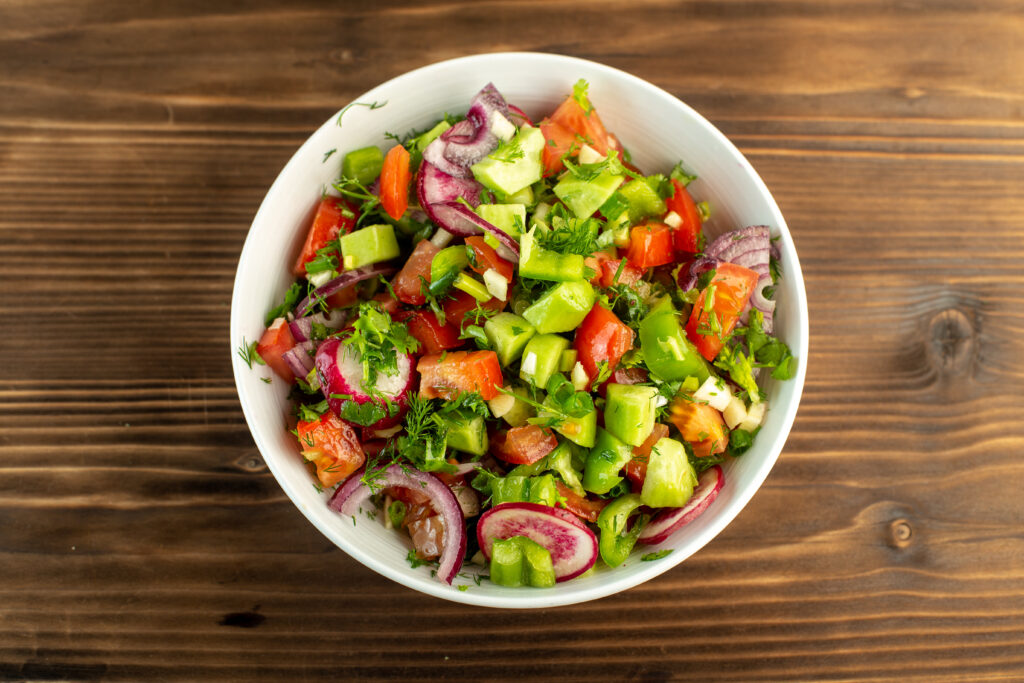
How to make Paneer Curd Vegetable Salad

🥗 Healthy Paneer Curd Vegetable Salad

Ingredients

  • Paneer (cottage cheese) – 100–150g, cut into small cubes
  • Curd (plain yogurt) – ½ cup (preferably low-fat or Greek yogurt)
  • Cucumber – 1 medium, diced
  • Tomato – 1 medium, diced
  • Carrot – 1 small, grated or julienned
  • Capsicum (bell pepper) – ½, chopped
  • Red onion – ½ small, thinly sliced (optional)
  • Coriander leaves – handful, chopped
  • Mint leaves – a few, chopped (optional)

🧂 For Dressing

  • Black salt / regular salt – to taste
  • Black pepper powder – ½ tsp
  • Roasted cumin powder – ½ tsp
  • Chaat masala – ½ tsp (optional)
  • Lemon juice – 1 tbsp
  • Olive oil – 1 tsp (optional for richness)
  • Green chili / chili flakes – to taste (optional)

🥣 Instructions

  1. Prep the paneer:
    • Lightly grill or sauté paneer cubes in a nonstick pan for 2–3 minutes if you prefer it slightly crispy. Or use raw for a softer texture.
  2. Mix vegetables:
    • In a large bowl, combine chopped cucumber, tomato, carrot, capsicum, onion, coriander, and mint.
  3. Add curd:
    • In a separate bowl, whisk the curd until smooth. Mix in the salt, pepper, cumin powder, chaat masala, lemon juice, and olive oil (if using).
  4. Combine all:
    • Add the paneer cubes and curd dressing to the vegetables. Mix gently so the paneer doesn’t crumble.
  5. Taste and chill:
    • Adjust seasoning. Refrigerate for 15–20 minutes for best flavor (optional).
  6. Serve:
    • Garnish with extra herbs or a sprinkle of chaat masala. Serve chilled.

🥦 Tips for Health Boost

  • Add boiled chickpeas or sprouts for extra protein and fiber.
  • Use hung curd or Greek yogurt for a thicker, creamier dressing.
  • Add a dash of flax seeds or chia seeds for omega-3s.

🍛 How to make One-Pot Black Eyed Peas Rice (Lobia Pulao) – 1 Serving

🕒 Ready in: ~30 minutes

🥄 Serves: 1

🌱 Vegetarian | Vegan-Friendly | High Protein | One Pot


✅ Ingredients:

  • ½ tsp oil or ghee
  • ¼ tsp cumin seeds
  • ¼ small onion, finely chopped
  • 1 small garlic clove, minced
  • ½ tsp grated ginger
  • 1 small green chili, slit or chopped (optional)
  • ¼ tsp turmeric powder
  • ¼ tsp garam masala (or curry powder)
  • Salt, to taste
  • ¼ cup dried black-eyed peas, soaked overnight (or ½ cup cooked)
  • ¼ cup basmati rice, rinsed
  • ¾ cup water
  • Chopped cilantro or mint, for garnish (optional)
  • Lemon juice, to taste (optional)

🔪 Instructions:

  1. (If using dried black-eyed peas)
    Pressure cook or boil the soaked peas in salted water until soft (about 2–3 whistles in a pressure cooker or 15–20 mins boiling). Drain and set aside.
  2. Sauté the base
    In a small pot or pan, heat the oil. Add cumin seeds, let them splutter.
    Add onions, sauté until golden.
    Add ginger, garlic, and green chili, and cook for 30–60 seconds.
  3. Add spices & mix
    Stir in turmeric, garam masala, and salt.
  4. Add rice & peas
    Add the rinsed rice and cooked black-eyed peas. Stir to coat everything in the spices.
  5. Add water & cook
    Pour in ¾ cup water. Bring to a boil, then reduce to low heat.
    Cover and cook for 12–15 minutes, or until rice is tender and water is absorbed.
  6. Fluff & finish
    Let it sit for 5 minutes. Fluff gently with a fork.
    Garnish with cilantro and a squeeze of lemon juice.

🍽️ Optional Add-ins:

  • Chopped tomato (add after sautéing onions)
  • Spinach or peas (stir in with rice)
  • Whole spices (1 clove, small bay leaf, or cinnamon for extra aroma)

How to make One Pot Quinoa with spinach

🌱 One-Pot Quinoa with Spinach and Chickpeas

🕒 Ready in: 30 minutes

🍽️ Serves: 4

🥦 Vegan | Gluten-Free | High-Protein


✅ Ingredients:

  • 1 tbsp olive oil
  • 1 small onion, finely chopped
  • 2-3 garlic cloves, minced
  • 1 tsp ground cumin
  • ½ tsp ground turmeric (optional, for color & anti-inflammatory benefits)
  • 1 cup quinoa, rinsed well
  • 1 can (15 oz) chickpeas, drained and rinsed
  • 2 cups fresh spinach (or more, to taste)
  • 2 ¼ cups vegetable broth (or water with bouillon)
  • Salt and pepper, to taste
  • Juice of ½ lemon (optional, for brightness)
  • Fresh herbs (like parsley or cilantro) for garnish (optional)

🔪 Instructions:

  1. Sauté aromatics
    In a large pot, heat the olive oil over medium heat. Add the chopped onion and cook for 3–4 minutes until soft. Add garlic, cumin, and turmeric. Stir for 1 minute until fragrant.
  2. Add quinoa & chickpeas
    Stir in the rinsed quinoa and chickpeas. Toast for 1–2 minutes to coat in the spices.
  3. Add broth & simmer
    Pour in the vegetable broth. Bring to a boil, then reduce heat to low. Cover and let simmer for 15 minutes, or until quinoa is cooked and liquid is absorbed.
  4. Add spinach
    Once the quinoa is done, stir in the fresh spinach. Cover the pot for 2–3 minutes to let it wilt, then stir again.
  5. Season & serve
    Add salt, pepper, and lemon juice to taste. Fluff with a fork. Garnish with fresh herbs if desired.

🍽️ Serving Ideas:

  • Serve on its own as a main dish.
  • Top with avocado slices or a spoon of hummus.

How to make Corn Mungdal Tikki

Healthy Corn Mung Dal Tikki Recipe

Ingredients:

  • 1/2 cup yellow mung dal (moong dal), soaked for 2-3 hours
  • 1/2 cup boiled corn kernels (fresh or frozen)
  • 1 small onion, finely chopped
  • 1 green chili, finely chopped (optional)
  • 1/4 cup coriander leaves, finely chopped
  • 1/2 tsp cumin seeds or cumin powder
  • 1/2 tsp grated ginger
  • 1/4 tsp turmeric powder
  • 1/2 tsp garam masala (optional)
  • Salt to taste
  • 1 tbsp whole wheat flour or besan (gram flour) — for binding
  • A little oil for shallow frying (or use a non-stick pan with minimal oil)

Instructions:

  1. Cook mung dal: Drain the soaked mung dal and pressure cook or boil it until soft but not mushy (about 2-3 whistles in a pressure cooker or 15-20 mins boiling).
  2. Mash dal: Once cooked, lightly mash the dal, leaving some texture.
  3. Mix ingredients: In a large bowl, combine the mashed mung dal, boiled corn kernels, chopped onion, green chili, coriander, cumin, ginger, turmeric, garam masala, and salt.
  4. Add binding agent: Add whole wheat flour or besan gradually, mixing well to form a dough-like mixture that can hold shape. If too wet, add a little more flour.
  5. Shape tikkis: Divide the mixture into small portions and shape into flat round tikkis (patties).
  6. Cook tikkis: Heat a non-stick pan with a little oil on medium heat. Shallow fry the tikkis until golden brown and crispy on both sides (about 3-4 minutes each side).
  7. Serve: Serve hot with green chutney or yogurt dip.

Tips:

  • You can add grated carrot or finely chopped spinach for extra nutrition.
  • Baking is also an option: Place tikkis on a baking tray, brush lightly with oil, and bake at 200°C (400°F) for 20-25 mins, flipping halfway.

Kuttu Cheela

🌿 Healthy Kuttu Cheela Recipe for Vrat

📝 Ingredients:

(Serves 2–3)

  • Kuttu ka atta (buckwheat flour) – 1 cup
  • Sendha namak (rock salt) – ½ tsp (as per taste)
  • Green chili (finely chopped) – 1 (optional)
  • Fresh coriander leaves (chopped) – 2 tbsp
  • Grated boiled potato – 1 small (optional for binding and softness)
  • Cumin seeds (jeera) – ½ tsp
  • Water – as needed to make a batter
  • Ghee or vrat-friendly oil – for cooking

✅ Optional Add-ins (if allowed in your vrat):

  • Grated lauki (bottle gourd)
  • Crushed peanuts or peanut flour (adds protein)
  • Grated ginger

👩‍🍳 Instructions:

  1. Prepare the Batter:
    • In a mixing bowl, combine kuttu atta, sendha namak, cumin seeds, green chili, grated potato, and coriander leaves.
    • Slowly add water to make a smooth, pourable batter (like dosa batter). Avoid lumps.
  2. Heat the Tawa:
    • Heat a non-stick or iron tawa and lightly grease it with ghee or oil.
  3. Cook the Cheela:
    • Pour a ladle of batter and spread gently in a circular motion.
    • Cook on medium heat. Drizzle ghee/oil around the edges.
    • Flip after 2–3 minutes or when the bottom is golden brown.
    • Cook the other side until crisp and cooked through.
  4. Serve Hot:
    • Serve with vrat chutney like:
      • Coconut chutney (without mustard seeds)
      • Mint-peanut chutney
      • Plain curd (dahi)

💡 Tips:

  • Let the batter rest for 10–15 minutes for better texture.
  • Add grated veggies (like lauki) for fiber and moisture.
  • Make small cheelas if the batter is delicate.

Singhara Chaat

🥗 Healthy Singhara Chaat (Falahari/Vrat Special)

Ingredients:

  • 1 cup fresh Singhara (water chestnuts) – peeled and chopped
    (or you can use boiled singhara if raw is not available)
  • 1 boiled potato – cubed (optional)
  • ½ cucumber – peeled and finely chopped
  • 1 small tomato – deseeded and chopped (optional if allowed during vrat)
  • 1 small green chili – finely chopped (optional)
  • 1 tsp lemon juice
  • 1 tbsp roasted peanuts – crushed (optional crunch)
  • 1 tsp sendha namak (rock salt)
  • ¼ tsp black pepper powder
  • 1 tbsp pomegranate seeds (optional but adds color and sweetness)
  • Few mint or coriander leaves – chopped (if allowed)

🥣 Instructions:

  1. Prep the Singhara:
    • If using raw singhara, peel and chop into small cubes.
    • If using boiled ones, boil for 5–7 minutes, then cool and chop.
  2. Mix the Chaat:
    • In a bowl, combine singhara, cucumber, tomato (if using), and boiled potato.
    • Add crushed peanuts, green chili, and pomegranate seeds.
  3. Season & Toss:
    • Sprinkle sendha namak, black pepper, and lemon juice.
    • Toss everything well.
  4. Garnish:
    • Add chopped mint or coriander leaves for freshness.
  5. Serve Immediately:
    • Best enjoyed fresh as a light meal or evening snack during Navratri.

🌟 Why It’s Healthy:

  • Singhara is low in calories and high in fiber.
  • Hydrating and cooling for the body.
  • Great balance of carbs (potato), protein (peanuts), and micronutrients.

Navratri Dhokla

🌼 Healthy Navratri Dhokla Recipe (Fasting/Vrat-Friendly)

Ingredients:

For the Batter:

  • 1 cup Samak Rice (Barnyard Millet) – washed and soaked for 2–3 hours
  • 2 tbsp Sabudana (Tapioca pearls) – soaked for 2–3 hours
  • ½ cup Curd (Dahi) – preferably fresh, not sour
  • 1 tsp Sendha Namak (rock salt)
  • 1 green chili (optional, for those who eat during fasting)
  • ½ inch ginger – grated
  • 1 tsp lemon juice or ½ tsp fruit salt (Eno)

For Tempering:

  • 1 tbsp Ghee or peanut oil (vrat-safe)
  • 1 tsp Cumin seeds (jeera)
  • 2 green chilies – slit (optional)
  • A few curry leaves (optional if allowed in your fasting tradition)

Garnish:

  • Fresh coriander leaves (if allowed)
  • Grated coconut (optional)

🥣 How to Make It:

1. Prepare the Batter:

  • Drain soaked samak rice and sabudana.
  • Grind them into a smooth paste using curd and a little water.
  • Transfer to a bowl, add ginger, green chili paste (optional), sendha namak, and lemon juice.
  • Let the batter rest for 15–20 mins for slight fermentation.
  • Just before steaming, add fruit salt (Eno). Mix gently in one direction until the batter turns light and frothy.

2. Steam the Dhokla:

  • Grease a dhokla plate or any shallow steaming dish.
  • Pour the batter immediately into the greased plate.
  • Steam for 15–20 minutes on medium heat or until a toothpick inserted comes out clean.
  • Let it cool slightly before cutting into pieces.

3. Tempering (Tadka):

  • Heat ghee or oil in a small pan.
  • Add cumin seeds, green chilies, and curry leaves.
  • Pour the tempering over the cut dhokla pieces.

4. Garnish & Serve:

  • Sprinkle fresh coriander or coconut if desired.
  • Serve warm with vrat-friendly chutney (like coconut or peanut chutney).

💡 Tips:

  • You can replace samak rice with rajgira flour or kuttu flour for variation.
  • Avoid hing, mustard seeds, or turmeric during fasting if not allowed.
  • Great for breakfast, snacks, or even light dinner during Navratri.

One Pot Veg Pasta

🌱 Healthy Indian-Style One Pot Pasta

🍝 Ingredients (2-3 servings):

Pasta & Base:

  • 1.5 cups whole wheat pasta (penne, fusilli, or macaroni)
  • 1 tbsp olive oil or ghee
  • 1 onion, finely chopped
  • 2-3 garlic cloves, minced
  • 1 tsp ginger, grated
  • 1-2 green chilies, chopped (adjust to taste)

Veggies (use any combo):

  • 1 carrot, chopped
  • ½ cup bell peppers (any color)
  • 1 tomato, finely chopped or ½ cup tomato puree
  • ½ cup green peas
  • 1 cup spinach or kale
  • ¼ cup corn (optional)

Spices:

  • ½ tsp turmeric
  • 1 tsp cumin seeds
  • ½ tsp red chili powder
  • 1 tsp garam masala
  • Salt to taste
  • Optional: ½ tsp coriander powder

Liquids:

  • 2.5 – 3 cups water or low-sodium vegetable broth
  • Juice of ½ lemon (for freshness)

Garnish:

  • Fresh cilantro, chopped
  • Optional: sprinkle of nutritional yeast or a little grated paneer

🍳 Instructions:

  1. Heat oil in a deep pan or pot. Add cumin seeds and let them sizzle.
  2. Add chopped onion, garlic, ginger, and green chilies. Sauté until translucent.
  3. Stir in tomatoes and cook until soft. Add turmeric, chili powder, garam masala, and salt.
  4. Add all chopped veggies. Sauté for 2-3 minutes.
  5. Add the dry pasta and pour in 2.5 to 3 cups of water or broth.
  6. Stir well, cover, and cook on medium heat, stirring occasionally so pasta doesn’t stick.
  7. Cook for 10-12 minutes (or per pasta package instructions) until pasta is al dente and liquid is mostly absorbed.
  8. Stir in spinach and lemon juice in the last 2 minutes. Let wilt.
  9. Taste and adjust salt/spices. Garnish with cilantro.

🥄 Tips for Extra Nutrition:

  • Add chickpeas or tofu for protein.
  • Use millet or lentil pasta for a gluten-free option.
  • Add 1 tbsp nut butter or coconut milk for creamy texture (optional).

Egg Hakka Noodles

🍳 Indian-Style Healthy Egg Hakka Noodles

🍜 Ingredients (Serves 2)

Noodles:

  • 150g whole wheat or millet-based noodles (or regular Hakka noodles)
  • Water + salt (for boiling)

Eggs:

  • 2 large eggs
  • Pinch of turmeric
  • Salt & pepper to taste

Veggies:

  • ½ cup carrots, julienned
  • ½ cup capsicum (green bell pepper), sliced
  • ½ cup cabbage, shredded
  • ¼ cup spring onions (whites and greens separated)
  • 1 small onion, sliced
  • 2 garlic cloves, finely chopped
  • 1-inch ginger, grated
  • 1 green chili, finely chopped (optional)

Sauces & Spices:

  • 1 tbsp low-sodium soy sauce
  • 1 tsp green chili sauce (optional or homemade)
  • 1 tsp vinegar (white or apple cider)
  • ¼ tsp garam masala or chaat masala (Indian twist!)
  • ½ tsp red chili powder or Kashmiri chili powder (for color, not heat)
  • Salt to taste
  • Black pepper to taste

Oil:

  • 1.5 tbsp oil (cold-pressed mustard, sesame, or groundnut oil)

👩‍🍳 Instructions

1. Boil the Noodles

  • Cook noodles as per package instructions in salted boiling water.
  • Drain, rinse with cold water, and toss with a few drops of oil to prevent sticking.

2. Scramble the Eggs (Indian Style)

  • Beat eggs with turmeric, salt, and black pepper.
  • Heat ½ tbsp oil in a pan, scramble the eggs on medium flame. Set aside.

3. Sauté the Veggies

  • In a large wok or kadhai, heat 1 tbsp oil.
  • Add garlic, ginger, and green chili. Sauté for 30 seconds.
  • Add onion and spring onion whites. Sauté until slightly soft.
  • Toss in carrots, capsicum, and cabbage. Stir-fry on high heat for 2–3 minutes. Veggies should stay crunchy.

4. Add Sauces & Spices

  • Add soy sauce, chili sauce (if using), vinegar, garam masala, red chili powder, black pepper, and salt.
  • Mix well and cook for 1 minute.

5. Combine Everything

  • Add cooked noodles and scrambled eggs to the wok.
  • Toss well on high heat for 2 minutes until everything is well coated and hot.

6. Finish & Serve

  • Garnish with spring onion greens.
  • Optionally, squeeze a bit of lemon juice or sprinkle some chaat masala before serving.

🌱 Tips to Keep It Healthy

  • Use millet noodles (like ragi, jowar, or quinoa-based).
  • Add more Indian veggies: beans, spinach, or even beetroot

🙏 Vrat Special Makhana Sabji (Phool Makhana Curry)

⏱️ Ready in: 20–25 mins

🍽️ Serves: 2

🌿 Satvik | No onion, no garlic | Fasting-Approved


🧺 Ingredients:

  • 1 cup phool makhana (fox nuts)
  • 1 medium potato, peeled and cubed (optional)
  • 1 medium tomato, pureed (optional, use only if your fasting rules allow)
  • 1/2 cup fresh curd (yogurt) – whisked
  • 1–2 green chilies, chopped (optional)
  • 1/2 tsp grated ginger
  • 1 tsp cumin seeds (jeera)
  • 1/2 tsp black pepper powder
  • 1/2 tsp sendha namak (rock salt) – or to taste
  • 1 tbsp ghee or peanut oil – as per vrat

🍳 Instructions:

  1. Dry roast makhana
    Heat 1 tsp ghee in a pan and dry roast the makhana on low flame for 4–5 minutes until crispy. Set aside.
  2. (Optional) Cook potatoes
    In the same pan, add a little more ghee and sauté cubed potatoes with a pinch of sendha namak. Cover and cook until tender.
  3. Prepare the gravy
    • In the pan, heat 1 tsp ghee.
    • Add cumin seeds. Let them splutter.
    • Add ginger and green chili. Sauté briefly.
    • (If using tomato) Add tomato puree and cook till ghee separates.
    • Lower flame and add whisked curd slowly, stirring continuously to prevent curdling.
    • Add sendha namak and black pepper.
  4. Combine & cook
    • Add roasted makhana (and cooked potatoes if using) to the gravy.
    • Mix well and simmer for 5–7 minutes on low heat until makhana soaks up the flavor.
  5. Garnish & serve
    Garnish with fresh coriander leaves (if allowed) and serve hot with kuttu roti, rajgira puri, or samak rice.

📝 Tips:

  • For richer taste, add 1 tbsp of crushed roasted peanuts to the gravy.
  • For creamier texture, add a spoon of grated paneer or a little vrat-approved cream.
https://fitpiq.com/wp-admin/post.php?post=11576&action=edit