Skip to content
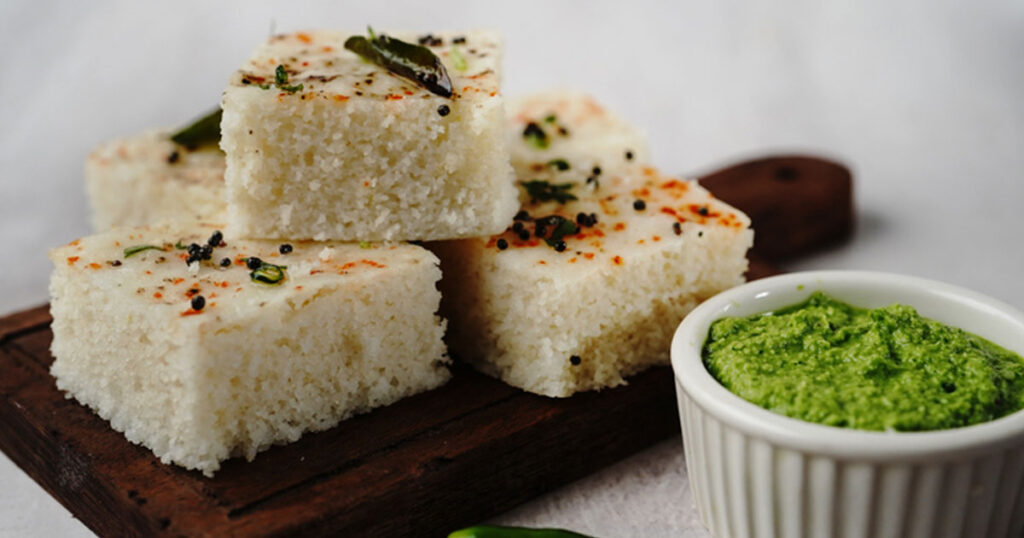
🧀🍥 Paneer Dhokla (Steamed, Soft & Healing-Friendly)
✅ Ideal for: Light breakfast, evening snack, or mini-meal
🥄 Ingredients:
For the dhokla base:
1/2 cup besan (gram flour) 2 tbsp crumbled paneer (fresh, soft, unsalted)1/4 cup curd (yogurt) – slightly sour is fine1/4 cup water (adjust as needed)1/4 tsp turmeric powder Salt to taste 1/2 tsp eno fruit salt (or 1/4 tsp baking soda)
Optional tempering (skip if avoiding oil):
1 tsp oil or ghee 1/2 tsp mustard seeds 5–6 curry leaves 1 tsp chopped coriander (optional)
👩🍳 Instructions:
1. Prepare the batter:
In a mixing bowl, whisk together besan, curd, water, turmeric , and salt .
Add the crumbled paneer and mix well. The batter should be smooth and slightly thick — like idli batter.
Rest for 10 minutes (optional for fluffiness).
2. Add leavening:
Just before steaming, add Eno fruit salt and mix gently. The batter will rise immediately.
3. Steam:
Pour the batter into a greased dhokla plate or a small thali.
Steam for 12–15 minutes on medium heat.
Check with a toothpick — it should come out clean.
4. Cool and cut:
Let it cool for a few minutes, then cut into squares or diamonds.
5. Tempering (optional):
Heat 1 tsp oil or ghee. Add mustard seeds, let them splutter.
Add curry leaves, then pour this tempering over the dhokla.
Garnish with coriander if you like.
🩺 Why It’s Great for Recovery:
Steamed, not fried Paneer adds protein for healingCurd and besan aid digestionSoft texture — easy to chew and digestNo chili, minimal oil — gut-friendly
✅ Variations:
Add grated carrots or zucchini to the batter for extra nutrients
Skip tempering and serve plain with mint curd chutney (no chili)
Use low-fat paneer or even mashed tofu if preferred
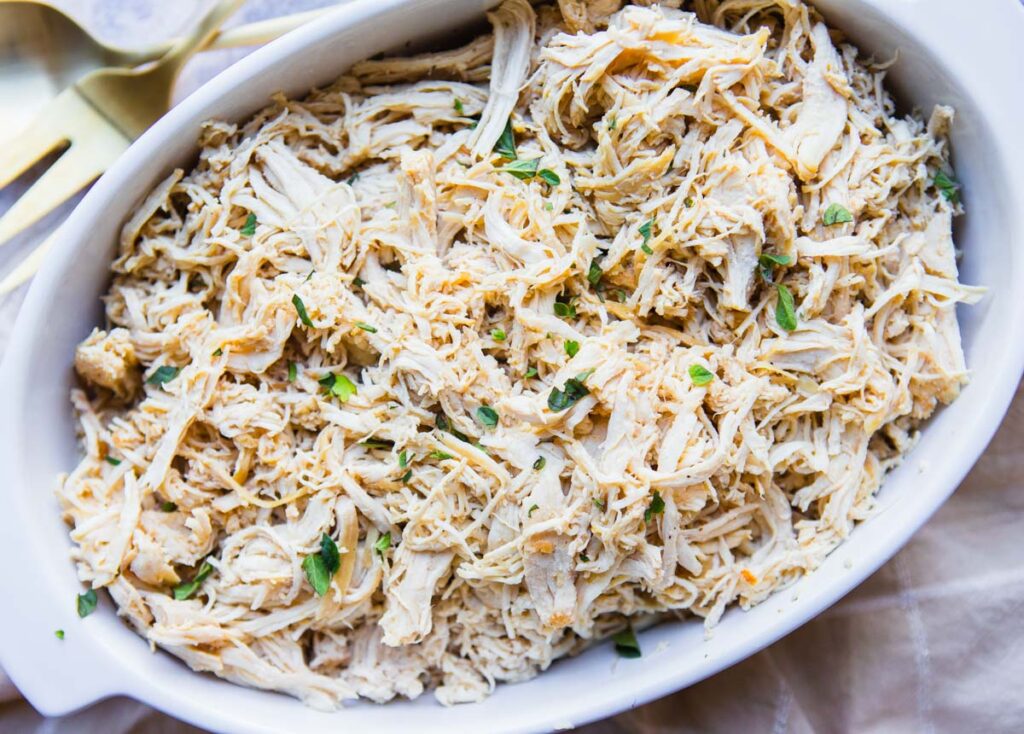
🍗🌾 Shredded Chicken Dalia (Healing One-Pot Meal)
✅ Great for: Light lunch/dinner, post-surgery diet
🥄 Ingredients:
1/2 cup dalia (broken wheat/bulgar wheat) – washed and drained1/2 cup cooked, shredded boneless chicken 1 small carrot , finely chopped1 small zucchini or bottle gourd (lauki) , finely chopped (optional)1 tsp grated ginger 1/4 tsp turmeric powder 1/2 tsp cumin seeds 1 tsp ghee or light oil Salt , to taste3 cups water or light chicken broth Optional: few curry leaves or coriander for flavor
🔥 Instructions:
Cook the chicken (if not already):
Boil or pressure cook boneless chicken with a pinch of salt and turmeric.
Once cooked, shred it into small pieces using a fork.
Prepare the base:
In a pressure cooker or thick-bottomed pot, heat ghee.
Add cumin seeds (and curry leaves if using), sauté for a few seconds.
Add grated ginger and chopped veggies. Sauté lightly (don’t brown).
Add dalia and cook:
Add washed dalia and turmeric. Stir for 1–2 mins.
Pour in 3 cups water or broth.
Add salt to taste.
Pressure cook or simmer:
Pressure cooker : Cook for 2–3 whistles.Open pot : Cover and simmer for ~25–30 minutes, stirring occasionally, until soft and porridge-like.
Add shredded chicken:
Once dalia is cooked, stir in shredded chicken.
Simmer for 3–5 more minutes so flavors combine.
Serve warm:
Add chopped coriander (optional) and serve warm as a complete meal.
🩺 Why This is Perfect Post-Surgery:
Dalia (broken wheat) : Slow-digesting carbs, fiber, ironChicken : Lean protein, supports tissue repairVeggies : Gentle vitamins & mineralsMild spices : Help digestion without irritating the gut
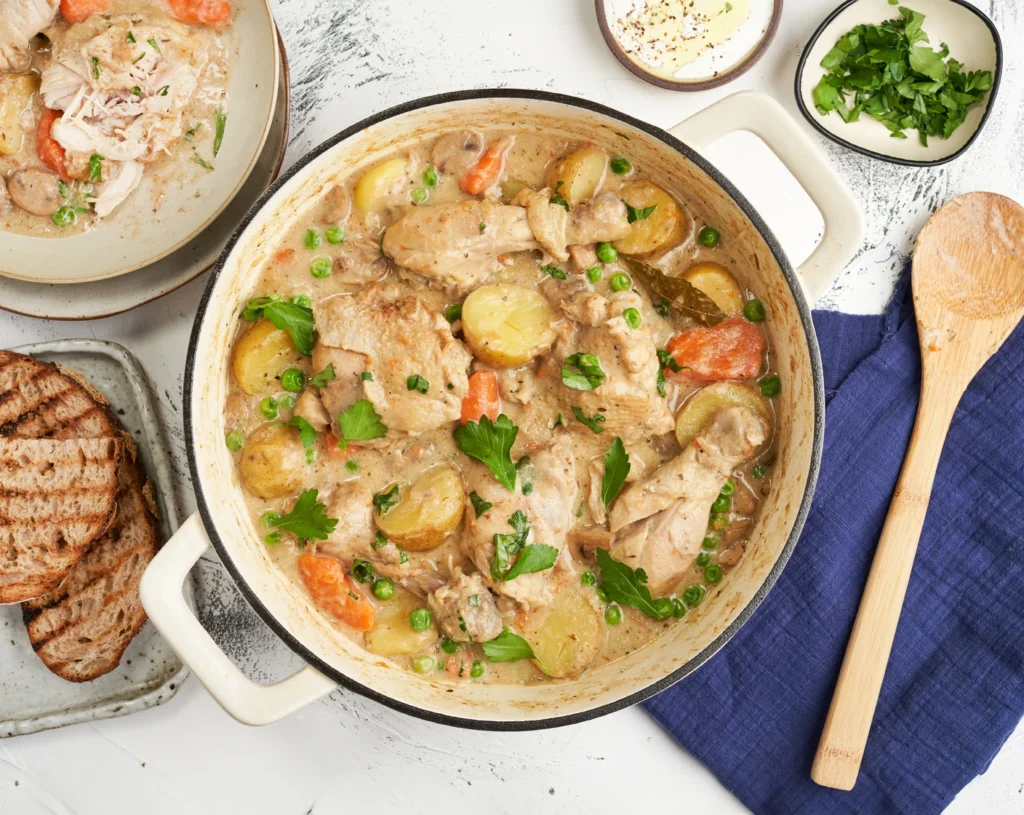
🍲 Light Chicken Stew (Indian Style )
✅ Ideal for: Light meals, comforting lunch/dinner
🥄 Ingredients:
250g boneless chicken pieces (preferably thigh or breast, cut into small pieces)1 cup carrots , chopped small1 cup potatoes , peeled and diced small1/2 cup green beans or peas (optional)1 small onion , finely chopped (optional, or skip if sensitive)1 tsp ginger paste or grated ginger 1 green chili, slit (optional, can omit for no spice)1/2 tsp black pepper powder (optional, mild)1/2 tsp turmeric powder 1 tsp coconut oil or light cooking oil 4 cups water or chicken broth Salt to taste A few curry leaves (optional)Fresh coriander leaves for garnish
🔥 Instructions:
Heat oil:
In a large pot, heat coconut oil on medium heat.
Add onions (if using), ginger, and green chili.
Sauté until onions soften (skip onions if you want it very mild).
Add chicken and spices:
Add chicken pieces, turmeric, and black pepper.
Sauté for 3–4 minutes until chicken changes color.
Add vegetables:
Add chopped carrots, potatoes, and beans/peas.
Stir gently to combine.
Add water/broth and simmer:
Pour in water or chicken broth.
Add salt and curry leaves.
Bring to a boil, then reduce heat to low.
Cover and simmer for 20–25 minutes, until chicken is tender and veggies are cooked through.
Adjust seasoning:
Taste and adjust salt.
If you want, remove chili and curry leaves before serving.
Garnish and serve:
Garnish with fresh coriander.
Serve warm with soft rice, idli, or plain bread.
🩺 Why it’s great for recovery:
Tender chicken = easily digestible proteinSoft cooked veggies = vitamins + mineralsMinimal oil and spices = gentle on stomachHydrating broth = helps healing and hydration
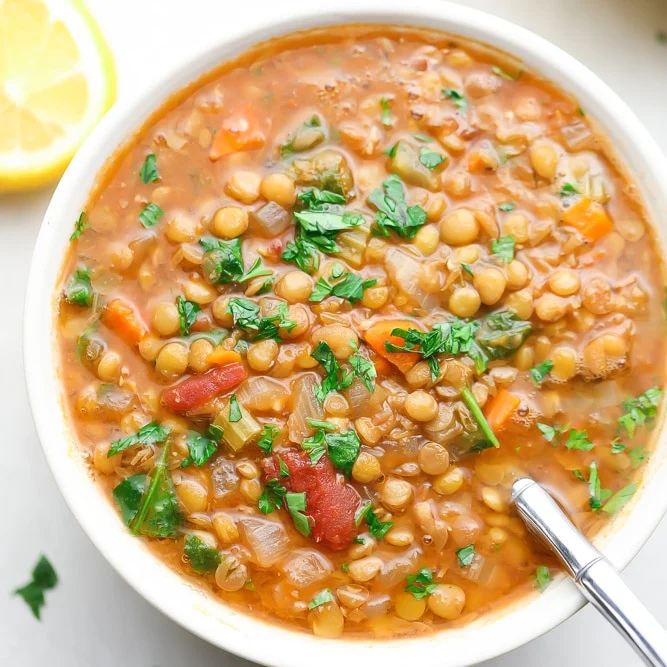
🥣 Vegetable and Lentil Stew (Indian-Style)
✅ Great for: Light lunch or dinner
🥄 Ingredients:
1/2 cup moong dal (yellow split lentils) or masoor dal (red lentils) — washed2 cups chopped soft vegetables , such as:
Carrot
Bottle gourd (lauki)
Pumpkin
Zucchini
Spinach (optional)
1 small tomato (optional — for a mild tang)1/2 tsp grated ginger 1/4 tsp turmeric powder 1/2 tsp cumin seeds A pinch of asafoetida (hing) – optional1 tsp ghee or coconut oil Salt , to taste2.5 to 3 cups water (adjust for consistency)Fresh coriander , chopped (optional)
🔥 Instructions:
Cook dal and vegetables together:
In a pressure cooker or pot, add washed dal, chopped vegetables, turmeric, tomato (if using), and 2.5–3 cups water.
Cook until the dal is soft and vegetables are tender.
Pressure cooker: ~2–3 whistles
Pot: ~25 minutes simmering
Mash or blend slightly (optional):
For a smoother texture, lightly mash with a ladle or blend briefly using a hand blender. This is ideal if chewing is an issue post-surgery.
Prepare mild tempering:
In a small pan, heat 1 tsp ghee or coconut oil.
Add cumin seeds, let them splutter.
Add grated ginger and hing (if using), sauté for a few seconds.
Combine:
Pour the tempering into the dal-vegetable mix.
Add salt to taste and simmer for 2–3 minutes more.
Serve:
Garnish with coriander if desired.
Serve warm as a soup or over soft rice.
🩺 Why It’s Ideal for Recovery:
Moong or masoor dal = light and easy-to-digest proteinCooked veggies = fiber, vitamins, and mineralsMild spices = anti-inflammatory and digestion-friendlySoft texture = easy on healing gut
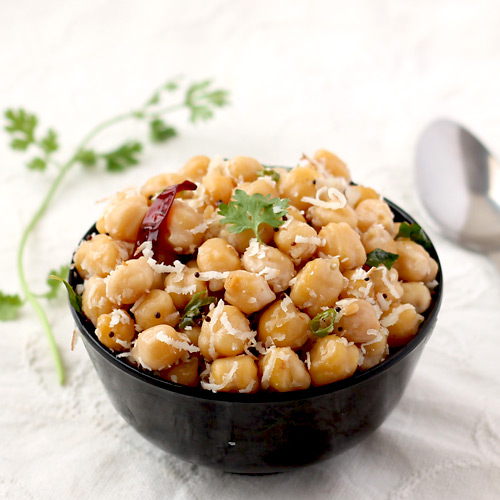
🫘 Chickpea Sundal (Light, No-Spice Healing Version)
🥄 Ingredients:
1 cup white chickpeas (kabuli chana) – soaked overnight & boiled until soft1 tsp coconut oil or ghee 1/2 tsp mustard seeds 1 tsp urad dal (optional – can skip if digestion is weak)6–8 curry leaves (optional but aromatic)1 tbsp grated fresh coconut (adds flavor and healthy fats)A pinch of asafoetida (hing) – optional, helps reduce gasSalt to taste
🔥 Instructions:
Cook the chickpeas:
Soak overnight or for at least 6–8 hours.
Pressure cook or boil until soft but not mushy. Drain excess water.
Prepare tempering:
Heat coconut oil or ghee in a pan.
Add mustard seeds and let them splutter.
(Optional) Add urad dal and curry leaves.
Add a pinch of hing if using.
Add chickpeas:
Add the cooked chickpeas to the pan and mix well.
Add salt to taste.
Stir for 1–2 minutes to let flavors combine.
Finish:
Turn off the heat and add grated coconut.
Mix gently and serve warm.
🩺 Why It’s Great Post-Surgery:
Chickpeas = great plant-based protein and fiber.No chili, garlic, or onion = easy on the gut.Coconut = adds healthy fats and flavor.Minimal oil, no frying = digestion-friendly.
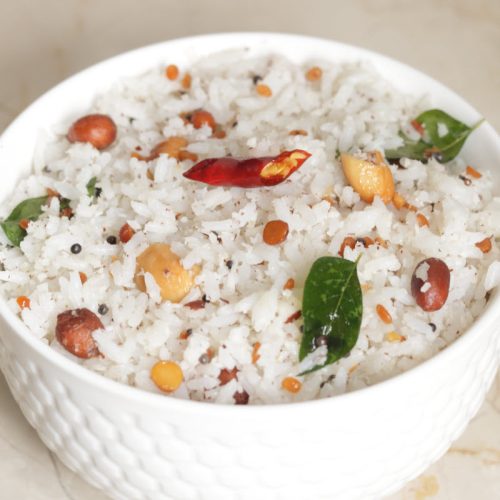
🥥 Coconut Rice (Light, Indian Style, No Spice)
🥄 Ingredients:
1 cup cooked rice (preferably short-grain or basmati)1/3 cup freshly grated coconut (or unsweetened desiccated coconut)1 tsp coconut oil (or regular ghee)1/2 tsp mustard seeds 5–6 curry leaves (optional but aromatic)1 tsp urad dal (split black gram) – optional for texture1–2 tbsp chopped fresh coriander (optional)Salt to tasteOptional: A pinch of asafoetida (hing) for digestion
🔥 Instructions:
Prepare the rice:
Cook rice until soft but not mushy. Let it cool slightly so it doesn’t break when mixing.
Prepare the tempering:
Heat coconut oil or ghee in a small pan.
Add mustard seeds and let them splutter.
Add curry leaves and urad dal (if using); sauté until lightly golden.
(Optional: Add a pinch of hing for digestive aid.)
Mix in coconut:
Lower the heat and add the grated coconut.
Sauté for 30–60 seconds just to warm it slightly (don’t brown it).
Combine:
Add the tempering + coconut mix to the cooked rice.
Sprinkle salt to taste.
Gently mix everything to coat the rice evenly.
Garnish with fresh coriander if using.
🥣 Serving Suggestions:
Pair with plain curd , boiled moong dal , or mild vegetable stew .
For protein, add a few pieces of soft boiled egg or steamed chicken on the side.
✅ Post-Surgery Benefits:
Coconut : Rich in healthy fats, aids healing, supports digestion.Rice : Easily digestible carb for energy.No chili, no onion, no heavy spices — perfect for recovery.
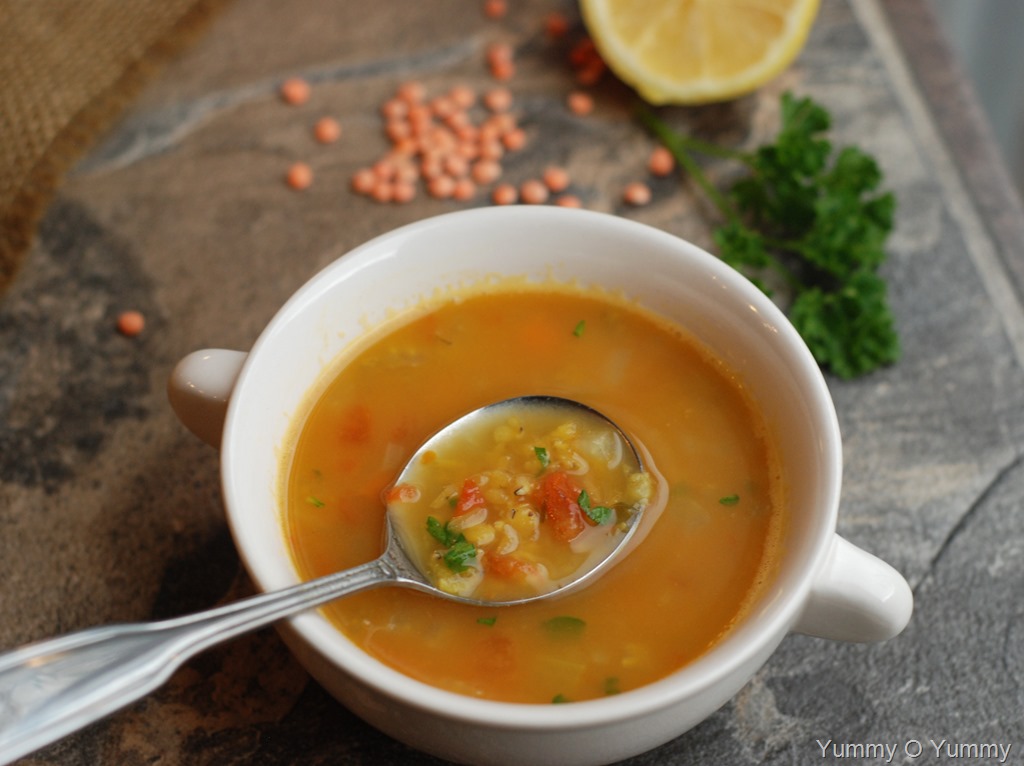
🥣 Masoor Dal Soup
✅ Serves: 2
⏱ Prep + Cook Time: 25–30 minutes
🥄 Texture: Smooth or slightly chunky (your choice)
🧄 Ingredients:
1/2 cup masoor dal (red lentils) – rinsed well1 small tomato – chopped (optional, adds mild tang)1 clove garlic – minced (optional, aids digestion)1/4 tsp turmeric powder 1/2 tsp cumin seeds (jeera)A pinch of asafoetida (hing) – optional, helps with bloating1 tsp ghee or very light oil Salt – to taste2–3 cups water Fresh coriander (cilantro) – for garnish (optional)
🔥 Instructions:
Pressure cook or boil the dal:
In a pressure cooker or pot, add washed masoor dal, turmeric, tomato (if using), and 2 cups water.
Cook until soft (2–3 whistles in a pressure cooker or ~20 minutes in a pot).
Mash or blend:
Once cooled, mash the dal with a spoon or blend it for a smooth texture (optional, depending on how soft you want it).
Temper the soup:
In a small pan, heat 1 tsp ghee.
Add cumin seeds and let them crackle.
Add garlic (if using) and sauté lightly until golden.
Add a pinch of hing.
Combine:
Pour the tempering into the cooked dal.
Add salt to taste.
Adjust consistency with more water if needed.
Simmer for 2–3 minutes to bring it all together.
Serve:
Garnish with a bit of fresh coriander (if desired).
Serve warm — you can sip it like soup or pair it with soft rice or toast.
💡 Tips for Recovery:
Add a few drops of lemon juice only if tolerated (after 1–2 weeks post-surgery).
Skip chili entirely to keep it gut-friendly.
You can add carrot or bottle gourd for extra nutrients if needed.
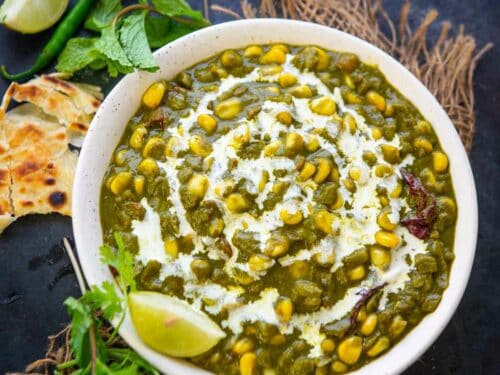
🌿 Healthy Spinach Corn Curry (Palak Corn Curry)
🥘 Ingredients
For the spinach puree:
3 cups fresh spinach leaves (washed & chopped)
1 green chili (adjust to spice level)
1-inch piece of ginger
2 cloves garlic
Water (for blanching)
For the curry:
1 tsp olive oil / coconut oil / ghee
1 tsp cumin seeds
1 medium onion (finely chopped)
1 medium tomato (finely chopped or pureed)
1/2 tsp turmeric powder
1/2 tsp red chili powder
1/2 tsp coriander powder
Salt to taste
1 cup boiled sweet corn kernels (frozen or fresh)
2 tbsp low-fat cream or cashew paste (for vegan)
Water as needed
Fresh lemon juice (optional)
Fresh coriander leaves (for garnish)
👩🏽🍳 Instructions
1. Blanch and Puree Spinach
Boil water in a pot. Add spinach leaves and blanch for 1-2 minutes.
Drain and immediately transfer to cold water (to retain the green color).
Blend spinach with green chili, ginger, and garlic to a smooth paste. Set aside.
2. Make the Curry Base
In a pan, heat 1 tsp oil. Add cumin seeds and let them splutter.
Add chopped onions. Sauté until light golden.
Add chopped tomatoes and cook until soft and oil starts to separate (you can cover it to cook faster).
Add turmeric, red chili, coriander powder, and salt. Mix well.
3. Add Spinach & Corn
Add the spinach puree. Cook on medium heat for 4-5 minutes.
Add boiled corn and mix well. Add water to adjust consistency.
Simmer for another 5-7 minutes.
4. Finish with Cream (Optional)
Stir in low-fat cream or cashew paste. Mix and cook for another 1-2 minutes.
Turn off the heat. Squeeze in a bit of lemon juice for freshness (optional).
5. Garnish & Serve
Garnish with coriander leaves.
Serve hot with roti, brown rice, quinoa , or millet roti for a wholesome meal.
💡 Tips for Health Boost
Use low-oil or no-oil sautéing by using a non-stick pan and a splash of water.
Add more veggies like bell peppers or peas for fiber.
Swap cream for blended silken tofu or soaked cashews to make it richer without dairy.
Use baby spinach for milder taste and easier prep.
🕒 Ready in: ~30 minutes
🥄 Serves: 1
🌱 Vegetarian | Vegan-Friendly | High Protein | One Pot
✅ Ingredients:
½ tsp oil or ghee ¼ tsp cumin seeds ¼ small onion , finely chopped1 small garlic clove , minced½ tsp grated ginger 1 small green chili , slit or chopped (optional)¼ tsp turmeric powder ¼ tsp garam masala (or curry powder)Salt , to taste¼ cup dried black-eyed peas , soaked overnight (or ½ cup cooked )¼ cup basmati rice , rinsed¾ cup water Chopped cilantro or mint, for garnish (optional)Lemon juice , to taste (optional)
🔪 Instructions:
(If using dried black-eyed peas) soaked peas in salted water until soft (about 2–3 whistles in a pressure cooker or 15–20 mins boiling). Drain and set aside.Sauté the base cumin seeds , let them splutter.onions , sauté until golden.ginger, garlic, and green chili , and cook for 30–60 seconds.Add spices & mix turmeric , garam masala , and salt .Add rice & peas rinsed rice and cooked black-eyed peas . Stir to coat everything in the spices.Add water & cook ¾ cup water . Bring to a boil, then reduce to low heat.12–15 minutes , or until rice is tender and water is absorbed.Fluff & finish cilantro and a squeeze of lemon juice .
🍽️ Optional Add-ins:
Chopped tomato (add after sautéing onions)Spinach or peas (stir in with rice)Whole spices (1 clove, small bay leaf, or cinnamon for extra aroma)
🌱 One-Pot Quinoa with Spinach and Chickpeas
🕒 Ready in: 30 minutes
🍽️ Serves: 4
🥦 Vegan | Gluten-Free | High-Protein
✅ Ingredients:
1 tbsp olive oil 1 small onion , finely chopped2-3 garlic cloves , minced1 tsp ground cumin ½ tsp ground turmeric (optional, for color & anti-inflammatory benefits)1 cup quinoa , rinsed well1 can (15 oz) chickpeas , drained and rinsed2 cups fresh spinach (or more, to taste)2 ¼ cups vegetable broth (or water with bouillon)Salt and pepper , to tasteJuice of ½ lemon (optional, for brightness)Fresh herbs (like parsley or cilantro) for garnish (optional)
🔪 Instructions:
Sauté aromatics Add quinoa & chickpeas Add broth & simmer 15 minutes , or until quinoa is cooked and liquid is absorbed.Add spinach Season & serve
🍽️ Serving Ideas:
Serve on its own as a main dish.
Top with avocado slices or a spoon of hummus.