Health Tips

General health tips include tips to keep healthy & lose weight.

What is a healthy life? A life where you have no disease condition or a life where your body is doing physically good,

or a life where your mind is at peace or a life where you have a social circle and well-being?


Well to answer this question, you should analyze your life and think about what actually health is.


Health as defined by WHO as a state of complete physical, mental and social well-being and not merely the absence of disease or infirmity.

So that means, health is not only just being free of a disease condition, but in order to be healthy, one must be sound physically, mentally, and socially.


Health tips not only include what one should eat and not to eat, but it also includes the practice to attain a complete state of health.


If you are doing well physically and mentally but not consuming the required amount of nutrition that your body requires,

you will not be able to achieve your health goal to the fullest. Physical activity, mental health, social well-being, and dietary habits go hand in hand to live a healthy life.


Health tips will provide you with an outlook of how you can be healthy by putting in just a few efforts and making your health a priority.


Because if your body is in a state of health, you will be in a state of overall well-being. So choose yourself and your health over anything else!


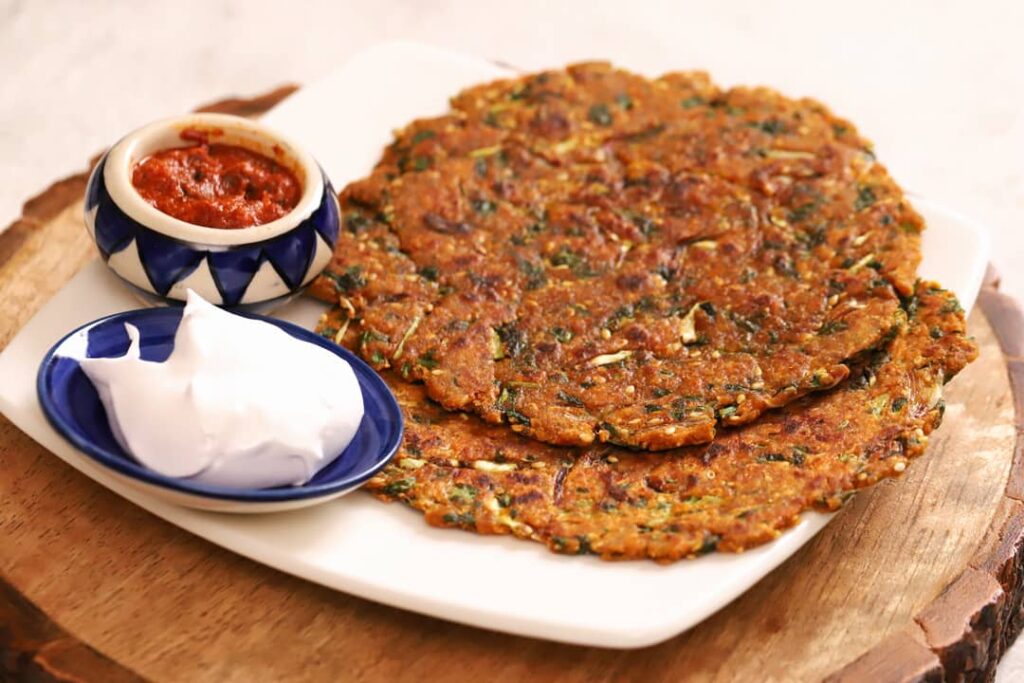
HYDERABADI SPOT IDLI

Different, soft, quick and easy hyderabadi spot idlis recipe:

Hyderabadi spot idli is very popular street food in Hyderabad and this spot idlis are different from regular ones .They are not steamed but cooked in frying pan with yummy delicious south indian  masalas.

And originally this is done with rice and urad dal batter but can use sooji /rawa for more crispiness and spicy and this is also a good /healthy breakfast .

Basically the unique idli recipe is without a mould and takes no time to make. 

PREP: 25 min

CUISINE: South Indian

SERVINGS: 4      

COOK TIME: 10 min

HEALTH BENEFITS OF HYDERABADI SPOT IDLI

Idli is fermented food and fermentation increases bio-availability as well as minerals ,proteins, vitamin B .

Overall ,Idli packs a good punch of protein .

INGREDIENTS

  • 1 tsp oil
  • 2 tsp butter 
  • 1 small chopped onion
  • 2-3 cloves of garlic
  • 1 green chilli 
  • ½ tsp grated ginger
  • 1 chopped tomato
  • 1 tsp red chilli powder 
  • salt( as needed)
  • 1teaspoon karam podi masala
  • 30 gms chopped coriander
  • 1 cup idli batter 

METHOD

  1. Firstly, take a pan, pour oil and also sauté onion, garlic, green chilli and ginger.
  2. Now, simultaneously add chopped tomato with salt ,red chilli powder and karam podi masala accordingly.
  3. Now, cook shortly until tomato get mushy.
  4. Then, afterwards add idli batter over it and cook for 6 min and flip it and cover the other side also with batter and cook it again once
  5. Finally, serve , hot and garnish with coriander

ADVICE 

  • Occasionally, You can serve coconut chutney and fresh fresh whisked yogurt also.
  • Don’t fry for longer time, otherwise it will get dry.
  • Rather you can use black pepper powder for garnishing

NUTRITIONAL VALUES  

Protiens2gms
Dietary fibre2gms
carbs8gms 
And other vitamins and mineral supplements  
  • This soft puff of rice is a healthy treat due to its lightness and its nutritional content , those who are struggling to maintain weight ,a switch to fermented food like idli can help you avoid unnecessary calories .

For more recipes: Click here

If you are facing issues in dropping your weight, please take this free-body type assessment: Click here

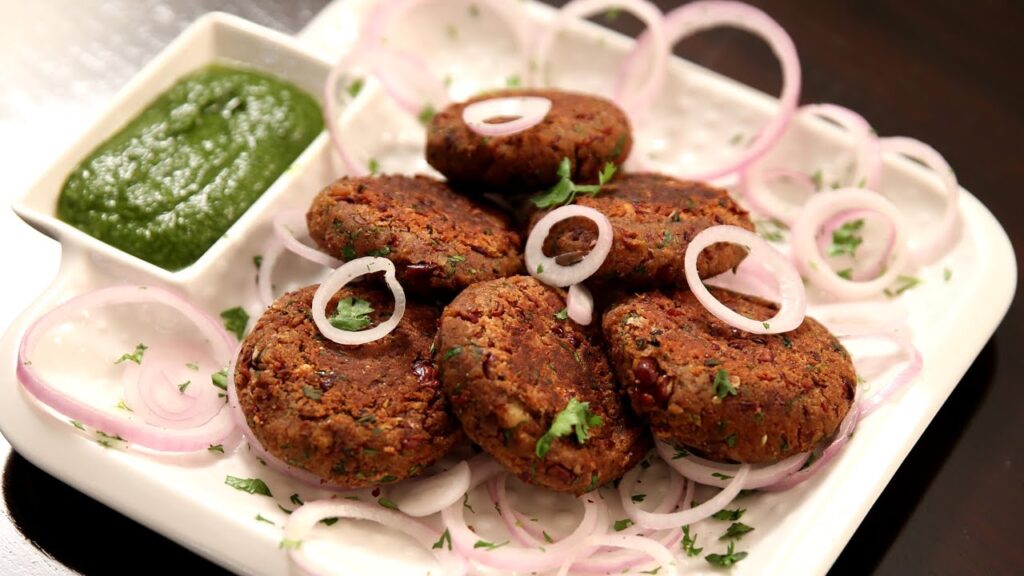
mushroom galouti kebab

Vegetarian galouti kebab recipe with tasty mushrooms:

PREP:  45 Minutes                                                                                                SERVINGS:     2

Mushroom Galouti kebab is a dish which is made by mushrooms.

It is very delicious and tasty and basically it serve as a snack.

This Versatile mushroom becomes an enjoyable Indian snack With this dish one that you should keep packets of in freezers for days and can use it when in hurry !

And significantly , if you wanna loose weight then this dish really helps you out with its yummy tasty nutritious taste.

As it contains lots of fiber, proteins and high amount of vitamins.

BENEFITS OF MUSHROOMS :

  • They’re fat-free
  • Low-sodium, low-calorie
  • Cholesterol-free.
  • They’re also packed with fiber, vitamins, and minerals As well as Mushrooms are equally earthy and hearty.

Ingredients for mushroom galouti kebab

  • Quantity- 500gms,kept whole and cleaned
  • 1 tsp -oil
  • 3 tsp-ghee
  • 2 tsp-cumin seeds
  • ½ cup- almonds
  • ½ cup-cashews 
  • ½ cup-raisins
  • 2- chopped onions
  • 1-2 teaspoon-salt
  • 1-tsp-green chili and ginger paste 
  • 1 tsp – garam masala

Method for making mushroom galouti kebab

  1. Firstly , roast chopped almonds, cashews  until get brownish and grind
  2. Secondly, cut mushrooms into small pieces
  3. Then In hot pan, add 1 tsp ghee add cumin seeds  and chopped onions 
  4. Now add ,1 tsp green chili and ginger paste and sauté it till raw flavor disappears
  5. Add, chopped mushrooms and sauté it until all water get evaporated 
  6. Also add 1 tsp garam masala powder to it and again sauté 
  7. Finally switch the flame and blend it into paste 
  8. Afterwards, Grease your hands and make small balls with paste 
  9. Now lastly ,heat the pan by adding oil and place the kebab balls in it and fry them both sides 
  10. Finally , serve it in a plate with green chili -coconut chutney 

NUTRITIONAL VALUES:

Calories– 250 kcal Fats– 20 gmsCholesterol – 0.48
Protein– 13 gmsFiber– 2gmsCarbs-2gms 

ADVANTAGES:

  •  They are a good source of dietary fibre , VIT.D, selenium and antioxidants.
  • As well as It can boost immunity .
  • Therefore calories are on the low end 
  • Reduces bad cholesterol therefore maintain healthy heart
  • Healthy in workout timings to have filling dish 
  • For those who are vegetarian ,following ketogenic diet or low carb diet  ,these kebabs make absolutely best treat 

For more recipes: Click here

If you have issues in dropping your weight, please take this free-body type assessment: Click here

FROZEN YOGURT BARK

Frozen yogurt bark recipe:

This yogurt bark is very easy and simple and quick to make

It is so delicious, and full of nutrition ,looks so colorful  and yummy dessert and very healthiest to have in summers,

Also, It offers several important nutrients including protein and calcium. 

And, due to its lower fat content, it is suitable for ketogenic diet.

In addition,granula is high in vitamin E, as including protecting your skin from premature aging, sunburn, and wrinkles. 

Also, contains plant-based protein and other protein-rich ingredients, such as oats, seeds, and puffed rice.

If you take 100g of granula, it carries 12g of protein, more than two whole eggs.

Significantly, it is a filling and nutritious cereal and Currently, it is a versatile breakfast or snack food.

As well as ,granola contains a significant amount of iron, which helps to alleviate many of the symptoms of anemia. 

Despites this yogurt bark easy to prepare and as well as more attractive in looks !

PREP: 2 hrs. 

CATEGORY:   Dessert or breakfast 

Ingredients for frozen yogurt bark :

  • 4 cups whole-milk plain thick yogurt
  • ¼ cup pure maple syrup or honey
  • 1 teaspoon vanilla extract
  • 1 ½ cups sliced strawberries
  • 1 ½ cup granula 

Method

  • Firstly, line a rimmed baking sheet with parchment paper.
  • Secondly, stir yogurt, maple syrup (or honey) and vanilla in a medium bowl.
  • Then accordingly, spread on the prepared baking sheet into a 10-by-15-inch rectangular shape or other 
  •  Then, scatter the strawberries on top and sprinkle with chocolate chips or granula 
  • Accordingly, freeze until very firm, at least 2 hours. 
  • To serve, cut or break into pieces and keep in room temperature for 10 min before taking 

Advice

  • Always use fresh thick yogurt rather then to use stored curd
  • Add fresh strawberries and granula or you can also use chopped nuts
  • Additionally you can use maple syrup or vanilla essence for more tasty and yummy bark 

Nutritional values

Low carbohydrates
Low added sugar
Healthy heart
Diabetes appropriate 
Low fat
Egg free
Gluten free
Vegetarian
Low calories 
Low sodium 

Nutritional counts 

Serving size- 2-½ inch piece

Per servings : 

Calories 33.5 k cal
proteins2.5gms
carbs4gms
Fats 1.3gms
fibre0.2gms

Advantages

Strawberries Granulla Yogurt 
Rich in vitamin C Enrich wih proteins High in proteins
Full of antioxidants (polyphenols)Fill with micronutrients like iron,vit.D.,folate and zinc Improves your digestion 
Reduces the risk of health ,cancer,stroke and other chronic and serious diseases Good for weight lossStrengthen immume system also reduces stress
Lowers blood pressureReduces high blood sugar levelsPromote weight management 
Reduces cholestrolBoost gut health Probiotics which enhance the gut microbes 
Increase cognitive activities Rich in calcium 
Helpful in anemia Good for bones 
Benefits lactating and pregnant womens Reduces inflammation 

Also,granula contains healthy ingredients that help to keep the digestive tract in good shape.

The fiber in granula helps to reduce inflammation in the gut by increasing levels of healthy gut bacteria.

As well as, it improves your gut health and keeps your digestive system in check. In other words, granula’s soluble fiber is a well-known way to lower harmful LDL cholesterol and promote HDL cholesterol throughout the body. 

Therefore, taking this in your meals give lots of benefits and as well as provide many essential nutrients to body

Also it will help you in hormonal balance

Hence, guys just go for this yummy tasty recipe

Therefore, It is very very useful in weight loss management

For more recipes: Click here

If you are facing issues in dropping your weight, please take this free-body type assessment: Click here

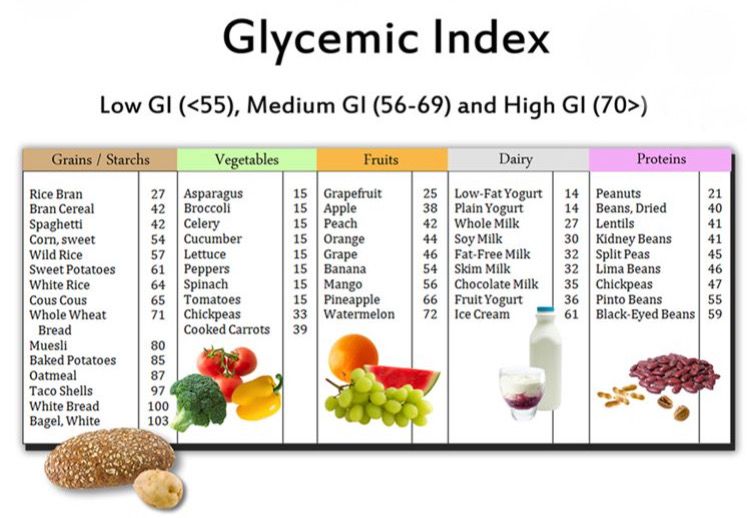
Comprehensive list with food and their Glycemic Index

The glycemic index is a scale that ranks the number of carbohydrates in foods from zero to 100, indicating how quickly a food causes a person’s blood sugar to rise.

Foods high on the glycemic index (GI) can cause harmful blood sugar spikes in people with diabetes. Also High GI foods make it more challenging for a person to maintain a healthy weight. This is why some people with diabetes use GI to plan their meals.

Undoubtedly a nutritious, balanced diet includes a wide range of foods, so a person is not limited to consuming just low GI foods. However, knowing where a specific food rests on the GI can help a person make healthful choices.

Basically in this article, you will learn more about Glycemic index, and also not only about high but low GI foods.

What is Glycemic Index ?

GLYCEMIC INDEX

The GI provides information about how the body digests carbohydrates using a scoring system of zero to 100. Pure sugar has a score of 100. Nutrition experts used to classify carbohydrates as either complex or simple. For example, table sugar is a simple carbohydrate, while beans and grains are complex carbohydrates.

Definition –

Glycemic Index (GI) is an important term often related to foods or diets prescribed for diabetics. GI is defined as the area under the blood glucose response curve for a specific food, expressed as a percentage of the area after taking the same amount of carbohydrates as glucose.

In simple words, it implies to what extent the blood glucose can rise after eating a particular carbohydrate diet, and these responses can differ from one carbohydrate source to the other. Foods with a low GI cause less of a spike in post meal blood glucose than those with a high GI. So much so that the response of blood glucose to the same carbohydrate food can vary if prepared in two different ways or given in two different forms.

For example, a pureed apple can cause a greater increase in GI or blood glucose rise as compared to when an apple is eaten raw as such.

The higher a food’s GI is, the more rapidly it elevates blood glucose. A high GI food can cause blood sugar spikes, followed by rapid declines in blood sugar. As blood sugar declines, a person may feel hungry. Eating only high GI foods can cause a person to overeat since they will quickly feel hungry again after eating.

Eating a diet with a low average GI may reduce a persons risk of developing diabetes and heart disease. In people who already have chronic conditions, a low GI diet may reduce the risk of complications and prevent blood glucose spikes.

Glycemic Index Score –

GLYCEMIC INDEX SCORE

The GI scores are as follows:

  • low GI foods: 55 or less
  • medium GI foods: 56–69
  • high GI foods: 70 or above

Some studies suggest that average dietary GI score of 45 may offer the most significant health benefits. This does not mean that a person can only eat foods with a GI score of 45 or lower. Rather, a person should balance their intake of higher GI foods by eating foods with a lower GI.

It is important to note that the GI of a specific food is an estimate. Several factors can affect the GI of a given food:

  • Cooking tends to raise GI – The same type of pasta will have a lower GI if it is raw than it will if a person cooks it to the point of softness.
  • Processing typically raises GI – For example, fruit juice typically has a higher GI than whole fruit.
  • Riper foods usually have a higher GI – The GI of a banana, for example, will get higher as the banana ripens.
  • The foods a person eats together can affect GI – Fiber lowers the total GI of a meal.

Low GI food –

some examples of low GI foods include:

  • Non-starchy vegetables, like sweet potatoes and carrots
  • Barley
  • Whole grain pasta
  • Bulgar
  • Whole grains like whole wheat bread
  • Legumes
  • Lentils
  • Oat bran
  • Steel-cut oatmeal
  • Muesli
  • Brown rice

High GI food –

Foods with a higher GI include:

  • Heavily processed grains, such as white rice, white bread, and white pasta
  • Puffed rice
  • Instant oatmeal
  • Popcorn
  • Starchy vegetables, such as potatoes
  • Pumpkin
  • Corn flakes
  • Melons
  • Pineapple
  • Bran flakes

Glycemic Index of some common Indian Foods –

CEREALS

  1. Bread – 70
  2. Millets – 71
  3. Rice (white) – 72
  4. Wheat flour – 70

VEGETABLES

  1. Beans – 79
  2. Potato – 70
  3. Sweet Potato – 48
  4. Yam – 51
  5. Beetroot – 64
  6. sweet corn – 55
  7. Carrots – 35
  8. Pumpkin – 66

PULSES

  1. Soyabeans – 43
  2. Rajma – 29
  3. Bengal gram – 47
  4. Green gram – 48
  5. Black gram – 48

SUGARS

  1. Glucose – 100
  2. Fructose – 20
  3. Maltose – 105
  4. Sucrose – 59
  5. Honey – 87

MISCELLANEOUS

  1. Peanuts – 13
  2. Potato chips – 51
  3. Tomato soup – 38
  4. Hummus 30gm – 6
  5. sponge cake – 46
  6. Doughnut – 76
  7. French fries – 75
  8. Gatorade – 78
  9. Croissant – 67
  10. Special K cereal – 69

DAIRY

  1. Milk – 33
  2. Ice cream – 36
  3. Curd 36

FRUITS

  1. Apple – 39
  2. Banana – 69
  3. Orange – 40
  4. Apricots – 32
  5. Grapefruit – 25
  6. Grapes – 43
  7. Mangoes – 51
  8. Pineapple – 51
  9. Oranges – 48
  10. Strawberries – 40
  11. Kiwi – 58

Conclusion –

Furthermore the GI can help a person make healthful decisions about their overall diet and nutrition.

As a matter of fact People with diabetes, those trying to lose weight, and people at risk of heart disease can reap significant benefits from a low GI diet, after all the benefits extend to everyone — not just people with chronic illnesses.

Eating a low GI diet does not have to mean avoiding all high GI foods. Instead, a person’s goal should be to stay balanced over time, with a strong focus on fiber-rich foods with a low GI. A doctor or dietitian can help with planning a delicious and nourishing diet that features a wide variety of low GI foods.

If you are struggling shedding weight. You can talk to us by taking this assessment: Click here

For more information click here       

HOW TO MAKE EGGPLANT LASAGNA?

Eggplant lasagne is a low-carb recipe. Lasagna is an Italian dish. In this recipe, pasta sheets in lasagna are replaced by roasted eggplant slices as they are low in carbs. It gives you absolute flavor and taste which is needed in lasagne but without the noodles. This recipe is healthy as well as delicious. It is a mouth-watering recipe. You can have this eggplant lasagna for dinner with your favorite salad.

INGREDIENTS FOR EGGPLANT LASAGNA:

  • Eggplant- 3 to 4
  • Egg – 1
  • Ricotta
  • Shredded mozzarella -1 cup
  • Parmesan cheese- ¼ cup
  • Crushed garlic- 3-4 cloves
  • Thawed Spinach- 10 ounces
  • Chopped parsley or basil- 1tbsp
  • Kosher salt – 2 tbsp
  • Black pepper- ½ tsp
  • Olive oil – 1 tbsp

METHOD:

Firstly, slice the eggplant into long slices about ½ inch thick. (You don’t have to peel the eggplant before slicing).

After that,  salt the eggplant and leave it for 20 minutes.

After 20 minutes, wipe off the excess moisture from it and make it dry.

Then brush the eggplant slices with olive oil and roast them in the oven for 400 degrees for 20 minutes until the slices become soft.

Now, prepare the filling. For this, take a mixing bowl and put the beaten egg with ricotta, parmesan cheese, mozzarella, garlic, oregano, spinach, parsley, and basil.

Add some kosher salt and black pepper to it and mix well.

Then, take a baking dish and pour pasta red sauce on the bottom and spread it.

Arrange eggplant slices on the bottom of the baking dish. Then, spread a layer of ricotta filling and then a layer of pasta sauce and repeat the process one more time.

And then, top the final layer of sauce with ½ cup mozzarella cheese and ¼ cup parmesan cheese.

Finally, cover the baking dish with foil and bake it in the oven at 375 degrees F for 20 minutes until the cheese is melted nicely and became golden brown.

Now give 10 minutes to let everything settle down then cut it and garnish with basil or parsley.

TIPS:

You can prepare the roasted eggplant and filling one day before and refrigerate it to use the next day. It will save you time the next day.

You can refrigerate this eggplant lasagna for up to 4 days and reheat it when want to eat it.

For more recipes: Click here

If you are facing issues in dropping your weight, please take this free-body type assessment: Click here

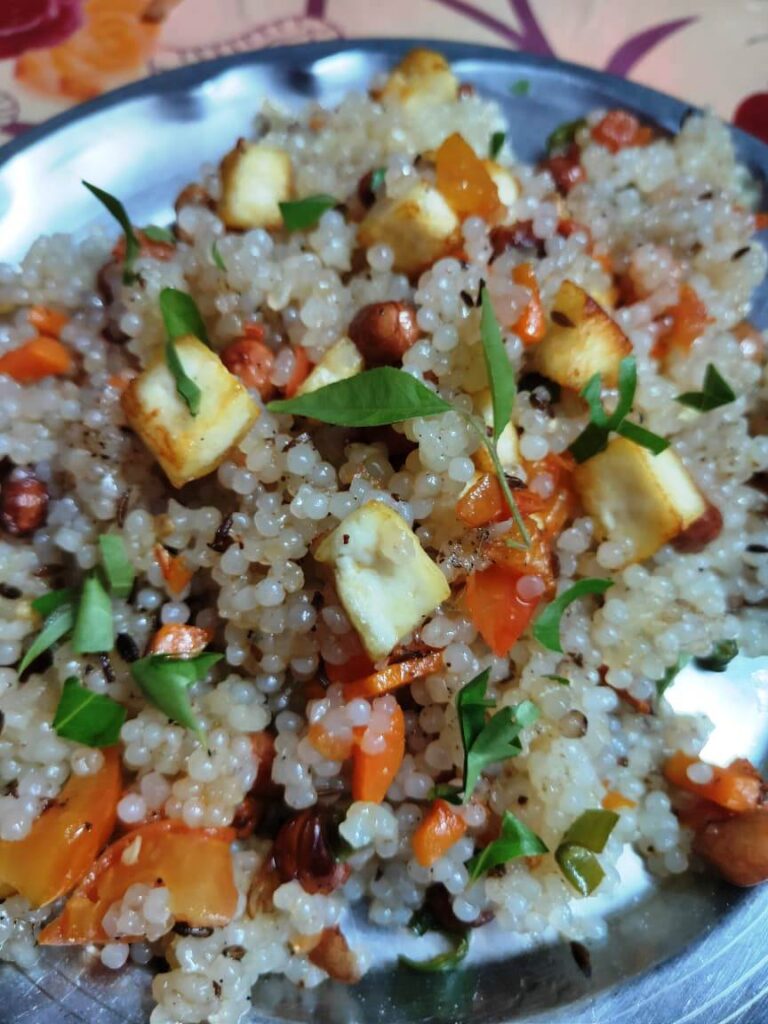
SABUDANA PANEER POHA

HOW TO MAKE SABUDANA PANEER POHA?

Sabudana paneer poha is a perfect breakfast recipe. Most people eat sabudana during fasts. Because it contains starch and keeps you full for a longer time. This sabudana paneer poha is perfect for such times because it gives you calories as well as proteins in a good amount and helps you work throughout the day.

This recipe contains good quantities of iron, calcium, folate, and protein. So helps in bone strengthening, prevents anemia, promotes a healthy nervous system, supports heart and muscle health, and also improves blood circulation.

INGREDIENTS FOR SABUDANA PANEER POHA:

  • Moti(Smallest) Sabudana – 100gm
  • Paneer cubes -50 gm
  • Chopped tomato -1
  • Chopped Green chilli-1
  • Coriander leaves-1tbsp
  • Cumin seeds- 1tsp
  • Black pepper- 1 tsp
  • Curry leaves – 3-4
  • Roasted peanuts – 1 tbsp
  • Salt as per taste
  • Water- ½ cup
  • Oil -2tsp

PREPARATION:

  • Wash sabudana 2-3 times thoroughly. Soak sabudana for 1 hour before making poha.
  • Shallow fry paneer cubes and put them aside.
  • Now, heat the oil in a pan.
  • Put cumin seeds and curry leaves in the oil and crackle it.
  • Then, add tomato and green chilies and sauté it. ( you can also add vegetables of your choice)
  • After that add salt and black pepper and mix it.
  • Add sabudana and water and cover it with the lid and cook for 10-15 minutes.
  • At last, add paneer cubes and roasted peanuts and mix well.
  • Your Paneer Sabudana Poha is ready.
  • Garnish it with coriander leaves and serve it.

BENEFITS OF SABUDANA:

Rich in calcium- being a great source of calcium helps in strengthening your bones.

Protein-rich- Sabudana contains certain important amino acids which makes it a good source of plant-based protein.

Maintain blood sugar level- sabudana taken in small servings helps in maintaining diabetes.

A powerhouse of iron- it contains iron in a very good amount which helps in treating iron deficiency anemia.

For skin and hair: the powdered or soaked mashed paste of sabudana helps improve appearance by revitalizing skin and strengthens hair because of the high amino acid content and antioxidants present in it.

For more recipes: Click here

If you are facing issues in dropping your weight, please take this free-body type assessment: Click here

Saumya Gupta

Nutrition Expert Saumya Gupta

Saumya is a passionate nutrition expert. She has done Master’s in Nutrition science. She has done her internship with Nutrition quest and two months internship at L.L.R. Hospital, Kanpur. She has great passion for health and fitness industry. She wants to spread awareness about a healthy diet and lifestyle. She believes “you are what you eat”. So, she says “if we want to be healthy we have to eat healthily and mindfully”.

Her Qualifications:

Bachelors in human nutrition

Masters in nutrition science

Her Specialisation:

  • Obesity and lifestyle disorders
  • Maternal health and post-natal nutrition
  • Diabetes management
  • PCOD and other hormonal issues
  • Lifestyle correction and ergonomics
seed rotation

WHAT IS SEED ROTATION THERAPY?

Seed rotation therapy is a type of diet that involves consuming different types of seeds such as flax, pumpkin, sesame, and sunflower seeds in a particular pattern at different times of the menstrual cycle. This therapy is beneficial to treat hormonal imbalances, fertility issues, and menstruation problems. This is great therapy.
Seed rotation therapy is a natural method of balancing hormones. Different type of seeds used in this therapy serves different nutritional properties and maintain a level of hormones at the right time of the menstruation cycle. This therapy is helpful for women of every age.

Seed rotation therapy :

1) follicular phase:
The follicular phase is for the first 14 days of the menstrual cycle. In this phase, more estrogen is required for strengthening the endometrium. During this phase, you should consume 1 teaspoon each of freshly ground flax seeds and pumpkin seeds.

2) luteal phase:
The second half of the cycle is called the luteal phase. It is from the 15-30th day. In this phase, progesterone is required to thicken the uterus lining and prepare for implantation. During this phase, you have to consume 1 teaspoon of each of the ground sunflower and sesame seeds until the first day of the next period cycle.

Hormones in a normal cycle

  • During a normal menstruation cycle, the development of follicles in the ovaries occurs in the follicular phase. The lining of the uterus became thick with fluids and with nutrients designed to develop the embryo. If there is no fertilization of the egg occurs then the top layer of the endometrium shed and resulting in menstrual bleeding.
  • After the follicular phase, the ovulatory phase begins. In this phase, the luteinizing hormone stimulates the dominant follicle to bulge from the surface of the ovary and rupture it, resulting in releasing the egg. This phase lasts from 16-32 hours. When the egg is released this period became over. The egg can be fertilized within 12 hours after release.
  • The luteal phase begins after the ovulatory phase. It lasts for about 14 days and ends just before the menstrual period. In this phase, a structure called corpus luteum is formed and produces increased quantities of progesterone.

Reasons for hormonal imbalance:

Hormonal imbalance occurs because of certain types of health conditions, such as hypothyroidism, PCOS, over-exercising, underweight, or obesity.
It also occurs during menopause, which increases your risk of heart disease and osteoporosis.
Severe stress also causes hormonal imbalance in the body.
Environmental conditions and lifestyles also affect hormone production in the body.

How does seed rotation therapy help?

There is a compound called phytoestrogen is present in flax seeds. It can mimic the working of estrogen. So, the consumption of flax seeds during the follicular phase helps to increase or decrease estrogen levels.
And, zinc is present in pumpkin seeds which promotes the production of progesterone in the next phase of the cycle.
A type of polyphenol called lignan is present in sesame seeds which inhibits estrogen levels from increasing too much during the luteal phase.
Vitamin E in sunflower seeds increases progesterone levels in the body.

Other benefits of eating seeds:

Apart from seed rotation therapy, seeds should be consumed by everyone because they are super nutritious. They are a great source of dietary fiber, gives you good fats, maintain cholesterol level, prevents weight gain, and reduce the risk of heart diseases.

Pumpkin seeds:

Pumpkin seeds are high in saturated fats which help in proper body functioning.

Also, they are a great source of iron, zinc, magnesium, and vitamin K.

They help in maintaining energy levels and boost the testosterone level in the body.

pumpkin seeds

Flax seeds:

Also known as “lin seeds”. These small seeds have lots of medicinal properties.

They are rich in Vitamin b complex, calcium, iron magnesium, manganese, omega-3-fatty acids, fiber, and antioxidants.

They help reduce cholesterol and prevent heart diseases.

And, they also reduce the risk of cancer because they contain antioxidants.

Flaxseeds
flax seeds

Sesame seeds:

Sesame seeds are a good source of calcium which helps in strengthening bones and improving muscle health.

They have high antioxidant properties.

sesame seeds

Sunflower seeds:

Sunflower seeds are high in vitamin E which helps in muscle recovery after exercise and also prevents you from oxidative stress.

Also, they are rich in fiber, which helps you in weight loss by keeping you full for a longer time.

Being rich in good fat, selenium, and copper they support you for better heart health.

sunflower seeds

How to include seeds in your everyday routine?

  • It is better to eat seeds raw and ground, especially for flax and sesame.
  • 1-2 tablespoons of seeds are recommended every day.
  • You can add seeds into smoothies, shakes, and pudding.
  • Also, you can mix them with salads or soups.
  • Homemade Seed butter is also a good option.

If you are struggling to shed weight. You can talk to us by taking this assessment: Click here

For more information click here

Smoking and diet management

A comprehensive guide on smoking and diet management

Smoking has become a trend these days. People tend to smoke just to look cool in front of their friends without even thinking of any health consequences. The habit which starts as a show off becomes a part of their lifestyle. And it becomes really difficult for them to neglect the craving for the nicotine. This leads to frequent smoking which can impact their life heavily. Hence smoking and diet need a discussion together.

Did you know that smoking affects their health as well as their loved ones? Well yes, smoking is injurious to the smoker and non-smoker around them. Let’s have a look at the health risks due to smoking!

What are risks of smoking to the smokers?

Well, there are many health problems caused by the smoking including death.

  • Smoking harms nearly every bodily organ in the organ system of the body and diminishes a person’s overall health. It causes cancers of the lung, esophagus, larynx, mouth, throat, kidney, bladder, liver, pancreas, stomach, cervix, colon, and rectum, as well as acute myeloid leukemia.
  • It also causes heart disease, stroke, aortic aneurysm (a balloon-like bulge in an artery), chronic obstructive pulmonary disease (COPD), diabetes, osteoporosis, rheumatoid arthritis, age-related macular degeneration, and cataracts, and worsens asthma symptoms in adults.
  • Smokers are also at a higher risk of developing pneumonia, tuberculosis, and other airway infections. In addition, smoking causes inflammation and impairs immune function.
  • Smoking for female makes it harder to get pregnant. Also, a pregnant smoker is at a higher risk of miscarriage, having an ectopic pregnancy, having her baby born too early and with an abnormally low birth weight, and having her baby born with a cleft lip and/or cleft palate. Moreover, a woman who smokes during or after pregnancy increases her infant’s risk of death from Sudden Infant Death Syndrome (SIDS).

Note: The longer a smoker’s duration of smoking, the greater their likelihood of experiencing harm from smoking, including earlier death.

What are the risks of smoking to nonsmokers?

Non-smokers are also know as secondhand smoker who consumes smoke by the combination of “side-stream” smoke (the smoke given off by a burning tobacco product) and “main-stream” smoke (the smoke exhaled by a smoker).

  • Inhaling secondhand smoke can cause lung cancer in nonsmoking people.
  • Secondhand smoke causes disease and premature death in nonsmoking adults and children.
  • Exposure to secondhand smoke irritates the airways and has immediate harmful effects on a person’s heart and blood vessels. It increases the risk of heart disease by an estimated 25 to 30%.
  • Pregnant women exposed to secondhand smoke are at increased risk of having a baby with a small reduction in birth weight.        
  • Children exposed to secondhand smoke are at an increased risk of SIDS, ear infections, colds, pneumonia, and bronchitis. Secondhand smoke exposure can also increase the frequency and severity of asthma symptoms among children who have asthma.

Role of diet in quitting smoking:

Did you know that diet can be beneficial in quitting smoking? Well yes, it plays a major role. Here are some examples for you.

When you’re trying to quit, what you choose to eat can help you stay the course. There are some foods that can increase your chances of staying smoke free for good and some may make the habit harder to let go. Here’s what to eat and what to skip when you’re trying to stay smoke free.

Let’s first have a look at the foods that are beneficial in smoking cessation!

Fruits and vegetables: It is a well-known fact that cigarettes hinders the absorption of important nutrients. Such as calcium and vitamins C and D. And incorporating more fruits and vegetables into your diet will restore these nutrients and, as some research suggests may help with reducing cravings to smoke.

According to a study published in 2013 in the journal Nicotine & Tobacco Research, the researchers analyzed 1,000 smokers, they found that those who ate the most fruits and vegetables were 3 times more likely to have stayed smoke-free for at least the past 30 days compared with those who noshed on the least.

Ginseng/ginger Tea: Ginseng may be therapeutic for people with nicotine addiction. Because it may weaken the effect of dopamine that is associated with pleasure and is released when smoking tobacco. Thus, drinking ginseng tea could reduce the appeal of smoking and make it less enjoyable.

Milk and dairy: Smokers have reported that drinking milk made cigarettes taste worse or gives a bitter aftertaste. So, when you are facing a craving, consuming milk and other dairy products that make cigarettes taste bad might help deter smokers from cigarettes. If you feel a craving coming on, reach for a glass of milk instead of a cigarette.

Sugar-free gum and mints: Chewing gum and mints can keep your mouth busy when you have an urge to smoke.

Now, let’s first have a look at the foods that are worst for you in quitting smoking!

Coffee: Coffee contains caffeine which may stimulate the effects of cigarettes. If you’re trying to quit, it is best switching to tea for a week or two to help break your habit of smoking.

Alcohol: It is a common habit of smoking while drinking. These things are so intimately linked, people don’t even have to think about lighting a cigarette when they have a beer. It happens automatically. That’s why, always try to abstain from alcohol during your first smoke-free month as the risk of a smoking relapse is highest. After that, you can limit yourself to 1-2 drinks as having more than that can affect your craving for cigarette.

Here are few commonly asked questions to help you know better about smoking and its effects!

Did you know that smoking can affect your taste buds?

Yes, you heard it right. When you smoke, it supplies the brain with nicotine which alters and suppresses a smoker’s ability to taste flavours. In addition, the reduced oxygen supply from inhaling tobacco smoke also contributes to the dulling of flavour in the mouth. 

Smoking cessation can help your sense of taste to return?

Complete cessation of smoke can help your taste buds as levels of nicotine in the body fall. It only takes few hours for nicotine to to be completely out of a person’s system and once the nicotine has left the body, food begins to taste better and flavours are more recognizable. 

Did you know that heavy smoking can suppress appetite?

In suppressing a person’s appetite, nicotine play a major role in that. It is because of its effect on the brain and the central nervous system. The tar and carbon monoxide from the cigarettes can cause morbidities such as cancer, lung disease and coronary heart disease. That’s why, a healthy diet with different food groups is important for people’s health, and smoking cessation will increase your taste of a wider number of foods. 

Can smoking affect sense of smell?

Yes, it can. Smoking irritates the nasal passage which can cause inflammation and impair your sense of smell.

Can smoking hinder nutrients absorption?

Smoking is an anti-nutrient. It affects the body’s ability to absorb a variety of vitamins and minerals. Vitamin and mineral absorption is diminished by nicotine, and is more likely to be drained from stores within the body. For instance, a single cigarette that is smoked robs the body of 25mg of vitamin C, which makes these people deficient in vitamin C (a powerful antioxidant). And smoking accelerates free radical production that damages tissues and organs. But because smokers have less vitamin C at their disposal to fight this free radical damage, they are more prone to illness than non-smokers. Smokers are also at a higher risk of osteoporosis because smoking affects the absorption of vitamin D, which is essential for the formation and maintenance of strong bones. 

Can smoking cessation affect your body in a positive way?

Yes, it certainly can. Stopping smoking has a major positive impact on a person’s health, energy and fitness. It will be really difficult for you for the first few weeks of quitting due to withdrawal symptoms and learning to cope with strong urges to smoke. However, after 2-3 days the lungs are clear of carbon monoxide and by the end of day 3, your breathing should become easier, bronchial tubes begin to relax and energy levels increase. After stopping smoking your circulation will also improve.

How to deal with cigarette cravings?

It is very common to crave for a smoke after quitting it. These are after effects or withdrawal symptoms of cigarette quitting. Here are some tips for you to handle your cravings.

  1. Chew gum: Chewing a gum after a meal can be highly effective at reducing cravings for a cigarette. This is because the chewing action keeps your mouth busy and helps fight nicotine withdrawal.
  2. Eat raw fruits and vegetables: Eating a small amount of fruits and raw vegetables can help reduce cravings and limit weight gain as people tend to gain weight after quitting smoking. If fruits and vegetables are not working for you then you can opt for sugar-free sweets which can distract your cravings.
  3. Take deep breaths: Taking deep breaths can help you relax and keep your mind focused. You can find a quiet spot where you can relax, breathe deeply and have a cup of herbal tea to calm your nerves. This helps your heart rate to slow down and you should feel calmer.
  4. Give yourself 15 minutes: If you are craving for a smoke, then give yourself just 15 minutes for the cigarette craving to pass. You can read a book, listen to music, or watch a movie to distract yourself, play a game on your mobile phone, text a friend or go for a short walk. And before you know it, the craving will pass since they typically only last a few minutes.

If you are struggling shedding weight. You can talk to us by taking this assessment: Click here

For more information click here

Korean, Japanese/Chinese South Asian diet for weight loss

South Asian diet and flavors are mouth-watering and worth giving a try for weight loss. In this article, we will be talking about different asian diets that may be helpful for your weight loss.

Let’s first talk about Korean diet.

Korean diet/South Asian Diet:

Recently, K-dramas and K-pop band such as BTS, Stray kids, Blackpink, etc. have taken over the entire world in many ways. People are curious about Korean culture, cuisines, fashion, the secret to their beautiful skin, the answer to their healthy lifestyle and much more.

Spicy Jokbal, Buljok, Bossam, Dishes, Food, Korean

What is Korean diet/South Asian Diet?

The Korean diet is a whole foods-based diet which is inspired by traditional Korean cuisine. It promotes eating whole, minimally-processed foods while limiting the intake of overly processed ones. It also recommends avoiding foods containing wheat, dairy, refined sugars, and excess fat.

In other words, this diet is all about cutting down on fried, fatty and sugar-containing foods. It focuses on foods that are rich in protein such as meat, chicken, seafood and a variety of vegetables and rice. Also, it includes kimchi, a fermented cabbage dish that’s a staple in Korean cuisine.

Why Korean diet is useful in weight loss?

When it comes to weight loss, the Korean weight loss diet in South Asian Diet has gained much momentum recently. Being delicious and lip smacking, it is also extremely healthy, nutritious and well-balanced. It includes whole foods that are rich in fibre and other nutrients and limits foods that are processed, rich in fat and sugar.

Furthermore, the Korean meal is incomplete without colorful and fresh vegetables. Most of these vegetables are high in nutrients which makes them a perfect healthy dish. They contain a good amount of fiber which provides your stomach with satiety and promotes weight loss by making you full for longer time and by reducing the craving for food. Also, since vegetables contain low amounts of fat and carbs, a Korean diet is therefore perfect for people looking to slim down.

Moreover, the diet not only involves a set of food to include in your diet but but also lays down an exercise routine that guarantees effective weight loss. Also, K-Pop diet can also clear up your skin and optimise your long-term health.

How to follow Korean diet?

To follow a proper Korean diet, you should follow the point written below:

  1. Eat fewer calories: There is no limit on the portion size and daily calories in this diet. So one can opt for Korean dishes such as soups and vegetables which provides less calories. This diet encourages people practice mindful eating.
  2. Exercise regularly: Exercising is one of the most essential key during this diet. K-pop workouts are provided for this purpose.
  3. Reduce fat intake: Limit oily and fried foods and avoid sauces, oils, and seasonings whenever possible. Hence, steamed food will be essential in preparation of vegetables and even meats.
  4. Minimize added sugars: When it comes to Korean diet, sweetened foods like candy, sugary snacks and beverages are all restricted. As sugars are empty calories without zero nutrition, this can lead to massive weight gain.
  5. Fermented foods: Fermented foods form an essential part of the Korean diet. Foods like Kimchi, Miso, Tempeh helps to boost gut health.
  6. More chicken and fish, less red meat: Red meat is common in a Korean diet but the weight loss diet focuses more on chicken and fish as animal proteins. For vegetarians, soy products such as tofu, edamame may be incorporated into meals.
  7. Avoid snacks: Snacks are considered unnecessary on this diet and should be avoided. Even if you are fond of snacking, but by following this diet for weight loss, you will have to give up the habit of snacking.

What you need to do to follow the Korean diet?

Like any other diet for weight loss, there is also specific food that should be taken and that should be avoided. So, let’s first have a look at the foods that should be taken in the diet.

Vegetables: 

There is no limit for the vegetables consumption in Korean diet. You can eat them raw, cooked, or fermented, such as in the case of kimchi or soups.

Kimchi Picture, Food Photography, Korean Food
Kimchi

Fruit

You can take any fruit you like as they are a great natural substitute for sweets.

Food, Fruit, Black Background, Dessert, Delicious
Fruits

Protein: 

Protein is a must in Korean diet. It includes both animal and plan sources of protein. Animal sources are eggs, meat, and seafood. Plant sources include tofu, dried shiitake, and king oyster mushrooms.

Pork Belly, Pork, Meat, Grilled, Kimchi
Pork belly with side dishes

Carbohydrates: 

Korean diet is low in carbohydrates. Thus, this diet contains minimal carbs options. Rice is a staple food of Korea. You can include white rice or rice noodles in your diet. Also, dumplings, pancakes, or glass noodles made from mung bean, potato, or tapioca starch constitute great alternatives to rice.

Noodles, Seafood Kalguksu, Hand Alkaline Noodles, Food
Noodles with seafood

Now, let’s have a look at the food that should be restricted/avoided in the diet to promote weight loss.

Wheat-containing foods: 

Korean diet rarely includes products such as bread, pasta, breakfast cereals, pastries, or wheat-based flours of any kind.

Bread, Bakery Products, Food, Breakfast, Home, Muffin
Wheat bread

Dairy: 

The dairy and its products such as milk, cheese, yogurt, ice cream, and any baked goods containing dairy as they are the sources of saturated fat.

Milk, Glass, Pitcher, Fresh, Fresh Milk, Drink
Milk

Fatty foods: 

Foods like red meat, fried foods, sauces, oily seasonings, or foods cooked in oil should be avoided.

Food, Steak, Meat, Soup, Beef, Bbq, Eat, Menu, Cook
Beef steak

Processed or sugary foods: 

The sugar-containing products such as candy, soft drinks, baked goods, or any other foods containing added sugars should be avoided as they are just empty calories in South Asian diet.

Doughnuts, Desserts, Pastries, Treats, Sweets
Baked goods

5-day sample Korean diet plan:

Day-1

Breakfast: Vegetable omelet with toast

Lunch: Kimchi-vegetable soup with pork or tofu

Dinner: Rice + Soup or Stew + Kimchi+

Day-2

Breakfast: Korean vegetable pancakes with dry pollock soup

Lunch: Bibmbap (made with rice, egg, vegetables, and meat or tofu) with seaweed soup

Dinner: Japchae with spicy cucumber and bok soy salad

Day-3

Breakfast: Kimchi scrambled eggs with toast

Lunch: Chicken porridge (dakjuk)

Dinner: Kimbap with soyabean paste tofu stew

Day-4

Breakfast: Korean jeon (pancakes), boiled egg

Lunch: Kimchi fried rice with chicken stew

Dinner: Rice cake soup with bean sprouts

Day-5

Breakfast: Kim gyeran mari (seaweed egg roll) with kimchi stew

Lunch: Black bean noodles

Dinner: Kimchi mandu soup with steamed or raw vegetables

Japanese diet:

Japan has one of the world’s lowest obesity rates and also have highest life expectancy rates? Yes, you heard it right and their secret lies in the food they consume. Let’s understand about Japanese diet and how it is helpful in weight loss.

Sushi, Sushi Rolls, Japanese Cuisine, Japanese Food

What is the Japanese diet in the south Asian diet?

The Japanese diet is a whole-foods-based diet rich in seafood, and plant-based foods such as fresh, cooked, or pickled fruits and vegetables with minimal amounts of processed foods, animal protein, added sugars, and fat.

Moreover, this style of eating also emphasizes on dishes of natural flavors without using sauces or seasonings.

Why Japanese diet is helpful in weight loss?

A traditional Japanese diet is healthy and well-balanced. It consists of grains, plenty of green vegetables, omega-rich fish and minimal amounts of meat, dairy and fruit. The diet also includes light carbs and herbal tea. Basically, the Japanese diet can give you everything you need for losing or maintaining the perfect weight, beauty and health.

Let’s discuss the benefits of Japanese diet in detail!

It features plenty of green vegetables, which are brimming with nutrients and essential antioxidants that may prevent diseases and boost overall health. They contain high levels of nutrients, Vitamin C and dietary fibre, all of which help with weight loss and overall health. Moreover, their methods of cooking vegetables include light steaming, which is a great way to cook veggies without losing nutrients.

Everyone knows that the Japanese diet in the south Asian Diet includes a variety of seafood, particularly fish. It is high in good quality protein, omega-3 fatty acids, and many other important nutrients. And this omega-3 fatty acids helps to reduce excess fat in the body, especially belly fat, and improve brain and cardiovascular health and promotes healthy, glowing and smooth skin.

The Japanese eat less red meat, which is high in saturated fats. Also, many high-fat foods such as baked goods, junk food contain high amounts of saturated fats that can add extra calories to your diet, making you gain weight. Thus, by reducing it’s consumption, this diet is promoting a good weight loss among people.

Japanese diet also include herbal tea. These herbal tea are very famous in Japan. These tea are full of antioxidants that may help you in weight loss.

In Japan, food is generally served on small plates and bowls instead of one big plate which helps in portion control. Moreover, people use chopsticks to eat food in small bites. In addition, Japanese culture encourages eating until only 80% full. This practice helps to prevent overeating and may contribute to the calorie deficit diet.

How to follow the traditional Japanese diet?

A typical Japanese diet consists of staple food rice, a main dish, soups, fermented pickles, protein (mainly fish) and vegetable side dishes.

  • Staple food: It includes steamed rice or soba, ramen, or udon noodles.
  • Soup: Typically includes a miso soup made with seaweed, shellfish, or tofu and vegetables in a fermented soybean stock. Also, vegetable soups or noodle soups are other popular options in Japanese diet.
  • Main dish: It includes fish, seafood, tofu, or natto (a traditional Japanese food of fermented soybeans) with small portion of meat, poultry, or eggs.
  • Side dishes: It incudes vegetables which can be raw, steamed, boiled, sauteed, grilled, or pickled, wild plants, seaweed, and raw or pickled fruit.
  • Stay hydrated: Water is 100% calorie-free which helps you to burn more calories. The benefits are even greater when you replace sugary beverages with water. It is a very easy way to cut back on sugar and calories.
  • Low sugar intake: Japanese diet restricts the consumption of sugar. Sugar have high energy which contributes to weight gain. You should read labels of the things that you consume to reduce your sugar intake. Also, pastries, biscuits, cakes, processed cereals, alcoholic beverages and sugary fizzy beverages should be avoided as much as possible.
  • Reduce fat intake: You should avoid foods such as pies, lard, butter, cream, sausage, biscuits, cakes and hard cheese as they all are rich in saturated fat.

What you need to do to follow the Japanese diet?

To follow the Japanese diet, you need to keep in mind the food that are suitable to include for the weight loss and foods that should be avoided.

So, let’s first have a look at the foods that you can include in the diet.

Fish and seafood

All types of fish and seafood can be included. These can be steamed, baked, grilled, or raw. For instance, sushi. It is a most famous Japanese dish. It is a staple fish dish of Japanese cuisine made up of raw seafood and served cold.

Sushi, Japanese, Asian, Food, Raw, Sashimi, Fresh, Roll
Fish and seafood

Soy foods

Soy foods are also common in Japanese diets. The most common are edamame, tofu, miso, tamari, and natto.

Tofu, Soybeans, Food, Meal, Product, Soya Beans, Beans
Tofu

Fruit and vegetables use in South Asian Diet: 

Fruits can be eaten either raw or pickled while vegetables can be steamed, sauteed, pickled, in broth, or added to soups.

Groceries, Fruit, Vegetables, Flatlay
Fruits and vegetables

Seaweed: 

Seaweed is called Nori in Japanese and is a big part of the traditional Japanese diet. They can be eaten raw or dried. For instance, in sushi roll, seaweed salad, seaweed soups, etc.

Miso, Shiitake, Japan, Dinner, Miso Soup, Soup
Seaweed soup

Rice or noodles

Steamed rice is a staple in a traditional Japanese diet. Other popular options include soba, ramen, or udon noodles served chilled or in a hot broth.

Rice Noodles, Vietnamese Rice Noodles, Noodles
Rice noodles

Beverages

Herbal tea and cold barley tea are the main beverages which are included in the diet and provides great health benefits.

Cup, Tee, Porcelain, Drink, Decor, Break, Still Life
Herbal tea

The traditional Japanese diet include the restriction or avoidance of the following foods:

  • Dairy: It includes butter, milk, cheese as they are the sources of saturated fat.
  • Red meat and poultry: The red meat such as beef, pork, duck, etc. are the sources of the saturated fat which should be minimizes as much as possible from the diet.
  • Eggs: Lower your consumption of egg.
  • Excess fats, oils, and sauces: It includes margarine, cooking oils, dressings, fat-rich sauces, etc.
  • Baked goods: It includes bread, pita, tortillas, croissants, pie, brownies, muffins, etc.
  • Processed or sugary foods: It includes breakfast cereals, granola bars, candy, soft drinks, etc.

5-day sample Japanese diet plan:

Day-1

Breakfast: Miso soup, steamed rice, natto (fermented soyabean), and seaweed salad

Lunch: Soba noodles (buckwheat noodles) with broth, grilled tuna, kale salad

Dinner: Fish cakes, clear soup with cabbage and egg

Day-2

Breakfast: Rice, Japanese rolled omelet, miso soup with cabbage and bean sprouts

Lunch: Clam soup, rice balls wrapped in seaweed, marinated tofu, and a cooked-vegetable salad

Dinner: Sushi with vegetable salad and seaweed soup

Day-3

Breakfast: Grilled fish, rice, seaweed salad, pickled vegetables

Lunch: Fried rice, seaweed soup and steamed vegetables

Dinner: Sushi, blanched chinese cabbage with dried shrimp in broth, pickled vegetables

Day-4

Breakfast: Raisin bread, omelet, grilled sausage, fruit

Lunch: Rice, mackerel simmered with miso, soybeans stew with mixed vegetables

Dinner: Mushroom soup, rice cakes, seared scallops, and steamed vegetables

Day-5

Breakfast: Japanese rolled omelette, tofu stew with vegetables, seasoned seaweed

Lunch: Kitsune udon (udon noodles with aburaage), miso soup and seasoned vegetables

Dinner: Rice, chikuzen-ni (root vegetables simmered with chicken), miso soup with spinach and aburaage 

Chinese diet:

Dim Sum, Food, Dumplings, Cuisine, Asian, Dumpling

What is Chinese diet/ The South Asian Diet type?

in South Asian diet, Chinese diet is low in fat, low in calorie but contains abundant fiber, proteins, vitamins and other nutrients. The diet consists of vegetables that have been steamed or stir fried, accompanied by starches like rice, noodles or dumplings. Meat and fish are part of the traditional diet but are served in much smaller amounts than typical Western diet. Herbal tea which contains antioxidant qualities is also a prominent part in the Chinese diet.

As most of the Chinese are lactose intolerance, Chinese do not consume large amounts of dairy products. Therefore, they substitute these with soymilk and tofu, which also contain large amounts of protein and calcium.

Why Chinese diet is helpful in weight loss?

According to Chinese medicine, eating a lot of acidic foods, spicy and bitter one are beneficial for your health because those foods are good for weight loss as compared to salty, sugary and fatty foods which enhance weight gaining. But by combining healthy diet with body exercises, it can lead to weight loss.

Let’s have a quick look at what kind of food Chinese diet includes!

Chinese people eats varieties of noodles, for instance, mung bean noodles. This mung bean contains antioxidative properties, low in calorie and are a gluten free alternative to noodles. It also includes vegetables such as Pak Choi cabbage which is a part of the detox diet foods and promotes digestion and is rich in vitamins A and antioxidants. Sesame seeds are a part of their daily diet which effectively protect liver cells against the harmful effects of alcohol and other chemicals. They are a good choice for a body cleanse. Moreover, Chinese diet includes ginger which is a powerful digestive aid, a natural anti-inflammatory rich in antioxidants.

All these nutrients, antioxidants and toxin cleansing properties of Chinese diet not helps in effective weight loss but also provides numerous health benefits.

How to follow the Chinese diet in the South Asian Diet?

There are numerous factors that you need to keep in mind in order to follow the Chinese diet. Here are some tips for you!

Eat a balanced meal:

Chinese meals are often well balanced. Their rice or noodles are always paired with meat and vegetable that helps to maintain the carbohydrate-protein-fat combination. The fresh vegetables supply all the minerals and vitamins for your body. By steaming, boiling or stir-frying these vegetables can help to keep their nutritive properties.

Eat fresh vegetables:

Vegetables are must in any Chinese food. They add them to the almost every meals of the day, for instance, as side-dishes or in soups. These vegetables makes the food attractive and it is also full of all the nutrition that you need.

Steam your food instead frying it:

Chinese food is not all about stir or deep frying the food. They often steam their vegetables and other dishes. This technique of cooking with mild seasoning will not only refresh the palate but also give your body the right nutrients.

Soup is a must:

Soups are a must for the Chinese diet. You can make soups with fresh vegetables, chinese herbs, broth (plant or animal-based) and mild spices are great for a healthy weight loss. It not only supplies the necessary nutrients, but also gives you satiety and prevents over-eating.

Three meals in a day:

Chinese people take their meal times seriously and they eat no more than three times a day. Their breakfast is most important meal of the day and they never skip it. Following this three meals a day rule can keep you away from snacking and binge-eating. This is very helpful in weight loss.

Herbal tea:

Herbal teas are important part of their daily life. These tea not only help you in relaxation but also have multiple detox ingredients that helps you to loose weight. The most easily available and effective variant is green tea. You can easily incorporate this in your daily routine.

Use small bowls for your meals:

Chinese people eat everything out of the bowl instead of a plate. This helps them to keep the portion sizes in check and eat less.

No snacking:

Chinese people are not big fans of snacking. They do not eat in-between meals. They maintain a strict uniform routine of eating food. Always make sure that your are full enough when you are eating the major meals. Do not eat anything in-between which will provide your body with fasting windows and you will definitely lose the extra kilos.

Eat in groups/Eat as a family:

Eating with your with your friends or family has a lot of benefit. For instance, you take your time to eat; you chew your food well which helps in better digestion and you do not overeat while staring at the T.V. or at your mobile phone. While you eat together you also share your meal, especially the rice or noodle which is the main source of carbohydrate and this helps you to keep the carb intake in check.

(Source: https://makeupandbeauty.com/10-chinese-diet-tips-weight-loss/)

What you need to do to follow the Chinese diet?

The Chinese diet is rich in plant-based foods, emphasizing vegetables, grains, and beans. Animal protein sources are low on the food pyramid and are consumed in smaller amounts.

So, let’s first have a look at the foods that should be taken in the diet.

A traditional Chinese diet includes the following foods:

  • Vegetables like broccoli, kale, cauliflower, cabbage, bok choy, carrots, spinach, sea vegetables (seaweed), and lettuce
  • Fruits such as apples, bananas, pears, oranges, and melons
  • Whole grains such as brown rice or whole-grain pasta, or noodles
  • Beans such as tofu or edamame (soybeans)
  • Fish such as salmon or halibut
  • Poultry such as duck or chicken

Meat dishes are side dishes rather than main courses and are served with other vegetable or grain dishes.

So, let’s first have a look at the foods that should be avoided in the diet.

  • Red meat such as pork and beef.
  • Refined sugars and carbohydrates. Instead of sweetening your food with sugar or bread and cereal products, eat rice as a source of carbohydrates.
  • Deep fried dishes, egg rolls, fried rice, fried wanton, crispy noodles.
  • High calorie curries like Thai curries cooked with coconut cream.
  • Regular sodas, juices and energy drinks.

5-day sample Chinese diet plan:

Day-1

Breakfast: Rice vermicelli in soup with shredded chicken and bok choy, two boiled eggs

Lunch: Pan-fried chicken breast salad in olive oil with raw/sauteed vegetables

Dinner:  Noodles in pork bone and lotus root soup, fish-paste-stuffed tofu, stir-fry celery

Day-2

Breakfast: Scrambled eggs with tomato and toast

Lunch: Grilled chicken with sweet corn soup

Dinner: Steamed fish with mushrooms and bok choy

Day-3

Breakfast: 1 boiled egg, steamed broccoli and 2 slices multi-grain bread

Lunch: Schezwan chili chicken with seaweed soup

Dinner: Rice, steamed fish with green onions and choy sum

Day-4

Breakfast: Steamed dumplings with stir-fried green vegetables

Lunch: Stir-fried tofu with rice

Dinner: Rice, braised chicken with potatoes and eggplant

Day-5

Breakfast: Oatmeal, steamed and seasoned broccoli and boiled egg

Lunch: Steamed Noodle with sesame paste and broth

Dinner: Chicken soup, egg fried rice, stir-fry celery

If you are struggling shedding weight. You can talk to us by taking this assessment: Click here

For more information click here