healthy south indian

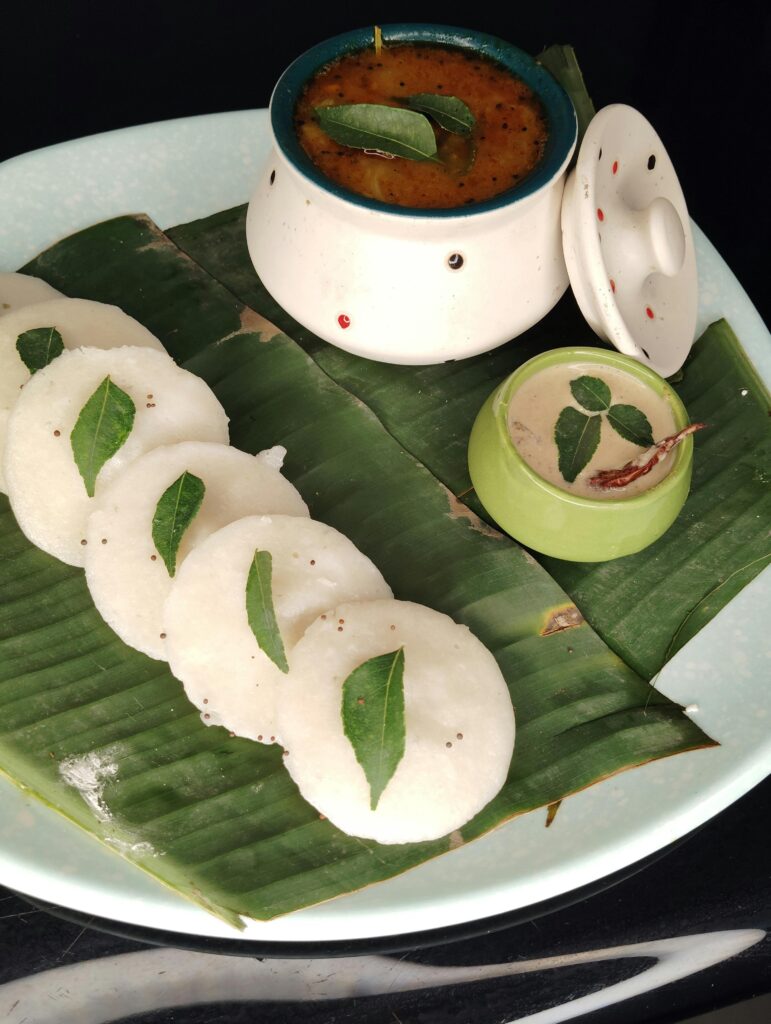
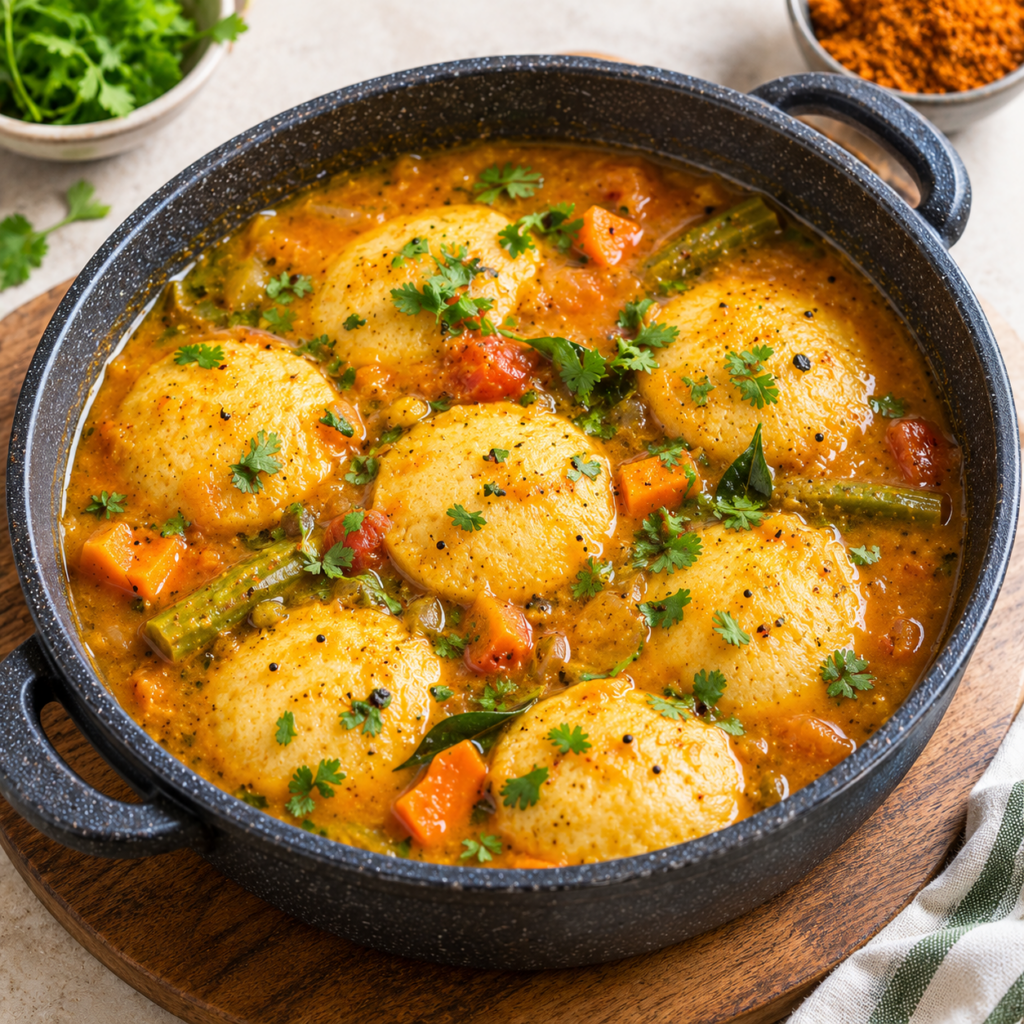
How to Make One-Pot Sambar Idli at Home

One-Pot Sambar Idli

Ingredients of One-Pot Sambar Idli

For the Suji Idli Batter:

  • 1 cup suji (rava)
  • ½ cup curd
  • ½–¾ cup water (as required)
  • ½ tsp eno fruit salt
  • Salt to taste
  • 1 tbsp chopped coriander
  • 1 tbsp grated carrot (optional)

For the Sambar Gravy:

  • 1 small onion, chopped
  • 1 tomato, chopped
  • ½ cup mixed vegetables (carrot, beans, pumpkin)
  • 2 tbsp cooked toor dal
  • 1–1½ tbsp sambar masala
  • ½ tsp turmeric powder
  • ½ tsp red chilli powder
  • Small piece of tamarind soaked in water
  • Salt to taste
  • 1 tsp oil

For Tempering:

  • ½ tsp mustard seeds
  • ½ tsp cumin seeds
  • Few curry leaves
  • 2 dried red chillies
  • A pinch of hing

Method

1. Prepare the Suji Batter

  1. In a bowl, combine suji, curd, salt and water.
  2. Mix well and rest for 15–20 minutes.
  3. Add a little more water if required to get a thick, pourable idli batter consistency.
  4. Just before cooking, add Eno and gently mix.

2. Prepare the Sambar Gravy

  1. Heat oil in a deep pan. Add mustard seeds, cumin seeds, dried red chillies, curry leaves and hing.
  2. Add chopped onion and sauté until translucent.
  3. Add tomatoes, mixed vegetables, turmeric, red chilli powder and sambar masala.
  4. Add cooked dal, tamarind water and around 2 cups of water.
  5. Cover and cook until the vegetables are tender and the gravy is flavourful.

3. Cook the Idlis in Sambar

  1. Once the sambar starts simmering, reduce the flame to low.
  2. Drop small spoonfuls of the prepared suji batter directly into the simmering sambar, leaving some space between each portion.
  3. Cover with a lid and cook on low flame for 10–12 minutes.
  4. Avoid stirring while the idlis are cooking, as they need time to set.
  5. Check with a toothpick; once the idlis are cooked through, gently mix or spoon the gravy around them.

4. Serve Garnish with fresh coriander and a squeeze of lemon juice. Serve hot.

Tip: Keep the sambar slightly thinner before adding the batter, as the suji idlis will absorb some gravy while cooking. Add Eno only just before dropping the batter into the sambar for soft and fluffy idlis.

Suji–Rice Idli Sandwich

Crispy Layered Suji–Rice Idli Sandwich

A healthy twist on classic idli, layered with spicy vegetable potato masala and finished on the tawa for a delicious crispy texture.

Ingredients

For the Suji–Rice Idli Batter

  • 1 cup suji/rava
  • ½ cup cooked rice
  • ½ cup yogurt
  • Water as required
  • Salt to taste
  • ½ tsp Eno

For the Potato Masala

  • 2 boiled potatoes, mashed
  • 1 onion, finely chopped
  • 1 carrot, grated
  • ½ capsicum, finely chopped
  • 1 green chilli, finely chopped
  • Fresh coriander, chopped
  • ½ tsp mustard seeds
  • ½ tsp cumin seeds
  • Curry leaves
  • ¼ tsp turmeric
  • ½ tsp red chilli powder
  • ½ tsp coriander powder
  • ½ tsp garam masala
  • Salt to taste
  • 1 tsp oil

Method

  1. Prepare the batter: Blend cooked rice, yogurt and a little water until smooth. Mix with suji and salt. Add water as required to make a thick but pourable batter. Rest for 15–20 minutes.
  2. Prepare the potato masala: Heat 1 tsp oil. Add mustard seeds, cumin seeds and curry leaves. Once they crackle, add onion, green chilli, carrot and capsicum. Sauté until slightly soft.
  3. Add turmeric, red chilli powder, coriander powder, garam masala and salt. Add mashed potatoes and mix well. Finish with fresh coriander.
  4. Add Eno: Just before steaming, add ½ tsp Eno to the prepared batter. Sprinkle 1–2 tsp water over it and gently mix in one direction. Do not overmix.
  5. First layer: Grease a round steel plate/thali that fits inside your steamer. Pour half of the batter onto the plate and spread evenly.
  6. Steam for 5–7 minutes, just until the first layer is set.
  7. Add the filling: Carefully spread the potato masala evenly over the steamed first layer.
  8. Second layer: Pour the remaining batter over the potato masala and gently spread it to completely cover the filling.
  9. Steam again for 10–12 minutes, or until the top layer is fully cooked.
  10. Allow it to rest for 5 minutes, then carefully remove it from the plate and cut into squares or wedges.

Make It Crispy

  1. Heat a non-stick tawa and lightly brush it with oil.
  2. Place the idli sandwich pieces on the tawa.
  3. Cook on medium-low heat for 2–3 minutes until golden and crisp underneath.
  4. Flip carefully and crisp the other side.
  5. For extra crunch, sprinkle a few sesame seeds on the tawa before placing the idli pieces.

Serve hot with mint-coriander chutney, tomato chutney or a yogurt dip.

Tip: If you are making two layers, add Eno to the batter immediately before starting the steaming process so the batter stays light and fluffy.

https://www.instagram.com/reel/DZ2tbAojMV5/?igsi=MTV2N2hkd24zZjF3ZQ==

Traditional fermented savory ragi ambali


🥣 Fermented Ragi Ambali (Savory Village Style)

🌿 Ingredients:

  • 3 tbsp ragi flour
  • 1½ cups water (for cooking)
  • 2–3 cups water (for soaking/fermenting)
  • Salt to taste

🌶️ For mixing (after fermentation):

  • ½ small onion (finely chopped)
  • 1 green chili (finely chopped)
  • ½ tsp grated ginger
  • A few curry leaves (chopped)
  • ¼ tsp roasted cumin powder
  • Optional: fresh coriander leaves

👩‍🍳 Method:

Step 1: Cook the ragi base

  1. Mix ragi flour with a little water (no lumps).
  2. Heat 1½ cups water and add the ragi mixture.
  3. Cook on low flame, stirring continuously.
  4. Cook until thick and glossy (like porridge).
  5. Let it cool completely.

Step 2: Fermentation (key step)

  1. Add 2–3 cups water to the cooled ragi paste.
  2. Mix well and cover loosely.
  3. Leave it overnight (8–12 hours) at room temperature.

👉 In warm climates (like most of India), it ferments easily by morning.
👉 You’ll notice a slight sour smell—that’s perfect.


Step 3: Make the ambali

  1. Stir the fermented mixture well.
  2. Add salt.
  3. Add chopped onion, green chili, ginger, curry leaves, and cumin powder.
  4. Mix everything thoroughly.

🧊 Serving:

  • Serve cool or at room temperature.
  • Drink it thin like a spiced buttermilk or slightly thick like porridge.

💡 Pro Tips:

  • The longer it ferments, the tangier it gets (don’t overdo—12–18 hrs max).
  • You can add a little buttermilk if you want extra sourness and creaminess.
  • Traditionally eaten in the morning for energy + cooling effect.

This version is amazing for gut health, hydration, and stamina—basically a natural probiotic drink.


Healthy Ragi Mudde Recipe

Ingredients (Serves 2)

  • 1 cup ragi (finger millet) flour
  • 2 cups water
  • ½ tsp ghee (optional but recommended for flavor & easier rolling)
  • ¼–½ tsp salt (optional)
  • (Optional healthy additions)
    • 1–2 tbsp cooked tur dal water / veggie stock (for extra nutrition)
    • 1 tsp flaxseed powder or chia seeds (optional)

🥣 Instructions

1. Boil water

  • In a heavy-bottomed pot, bring 2 cups of water to a boil.
  • Add salt and ½ tsp ghee.

2. Mix ragi slurry (important for lump-free mudde)

  • In a small bowl, mix 2 tbsp ragi flour with ¼ cup water to make a smooth paste.
  • Add this paste to the boiling water while stirring — this prevents lumps.

3. Add remaining ragi flour

  • Reduce heat to low.
  • Add the rest of the ragi flour in one go.
  • Do NOT stir immediately; let it steam for 1 minute.

4. Stir and cook

  • With a sturdy spoon (or mudde katti), mix vigorously until it forms a smooth dough-like ball.
  • Cook covered for 3–4 minutes on low heat.

5. Shape the mudde

  • Wet your palms with cold water or apply a drop of ghee.
  • Roll the hot ragi mixture into smooth balls.

✔️ Healthy Tips

  • Add dal water instead of plain water for protein boost.
  • Use minimal ghee—just enough for shaping (optional).
  • Great to pair with:
    • Sambar
    • Bassaru
    • Chicken or mutton saaru
    • Coconut chutney + rasam

🍽️ Nutrition Benefits

  • High in fiber → good for digestion
  • Rich in calcium & iron
  • Low glycemic index → diabetic-friendly
  • Gluten-free

Soft & Fluffy Paneer Idli Recipe

Paneer idli is a protein-rich, kid-friendly twist on the classic South Indian idli. You can make it two ways:

  1. Paneer mixed into the batter, or
  2. Paneer stuffing inside the idli.

Below is the easiest mixed-batter version, plus an optional stuffing version.


⭐ Ingredients (for 12–14 idlis)

For the idli batter

  • 2 cups idli batter (fermented)
  • ½ cup grated paneer
  • 1–2 tbsp curd (optional, for softness)
  • Salt to taste (if your batter isn’t already salted)
  • 1–2 tbsp chopped coriander (optional)
  • 1 green chilli finely chopped (optional)

⭐ Optional Tempering (adds flavor)

  • 1 tsp oil or ghee
  • ½ tsp mustard seeds
  • ½ tsp urad dal
  • 1 tbsp finely chopped onions
  • Few curry leaves
    (Mix this into the batter if you want masala-style paneer idlis.)

⭐ Method

1. Prepare the batter

  • Take fermented idli batter in a bowl.
  • Add grated paneer, curd (optional), coriander, and chillies.
  • Mix gently—don’t overmix or the idlis won’t be fluffy.

2. Optional: Tempering

  • Heat oil, splutter mustard seeds, add urad dal and onions; sauté lightly.
  • Let it cool slightly and fold it into the batter.

3. Steam the idlis

  • Grease the idli plates.
  • Pour batter up to ¾ full.
  • Steam for 10–12 minutes on medium heat.
  • Let them rest for 2 minutes before removing.

4. Serve

Serve hot with:

  • Coconut chutney
  • Tomato chutney
  • Sambar
  • Or drizzle ghee on top!

🍽 Alternative: Paneer Stuffed Idlis (Quick Version)

Stuffing:

  • ½ cup crumbled paneer
  • 1 tsp oil
  • 1 tsp ginger-garlic paste
  • ¼ tsp red chilli powder
  • ¼ tsp turmeric
  • Salt, pepper
  • Coriander

Steps:

  1. Prepare a dry paneer bhurji–style stuffing.
  2. Pour a spoon of batter into each mould, add 1 tsp paneer stuffing, cover with more batter.
  3. Steam 12–14 minutes.

If you want, I can also give:
✅ Paneer Idli Fry recipe
✅ Restaurant-style chutney pairing
✅ Instant no-fermentation idli with paneer

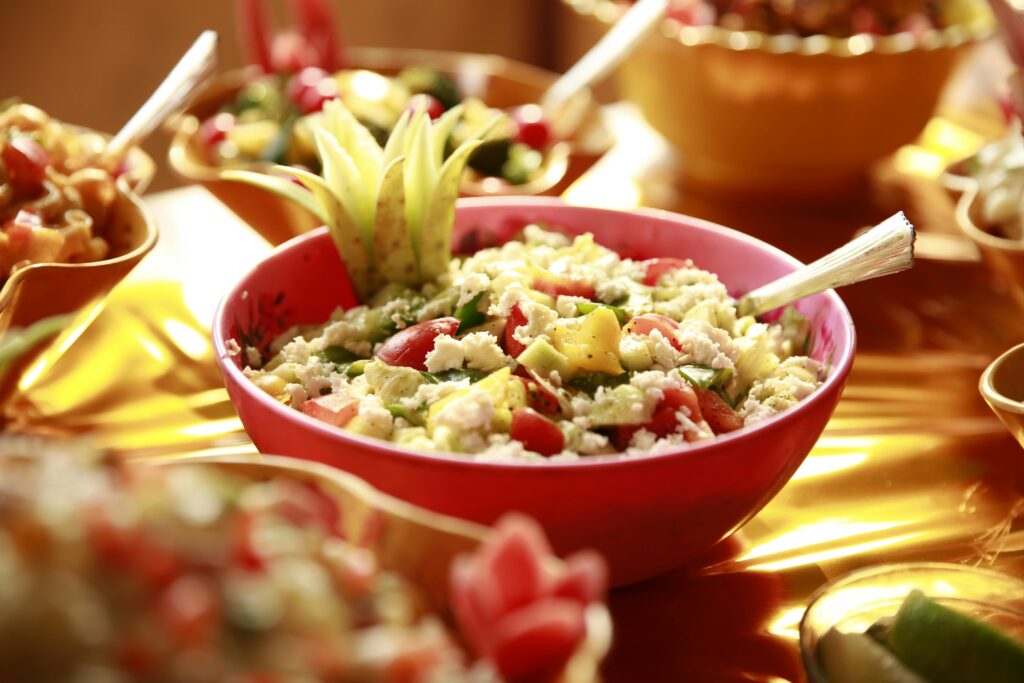
How to make Paneer Curd Vegetable Salad

🥗 Healthy Paneer Curd Vegetable Salad

✅ Ingredients

  • Paneer (cottage cheese) – 100–150g, cut into small cubes
  • Curd (plain yogurt) – ½ cup (preferably low-fat or Greek yogurt)
  • Cucumber – 1 medium, diced
  • Tomato – 1 medium, diced
  • Carrot – 1 small, grated or julienned
  • Capsicum (bell pepper) – ½, chopped
  • Red onion – ½ small, thinly sliced (optional)
  • Coriander leaves – handful, chopped
  • Mint leaves – a few, chopped (optional)

🧂 For Dressing

  • Black salt / regular salt – to taste
  • Black pepper powder – ½ tsp
  • Roasted cumin powder – ½ tsp
  • Chaat masala – ½ tsp (optional)
  • Lemon juice – 1 tbsp
  • Olive oil – 1 tsp (optional for richness)
  • Green chili / chili flakes – to taste (optional)

🥣 Instructions

  1. Prep the paneer:
    • Lightly grill or sauté paneer cubes in a nonstick pan for 2–3 minutes if you prefer it slightly crispy. Or use raw for a softer texture.
  2. Mix vegetables:
    • In a large bowl, combine chopped cucumber, tomato, carrot, capsicum, onion, coriander, and mint.
  3. Add curd:
    • In a separate bowl, whisk the curd until smooth. Mix in the salt, pepper, cumin powder, chaat masala, lemon juice, and olive oil (if using).
  4. Combine all:
    • Add the paneer cubes and curd dressing to the vegetables. Mix gently so the paneer doesn’t crumble.
  5. Taste and chill:
    • Adjust seasoning. Refrigerate for 15–20 minutes for best flavor (optional).
  6. Serve:
    • Garnish with extra herbs or a sprinkle of chaat masala. Serve chilled.

🥦 Tips for Health Boost

  • Add boiled chickpeas or sprouts for extra protein and fiber.
  • Use hung curd or Greek yogurt for a thicker, creamier dressing.
  • Add a dash of flax seeds or chia seeds for omega-3s.

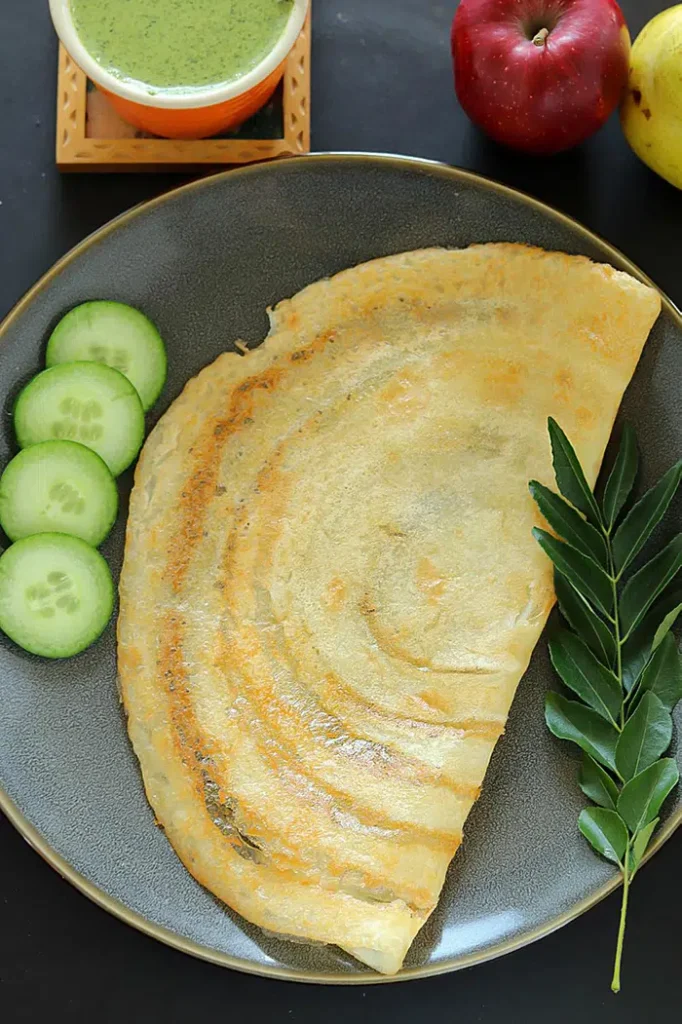
How to make Sabudana Dosa

🌿 Sabudana Dosa Recipe (Perfect for Vrat/Fasting)

Crispy, light, and nutritious dosa made with sabudana, peanuts, and makhana — great for Navratri or any fasting days.


✅ Ingredients:

For the Dosa Batter:

  • 1 cup sabudana (sago pearls)
  • ½ cup peanuts
  • ¼ cup makhana
  • ½ tsp sendha namak (rock salt/vrat salt)
  • ½ tbsp black pepper powder
  • 1 tbsp ginger, finely chopped
  • 1-2 green chilies, finely chopped
  • 2 tbsp fresh coriander, chopped
  • 2 boiled potatoes, mashed
  • 2 tbsp curd/yogurt (optional, for slight tang)
  • Water – as needed

For the Dosa Topping (optional):

  • 2 tbsp of the leftover peanut + makhana powder

🥣 Instructions:

Step 1: Roast & Prepare Sabudana Powder

  1. In a dry pan, roast 1 cup sabudana on medium flame for 3–4 minutes.
  2. Roast until it starts to pop slightly or you hear crackling sounds.
  3. Let it cool completely, then grind into a fine powder using a mixer/grinder. Set aside.

Step 2: Prepare Peanut-Makhana Powder

  1. In the same pan, dry roast ½ cup peanuts and ¼ cup makhana on medium flame until golden and aromatic.
  2. Let them cool, then remove peanut skins.
  3. Grind both into a fine powder. Divide into two parts:
    • Half will go into the batter.
    • Half will be used for chutney or as a topping.

Step 3: Prepare Potato Mixture

  1. Mash 2 boiled potatoes, put them in a mixer jar.
  2. Add 1 cup water and blend into a smooth paste.

Step 4: Make the Dosa Batter

  1. In a large bowl, combine:
    • Ground sabudana powder
    • Half of the peanut-makhana powder
    • Mashed potato paste
    • ½ tsp sendha namak
    • ½ tbsp black pepper powder
    • Finely chopped ginger, green chilies, and coriander
    • 2 tbsp curd (optional)
  2. Gradually add water to make a smooth, flowing batter like regular dosa batter.
  3. Let it rest for 10–15 minutes if time allows.

🔥 Cooking the Dosa

  1. Heat a non-stick dosa pan or tawa on medium heat.
  2. Sprinkle some water to check heat; wipe clean.
  3. Pour a ladleful of batter and spread evenly – don’t make it too thick.
  4. Optionally, sprinkle some of the leftover peanut-makhana powder on top for crunch.
  5. Cook on medium flame for 3–4 minutes or until the bottom is golden and edges lift.
  6. No need to flip. Remove and serve hot.

🥥 Coconut-Peanut Chutney

Ingredients:

  • ½ cup fresh grated coconut
  • 2 tbsp roasted peanuts and Makhana Powder
  • 1 green chili
  • Small piece of ginger
  • Sendha namak – to taste
  • Few curry leaves (optional)
  • Water – as needed

Method:

  1. Blend all ingredients together into a smooth chutney.
  2. Adjust water to get your desired consistency.
  3. For tadka (optional during non-fasting): Heat ghee, add cumin, curry leaves, and pour over chutney.

✅ Tips:

  • The dosa may take a little longer to cook than regular dosa. Be patient and keep the flame medium.
  • If batter thickens over time, add a little more water.
  • You can skip curd for a completely vegan/strict vrat version.

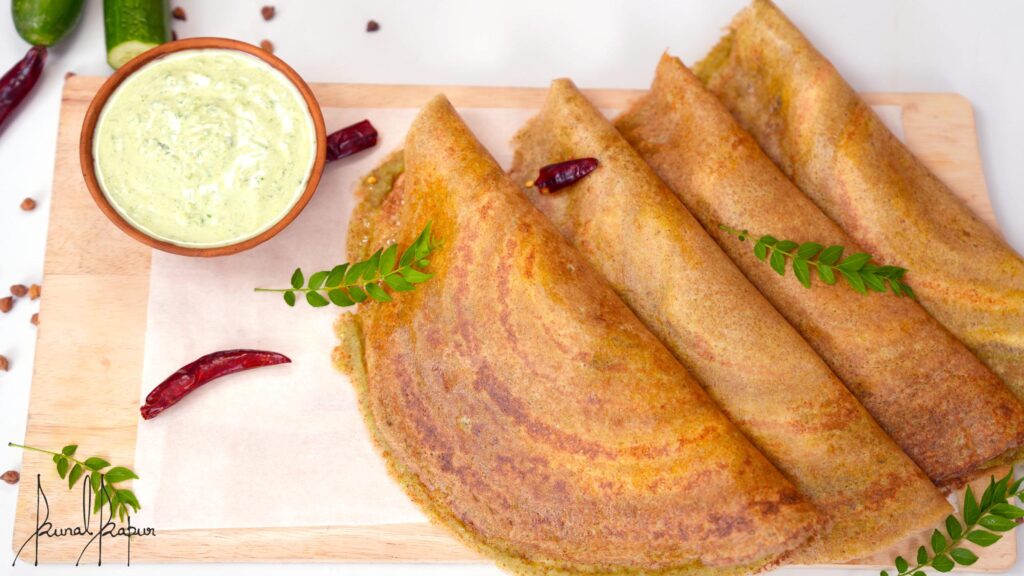
How to make Chickpea Dosa

🌰 Chickpea Dosa (Gluten-Free + Protein-Rich)

Ingredients:

  • 1 cup besan (gram flour) or soaked raw chickpeas (1/2 cup, soaked overnight & ground)
  • 1/4 cup finely chopped onions
  • 1–2 green chilies (finely chopped)
  • 1 tsp ginger paste
  • 1/4 tsp turmeric
  • 1/2 tsp cumin seeds
  • Salt to taste
  • Chopped coriander
  • Water (to make thin batter)
  • Oil for cooking

Instructions:

If using besan:

  1. In a bowl, mix besan with water to make a smooth, pourable batter.
  2. Add onions, chilies, ginger, spices, salt, and coriander.

If using soaked chickpeas:

  1. Blend soaked chickpeas with ginger, green chili, a little water into a smooth batter.
  2. Mix in the rest of the ingredients as above.

Cooking:
3. Heat a non-stick tawa, pour a ladle of batter, and spread like dosa.
4. Drizzle a few drops of oil, cook till golden on both sides.


🥄 Serve hot with mint chutney, curd, or tomato chutney.
✅ High protein, gluten-free, and perfect for breakfast or dinner!

How to Make Kala Chana Dosa


🥞 Kala Chana Dosa Recipe (Serves 1)

🫘 Ingredients:

  • Kala chana (black chickpeas) – ⅓ cup (soaked overnight)
  • Rice – 2 tbsp (optional, for crispiness)
  • Ginger – ½ inch piece
  • Green chili – 1 (adjust to taste)
  • Cumin seeds – ¼ tsp
  • Salt – to taste
  • Water – as needed (about ¼ to ⅓ cup)
  • Oil – for cooking (1–2 tsp)

🧑‍🍳 Instructions:

1. Soak:

  • Soak ⅓ cup kala chana and 2 tbsp rice overnight (8–10 hours).
  • Drain the water before blending.

2. Blend:

  • In a mixer, add soaked chana, rice, green chili, ginger, cumin seeds, salt, and a little water.
  • Grind into a smooth, slightly thick batter (like regular dosa batter).

3. Rest (optional):

  • You can use it right away, or rest for 15–30 minutes to improve flavor.
  • No fermentation needed.

4. Cook:

  • Heat a non-stick or cast iron tawa.
  • Pour a ladle of batter, spread it in a circle like dosa.
  • Drizzle a few drops of oil around the edges.
  • Cook on medium flame until golden and crisp.
  • Flip and cook the other side if needed.

5. Serve:

  • Serve hot with garlic chutney, mint chutney, or curd.

How to make soya paneer pancake

Soya Paneer Pancake is a healthy and nutritious pancake recipe made with soy flour, paneer, and a blend of aromatic spices. This recipe is gluten-free and vegetarian, making it suitable for many dietary preferences. It is also a great source of protein and fiber, thanks to the soy flour and paneer. However, people with a dairy or soy allergy should avoid this dish.

INGREDIENTS

1 cup soya flour: 120gms – 1/2 cup paneer, crumbled: 50gms – 1/2 teaspoon cumin powder: 2.5gms – 1/2 teaspoon coriander powder: 2.5gms – 1/4 teaspoon red chili powder: 1.25gms – Salt to taste – Water, as needed: 100ml – Oil, for cooking: 10ml

PREPERATION

1. In a large mixing bowl, combine the soya flour, crumbled paneer, cumin powder, coriander powder, red chili powder, and salt.

2. Add enough water to make a smooth batter. The batter should be of pouring consistency.

3. Heat a non-stick pan or griddle over medium heat. Brush some oil on the pan.

4. Pour a ladleful of the batter onto the hot pan and spread it into a circle.

5. Cook for 2-3 minutes until the bottom is golden brown. Flip the pancake and cook the other side for 1-2 minutes.

6. Remove the pancake from the pan and repeat the process with the remaining batter.

7. Serve hot with chutney or sauce of your choice.

NUTRITIONAL VALUE PER SERVING: –

  • Calories: 140 kcal
  • – Protein: 10g
  • – Fat: 6g
  • – Carbohydrates: 10g
  • – Fiber: 4g