Bean tikki burger is prepared with black beans, oats, onion, and carrots, and spices such as cumin and coriander. Whether vegetarian or nonvegetarian the bean tikki burger recipe will hit every spot. The patties on a pan are covered in cooking spray, or use a slightly more generous pour of cooking oil for a crispier finish. If you have bean tikki burger, these are an ideal source of vegan and vegetarian protein! But beyond that, they are also a wonderful source of nutrients such as fiber, zinc, magnesium, folate, calcium, iron, copper, manganese, and B vitamins.
Ingredients-
Onion
One tablespoon balsamic vinegar
Fresh green chilli (optional)
Tomato, 1/2 cucumber
1 x 400 g tin black beans or boiled rajma
100 g fresh breadcrumbs
Lemin juice
2 tablespoons natural yogurt
80 g baby kale
Little cheese
2 wholewheat buns
Oil
Method –
Peel the onion, slice them round and place in a bowl with a little salt on it. Set aside.
Then finely chop the chillis . Trim and finely chop the spring onions too. Place both in the bowl.
Drain the soaked beans and pat dry with kitchen paper. Now add them to the bowl, along with the breadcrumbs.
Add seasonings to it & then scrunch the bean mixture together with clean hands.
Make balls out of the mixture and flatten them into the shape of patties. If remaining, you can wrap and freeze them for later use.
Take another bowl, add little lemon juice and little yogurt. Season it. Mix well.
Then trim the kale and mix into the dressing.
Heat some oil in a non-stick pan over a medium heat. When its hot, place the bean patties on it and fry them upside down. Then keep it aside.
Now add the cut burgers to the pan and heat them upside down, until a little golden.
Add tomato, onion, cucumber, cheese, and patties to the buns.
Cover the burgers with a lid in the pan for 2 minutes to melt the cheese.
Set the plate with coriander chutney and add burgers to the plate
Healthy snacking improves overall health, curbs cravings, fights weight gain, regulates mood, boosts brainpower, and gives the energy one needs to keep going all day.
Having several snacks a day helps banish that postmeal sleepiness that comes from consuming too many calories at one sitting. Including protein, snacks will help derive an extra mental boost protein foods such as fish, meat, eggs, cheese, and tofu contain an amino acid that increases the production of neurotransmitters that regulate concentration and alertness
One way to prepare and serve fresh vegetables is through the roasting technique, a method of dry-heat cooking that allows you to cook the vegetables without added fat.
Roasted green peas represent one way to consume vegetables and they will add nutrition to your diet.
They provide only a modest amount of energy and represent a fairly low-calorie snack.
it’s a very Healthy snacking, and a Good snack for people on the weight loss journey!
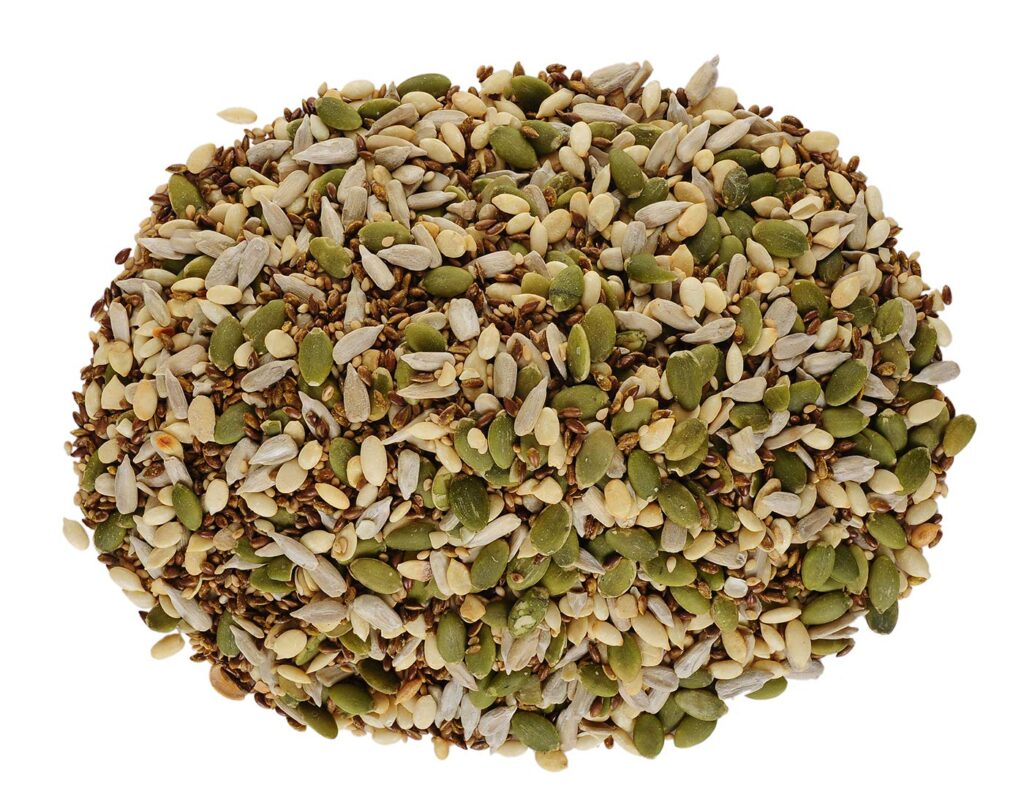
Roasted seeds
Roasted seeds mix
This gives the necessary nutrients to our bodies. It’s quite a good snack and gives a nutty flavor and extra crunch to any dish if added.
Seeds consist of all the requisite ingredients to make such a complex thing as a plant. Hence they are very nutritious and provide us immense health benefits.
They are a good source of monounsaturated fats and polyunsaturated fats and are also rich in vitamins, minerals, antioxidants, and fibers too.
If included in our diet routine they are said to help in reducing cholesterol, blood sugar, and high blood pressure.
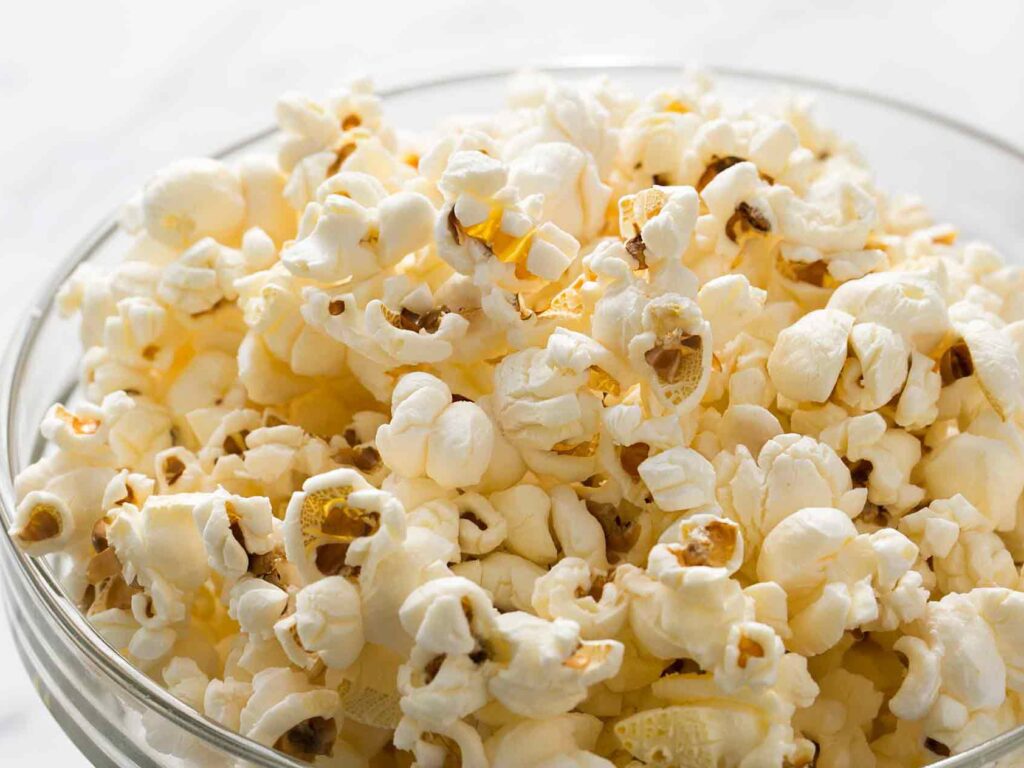
Popcorns
When they are air-popped and lightly seasoned, they are an efficiently healthy snack.
That is because it is a whole grain and high-fiber whole grains are known to lower risk of heart disease, diabetes, some cancers and other health problems.
In addition to nutrient fiber popcorn is also a good source of polyphenols which are antioxidants that have been linked to give health benefits such as better blood circulation and digestive health also it lowers the risk of certain cancers too.
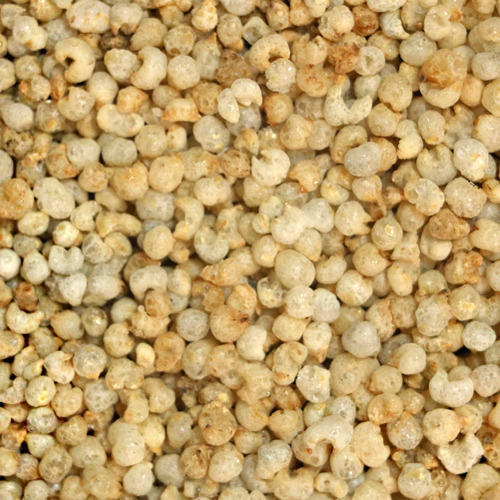
Roasted Bajra
Bajra is also known as Pearl millet is a small grain with high nutritional value.
Bajra contains the nutrient niacin, a vitamin that plays a crucial role in lowering cholesterol levels also preventing heart disease.
Roasted Bajra Mix is made from roasting the bajra grain in a roasting machine at a set temperature.
It is then mixed with some seasoning to give it a great taste. It is crunchy and a very healthy snack.
Roasted Jowar
Snacks Jowar (Sorghum) puff is Roasted and not fried. It is a healthy ready-eat snack.
Enjoy the chatpata flavor anytime whenever you feel hunger pangs.
It is totally gluten-free with a high fiber content.
Jowar was initially used for making food for domestic animals, however, later it was included in the diet of humans too for the amazing jowar benefits it provides with.
It mostly is found in regions with subtropical and tropical climates with grass native.
If you are struggling shedding weight. You can talk to us by taking this assessment: Click here
Healthy Eating Options Russia may not be the first to come to one’s mind when thinking of a food destination, but the country has plenty of delicious traditional dishes to eat. Visitors to Russia are often surprised to see the variety and flavors of the Russian cuisine, which is influenced by Russia’s connection to Europe, Asia, and the Middle East. The most classic Russian recipes are made of veggies and wheat, such as soups, porridges, and stuffed dough!
Healthy Eating Options are given bellow:
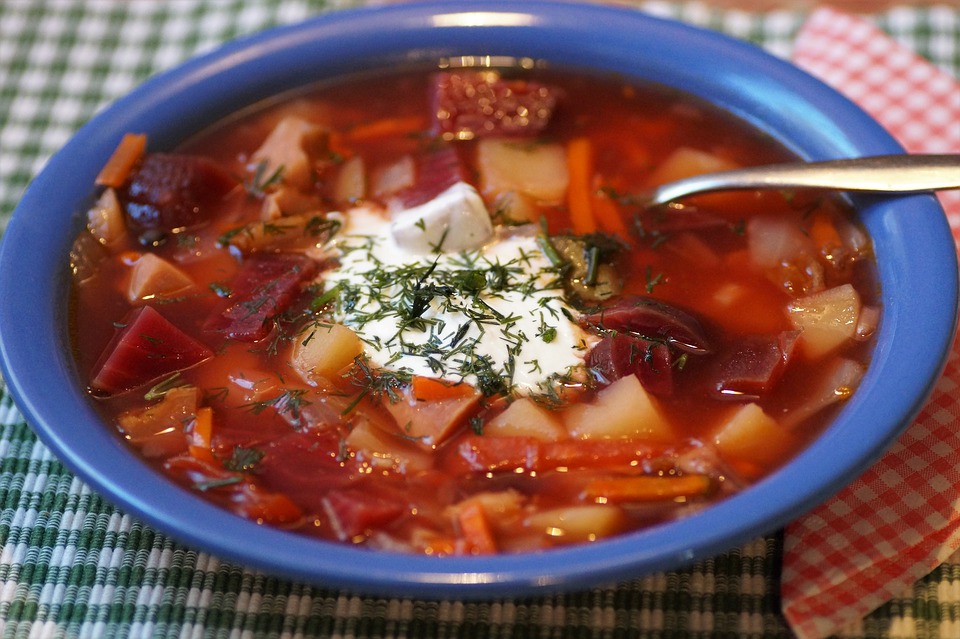
Borscht
It is a beet soup that originated in Ukraine and was quickly adopted as a Russian specialty as well. This soup is full of meat and sautéed vegetables, including cabbage, carrots, onions, and potatoes also. It can be served hot or cold and it is best served with a dollop of fresh sour cream on top.
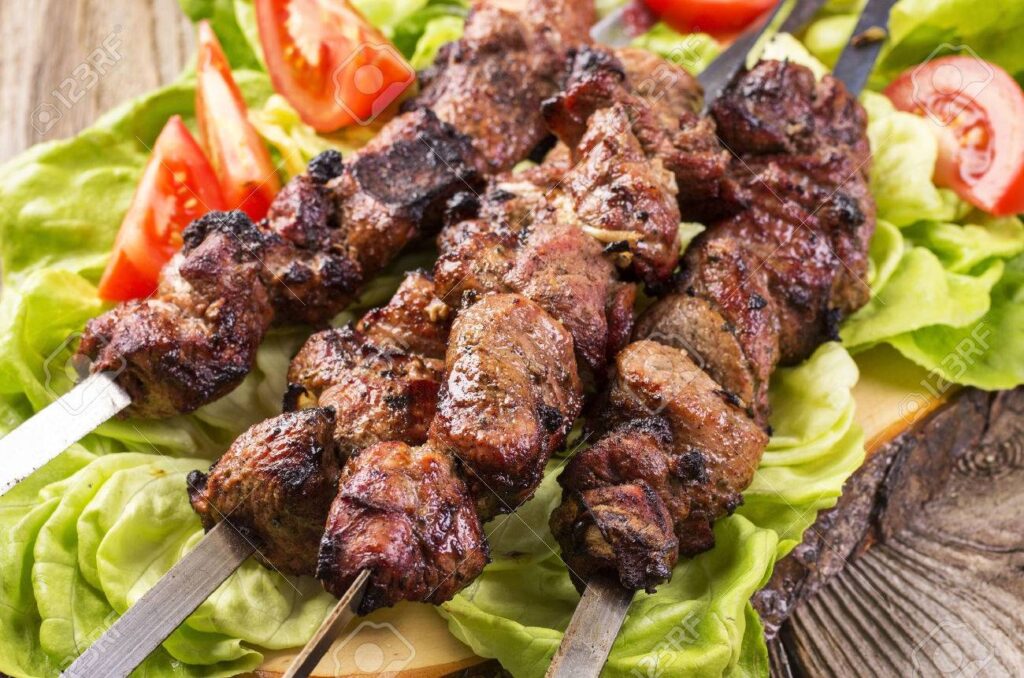
Shashlyk or shashlik
Russian kebabs are called shashlyk or shashlik. They consist of cubed meat and veggies grilled on skewers.
Beef stroganoff
This dish consists of strips of beef in a creamy sauce with mushrooms or tomatoes and it’s often served with rice, noodles, or potatoes.
This recipe has a long history and many variations for its preparation are also there.
Blini
Its round and thin, these little pancakes can be made with a variety of flours, but usually wheat.
They are most famously served with black or red caviar.
Barabulka
The Russian name “barabulka” is similar to both Turkish barbunya and the Italian word barbone and the meaning is “big beard”. In English these members of the goatfish family are called as red mullet. It can be tried oven-baked or fried.
Indian food
Its like dals, chapati, salad & curries etc. are all available at authentic Indian resturants. All the spices and other ingredients are sourced from India and the neighboring Asian countries.
Salads
Salads and more are also available as some of the best vegan foods at pocket-friendly prices. It is the place to be at if one is looking for healthy and fresh eating options.
If you are struggling shedding weight. You can talk to us by taking this assessment: Click here
Fishhave been an essential part of our food as far as the history of humanity goes. 97% of the earth underwater the fishes have always been a great source of food for man and animal alike.
Fish has a broad diversity, easy availability and nutrient content, and a number of other reasons that make it a hit across the globe. Fishes or should we be more precise seafood is prestigiously known as a ‘health food’ all over the world.
There are so many Fishes in India
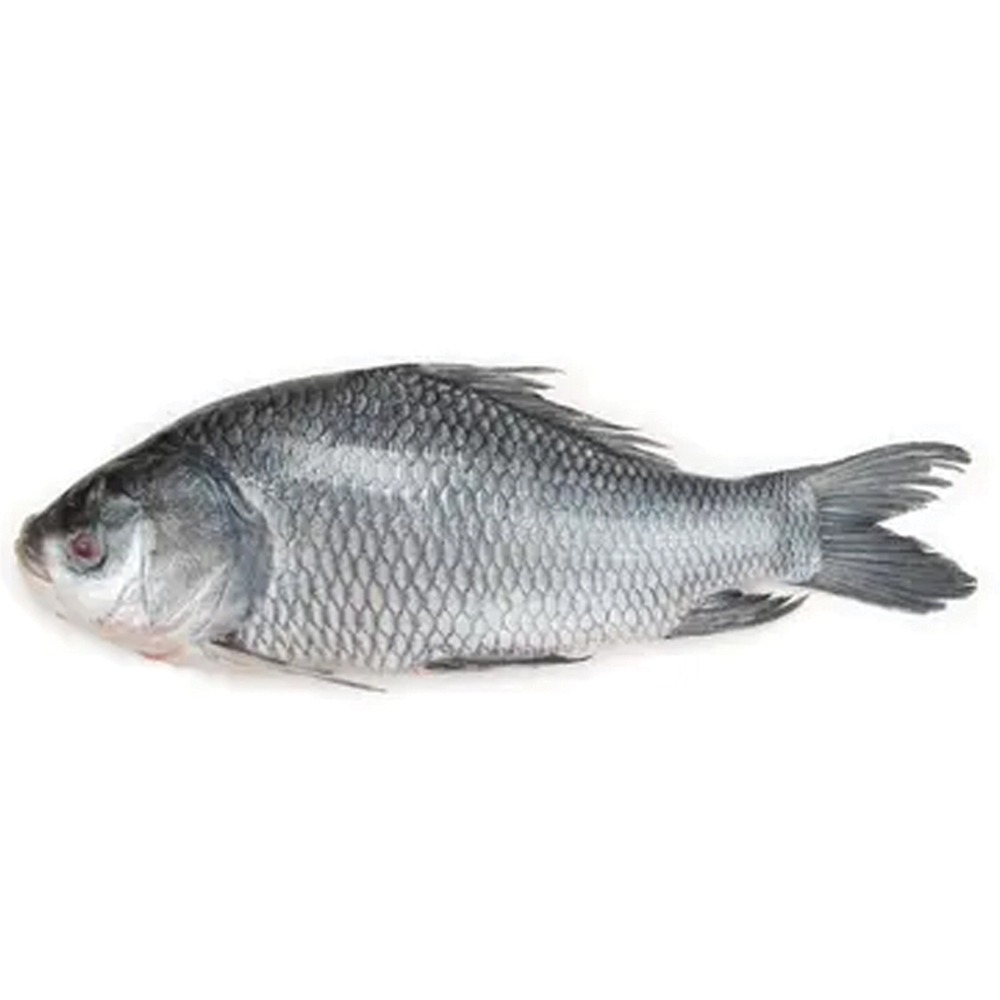
Rohu
Rohu fish is majorly available in Northern as well as central India. It is also known as Carpo fish. Rohu is enriched with a good amount of proteins in it, also packed with Omega 3 fatty acids and vitamins A, B, and C.
Rani
Rani (Pink Perch) is a common freshwater fish in India. It’s pink in color and small in size, this fish has a mild taste when it’s cooked. Due to just 4- 5% of body fat in it, this is not oily and hence it is called a lean fish. This is your go-to-go fish type if one is planning to lose weight.
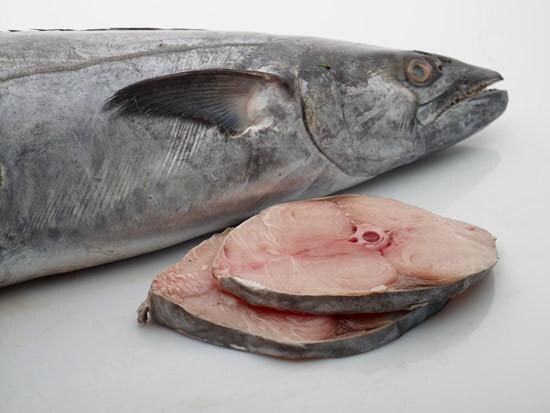
Surmai
This fish is very high in protein, vitamins, and minerals. This fish is extremely popular as well as an expensive one too. It is most popular in South and Central India. Surmai or King Mackerel is the kingfish of the Indian ocean. It’s high in mercury content but that does not mean that it cannot be consumed.
Rawas
This is a widely available fish, it consists of essential amino acids that promote growth and help maintain muscle tissue mass.
The protein found in Indian salmon or Rawas fish helps the body to maintain a healthy metabolism which promotes weight loss. Rich in omega 3 and 6 fatty acids and it may contain contaminants such as PCBs. So do not have more than 170 grams in a week.
Katla
A fish is widely found in the lakes and rivers of North India and Assam, this is enriched with proteins and vitamins. It is low in calories and a healthy option for people losing weight. The mercury level in this fish is moderate, which is safe enough to consume.
Paplet
Its known as the Indian butterfish, Pomfret or Paplet fish is widely found in South Asia, including the Indian Ocean. The taste is quite delicious, this is rich in protein and has a tremendous amount of omega 3 fatty acids. Silver or white pomfret and black pomfret are the two most popularly sold fishes in India.
Hilsa
It is a very popular Bengali fish and the national fish of Bangladesh. It is found in Odisha, West Bengal, Assam, Andhra Pradesh, and Gujarat. It is a delicacy not just in India but it is also enjoyed all over South Asia. Hilsa fish is among the costliest fish in India with the cost per kg going up to INR 3000 usually. This is being highly fished and the population is gradually decreasing in the sea.
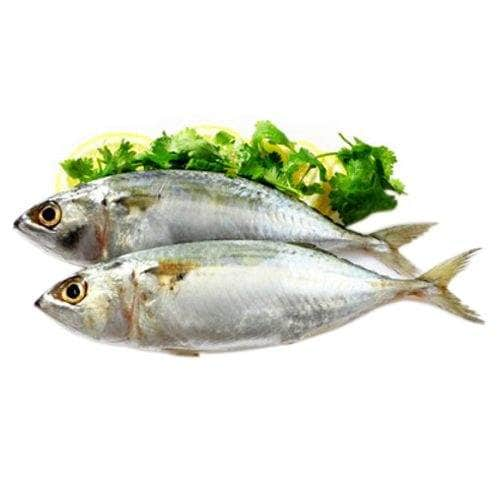
Bangda
Indian Mackerel or Bangda is rich in Omega 3 and Selenium which is great for cardiovascular health. It also helps lower blood pressure, enhances eyesight, and reduces cholesterol levels. It is again a good fish to go for if planning to lose weight. The best part is that it is very reasonably priced. Mackerel is a low mercury level fish and hence it can be enjoyed by all!
Pedvey
it (Indian Oil Sardines) is known to be a rich source of nutrients such as proteins, vitamins, and minerals. It helps in making bones stronger, preventing inflammation, and relieving stress too. They are commercially caught mainly in places like Karnataka, Goa, Kerala, and southern Maharashtra.
Singhara
This fish is commonly found in India. Low in mercury, it is also a rich source of protein, with 49 percent of the daily value in one fillet. Singhara also contains other nutrients like choline and is a good source of healthy, essential fats. Catfish/ Singhara have both omega-3 and omega-6 fatty acids in them.
If you are struggling shedding weight. You can talk to us by taking this assessment: Click here
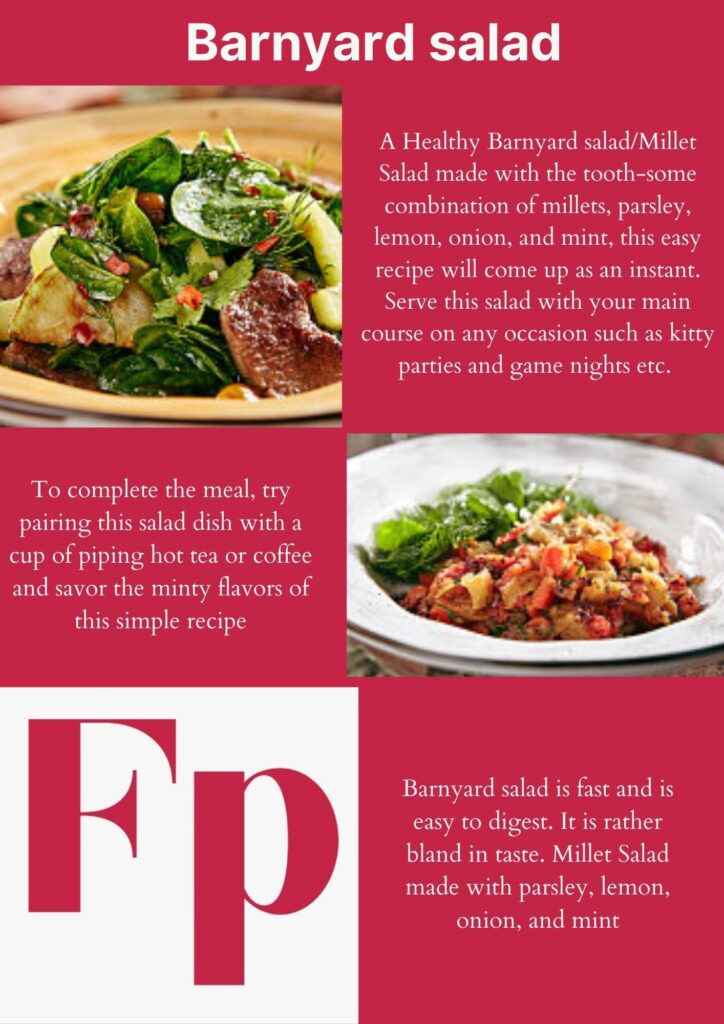
A Healthy Barnyard salad/Millet Salad made with the tooth-some combination of millets, parsley, lemon, onion, and mint, this easy recipe will come up in an instant. Serve this salad with your main course on any occasion such as kitty parties and game nights etc. To complete the meal, try pairing this salad dish with a cup of piping hot tea or coffee and savor the minty flavors of this simple recipe.
Bajra vegetable soup (Millet Soup), which is a traditional warm soup in the states of Rajasthan and Gujarat, and this soup is called Bajra Raab. Millet is gluten-free and full of many nutrients. It is also super easy to make. This bowl of hot soup is so filling and comforting, especially when the days get colder and darker. The main ingredient in this soup is millet flour, yogurt, and some spices to enhance the flavor.
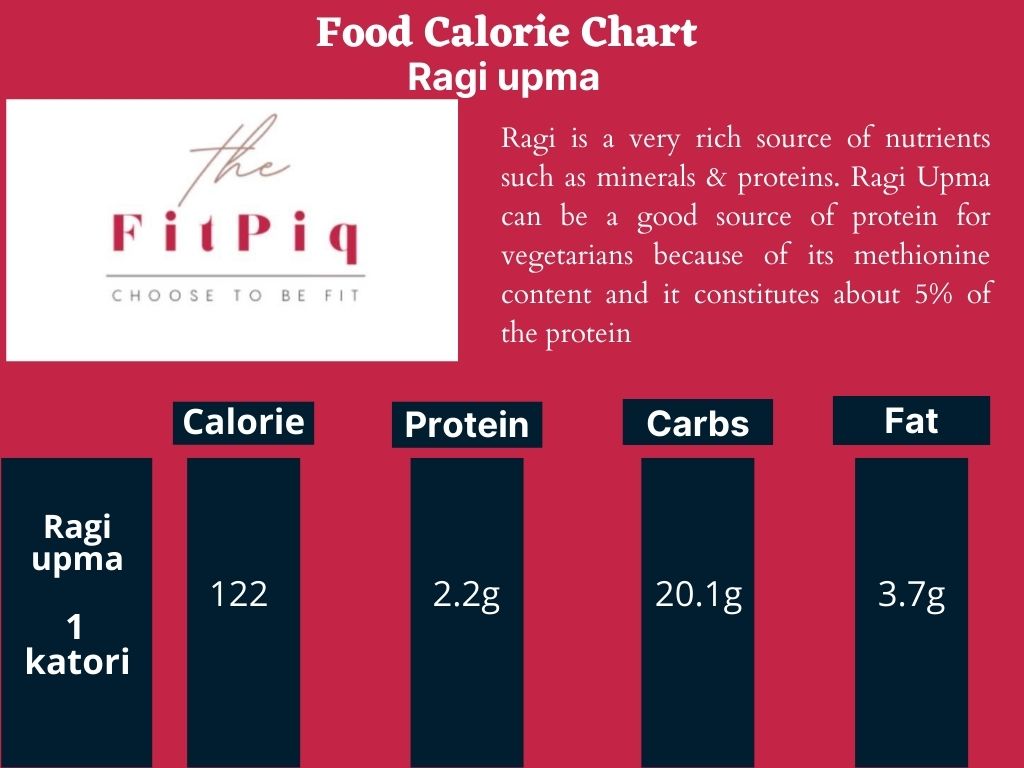
Ragi is a very rich source of nutrients such as minerals & proteins. Ragi Upma can be a good source of protein for vegetarians because of its methionine content and it constitutes about 5% of the protein.
Ingrediants :
1 cup Ragi rawa
1 large Onion,sliced
1/2 cup finely chopped vegetables(carrots,beans,capsicum,peas)
Dry roast ragi rawa(sooji) in a kadai till the nice aroma starts coming.
Remove it from the pan and let it cool down.
Now heat oil in a thick kadai(which is ideal for making upma) or non-stick kadai and add mustard seeds & them crackle.
Add chana dal, ground nuts and urad dal and roast them until they turn golden brown in colour.
Then add green chillies and curry leaves and fry them a bit then add onions and saute them.
Add chopped vegetables to it and fry well for 3-4 mins till the vegetables are partially cooked.
Mean while boil 3 cups of water in a vessel, till its boiling point.
Add the hot boiling water into the kadai and let it boil again. Add required amount of salt to it also.
Now pour the ragi rawa with one hand and keep stirring the mixture with another hand, make sure that this process is done quickly otherwise it will become a lumpy upma.
Once everything mixed, keep the lid on it and cook it on low flame for 2-3 mins.
After that add ghee, coriander leaves, grated coconut and lemon juice to it.
Mix well all.
Cover it and let it sit for 4-5 mins
Serve it hot & enjoy
If you are struggling shedding weight. You can talk to us by taking this assessment: Click here
Jowar (also called sorghum) palak appe is a yummy treat. They are vegetarian and gluten-free and also super healthy and nutritious. They can be served with a bowl of piping hot sambar, chutney, and salad on the side for a fulfilling meal.
The leftover batter can be re-used later to make appe or make crispy jowar dosa. This dish does not require any soaking, grinding & fermentation. It’s a quite nourishing snack for the body.
Instead of spinach, you can add other veggies too. Plus, the battery can also be used to make yummy dosas. Serve the appe hot and fresh with chutney. if you are cooking for young children, and want to avoid fruit salt, or Eno then, you can do as well by making Jowar Chille instead of Appe.
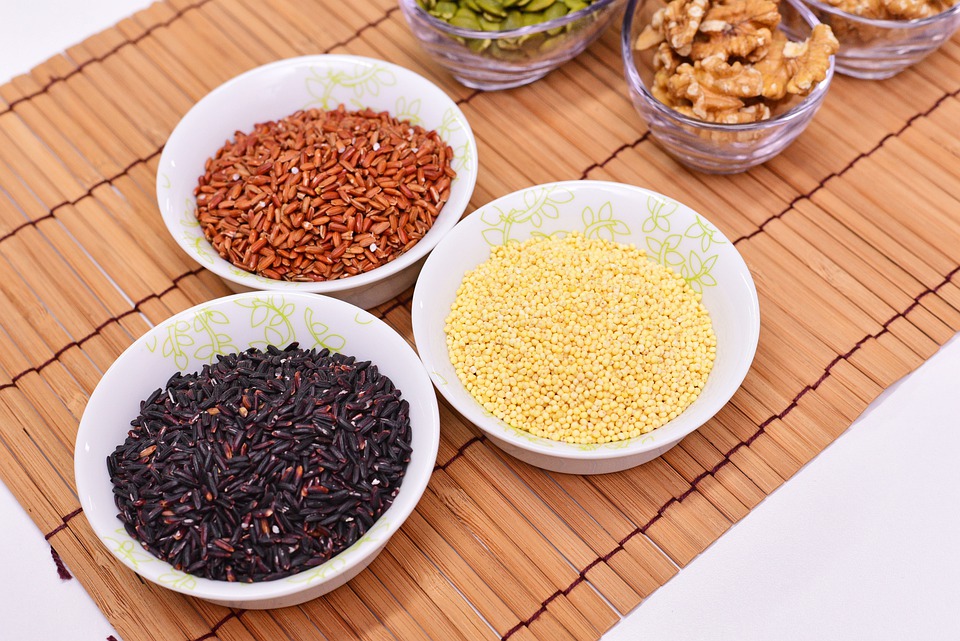
Millets are gluten-free crops that have been used in India for ages. They can play an important role in preventing and curing various health issues. Millets have significant nutrient-rich composition.
Millets are a large source of fiber, minerals such as magnesium, phosphorous, iron, calcium, zinc, and potassium. They are healthy but at the same time, they have taste.
Types of Millets & there uses :
Jowar Millet(Sorghum)
Sorghum is commonly known as Jowar . Traditionally it was used as a grain to make flatbreads/ Rotis, porriage, thepla, cookies, poori, dosa, sheera & thalipeeth.
Jowar consists of nutrients such as iron, protein, and fiber. It can help in reducing cholesterol levels as it has a component called policosanols (part of sorghum wax). It’s beneficial for people who have a condition known as Celiac disease (wheat intolerance).
Ragi Millet(Finger)
Ragi is popularly known as Finger millet or Nachini. The grain actually originated in Africa and has been cultivated in Uganda and Ethiopia for many years. Finger Millet is a healthy substitute for rice and wheat. Ragi millet is a powerhouse of nutrition.
Contains nutrients like protein and amino acids and this gluten-free millet is good for brain development in growing kids. Used to make items such as chapati, poori, Ragi Idli, khichadi, apple ragi Halwa, cookies, cakes, roasted namkeens, etc.
Bajra Millet(Pearl)
Bajra is a popular grain in North-West India, including the states Rajasthan and Haryana. Pearl millet has its health benefits. It helps in controlling cholesterol levels and diabetics.
It is the richness of iron, protein, fiber, and minerals such as calcium and magnesium. The daily consumption or inclusion of this millet can deliver great benefits. Used to make dishes – chapati, khichdi, cheela/dosa, cakes, thepla, and wraps.
Barnyard Millet (Sanwa) – It’s locally known as Sanwa, this millet is a gluten-free source of both insoluble and soluble fibers. Barnyard millet can be used to make, porridge, Khichdi, and even Pulao!.
This millet is nutrient-dense and has a high fiber content, which can effectively help in weight loss. It’s a rich source of calcium and phosphorous and helps in bone-building too. Its daily consumption helps fight bone diseases.
Proso millet (While millet)- This millet is a unique Indian Millet and is commonly known as white millet, Kashif millet, or hog millet. This millet is now cultivated in India, the Middle East, Turkey, Russia, and the United States.
It is gluten-free and has nutrients such as carbohydrates, protein, niacin (Vitamin B3), and fatty acids. It is used to make dishes like upma, dosa, idli, khichdi, and pulao.
Little millet (Samai) – The Little Millet (also known as samai) is believed to have originated in India. It is grown and used for food almost exclusively in our country.
Samai consists of nutrients such as B-vitamins, minerals like calcium, iron, zinc, and potassium and little millets can provide important nutrients which further help in weight loss.
It is used in many traditional dishes in south India. Little millet has high fiber content in it. Sometimes it can be a healthy replacement for rice. it i Used to prepare items such as poori, paratha, kheer, upma & porriage.
Kodo Millet(Kodu) –
This is thought to be originated in Africa and was introduced to India. But now grown primarily here. Kodo millet is popular by the local names in India like Arikelu in Telugu, Varagu in Tamil, and Kodra in Hindi.
It is very easy to digest and consists of a high amount of lecithin and is excellent for strengthening the nervous system.
Kodo millets are rich in nutrients such as B vitamins, especially niacin, B6, and folic acid, as well as the minerals such as calcium, iron, potassium, magnesium, and zinc. Kodo millets are gluten-free and are good for people who are gluten intolerant.
Consumption is very beneficial for postmenopausal women suffering from signs of cardiovascular diseases, such as high blood pressure and high cholesterol levels. Used to make various dishes – idli, dosa, pulao, kheer, upma, khichdi, etc.
If you are struggling shedding weight. You can talk to us by taking this assessment: Click here
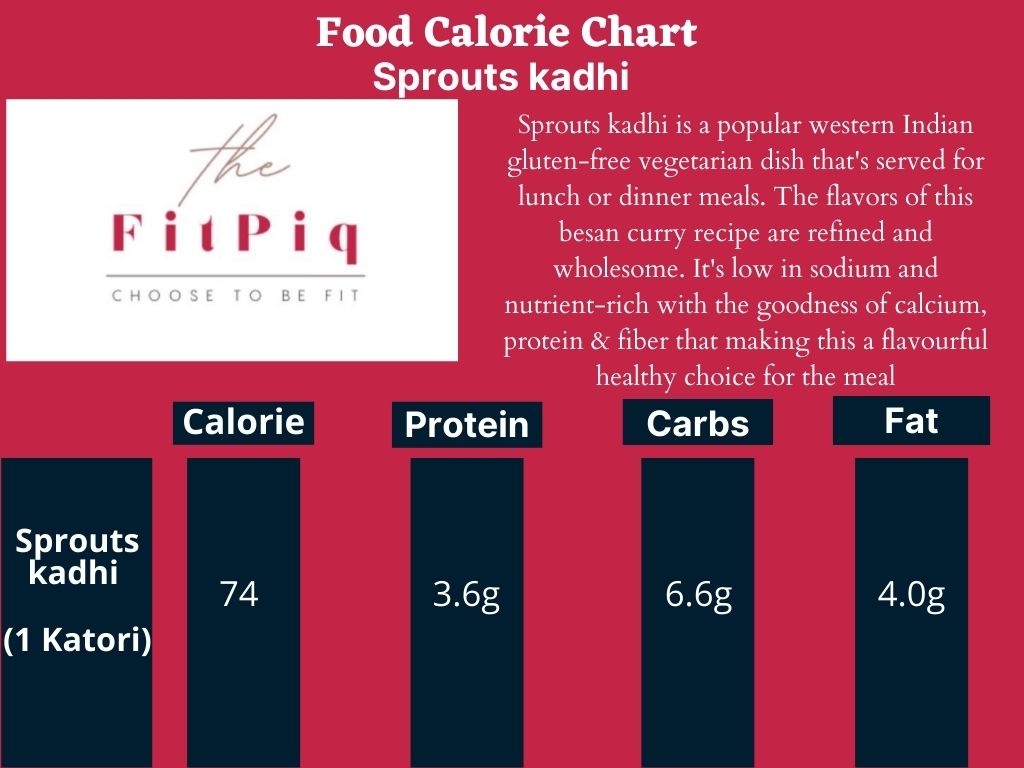
Sprouts kadhi is a popular western Indian gluten-free vegetarian dish that’s served for lunch or dinner meals. The flavors of this besan curry recipe are refined and wholesome. It’s low in sodium and nutrient-rich with the goodness of calcium, protein & fiber that making this a flavourful healthy choice for the meal.
A slight twist to a regular kadhi with adding sprouts makes it more healthy, nutritious, flavorful, colorful, and appealing for all ages. This dish can be a wholesome meal as a lunch or dinner with steamed rice served.
Kadhi is traditionally butterNestlé A+ Milk preparation. The humble kadhi gets an extra shot of nutrition with the addition of sprouts! For a truly memorable meal, serve it hot with rice or roti.
Ingrediants :
(Serving – 4)
Moong Sprouts blanched 1 cup
Yogurt blanched 1 cup
Yogurt 2 cups
Gram flour (besan) 3 tablespoons
Red chili powder 1/2 teaspoon
Salt to taste
Turmeric powder 1/4 teaspoon
Ginger 1 inch piece
Green chilies 2
Oil 2 tablespoons
Cloves 5-6
Cumin seeds 1 teaspoon
Coriander seeds 1 teaspoon
Black peppercorns 10-12
Dried red chilies 2-3
Asafoetida 1/4 teaspoon
Prepare the Sprouts kadhi:
Whisk yogurt/curd, a little water, gram flour, red chilli powder, salt, turmeric powder in a bowl till they smooth in texture.
Grind ginger and green chilli with a little water in it.
Then add them and mix.
Now heat oil in a non-stick pan then add spices such as cloves, cumin seeds, coriander seeds, black peppercorns, dried red chilies, and asafoetida and sauté them till fragrant.
Pour the yogurt mixture in it and cook, stirring continuously
Cook till it comes to a boil.
Reduce the heat and let it simmer till the kadhi thickens.
Then add moong and moth sprouts and mix all well.
Serve it hot with steamed rice or parantha.
Enjoy!
If you are struggling shedding weight. You can talk to us by taking this assessment: Click here