Health Tips

General health tips include tips to keep healthy & lose weight.

What is a healthy life? A life where you have no disease condition or a life where your body is doing physically good,

or a life where your mind is at peace or a life where you have a social circle and well-being?


Well to answer this question, you should analyze your life and think about what actually health is.


Health as defined by WHO as a state of complete physical, mental and social well-being and not merely the absence of disease or infirmity.

So that means, health is not only just being free of a disease condition, but in order to be healthy, one must be sound physically, mentally, and socially.


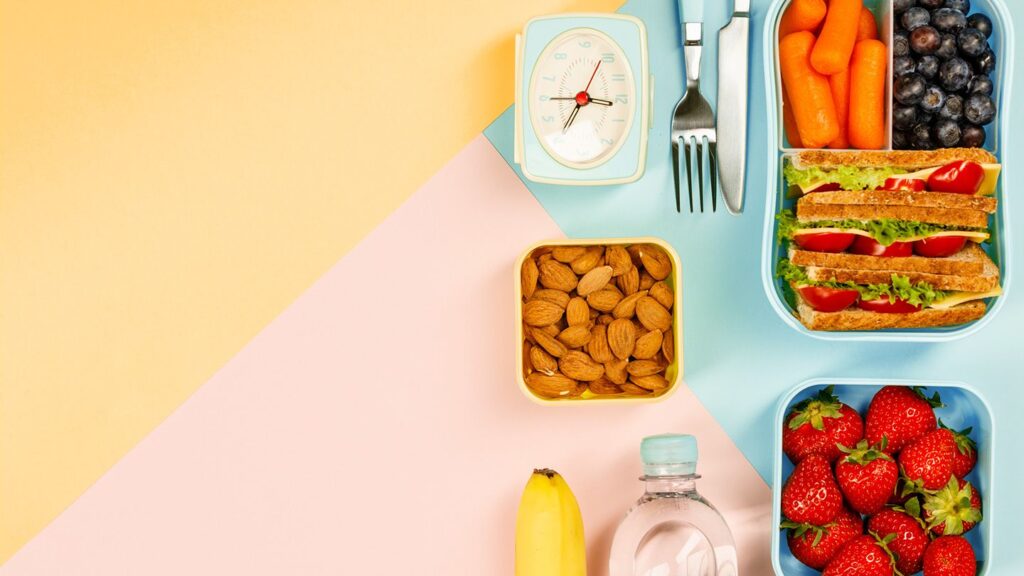
Health tips not only include what one should eat and not to eat, but it also includes the practice to attain a complete state of health.


If you are doing well physically and mentally but not consuming the required amount of nutrition that your body requires,

you will not be able to achieve your health goal to the fullest. Physical activity, mental health, social well-being, and dietary habits go hand in hand to live a healthy life.


Health tips will provide you with an outlook of how you can be healthy by putting in just a few efforts and making your health a priority.


Because if your body is in a state of health, you will be in a state of overall well-being. So choose yourself and your health over anything else!


Paleo kulfi: dairy free recipe

Kulfi is one of the most loved desserts among people. It is cold, delicious, and tempting. If you are on a paleo diet or want to avoid dairy and still want to have kulfi. Then, here is the solution. You can make kulfi with this recipe and enjoy it guilt-free. It is as delicious as a regular kulfi. You don’t have to compromise on taste. This recipe is also very simple and made in less time.

Also, try: Gulab jamun: paleo, gluten-free, and allergy friendly, Apple jalebi: a gluten-free, paleo, and vegan dessert

Ingredients :

Coconut milk – 400 ml

Honey – 85 gm

Creamy almond butter – 63 gm

Pure vanilla extract – 1 tsp

Sea salt – 1 tsp

Method:

Firstly take a blender, put coconut milk, honey, almond butter, vanilla extract, and sea salt, and blend on high for 30 seconds until turns to a smooth and homogenous mixture.

Then, turn on the ice cream maker and pour the mixture from the blender into the ice cream maker while it is moving.

Now, wait for 25-30 minutes. So the ice cream gets churned and waits until it turns to a fireball or the ice cream maker stopped rotating.

After that, put the mixture in an airtight container and place it into the freezer for 1-2 hours or until it gets wholly frozen.

When your ice cream is ready place sticks in it and enjoys your dairy-free kulfi.

Method without using ice cream maker:

When the ice cream maker is not available, then pour the mixture from the blender into a freezer-friendly container and put it in the freezer. Stir the mixture every 15 minutes by hand until it’s frozen.

If you are facing issues in dropping your weight, please take this free-body type assessment: Click here

For more recipes: Click here

Know more about Rheumatoid Arthritis

Rheumatoid arthritis (RA) causes joint inflammation and pain. It happens when the immune system doesn’t work properly and attacks the lining of the joints, called the synovium. The disease commonly affects the hands, knees or ankles, and usually the same joint on both sides of the body, such as both hands or both knees.

What is rheumatoid arthritis?

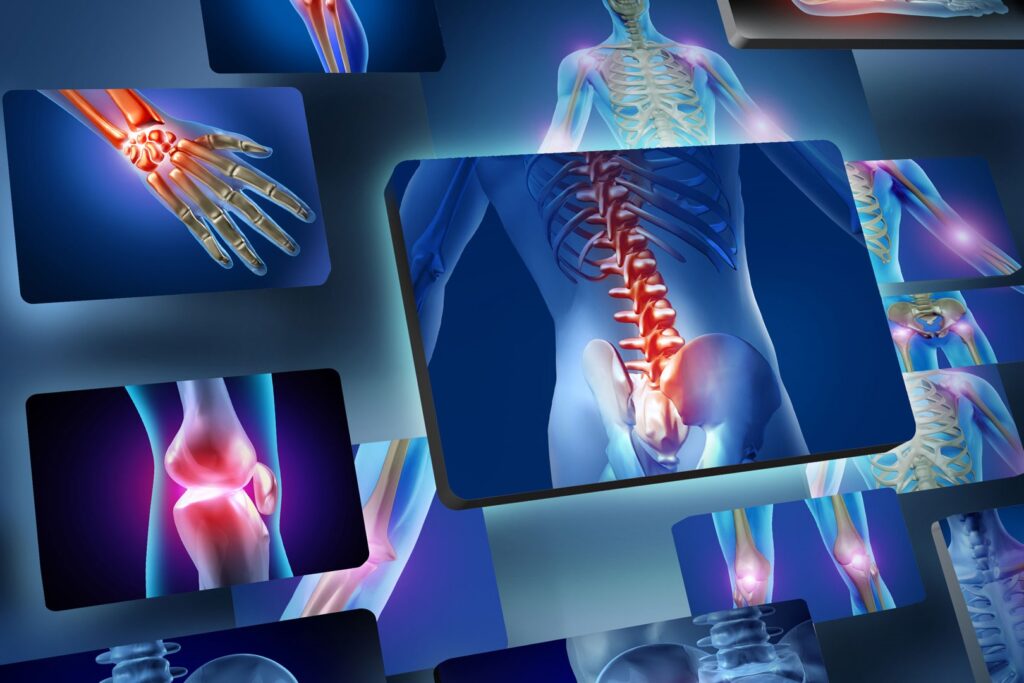
Rheumatoid arthritis (RA) is an autoimmune disease that is chronic (ongoing). It occurs in the joints on both sides of your body, which makes it different from other types of arthritis. You may have symptoms of pain and inflammation in your:

  • Fingers
  • Hands
  • Wrists
  • Knees
  • Ankles
  • Feet
  • Toes

Uncontrolled inflammation damages cartilage, which normally acts as a “shock absorber” in your joints. In time, this can deform your joints. Eventually, your bone itself erodes. This can lead to the fusion of your joint (an effort of your body to protect itself from constant irritation).

Specific cells in your immune system (your body’s infection-fighting system) aid this process. These substances are produced in your joints but also circulate and cause symptoms throughout your body. In addition to affecting your joints, rheumatoid arthritis sometimes affects other parts of your body, including your:

  • Skin.
  • Eyes.
  • Mouth.
  • Lungs.
  • Heart.

Age of onset of Disease

RA usually starts to develop between the ages of 30 and 60. But anyone can develop rheumatoid arthritis. In children and young adults — usually between the ages of 16 and 40 — it’s called young-onset rheumatoid arthritis (YORA). In people who develop symptoms after they turn 60, it’s called later-onset rheumatoid arthritis (LORA).

Causes for RA

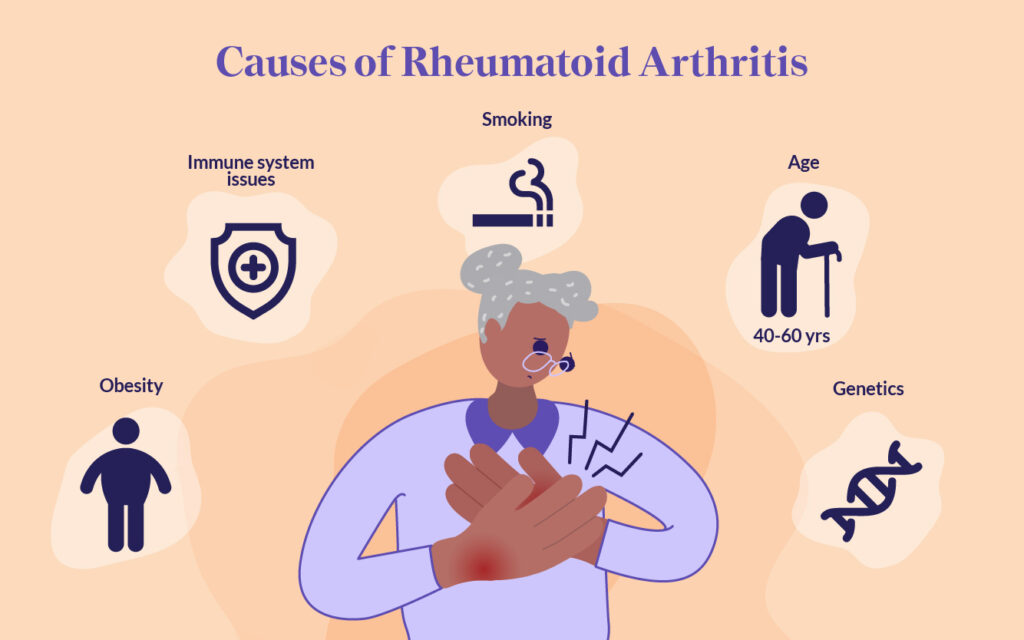
In a healthy person, the immune system fights invaders, such as bacteria and viruses. With an autoimmune disease like RA, the immune system mistakes the body’s cells for foreign invaders and releases inflammatory chemicals that attack those cells. Tn RA, it attacks the synovium, the tissue lining around a joint that produces a fluid to help the joint move smoothly. The inflamed synovium gets thicker and makes the joint area feel painful and tender and look red and swollen, and moving the joint may be difficult. Some other causes include smoking, Obesity and Age too.

Symptoms for Rheumatoid Arthritis

In the early stages, people with RA may not see redness or swelling in the joints, but they may experience tenderness and pain.
These symptoms are clues to RA:

  • Joint pain, tenderness, swelling or stiffness that lasts for six weeks or longer.
  • Morning stiffness that lasts for 30 minutes or longer.
  • More than one joint is affected.
  • Small joints (wrists, certain joints in the hands and feet) are typically affected first.
  • The same joints on both sides of the body are affected.

Many people with RA get very tired (fatigue) and some may have a low-grade fever. RA symptoms may come and go. Having a lot of inflammation and other symptoms is called a flare. A flare can last for days or months

Diagnosis

Rheumatologists diagnose people with rheumatoid arthritis based on a combination of several factors. Doctors do a physical exam and ask you about your medical history and symptoms. Your rheumatologist will order blood tests and imaging tests.

The blood tests look for inflammation and blood proteins (antibodies) that are signs of rheumatoid arthritis. These may include:

  • Erythrocyte sedimentation rate (ESR) or “sed rate” confirms inflammation in your joints.
  • C-reactive protein (CRP).
  • About 80% of people with RA test positive for rheumatoid factor (RF).

Some of the imaging tests to diagnose bone health may include:

  • X-rays.
  • Ultrasounds.
  • Magnetic resonance imaging (MRI) scans.

What are the diagnostic criteria for rheumatoid arthritis?

  • Inflammatory arthritis in two or more large joints (shoulders, elbows, hips, knees and ankles).
  • Inflammatory arthritis in smaller joints.
  • Positive biomarker tests like rheumatoid factor (RF) or CCP antibodies.
  • Elevated levels of CRP or an elevated sed rate.
  • Your symptoms have lasted more than six weeks.

Health Effects

  • Eyes – Dryness, pain, inflammation, redness, sensitivity to light and trouble seeing properly.
  • Mouth – Dryness and gum inflammation, irritation or infection. 
  • Skin – Rheumatoid nodules — small lumps under the skin over bony areas. 
  • Lungs – Inflammation and scarring that can lead to shortness of breath and lung disease.
  • Blood vessel – Inflammation of blood vessels that can lead to damage in the nerves, skin and other organs.
  • Blood – A lower than normal number of red blood cells. 
  • Heart – Inflammation can damage the heart muscle and the surrounding areas.
  • Painful joints also make it hard to exercise, leading to weight gain. Being overweight may make people with RA more likely to develop high cholesterol, diabetes, heart disease and high blood pressure.

MANAGEMENT AND TREATMENT

What are the goals of treating rheumatoid arthritis?

The goals of RA treatment are to:

  • Stop inflammation or reduce it to the lowest possible level (put disease in remission).
  • Relieve symptoms.
  • Prevent joint and organ damage.
  • Improve function and overall well-being.
  • Reduce long-term complications.

How is rheumatoid arthritis treated?

Joint damage generally occurs within the first two years of diagnosis, so it’s important to see your provider if you notice symptoms. Treating rheumatoid arthritis in this “window of opportunity” can help prevent long-term consequences.

Treatments for rheumatoid arthritis include lifestyle changes, therapies, medicine and surgery. Your provider considers your age, health, medical history and how bad your symptoms are when deciding on a treatment.

Will changing my diet help my rheumatoid arthritis?

When combined with the treatments and medications your provider recommends, changes in diet may help reduce inflammation and other symptoms of RA. But it won’t cure you. You can talk with your doctor about adding good fats and minimizing bad fats, salt and processed carbohydrates. No herbal or nutritional supplements, like collagen, can cure rheumatoid arthritis. These dietary changes are safer and most successful when monitored by your rheumatologist.

But there are lifestyle changes you can make that may help relieve your symptoms. Your rheumatologist may recommend weight loss to reduce stress on inflamed joints.

People with rheumatoid arthritis also have a higher risk of coronary artery disease. High blood cholesterol (a risk factor for coronary artery disease) can respond to changes in diet. A nutritionist can recommend specific foods to eat or avoid to reach a desirable cholesterol level.

Four stages of rheumatoid arthritis

  • Stage 1: In early stage rheumatoid arthritis, the tissue around your joint(s) is inflamed. You may have some pain and stiffness. If your provider ordered X-rays, they wouldn’t see destructive changes in your bones.
  • Stage 2: The inflammation has begun to damage the cartilage in your joints. You might notice stiffness and a decreased range of motion.
  • Stage 3: The inflammation is so severe that it damages your bones. You’ll have more pain, stiffness and even less range of motion than in stage 2, and you may start to see physical changes.
  • Stage 4: In this stage, the inflammation stops but your joints keep getting worse. You’ll have severe pain, swelling, stiffness and loss of mobility.

Difference between

Rheumatoid arthritis vs. osteoarthritis

Rheumatoid arthritis and osteoarthritis are both common causes of pain and stiffness in joints. But they have different causes. In osteoarthritis, inflammation and injury break down your cartilage over time. In rheumatoid arthritis, your immune system attacks the lining of your joints.

Rheumatoid arthritis vs. gout

Rheumatoid arthritis and gout are both painful types of arthritis. Gout symptoms include intense pain, redness, stiffness, swelling and warmth in your big toe or other joints. In gout, uric acid crystals cause inflammation. In rheumatoid arthritis, it’s your immune system that causes joint damage.

GENERAL DIETARY GUIDELINES FOR RHEUMATOID ARTHRITIS

Food Items To Limit – The food stuff that limits calcium absorption should be limited.

  1. Phytates: They easily bind to calcium therefore limiting its availability for absorption. Try not to eat phytate-containing foods like whole wheat, oats, and rice,black beans,kidney beans, soy beans, peanuts, and lentils, walnuts, almonds, and sesame seeds, potatoes, turnips, beets and carrots with dairy products.
  2. Oxalates: Found in sweet potatoes, spinach and  beetroot. Very reactive molecules. Bind to calcium therefore reducing its absorption. Interfere with calcium storage in cells. Don’t eliminate these foods, just be aware that they are not the best providers of calcium.
  3. Alcohol: Interferes with vitamin D activation by the liver and kidneys. Inhibits vitamin D activating enzymes in the liver. It is a diuretic therefore it increases calcium excretion through urine. Increases Parathyroid hormone (PTH) levels and therefore decreases calcium reserves in the body. Try to limit your alcohol intake.
  4. Caffeine: It is believed that caffeine decreases calcium absorption by interfering with vitamin D absorption. Caffeine is also a diuretic therefore it increases calcium excretion in the urine.

Do’s:

  1. Include high calcium rich foods (beans, milk, cheese, tofu, fish, dry fruits)
  2. Eat fresh, alkalizing vegetables and fruits every day, preferably organic like green leafy vegetables, Cruciferous vegetables, Olives, Onion, Garlic and all Citrus fruits like Orange, lemon, grapefruit (chakotra).
  3. Prefer home made foods over outside foods.
  4. Do check for iodine content on food labels.
  5. Include omega-3 rich foods such as fish, walnuts, almonds, flax seeds, olive oil, canola oil.

Don’ts

  1. Avoid consumption of caffeinated products.
  2. Limit the intake of phosphorus containing foods- red meat, soft drinks. Never consume Iron rich foods along with calcium rich foods as that might lead to malabsorption.
  3. Foods with high levels of oxalic acid such as spinach, collard greens, and sweet potatoes prevent calcium absorption. So don’t consume calcium rich foods along with these foods.
  4. Don’t smoke – RA is probably caused by a combination of the genes you are born with and certain events in your life that trigger those genes to become active. One of those triggers may be smoking.
  5. Don’t be a couch potato – Unless your joints are very inflamed, you need to get up and exercise. Studies show that aerobic and strengthening exercises can help reduce the pain and stiffness of RA.
  6. Don’t drink alcohol –  if you are taking RA medications before checking with your doctor. Although moderate drinking may have some health benefits for people with RA, certain RA medications do not mix well with alcohol. These include the common RA drug methotrexate and nonsteroidal anti-inflammatory drugs (NSAIDs).
  7. Don’t spend all your time indoors – Your body needs Vitamin D 
  8. Don’t take fish oil supplements before checking with your doctor. There is some evidence that the omega-3 fatty acids found in coldwater fish may be good for people with RA. Eating fish is fine, but taking high doses of supplements could interfere with several common medications and cause dangerous side effects.

Food Items You Can Easily Consume in Rheumatoid Arthritis

  1. Cereals & cereal products: Ragi, bajra, whole wheat flour. Pulses & Legumes: Lentils, peas, kidney beans, chickpeas, toor daal, soy beans.
  2. Fruits & Vegetables: Custard apples, chikoos, apple, white jamun, grapes, lemons, oranges, raw mangoes, carrots, beetroots, bottle gourd, bitter gourds, spinach, colocasia (arbi), drumsticks, yam, taro, tapioca, coriander leaves, celery, spring onions, garlic, ginger.
  3. Milk & milk products: Milk liquid, curd, cottage cheese, ghee, chhach, lassi, custard.
  4. Meat, Fish & Poultry: Sweet and salt water fishes, eggs, Chicken (lean and/or fowl).
  5. Nuts & Oils: Almonds, raisins, pista, walnuts, vegetable oil, mustard oil.
  6. Milk products, yogurt etc.,

For more information click here

If you are struggling shedding weight. You can talk to us by taking this assessment: Click here

WHAT IS OMAD ? Let’s learn more about it..

OMAD means eating one meal in a day. It doesn’t specify what you eat, or even what time you eat. It simply directs you to eat once.

OMAD is the longest form of time-restricted eating, equivalent to a 23:1 fast (fasting for 23 hours and eating in a 1-hour window). In its purest sense, OMAD doesn’t dictate calorie restriction or specific macronutrient composition. That said, we encourage you to continue your healthy, low-carb diet at that meal.

If you follow weight loss trends, then you may have come across this one meal a day approach. To some, it may sound extreme and like something that is more of a hassle than it is worth. But, in fact, there are many advantages to this fasting style. This pattern of eating can have some profound health benefits like weight loss, improving cognition, and preventing disease. Not to mention, it can help you save time and money. Once you get used to it, it isn’t nearly as hard as it sounds.

You can also learn about Intermittent fasting by clicking this Button

OMAD Working on Body

One meal a day is not so much a diet but rather a particular version of intermittent fasting. Intermittent fasting involves alternating between periods of eating and periods of consuming no calories at all (also known as fasting). As the name implies, with OMAD, you eat only once per day. You spend 23 hours of the day fasting and have a one-hour eating window. During that time, you eat your single, large meal. You consume the number of calories you need for the entire day during those 60 minutes.

The extended fasting period during the one meal a day diet is beneficial to the body for many reasons, many of which I go into more detail below. One of the main things to understand is when we fast, the Fat Storing Hormone levels in the body drop. Correcting Fat Storing Hormone resistance and blood sugar issues is essential in avoiding common health problems. Doing this through fasting can help solve a lot of problems throughout the body and can help you with everything from weight loss to memory issues.

To whom OMAD diet applies ?

It is important to note that only people who have prior experience with intermittent fasting should try the OMAD diet. Do not go straight from your regular habits to a single meal per day. This causes excessive stress on your body, which only harms you rather than help. Build yourself up to the fasting schedule of one meal per day by gradually increasing the time you fast daily.

Best Time to do OMAD

It is up to the individual to determine when is the best time to consume his/her calories for the day. Some people prefer to eat all of their daily required calories at breakfast time, some at lunch, and some at dinner. But, if you want to work with the body as much as possible, eating later in the day is preferred. Our bodies spend much of the day under the control of the sympathetic branch of our nervous system. This system controls the fight or flight response and helps us respond and react to stress. So during the day, our bodies are naturally a little more stressed.

As the day goes on and we transition into night, the parasympathetic branch of the nervous system kicks in. This branch promotes rest and digestion. In the latter part of the day, our bodies are better suited for good digestion. This is one reason why we recommend eating your one meal either later in the afternoon or in the evening.

Eating later in the day also makes it convenient to enjoy your meals with others. You can still participate in family dinners around the dining room table, go to a dinner party, or join friends out for an evening meal.

Benefits of OMAD

One-Meal-A-Day (OMAD) Diet: Benefits & Foods To Eat And Avoid

Clinicians experienced in prescribing intermittent fasting and low-carb nutrition frequently use OMAD as a tool to help with weight loss stalls. When a patient is eating low carb but isn’t losing weight as expected, temporary use of OMAD can help kick-start weight loss.

Many who eat an OMAD pattern do so for the ease of preparing food and eating just once each day. This can be especially helpful for those who travel frequently, perform shift work, or have hectic and busy schedules.

Think about how much time you spend planning, shopping for, and preparing meals. If you eat three meals per day, how much time could you save cutting that by two-thirds?

As a form of time-restricted eating and intermittent fasting, OMAD may help reduce hyperinsulinemia, control diabetes and improve metabolic syndrome. Consistent clinical experience shows that widening the fasting window can help improve these metabolic conditions. So, when used appropriately, OMAD could deliver better results than shorter fasts.

Some see OMAD as an “easy” way to reduce calorie intake. When you only allow yourself to eat in a 30-to-60-minute time window, it is physically difficult to exceed your daily calorie needs. It’s not impossible but it sure is challenging. For those who benefit from a firm schedule that restricts snacking, OMAD can be the strategy that works best.

Lets have a look on some of the best things you get out of eating one meal a day? Here are the top eating one meal a day benefits:

1. Save Money

When you eat only one meal a day, there is no doubt you will save money.

2. Save Time

People spend a lot of time on food. Whether it’s due to grocery shopping, meal prepping, eating, cleaning up, or packing something for on the go, the work and time to make several meals a day add up. Without as much time dedicated to food, you can do other things more productive and exciting to you.

3. Improve Digestion

Fasting for so long each day can really help take the pressure off the digestive system. It gives your gallbladder, stomach, pancreas, and large bowel a rest. The one meal a day meal plan can be especially helpful for people with digestive issues, like irritable bowel syndrome.

4. Boost the Immune System

Going for long periods of fasting is a powerful way to increase immune activity. Whether you have allergies, autoimmune conditions, or inflammatory conditions, intermittent fasting is a great choice.

5. Increase Autophagy

Autophagy refers to a process in the body in which damaged cell parts are recycled into new tissues. It also helps rid the body of things like viruses, mold, fungi, and candida. Fasting boosts this recycling and detoxifying process.

6. Live Longer

Fasting is a great anti-aging tool that promotes long, healthy living. This is linked to how fasting increases autophagy.

7. Reduce Hunger

You might think that if you are limited to food only once a day, you’ll be starving the rest of the day. But when you fully adapt to this way of eating and your body fully transitions into fat-burning mode, hunger actually goes away. You feel a lot less hungry overall.

8. Have Great Skin

This pattern of eating can help your skin look and feel great. You may experience smoother, younger skin due to the anti-aging effects and increased autophagy benefits.

9. Improve Mood

A lot of mood problems are due to underlying blood sugar problems. This is the case for things like depression and anxiety. When you fast and Fat Storing Hormone and blood sugar issues get under control, your mood improves, and you feel so much better.

10. Increase Cognitive Function

This pattern of eating is really great for boosting cognition. It can benefit things like dementia, poor memory, lack of focus, and trouble concentrating. Once your body is used to this style of eating, all of that improves.

11. Decrease Inflammatory Conditions

Relief from conditions such as arthritis, tendonitis, and bursitis can happen when you only have one meal a day. This is because the blood sugar issues are often at the root of inflammation. When you correct those problems, the inflammation decreases.

12. Decrease Blood Pressure

High Fat Storing Hormone is behind high blood pressure. OMAD decreases Fat Storing Hormone in the body, bringing your blood pressure down along with it.

13. Turn the Body into a Fat Burning Machine

One of the benefits people love the most about the OMAD diet is helping them lose weight. When in full fasting mode, your body becomes well-adapted to burning fat. When you eat this way, you burn fat and get a flatter belly.

14. Improve Your Personal Discipline

The ability to withstand any food consumption for 23 hours takes true willpower. Doing this extreme intermittent fasting schedule is a practice. It is one that takes a lot of self-discipline. It as an exercise in strengthening your personal willpower and discipline.

15. Fix a Slow Metabolism

If you have a slow metabolism, then this is truly the style of eating meant for you. It helps raise your metabolism and shed fat.

Look into Nutrient Dense food options while doing OMAD


Some versions of the one meal a day diet allow you to eat anything you want (really, anything at all) in your single meal. I recommend making that meal as nutrient dense and full of hearty superfoods as possible. Avoid carbs and eat lots of healthy vegetables (a plant-based diet), along with healthy sources of fat and lean protein. It helps you provide your body with enough nutrients to stay healthy. It is important to make healthy food choices while eating only one meal a day. Make sure you get all the micronutrients and macronutrients your body needs in that short window.

Concerns about OMAD

1. Eating disorders

Any eating pattern that promotes a cycle of food restriction followed by extra food consumption can trigger disordered eating behavior in susceptible people. So if you have a history of an eating disorder, you should probably avoid OMAD.

2. Chronic caloric restriction

Creating an environment in which you naturally reduce caloric intake is one of the clinical benefits of OMAD. The other side of that coin is that it can be difficult to obtain adequate calories if eating OMAD long-term, without interruption. OMAD can then start to look a lot like chronic caloric restriction. Although chronic caloric restriction helps with initial weight loss, it poses long-term concerns because it tends to lower resting metabolic rate, which makes weight loss very difficult to maintain.

3. Inadequate protein intake

Just as OMAD promotes caloric restriction, it can also lead to protein restriction. Since protein helps you feel full and satisfied, it can be difficult to eat your entire daily requirement in one sitting. Therefore take advise of your Dietitian before planning OMAD.

4. Taking medications with food

For those who need to take prescription medications with food more than once per day, OMAD presents a significant hurdle. If this is the case for you, discuss with your healthcare provider if other options exist. If not, then OMAD is likely not safe for you.

Warning signs

Many people do well – even thrive – with time-restricted eating and intermittent fasting. Others are more susceptible to side effects. Feeling a little hungry and a little low in energy are expected. But feeling unwell, extremely fatigued, dizzy, nauseated, or having other severe side effects are abnormal responses to intermittent fasting and OMAD. If you experience any of these severe side effects, OMAD is likely not the best choice for you. You can work with your Nutritionist to determine if any changes (like shorter fasting regimens or greater adaptation to fat burning through reduction of dietary carbohydrates) could make it an option in the future.


“Best use” of OMAD

OMAD appears to be a powerful tool to help with weight loss and metabolic health. Suggestion of using OMAD one to three times per week, on non-consecutive days, could be an effective tool. This is not a science-based protocol with plenty of high-quality evidence, but is instead based on the existing evidence plus clinical experience.

Just remember, OMAD is not a license to eat whatever you want. What you eat for your one meal still matters. We recommend you stick with your low-carb plan on OMAD and non-OMAD days alike. In fact, clinical experience suggests that a well-formulated low-carb diet makes intermittent fasting and OMAD easier to do by reducing hunger and cravings. So, you can consider low carb as the secret weapon to enhance your OMAD superpower.

Here is a sample week utilizing OMAD:

  • Monday: eat two meals with 16:8 time-restricted eating
  • Tuesday: OMAD, around 1000 calories
  • Wednesday: eat two meals with 16:8 time-restricted eating
  • Thursday: OMAD, similar to Tuesday
  • Friday: eat two meals with 16:8 time-restricted eating
  • Saturday: free day to eat how your social schedule dictates (just stay on your low-carb plan!)
  • Sunday: OMAD, similar to Tuesday

You can download Sample OMAD plan by clicking this download button below

Few Options for OMAD Meals Veg/Non Veg

  1. 200gm Yogurt mixed with fruits and 1tsp seeds + 5 soaked almonds + 2 walnuts mixed altogether + 1 bowl Tahini chickpea salad 1 bowl + Cauliflower mint paratha 2 + 1 Bowl Beetroot raita
  2. Kiwi 1 + 5 soaked almonds + 2 walnuts + Thick curd 1 big bowl + Rajma/Lobia/Chola 2 k + Three bean chaat 1k + Oats wheat roti 1
  3. Roti -1.5 + Malai matar methi-2 k + Lauki raita-1 k + Green Salad 1 plate + Any seasonal fruit 1
  4. Cauliflower/broccoli rice-1.5 kat + Chicken manchurian-2 kat + Cucumber salad-1 plate + Coconut-2 pc + walnut-1 + Any seasonal fruit 1
  5. Tandoori chicken breast (2) salad with onion, capsicum and mint chutney-1 bowl + Cream of mushroom soup-1 bowl + Chia seed pudding with nuts and fruits -1 kat

Conclusion

So, is OMAD a healthy and helpful tool for weight loss and metabolic improvements? Yes, it can be. But use it wisely and pay attention to your calorie and nutrient needs.

If you can incorporate it into a healthy pattern of time-restricted eating and low-carb nutrition, you may be well on your way to achieving your health and weight goals.

Remember, We only suggest this one meal a day diet if you build up to it slowly. Take your time with intermittent fasting and gradually increase the amount of time you fast daily. Only once you’ve let your body adjust to fasting can you fast for 23 hours per day successfully.

For more recipes: Click here

If you are facing issues in dropping your weight, please take this free-body type assessment: Click here

Jain Rajasthani kele kofte

How to make Rajasthani kele ke koftas?

Rajasthani kele koftas are famous dish of Jain vegetarian Rajasthani’s this recipe is very nutritious in which raw bananas combined with a few basic spices and deep-fry to make wonderful koftas these are eaten with gravy as well as these koftas are very very nutritious for health and give lots of vitamins and minerals supplements this recipe serves the taste of navab and rich in micronutrient’s and moreover this recipe is useful in glowing skin and kills acne and helpful in bloating problems also.

Ingredients for kele ke kofta

For making koftas

  • 1 cup boiled peeled and mashed banana
  • 1 tsp- ginger-green chilli paste
  • 1 tsp- chilli powder
  • 1/2tsp- black pepper powder
  • 2 tbsp-cornflour
  • salt as per taste
  • 1 tbsp- oil

For the curry

  • 2 tbsp- oil
  • 2 cardamon’s
  • 3 cloves
  • 1 cup- onion puree
  • 1 tsp- chilli
  • salt as per taste
  • 1cup tomato puree
  • 4 tbsp- milk

Method

For koftas

  • Firstly, combine all ingredients in abowl
  • Then, divide the mixture into small balls like koftas
  • Secondly,heat the oil in kadhai and deep fry these koftas and keep aside on absorbent paper

For making curry

  • Firstly, heat oil in kadhai and add cardamons, cloves, cinnamon and saute
  • Then, when spices crakle, add onion and saute on medium flame for 5 min till they turn brownish
  • Secondly, add all masalas , salt and mix well
  • Then, add tomato puree, mix well on medium flame for 5 min
  • Then, add milk and mix well
  • Finally, remove flame and add sugar if you want and add prepared koftas into curry and garnish with coriander

Tips

Always use kacche kele for making koftas

Moreover you can garnish this kofta curry with fresh cream for more delicious taste

For more recipes: Click here

If you are facing issues in dropping your weight, please take this free-body type assessment: Click here

Rajasthani ker sangri recipe

How to make Rajasthani Ker sangri sabji?

Rajasthani Ker sangri is delightful Rajasthani beans rich in proteins and cook in very simple way by using simple ingredients and it gives delicious taste to our tongue. sangri is the best source of all essential nutrients which body needs as well as it has anti-inflammatory properties and best known for the prevention of asthma , and other breathing problems it also helps in building muscles and also helpful in weight management basically ker sangri is also known as panchkuta ki sabji in Rajasthani language .

You can keep this sabji for 2-3 days in fridge or can take during journey and it taste yummy with bajra roti as well as it is enrich in magnesium, phosphorus, potassium, calcium and iron ,helps in preventing health disorders like, osteoporosis, asthma, kidney failure, brittle bones etc

Ingredients for ker sangri

  • Sangri berries 1cup
  • Dried beans 1cup
  • Oil 1 tbsp
  • Cumin seeds 1tsp
  • Ginger garlic paste 1tsp
  • Whole red chillies (4-5)
  • Coriander powder 1tsp
  • Red chilli powder 1 tsp
  • Turmeric powder 1 tsp
  • Mango powder,1 tsp(amchur powder)
  • Fried garlic cloves
  • Coriander leaves
  • curd 1 cup
  • salt as per requirement

Method

  1. Firstly, soak berries and beans in curd for overnight
  2. Then, boil them for 15 minutes and clean them properly
  3. Secondly, heat oil in a pan and add cumin seeds, ginger-garlic paste and whole red chilles and all masalas and sauté well
  4. Then, add Ker sangri in it and mix well
  5. Lastly, garnish it with fried garlic and coriander leaves
  6. Finally, your delicious Rajasthani sangri sabji is ready to serve

Tips

  • Do not cook sangri without boil
  • Additionally you can add dry fruits for making it more nutritious
  • you can sqeeze lemon on top for yummy taste

For more recipes: Click here

If you are facing issues in dropping your weight, please take this free-body type assessment: Click here
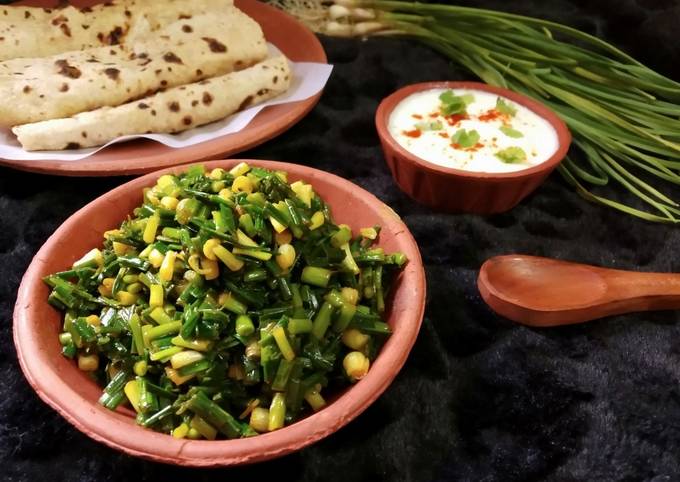
Rajasthani kali vada recipe

How to make Rajasthani delicious kalmi vada?

Kalmi vada is one of the famous dish of Rajasthani which is full of nutrients and very healthy ,its an authentic snack and basically it is chana dal vada served with green chutney along with tea it gives best taste of Rajasthan .

Ingredients for kalmi vada

  • 1/2 cup- chana dal(overnight soaked)
  • 1 chopped onion
  • 5 cloves
  • 1 finely chopped green chillies
  • 1 tsp cumin seeds
  • salt as per requirment
  • 1/2 tsp red chilli powder
  • coriander leaves
  • oil- 1 tbsp

Method

  1. Firstly, take overnight soaked chana dal and grind it with water in a mixture.
  2. Grind into thick coarse paste .
  3. Then, transfer the dal into bowl(dal should be firm).
  4. Secondly, into this bowl along with dal add finely chopped onion, green chillies, garlic, cumin seeds red chilli powder and salt .
  5. Then, mix everything together into thick soft dough.
  6. Now, heat oil in a pan on a medium flame.
  7. Then take a small portion of kalmi vada masala (mixture from bowl) and shape them like fingers(cylindrical).
  8. Then, drop /just air fry into oil and fry until get brownish .
  9. Finally, remove vada onto plate and serve hot with green chutney/adrak chai.

Tips

You can sqeeze lemon on top of vadas to avoid bloating

Dont keep it for long and do not deep fry them

For more recipes: Click here

If you are facing issues in dropping your weight, please take this free-body type assessment: Click here

The Impacts of oats on health

The Impacts of oats on health v/s rice and wheat

The Impacts of oats on health are enormous. Oats are a type of cereal grain belonging to the “Poaceae” grass family of plants. Its scientific name is “Avena sativa”. Oats are popular because of their high nutritional value. The grains came from edible seeds of oat grass which we eat. When we cook oats they give us a mushy texture.

Oats have enormous health benefits. They have soluble fiber, vitamins, minerals, and antioxidants in rich amounts. They can help lower cholesterol and blood sugar level.

Oats are high in a fiber called beta-glucan which boosts your immunity and keeps your heart healthy. Being rich in fiber, oat keeps you full for a longer time. They also contain an antioxidant “avenanthramides”. Various studies have proven that it helps in reducing inflammation and regulating blood pressure also.

The Impacts of oats on health also depend on the type of oats:

There are many varieties of oats available in the market. They all have different nutritional values which depend upon their processing. The more processed the oats, the more the glycemic index of it. So, here are the types of oats available in the market:

Oat groats

The Impacts of oats on health

Oat grains without processing are “groats”. They retain the germ, bran, and endosperm even after removing their hull or husk by the process called “hulling”. The husk which comes out after hulling is “chaff”. Oat groats have the same nutritional value as grains. They give us a hearty and chewy texture after cooking.

There are 3 main parts of grains:

  • Bran- it is the outermost part of the grain and has the highest nutritional value because of the higher dietary fiber value. Oat bran can be eaten as a hot cereal, mixed into smoothies, can be sprinkled on top of bread and other baked goods. It can help in relieving constipation and improve gut health.
  • Germ- it is the core of the grain and vitamins and minerals are stored here.
  • Endosperm – it is the starchy kernel of the grain which is used for milling.

Taste and texture:

  • Oat groats are gluten-free so they can be eaten by people with celiac disease or gluten intolerance.
  • They have a hard and chewy texture.
  • Groats should be first steamed or soaked before cooking.
  • They have a nutty flavor and absorb the flavor of the dish.
  • You can also toast or roast the groats before adding them to a dish for a better taste.
  • Also, we can use it to make pilaffs, stews, or hot cereals.

Steel-cut oats

The Impacts of oats on health

They are also called Irish oats. When oat groats are cut into two or three smaller pieces by using a steel blade they are known as steel-cut oats. The larger the size of oats, the longer time it will take to cook. They are the least processed of all oats varieties and cook faster than oat groats but slower than rolled oats.

Taste and texture:

  • Steel-cut oats are creamy and delicious.
  • You can roast them before making any recipe for a better taste.
  • They have good texture and flavor.
  • We can use steel-cut oats for making oatcakes, smoothies, or other culinary purposes.

Scottish oats

Scottish oats

They ground with the help of stone, almost to a powder. This is a very old and traditional process. Scottish oats are also known as “scotch oats”. This type of oats get cooks a little faster than steel-cut oats and has a creamy consistency. Also, oatmeal historians consider them the “original oatmeal”.

Taste and texture:

  • They are coarser than oat flour.
  • It has a thick and creamy consistency which we know as porridge.
  • They have a slight texture and give a fantastic taste when combined in baking recipes.
  • Also, take very less time in cooking.

Rolled oats 

rolled oats

Rolled oats are made by steaming, rolling, and then flattening oat groats into flakes and then drying them. They have a chewy texture, and mild flavor, and give a creamy consistency when cooked. This process stabilizes the healthy oils in oats, so they stay fresh for a longer time and also cook faster.

We divide rolled oats into three types-

  • Old-fashioned oats:  The whole grains first get steam, flatten by the roller and then flake to create old-fashion oats. We use these oats in oatmeal, baked goods, and also for coating meats. It has the most texture of all three types of rolled oats.
  • Quick-cooking oats: The oats are cook, dry, and cut, then roll thin more than old-fashioned oats to make quick-cooking oats. They cook faster.
  • Instant oats: The oats are cook and dried before cutting and then rolled thin to make instant oats. They are the fastest-cooking oats of all types. They sometimes give gummy or mushy consistency. Instant oats are less healthy than other types of rolled oats.

Oat flour

oat flour

Oat flour is the flour of oat groats which is finely grind. You can also make oat flour at home by blending or food-processing oats into fine powder. Oat flour could be use as a replacement for wheat flour. It is gluten-free.

Culinary practices:

There are so many varieties of recipes for oats. Any recipe for oats consider the type of oats. We can make overnight oats by soaking oats overnight which gives digestive and gastronomic benefits to the body. Oatmeal is made by crushing oats, which makes it easier to prepare, and cooking time is also reduced.

You can also try these different oats recipes: 31 Easy and healthy Oats Recipes which you can enjoy at any time of the day

Whereas, rice is one of the most popular cereal grains in the world. You can not consume rice raw because it may have bacteria, dirt, or other harmful substances. Soup, dessert, and pudding are the products of rice. Rice doesn’t take a long time to cook.

Wheat processing occurs to make multiple wheat products like flour, semolina, and bran. Their processing is done to make the dough, bread, pasta, or any breakfast component. Beer and whisky are also products of wheat.

Price comparison:

Wheat and rice are cheaper than oats. However, the price may vary in different parts of the world and also on the type of processing done on oats, rice, and wheat. The Impacts of oats on health are soo many that their price does not matter.

Shelf life:

They all have a longer shelf life if stored properly. We should store it in a dry place.

Nutritional comparison of oats, rice, and wheat:

Diet and weight loss-

Oats can promote a healthy and well-balanced diet. The Impacts of oats on health are soo many. Taking oats in breakfast can boost your energy. Overnight oats with fruit and nut is a wonderful option for breakfast.

Rice can help in weight loss if taken in moderation. It makes the person feel full faster, so calorie consumption is less. Rice is a major cereal in India and is widely get consume in Asian cuisine.

Wheat contains a major protein called “gluten” which makes it adhesive and sticky when combined with water. It helps in pasta and bread making. So, people with celiac disease or gluten sensitivity or on a gluten-free diet cannot consume wheat. They can take it out as a replacement for wheat.

2. Keto diet:

Oats, rice, and wheat all are high in carbs. Therefore, we should not consume them on the keto diet. However, some foods have less of their quantity . We can eat them Consider the content of them before eating.

The Impacts of oats on health:

The Impacts of oats on health are the following:

  • Role in digestion – oats reduce the risk of diverticulitis and lipid absorption which shows a positive effect on overall metabolism oats also make intestinal microflora great by improving its performance. Wheat also reduces the risk of diverticulitis if eaten with husk and bran.
  • For diabetic patients – wheat and oats consumption reduces the risk of type 2 diabetes. Also, they keep blood glucose and triglyceride level in control. Rice is not as good as wheat and oats for diabetic patients because it has a high glycaemic index. So, we can eat it moderately.
  • Heart health – oats lower serum cholesterol and blood sugar level which lowers the risk of hypertension and cardiovascular diseases. Eating rice in moderation is not harmful to heart health.
  • Cancer – beta-glucans found in oats show anti-carcinogenic properties against lung cancer cells. Whereas, wheat also reduces the risk of developing colon cancer.
  • Celiac disease – celiac disease is sensitivity to a protein called “gluten” in people. Oats and rice do not contain gluten which is present in wheat. So, they can easily consume by people who have celiac disease, gluten sensitivity or are on a gluten-free diet. People with celiac disease should not consume wheat.

Nutrient comparison in oats, wheat, and rice

Carbohydrates present in oats is 67.7 gm, in wheat is 72 gm and in rice is 80 gm which shows oats give fewer carbohydrates in comparison to wheat and rice despite giving maximum energy. Oats have 10.7 gm of dietary fiber, wheat has 10.06 gm and rice has 1.3 gm. In dietary fiber also oats have the maximum quantity. It can help in weight loss. Oats are very rich in protein. They have 13.15 gm of protein whereas, wheat has 12.6gm, and, rice has 7.13gm. So, by these points, we come to know that oats are better than rice and wheat in terms of carbohydrates, protein, and fiber.

Then, we see oats have thiamine 0.46mg of, wheat has 0.383mg of, and rice has 0.7mg which is also a good quantity. Riboflavin in oats is 0.155 mg, wheat has 0.115mg and rice has 0.014mg. Oats have the most riboflavin in comparison to wheat and rice and, riboflavin is very important for body growth. Niacin is 1.125 mg in oats, 5.46 mg in wheat, and 1.62 mg in rice. So, niacin is higher in wheat. Niacin is important to keep our nervous system, digestive system, and skin healthy. Pantothenic acid and folate quantity are also higher in oats and which makes oats better in terms of vitamin content than wheat and rice.

Now, we see calcium is 54 mg in oats, 34 mg in wheat, and 28 mg in rice. So, oats have the highest calcium quantity than wheat and rice. Calcium is very important for bones. Iron is high in oats in comparison to oats. The quantity of iron in oats, wheat, and rice is 9.3mg, 3.19mg, and 0.8 mg respectively. Magnesium is present in equal amounts in oats and wheat but less in rice. Manganese is higher in wheat which is 3.8 mg in wheat, 3.63 mg in oats, and 1.088 mg in rice. So, oats have almost the same quantity of manganese as wheat. By comparing these terms also we get to know that oats are better in comparison to rice and wheat.

Phosphorus in oats is 333.3 mg, 346 mg in wheat, and 115 mg in rice. So, wheat is better in phosphorus quantity. Then, we see potassium is 362 mg in oats, 405mg in wheat, and 115 mg in rice. So, wheat is also higher in the potassium range. After that, we see zinc is 3.64 mg in oats, 2.65 in wheat, and 1.09 mg in rice. So, the quantity of zinc is higher in oats. Zinc is very important for boosting your immunity and metabolic function in the body.

If you are facing issues in dropping your weight, please take this free-body type assessment: Click here

Most easy recipe for Oven Roasted Mushrooms and Veggies

Oven Roasted Mushrooms and Veggies – absolutely the easiest way to roast mushrooms, Potatoes, cauliflower, tomatoes and garlic Italian style. Simple and delicious.

I have tried such a simple recipe today. Roasted mushrooms and veggies, that’s it! I roast veggies and When done it really came out so delicious with power of flavours. This time I chose to use delicious mushrooms, Potatoes, cauliflower, and tomatoes.

I also added loads of garlic here they roast very nicely. These oven roasted Mushrooms and veggies taste so heavenly and can be consumed with Bread loafs or Roti or Paratha.

INGREDIENTS

  1. 200g baby potatoes halved
  2. 1 red capsicum
  3. 1 large eggplant/Brinjal
  4. 400g button mushrooms trimmed
  5. 4-5 baby carrots, trimmed
  6. 8-10 Garlic cloves
  7. Olive oil 2 tbs
  8. 1 orange, rind finely grated,
  9. Mustard Sauce 2 tsp
  10. 50gm cheese
  11. 1 Tbsp Italian seasoning
  12. Toasted flaked almonds & chopped parsley, to serve

METHOD OF COOKING

  1. Preheat oven at 230°C for 15mins . Put potatoes into a saucepan and cover with cold water, bring to the boil, boil gently 5 minutes. Drain well
  2. Roast Garlic cloves in olive oil before adding other veggies into the pan.
  3. Cut capsicum and eggplant into 3cm pieces. Place into a roasting pan and add potatoes. Combine mushrooms and carrots in another large roasting pan. Spray all vegetables well with olive oil and season with salt and pepper
  4. Place pan with potatoes on top shelf and mushrooms underneath, roast for 20 minutes, turn all the vegetables and roast a further 15 minutes, or until golden and tender
  5. Transfer all vegetables to a large platter. Whisk olive oil, orange rind, mustard, italian seasoning and salt and pepper together, then pour over the roasted vegetables. Crumble over cheese. Scatter over almonds and parsley.

RECIPE NOTES:

If you do not have Italian seasoning you can use equal amounts of basil, oregano, rosemary and thyme. This recipe is so easy to make and store! Just refrigerate in an airtight container and it’ll stay fresh for up to a week.

If you are struggling shedding weight. You can talk to us by taking this assessment: Click here

For more information click here

diabetes

Do you know about types of type 2 diabetes mellitus?

Diabetes is not a single disease; it’s a group of many diseases. All the diseases are lump together and cause diabetes mellitus. It is a metabolic de-arrangement in our body. This is a group of metabolic diseases that are put together due to some common disease. That common disease is a tendency for chronic hyperglycemia and reduced insulin production. In hyperglycemia either there is increase resistance to the action of insulin or there is reduce the production of insulin.

How does diabetes occur?

We can understand by there are pancreas and beta cells that produce insulin that is going through the blood to the cells and act on its receptors. But, when production reduces or action reduces or both things occur like reduced production or increased resistance which makes diabetes a very big problem.

In this group of diseases there are many different types of diabetes which are as follows:

Type 1 diabetes:

This is a classical example of diabetes mellitus. In this, there is a severe reduction in the production of insulin, or sometimes absolutely absent because beta cells that produce insulin are attacked by the immune system or we can say that beta cells are destroyed due to an autoimmune reaction.

Type 2 diabetes:

Type 2 diabetes is a major problem. In this resistance to the action of insulin at least in the initial stages because the beta cells of the pancreas might be producing insulin at a normal level or more than normal but cells are not responding to insulin.

Gestational diabetes:

Gestational diabetes

This is a condition in which during pregnancy there is a tendency for hyperglycemia or there is hyperglycemia. In this condition, there is a problem in the production of insulin as well as there is peripheral resistance that tissues are not responding well to the insulin.

LADA (latent autoimmune diabetes of adults):

LADA stands for “latent autoimmune diabetes of adults”. In this condition, the immune system attacks beta cells in the pancreas at a slower rate compared to type 1 and type 2 diabetes.

It develops most commonly in people over 30 years old. because of which it is misdiagnosed. Because some healthcare experts still think that type 1 diabetes occurs only during childhood.

Medication and lifestyle changes can help in treating LADA for some years. But after some time as insulin production declines, insulin becomes as compulsory as your daily health management for type 1 diabetes.

Signs and symptoms of LADA:

They include symptoms of both type 1 and type 2 diabetes. Some of the primary symptoms are:

  • Difficulty in concentration (brain fog)
  • Itchy skin, dryness
  • Constant feelings of tiredness and lethargy
  • Feeling hungry all time

As the problem raises more, the more symptoms you will develop:

  • Feeling thirsty constantly
  • Frequent urination
  • Vision changes
  • Tingling in hands, feet, and legs
  • Tired or exhausted all time
  • Lose weight unexpectedly
  • Yeast infection (in women)

Factors to diagnose LADA:

The age is over 30 years of patients.

At least one out of four types of tests is positive for diabetes-related autoantibodies.

There is no requirement for insulin for at least six months after their initial diagnosis.

Another autoimmune diseases including Grave’s disease, celiac, or Hashimoto’s disease can be present.

Types of tests to diagnose LADA:

  • (GAD) Glutamic acid decarboxylase
  • (ICAs) Islet cell antibodies

Some other tests also can help in the diagnosis of LADA:

  • (HbA1c) Haemoglobin A1c test
  • (FPB) Fasting plasma glucose test
  • (OGTT) oral glucose tolerance test
  • Ketone test

Treatment of LADA:

  • Daily insulin therapy
  • Blood sugar monitoring
  • Food choice

Maturity onset diabetes of young people (MODY):

In this type of diabetes, there are symptoms of type 2 diabetes but it occurs at a younger age. In MODY, the body’s ability to produce insulin is limited but different than type 1 diabetes. When there is a decrease in insulin production, blood glucose level raises which causes diabetes.

Signs and symptoms:

MODY symptoms develop slowly, so it is possible to have no symptoms at first. That is why MODY is often left undiagnosed for a long time. Symptoms are:

  • Skin infection
  • Yeast infection
  • Urinating frequently
  • Thirsty frequently
  • Blurred vision

Causes of MODY:

MODY is caused by a single gene mutation which is why it is a “monogenic” disease. A different gene mutation can cause MODY. If someone has a family member with MODY, then they have an increased risk for the condition.

Diagnosis of MODY:

Different types of tests can help in the diagnosis of MODY:

Blood sugar test- this is the first step for diagnosing MODY. If these test results are positive then a doctor can advise you further test to assess the type of diabetes you have.

Genetic test- MODY occurs due to genetic mutation; a genetic test can help in the diagnosis of MODY.

Treatment of MODY:

Treatment is done with oral medications or insulin injections. Some forms don’t need any treatment. The treatment varies depending on what genetic mutation caused the condition.

Complications of diabetes mellitus:

Diabetes causes a lot of disturbances in a person’s body. It not only causes disturbance in carbohydrate metabolism but also lipid metabolism and protein metabolism. Complications of diabetes are divided into two categories:

Long-term complications- 

Also, diabetes can produce vascular problems which we consider a disease also because it has various complications in it.

Diabetes damages the vessels (the vascular disease) and angiopathy are into two types:

  1. Big vessel diseases (macrovascular complication) or macro angiopathy
  2. Small vessel diseases (microvascular complications) or microangiopathy

Macrovascular complications:

They occur from changes in the medium to large blood vessels. The blood vessel walls get thick, sclerosis, and become occluded by plaque that adheres to the vessel walls. So, the blood flows is block.

The macrovascular complication occurs due to damage to larger blood vessels. These complications can occur in the blood vessels of any body part. They include diseases of coronary arteries, peripheral arteries, and cerebrovasculature. The early stage is associated with an atherosclerotic plaque in the vasculature supplying blood to the heart, brain, limbs, and other organs. The late step involves complete obstruction of these vessels which can cause myocardial infarction (MI), stroke, claudication, and gangrene.

Peripheral arterial disease

It is present in approx 29% patients of with diabetes and may remain undiagnosed due to lack of sensation because of neuropathy to identify pain.

Symptoms- claudication, ulcers, limb amputation

Screening and prevention – as part of a thorough history, patients ask about foot ulceration as well as limb claudication. Screening of all patients with diabetes over the age of 50 years is recommended with Ankle Brachial Index (ABI).

Coronary Heart Disease

Patients with type 2 diabetes are at an equal risk of getting myocardial infarction as well as patients with Coronary Heart Disease. Almost 75% of patients with diabetes are most probably having obstructive or non-obstructive coronary artery disease also.

Screening and prevention – However, the patient should be screened every year for being overweight or obese, hypertension, dyslipidemia, tobacco use, chronic kidney disease, albuminuria, and a family history of coronary heart disease. If any of them are present, they should be managed appropriately.

Hypertension

An ideal range for blood pressure is 120/80 mmHg. Treatment for hypertension with a goal blood pressure of <140/90 mmHg for those with lower cardiovascular risks, and<130/80 mmHg for those with higher cardiovascular risks should be initiated. The beginning of treatment should be with angiotensin-converting enzyme (ACE) inhibitors or angiotensin receptor blockers (ARB) if albuminuria is present.

Lipid management

Patients over the age of 40 should start taking a statin, in addition to lifestyle modification. Also, the general recommendation is to use moderate-intensity statin for patients without CVD. For patients with multiple risk factors, a high-intensity statin is recommended.

Stroke

As diabetes increases the risk of coronary heart disease, the risk of stroke increases. It is higher in females than males. However, patients with type 2 diabetes have a high proportion of ischemic stroke from hemorrhagic stroke compared with the general population.

Screening and prevention:

Currently, there are not any guidelines present for patients with diabetes. However, in patients with other diseases or cardiovascular risk factors, there may be benefits. The patient should have strict blood glucose control.

Microvascular complication-

The microvascular complication occurs by the damage of smaller vessels. They include neuropathy, nephropathy, and retinopathy.

Retinopathy-

Retinopathy

It is one of the leading causes of vision loss worldwide and is the main cause of blindness in working-age adults in the USA. Initially, there are no symptoms until the extremely late stages. Although, the primary risk factors for diabetic retinopathy development are the duration and intensity of glycemic control. Uncontrolled hypertension, hyperlipidemia, and the presence of other complications such as diabetic nephropathy and neuropathy worsen the underlying retinopathy. We have to also control these risk factors for the prevention of diabetic retinopathy.

Prevention-

For diabetic patients, enhancing glycemic control and treatment of systemic conditions like hypertension and hyperlipidemia is essential to prevent vision loss. Also, various studies have proven that lowering glycated hemoglobin reduces the rate and progression of diabetic retinopathy. Prevention is done by the following methods –

  1. Blood pressure control
  2. Cholesterol-lowering therapy
  3. Exercise

Neuropathy-

Neuropathy

Diabetic patients are also affected by neuropathies. There are two main neuropathies

  1. Distal symmetric polyneuropathy – The presence of symptoms of peripheral nerve dysfunction in people with diabetes after the exclusion of other causes. This is because of inflammatory stress or oxidative stress which leads to the damage of nerve cells. However, patients with type 2 diabetes should check for distal symmetric polyneuropathy once a year, and with type 1 diabetes, in 5 years. Screening is done by taking a thorough history and examination of the patient. The patient may feel numbness and tingling and sometimes pain.
  2. Cardiovascular autonomic neuropathy – symptoms of this condition are hypoglycemia, orthostatic hypotension, gastroparesis, Bowel irregularities erectile dysfunction, and other autonomic deregulations. Also, cardiovascular autonomic neuropathy is not present in early diabetes. It increases with time. Symptoms are lightheadedness, faintness n palpitations, or syncope. Variability in heart rate while standing is also an indicator of cardiovascular autonomic neuropathy
  3. Other neuropathies – Neuropathic patients should also be screened for gastroparesis. by asking about symptoms like nausea, early satiety, or unexpected glycemia variations. Also, every patient with neuropathy should check for lower urinary tract symptoms such as incontinence and bladder dysfunction. Female sexual dysfunction including less libido, dyspareunia, and inadequate lubrication should screen.

 Nephropathy –

Diabeticthy nephropathy. diabetic kidney disease. Proteins in the urine, cause damage to the glomeruli.

 Although, nephropathy is common in patients with type 1 and type 2diabetes. It is 20 – 40% prevalent in patients with diabetes. the presence of reduce glomerular filtration rate (GFR) or increase urinary albumin excretion for at least 3 months in a diabetic patient.

Screening – screening is done once a time in a year on a patient with type 1 diabetes and five years on a patient with type 2 diabetes 

If micro albumin urea is present then non-diabetic conditions causing albumin urea like urinary tract infection, haematuria, heart failure, febrile illness, severe hyperglycemia, and heavy exercise should be done more.

 Prevention and treatment –

  • Lifestyle modification
  • Healthy eating
  • Exercise regularly
  • Weight loss

Acute complication of diabetes:

Acute complication includes:

 Hypoglycemia or insulin reactions-

In this condition blood glucose level falls less than 50-60 mg/dl because of too much insulin or oral hypoglycaemic agents, significantly less food intake, or over-physical activity.

This condition can occur at any time of day or night. Although, this is more common before meals or meals get delay or fasting.

There are two categories:

  1. Adrenergic symptoms- There is mild hypoglycemia because the blood glucose level falls, and the sympathetic nervous system stimulates, which causes a surge of epinephrine or norepinephrine.

Symptoms of mild hypoglycemia include- sweating, tremor, tachycardia, palpitation, nervousness, and hunger.

  1. Central nervous system symptoms- in this condition, there is moderate hypoglycemia which leads to a fall in glucose level which deprives the brain cells of needed fuel for normal functioning also.

Signs of impaired function of the CNS may include:

  • Difficulty in concentration
  • Headache
  • Lightheadedness
  • Memory lapse
  • Confusion
  • Slurred speech
  • Impaired coordination
  • Emotional changes
  • Behavior changes

Severe hypoglycemia-

CNS function is impaired in hypoglycemia as the patient needs another person for treatment. Also, disoriented behavior, seizures, sleep problem, and low consciousness are symptoms of this condition.

Management of hypoglycemia:

The normal recommendation is 15 g of fast-acting, concentrated source of carbohydrates such as the following, given orally:

  • 3-4 commercially prepared glucose tablets
  • 4-6 oz of fruit juice or regular soda
  • 6-10 hard candies
  • 2-3 teaspoons of sugar or honey

If you are facing issues in dropping your weight, please take this free-body type assessment: Click here

How to make authentic Afghani Paneer

Paneer is an all-time favorite dish of Vegetarians, especially when it comes to serving it in parties. It can be cooked and served either as starters or main course. Its an easy to go with ingredient. Paneer Afghani is basically a white gravy dish. This is simple but tasty dish which can be served as a main course along with roti or parathas.

You can also try our other paneer recipes like stuffed paneer parwal, paneer do pyaza, Paneer jalfrezi

Now lets begin with our tempting yet easy recipe

INGREDIENTS

  1. 250gm Paneer cubes
  2. 1/2 cup Thick Curd
  3. 2 tbsp Milk
  4. 1 tbsp ghee
  5. 2 tsp khash khash (kus kus)
  6. 2 tsp melon seeds
  7. 10 cashews
  8. Finely chopped onion 2
  9. 1/2 white pepper powder (can use black if white is not available)
  10. Salt as per taste
  11. 1 tbsp fresh cream (optional)

METHOD OF PREPARATION

  1. Cook and saute the roughly chopped onion on a pan with 2 tsp of ghee/oil but do not make them brown. When the onion is cooked, switch off flame, remove from heat and allow to cool down to room temperature. Blend into a fine and smooth paste along with Khus Khus, melon seeds and cashew nuts.
  2. Heat ghee in a heavy bottomed pan. Add the above paste and fry it until ghee separates.
  3. Add white or black pepper powder and salt to taste.
  4. Let the flame be slow and add milk. Cook for 2-3 minutes.
  5. Now add the beaten curds and cook for about 2-3 minutes. now add roasted Paneer cubes in the pan.
  6. Cover the lid and cook it for further 5 minutes.
  7. Garnish it with cashew nuts, fresh cream(optional) and finely chopped coriander.

For more recipes: Click here

Hope you like this recipe.

If you are facing issues in dropping your weight, please take this free-body type assessment: Click here