Health Tips

General health tips include tips to keep healthy & lose weight.

What is a healthy life? A life where you have no disease condition or a life where your body is doing physically good,

or a life where your mind is at peace or a life where you have a social circle and well-being?


Well to answer this question, you should analyze your life and think about what actually health is.


Health as defined by WHO as a state of complete physical, mental and social well-being and not merely the absence of disease or infirmity.

So that means, health is not only just being free of a disease condition, but in order to be healthy, one must be sound physically, mentally, and socially.


Health tips not only include what one should eat and not to eat, but it also includes the practice to attain a complete state of health.


If you are doing well physically and mentally but not consuming the required amount of nutrition that your body requires,

you will not be able to achieve your health goal to the fullest. Physical activity, mental health, social well-being, and dietary habits go hand in hand to live a healthy life.


Health tips will provide you with an outlook of how you can be healthy by putting in just a few efforts and making your health a priority.


Because if your body is in a state of health, you will be in a state of overall well-being. So choose yourself and your health over anything else!


The Impacts of oats on health

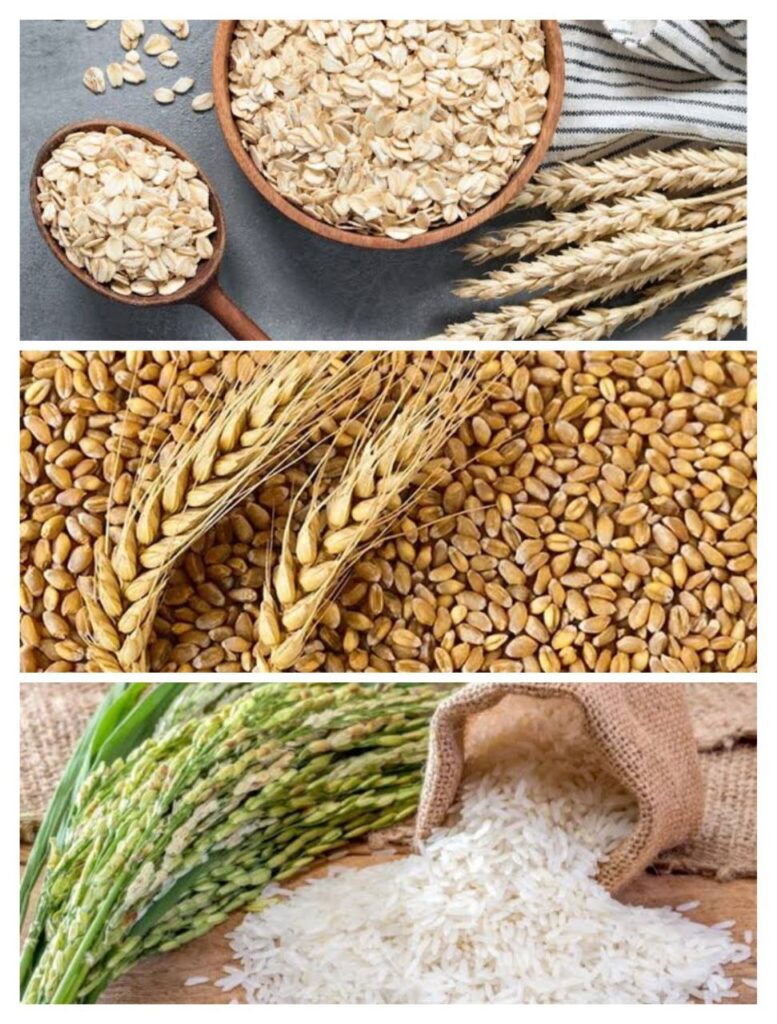
The Impacts of oats on health v/s rice and wheat

The Impacts of oats on health are enormous. Oats are a type of cereal grain belonging to the “Poaceae” grass family of plants. Its scientific name is “Avena sativa”. Oats are popular because of their high nutritional value. The grains came from edible seeds of oat grass which we eat. When we cook oats they give us a mushy texture.

Oats have enormous health benefits. They have soluble fiber, vitamins, minerals, and antioxidants in rich amounts. They can help lower cholesterol and blood sugar level.

Oats are high in a fiber called beta-glucan which boosts your immunity and keeps your heart healthy. Being rich in fiber, oat keeps you full for a longer time. They also contain an antioxidant “avenanthramides”. Various studies have proven that it helps in reducing inflammation and regulating blood pressure also.

The Impacts of oats on health also depend on the type of oats:

There are many varieties of oats available in the market. They all have different nutritional values which depend upon their processing. The more processed the oats, the more the glycemic index of it. So, here are the types of oats available in the market:

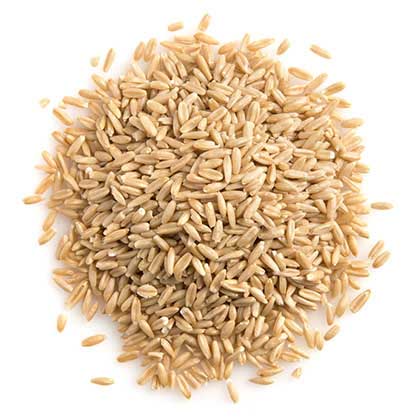
Oat groats
The Impacts of oats on health

Oat grains without processing are “groats”. They retain the germ, bran, and endosperm even after removing their hull or husk by the process called “hulling”. The husk which comes out after hulling is “chaff”. Oat groats have the same nutritional value as grains. They give us a hearty and chewy texture after cooking.

There are 3 main parts of grains:

  • Bran- it is the outermost part of the grain and has the highest nutritional value because of the higher dietary fiber value. Oat bran can be eaten as a hot cereal, mixed into smoothies, can be sprinkled on top of bread and other baked goods. It can help in relieving constipation and improve gut health.
  • Germ- it is the core of the grain and vitamins and minerals are stored here.
  • Endosperm – it is the starchy kernel of the grain which is used for milling.

Taste and texture:

  • Oat groats are gluten-free so they can be eaten by people with celiac disease or gluten intolerance.
  • They have a hard and chewy texture.
  • Groats should be first steamed or soaked before cooking.
  • They have a nutty flavor and absorb the flavor of the dish.
  • You can also toast or roast the groats before adding them to a dish for a better taste.
  • Also, we can use it to make pilaffs, stews, or hot cereals.

Steel-cut oats
The Impacts of oats on health

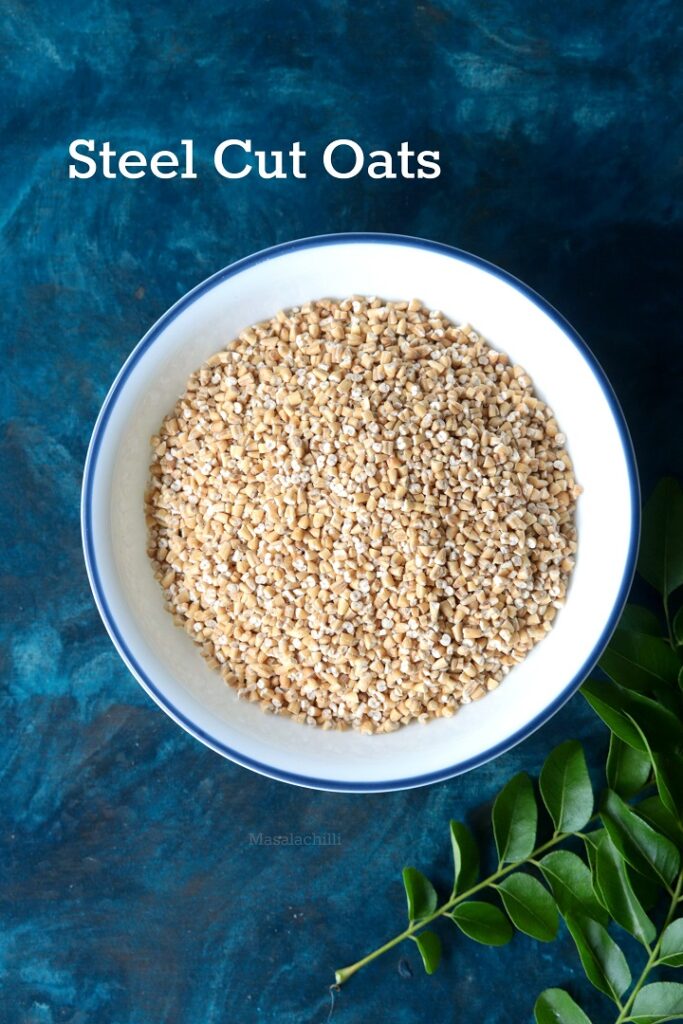
They are also called Irish oats. When oat groats are cut into two or three smaller pieces by using a steel blade they are known as steel-cut oats. The larger the size of oats, the longer time it will take to cook. They are the least processed of all oats varieties and cook faster than oat groats but slower than rolled oats.

Taste and texture:

  • Steel-cut oats are creamy and delicious.
  • You can roast them before making any recipe for a better taste.
  • They have good texture and flavor.
  • We can use steel-cut oats for making oatcakes, smoothies, or other culinary purposes.

Scottish oats
Scottish oats

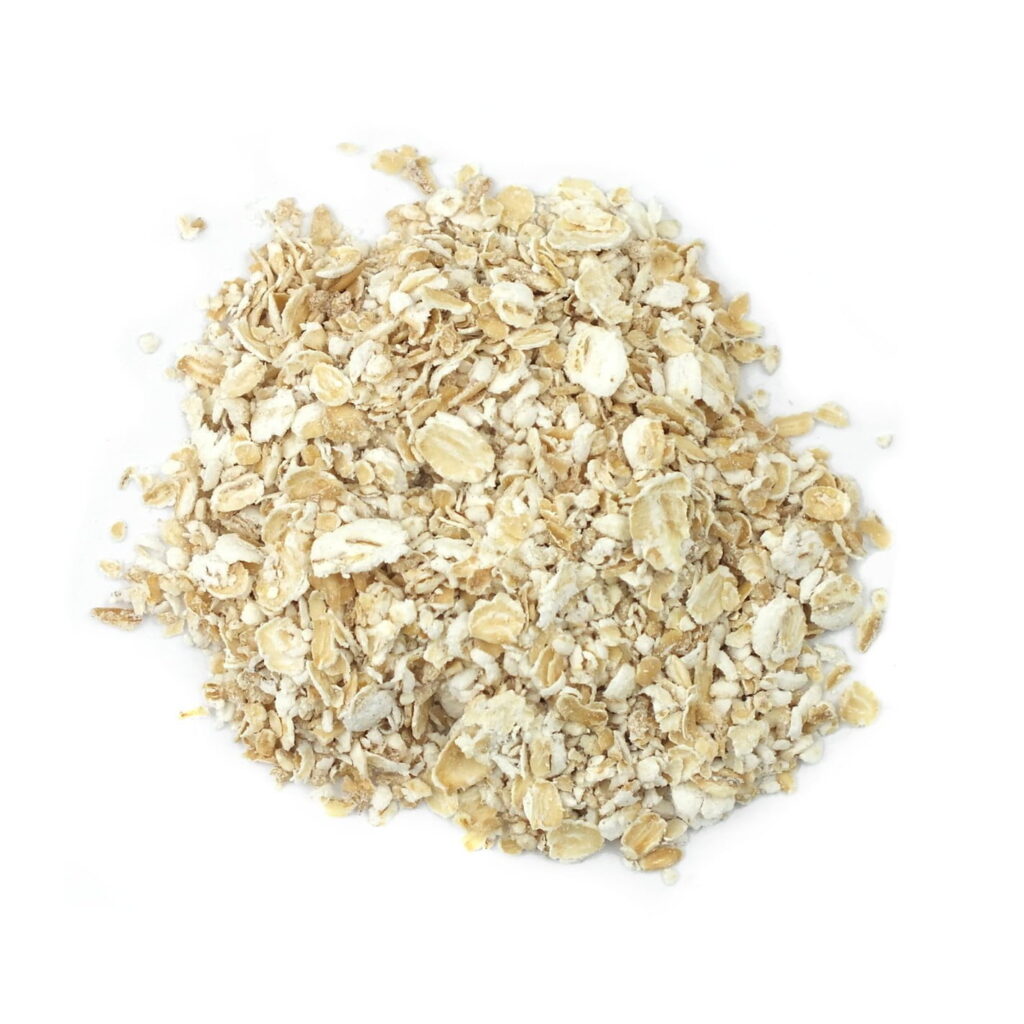
They ground with the help of stone, almost to a powder. This is a very old and traditional process. Scottish oats are also known as “scotch oats”. This type of oats get cooks a little faster than steel-cut oats and has a creamy consistency. Also, oatmeal historians consider them the “original oatmeal”.

Taste and texture:

  • They are coarser than oat flour.
  • It has a thick and creamy consistency which we know as porridge.
  • They have a slight texture and give a fantastic taste when combined in baking recipes.
  • Also, take very less time in cooking.

Rolled oats 
rolled oats

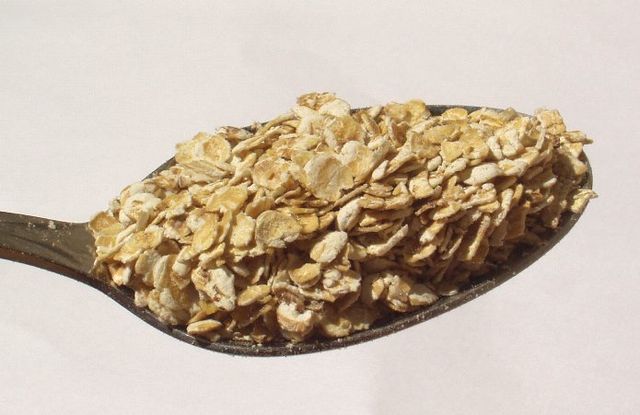
Rolled oats are made by steaming, rolling, and then flattening oat groats into flakes and then drying them. They have a chewy texture, and mild flavor, and give a creamy consistency when cooked. This process stabilizes the healthy oils in oats, so they stay fresh for a longer time and also cook faster.

We divide rolled oats into three types-

  • Old-fashioned oats:  The whole grains first get steam, flatten by the roller and then flake to create old-fashion oats. We use these oats in oatmeal, baked goods, and also for coating meats. It has the most texture of all three types of rolled oats.
  • Quick-cooking oats: The oats are cook, dry, and cut, then roll thin more than old-fashioned oats to make quick-cooking oats. They cook faster.
  • Instant oats: The oats are cook and dried before cutting and then rolled thin to make instant oats. They are the fastest-cooking oats of all types. They sometimes give gummy or mushy consistency. Instant oats are less healthy than other types of rolled oats.

Oat flour
oat flour

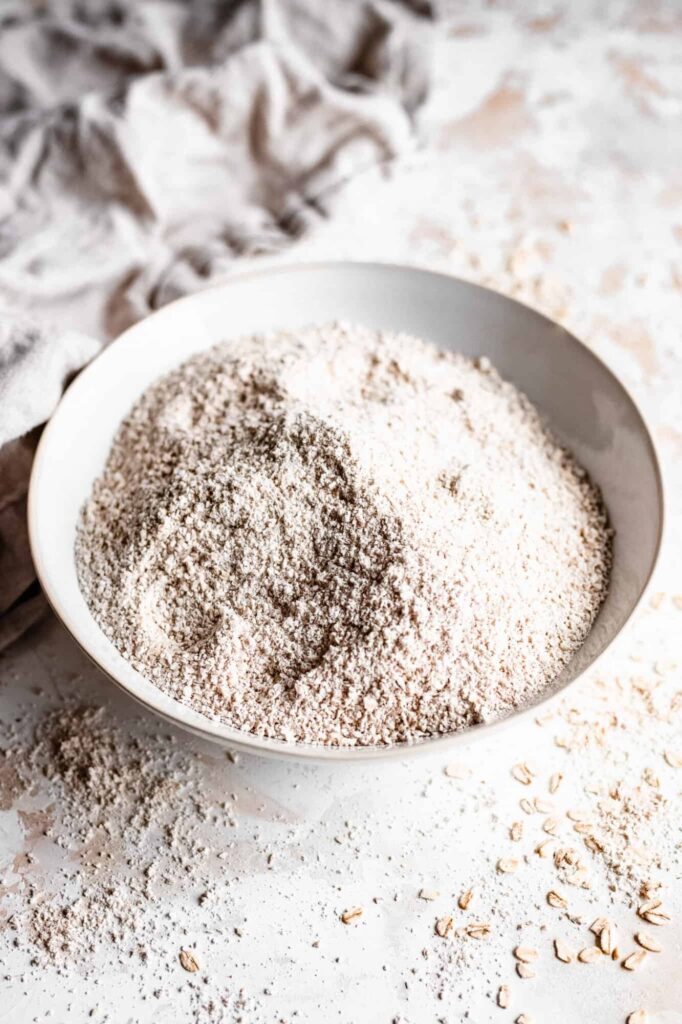
Oat flour is the flour of oat groats which is finely grind. You can also make oat flour at home by blending or food-processing oats into fine powder. Oat flour could be use as a replacement for wheat flour. It is gluten-free.

Culinary practices:

There are so many varieties of recipes for oats. Any recipe for oats consider the type of oats. We can make overnight oats by soaking oats overnight which gives digestive and gastronomic benefits to the body. Oatmeal is made by crushing oats, which makes it easier to prepare, and cooking time is also reduced.

You can also try these different oats recipes: 31 Easy and healthy Oats Recipes which you can enjoy at any time of the day

Whereas, rice is one of the most popular cereal grains in the world. You can not consume rice raw because it may have bacteria, dirt, or other harmful substances. Soup, dessert, and pudding are the products of rice. Rice doesn’t take a long time to cook.

Wheat processing occurs to make multiple wheat products like flour, semolina, and bran. Their processing is done to make the dough, bread, pasta, or any breakfast component. Beer and whisky are also products of wheat.

Price comparison:

Wheat and rice are cheaper than oats. However, the price may vary in different parts of the world and also on the type of processing done on oats, rice, and wheat. The Impacts of oats on health are soo many that their price does not matter.

Shelf life:

They all have a longer shelf life if stored properly. We should store it in a dry place.

Nutritional comparison of oats, rice, and wheat:

Diet and weight loss-

Oats can promote a healthy and well-balanced diet. The Impacts of oats on health are soo many. Taking oats in breakfast can boost your energy. Overnight oats with fruit and nut is a wonderful option for breakfast.

Rice can help in weight loss if taken in moderation. It makes the person feel full faster, so calorie consumption is less. Rice is a major cereal in India and is widely get consume in Asian cuisine.

Wheat contains a major protein called “gluten” which makes it adhesive and sticky when combined with water. It helps in pasta and bread making. So, people with celiac disease or gluten sensitivity or on a gluten-free diet cannot consume wheat. They can take it out as a replacement for wheat.

2. Keto diet:

Oats, rice, and wheat all are high in carbs. Therefore, we should not consume them on the keto diet. However, some foods have less of their quantity . We can eat them Consider the content of them before eating.

The Impacts of oats on health:

The Impacts of oats on health are the following:

  • Role in digestion – oats reduce the risk of diverticulitis and lipid absorption which shows a positive effect on overall metabolism oats also make intestinal microflora great by improving its performance. Wheat also reduces the risk of diverticulitis if eaten with husk and bran.
  • For diabetic patients – wheat and oats consumption reduces the risk of type 2 diabetes. Also, they keep blood glucose and triglyceride level in control. Rice is not as good as wheat and oats for diabetic patients because it has a high glycaemic index. So, we can eat it moderately.
  • Heart health – oats lower serum cholesterol and blood sugar level which lowers the risk of hypertension and cardiovascular diseases. Eating rice in moderation is not harmful to heart health.
  • Cancer – beta-glucans found in oats show anti-carcinogenic properties against lung cancer cells. Whereas, wheat also reduces the risk of developing colon cancer.
  • Celiac disease – celiac disease is sensitivity to a protein called “gluten” in people. Oats and rice do not contain gluten which is present in wheat. So, they can easily consume by people who have celiac disease, gluten sensitivity or are on a gluten-free diet. People with celiac disease should not consume wheat.

Nutrient comparison in oats, wheat, and rice
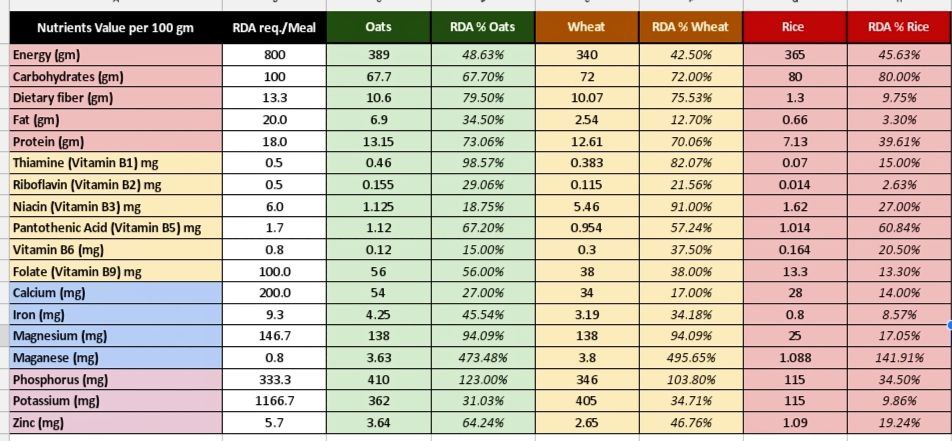
Carbohydrates present in oats is 67.7 gm, in wheat is 72 gm and in rice is 80 gm which shows oats give fewer carbohydrates in comparison to wheat and rice despite giving maximum energy. Oats have 10.7 gm of dietary fiber, wheat has 10.06 gm and rice has 1.3 gm. In dietary fiber also oats have the maximum quantity. It can help in weight loss. Oats are very rich in protein. They have 13.15 gm of protein whereas, wheat has 12.6gm, and, rice has 7.13gm. So, by these points, we come to know that oats are better than rice and wheat in terms of carbohydrates, protein, and fiber.

Then, we see oats have thiamine 0.46mg of, wheat has 0.383mg of, and rice has 0.7mg which is also a good quantity. Riboflavin in oats is 0.155 mg, wheat has 0.115mg and rice has 0.014mg. Oats have the most riboflavin in comparison to wheat and rice and, riboflavin is very important for body growth. Niacin is 1.125 mg in oats, 5.46 mg in wheat, and 1.62 mg in rice. So, niacin is higher in wheat. Niacin is important to keep our nervous system, digestive system, and skin healthy. Pantothenic acid and folate quantity are also higher in oats and which makes oats better in terms of vitamin content than wheat and rice.

Now, we see calcium is 54 mg in oats, 34 mg in wheat, and 28 mg in rice. So, oats have the highest calcium quantity than wheat and rice. Calcium is very important for bones. Iron is high in oats in comparison to oats. The quantity of iron in oats, wheat, and rice is 9.3mg, 3.19mg, and 0.8 mg respectively. Magnesium is present in equal amounts in oats and wheat but less in rice. Manganese is higher in wheat which is 3.8 mg in wheat, 3.63 mg in oats, and 1.088 mg in rice. So, oats have almost the same quantity of manganese as wheat. By comparing these terms also we get to know that oats are better in comparison to rice and wheat.

Phosphorus in oats is 333.3 mg, 346 mg in wheat, and 115 mg in rice. So, wheat is better in phosphorus quantity. Then, we see potassium is 362 mg in oats, 405mg in wheat, and 115 mg in rice. So, wheat is also higher in the potassium range. After that, we see zinc is 3.64 mg in oats, 2.65 in wheat, and 1.09 mg in rice. So, the quantity of zinc is higher in oats. Zinc is very important for boosting your immunity and metabolic function in the body.

If you are facing issues in dropping your weight, please take this free-body type assessment: Click here
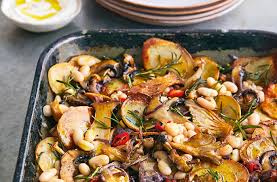
Most easy recipe for Oven Roasted Mushrooms and Veggies

Oven Roasted Mushrooms and Veggies – absolutely the easiest way to roast mushrooms, Potatoes, cauliflower, tomatoes and garlic Italian style. Simple and delicious.

I have tried such a simple recipe today. Roasted mushrooms and veggies, that’s it! I roast veggies and When done it really came out so delicious with power of flavours. This time I chose to use delicious mushrooms, Potatoes, cauliflower, and tomatoes.

I also added loads of garlic here they roast very nicely. These oven roasted Mushrooms and veggies taste so heavenly and can be consumed with Bread loafs or Roti or Paratha.

INGREDIENTS

  1. 200g baby potatoes halved
  2. 1 red capsicum
  3. 1 large eggplant/Brinjal
  4. 400g button mushrooms trimmed
  5. 4-5 baby carrots, trimmed
  6. 8-10 Garlic cloves
  7. Olive oil 2 tbs
  8. 1 orange, rind finely grated,
  9. Mustard Sauce 2 tsp
  10. 50gm cheese
  11. 1 Tbsp Italian seasoning
  12. Toasted flaked almonds & chopped parsley, to serve

METHOD OF COOKING

  1. Preheat oven at 230°C for 15mins . Put potatoes into a saucepan and cover with cold water, bring to the boil, boil gently 5 minutes. Drain well
  2. Roast Garlic cloves in olive oil before adding other veggies into the pan.
  3. Cut capsicum and eggplant into 3cm pieces. Place into a roasting pan and add potatoes. Combine mushrooms and carrots in another large roasting pan. Spray all vegetables well with olive oil and season with salt and pepper
  4. Place pan with potatoes on top shelf and mushrooms underneath, roast for 20 minutes, turn all the vegetables and roast a further 15 minutes, or until golden and tender
  5. Transfer all vegetables to a large platter. Whisk olive oil, orange rind, mustard, italian seasoning and salt and pepper together, then pour over the roasted vegetables. Crumble over cheese. Scatter over almonds and parsley.

RECIPE NOTES:

If you do not have Italian seasoning you can use equal amounts of basil, oregano, rosemary and thyme. This recipe is so easy to make and store! Just refrigerate in an airtight container and it’ll stay fresh for up to a week.

If you are struggling shedding weight. You can talk to us by taking this assessment: Click here

For more information click here

diabetes

Do you know about types of type 2 diabetes mellitus?

Diabetes is not a single disease; it’s a group of many diseases. All the diseases are lump together and cause diabetes mellitus. It is a metabolic de-arrangement in our body. This is a group of metabolic diseases that are put together due to some common disease. That common disease is a tendency for chronic hyperglycemia and reduced insulin production. In hyperglycemia either there is increase resistance to the action of insulin or there is reduce the production of insulin.

How does diabetes occur?

We can understand by there are pancreas and beta cells that produce insulin that is going through the blood to the cells and act on its receptors. But, when production reduces or action reduces or both things occur like reduced production or increased resistance which makes diabetes a very big problem.

In this group of diseases there are many different types of diabetes which are as follows:

Type 1 diabetes:

This is a classical example of diabetes mellitus. In this, there is a severe reduction in the production of insulin, or sometimes absolutely absent because beta cells that produce insulin are attacked by the immune system or we can say that beta cells are destroyed due to an autoimmune reaction.

Type 2 diabetes:

Type 2 diabetes is a major problem. In this resistance to the action of insulin at least in the initial stages because the beta cells of the pancreas might be producing insulin at a normal level or more than normal but cells are not responding to insulin.

Gestational diabetes:

Gestational diabetes

This is a condition in which during pregnancy there is a tendency for hyperglycemia or there is hyperglycemia. In this condition, there is a problem in the production of insulin as well as there is peripheral resistance that tissues are not responding well to the insulin.

LADA (latent autoimmune diabetes of adults):

LADA stands for “latent autoimmune diabetes of adults”. In this condition, the immune system attacks beta cells in the pancreas at a slower rate compared to type 1 and type 2 diabetes.

It develops most commonly in people over 30 years old. because of which it is misdiagnosed. Because some healthcare experts still think that type 1 diabetes occurs only during childhood.

Medication and lifestyle changes can help in treating LADA for some years. But after some time as insulin production declines, insulin becomes as compulsory as your daily health management for type 1 diabetes.

Signs and symptoms of LADA:

They include symptoms of both type 1 and type 2 diabetes. Some of the primary symptoms are:

  • Difficulty in concentration (brain fog)
  • Itchy skin, dryness
  • Constant feelings of tiredness and lethargy
  • Feeling hungry all time

As the problem raises more, the more symptoms you will develop:

  • Feeling thirsty constantly
  • Frequent urination
  • Vision changes
  • Tingling in hands, feet, and legs
  • Tired or exhausted all time
  • Lose weight unexpectedly
  • Yeast infection (in women)

Factors to diagnose LADA:

The age is over 30 years of patients.

At least one out of four types of tests is positive for diabetes-related autoantibodies.

There is no requirement for insulin for at least six months after their initial diagnosis.

Another autoimmune diseases including Grave’s disease, celiac, or Hashimoto’s disease can be present.

Types of tests to diagnose LADA:

  • (GAD) Glutamic acid decarboxylase
  • (ICAs) Islet cell antibodies

Some other tests also can help in the diagnosis of LADA:

  • (HbA1c) Haemoglobin A1c test
  • (FPB) Fasting plasma glucose test
  • (OGTT) oral glucose tolerance test
  • Ketone test

Treatment of LADA:

  • Daily insulin therapy
  • Blood sugar monitoring
  • Food choice

Maturity onset diabetes of young people (MODY):

In this type of diabetes, there are symptoms of type 2 diabetes but it occurs at a younger age. In MODY, the body’s ability to produce insulin is limited but different than type 1 diabetes. When there is a decrease in insulin production, blood glucose level raises which causes diabetes.

Signs and symptoms:

MODY symptoms develop slowly, so it is possible to have no symptoms at first. That is why MODY is often left undiagnosed for a long time. Symptoms are:

  • Skin infection
  • Yeast infection
  • Urinating frequently
  • Thirsty frequently
  • Blurred vision

Causes of MODY:

MODY is caused by a single gene mutation which is why it is a “monogenic” disease. A different gene mutation can cause MODY. If someone has a family member with MODY, then they have an increased risk for the condition.

Diagnosis of MODY:

Different types of tests can help in the diagnosis of MODY:

Blood sugar test- this is the first step for diagnosing MODY. If these test results are positive then a doctor can advise you further test to assess the type of diabetes you have.

Genetic test- MODY occurs due to genetic mutation; a genetic test can help in the diagnosis of MODY.

Treatment of MODY:

Treatment is done with oral medications or insulin injections. Some forms don’t need any treatment. The treatment varies depending on what genetic mutation caused the condition.

Complications of diabetes mellitus:

Diabetes causes a lot of disturbances in a person’s body. It not only causes disturbance in carbohydrate metabolism but also lipid metabolism and protein metabolism. Complications of diabetes are divided into two categories:

Long-term complications- 

Also, diabetes can produce vascular problems which we consider a disease also because it has various complications in it.

Diabetes damages the vessels (the vascular disease) and angiopathy are into two types:

  1. Big vessel diseases (macrovascular complication) or macro angiopathy
  2. Small vessel diseases (microvascular complications) or microangiopathy

Macrovascular complications:

They occur from changes in the medium to large blood vessels. The blood vessel walls get thick, sclerosis, and become occluded by plaque that adheres to the vessel walls. So, the blood flows is block.

The macrovascular complication occurs due to damage to larger blood vessels. These complications can occur in the blood vessels of any body part. They include diseases of coronary arteries, peripheral arteries, and cerebrovasculature. The early stage is associated with an atherosclerotic plaque in the vasculature supplying blood to the heart, brain, limbs, and other organs. The late step involves complete obstruction of these vessels which can cause myocardial infarction (MI), stroke, claudication, and gangrene.

Peripheral arterial disease

It is present in approx 29% patients of with diabetes and may remain undiagnosed due to lack of sensation because of neuropathy to identify pain.

Symptoms- claudication, ulcers, limb amputation

Screening and prevention – as part of a thorough history, patients ask about foot ulceration as well as limb claudication. Screening of all patients with diabetes over the age of 50 years is recommended with Ankle Brachial Index (ABI).

Coronary Heart Disease

Patients with type 2 diabetes are at an equal risk of getting myocardial infarction as well as patients with Coronary Heart Disease. Almost 75% of patients with diabetes are most probably having obstructive or non-obstructive coronary artery disease also.

Screening and prevention – However, the patient should be screened every year for being overweight or obese, hypertension, dyslipidemia, tobacco use, chronic kidney disease, albuminuria, and a family history of coronary heart disease. If any of them are present, they should be managed appropriately.

Hypertension

An ideal range for blood pressure is 120/80 mmHg. Treatment for hypertension with a goal blood pressure of <140/90 mmHg for those with lower cardiovascular risks, and<130/80 mmHg for those with higher cardiovascular risks should be initiated. The beginning of treatment should be with angiotensin-converting enzyme (ACE) inhibitors or angiotensin receptor blockers (ARB) if albuminuria is present.

Lipid management

Patients over the age of 40 should start taking a statin, in addition to lifestyle modification. Also, the general recommendation is to use moderate-intensity statin for patients without CVD. For patients with multiple risk factors, a high-intensity statin is recommended.

Stroke

As diabetes increases the risk of coronary heart disease, the risk of stroke increases. It is higher in females than males. However, patients with type 2 diabetes have a high proportion of ischemic stroke from hemorrhagic stroke compared with the general population.

Screening and prevention:

Currently, there are not any guidelines present for patients with diabetes. However, in patients with other diseases or cardiovascular risk factors, there may be benefits. The patient should have strict blood glucose control.

Microvascular complication-

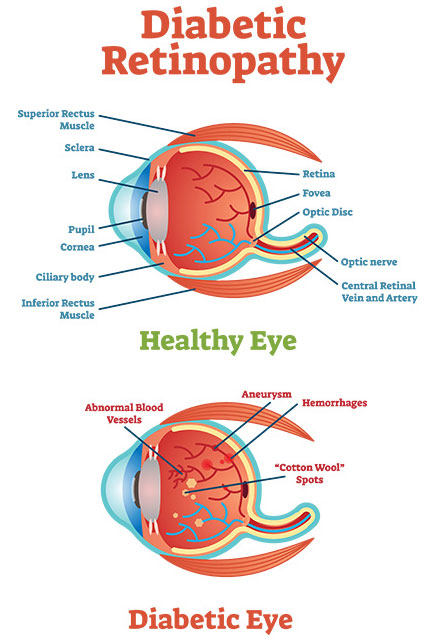
The microvascular complication occurs by the damage of smaller vessels. They include neuropathy, nephropathy, and retinopathy.

Retinopathy-

Retinopathy

It is one of the leading causes of vision loss worldwide and is the main cause of blindness in working-age adults in the USA. Initially, there are no symptoms until the extremely late stages. Although, the primary risk factors for diabetic retinopathy development are the duration and intensity of glycemic control. Uncontrolled hypertension, hyperlipidemia, and the presence of other complications such as diabetic nephropathy and neuropathy worsen the underlying retinopathy. We have to also control these risk factors for the prevention of diabetic retinopathy.

Prevention-

For diabetic patients, enhancing glycemic control and treatment of systemic conditions like hypertension and hyperlipidemia is essential to prevent vision loss. Also, various studies have proven that lowering glycated hemoglobin reduces the rate and progression of diabetic retinopathy. Prevention is done by the following methods –

  1. Blood pressure control
  2. Cholesterol-lowering therapy
  3. Exercise

Neuropathy-

Neuropathy

Diabetic patients are also affected by neuropathies. There are two main neuropathies

  1. Distal symmetric polyneuropathy – The presence of symptoms of peripheral nerve dysfunction in people with diabetes after the exclusion of other causes. This is because of inflammatory stress or oxidative stress which leads to the damage of nerve cells. However, patients with type 2 diabetes should check for distal symmetric polyneuropathy once a year, and with type 1 diabetes, in 5 years. Screening is done by taking a thorough history and examination of the patient. The patient may feel numbness and tingling and sometimes pain.
  2. Cardiovascular autonomic neuropathy – symptoms of this condition are hypoglycemia, orthostatic hypotension, gastroparesis, Bowel irregularities erectile dysfunction, and other autonomic deregulations. Also, cardiovascular autonomic neuropathy is not present in early diabetes. It increases with time. Symptoms are lightheadedness, faintness n palpitations, or syncope. Variability in heart rate while standing is also an indicator of cardiovascular autonomic neuropathy
  3. Other neuropathies – Neuropathic patients should also be screened for gastroparesis. by asking about symptoms like nausea, early satiety, or unexpected glycemia variations. Also, every patient with neuropathy should check for lower urinary tract symptoms such as incontinence and bladder dysfunction. Female sexual dysfunction including less libido, dyspareunia, and inadequate lubrication should screen.

 Nephropathy –

Diabeticthy nephropathy. diabetic kidney disease. Proteins in the urine, cause damage to the glomeruli.

 Although, nephropathy is common in patients with type 1 and type 2diabetes. It is 20 – 40% prevalent in patients with diabetes. the presence of reduce glomerular filtration rate (GFR) or increase urinary albumin excretion for at least 3 months in a diabetic patient.

Screening – screening is done once a time in a year on a patient with type 1 diabetes and five years on a patient with type 2 diabetes 

If micro albumin urea is present then non-diabetic conditions causing albumin urea like urinary tract infection, haematuria, heart failure, febrile illness, severe hyperglycemia, and heavy exercise should be done more.

 Prevention and treatment –

  • Lifestyle modification
  • Healthy eating
  • Exercise regularly
  • Weight loss

Acute complication of diabetes:

Acute complication includes:

 Hypoglycemia or insulin reactions-

In this condition blood glucose level falls less than 50-60 mg/dl because of too much insulin or oral hypoglycaemic agents, significantly less food intake, or over-physical activity.

This condition can occur at any time of day or night. Although, this is more common before meals or meals get delay or fasting.

There are two categories:

  1. Adrenergic symptoms- There is mild hypoglycemia because the blood glucose level falls, and the sympathetic nervous system stimulates, which causes a surge of epinephrine or norepinephrine.

Symptoms of mild hypoglycemia include- sweating, tremor, tachycardia, palpitation, nervousness, and hunger.

  1. Central nervous system symptoms- in this condition, there is moderate hypoglycemia which leads to a fall in glucose level which deprives the brain cells of needed fuel for normal functioning also.

Signs of impaired function of the CNS may include:

  • Difficulty in concentration
  • Headache
  • Lightheadedness
  • Memory lapse
  • Confusion
  • Slurred speech
  • Impaired coordination
  • Emotional changes
  • Behavior changes

Severe hypoglycemia-

CNS function is impaired in hypoglycemia as the patient needs another person for treatment. Also, disoriented behavior, seizures, sleep problem, and low consciousness are symptoms of this condition.

Management of hypoglycemia:

The normal recommendation is 15 g of fast-acting, concentrated source of carbohydrates such as the following, given orally:

  • 3-4 commercially prepared glucose tablets
  • 4-6 oz of fruit juice or regular soda
  • 6-10 hard candies
  • 2-3 teaspoons of sugar or honey

If you are facing issues in dropping your weight, please take this free-body type assessment: Click here

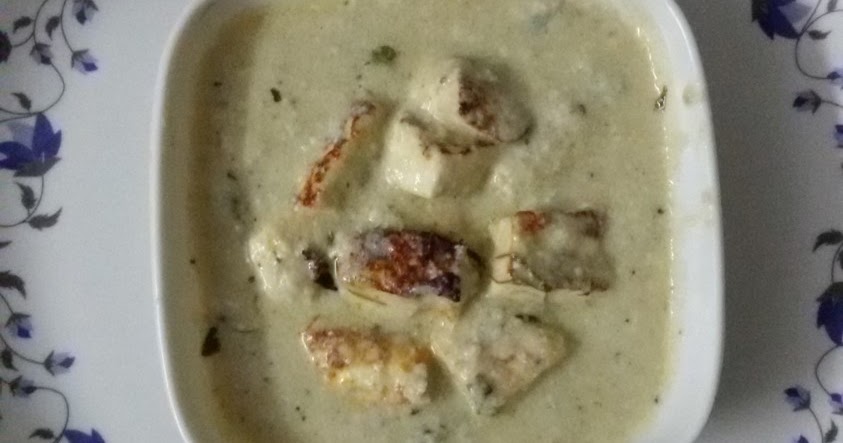
How to make authentic Afghani Paneer

Paneer is an all-time favorite dish of Vegetarians, especially when it comes to serving it in parties. It can be cooked and served either as starters or main course. Its an easy to go with ingredient. Paneer Afghani is basically a white gravy dish. This is simple but tasty dish which can be served as a main course along with roti or parathas.

You can also try our other paneer recipes like stuffed paneer parwal, paneer do pyaza, Paneer jalfrezi

Now lets begin with our tempting yet easy recipe

INGREDIENTS

  1. 250gm Paneer cubes
  2. 1/2 cup Thick Curd
  3. 2 tbsp Milk
  4. 1 tbsp ghee
  5. 2 tsp khash khash (kus kus)
  6. 2 tsp melon seeds
  7. 10 cashews
  8. Finely chopped onion 2
  9. 1/2 white pepper powder (can use black if white is not available)
  10. Salt as per taste
  11. 1 tbsp fresh cream (optional)

METHOD OF PREPARATION

  1. Cook and saute the roughly chopped onion on a pan with 2 tsp of ghee/oil but do not make them brown. When the onion is cooked, switch off flame, remove from heat and allow to cool down to room temperature. Blend into a fine and smooth paste along with Khus Khus, melon seeds and cashew nuts.
  2. Heat ghee in a heavy bottomed pan. Add the above paste and fry it until ghee separates.
  3. Add white or black pepper powder and salt to taste.
  4. Let the flame be slow and add milk. Cook for 2-3 minutes.
  5. Now add the beaten curds and cook for about 2-3 minutes. now add roasted Paneer cubes in the pan.
  6. Cover the lid and cook it for further 5 minutes.
  7. Garnish it with cashew nuts, fresh cream(optional) and finely chopped coriander.

For more recipes: Click here

Hope you like this recipe.

If you are facing issues in dropping your weight, please take this free-body type assessment: Click here

How cruciferous vegetables help to fight cancer

HOW CRUCIFEROUS VEGETABLES HELPS TO FIGHT CANCER?

What are cruciferous vegetables ?

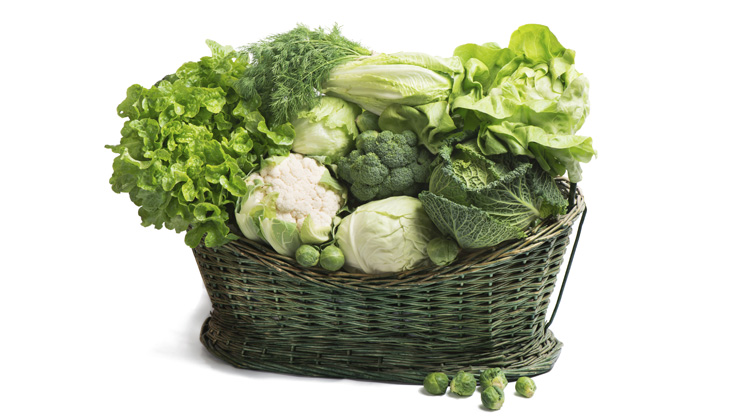
Cruciferous vegetables belong to a special vegetable group which is cultivated by unique and new technique form called as Cross- bearing .

Cross-bearing denotes the word CRUCIFERAE in which four petals look like a cross.

Example of cruciferous vegetables:

  • Broccoli
  • Brussels sprouts
  • Cabbage
  • Cauliflower
  • Kale
  • Radish
  • Arugula
  • Turnips

Significance of cruciferous vegetables :

Cruciferous vegetables have lots of significance and benefits in our day today life and now a days these vegetables have risen popularity due to their Cancer-fighting properties.

Advantages of cruciferous vegetables:

  • Cruciferous vegetables are low in calories
  • Also a good source of folate
  • Crucifers are full of vitamins like: Vitamin C,E and K
  • As well as rich in fiber contents as fiber plays very important role in weight loss management
  • Additionally crucifers are high in all types of Nutrients
  • Moreover, cruciferous vegetables are best source of PHYTONUTRIENTS.

PHYTONUTRIENTS :

Phytonutrients are plant based compounds and also called as phytochemicals.

Plant use phytochemicals to stay healthy these compounds help in lowering the inflammation.

Also reduces the risk of developing cancer.

Benefits of phytonutrients

  • Prevent low grade inflammation
  • Protect us from from environmental toxins
  • Dilate blood vessels and reduces BP
  • Enhance the immunity
  • Also protect from cardiovascular diseases
  • Strengthen Red Blood cells
  • Have enzymes that detoxify and strengthen the liver
  • create vital sources of nutrients which fights against cancer cells
  • Also phytonutrients have Antioxidants and anti-inflammatory properties
  • And phytonutrients rich foods include colorful fruits and vegetables, legumes, nuts, tea, whole grains and many spices.

Types of phytonutrients

What does Cruciferous vegetables do to the body?

  • Cruciferous vegetables have lots of the vitamins and minerals which body needs.
  • As well as they also contain unique nutrients that promote healthy body functions
  • These nutrients may help in preventing chronic diseases
  • Cruciferous vegetables contain Phytonutrient called as Glucosilonates .

Some benefits of glucosinolates:

  • It comes from dark green plants.
  • Glucosinolates have strong Anti-inflammatory and antioxidant properties helping to protect cells from damage by disease.
  • Cruciferous vegetables are high in fiber and proteins and together with glycosinolate its power increases and provide lots of health benefits like:
  • Improves heart health
  • Protection for cancerous cells
  • Boost immunity
  • Can aid with weight loss

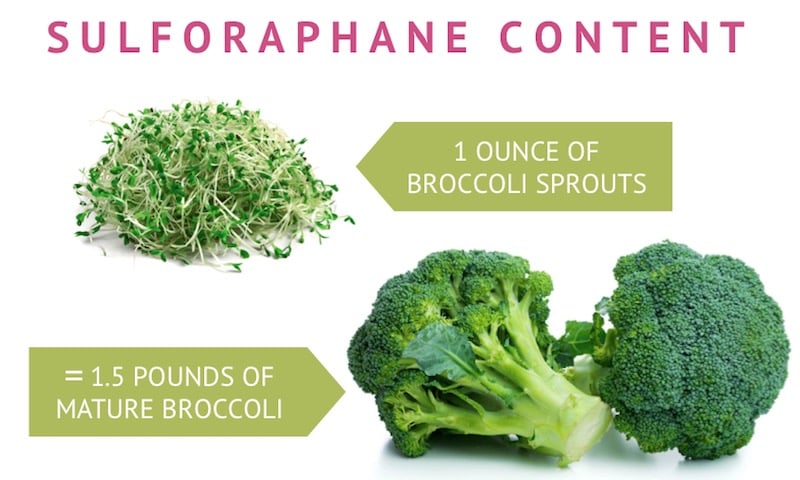
What is sulforaphane?

  • Sulforaphane is plant based compound which naturally found in Cruciferous vegetables.
  • High in bio-availability which is very useful for preventing dangerous disease like cancer.

Characteristic of sulforaphane:

  • It is having anti-inflammatory and antioxidant properties -like effects which help in fighting oxidative stress.
  • As well as sulforaphane can help in reducing inflammation, including arthritis, cardiovascular disease and others.
  • It also boost immune system ability that prevent both chronic diseases.
  • Also it works as an indirect antioxidant by which it helps in preventing TYPE 2 DIABETES MELLITUS

How sulforaphane helps in treatment of cancer ?

  • Sulforaphane kills cancerous cells in its early stage and it is used in extract form to treat cancers .
  • As well as sulforaphane induces death of cancer cells
  • Suppress cycle of cancer so their progression is limited
  • Also, Inhibit the formation of new blood vessels that allow tumors to grow and anti-inflammatory activities.
  • Moreover, it inhibit spreading of cancer to other locations in the body.
  • All these are the properties of sulforaphane shows that it is best source to prevent cancer like diseases.

How cruciferous vegetables helpful in detoxification?

Why is sulforaphane good for the liver?

  • Sulforaphane is good for liver because of it has ability to boost antioxidant effects in the body
  • Also support detoxification enzymes.
  • Therefore, it can help prevent the liver becoming damaged and dysfunctional.

What is detoxification ?

detoxification

‘Detoxification means purification of the toxins from the body’

  • Detoxification is a natural process done by our body to get rid of the toxins .
  • As well as Detoxification process interacts with the body itself and removes toxins.
  • Also this process keeps our body healthy.
  • Improves the function of body by lowering the amount of toxins which body takes.

Therefore it supports the body’s in elimination, detoxification systems with nutrients that it requires proper functionality.

DETOXIFICATION

Benefits of detox:

  • Detoxify/Cleanse the body
  • Reduce body fat
  • Removes toxins from liver and kidney
  • Eliminate impurities from the lymph and intestines
  • Maintains digestive functions
  • Controls blood pressure
  • Refuel the healthy nutrients
  • Heals internal damaged cells
  • Reduce refine- sugar cravings
  • Helpful in sleeping problems

How to prevent cancer by using cruciferous vegetables ?

  • Cruciferous vegetables helps in preventing cancer like they contain properties of fighting against cancer
  • Which are coming from the compounds called glucosinolates, sulforaphane .
  • Breaking down of glucosinolates into indoles and thiocyanates helps in decreasing inflammation
  • As well as they lowers the risk of cancer.
  • They help in protecting the cells from DNA damage.
  • Also they help in inactivating the cancerous cells
  • They have antiviral and antibacterial effects.
  • They have anti-inflammatory effects.
  • Besides they induce cell death.

Tips for taking cruciferous vegetables

  • Firstly, ensure that green leaves are fresh
  • Wash with cool running water just before use
  • Steam, stir-fry, or sauté to retain glucosinolates, folate, a vitamin C.
  • Cook just until tender/crisp, with greens still bright to avoid bad odors
  • Also try roasting with olive oil, garlic, and your favorite herbs
  • Enjoy raw with hummus. If the flavor is too strong to enjoy raw, steam or blanch briefly, cool in ice water, and serve cold.
  • Moreover add fresh to green salads

Nutraceutical significance of cruciferous vegetables

1.Broccoli

Broccoli is full of many natural chemicals , vitamins and minerals.

Also broccoli is high in sulforaphane compound, which may help in health conditions.

These include:

  • DIABETES MELLITUS : sulforaphane may help lower your blood sugar.
  • CANCER: sulforaphane in broccoli might stop cancer cells from forming in your body
  • OSREOPOROSIS: It help in bone stiffness, make your bones strong and decrease the brittleness of bones

2. Cauliflower

Cauliflower has a phytonutrient compound known as glucosinolates.

When we eat it they broken down into compounds that may help prevent cancer and also they help protect cells from damage and have anti-inflammatory, antiviral, and antibacterial effects.

3. Kale

  • It contains Vitamin A, helpful in preventing eye and bone diseases
  • VitamionC, aids in chronic disease prevention,
  • It contains Vitamin K which is good for clotting of blood and bone building.
  • Also it contains Folate, is the key to develop brain functioning
  • Alpha-linolenic acid, an omega-3 fatty acid(healthy fat )
  • Moreover helpful in cataract as it contain phytonutrients
  • As well as, Kale contains beneficial Minerals like potassium, zinc , phosphorus and calcium

4 .Brussel sprouts :

Brussels sprouts have a lot of a natural, sulforaphane/ glycosinolate compound may help prevent damage to your DNA that creates cancerous cells

As well as, helps in reducing the growth of cancerous tumors

Therefore, eating a lot of Brussels sprouts and other cruciferous veggies may help protect against cancers of ( breast, liver, kidney, prostate etc).

5.Cabbage:

  • Cabbage contains chemicals that helps in preventing cancer.
  • Also change the way estrogen is used in the body, which might reduce the risk of breast cancer.

What are cruciferous sprouts?

Baby broccoli plant – this plant, can easily grow in your house in your kitchen and doesn’t require any soil and sun.

As well as this, baby broccoli are best source of phytonutrients which can help in fighting cancerous cells

Broccoli Sprouts: Benefits, How To Grow Them & Uses In The Kitchen

Facts about broccoli

Broccoli is low in digestible carbs but provides a huge amount of fiber which keeps you full for longer time and promotes gut health as well as reduces the risk of various chronic diseases It is high in protein that most of the vegetables

Also broccoli contains carotenoids /beta-carotene which all contribute to better eye health.

As well as in broccoli , sulforaphane found in high amount that may play a major role in preventing prostate and colon cancer found high in :

  • Broccoli.
  • Broccoli sprouts
  • Brussels sprouts.

Therefore , Increase your dietary intake of broccoli and other cruciferous vegetables will make your plate more healthy and nutritious.

Healthy recipes(cruciferous vegetables):

How to make easy broccoli salad ?

Broccoli salad is very nutritious and healthy as well as very easy to make and helpful in weight management .

Ingredients for broccoli salad

  • 300g broccoli , broken into small pieces
  • 2 carrots chopped
  • 50g cashews , toasted, roughly chopped

For making pickle

  • 80ml  vinegar
  • 1 tbsp sugar
  • ¼ tsp sea salt flakes
  • 1 red onion , finely sliced

For last dressing of salad

  • 50ml olive oil
  • 1 tbsp maple syrup
  • 1 lemon

Method

  • Firstly, to make the pickle, heat the vinegar, sugar and salt in a small pan.
  • Then, boil it for 1 min until the sugar dissolves, then add the red onion and stirr well
  • Then, take off the heat, cover, and leave to cool completely.
  • Secondly, mix the broccoli, carrots and cashews in a large bowl.
  • Then add the cooled pickled onion, mix it well
  • Afterward mix together the pickling liquid, oil, maple syrup and lemon juice, along with 2 tbsp cold water.
  • Finally, pour over the vegetables
  • Then mix until well coated.
  • Lastly, serve yummy and hot broccoli salad with lunch dinner or as a snack

For more information click here

If you are struggling shedding weight. You can talk to us by taking this assessment: Click here

Iron rich/protein rich Kala chana curry recipe

Iron rich/protein rich Kala chana curry recipe in easy way

Kala chana curry dish is really very famous dish of Navratri’s and a very healthy addition to your diet so why only in Navratri’s lets make our meals more nutritious by adding weekly/monthly, also kala chana have so many health benefits like, controlling blood pressure ,managing blood sugar levels and most importantly weight management and Consumption of kala chana helps to decrease cholesterol levels and this Punjabi dish doesn’t take more than 20 minutes to cook , easy to make and best source of antioxidants, vitamins, minerals ,fiber and protein and packs a healthy punch.

Ingredients for kale chane curry

  • 1 Cup kale chane  soaked
  • 3 Cups water
  • 2 Tablespoon Oil
  • ½  Chopped Onion
  • 2 Chopped tomatoes 
  • Ginger-garlic paste-1 tablespoon 
  • Garam masala powder-1 tablespoon 
  • Coriander powder-1 teaspoon 
  • Cumin powder-½ teaspoon 
  • Amchur powder-½ teaspoon 
  • Red chilli powder-1teaspoon
  • Salt(as per taste)
  • Coriander leaves

Method

  • Firstly, take a pressure cooker add black chickpeas and water on medium to high flame
  • Then, pressure cook at high flame for 4 whistles, then lower the heat
  • Then let it cook for 20-25minutes more on medium flame
  • Secondly ,take a pan heat oil and add cumin seeds and sauté
  • Now ,add onion and sauté till onions start changing color to brownish
  • Then, add chopped tomatoes to it and sauté
  • Afterward, add Ginger-Garlic Paste to it and let it cook for 1-2 minutes till cook properly
  • Then add all the spices (including Garam Masala Powder, Coriander Powder, Amchur Powder, Cumin Powder, and Red Chili Powder), and fry for another 1-2 minutes.
  • Finally ,mix the boiled kale chane with the prepared masala in the pan.
  • Lastly ,let it cook for 3-5 minutes until properly mixed together
  • Then, transfer in a bowl and garnish with some coriander leaves
  • Serve hot with rice or chapatis

Advice

  • You can add curd for more taste
  • And use less amount of oil while frying

For more recipes: Click here

If you are facing issues in dropping your weight, please take this free-body type assessment: Click here

Gatte ki kadhi recipe

Royal Mar wadi Gatte ki kadhi recipe in easy steps:

Gatte is most famous cuisine of Royal Rajasthan like Besan gatte ki sabji ! Gatta kadhi is one of the royal dish and basically gatta are gram flour dumplings that are spiced with dry spicy tasty Mar wadi masalas and which is then boiled and then cut into pieces.

This dish is completely mouth watering and loaded with the royal taste of Rajasthani’s and full of nutrient’s and little bit different from gatte ki sabji as in this recipe we use more nutritious things like we make gravy with curd or buttermilk which provide lots of vitamins and essential supplements like it gives antioxidants, rich in calcium, boost immunity, high in proteins and helpful in digestion as well and also in weight management.

Ingredients for Gatte ki sabji

  • Green chilli- ginger 1tbsp
  • Cumin-coriander seeds 1 tbsp
  • Coriander powder 1 tsp
  • A pinch of hing
  • Red chilly powder 1 tsp
  • Garam masala 1 tsp
  • Turmeric powder 1 tsp
  • 2 Cup besan(for dough and kadhi)
  • 1 Cup curd
  • Salt to taste
  • Coriander leaves
  • 2 Cups of water
  • 5-6 curry leaves

Method

To make gatte

  • Take all Ingredient and mix well
  • Make a semi hard dough.
  • Then ,set it aside for 10 min to set the dough.
  • Now ,make long rolls like strips out of the tight dough with hands
  • Afterward put these strips in boiling water.
  • And cook for 20-25 mins.
  • Then, Check its readiness until a knife inserted comes out clean.
  • Now ,strain them and keep aside.
  • Once cooled cut these strips into small gatte pieces

To make kadhi

  • Firstly, heat oil in a pan.
  • Then, add cumin seeds and let it crackle.
  • Add hing, ginger, curry leaves ,green chillies and cook for few minutes.
  • Now, take a bowl add besan and curd with water and make a batter
  • Then, add this batter in pan and cook until oil starts coming out from the kadhi.
  • Then,add masalas and gatte and let it boil.
  • Stir on low flame for 10-12 minutes.
  • Garnish with coriander
  • Serve with rice/roti or if want Rajasthani taste then serve with bajra roti.

For more recipes: Click here

If you are facing issues in dropping your weight, please take this free-body type assessment: Click here

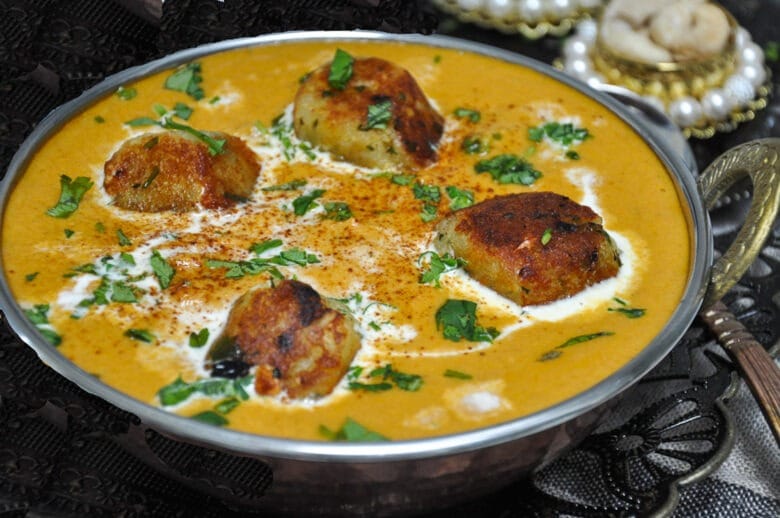
Malai kofta recipe

How to make tasty malai kofta?

Malai koftas are paneer dumplings which is famous north Indian dish ! super popular Punjabi curry ! It taste delicious ,looks yummy and mouth watering dish and serves super delicious gravy ,which is so nutritious.

Malai kofta contains paneer, potatoes and veggies which packs a healthy punch and provide lots of essential vitamins which are very necessary for boosting immunity, controls blood pressure and maintains blood sugar levels and rich in calcium and here we use nuts which is full of essential mineral supplements.

Besides, these koftas can also be served as snack with tea coffee and full of energy, also helpful in weight management. so, hurry up go through this nutritious recipe !

Ingredients for malai kofta

  • 4 Large potatoes
  • Boiled 250 gms paneer
  • 50 gms maida
  • 1 Tbsp Coriander Leaves
  • Chopped 3 Onions
  • 1 Tbsp ginger garlic paste
  • 2 Tomatoes
  • 200 ml malai
  • 2 Tbsp raisins and cashew nuts
  • 50 gms cashew nuts paste
  • 1/2 Tsp haldi (turmeric)
  • 1/2 Tsp red chilli powder
  • 1/2 Tsp kitchen king masala
  • 1 Tbsp Kasturi methi (dry Fenugreek is alternate)
  • Salt (to taste)
  • 1 Tbsp sugar(optional)

Method

  • Firstly,refrigerate the boiled potatoes for 4 to 6 hours (optional).
  • Then, mash the boiled potatoes, paneer, maida together and mix it well
  • Now ,add salt, chopped coriander leaves and mix well.
  • Then cut the raisins and cashew nuts into very small pieces and add sugar(optional)
  • Now, heat up the oil for frying.
  • Then roll out the balls from the dough you prepared and stuff the dry fruit mixture inside the balls .
  • Now ,fry the koftas .

Gravy preparation

  • Secondly fry some onion, ginger garlic paste and tomato paste.
  • Then, mix the cashew paste in 1/2 cup milk
  • Then add all the dry masala into the paste and saute
  • Add and a half cup of water and simmer the gravy till it’s done.
  • Then add malai and kasturi methi.
  • Stir the gravy till the oil starts separating
  • Lastly put the fried koftas into the gravy and serve hot with chapatis.

For more recipes: Click here

If you are facing issues in dropping your weight, please take this free-body type assessment: Click here

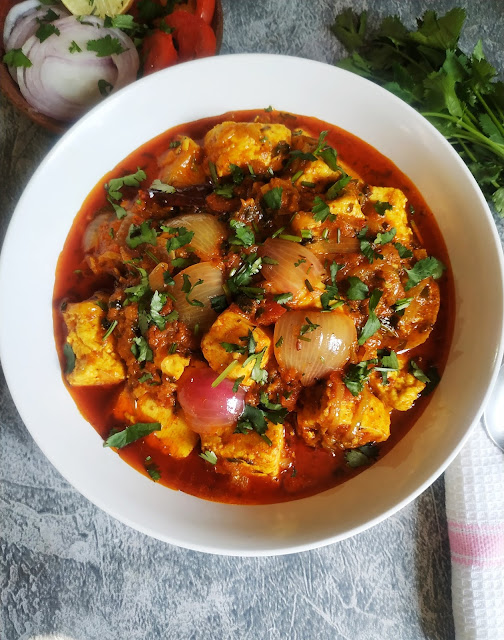
Paneer do pyaza recipe

Tasty, yummy dish :Paneer Do Pyaza

This is best mughlai flavour, popular dish of India , is full of yummy taste .

Also this recipe is full of nutrition it includes paneer, veggies which is very very healthy for us and for our immunity .

Besides, there are lots of benefits of paneer like , it provides sufficient amount of calcium which is very neccessary in old age it is helpful in preventing diseases like Osteoporosis, rickets and brittle bones .

Veggies which plays a major role in this recipe and for our health also as vegetable provide us lots of benefits like; control blood pressure ,lowers the risk of eye and digestive problems and have positive effect upon blood sugar levels and which keep appetite in check and helpful in weight loss management

Ingredients for Paneer do pyaza

  • 500 gm paneer 
  • 2 tablespoon Oil
  • 2 Onions (finely chopped)
  • 1 Cup tomato puree 
  • 1 Teaspoon coriander powder
  • 1 Teaspoon Red chili powder
  • 2 Green chilies
  • 1 Teaspoon kitchen king masala
  • 1 Teaspoon Kasuri methi
  • 1 Teaspoon garam masala powder
  • 30 grams Cashew soak and grind into paste
  • Salt to taste
  • 1 Tablespoon coriander leaves
  • 1 Tsp cumin

Method

  • Firstly, cut paneer into 1inch square pieces. 
  • Then,heat 1 tablespoon oil in a pan and place paneer cubes in it &Fry them. 
  • Secondly ,in the same pan add sliced onions and fry them and keep aside.
  • Afterward, add one tablespoon oil and add cumin.
  • Then, allow the cumin to crackle for a few seconds.
  • Now, add finely chopped onions and sauté them till light brown.
  • Now, add turmeric, salt, red chilli powder and coriander powder.
  • Then ,fry these masalas and add tomato puree.
  • Cook this masala till oil starts to leave the pan. 
  • Then, add cashew paste and fry the masala
  • Now, add 2-3 tablespoons of water, mix it with masala and add green chillies. 
  • Cover and cook for few minutes.
  • Then add fried paneer and onions. 
  • Mix and coat well with masalas.
  • Now ,Add crushed kasuri methi and kitchen king masala. 
  • And add ½ cup water.
  • Then, cover it and cook for a couple of minutes. 
  • Finally yummy, tasty paneer do pyaza is ready to serve

For more recipes: Click here

If you are facing issues in dropping your weight, please take this free-body type assessment: Click here
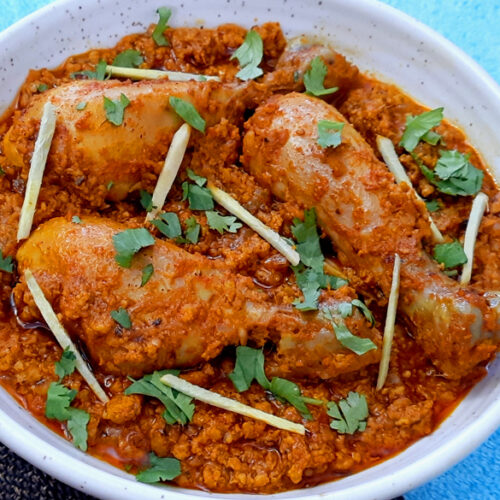
Chicken rara recipe

How to make Chicken Rara in easy steps ?

Chicken rara is flavorful, rich, creamy and tasty recipe which is loaded with all local ingredients which gives mouth watering fragrance as this recipe belongs to Punjabi’s, a part of Punjabi brothers.

As well as this recipe is very easily prepared in homes very quickly and fulfil all essential nutrients. Chicken provides lots of health benefits including, reducing weight, regulating blood pressure, best source of proteins, build muscles and so on , just try this recipe !

It gives important vitamins and mineral supplements involved in brain functions s well as it is very low in carbs

Ingredients for chicken rara recipe

  • 1 kg chicken
  • 1 cup yogurt
  • 1 cup oil
  • 1 tej patta
  • 1 badi ilaichi
  • 1 tsp cumin (jeera)
  • 1 tsp coriander powder
  • 2 tsp garlic & garlic paste
  • 1 chopped oinion
  • 1 tsp chilli powder
  • 1 cup tomato chopped
  • 1 tsp turmeric powder
  • 1 tsp chicken masala

Method

  1. Firstly, take a bowl , whisk salt and yogurt together and then add chicken and marinate it well .
  2. Then put it aside for 1 hour.
  3. Secondly, heat the oil and add tej patta, jeera and badi ilachi and sauté
  4. Now, if seed looks brownish add onion and sauté
  5. Then, add ginger garlic paste and stir for 6 minutes
  6. Now, add turmeric, chili powder, all masalas and stirr
  7. Then , add marinade chicken and cook on high flame to medium till cooked properly stir few times
  8. Now, check and cook till tender
  9. Next, add tomatoes and red chilies and stir properly
  10. Finally, fry the chicken till pieces coated with the masala
  11. Lastly, garnish with coriander leaves and serve hot yummy Chicken rara

Advice

Additionally, you can sqeeze lemon over it and chopped onion for best taste

And also you can eat this dish with makka and bajra rotis it give full taste like Punjabis

Use less oil , don’t take more oil while frying

For more recipes: Click here

If you are facing issues in dropping your weight, please take this free-body type assessment: Click here