Healthy Recipes

All healthy recipes are under this category. Try at your convenience.

Healthy eating means eating a variety of foods that give you the nutrients you need to maintain your health, feel good, and have energy.


These nutrients include protein, carbohydrates, fat, water, vitamins, and minerals. A healthy diet is essential for good health and nutrition.

It protects you against many chronic non-communicable diseases, such as heart disease, diabetes, and cancer. It can also boost a person’s mood and provide them with more energy.


A doctor or dietitian can provide tips on eating a more healthful diet.  If you take care of yourself, you can keep your cholesterol and blood pressure within a safe range.

This keeps your blood flowing smoothly, decreasing your risk of cardiovascular diseases.


Eating a variety of foods and consuming less salt, sugars, and saturated and industrially-produced trans-fats, are essential for a healthy diet

Healthy  Recipes foods nourish us with vitamins, minerals, protein, fiber, and healthy fat.


So, healthy recipes are made up of vegetables, fruits, whole grains, lean meats, legumes, low-fat or fat-free dairy, and healthy fats.

It’s a combination of these foods that give us the most nutritional bang for our caloric buck. Nutrition is important for everyone.


When combined with being physically active and maintaining a healthy weight, eating well is an excellent way to help your body stay strong and healthy.


Having foods & drink that are high in fat, sugar & salt have these often & in small amounts.

Nutritious recipes can include butter and sugar, just like healthy meals can include an indulgent dessert—

it’s all about moderation and the big picture.


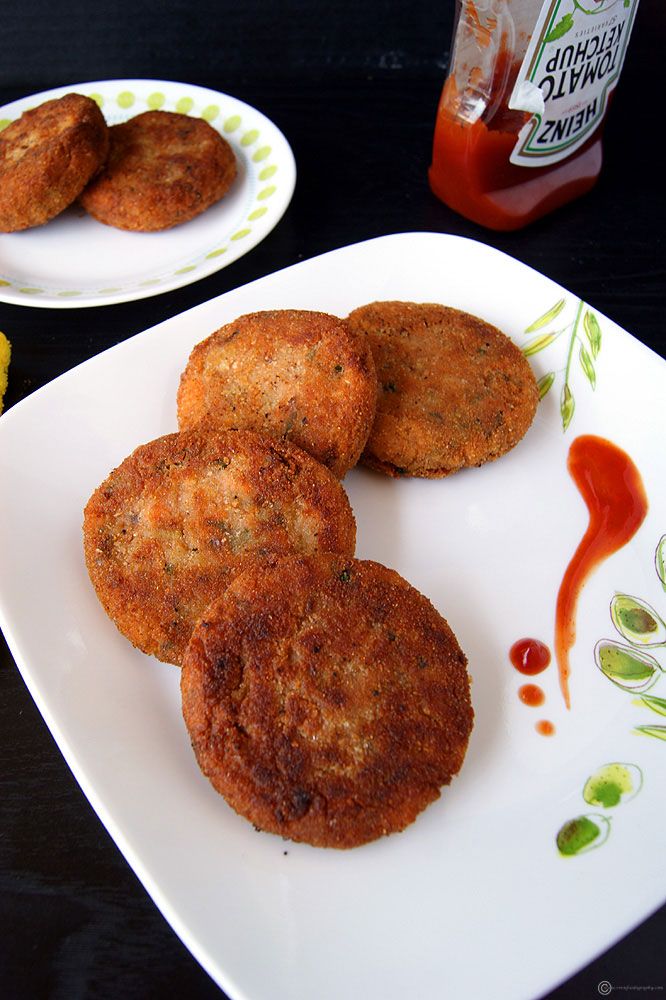
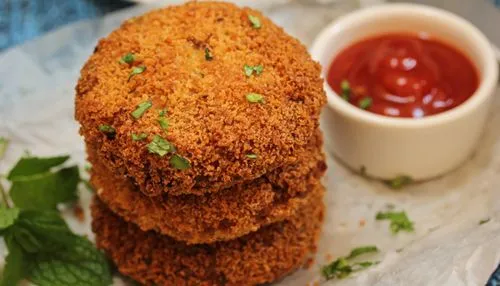
How to make Oats Cutlets

🥗 Soft Oats Veg Cutlet

✳️ Ingredients:

  • Rolled oats or instant oats – 1 cup (dry roasted and powdered lightly)
  • Boiled potato – 1 medium (acts as a binder)
  • Carrot (grated & lightly steamed) – 2 tbsp
  • Bottle gourd (grated & squeezed) – 2 tbsp (optional, light on digestion)
  • Boiled peas or soft mashed beans – 2 tbsp (optional)
  • Coriander (finely chopped) – 1 tbsp (optional)
  • Salt – to taste (as per doctor’s guidance)
  • Cumin powder – 1/4 tsp (for mild flavor)
  • Turmeric – a pinch
  • Ginger paste – 1/2 tsp (optional and only if tolerated)

Avoid green chilies, red chili powder, or garam masala post-surgery unless advised.


👩‍🍳 How to Make:

  1. Roast oats lightly in a dry pan. Cool and grind coarsely.
  2. In a bowl, mix oats powder, mashed potato, veggies, and spices.
  3. Add a few spoons of water only if needed to bring everything together.
  4. Form small flat cutlets (avoid sharp edges for easier digestion).
  5. Pan-cook on a nonstick pan with just a few drops of olive oil or ghee until lightly golden on both sides.
    • Alternative: Air-fry or bake at 180°C (350°F) for 15–20 mins, flipping once.

Best Served With:

  • Low-fat curd/yogurt
  • Mild mint-coriander chutney (no green chili, garlic, or lemon)
  • Warm vegetable broth/soup on the side

🚫 Avoid:

  • Deep frying
  • Strong spices, garlic, or chili
  • Hard/raw salad pairings
  • Store-bought sauces or ketchup

🩺 Extra Recovery Tips:

  • Keep portions small and chew slowly.
  • Avoid this dish in the first few days post-surgery if you’re on a bland diet or soft/liquid-only plan.
  • Hydrate well, and balance your day with soft cooked dals, khichdi, or soups.
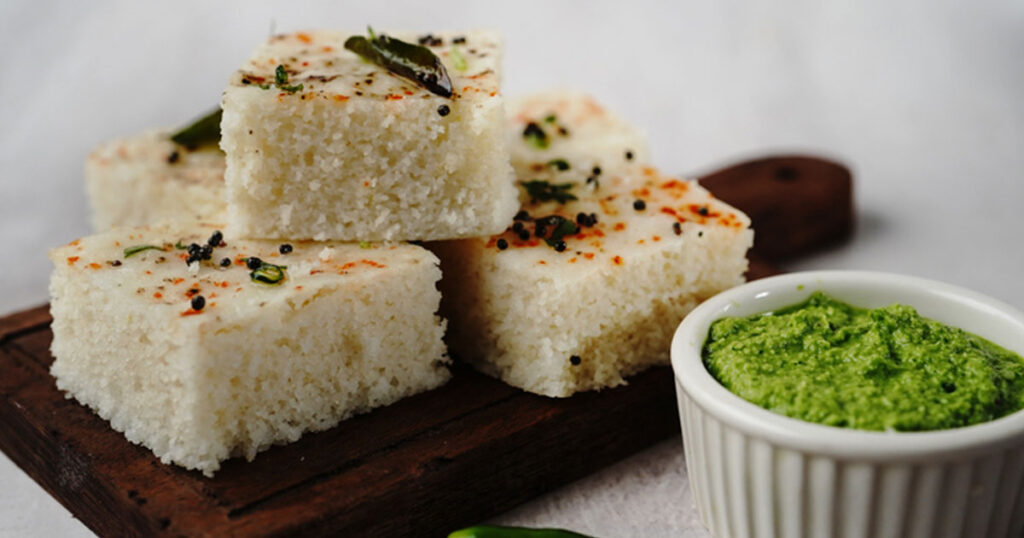
How to make Paneer Dhokla

🧀🍥 Paneer Dhokla (Steamed, Soft & Healing-Friendly)

✅ Ideal for: Light breakfast, evening snack, or mini-meal


🥄 Ingredients:

For the dhokla base:

  • 1/2 cup besan (gram flour)
  • 2 tbsp crumbled paneer (fresh, soft, unsalted)
  • 1/4 cup curd (yogurt) – slightly sour is fine
  • 1/4 cup water (adjust as needed)
  • 1/4 tsp turmeric powder
  • Salt to taste
  • 1/2 tsp eno fruit salt (or 1/4 tsp baking soda)

Optional tempering (skip if avoiding oil):

  • 1 tsp oil or ghee
  • 1/2 tsp mustard seeds
  • 5–6 curry leaves
  • 1 tsp chopped coriander (optional)

👩‍🍳 Instructions:

1. Prepare the batter:

  • In a mixing bowl, whisk together besan, curd, water, turmeric, and salt.
  • Add the crumbled paneer and mix well. The batter should be smooth and slightly thick — like idli batter.
  • Rest for 10 minutes (optional for fluffiness).

2. Add leavening:

  • Just before steaming, add Eno fruit salt and mix gently. The batter will rise immediately.

3. Steam:

  • Pour the batter into a greased dhokla plate or a small thali.
  • Steam for 12–15 minutes on medium heat.
  • Check with a toothpick — it should come out clean.

4. Cool and cut:

  • Let it cool for a few minutes, then cut into squares or diamonds.

5. Tempering (optional):

  • Heat 1 tsp oil or ghee. Add mustard seeds, let them splutter.
  • Add curry leaves, then pour this tempering over the dhokla.
  • Garnish with coriander if you like.

🩺 Why It’s Great for Recovery:

  • Steamed, not fried
  • Paneer adds protein for healing
  • Curd and besan aid digestion
  • Soft texture — easy to chew and digest
  • No chili, minimal oil — gut-friendly

✅ Variations:

  • Add grated carrots or zucchini to the batter for extra nutrients
  • Skip tempering and serve plain with mint curd chutney (no chili)
  • Use low-fat paneer or even mashed tofu if preferred

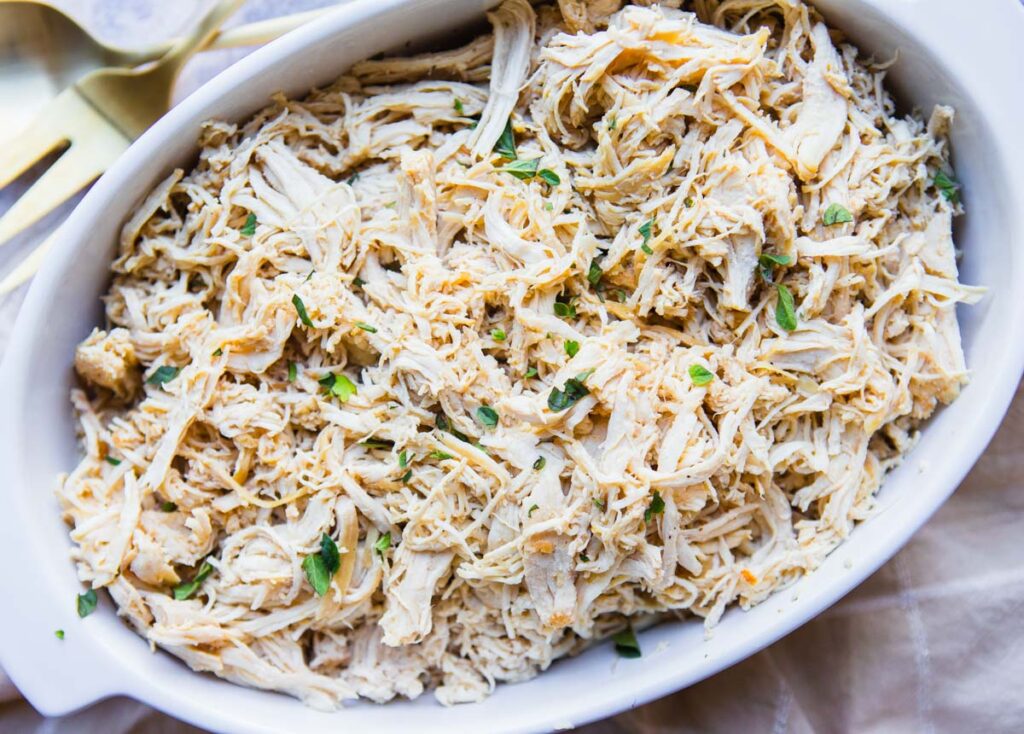
How to make Shredded Chicken Dalia

🍗🌾 Shredded Chicken Dalia (Healing One-Pot Meal)

✅ Great for: Light lunch/dinner, post-surgery diet


🥄 Ingredients:

  • 1/2 cup dalia (broken wheat/bulgar wheat) – washed and drained
  • 1/2 cup cooked, shredded boneless chicken
  • 1 small carrot, finely chopped
  • 1 small zucchini or bottle gourd (lauki), finely chopped (optional)
  • 1 tsp grated ginger
  • 1/4 tsp turmeric powder
  • 1/2 tsp cumin seeds
  • 1 tsp ghee or light oil
  • Salt, to taste
  • 3 cups water or light chicken broth
  • Optional: few curry leaves or coriander for flavor

🔥 Instructions:

  1. Cook the chicken (if not already):
    • Boil or pressure cook boneless chicken with a pinch of salt and turmeric.
    • Once cooked, shred it into small pieces using a fork.
  2. Prepare the base:
    • In a pressure cooker or thick-bottomed pot, heat ghee.
    • Add cumin seeds (and curry leaves if using), sauté for a few seconds.
    • Add grated ginger and chopped veggies. Sauté lightly (don’t brown).
  3. Add dalia and cook:
    • Add washed dalia and turmeric. Stir for 1–2 mins.
    • Pour in 3 cups water or broth.
    • Add salt to taste.
  4. Pressure cook or simmer:
    • Pressure cooker: Cook for 2–3 whistles.
    • Open pot: Cover and simmer for ~25–30 minutes, stirring occasionally, until soft and porridge-like.
  5. Add shredded chicken:
    • Once dalia is cooked, stir in shredded chicken.
    • Simmer for 3–5 more minutes so flavors combine.
  6. Serve warm:
    • Add chopped coriander (optional) and serve warm as a complete meal.

🩺 Why This is Perfect Post-Surgery:

  • Dalia (broken wheat): Slow-digesting carbs, fiber, iron
  • Chicken: Lean protein, supports tissue repair
  • Veggies: Gentle vitamins & minerals
  • Mild spices: Help digestion without irritating the gut

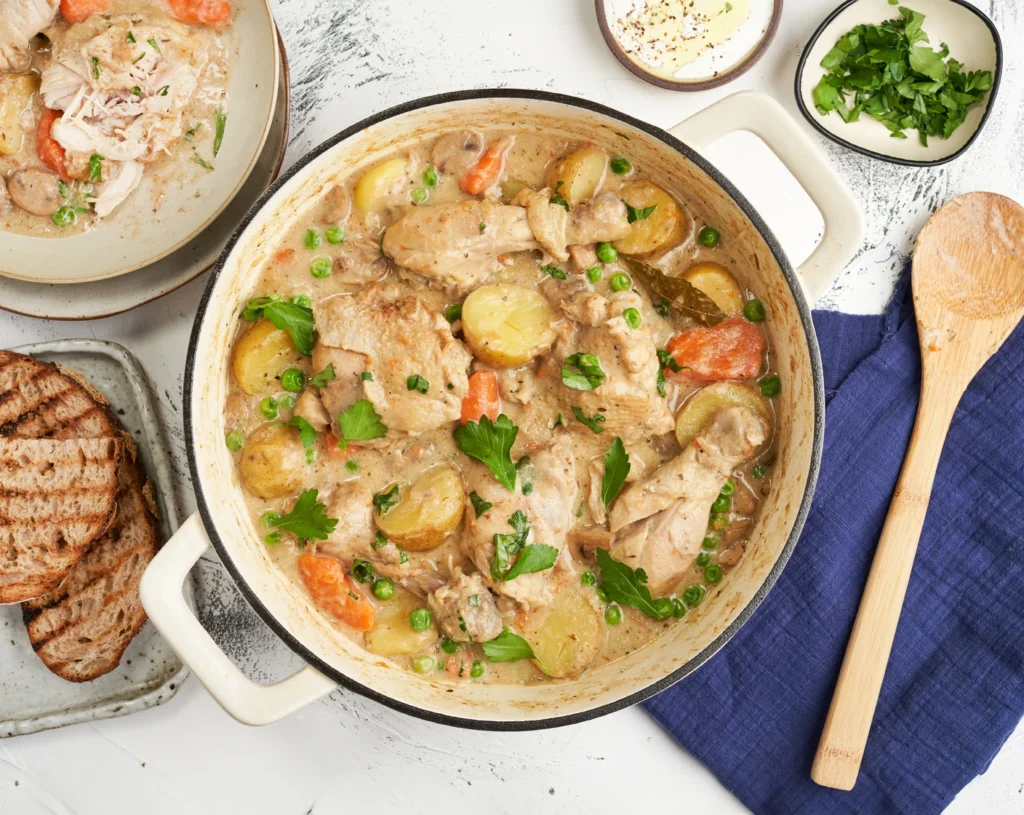
How to make Chicken Stew

🍲 Light Chicken Stew (Indian Style)

✅ Ideal for: Light meals, comforting lunch/dinner


🥄 Ingredients:

  • 250g boneless chicken pieces (preferably thigh or breast, cut into small pieces)
  • 1 cup carrots, chopped small
  • 1 cup potatoes, peeled and diced small
  • 1/2 cup green beans or peas (optional)
  • 1 small onion, finely chopped (optional, or skip if sensitive)
  • 1 tsp ginger paste or grated ginger
  • 1 green chili, slit (optional, can omit for no spice)
  • 1/2 tsp black pepper powder (optional, mild)
  • 1/2 tsp turmeric powder
  • 1 tsp coconut oil or light cooking oil
  • 4 cups water or chicken broth
  • Salt to taste
  • A few curry leaves (optional)
  • Fresh coriander leaves for garnish

🔥 Instructions:

  1. Heat oil:
    • In a large pot, heat coconut oil on medium heat.
    • Add onions (if using), ginger, and green chili.
    • Sauté until onions soften (skip onions if you want it very mild).
  2. Add chicken and spices:
    • Add chicken pieces, turmeric, and black pepper.
    • Sauté for 3–4 minutes until chicken changes color.
  3. Add vegetables:
    • Add chopped carrots, potatoes, and beans/peas.
    • Stir gently to combine.
  4. Add water/broth and simmer:
    • Pour in water or chicken broth.
    • Add salt and curry leaves.
    • Bring to a boil, then reduce heat to low.
    • Cover and simmer for 20–25 minutes, until chicken is tender and veggies are cooked through.
  5. Adjust seasoning:
    • Taste and adjust salt.
    • If you want, remove chili and curry leaves before serving.
  6. Garnish and serve:
    • Garnish with fresh coriander.
    • Serve warm with soft rice, idli, or plain bread.

🩺 Why it’s great for recovery:

  • Tender chicken = easily digestible protein
  • Soft cooked veggies = vitamins + minerals
  • Minimal oil and spices = gentle on stomach
  • Hydrating broth = helps healing and hydration

How to make Mild Curd Rice with Grated Cucumber

🥒 Mild Curd Rice with Grated Cucumber

✅ Great for: Light lunch or dinner


🧄 Ingredients:

  • 1/2 cup rice (preferably short-grain or basmati)
  • 1 to 1.5 cups plain curd (yogurt) – room temperature or slightly cool
  • 1/4 to 1/2 cup water or milk – to adjust consistency
  • 1/4 cup grated cucumber (peeled and deseeded if needed)
  • Salt – to taste
  • Optional: 1 tsp fresh grated coconut (for extra flavor)

🔥 Optional Tempering (skip if you want zero oil):

  • 1 tsp ghee
  • 1/4 tsp mustard seeds
  • A few curry leaves
  • 1 pinch grated ginger
  • A pinch of asafoetida (hing) – helps reduce gas

👩‍🍳 Instructions:

  1. Cook the rice:
    • Cook rice until very soft (slightly mushy is good for curd rice).
    • Cool it slightly — warm is okay, but not hot (to avoid curd splitting).
  2. Mix the base:
    • In a bowl, mix the cooked rice with curd and water (or milk).
    • Adjust consistency — it should be creamy and slightly loose.
    • Add salt to taste.
  3. Add grated cucumber:
    • Mix in the fresh grated cucumber. It adds crunch and cooling.
  4. Tempering (optional but tasty):
    • Heat ghee in a small pan.
    • Add mustard seeds and let them splutter.
    • Add curry leaves, ginger, and hing.
    • Pour this over the curd rice and mix gently.

🥗 Serving Suggestions:

  • Serve as-is, or with:
    • Steamed vegetables
    • Boiled moong dal
    • A few soft pomegranate seeds (optional)

🩺 Why This is Perfect for Recovery:

  • Curd = probiotics for gut healing
  • Rice = soft carb for energy
  • Cucumber = cooling and hydrating
  • Very low spice and oil

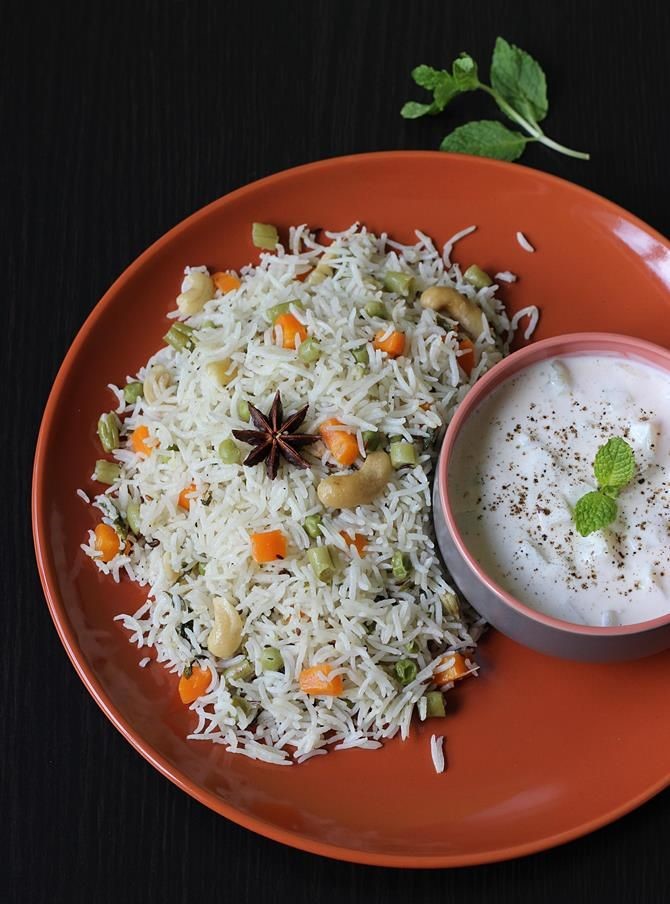
How to make Soft Vegetable Pulao With Curd

🥘 Soft Vegetable Pulao with Curd

✅ Ideal for: Light lunch or dinner


🥄 Ingredients:

For the Pulao:

  • 1/2 cup basmati or short-grain rice
  • 1.5 cups water
  • 1/2 cup mixed soft vegetables, finely chopped:
    • Carrot
    • Beans
    • Peas
    • Bottle gourd (lauki)
    • Potato (optional)
  • 1/2 tsp cumin seeds
  • 1 small bay leaf (optional)
  • 1 tsp ghee or light oil
  • 1/4 tsp turmeric powder
  • Salt to taste
  • Few curry leaves or a pinch of asafoetida (optional)

For Serving:

  • Plain curd/yogurt, preferably homemade or probiotic-rich
  • Optional: pinch of roasted cumin powder on curd

🔥 Instructions:

🥣 1. Rinse and soak rice:

  • Rinse rice 2–3 times and soak for 10–15 minutes (optional but helps with softness).

🍳 2. Lightly sauté vegetables:

  • In a heavy-bottomed pan or cooker, heat ghee.
  • Add cumin seeds and bay leaf.
  • Add vegetables and sauté for 2–3 minutes (don’t brown).

🍚 3. Add rice and spices:

  • Drain and add soaked rice.
  • Add turmeric and salt.
  • Stir gently to coat the rice with the ghee and spices.

💧 4. Cook:

  • Add 1.5 cups water.
  • Bring to a boil, then cover and simmer on low heat for ~15 minutes (or pressure cook for 1 whistle).
  • Let it sit for 5–10 mins after cooking, then fluff gently with a fork.

🥄 5. Serve:

  • Serve warm with a side of plain curd or curd mixed with a pinch of cumin powder or chopped coriander (optional).

🩺 Why It’s Recovery-Friendly:

  • Soft texture = gentle on healing gut
  • Mild flavors = no harsh spices or oil
  • Vegetables = fiber + micronutrients
  • Curd = probiotics for gut recovery

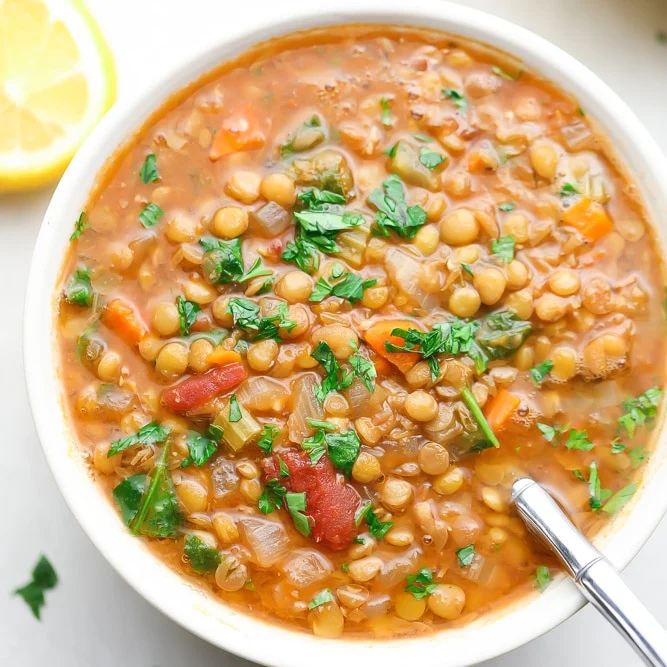
How to make Vegetable and Lentil Stew

🥣 Vegetable and Lentil Stew (Indian-Style)

✅ Great for: Light lunch or dinner


🥄 Ingredients:

  • 1/2 cup moong dal (yellow split lentils) or masoor dal (red lentils) — washed
  • 2 cups chopped soft vegetables, such as:
    • Carrot
    • Bottle gourd (lauki)
    • Pumpkin
    • Zucchini
    • Spinach (optional)
  • 1 small tomato (optional — for a mild tang)
  • 1/2 tsp grated ginger
  • 1/4 tsp turmeric powder
  • 1/2 tsp cumin seeds
  • A pinch of asafoetida (hing) – optional
  • 1 tsp ghee or coconut oil
  • Salt, to taste
  • 2.5 to 3 cups water (adjust for consistency)
  • Fresh coriander, chopped (optional)

🔥 Instructions:

  1. Cook dal and vegetables together:
    • In a pressure cooker or pot, add washed dal, chopped vegetables, turmeric, tomato (if using), and 2.5–3 cups water.
    • Cook until the dal is soft and vegetables are tender.
      • Pressure cooker: ~2–3 whistles
      • Pot: ~25 minutes simmering
  2. Mash or blend slightly (optional):
    • For a smoother texture, lightly mash with a ladle or blend briefly using a hand blender. This is ideal if chewing is an issue post-surgery.
  3. Prepare mild tempering:
    • In a small pan, heat 1 tsp ghee or coconut oil.
    • Add cumin seeds, let them splutter.
    • Add grated ginger and hing (if using), sauté for a few seconds.
  4. Combine:
    • Pour the tempering into the dal-vegetable mix.
    • Add salt to taste and simmer for 2–3 minutes more.
  5. Serve:
    • Garnish with coriander if desired.
    • Serve warm as a soup or over soft rice.

🩺 Why It’s Ideal for Recovery:

  • Moong or masoor dal = light and easy-to-digest protein
  • Cooked veggies = fiber, vitamins, and minerals
  • Mild spices = anti-inflammatory and digestion-friendly
  • Soft texture = easy on healing gut

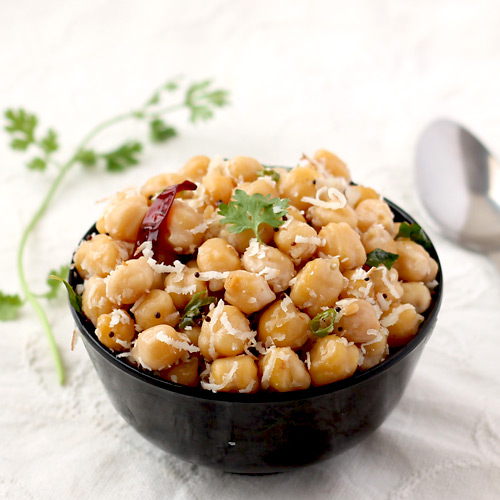
How to make Chickpea Sundal

🫘 Chickpea Sundal (Light, No-Spice Healing Version)

🥄 Ingredients:

  • 1 cup white chickpeas (kabuli chana) – soaked overnight & boiled until soft
  • 1 tsp coconut oil or ghee
  • 1/2 tsp mustard seeds
  • 1 tsp urad dal (optional – can skip if digestion is weak)
  • 6–8 curry leaves (optional but aromatic)
  • 1 tbsp grated fresh coconut (adds flavor and healthy fats)
  • A pinch of asafoetida (hing) – optional, helps reduce gas
  • Salt to taste

🔥 Instructions:

  1. Cook the chickpeas:
    • Soak overnight or for at least 6–8 hours.
    • Pressure cook or boil until soft but not mushy. Drain excess water.
  2. Prepare tempering:
    • Heat coconut oil or ghee in a pan.
    • Add mustard seeds and let them splutter.
    • (Optional) Add urad dal and curry leaves.
    • Add a pinch of hing if using.
  3. Add chickpeas:
    • Add the cooked chickpeas to the pan and mix well.
    • Add salt to taste.
    • Stir for 1–2 minutes to let flavors combine.
  4. Finish:
    • Turn off the heat and add grated coconut.
    • Mix gently and serve warm.

🩺 Why It’s Great Post-Surgery:

  • Chickpeas = great plant-based protein and fiber.
  • No chili, garlic, or onion = easy on the gut.
  • Coconut = adds healthy fats and flavor.
  • Minimal oil, no frying = digestion-friendly.

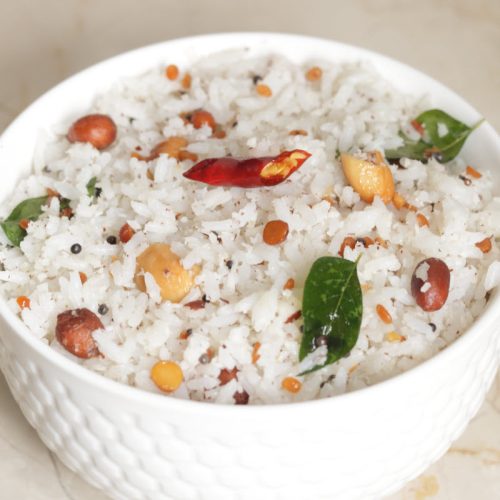
How to make Coconut Rice

🥥 Coconut Rice (Light, Indian Style, No Spice)


🥄 Ingredients:

  • 1 cup cooked rice (preferably short-grain or basmati)
  • 1/3 cup freshly grated coconut (or unsweetened desiccated coconut)
  • 1 tsp coconut oil (or regular ghee)
  • 1/2 tsp mustard seeds
  • 5–6 curry leaves (optional but aromatic)
  • 1 tsp urad dal (split black gram) – optional for texture
  • 1–2 tbsp chopped fresh coriander (optional)
  • Salt to taste
  • Optional: A pinch of asafoetida (hing) for digestion

🔥 Instructions:

  1. Prepare the rice:
    • Cook rice until soft but not mushy. Let it cool slightly so it doesn’t break when mixing.
  2. Prepare the tempering:
    • Heat coconut oil or ghee in a small pan.
    • Add mustard seeds and let them splutter.
    • Add curry leaves and urad dal (if using); sauté until lightly golden.
    • (Optional: Add a pinch of hing for digestive aid.)
  3. Mix in coconut:
    • Lower the heat and add the grated coconut.
    • Sauté for 30–60 seconds just to warm it slightly (don’t brown it).
  4. Combine:
    • Add the tempering + coconut mix to the cooked rice.
    • Sprinkle salt to taste.
    • Gently mix everything to coat the rice evenly.
    • Garnish with fresh coriander if using.

🥣 Serving Suggestions:

  • Pair with plain curd, boiled moong dal, or mild vegetable stew.
  • For protein, add a few pieces of soft boiled egg or steamed chicken on the side.

✅ Post-Surgery Benefits:

  • Coconut: Rich in healthy fats, aids healing, supports digestion.
  • Rice: Easily digestible carb for energy.
  • No chili, no onion, no heavy spices — perfect for recovery.

How to make Steamed Carrot and Pea Cutlets

🥕🟢 Steamed Carrot and Pea Cutlets (No Fry)

🧑‍🍳 Cooking Method: Steaming (no frying)


🥄 Ingredients:

  • 1 cup grated carrot
  • 1/2 cup boiled green peas (lightly mashed)
  • 1 small boiled potato (for binding)
  • 1 tbsp semolina (rava/sooji) OR oats flour (optional, helps bind)
  • 1/4 tsp cumin seeds or powder
  • 1/4 tsp grated ginger
  • A pinch of turmeric
  • Salt to taste
  • Fresh coriander leaves, finely chopped (optional)

🔥 Instructions:

  1. Prep the mixture:
    • In a mixing bowl, combine grated carrot, mashed peas, and mashed potato.
    • Add semolina/oats flour, cumin, ginger, turmeric, and salt.
    • Mix everything thoroughly. If the mix feels wet, add a little more oats or semolina.
  2. Shape the cutlets:
    • Divide into equal parts and form into small round or oval patties.
    • Keep them slightly thick so they remain moist when steamed.
  3. Steam the cutlets:
    • Place them on a greased steamer plate or idli stand.
    • Steam for 10–12 minutes on medium heat, until they feel firm and cooked.
  4. Cool slightly before serving:
    • Let them rest 2–3 minutes after steaming to firm up.

✅ Optional Enhancements:

  • Add boiled moong dal for extra protein.
  • Serve with plain curd or mild coriander-mint chutney (no chili).
  • If you can tolerate a bit of texture, coat lightly in roasted sooji before steaming for a crispier outer layer.

🩺 Why it’s perfect post-surgery:

  • Zero oil
  • Soft texture
  • Rich in fiber, vitamins, and healing-friendly nutrients
  • Easy to digest with minimal spices