General health tips include tips to keep healthy & lose weight.
What is a healthy life? A life where you have no disease condition or a life where your body is doing physically good,
or a life where your mind is at peace or a life where you have a social circle and well-being?
Well to answer this question, you should analyze your life and think about what actually health is.
Health as defined by WHO as a state of complete physical, mental and social well-being and not merely the absence of disease or infirmity.
So that means, health is not only just being free of a disease condition, but in order to be healthy, one must be sound physically, mentally, and socially.
Health tips not only include what one should eat and not to eat, but it also includes the practice to attain a complete state of health.
If you are doing well physically and mentally but not consuming the required amount of nutrition that your body requires,
you will not be able to achieve your health goal to the fullest. Physical activity, mental health, social well-being, and dietary habits go hand in hand to live a healthy life.
Health tips will provide you with an outlook of how you can be healthy by putting in just a few efforts and making your health a priority.
Because if your body is in a state of health, you will be in a state of overall well-being. So choose yourself and your health over anything else!
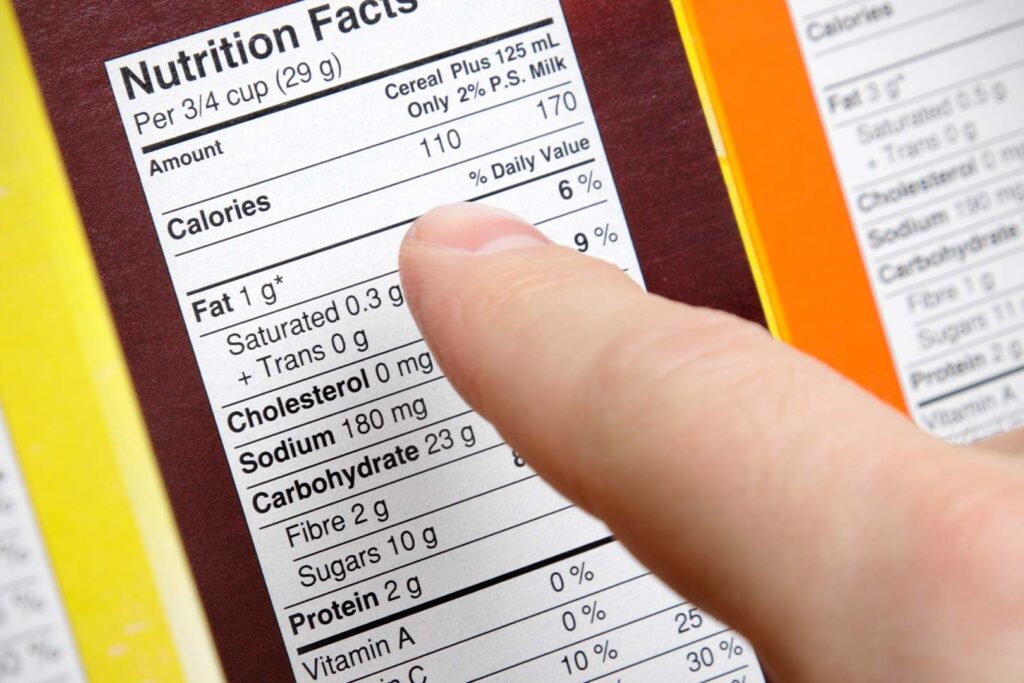
The food label tells you the nutritional content of a food to help you make wise choices about what you consume—it’s easy to read and allows you to quickly find information. In addition, standardized serving sizes make product comparison easier. Therefore reading food labels is critical to make the right choices.
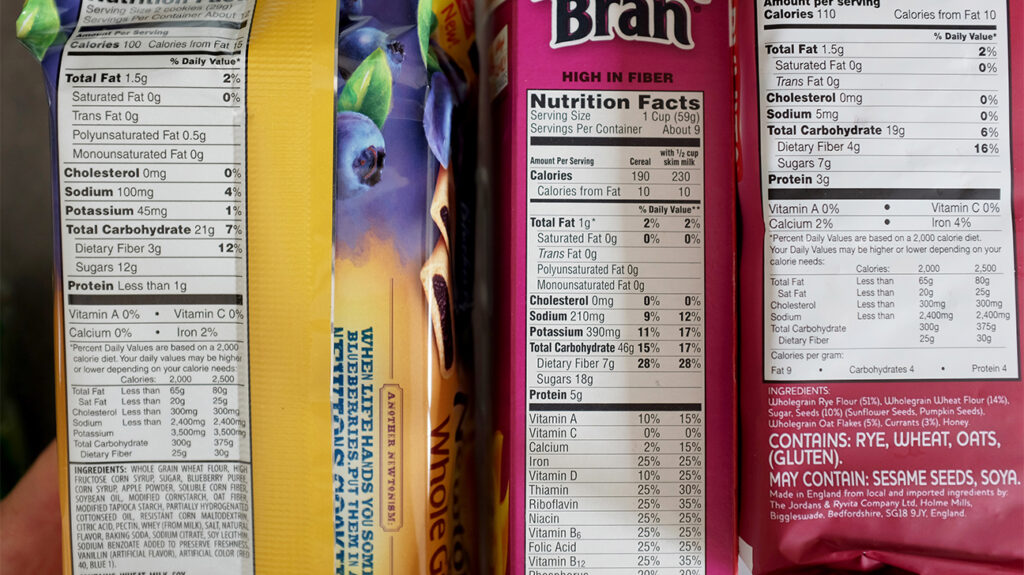
Reading food labels is an important habit for a healthier lifestyle. All foods are not created equal. Two brands of the same type of food may have two completely different food labels. One may have more calories, fat, or sodium than the other.
Infact, you may also find out not just the nutritional content of the product but also the hidden values of the products that you are buying. Here are list of 15 things to check before your buy the right product for you and your family:
1. Check Net Weight/ net Quantity while reading food labels:
Its really important to check how much of the product you are buying. I see a lot of people buy products in bulk in lew to the offers they get. Sometimes it is buy one get one or sometimes it is 20/30/40 % off offers that makes you buy bigger package prices. Try to calculate your consumption and buy what is needed.
While reading food labels, net weight also helps you determine how much of the extra sugar/calories would you end up consuming buying that pack since each pack gives you nutritional fact per 100g only. For example if you are buying a juice pack. Buying a juice pack of 150 ml vs 1000 ltr. You might see calories per 100 ml only but in actual your end up buying a pack of 100 ml x 10.
2. The Nutritional Facts / 100g
Whatever you buy, whether it is ketchup sauce, or cookies to juices, canned food to your favourite mayo. Make sure to read nutritional facts and the breakup of each of these products.
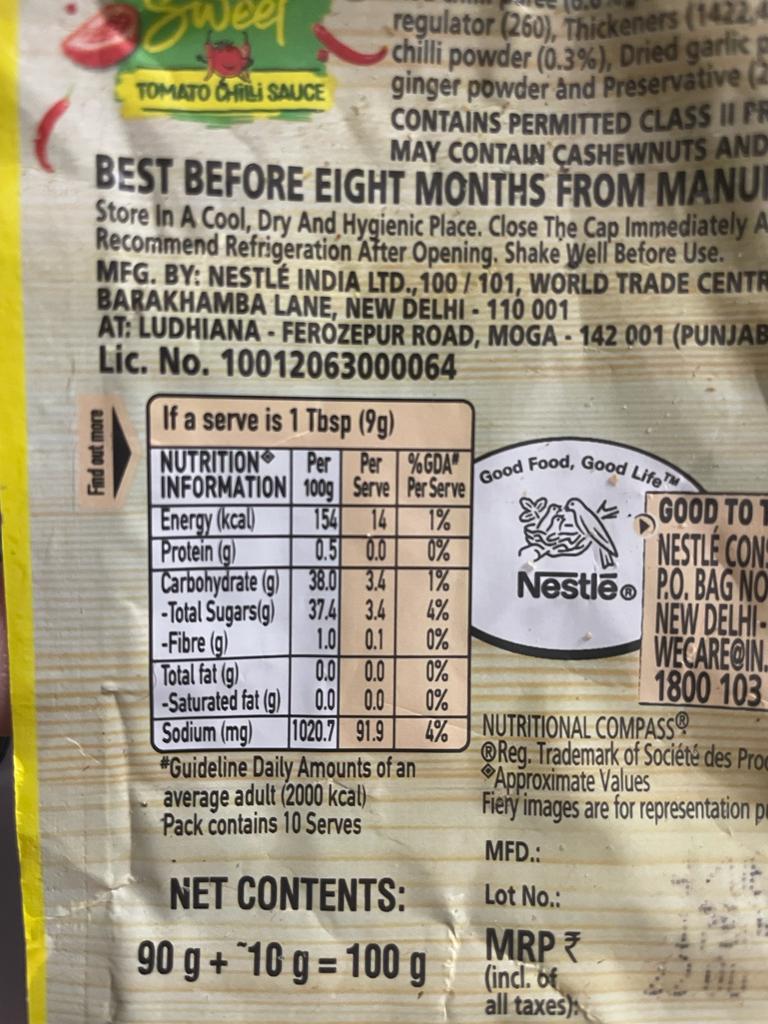
A few examples totally shocked me when I read their food labels. One of the examples were the ketchup used in our home. Here is the copy, have a look:
If you check carefully, per 100g of tomato ketchup has 37g of plain sugar. And 1 spoon that is 1 serve (approx) 9g of serving size has 3.7g of sugar alone. Well, thats alot, alot and alot of sugar in ketchup!
3. Key Ingredients (Part I):
Reading food labels, reading key ingredients is extremely important. Most of the time we read only the front and end up missing out on what is the actual ingredients of the products. Here is what we should check when it comes to reading ingredient labels:
a) Read the key ingredients: For example, is the may ingredient for ketchup is tomatoes or not. Is the main ingredients for atta bread is atta or not.
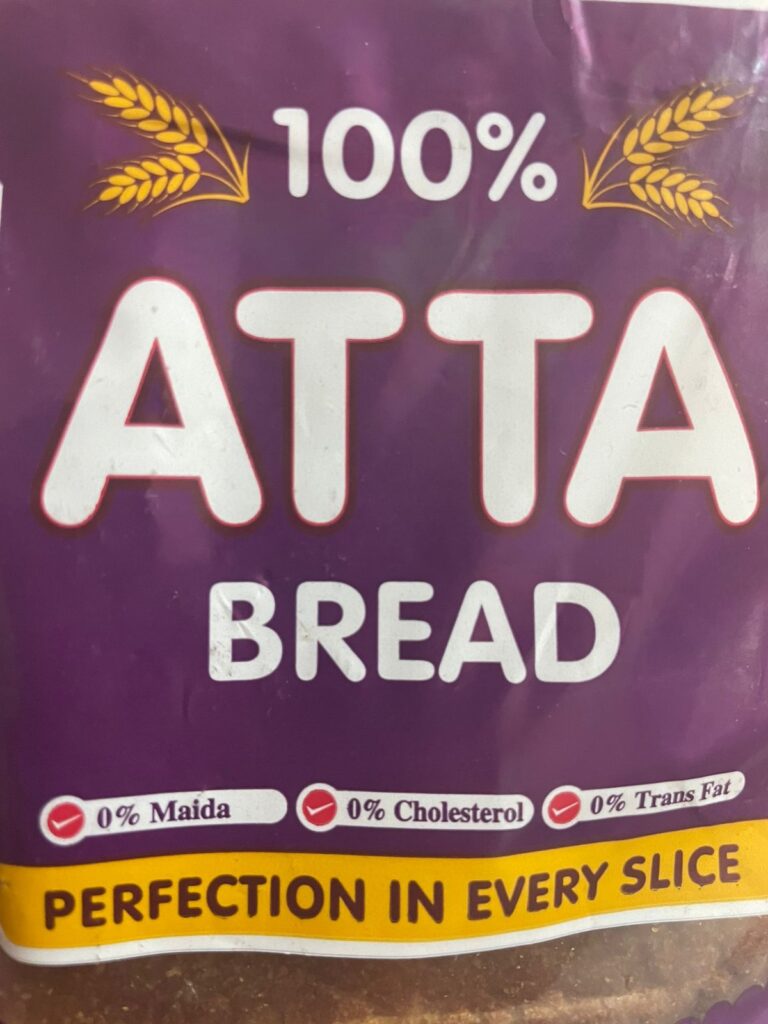
Here is a food label of a famous atta bread which claims to be 100% atta on the front. I am sure when you read this, you think it is pure atta alone right? But looks at the labels here:
If you notice, in spite of claiming to be 100% atta/wholewheat. Wholewheat flour is only 54% in this bread. If you see the other ingredients include Wheat protein and Soya Flour. If not maida.
4. Key Ingredients (Part II):
Checking the INS of every number and category written in the ingredient section: INS stands for International Number system. In the categories of Emulsifiers, Thickening agents, preservatives, acidity regulators and improvers have been given a number. If you doubt any of the products, you can also find out each of these numbers and see if they are approved yet or not.
Always and always check sugar content of any particular product. I see sugar everywhere. Wheater it is bread or ketchup or even sugarfree drinks. many a time it would say no added suagr. However the product may already have added sugars in it. Sugar alone as a label can save you for opting in for hidden calories without knowing.
6. Different types of Oils used in preparation
Fats and oils can come from many sources, like animal fats, fish, seeds, plants, and nuts. Reading the ingredient lists on products will reveal the source of the fat. For oils and fats ingredient lists, fats and oils are referred to by their common names (e.g., “beef fat,” “cottonseed oil”). Like other ingredient lists, the types of fat and oils used should be listed by predominance. However, if there is a blend of fats, the ingredient list may say “___ shortening” or “blend of ___ oils” with the blank being filled by “vegetable,” “animal,” or marine,” whichever is applicable. If the ingredient is a blend, there must be a list of which specific fats or oils are used in the blend (e.g., “vegetable oil shortening (soybean and cottonseed oil)”).
Many of Indian origin products would either use Soyabean oil or palm oil. The reason why these oils are used is because these oils are cheap and are easily available. However, due to its processed nature, they are not advisable to be consumed. Therefore, avoid food pruducts using low grade oil.
7. Organic vs Non organic labels
If the product says it is organic, please do not agree to it. That may be a trap. If you are buying in the US market, always buy organic certified products certified by USDA or with a certified naturally grown.
Fssai food label vs organic fssai food label for Indian consumers. If you are buying any organic product do check for these labels on your products.
fssai organic food logo
Fssai normal food logo
Please note, Indian Organic is a mark of assurance for organically grown food and processed food made in India.
8. The critical dates of your product:
Always check for manufacturing date, expiry date and the Best before statement and match both. If both in alignment with each other that means that products shelf life is mentioned correctly. If the deviation is large then there can be an issue with the product printing.
Important dates in your food label
Please note, A date label on food should indicate the last date where the food maintains peak quality and flavor. Date labels are meant to reflect quality, not food safety.
9. Packaging
Food packaging serves many purposes, from protecting the food to creating portion sizes to offer information on the product.
However, what is not well known about food packaging is the different types of packaging available. There are nine types available: Plastics, tray, bags, cans, boxes, cartons, flexible packing, thermocol packaging & wraps.
Refrain from buying food products that are your regular food products and are packed in plastic form. Bottles, bags. covers or even wraps. Plastics not only have ill effects on health but also affect the environment.
10. Check the calories; Check Fat free or not
All too many people think the “110 calories” posted on that 20-ounce bottle of cola means they’re drinking 110 calories. Hardly. You’ve got to multiply the 110 calories by the total number of servings, 2.5, to realize that you’re actually downing a whopping 275 calories.
Also check calories from fat,
It’s on the Nutrition Facts label. Unfortunately, it doesn’t tell you “percent of calories from fat,” which is how all health guidelines direct us to limit fat. You’ve got to do a little math. Divide the number of calories from fat by the total calories. (If the serving’s 150 calories, 50 of which are fat, your product is 33% calories from fat.).
If division trips you up, go by grams. Use this easy rule. If a product has 2 grams of fat or less per 100 calories, its fat content is within Pritikin guidelines for processed foods: the fat, per serving, is 20% or less of total calories. You don’t have to be a mathematician to realize that 4 grams of fat per 100 calories is double the fat recommended by the Pritikin Eating Plan.
Don’t be fooled by claims like “99% fat-free” soup or “2% fat” milk. They’re based on the percent of weight, not percent of calories. So that can of 99% fat-free soup may actually have 77% of its calories from fat, or more. And 2% fat milk actually has about 34% of total calories from fat; 1% milk has about 23% calories from fat.
If you are struggling shedding weight. You can talk to us by taking this assessment: Click here
It’s that time of year again. Yes folks, you got it right – the wedding season where all brides and grooms are in full bloom, family members are brimming with happiness. And these weddings are also great opportunities for socializing, dancing and having a fabulous friends and family time. Thats where we skip and many a times think what food options in an indian wedding could be healthy.
Indian weddings are all about grand feasts. In other words, weddings are fat affairs which they are getting grander day by day. Also, their buffet menu are even grander which literally has the variety a restaurant and cafes serves on a normal day. They exceed our imagination. We get tempted by the lip-smacking and mouth-watering dishes. And end up eating extreme amounts of extra calories which we don’t actually need.
In actuality, we consider weddings as our cheat days but with the wedding season coming, we are sure to attend more than one wedding a week. And, that so many cheat days? That’s not ideal and it tends to happen with the best of us.
Well, if you are at the wedding, you can still eat food that is not only containing less oil, less sugar but also nutritious for your body.
Also, weddings can get you pretty worked up in various ways and amid all the festivities, you can suffer from dehydration. So, follow our classic rule to drink plenty of water. Most important thing is to control the portion size of what you eat. This way, you can control the consumption of extra calories and you won’t have to feel guilty about it.
We have created a list of food options from various cuisines which you can eat in Indian wedding guilt-free. Let’s have a look!
Salads
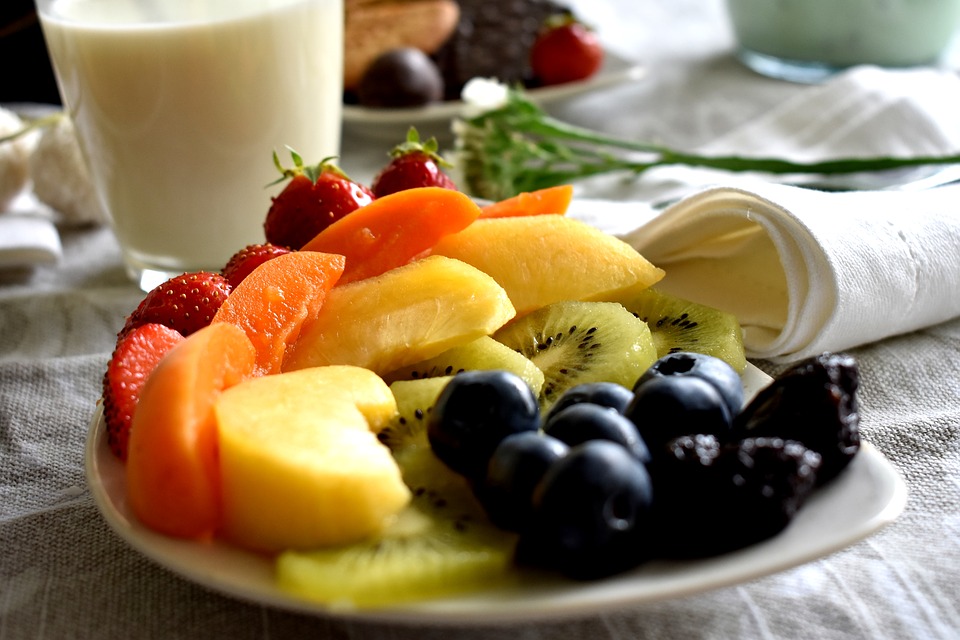
1. Fruit salad:
Fruit salad should be your first go-to stall as you enter the food hall. These salads consists of various kinds fruits which are really refreshing. This gives you a good start in weddings and it also fills you stomach with its goodness and feel less hungry when you reach the other food counters.
Fruit salad
2. Pasta Salad
Pasta gives you a Italian gist, that enhances a good old salad into something pretty gourmet. Plus, it comes with some added vegetables and a lot and a lot of Parmesan cheese. It tantalizes your taste buds with its tangy taste. You can enjoy this keeping in mind its portion size.
Pasta salad
Starters/Snacks:
1. Paneer tikka:
Indian weddings are incomplete without paneer tikkas. They are famous Indian starter and also generally served in every Indian wedding. They are served with barbeque vegetables and green chutney. Also, they are really healthy and if you want to keep it healthier, ask the chef to not brush it with oil. Enjoy this starter with its mouth melting flavors. Most importantly, keep portion size in mind and do not consume more than 3 to 4 pieces of it.
Paneer tikka
2. Chicken tikka:
Chicken tikka is one of the most famous dish served at the weddings. The chicken is blended with spices before it is put on the barbeque stove. Enjoy this chicken tikka with plenty of barbaque vegetables and also green chutney.
Chicken tikka
3. Khaman Dhokla/khandvi:
Khaman dhokla and khandvi is indeed the most famous Gujarati snack. Everyone is aware of it and loves to eat it. Also, the visual appeal of these snacks is so strong that you just cannot pass the plate by without picking one.
Furthermore, you can enjoy them with lemon juice on the top and green chutney. Only 2-3 pieces are enough to tantalize your taste buds.
Khaman dhokla
4. Pav bhaji:
Pav Bhaji has become the staple food in weddings. Have you been to a wedding where Pav Bhaji was not available? Probably never. This recipe is a beautiful amalgamation of vegetables with a unique blend of spices and serve it with pav with raw onions on the top. So, enjoy its deliciousness keeping in mind the portion size. You can have bhaji with 2 pav and enjoy it without any guilt.
Pav bhaji
5. Paneer stuffed cheela/Moong dal cheela:
The cheela is an evergreen dish and it never disappoints you. Also, it makes a delicious appetizer for the parties. It fills you stomach with its goodness. These are serve with sweet red chutney and green chutney.
Moong dal cheela
6. Idli sambhar/Dosa sambhar:
South Indian food options in an Indian wedding are found easily, south Indian food is very popular everywhere because of its unique flavor and taste. You can never go wrong with idli or dosa. Also, you can enjoy them with rasam or hot sambhar at weddings with coconut chutney. You can enjoy this South Indian food and can eat to satisfy your hunger pangs!
Idli sambhar with coconut chutney
Main course
Food options in an indian wedding – North Indian cuisine:
1. Matar paneer/Chicken curry with naan/tawa roti:
Paneer is a versatile ingredient which can be used in various kinds of dishes. Matar Paneer is one of them. It is a delicious recipe that is very famous in north India and is an all time favorite dish also. This dish, when served with any type of naan or tawa roti, tastes heavenly.
Furthermore, same goes for the chicken curry with naan/tawa roti. You should go for chicken curry instead of butter chicken. This may be the difficult choice to ditch butter chicken. However, there is a big difference in the amount of calories as the butter chicken may have thrice the calories than the healthier options.
Chicken curry
2. Bharwan baingan/capsicum/karela:
These stuffed vegetables are definitely Food options in an Indian wedding easily available on every wedding menu. It has a rich flavor of Indian spices and is usually loved by everyone.
Stuffed capsicum
3. Sarson ka saag with makki ki roti:
It is one of the most popular North Indian dishes. This dish is famous in almost every wedding during the winter season. Personally, sarson ka saag with makki ki roti have a special place in my heart. It is a dish that I crave all year and which makes me do cartwheels for the arrival of winter. I generally enjoy it with makki, but you can also enjoy it with missi roti or tawa roti.
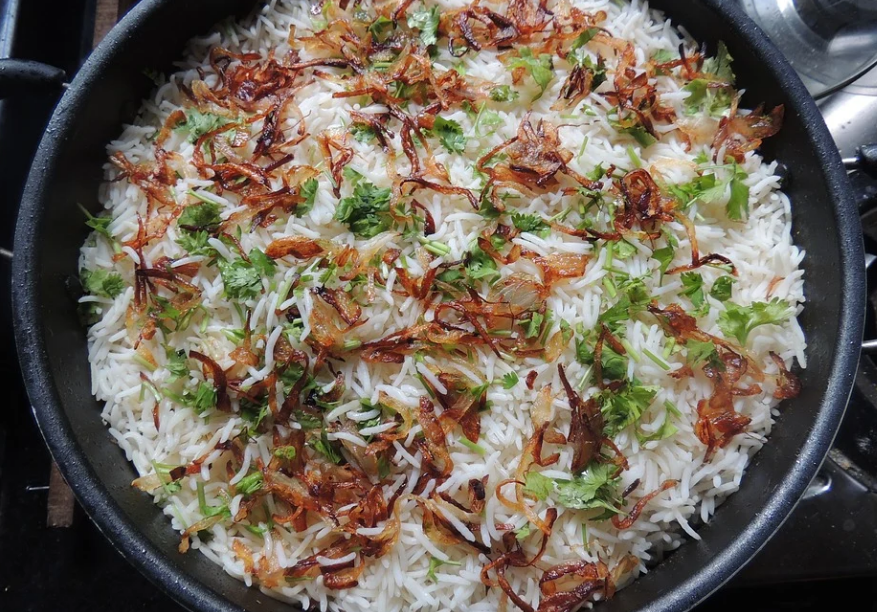
4. Vegetable biryani/chicken biryani:
Biryani is very famous among the weddings and is incomplete without its deliciously good dish. You cannot pass the biryani food counter without having a taste of it. Whenever I am at any wedding I cannot resist it and I know you can’t either. You can enjoy this delicious dish with lots of salad and lemon juice sprinkled on top and also raita which will balance your complete meal.
Biryani
Food options in an indian wedding – Gujarati cuisine:
1. Gujarati Kadhi:
Gujarat’s most famous dish – The Gujarati Kadhi is not the typical kadhi we all make at our home. No, this version of kadhi is somewhat different. It is a traditional preparation of a wonderful sweet and spicy curd mixture thickened with besan (gram flour). This kadhi is a light dish on your stomach but it can be a bit heavy if you have too much of it. So, portion control is important even at weddings. You can serve it with one serving of steamed rice/vegetable pulao or tawa roti/naan which will tempt your taste buds.
Gujarati kadhi
2. Chana Batata:
Chana batata is a popular desi style dish made with chickpeas and potato. It kind of hangs in between being street-side-chatpata food to a proper side dish or a main course. Serve it on your plate and enjoy it with some side salads and also some lemon juice sprinkled on it.
Chana batata
3. Dal Dhokli:
Dal dhokli is also one of the Food options in an indian wedding. Want to havesomething delicious and nutritious at weddings? Well, dal dhokli is one of them which you can enjoy guilt-free.It is a most popular and favorite dish out of all the Gujarati cuisines. Serve this delicious dish with some steamed rice or tawa roti.
Food options in an indian wedding – South Indian cuisine:
1. Lemon Rice/Steamed rice:
Rice is a staple food in South India. It is impossible to imagine a South Indian wedding without rice. Varieties of rice are served at weddings, among which lemon rice and steamed rice is the most common.
The famous lemon rice will make you instantly drool over the taste and will tempt your taste buds. Also, for steamed rice, there are various kinds of dishes for you to enjoy with rice.
Lemon rice
2. Aviyal:
Aviyal is an authentic South Indian dish which is a spicy thick mixture of almost 13 vegetables. Rich in nutrients, it is one of the most popular dishes in the South Indian wedding menu. Furthermore, you can serve it with the rice served or as it is, depending on one’s preference and taste.
3. Kootu:
Kootu made using vegetables and dal is another dish which is often seen in South Indian wedding menus. It is famous for its hot and tangy taste. You can enjoy its hot and tangy taste with rice to enjoy the tempting flavors.
4. Rasam:
Rasam is a spicy, sweet’ n sour soup traditionally served at South Indian weddings. It is also the second main dish served after sambhar. It is usually eaten along with a vegetable side dish (poriyal). But you can also have it after having all your meals. It will aid in your digestion and helps relieve symptoms of common cold and stomach ailments.
5. Poriyal:
Poriyal is the ultimate vegetable side dish for any meal one can have in South Indian weddings. It is a dish consisting of fried or sauteed vegetables which are either diced or sliced up. You can enjoy it as a side dish along with rice mixed with sambhar and also rasam or yogurt (curd).
If you are struggling shedding weight. You can talk to us by taking this assessment: Click here
Exotic Vegetables are those which are of the foreign region, and not of native growth is known as exotic vegetables. These are known for their unique taste, nutritional value, and various health benefits. They are essential for a balanced diet and good health as they contain various micronutrients and phytochemicals. These nutrients help many health benefits like in reducing weight, diabetes, cardiovascular health, and even cancer.
Rapid rise in the production and cultivation of Exotic Vegetables in India:
In the past few decades, exotic vegetables were introduced in India and since then their demand is increasing every day. India is the second-largest producer of fruits and vegetables, followed by China and is also a significant consumer market for the same.
The demand for exotic produce is increasing and growing by 15% to 20% per annum.
The Indian exotic vegetables market is supported by the overall Indian fruits and vegetables market, which reached a volume of almost 322 million metric tons in 2020. And is further expected to grow at a CAGR (compound annual growth rate) of 5% between 2021 and 2026 to reach a volume of almost 432 million metric tons by 2026. (Source-hexpertmarketresearch.com)
Farmers in India grow these vegetables in winters as they only grow better in cold conditions especially, in the month of September to November. The popular cities that grow these vegetables are Pune, Ooty, Jammu and Kashmir, Uttarakhand, Mahabaleshwar, and Nasik, etc. And they are cultivated in poly houses (a type of greenhouse where specialized polythene sheets are used as a covering material under which the crops can be grown).
These vegetables are gaining popularity in India day by day. While some of the Exotic Vegetables are well-known names in the Indian household, some are still gaining popularity by their use in international cuisines or in restaurants. Also, the prices for these vegetables are very high as compared to our seasonal vegetables which are not affordable for everyone.
Why the use and production of Exotic Vegetablesis more prominent in India?
The use and production of these exotic vegetables is more prominent because of the following reasons:
Exotic vegetables are an important source of cash income for farmers.
These vegetables not only provide essential micronutrients but also contain a range of health– promoting phytochemicals.
These can also prevent nutritional deficiencies and reduce the risk of obesity and chronic disease including diabetes, cardiovascular diseases and cancer.
Also, correct cooking improves the nutritional value of exotic vegetables.
How to store exotic vegetables?
As exotic vegetables are grown in colder areas, they are also store in cold places/cold rooms such as storehouses where the temperature is less than 6-8 Degree Celsius.
These cold rooms are very important for exotic vegetables as they prolong their shelf life and are also effective in reducing waste.
Also, the moisture or the water content is removed to store them for a long time.
Here are some of the most popular Exotic Vegetables along with their nutritional benefits.
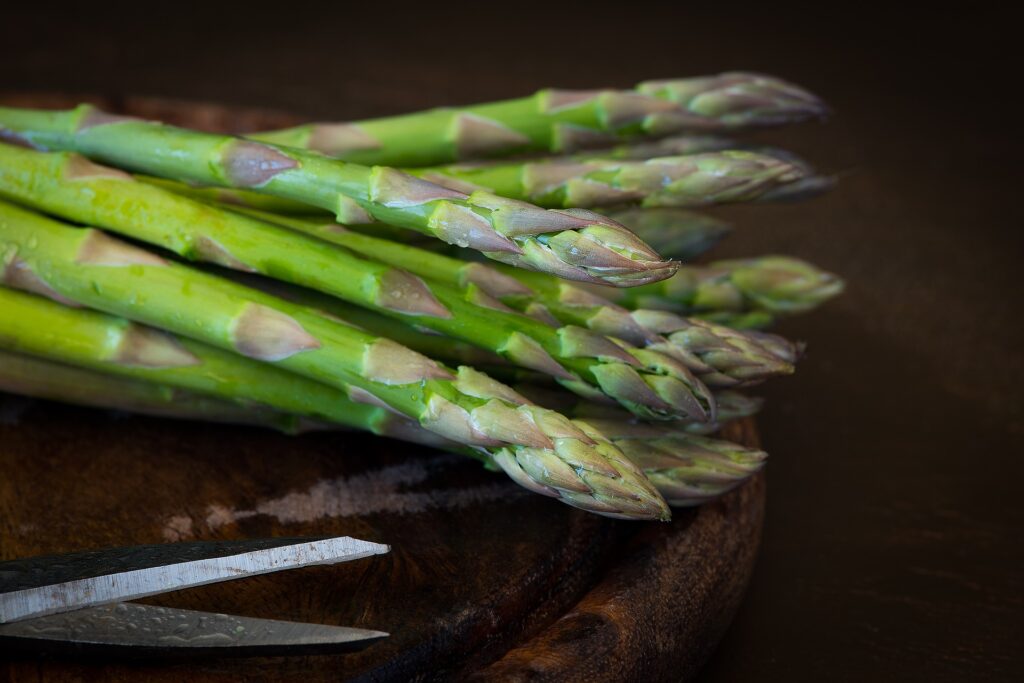
1. Asparagus Exotic Vegetables:
It is one of the most popular exotic vegetables because of its nutritional value and medicinal uses. It is low in calories, aids stomach acidity, and is rich in vitamins, minerals, and antioxidants.
Cultivation: It is widely grown in India and also cultivated mainly in the tropical and subtropical regions of the country. Himachal Pradesh is the main producer of this vegetable. This vegetable is in high demand as it is not commonly available in local markets which makes it rare and expensive too.
What are the health benefits of asparagus Exotic Vegetables?
Asparagus is a low-calorie vegetable that is an excellent source of essential vitamins and minerals, especially folate and vitamins A, C and K.
It is a good source of antioxidants that helps in the prevention of harmful free radicals and may reduce your risk of chronic disease.
As a good source of fiber, asparagus promotes regularity and digestive health.
How to use asparagus in your diet?
Asparagus can be used in a number of dishes like salads, stir-fries, frittatas, omelets and pastas, and it makes an excellent side dish.
Did you know?
Eating asparagus is good for hangovers.
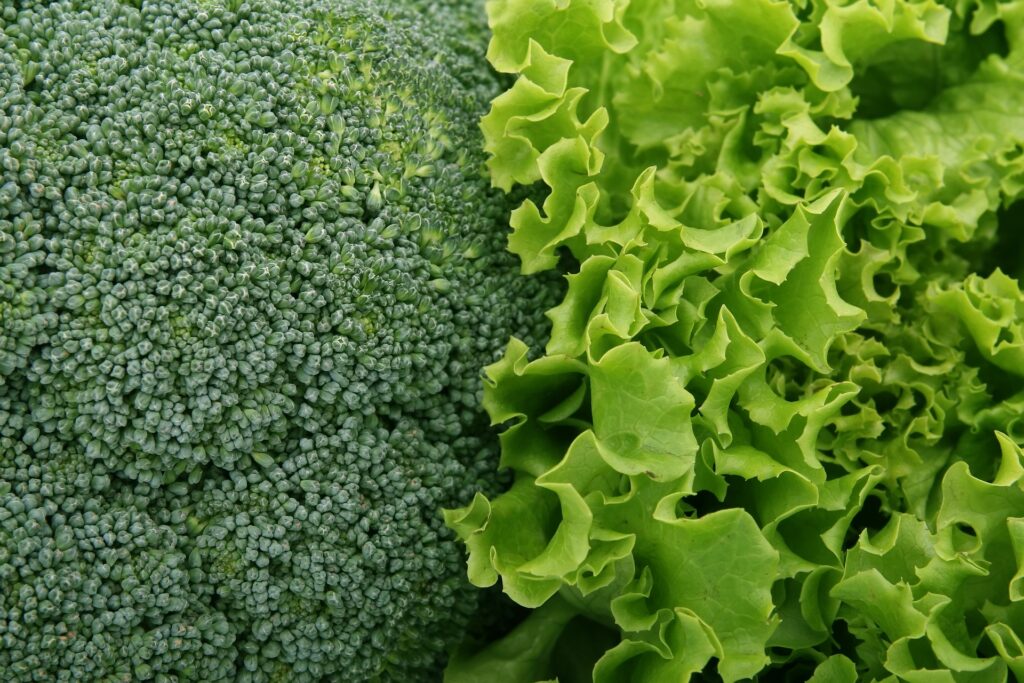
2. Broccoli Exotic Vegetables:
Broccoli is India’s most common exotic vegetable. It is also one of the most nutritious vegetables and rather exotic because of its green color and also crispy and tasty to eat. It is loaded with protein, fiber, vitamin A, vitamin C, vitamin K, vitamin B9, potassium, phosphorus, and selenium. Also contains antioxidants that have various health protective effects. It also helps in glucose control and reduces constipation as well. Which makes it rank as the world’s fifth-most famous vegetable.
What are the health benefits of broccoli Exotic Vegetables?
Reduces the allergic reaction and inflammation because of the antioxidant, kaempferol.
It contains antioxidants that can help the body in a variety of ways. It is contains vitamin C, making it great for immunity.
Also, contains flavonoids which help recycle the vitamin C efficiently. It is also enrich with carotenoids lutein, zeaxanthin, beta-carotene and other power packed antioxidants.
Broccoli is a good carb and is high in fiber, which aids in digestion, prevents constipation, maintains low blood sugar, and curbs overeating.
How to use broccoli in your diet?
Some of the popular broccoli dishes are: baked broccoli, broccoli salad, buttermilk chicken with chargrilled broccoli, chapati broccoli, broccoli soup, broccoli pasta, broccoli paratha etc.
Did you know?
The word broccoli comes from an Italian word broccolo which means “the flowering top of a cabbage”.
3. Cherry Tomatoes:
The cherry tomatoes are small and round and taste much sweeter than normal tomatoes. These are quite expensive as well.
They are loaded with vitamins and minerals such as vitamin C, which promotes good health and plays a major role in bodily functions. Also, a good source of lycopene which can reduce inflammation and blood clotting.
4. Zucchini
Zucchini is a popular and a very healthy vegetable, with this you can also make healthy recipe. It is usually dark or light green in color. Also, it somewhat looks like a cucumber but zucchini is not a type of cucumber. It is soft, sweet and browns very quickly on the stove. It is an extremely healthy vegetable that is a source of iron, potassium, vitamin C, vitamin B6 and vitamin A, calcium, zinc.
Health benefits of zucchini:
Zucchini is used to prevent constipation and also aids in digestion.
Lowers cholesterol and also has anti-cancer properties.
Contains magnesium which reduces the risk of heart attack and stroke.
It is also a good source of vitamin C and vitamin A.
Also, contains lutein and zeaxanthin which protects the cells of our eye.
How can you make the use of zucchini in your diet?
You can use them raw in salads, in a stew with other fruits and vegetables, baked with rice, lentils, and vegetables, stir-fried with oil, soups, and spaghetti/pasta.
Did you know?
A zucchini contains more potassium than a banana.
5. Baby cornExotic Vegetables:
This exotic vegetable is highly popular because of its unique and slightly sweet taste. These baby corns are regular corns which are plucked before their maturing time. Its nutritive value only slightly from mature corn and it is one of the most imported vegetables in the world. It is rich in calcium, zinc, folic acid, vitamin A and iron.
What are the benefits of baby corn Exotic Vegetables?
It is low in calories and also helps in weight loss.
It is rich in fiber which helps to relieve constipation issues.
Baby corn is low in glycemic index hence in control of blood sugar.
How can you use baby corn Exotic Vegetablesin Indian cuisine?
You can use them in salads and dishes like Indian style pizza, pasta and sandwiches, baby corn fritters, chilli baby corn and also in rice and rolls/wraps. .
Did you know?
Baby corn has been recognized as one of the healthiest veggies.
6. Celery Exotic Vegetables:
Celery is one of the expensive exotic vegetables. It is a crunchy and watery vegetable that is extremely healthy for the human body and can be eaten both cooked and raw. It has vitamins and antioxidants like vitamin C, beta-carotene, flavonoids, vitamin K, magnesium, iron and folate. Additionally, it has a low glycemic index which makes it the best vegetables for diabetic people.
What are the health benefits of celery Exotic Vegetables?
It prevents cancer
regulates blood pressure
Supports good digestion
Reduces inflammation- it has approximately 25 anti-inflammatory compounds that protects our body against inflammation.
How can you use celery Exotic Vegetables in your diet?
You can use celery in many different ways like celery soup, celery salad, celery smoothie, chicken-celery salad, celery juice, etc.
Did you know?
Cultivation of celery is believed to have started 3000 years ago in the Mediterranean region.
April is National Fresh Celery Month.
Celery can reach the height of 3.3 feet.
7. Chinese cabbage/Napa cabbage:
Chinese/napa cabbage is firmly packed, pale green in color with crinkly leaves and a white stalk. It is also known as Chinese white cabbage or Peking cabbage, or celery cabbage.
This vegetable is resistant to cold and also very popular throughout the world, especially in the northern regions of the globe.
There are two major types of napa cabbage; Chilili and Che foo. The type of Chilili produces cylindrical heads, erect, upright growing habits. On the other hand, Che-foo type forms a compact, round head of green-blade with white-petioled leaves.
It is a nutritious and inexpensive vegetable when compared to a lot of other vegetables.
It’s taste varies based on if it’s raw or cooked. When eaten raw, it has a thin, crisp texture and a mild taste, and when cooked, it softens and gets sweeter.
This vegetable is low in calories, brimming with antioxidants like carotenes, thiocyanates, indole-3-carbinol, lutein, zeaxanthin, sulforaphane and isothiocyanates.Rich in vitamins such as vitamin C, vitamin K, riboflavin, pantothenic acid, pyridoxine and thiamine. And minerals like calcium, potassium, phosphorus, manganese, iron, and magnesium.
What are its health benefits?
Napa cabbage is an incredibly low calorie green-leafy vegetable which makes it really good for weight loss purposes.
It is brimming with many antioxidant plant compounds which helps in reduction of our body inflammation.
Also, it is an abundant source of soluble and insoluble dietary fiber which helps in good digestion.
It helps the body develop resistance against infectious agents and scavenge harmful, pro-inflammatory free radicals.
Likewise in other cabbages, napa too has moderate levels of vitamin-K. It plays a potential role in bone metabolism by promoting osteoblastic activity in bone cells.
It helps in regulating heart rate and blood pressure.
How can you use Chinese Cabbage in your daily life?
You can use this cabbage in various dishes like noodle dishes, spring rolls,as well as stir-fries, cabbage curry, Indian fried cabbage, cabbage kathi rolls/cabbage egg rolls, cabbage rice, cabbage pasta.
Did you know?
The word “napa” in the name napa cabbage comes from colloquial and regional Japanese, where nappa refers to the leaves of any vegetable
How can you differentiate between Chinese Cabbage and Green Cabbage?
Green cabbage is the most common and is a tightly wrapped and round cabbage, while napa cabbage looks more like leafy lettuce. On the other hand, the leaves of green cabbage are thicker and almost rubbery. Like napa cabbage, it also gets sweeter when cooked.
8. Bok choy Exotic Vegetables:
Bok choy is a cruciferous, green leafy vegetable which is native to China. It is also known as Pak-Choy or Chinese white cabbage. It consists of elongated leafy stalks that radiate out from a central stem. The leaves are dark green, sometimes ruffly and sometimes flat. The stems are either white or a lighter green, depending on the variety. Bok choy has a crisp texture with a fresh grassy flavor that increases as you cook it.
Moreover, this vegetable can be harvest in minimum 60-70 days from seed sowing.
Also, it is rich in antioxidants such as vitamin C, vitamin E, beta-carotene, and vitamins such as folate, vitamin B6. And minerals like magnesium, potassium, selenium and calcium.
What are the Health benefits of bok choy Exotic Vegetables?
Bok choy is rich in antioxidants which protects our cells from oxidative damage that can lead to inflammation and various chronic diseases.
It helps in the prevention of cancer as this vegetable contains cancer-fighting compounds such as vitamins C and E, beta-carotene, folate, and selenium.
Also, selenium may help to slow the growth rate of tumors.
Furthermore, it is full of fiber, which keeps our digestive system healthy and may help to prevent colon cancer.
Also, contains a flavonoid called quercetin which helps to reduce inflammation in the body and helps to reduce the risk of developing chronic health issues such as diabetes, heart issues, etc.
Rich in folate and vitamin B6 which helps to remove homocysteine from our blood as too much homocysteine can damage our blood vessels, increasing risk of heart problems.
This vegetable also helps to reduce your blood pressure naturally.
How can you incorporate bok-choy in your diet?
It is easy to make use of this vegetable in Indian and western cuisine. You can eat bok choy raw in the form of salads, roasted, or cooked in a soup, stir-fry like bok-choy and mushroom stir fry, or fried rice dish and pasta dishes or indian bok-choy stuffed chapati/paratha.
Did you know?
Bok choy is sometimes also called a “soup spoon” because of its leaf shape.
It may look a lot like celery, but it’s a member of the cabbage family.
9. Red cabbage Exotic Vegetables:
Red cabbage has a peppery taste and crunch when you eat them raw, but becomes sweeter and softer when cooked like other cabbages. It’s sometimes also called purple cabbage since its leaves are a dark purple-reddish color. This variety of cabbage gets its purple-reddish color from the flavonoid anthocyanin and the acidity level of the soil where it’s grown.
It is smaller and denser than our normal green cabbage, and has a more peppery taste.
Although it tastes almost similar to green cabbage, it is richer in its nutrient content. This is an incredibly versatile vegetable that can be eaten raw, cooked, or fermented and added to a variety of dishes.
Furthermore, red cabbage is a good source of vitamin K and provides small amounts of calcium, magnesium, and zinc, which can help build and maintain healthy bones. It is also high in fiber.
What are the health benefits provided by red cabbage Exotic Vegetables?
The health benefits provided by the red cabbage are almost similar to other cabbage variety:
Red cabbage may benefit your heart because it is high in anthocyanins, like those found in red cabbage, and is link with lower blood pressure. They’re also link to a reduced risk of cardiovascular disease.
Like all cabbage varieties, red cabbage is rich in vitamin C, vitamin K, and is a low-calorie source of dietary fiber. Red cabbage is also high in antioxidants, especially anthocyanins. These nutrients in red cabbage help keep the body healthy and may help reduce the risk of health conditions such as cancer, osteoporosis, and heart disease.
How can you incorporate red cabbage Exotic Vegetables in your diet?
Add this versatile vegetable to soups, stews, salads, and coleslaw sandwiches.
Also, steam them and use them to make dumplings and momos fillings or braise with apples, carrots, and beets.
You can also roast or sautéed it with meat and beans or can be shredded and used as a nutrient-rich garnish for soups, salads, and warm dishes.
Did you know?
Cabbage originated in China, sometime around 4,000 B.C. And it is consider to have been cultivated longer than any other vegetable – For almost 6000 years to be precise.
Also, red cabbage is used as an all-natural dye in food or on fabric.
if you don’t like vegetables then after watching this video, you will definiely like them
10. Lettuce Exotic Vegetables:
There are so many varieties of lettuce greens coming up at the market, each one more beautiful than the next.
It is consider one of the most popular and nutritious vegetables. Be it in our sandwiches or burgers, it doesn’t fail to surprise with its taste and versatility. It is also a perfect party snack for all health-conscious people.
Lettuce is not only a major ingredient in salads but also often added to various dishes, such as wraps, soups, and sandwiches.
There are different varieties of lettuce, some of them are:
1. Butterhead lettuce:
Butterhead lettuce gets its name from its characteristically soft, light and buttery leaves that range from pale green to pale yellow green.
It’s also known as cabbage lettuce due to its round shape. Its leaves have a crumple look that resembles flower petals. Furthermore, it works well in egg-salad or tuna sandwiches and serves as a great tortilla replacement for wraps.
Butter leaf lettuce is brimming with vitamins and nutrients. It is an excellent source of vitamin A, vitamin C, vitamin K, calcium, and iron, which help fortify bones and fight off inflammatory diseases.
2. Iceberg lettuce:
Iceberg lettuce is by far the most well known old fashion and most common. It is known for its tightly-ball shape heads. Also, has high water content and packs a powerful crunch. This a low calorie vegetable and has a crunchy texture and mild flavor and also pairs well with other vegetables and most salad dressings.
To keep lettuce fresh, refrigerate it in a sealable bag with a damp paper towel.
3. Romaine lettuce:
This variety of lettuce is higher in nutrients than iceberg lettuce. It bears green, crunchy leaves with large veins. And, It has a slightly sweeter, bolder flavor than iceberg.
Moreover, this vegetable is not only an excellent source of folate and vitamin K but also vitamin A which acts as a potent antioxidant and is vital for skin, eye, and immune health.
Moreover, romaine is a good source of phenolic compounds, particularly caffeic acid and chlorogenic acid. These antioxidants are associated with a lower risk of heart disease, inflammation, and certain cancers
How can you use these lettuce Exotic Vegetables in your daily life?
Some of the best lettuce recipes are Caesar’s salad, baby lettuce, citrus fruits, and feta salad, lettuce-paneer rolls, chicken tacos, vegetable tacos, spicy chicken lettuce wrap, and many more.
You can customize the role of lettuce in your meals as per your liking.
Did you know?
Lettuce shouldn’t be store near apples, bananas because they produce ethylene which causes lettuce to ripen super fast and start to decay rapidly.
It is the second most popular fresh veggie in the US, behind only the potato.
11. Kale Exotic Vegetables:
Kale is a cruciferous vegetable that has a slightly bitter or even peppery taste when you eat it raw. It is a vegetable that you can eat raw or cooked. It has become more popular than ever due to its health benefits.
Moreover, this vegetable is rich in antioxidants like lutein, zeaxanthin. Also, nutrients like fiber, vitamin A, pyridoxine, vitamin K and vitamin C, folate. And, also omega-m fatty acid and minerals like phosphorus, potassium, calcium and zinc.
What are the Health Benefits of kale Exotic Vegetables?
Helps in good eye and bone health and a strong immune system (vitamin A)
Aids in cold and chronic disease prevention (vitamin C)
Good for blood clotting and bone building (Vitamin K)
Helps in brain development (Folate)
Lutein and zeaxanthin give kale it’s dark green color and protect against macular degeneration and cataracts.
Lowers cholesterol because it has good fat-omega-3 fatty acid
Further, helps in weight loss as it has a high water content but few calories.
How to make use of kale in your diet?
Sautee kale, kale salad, kale pasta, kale chips, vegetable stock, kale in scrambled eggs/kale omelette, kale-spinach smoothie, etc.
Did you know?
Kale leaves were most commonly used in restaurants as decorative garnishes prior to its popularity.
One cup of kale provides more vitamin A and K than you need in a whole day.
12. Parsley Exotic Vegetables:
Parsley is one of the most versatile herbs. There are two types of fresh parsley frequently found in markets and other food shops. They are commonly two types of parsley: curly leaf parsley and flat leaf parsley. Curly leaf parsley, also called French parsley, is used as a garnish. Flat leaf parsley, also called Italian parsley, has a stronger flavor.
Today, it’s widely used as a fresh culinary herb or dried spice. It’s bright green in color and has a mild, bitter flavor that pairs well with many recipes. The herb is high in vitamin C, A, K and also a good source of calcium, iron, magnesium and potassium.
What are the Health benefits of parsley Exotic Vegetables?
Prevents lines and wrinkles
It has an essential nutrient (vitamin A) that plays a key role in our immunity and eye health.
Also, a great source of vitamin K, a nutrient that supports bone and heart health.
It is rich in antioxidants which can help soothe inflammation.
Parsley may help keep our kidneys healthy by fighting inflammation and reducing high blood pressure.
It contains essential oils, including apiol and myristicin, which have antibacterial effects and fight potentially harmful bacteria.
How to use parsley in our daily diet?
Stir fresh leaves into a homemade sauce, mix finely chopped leaves into your salad dressings, sprinkle fresh or dried leaves on top of a fish dish/chicken dish, and finely chop stems into a potato salad, garnish on pastas or soups, parsley rice, chutney, dried parsley in a homemade tomato sauce, etc.
Did you know?
Parsley is a natural breath freshener and is often added to shampoos.
According to legend, parsley sprang up where the blood of the Greek hero Archemorus was spilled when he was eaten by serpents.
The name “parsley” comes from a Greek word meaning rock celery as this plant thrives on rocks and walls.
13. Colored bell pepper Exotic Vegetables:
Colored bell pepper is especially favorite among kids due to its bright and varied colors. They are available in yellow, red, and green colors. They are another common and widely used vegetable in the list of exotic vegetables.
Moreover, red, orange, and yellow Bell Peppers have very similar health benefits to one another. Red Bell Peppers also contain lycopene, an antioxidant or carotenoid that helps fight free radicals in your body. Yellow and Orange Bell Peppers are also rich in carotenoids.
What are the health benefits of colored bell pepper Exotic Vegetables?
The health benefits of bell peppers include
reduces ‘bad’ cholesterol,
controls diabetes,
brings relief from pain and eases inflammation,
boosting immune system,
keeping skin and hair looking youthful,
maintaining eye health
plays a protective role in certain types of cancers.
How to include colored bell peppers in your diet?
Bell peppers can be consume raw in salads or marinated and tossed into pasta, pizza, fried rice and noodles. They can also be grilled and eaten with chicken and fish or other vegetables such as zucchini, onions, and tomatoes and served as a vegetable platter. They are also perfect for stuffing due to their hollow shape.
Did you know?
A large red pepper has three times more Vitamin C than an orange.
The color of a bell pepper typically indicates ripeness, not variety.
14. Avocado Exotic Vegetables:
Avocado is also called alligator pear. It has greenish or yellowish flesh with a rich, nutty flavour and buttery texture. Avocados are nutritionally rich as it provide thiamine, riboflavin, and vitamin A, E and folate. And also in some varieties, the flesh contains as much as 25 percent unsaturated oil. They also supply more soluble fibre than other fruit and contain a number of useful minerals including iron, copper and potassium.
What are the Health benefits of avocado Exotic Vegetables?
Avocados are high in fat with 60 percent of this being monounsaturated fats. This helps to protect against heart disease and lower blood pressure.
They are also an excellent source of potassium, folate and fibre, all of which benefit the heart and cardiovascular system.
The avocado oil contains oleic acid and linoleic acid. These unsaturated fats are recommended as part of a balanced diet to help manage cholesterol.
It is a rich source of protective vitamin E as well as carotenoids including lutein and zeaxanthin which are to help keep the eyes healthy.
How can you use avocado Exotic Vegetables in your diet?
Some of the common avocado recipes are:
Avocado smoothies, salads, avocado toast, baked avocado, avocados with eggs, etc.
Did you know?
Half of an average-size avocado has 4.6 grams of fiber — the most of any fruit!
You want to ripe an avocado? Here is a quick hack for you. Place it in a brown paper bag with a banana or two which will ripe your avocado.
15. Jalapenos Exotic Vegetables:
Jalapenos are small hot peppers which can be green at its initial stage or red when they are ripe. The sour-spicy taste with acidic afterburn is what makes these peppers unique and distinct. If you are looking to add something spicy then you are on the right track. Jalapeno will give you the right amount of spiciness in your life.
Moreover, India is one of the largest producers of jalapenos so availability is not an issue. It goes by several names such as Lalmirchi in Hindi, Lanka Maricha in Bengali, Menasinakai in Kannada. Also, Molagu in Malayalam, Mircha Kaya in Telugu, and Milagai in Tamil.
Rich in vitamins A and C and potassium. They also have carotene, an antioxidant that may help fight damage to your cells as well as folate, vitamin K, and B vitamins.
What are the Health benefits of JalapenosExotic Vegetables?
Many of their health benefits come from a compound called capsaicin. That’s what makes the peppers spicy.
Jalapenos may help you lose weight by boosting your metabolism, increasing fat burn and reducing your appetite.
The heat released by jalapenos is a natural pain reliever. This can temporarily block pain receptors, and help you relax. But remember, it isn’t a great idea to apply jalapeno peppers directly on the skin.
High blood pressure, high cholesterol levels, and diabetes are major risk factors of heart disease. But this chili pepper contains high flavonoids, vitamin C, A, and capsaicin, which is likely to help in the prevention of heart diseases and other risk factors.
How to use jalapeno in your diet?
Jalapeno goes well in stir-fries, gravies, pickles, pizza, eggs, burgers, dips, salads, stuffed jalapeno, jalapeno salan, etc.
Did you know?
August 19th is National Hot & Spicy Food Day.
Jalapenos were the first peppers that traveled into space on a NASA shuttle.
The name Jalapeños is derive from “Xalapa” which is the name of the city where they were traditionally cultivated.
16. Basil Exotic Vegetables:
Basil is an herb in the mint family. It is a flavorful, green leafy herb that originated in Asia and Africa. It is by far the most used herb in the world.
In India, Basil is a sacred plant. It is a symbol of eternal life, faithfulness, and love.
There are many different varieties of basils:
Sweet basil: it is the most popular and widely grown basil, and is famous for its use in Italian dishes. And It is commonly available in dry form in supermarkets.
Bush or Greek basil: it has a strong aroma but mild flavor. It forms a compact bush with small leaves and can also be grown well in a pot.
Thai basil: it has a flavor like anise/licorice and is commonly used in Thai and Southeast Asian dishes.
Cinnamon basil: It is native to Mexico and has a cinnamon-like flavor and scent.
Lettuce basil: It features large, wrinkled, soft leaves with a licorice-like flavor and works well in salads or tossed with tomatoes..
Basil contains Vitamin A, Vitamin K, Iron, Manganese, Calcium, and essential oils. Additionally, it is also brimming with antioxidants, such as beta-cryptoxanthin, zeaxanthin, lutein, and beta-carotene.
However, all these nutrients compounds happen to leave the herb during the process of drying. Therefore, use fresh basil leaves whenever possible to get the most of them.
What are the health benefits of basil Exotic Vegetables?
Basil reduces oxidative stress: It is a powerhouse of antioxidants which combats free radicals found in our body.
Also, basil has got flavonoids, which boost your immune system, slow down the effects of aging. And protect your cellular structure from damage.
Helps in preventing cancer: holy basil contains phytochemicals that shield us from various cancers, such as skin cancer, lung cancer, oral cancer, and liver cancer.
Sweet basil contains eugenol which has anti-inflammatory properties that ensure that your digestive tract is healthy.
It offers excellent skin benefits. It contains powerful and healing essential oils that cleanse skin from deep inside.
Further helps in dealing with depression as it contains adaptogen, an anti-stress substance.
Basil has detoxifying properties: Basil is a miraculous herb for our liver. It detoxifies our liver and plays a crucial role in preventing fat deposition in the liver.
How to use basil in your diet?
Basil gives zest to tomato dishes, salads, zucchini, eggplant, meat seasonings, stuffing, soups, sauces, pastas, pizzas, basil tea, etc. it also complements other herbs and spices such as garlic, mustard, oregano, paprika, parsley, pepper and rosemary.
Did you know?
It was used as an antidote for snake bites, and was believed to give strength during religious fasting.
17. FennelExotic Vegetables
Fennel is a flowering plant species in the carrot family. It is native to the Mediterranean, but is now found throughout the world. It has a pale bulb and long green stalks with yellow flowers and it can grow almost anywhere. All parts of the fennel plant, including the bulb, stalk, leaves, and seeds, are edible. It has a crunchy texture and mildly sweet flavor, making it a pleasant addition to any dish, whether eaten raw or cooked.
Fennel and fennel seeds provide important nutrients, such as vitamin C, calcium, magnesium, potassium, manganese and fiber and antioxidants like chlorogenic acid, limonene, and quercetin.
What are the health benefits of fennel Exotic Vegetables?
The powerful antioxidants in fennel, such as vitamin C and quercetin, can help reduce inflammation and levels of inflammatory markers.
May benefit mental health.
Also may relieve menopausal symptoms.
Promote good digestion and relieve digestive problems includingheartburn, bloating.
Did you know?
In Chinese and Hindu cultures fennel was ingested to speed the elimination of poisons from the system, particularly after snake bite and scorpion stings
Fennel seeds have anise-like aroma and taste and are used in scenting soaps and scents.
18. BlueberriesExotic Vegetables
Blueberries are tiny fruits that are plump, sweet, and juicy, with a color that ranges from indigo to deep purple due to high pigment content called anthocyanin. They are also low in calories. They are brimming with antioxidants and phyto-flavinoids. These berries are also high in potassium and vitamin C.
What are the Health benefits of blueberries Exotic Vegetables?
Blueberries are an excellent source of antioxidants, which are substances that help inhibit oxidative stress and free radicals that cause cell damage. And help protect against heart disease and reduce high blood pressure.
They also contain flavonoids, which helps to improve insulin sensitivity that help improve glucose metabolism in people with diabetes.
Also, they are a source of manganese, which plays a role in healthy bone development.
In addition, the vitamin C in blueberries can improve collagen.
Eating blueberries may also provide a dose of happiness and help relieve symptoms of depression. Because it has flavonoids that decreases the risk of depression and anxiety.
How can you incorporate blueberries in your diet?
Some of favorite recipes featuring blueberries include Blueberry Mint Refresher, Blueberries and Cream Waffles, Black and Blueberry Pie, Blueberry Chicken Salad, Blueberry Cookies, and Blueberry smoothies, blueberry cake and pastries, muffins, etc.
Did you know?
People have been eating blueberries for more than 13,000 years.
Native Americans once called blueberries “star berries” because the blossoms make a star shape.
19. RaspberriesExotic Vegetables
Raspberries have rich color with sweet juicy taste and are enjoyable all year long. They can be used fresh or frozen. Also, it can be found in four different colors: red, black, purple, and gold. Red raspberries are the most common type found at the grocery store.
Raspberries are rich in vitamin C, manganese and vitamin K, vitamin E, B vitamins, magnesium, copper, iron, and potassium.
What are the Health benefits of raspberries Exotic Vegetables?
Raspberries are one of the lowest-sugar fruits which makes them a great option for a diabetic patient and also for weight watchers out there.
They are antioxidant powerhouses. Which helps in reducing inflammation, a known trigger of premature aging.
It has antioxidants and anti-inflammatory compounds associated with cancer protection by reducing the reproduction of cancer cells.
Also, they are high in fiber which contributes to fullness, blunts blood sugar by slowing digestion, and supports good digestive health.
How to include raspberries in your meals?
Raspberries work well in both sweet and savory meals.
oatmeal with raspberries, garden salads, whole grain side dishes, yogurt, and desserts like smoothies, pancakes with raspberries, raspberries cakes, ice-creams.
Frozen, or fresh raspberries also make a great snack, paired with nuts, pumpkin seeds, or a few dark chocolate squares, or drizzled with nut butter.
fresh fruit cocktail with raspberries, pineapple, sliced peaches, and strawberries
Did you know?
Raspberries were once a symbol for kindness.
Tea made from raspberry leaves, is thought to help in childbirth.
They are related to blackberries and roses.
20. BlackberriesExotic Vegetables
Blackberries are the versatile fruits that will surely be a delicious addition to any diet. A berry is small in size and when ripe, is consist up of 20-50 single seeds known as drupelets. These berries which are immature are generally red or green and they later turn into purplish black, soft, juicy, fruits on ripening.
They are nutrient-dense fruits that includes vitamins such as vitamin A, thiamine, riboflavin, niacin, vitamin B6, folate, vitamin C, vitamin E, vitamin K and the minerals such as calcium, iron, magnesium, phosphorous, potassium and zinc. Also, a good source of amino acids and essential dietary fiber, and they do not contain any harmful cholesterol.
What are the Health benefits of blackberries Exotic Vegetables?
Several studies have shown that an anthocyanin extract found in blackberry juice provided protective effects against heart disease. They are also rich in vitamin C and potassium which support a healthy heart.
It can help prevent tumor growth in our body.
They may also improve both motor and cognitive function.
May be anti-inflammatory effects of blackberries may offer protection against inflammatory conditions like arthritis.
Blackberries have antibacterial properties, as well as anti-inflammatory and anti-viral effects. This potentially may offer a natural therapy approach against tooth infections.
How to use blackberries Exotic Vegetables in your diet?
You can use blackberries in form of blackberry ice-cream, tart, cakes, blackberry glazed chicken, smoothies, pie, pancakes, shakes, muffins, chocolates, etc.
Did you know?
The Greeks and the Romans used blackberry leaves o to treat various illnesses.
Blackberries also go by other names, including brambleberries, dewberries, thimbleberries.
21. Strawberries
It is the edible heart-shape red fruit which belongs to the rose family. They’re an excellent source of antioxidants and plant compounds such as polyphenols, vitamin C and minerals such as manganese, potassium and vitamins such as folate. And also sodium-free, fat-free, cholesterol-free, low-calorie food.
What are the Health benefits of strawberries?
Strawberries help in boosting our immune and skin health.
The antioxidants and phytochemicals present in strawberries may also help to reduce inflammation of the joints.
Strawberries are naturally low in calories, fat-free and low in both sodium and sugar which makes it good for body health.
Also folate present in strawberries plays an important role for normal tissue growth and cell function. This mineral is involve in many essential body functions, such as regulating blood pressure
How to use strawberries in your diet?
You can make use of these deliciously food strawberries in:
fruit salads.
snack or dessert like cake, smoothies, shakes, pies, pancakes, jams, ice-creams, etc.
Strawberry yogurt
Strawberry cooler
Did you know?
Ancient Romans used the berries to treat everything from depression to fever and sore throats.
Strawberries are the first fruit to ripen in the spring.
22. Artichokes:
Artichoke is a leafy vegetable. It is consider to be one of the world’s oldest cultivated vegetables which was grown by the Greeks and the Romans. This vegetable comes in two varieties: large, round artichoke and the long artichoke which is most commonly eaten. Artichokes are certainly delicious, easy to prepare, and fun to eat.
Artichoke is high in nutrition and also low in calories. They are a good source of magnesium, potassium, folate, vitamin C, iron and antioxidants like cynarin and silymarin. Also, it’s edible parts are one of the richest sources of polyphenols, fibre, minerals and inulin (prebiotic).
What are the health benefits of artichoke?
Artichokes have anti-inflammatory properties and are used as a digestive aid to reduce bloating and promote regularity.
It’s extract may also help in reducing bad cholesterol while increasing good cholesterol. Moreover, artichokes contain an antioxidant called luteolin which prevents cholesterol formation
Leaf extract may also protect the liver from damage and promote the growth of new tissues.
It also increases the production of bile, which helps remove harmful toxins from your liver.
This vegetable is rank as the number one vegetable containing antioxidants, which help to combat oxidative stress related to chronic diseases and aging.
How to include artichokes in your diet?
You can make spinach artichoke dip, roasted artichoke, soups and stews, stuffed artichoke, pizza, salad, pasta, fritters, tarts, kofta, artichoke sabzi, curry, etc.
Did you know?
Artichokes are one of the oldest foods known to humans.
According to Greek mythology, the artichoke became known through the Greek God Zeus.
23. Thai chilli
Thai chili has smooth skin that turns from immature bright green to a vibrant mature. It is available year-round. It kind of looks like a bird’s beak in its appearance. The chili is small, but is quite hot. The flesh is thin, crisp, and pale red, encasing a central cavity filled with small, round, and flat cream-colored seeds. Thai chili has a fruity flavor with a pungent heat that slowly builds and then lingers on the palate.
What are the health benefits in your diet?
Thai chili are a good source of vitamins A and C, which are antioxidants that can boost the immune system, increase collagen production, and help prevent vision loss.
They also contain fiber, copper, potassium, vitamins B6 and K, and capsaicin, which has anti-inflammatory benefits.
How to make use of thai chili in your diet?
These chilis are widely use in a variety of dishes like soups, salads, and stir-fry dishes, in a wide variety of sauces, pastes, and marinades, used as a condiment or eaten raw, both fresh and dried.
24. Brussels sprouts:
Brussels sprouts are compact packed leaves into spherical-shape heads and available year-round. These sprouts are name after Brussels, Belgium, where they are believe to have first cultivated in the 16th century. Their leaves color range from sea green to fern green. They have the flavor of the earth and the bitter sweetness of cabbage and also the younger the Brussels sprouts, the sweeter the taste.
What are the health benefits of brussels sprouts?
Brussels sprouts are especially rich in vitamin K, which helps in faster blood clotting and bone health.
They’re also high in vitamin C, an antioxidant that helps promote iron absorption and also helps in tissue repair and boosting immune health.
It also contains an antioxidant kaempferol that may reduce cancer growth, decrease inflammation and promote heart health.
Their high fiber content helps support regularity and gut health.
Also, they are a good source of omega-3 fatty acids, which can reduce inflammation, improve insulin resistance, cognitive decline and blood triglycerides.
How to use brussels sprouts in your diet?
You can add Brussels sprouts in casseroles, soups, roasted vegetables, and salad.
Did you know?
Overcooked Brussels sprouts turn olive green and have an unpleasant sulfur odor.
Steam-cooking fresh Brussels sprouts actually enhances their cholesterol-lowering powers.
25. Thyme:
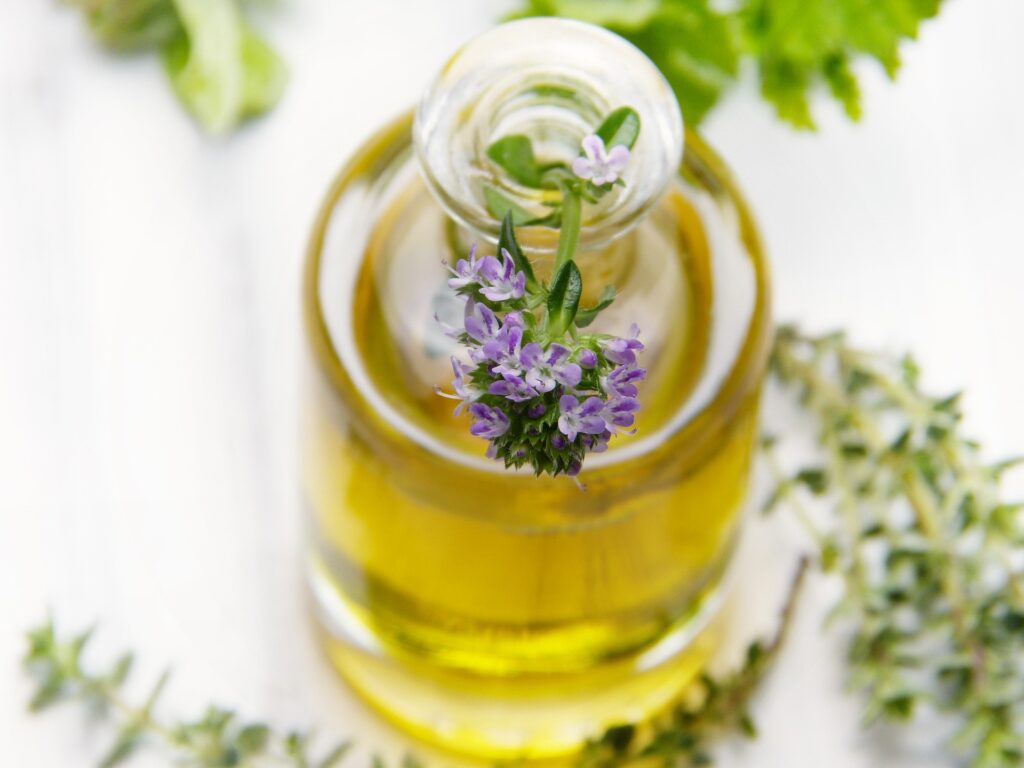
Thyme is a herb from the mint family. It is easy to grow and usually thrive in rocky crevices and containers, usually having woody stems and a base. It has a distinct taste which makes it a staple in culinary practices. But now thyme is also fast gaining popularity for its medicinal qualities, such as its ability to help treat acne and high blood pressure.
Thyme is rich in various vitamin and minerals such as vitamin C, vitamin A, copper, fiber, iron, manganese.
What are the health benefits in thyme?
Thyme essential oil- an extract from its leaves, is used as a natural cough remedy.
Thyme is brimming with vitamin C and is also a good source of vitamin A which is good for our immune health and vision.
Thymol is also an ingredient in many pesticides — both outdoor and indoor — and is commonly use to target bacteria and viruses, as well as rats, mice, and other animal pests.
It also has antiseptic and antifungal properties which makes it a perfect ingredient in mouthwash.
It is often use for aromatic and therapeutic purposes because of its active substance carvacrol which has shown to affect neuron activity in ways that boosts the feelings of well-being in our body.
How can you use thyme in your diet?
You can use thyme as a condiment or add it to pasta or rice, use fresh leaves or whole sprigs while preparing meat or poultry, and use it with fish.
Did you know?
Ancient Egyptians used to use the spice during the mummification process
Ancient Greeks used to sprinkle thyme in their baths.
26. Oregano:
Oregano is an herb which can be of use to flavor foods. It is consider a staple herb in many cuisines around the world. This herb has olive-green leaves and purple flowers and can be find as fresh, dried or as an oil.
Also, contains antioxidants like thymol and carvacrol and an excellent source of fiber, vitamin K, manganese, iron, vitamin E, tryptophan and calcium.
What are the Health benefits of oregano?
Oregano contains chemicals that might help reduce cough.
It also may help with digestion and with fighting against some bacteria and viruses because of its phytonutrients.
Oregano essential oil is especially high in carvacrol and thymol that can help prevent damage to cells caused by free radicals.
How can you use oregano in your diet?
This versatile herb can be of use in various cuisines and dishes like pizza and pasta sauce, can be used as a sprinkler on lamb, chicken, fish dishes and in soups or stews.
Did you know?
Oregano in Greek means Joy of The Mountain..
Ancient Greeks believed that cows that graze in fields full of oregano had tastier meat
27. Rosemary:
Rosemary is a fragrant herb native to the Mediterranean region and its plant is perennial (lives more than 2 years). It is a versatile herb which can be use as a culinary condiment, to make bodily perfumes, and for its potential health benefits. It can be use as both fresh and dried.
This herb not only tastes good in culinary dishes, such as rosemary chicken and lamb, but it is also a good source of iron, calcium, and vitamin B-6.
It is typically prepare as a whole dried herb or a dried powdered extract, while teas and liquid extracts are made from fresh or dried leaves.
What are the health benefits of the rosemary?
The herb has been hail since ancient times for its medicinal properties. Some of the benefits of this herbs are:
Rosemary oil may combat certain types of hair loss, including male pattern baldness and patchy hair loss.
Rosemary oil’s use in natural pesticides to kill certain insects. Additionally, the oil helps repel some blood-sucking insects, such as particular mosquitoes and ticks.
Rosemary may reduce levels of cortisol, a hormone that can have harmful effects on your body.
It’s oil may help by expanding your blood vessels, thereby warming your blood so that it reaches your fingers and toes more easily
The extracted oil may stimulate the release of bile, which is important in fat digestion, and activate your own antioxidant defense mechanisms to protect your liver.
How can include rosemary in your diet:
In cooking, rosemary is can be use as a seasoning in a variety of dishes, such as soups, casseroles, salads, and stews. Use rosemary with chicken and other poultry, game, lamb, pork, steaks, and fish, especially oily fish. It also goes well with grains, mushrooms, onions, peas, potatoes, and spinach.
Did you know?
During the 16th century, people used burned rosemary to disinfect rooms
Rosemary is a symbol of loyalty and love.
If you are struggling shedding weight. You can talk to us by taking this assessment: Click here
Potassium is one of the most essential minerals that our body needs. It is also referred to as an electrolyte as it carries a small electrical charge which helps our nerves to function and muscles to contract.
It helps in regulating our heartbeat and also maintains normal levels of fluid inside and outside of our body cells. And also maintains our normal blood pressure.
How much do we need potassium in a day?
As per RDA 2020, 3500 mg is our daily requirement.
What are Potassium-rich sources?
Potassium is found in a wide range of foods, for example:
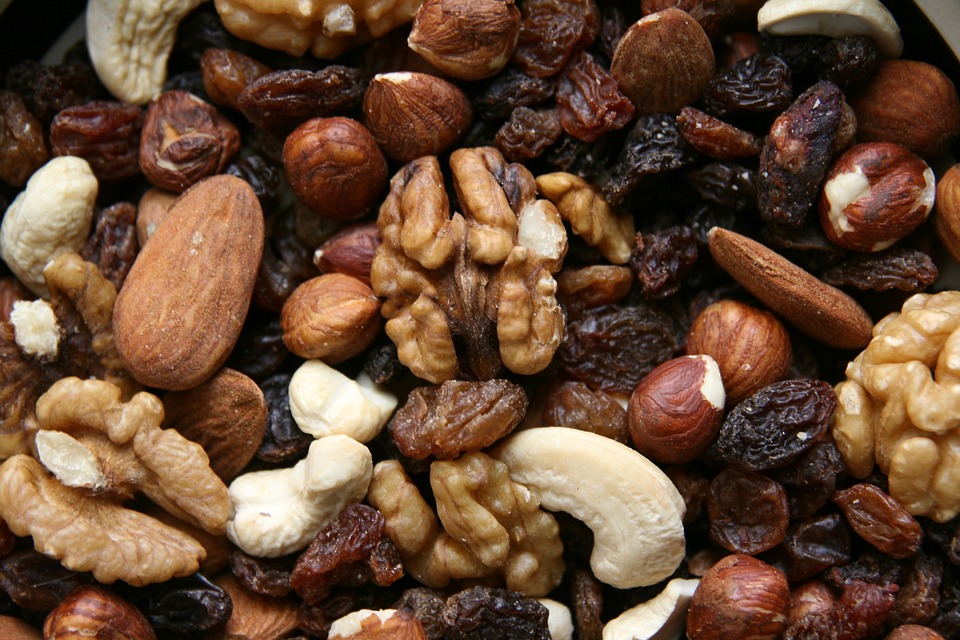
Dried fruits (raisins, apricots)
Beans, lentils, kidney beans, soybeans, etc.
Vegetables like potatoes, tomatoes, carrots, pumpkin, etc.
Green leafy vegetables like spinach (palak), fenugreek leaves (methi), radish leaves, mustard leaves(sarso), etc.
Fruits like bananas, oranges, avocado, raisins, etc.
Coconut water
Dairy and its products
Meat, poultry and fish
Is there any diagnostic test for Potassium levels?
Yes, a potassium blood test for our potassium level is done. It can tell us if we have high or low potassium levels. And this test is also known as potassium serum, serum potassium, serum electrolytes. It can also be used to monitor or diagnose conditions related to abnormal potassium levels, for instance, kidney disease, hypertension, and heart disease.
Why do we need potassium?
We need potassium for various bodily functions, for example;
It helps in the regulation of our body fluid balance.
Also, helps in the prevention of the body’s blood pressure.
Further, may also help in muscle and heart contractions.
It can also help in preventing osteoporosis. It has been shown by various clinically proven studies that potassium-rich diet may help in the prevention of osteoporosis by reducing how much calcium the body loses through urine.
Additionally, also prevents the formation of kidney stones
So, we have come up with some of the potassium-rich recipes that will help you to get a sufficient amount of potassium for your body.
So, let’s start without any due.
1. Spinach Tomato Savory Pancakes is a Potassium-rich
Spinach Tomato Pancakes is not only healthy but also a yummy savory dish that can either be consume as a part of a nutritious breakfast or an evening snack to satiate your hunger. Also, it is easy to make with the fullness of nutrients. And all the ingredients that you will require for the preparation are easily available at home as well. Also, you can never go wrong with a pancake.
Stuffed paneer moonglet is a perfect wholesome dish. You can have it for your breakfast or as a mid-meal snack. Also, can serve it with the chutney of your choice. It is also brimming with the goodness of protein, fiber, potassium, calcium, and magnesium that plays an important role in managing various functions of our body.
Due to its ease, you can easily make this recipe and savor it with your loved ones!
Healthy avocado toast provides many vitamins as well as minerals that can give your day a good boost. Start your day with this delish recipe and enjoy the richness of nutrients.
Paratha is the one of the most famous breakfast in India. It has many varieties like gobhi paratha, aloo paratha, pyaaz paratha, mixed veg paratha, etc.
Broccoli Paratha is one of the healthy paratha and full of nutrients like fiber, vitamin C, vitamin K, iron, potassium. And it is also low in fat which helps in weight loss and also in controlling diabetes.
5.Sprouts Paratha Easy and Amazing and rich in Potassium :
Another paratha recipe that is rich in nutrients is sprouts paratha. It is also a perfect breakfast recipe to begin your day with. And you can enjoy it with curd, chutneys, pickle, and even butter. This dish is really mouth-watering and can easily be cooked at home.
6. Grilled Mushroom with Herbs- A tasty appetizer:
You can make this grilled mushroom without putting in so much effort. They are low in carbohydrates, fats, and sodium content. And are rich in potassium, selenium, niacin, riboflavin and even vitamin D. They also act as an antibacterial agent and they even improve our immune response action. Also, act as cholesterol-lowering agents.
This recipe is not only tasty and rich in nutrients but also can be consumed guilt-free.
This lip-smacking salad is made with items such as rajma salad (kidney beans), vinegar, green chili, garlic, tomato, onion, red bell pepper, yellow bell pepper, carrot, and lemon juice.
This salad will surely be loved by your children, adults, and even the elderly. Let’s try our rajma into another form that is totally different from our rajma curry.
Green Dhokla is one of our favorite snacks to go to. It can also be enjoyed without any concern about weight gain. It feels like comfort food and it never really disappoints in its taste. This recipe of dhokla is with a twist, and by a twist, we not only mean healthy but also a tasty twist.
In this recipe, we are using palak and methi to make dhokla which is totally different from the traditional one. The ingredients used in this are highly rich in potassium, minerals, and antioxidants as well. It is also good for our blood pressure, maintains electrolyte balance, and even promotes muscle and nerve contractions.
So, try this recipe to fulfill your potassium reserves of the body.
9.Easy Apple-Banana Oats Pudding in 10 minutes- Healthy breakfast:
Apple-Banana Oats pudding is a dish that is brimming with nutrition and deliciousness. We all know that an apple a day keeps a doctor away, well, it is so because apples are loaded with potassium, antioxidants, fiber, and vitamin C.
Similarly, banana is a fruit that is very wholesome and rich in fiber, potassium, and antioxidants, and furthermore a good source of vitamin B6. A combination of apple and banana with oats is not only incredible but also healthy.
Rose Smoothie is one of our favorites go-to drinks. This is made with milk and strawberries which gives you a very refreshing and bright flavor to appease your taste buds.
One of its advantages is that we don’t have to add sugar to it as it is already sweet because of strawberry’s natural sweetness. This recipe can be used for a diabetic patient as it is low in carb and sugar. Let’s make this drink and soothe our taste buds with it.
Greenland of Sprouts and Spinach not only sounds exotic but also delicious and nutritious at the same time. The moong dal sprouts used to make this is rich in protein and fiber and also work well in managing blood sugar levels. It also helps in good digestion, weight loss, and lower LDL cholesterol.
It is indeed the best snack for breakfast or brunch and can be enjoyable for all age groups.
Moong dal sprouts dhokla have a unique flavor and taste to them. This is also easy to make and you can enjoy it as a snack or breakfast. And it is also light on the stomach and nourishing at the same time. This dhokla is famous for its ease and health benefits and also rich in protein, B vitamins, potassium, magnesium, and phosphorus.
If you are a weight watcher or long to eat something healthy, this healthy sprouts dhokla is for you.
Banana Yogurt Smoothie is loaded with the goodness of nutrients such as being rich in potassium and low in sodium. Which makes it good for hypertensive patients as well. It is also a good source of vitamin C, folate, and magnesium.
This smoothie can be served during breakfast or during evening snacks and will surely make you feel satiated.
Apples are the most popular fruit containing antioxidants, vitamins, dietary fiber, and a range of other nutrients. Because of its richness in nutrients, it helps in preventing several health related-problems like heart disease, diabetes, cancer, and more.
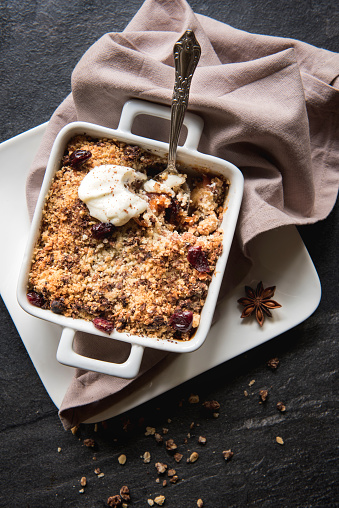
When I crave something sweet, my first choice is a pudding and apple crumble pudding is one of them.
You can add this pudding on any occasion and it surely won’t disappoint you. Moreover, this apple pudding is egg-free so can be enjoyed by vegetarians as well.
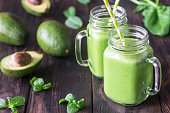
Avocado and Kale Smoothie is the easiest and morning nutritional bomb.It is a good blend of nutrients. This smoothie in breakfast will help to start your day with a fresh mind and also provide satiety to your stomach. Give it a try and you will feel absolutely energized with its goodness.
Watermelon Coconut Cooler is one of the best in summer to cool and refresh yourself in the scorching heat. This thirst quencher cooler can be enjoyed guilt-free because it has no added preservatives and sugar.
Moreover, this is low in calories and rich in potassium and vitamin C. This is also an easy-to-make recipe that will take hardly 10 minutes so it can also save your time.
You just need 3 ingredients for this recipe, watermelon, coconut water, and mint leaves. Let’s start to make our own tasty and deliciously good cooler.
Moth beans sprouted Frankie is especially loved by the kids and adults as well. It is rich in protein, sodium, potassium, magnesium, phosphorous, manganese, iron, and calcium as well.
It is indeed a good choice for vegetarians and also lactose-intolerant people. Let’s have a look at its recipe.
Adolescents transgress through many physical changes like in growth, weight, height, and other bodily changes throughout their life. These changes can be traced back to their parents and their lifestyles. Therefore, parents affect the mental, emotional as well as physical growth of the child. Parents can prevent their children from being overweight by developing healthy eating habits, creating a calorie-deficit diet. Also, them being physically active, by reducing their screen timing and also by getting adequate sleep.
What is Adolescents obesity?
Adolescent obesity is a condition in which a child is significantly overweight for his or her age and height.
Who are at risk?
Those children are at greater risk of being obese who have:
poor physical activity/exercise,
poor eating habits
been in front of the screen continuously.
These are all factors contributing to the epidemic.
How to calculate BMI for your adolescents?
BMI helps in estimating how much body fat your child have which is usually based on height and weight. But for children, height and weight alone aren’t as accurate as they are for adults. So, you must be thinking why is that? It is because their BMIs vary due to their regular growth and development, body fat percentages change.
The formula which is used for calculating the BMI:
BMI = Weight (kg)/[height (m)]2
After the child’s BMI is calculated with the help of the above formula then it is expressed as a percentile. This percentile is obtained from a graph provided by the Indian Pediatric Academy (IAP).
BMI percentiles are grouped into eight categories:
Weight Status Category
Percentile Range
Underweight
Less than the 5th percentile
Healthy Weight
5th percentile to less than the 85th percentile
Overweight
85th to less than the 95th percentile
Obesity
Equal to or greater than the 95th percentile
Source- WHO
Let’s see some hypothetical examples for BMI percentiles:
Firstly, let’s take an example for a 17-year girl of average height 156 cm who weighs 68.5 kg will have a BMI of 28.2 kg/m2. This will also place the girl in the 90th percentile for BMI. And she will also be considered to fall into the overweight category according to the reference table above provided by WHO.
Now, this percentile is plotted on the BMI-for-age percentile chart. The green dot on the graph represents the BMI percentile for the girl which is in the 90th percentile – the overweight region.
Chart 1: The chart for a 17-year-old girl showing BMI percentile
Similarly, let’s take another example for a 16-year-old boy of average height 160 cm who weighs 65.5 kg will have a BMI of 25.5 kg/m2. This will also place this boy in the 78.33 percentile (between 75th and 85th). He will also be considered to fall into the normal category according to the reference table above provided by WHO.
This percentile now is plotted on the BMI-for-age percentile chart. The green dot on the graph represents the BMI percentile for the boy which is in the 78th percentile – the normal region.
Chart 2: The chart for a 16-year-old boy showing BMI percentile
How accurate is BMI for all children?
The BMI is a good measure of body fat. But this can be misleading in the case of some children like athletes and sportsperson who can fall into the overweight or obese category. This happens due to their bulky muscles and also lean body mass.
How adolescent obesity can be treated?
Adolescent obesity can be treated with the focus on developing healthy eating and exercise habits as well.
Thereby, reducing calorie intake and burning calories are two ways to meet these goals.
Firstly, calorie intake is reduced by planning a customized well-balanced diet of healthy foods. And by making permanent changes in their eating habits. Secondly, calorie-burning can be increased by increasing their physical activity.
TIP: In addition, also do not use any weight-reducing drugs for adolescents as there may be concerns about their safety.
Dietary guidelines for adolescents:
These dietary guidelines are the basis for designing healthy eating patterns that link nutrients to food intake and also ensure overall dietary quality for the health of your child.
First thing to remember is to give your child a variety of foods from all the five food groups (for example – cereals, pulses, milk, meat, fruits and vegetables, fats and sugar). It is to ensure a balanced diet. But how much food adolescents need depends on their body size and also their activity levels.
Secondly, add plenty of green leafy vegetables, seasonal vegetables and fruits in their diet. Diet rich in vegetables and fruits will also provide them various nutrients like vitamin C, vitamin A, vitamin E, iron, etc.
Thirdly, include milk and milk products in skimmed form. They should be consumed in moderate amounts as this is the best source of calcium for them and low in saturated fat as well.
Also, use moderate amount of edible oils and animal foods and use a minimum of ghee/butter/vanaspati.
Furthermore, ensure an adequate amount of water intake (8-10 glass/day) for them.
Most importantly, avoid soft drinks, fruit juices, flavoured milk and water, sports drinks, energy drinks, tea as well as coffee as they are only empty calories without any nutrients.
Additionally, children under 18 years shouldn’t drink alcohol.
Avoid overeating to prevent overweight and obesity and also divide their meals into 5-6 meals a day.
Exercise regularly and also be physically active to maintain ideal body weight.
Restrict salt intake to a minimum for them.
Ensure the use of safe and clean foods.
Minimize the use of processed foods rich in salt, sugar and fats.
A sample menu including all the food groups and a balanced diet
Mealtime
Menu
Household amount
Breakfast
Skimmed milk Multigrain spinach cheela (wheat + jowar) Green chutney
1 glass 2 pieces 1 tsp
Mid-morning
Fruit smoothie Soaked almonds
1 glass 3-4
Lunch
Paneer vegetable roti wrap Mint buttermilk (chaas)
2 1 glass
Evening snack
Makhana bhel with vegetables in it
1 bowl
Dinner
Chapati Rice Rajmah curry Salad
1 1 Katori 1 Katori ½ plate
Post dinner
Fruit rabri/Fruit custard
1 Katori
Parent’s role in managing their child’s healthy eating habits and serving healthy food options to the Adolescents:
Parents or Guardians play a very big part in shaping children’s eating patterns as well as lifestyle habits.
Have regular family meals – Family meals are a chance for parents to introduce their child to new foods and to be role models for healthy eating. This can also help them grow as a healthy and happy family.
Keep your meal-time calm and friendly, therefore no lectures or arguing should be included on the dining table which may cause your child to lose appetite.
Likewise, make it easy for your child to choose healthy snacks by keeping fruits and vegetables on hand and ready to eat too. Also, other good snacks include low-fat yogurt and celery, or whole-grain crackers and cheese.
Also, involve your child in what to make for dinner. In addition, talk to them about making healthy choices and planning a balanced meal. Some might even want to help shop for ingredients and prepare the meal also.
Moreover, make healthy food fun. If your children won’t eat vegetables, you can also experiment with condiments and dips.
You can get furthermore creative with meals. The more creative the meal is, the greater the variety of foods your children eat.
The healthy recipes that children of age group 10-19 enjoy:
Exercise and physical activity are important parts of keeping your children healthy especially in today’s scenario. Especially when everyone is sitting behind their computers with little physical activity. This is only leading your children into depression, mood swings, anxiety, and other health comorbidities also.
I myself believe that lifestyles that are learned in childhood from your family and friends are more likely to stay with you till the end. That’s why learning a healthy lifestyle at an early age can benefit you in so many ways.
Not to forget, that there are so many health benefits of exercise and physical activity like controlling body weight as well as its composition. Also reduces the risk of chronic diseases and builds strong muscles, bones, and joints too. It also improves flexibility, wards off depression, and improves mood, sense of well-being, and self-esteem too.
Children with comorbidities like heart disease, hypertension, diabetes, asthma, osteoporosis, and obesity should consult a physician before taking up any exercise program.
Children need at least 60 minutes of exercise every day which can be low intensity, moderate intensity, and vigorous intensity levels as well.
The low to moderate intensity activities include the following:
Pleasure walking
Climbing stairs
Dancing
Yoga
The vigorous-intensity activities include the following:
Brisk walking
Running
Swimming
Cycling
Roller skating
Jumping rope
Playing on the playground
Jumba
Gymnastics
Hiking
Soccer
Lifestyle modifications in Adolescents:
By definition, lifestyle modification is altering long-term habits typically of eating or physical activity, and also about maintaining the new behavior for months or years.
Children should exercise regularly for at least 60 minutes a day.
They should also eat a healthy balanced diet coupled with changes in meal size, meal times, or frequency of meals.
They should also maintain a healthy weight in their teen years as children and teenagers with obesity are more likely to have obesity as an adult.
Also, they should get enough sleep (at least 8-10 hours a day) as sleep patterns are irregular in teen children.
A habit of brushing and flossing teeth twice a day should be encouraged which can help teens to prevent tooth and gum problems in adulthood too.
Lastly, a good balance between school, work, and social life to avoid stress in life.
If you are struggling shedding weight. You can talk to us by taking this assessment: Click here
Healthy nuts and oilseeds are not only a perfect munch option, but also brimming with goodness of nutrients. They are filled with anti-oxidants and anti-inflammatory properties. Let’s try to get a better understanding of nuts and oilseeds commonly available in India.
Understanding Nuts and Oilseeds:
What are Nuts and Oilseeds?
Nuts are rich sources of unsaturated fatty acids, protein, fiber, minerals (eg, magnesium, potassium, and zinc). They are also rich in vitamin E, folate. Also, rich in other bioactive compounds. For instance, phenolics and phytosterols. And so are oil seeds.
There are a variety of nuts and oilseeds available in India. Moreover, you will be surprised to know that different regions of India, have different names for these nuts and seeds.
Healthy Nuts & Oil seeds and Fats:
What is the relationship between healthy nuts & oilseeds and fats?
When we think about nuts and oilseeds, the first thing that comes to our mind is fats. It is true that they are rich in fats. But whenever you consume fats, not only the quality but also the number of fats are the factors that matter the most. In the case of nuts and oilseeds, though they are rich sources of fats. But the fats they are rich in are healthy fats. For instance, unsaturated fatty acids, which are monounsaturated fatty acids and poly-unsaturated fatty acids.
Any food item, rich in saturated fatty acids and trans fats is not healthy for your consumption. Furthermore, if the fat break-up shows a significant amount of unsaturated fatty acids, you can think to choose that food item.
Coming back to nuts and oilseeds, they are not only rich in unsaturated fatty acids, but also rich in protein, fiber, and anti-oxidants. Anti-oxidants are compounds that help to neutralize free radicals in our bodies.
There are many types of research that support the fact, that nut consumption has beneficial effects. Such as on heart health, on improving lipid profiles. And reducing the risk of weight gain and having anti-inflammatory and antioxidant properties. So, nuts are healthy and should be consumed daily.
What is the nutrient content of Nuts?
Healthy Nuts & oilseeds and the nutrients present in them:
Nuts are not only energy but also nutrient-dense foods. They are one of the natural plant foods richest in fat after vegetable oils. However, the fatty acid composition of nuts is beneficial.
Because the saturated fatty acid (SFA) content is low (4–16%). And nearly half of the total fat content is made up of unsaturated fat. That is, monounsaturated fatty acids MUFA (oleic acid) and polyunsaturated fatty acids (PUFA) in most nuts.
Nuts and bioactive compounds:
Nuts are also rich sources of other bioactive macronutrients. That has the potential to beneficially affect metabolic and cardiovascular outcomes. They are an excellent source of protein (approximately 25% of energy).
And often have a high content of L-arginine. Nuts also are a good source of dietary fiber, which ranges from 4 to 11 g per 100 g. And in standard servings provide 5–10% of daily fiber requirements.
What should be the serving size of nuts?
Eating in moderation is always the key. And therefore, you should not eat excessive amounts of nuts, thinking that they are super healthy. Having nuts in regulation, with 1-2 servings of mixed nuts per day is considered to be beneficial. 1 serving of nuts according to Indian recommendation refers to 8-12g of nuts. And therefore, if you tend to take 2 servings of nuts, you should go for 16-24g of nuts. It’s usually best to take mixed nuts, or you can also take nuts according to your preferences.
Moisture(g)
Protein(g)
Total Fat(g)
Dietary Fibre Total(g)
Insoluble(g)
Soluble(g)
Carbohydrate(g)
Energy (kcal)
Food Name
WATER
PROTCNT
FATCE
FIBTG
FIBINS
FIBSOL
CHOAVLDF
ENERGY
Almond
4.37+0.31
18.41+0.04
58.49+0.04
13.060.31
10.55+0.22
2.52+0.34
3.04+0.24
2549+4
Arecanut, dried, brown
6.63+0.15
5.78+0.45
4.35+0.03
11.44+0.64
10.14+0.44
1.30+0.32
70.42+0.81
1467+12
Arecanut, dried, red
6.300.32
6.46+0.51
4.46+0.03
11.11+0.34
10.090.25
1.030.27
70.27+0.96
1477+9
Arecanut, fresh
37.70
2.73
5.51
7.63
6.59
1.03
45.00
1024
Cashew nut
4.44+0.22
18.78+0.58
45.200.07
3.86+0.47
2.23+0.35
1.630.24
25.46+0.70
2438+11
Coconut, Kernal, dry
3.97+0.73
7.27+0.02
63.26±0.30
15.88±0.79
14.55+0.23
1.330.99
8.01+1.02
2611+9
Coconut, kernel, fresh
36.14+0.36
3.84+0.04
41.38+0.42
10.42+0.28
9.43+0.24
0.99±0.07
6.300.43
1711+13
Garden cress, seeds
4.600.21
23.360.32
23.74+0.09
8.27+0.04
6.330.06
1.95+0.10
33.66+0.50
18633
Gingelly seeds, black
4.51+0.44
19.17+0.64
43.10+0.03
17.16+0.19
13.57+0.13
3.59+0.13
10.29+0.74
2124+8
Gingelly seeds, brown
3.620.32
21.61+0.71
43.220.08
17.21+0.18
13.580.18
3.630.11
9.761.01
2161+8
Gingelly seeds, white
3.300.28
21.70+0.44
43.05+0.04
16.99+0.30
13.49+0.19
3.51+0.15
10.83+0.50
2174+9
Groundnut
6.97+0.69
23.65+0.85
39.630.29
10.380.18
8.580.15
1.79+0.22
17.27+0.33
2176+9
Mustard seeds
5.67+0.48
19.51+0.23
40.19+0.21
14.100.66
10.63+0.57
3.47+0.20
16.80+0.71
2132+16
Linseeds
5.48+0.28
18.55+0.15
35.67+0.70
26.17+0.39
21.830.60
4.330.84
10.99+0.86
1857+16
Niger seeds, black
4.65+0.59
18.92+1.61
38.61+0.41
10.93±0.05
10.500.03
0.43+0.04
22.982.64
2144+11
Niger seeds, gray
5.660.29
18.34+2.11
39.530.26
10.960.14
10.54+0.12
0.41+0.03
20.591.85
2128+6
Pine seed
5.32+0.15
12.55+0.25
48.79+0.10
3.79+0.03
2.23+0.03
1.57+0.03
26.77+0.35
2486+3
Pistachio nuts
4.680.22
23.35+0.35
42.49+0.34
10.64+0.16
8.230.15
2.41+0.11
15.820.52
2257+10
Safflower seeds
5.24+0.16
17.66+0.54
30.87+0.98
13.49+0.45
10.24+0.27
3.25+0.22
30.18±1.20
1981+20
Sunflower seeds
3.530.29
23.53+0.56
51.85+0.07
10.800.13
8.51+0.17
2.29+0.07
6.85+0.99
2453±8
Walnut
3.56+0.22
14.92+0.62
64.27+0.05
5.39+0.19
4.74+0.17
0.65+0.03
10.14+0.69
2809+3
Table 1: Energy and Macronutrients of nuts and oilseeds per 100 g (Source: IFCT 2017)
Aluminum
Arsenic
Cadmium
Calcium
Chromium
Cobalt
Copper
Iron
Lead
Lithium
mg
pg
mg
mg
mg
mg
mg
mg
mg
mg
Food Name
AL
AS
CD
CA
CR
CO
CU
FE
PB
LI
Almond
0.88+0.32
228+10.2
0.006:0.003
0.007+0.002
1.08+0.06
4.59+0.61
0.002+0.002
0.001+0.001
Arecanut, dried, brown
1.68+0.97
61+13.25
0.045+0.020
0.003:0.003
1.27+0.29
2.74:0.71
0.008:0.006
0.004+0.003
Arecanut, dried, red
1.05+0.33
0.001+0.000
51:11.33
0.029+0.016
0.002+0.001
1.57+0.59
3.26+0.90
0.005+0.003
0.002+0.000
Arecanut, fresh
34.03
0.71
1.04
Cashew nut
0.18:0.11
34:2.98
0.002+0.001
0.004:00.001
2.23+0.13
5.95+0.44
0.005+0.004
Coconut, Kernal, dry
0.41+0.05
0.001+0.000
32+4.51
0.013+0.012
0.006:0.003
0.90+0.11
3.13:0.47
0.006+0.003
0.004+0.003
Coconut kernel, fresh
0.03:0.01
0.001+0.000
8:1.42
0.003+0.002
0.004:00.002
0.36+0.19
1.30+0.51
0.002+0.000
Garden cress, seeds
11.01+10.33
0.008+0.003
318:54.8
0.019:0.010
0.51+0.09
17.20+5.49
0.042+0.029
Gingelly seeds, black
2.08+0.32
0.004+0.002
1664+329
0.029+0.014
0.035:0.013
1.76:0.24
13.90+1.60
0.034+0.017
0.035e0.019
Gingelly seeds, brown
2.50+0.69
0.001+0.001
1174+189
0.020+0.009
0.022+0.011
1.68+0.18
14.95+1.69
0.010+0.011
0.004+0.003
Gingelly seeds, white
1.29+0.43
1283+149
0.015+0.006
0.023.00.026
1.50+0.12
15.04+2.09
0.024+0.017
0.005+0.003
Groundnut
3.16:0.39
0.002+0.001
54+7.37
0.007+0.002
0.009:0.003
0.92+0.08
3.44+0.36
0.003+0.002
0.002+0.002
Mustard seeds
7.78+1.60
5.84+1.58
0.004+0.002
402+54.0
0.027+0.018
0.019:0.010
0.69+0.15
13.49+2.95
0.008+0.004
0.016+0.016
Linseeds
8.25:3.18
0.009+0.002
257+14.0
0.001+0.000
0.033.00.014
1.34+0.09
5.44+0.69
0.004+0.002
Niger seeds, black
11.94+3.46
3.35+0.16
0.001+0.001
572+37.1
0.029+0.019
0.011+0.004
1.20+0.04
8.19:0.22
0.004+0.003
0.037+0.035
Niger seeds, gray
13.84+2.87
3.02+0.38
0.004+0.006
375+58.1
0.046+0.022
0.017:00.005
1.37+0.15
19.61:5.77
0.008+0.008
0.024+0.020
Pine seed
7.00+1.48
0.004+0.001
17:1.27
0.002+0.001
0.001:0.001
1.17+0.07
4.50+1.03
0.004+0.002
Pistachio nuts
3.09+0.56
0.001+0.000
135+22.4
0.003.0.004
0.001:00.000
0.89+0.05
4.50+0.63
0.014+0.007
Safflower seeds
1.19:0.21
0.005+0.002
211+14.5
0.003.0.002
0.003:0.001
0.56:0.13
4.06:0.42
0.032+0.044
Sunflower seeds
1.33+0.51
0.005+0.000
176+27.0
0.009+0.002
0.021+0.001
278+0.99
5.85+1.09
0.009+0.003
0.006+0.000
Walnut
0.37+0.15
0.46:0.52
105+5.9
0.006+0.007
0.009:0.003
1.52+0.33
3.21+0.17
0.015+0.012
Table 2: Micronutrient content of nuts and oilseeds per 100g (Source: IFCT 2017)
Magnesium
Manganese
Mercury
Molebdeum
Nickel
Phosphorus
Potassium
Selenium
Sodium
Zinc
mg
mg
pg
mg
mg
mg
mg
pg
mg
mg
Food Name
MG
MN
HG
MO
NI
P
K
SE
NA
ZN
Almond
318:49.5
2.54+0.20
0.033.0.012
0.130+0.027
446+23.2
699+43.4
3.61:1.30
1.50+0.51
3.50+0.10
Arecanut, dried, brown
76.39+17.49
2.14+0.75
0.005+0.003
0.111:0.057
105+8.3
524+43.4
15.21:4.09
12.06:1.47
0.89+0.11
Arecanut, dried, red
91.01+14.45
2.32+0.84
0.022+0.036
0.104+0.019
127+3.4
25.80
12.52+1.56
17.13:2.81
1.02+0.20
Arecanut, fresh
47.60
1.36
90.48
329.00
5.53
0.56
Cashew nut
307+46.6
1.78:0.08
0.025e0.011
0.607+0.145
500+35.3
635+35.2
13.08:1.07
9.00+0.19
5.34+0.27
Coconut, kernal, dry
97.21+14.66
1.61:0.40
2.10:0.65
0.025+0.013
0.282+0.098
203+6.0
739262.00
25.25:2.78
16.68:0.38
1.41+0.11
Coconut, kernel, fresh
35:11.30
0.74:0.15
0.012+0.008
0.050+0.025
67.73+15.15
246:81.2
8.12+2.48
0.58:0.16
Garden cress, seeds
307+11.9
2.87+0.35
0.033+0.007
0.128.0.045
539+50.7
952+41.7
54.41:4.38
21.84:3.57
4.83+0.97
Gingelly seeds, black
390+53.1
2.53:0.32
0.075+0.021
0.262+0.100
568+96.4
480+8.7
15.70+1.67
15.91:0.56
8.59+0.69
Gingelly seeds, brown
328+13.3
1.76:0.19
0.114+0.029
0.113+0.030
613+86.8
491+7.5
52.64:8.89
11.94:0.17
7.84+0.93
Gingelly seeds, white
372+39.9
1.74:0.15
0.126+0.036
0.116+0.039
754+42.6
460+38.9
26.74+2.78
15.43:0.70
7.7720.67
Ground nut
197+15.5
1.62+0.07
1.37+0.00
0.108+0.024
0.174+0.065
391+13.0
679+48.9
3.41+0.74
12.21:0.47
3.18:0.14
Mustard seeds
266+47.3
4.23+1.18
0.028+0.010
0.076+0.036
715:82.1
28.99
71.47:15.33
3.97+1.01
4.03:0.26
Linseeds
349+19.8
2.14+0.23
0.022+0.009
0.171+0.052
445:20.1
655+45.6
46.87+9.22
32.93:6.45
4.86+0.25
Niger seeds, black
346+41.0
3.08:0.19
0.030+0.018
0.25720.036
461+9.5
716:70.6
39.31:5.41
10.70:1.79
4.98+0.77
Niger seeds, gray
379:69.3
4.44+0.14
0.048:0.026
0.293+0.104
474+93.5
874+11.4
153.64+5.52
8.08+0.18
3.62+0.82
Pine seed
268+18.7
7.92+0.55
0.033.0.021
0.191+0.045
618:39.7
686+69.0
10.56+4.93
1.31:0.04
4.18:0.04
Pistachio nuts
149+3.0
0.87+0.06
0.65+0.33
0.022+0.003
0.087+0.009
537+9.2
1053+11.7
10.46:2.65
6.93+1.84
2.42+0.14
Safflower seeds
321+49.5
0.56:0.81
0.36+0.10
0.020+0.010
0.053+0.016
644+56.5
550+64.3
6.33+1.14
3.05:0.91
3.90:0.76
Sunflower seeds
413:33.5
2.35:0.91
0.047+0.020
0.322+0.144
752+118
559+8.0
1.90+0.44
7.07+0.52
Walnut
180+16.2
3.47+0.32
0.020+0.006
0.300+0.079
400+43.0
457+33.2
6.53+3.72
1.33:0.56
2.94+0.25
Table 3: Micronutrient content of nuts and oilseeds per 100g (Source: IFCT 2017)
Image 1: Energy and Macronutrients of nuts and oilseeds per 100 g (Source: IFCT 2017)Image 2: Micronutrient content of nuts and oilseeds per 100g (Source: IFCT 2017)Image 3: Micronutrient content of nuts and oilseeds per 100g (Source: IFCT 2017)
What are the benefits of Healthy Nuts and Oilseeds:
Let’s first try to look at the consolidated benefits of nuts, and then discuss each nut and seed in detail!
1 How does nuts benefit in cardiovascular health?
Nuts and oilseeds are good for your heart. Furthermore, Cardiovascular health depends on many risk factors, and one of the most important risk factors is lipid profile. Deranged lipid profiles can lead to cardiovascular disorders. Nuts and seeds are naturally cholesterol-free. And they also help in improving lipid profiles.
2 They are low in sodium, and high in calcium, magnesium, and potassium. So, a high intake of calcium, magnesium, and potassium, with low sodium, leads to protection against bone demineralization, arterial hypertension, insulin resistance, and overall cardiovascular risk.
Please try to avoid processed nuts and seeds as they are rich in salts. It’s always a wise choice to have raw and unprocessed nuts and seeds!
3 How does nuts prevent oxidation?
You can prevent certain cancers by eating nuts. Cancer has many risk factors but one of the most important is the oxidation of cells by free radicals. As mentioned earlier in this article, nuts and oilseeds have anti-inflammatory and anti-oxidant properties. They protect cells from oxidation. By dealing with free radicals and eliminating them, nuts prevent oxidation.
4 Nuts also improve our eyes, mental, skin and bone health. Further, they also help in preventing gall stones (by improving lipid profiles and lowering cholesterol).
Boosts metabolism and immune function and in addition to they also improve digestive function.
There are many protective benefits of nuts and oilseeds. The only thing to keep in mind is that always eat in moderation. They can be considered an amazing source of nutrients and energy. But eating above the limit will only increase the chances of health hazards. So, I suggest that you practice mindful eating!
Let’s try to understand nuts and oilseeds individually:
Almonds
Almonds are one of the most widely consumed nuts in India. You can easily find it in the households over-all the year, despite any season. In many households, you can see, people consuming almonds on daily basis. It has become a morning ritual or routine for many people. Let’s discuss the benefits of almonds!
What are the key benefits of almonds?
Almonds helps in lowering bad cholesterol levels. It helps in the prevention and treatment of cardiovascular diseases.
It is rich in nutrients. They are high in protein, calcium and magnesium. Also, a good source of phosphorus, selenium and zinc. Do you also know, that almonds are a great source of potassium and are low in sodium? Well, they are a good source of potassium and magnesium too!
They are good source of Vitamin E.
As, they are a good source of potassium and have low sodium levels.
Almonds helps in lowering blood sugar levels.
They also helps in controlling blood sugar levels. Almonds are good source of fiber and protein, and aids in blood sugar control.
Almonds can satiate your hunger. Yes, you read it right. 5-6 almonds with other mixed nuts can really deal with your hunger pangs. So, next time when you’re hungry, go for healthy almonds!
They may aid in weight loss. Well, more research is needed to make this a fact. But some researches show that almonds and nuts may increase metabolism. Boosting up of metabolism is good.
In summary, almonds are a great source of nutrients. They are brimming with the goodness of nutrients. But again, let me repeat, have your nuts in moderation!
Pro-tip:
There are a lot of recipes that can be made out of almonds. For example, oats-almond pudding or smoothie. Or badam halwa or you can use almonds for garnishing too. You can always have a warm glass of almond milk!
Walnuts
Walnuts are one of the most healthy nuts. They are easily available in India. As we talked about almonds, many people have a ritual of consuming walnuts every day. They are brimming with the goodness of nutrients. A power-pack nut that contains fiber, proteins, and a very good source of omega-6. Let’s discuss the benefits of walnuts!
What are the benefits or walnuts?
Walnuts are extremely rich in antioxidants. As we earlier mentioned in the article. That antioxidant activity is very important for scavenging free-radicals. It also protects are cells from oxidation.
A rich source of omega3 and omega 6. It contains Alpha-linolenic acid (ALA), that is an essential amino acid (EAA).
EAA are those amino acids that you require from your diet. Both omega 3 and omega 6 fatty acids are an important part of body functions. They are an important part of cell membranes and also prevent inflammation.
Do you know, that the human body is not able to produce Omega-3 and omega-6 fatty acids? And that is the reason why they are essential for body functioning.
Well, the good news is that Walnuts are rich in both!
It has been seen that walnuts helps to decrease inflammation. Inflammation and oxidative stress both damage our body. Walnuts contain polyphenols, which helps in decreasing inflammation. Omega 3 and magnesium also helps, and walnuts are a rich source of both!
Walnuts may help in managing Type 2 diabetes.
Studies show that walnuts may have a direct impact on blood sugar levels. They also might help in regulating weight. Increasing weight is a risk factor for diabetes. And studies also show that insulin resistance can be reversed. So, if weight is a risk factor for insulin resistance, it can be reversed.
Walnuts are heart healthy. Many studies shows that walnuts have a positive impact on heart health. They help in lowering LDL cholesterol and increasing HDL cholesterol. Also, walnuts helps in preventing oxidation of LDL.
Walnuts may support in good brain health. They contain polyphenols, and ALA and polyunsaturated fats. All of these components helps in maintaining good brain health.
You know, the best part of walnuts is, that they are very easily available and easy to incorporate into your diet. You can make a dry mix of nuts. Or you can add walnuts to your puddings and cakes. Can be also used as garnishing.
Peanuts
Peanuts are one of the most favorite nuts of India. It is easily available, rich in nutrients and the best part is, that it is economical. During winters, you can easily find peanuts in almost all households. The good part is, that you can consume peanuts in not just raw form, nut also adds them into your recipes.
Let me give you some amazing recipe ideas that use peanuts. You can make peanut chaat loaded with vegetables. Or can make peanut poha as a breakfast option. You can grind them and make flour, and then can add it to your chapatis or bread. Furthermore, you can make a peanut chikki that is very famous in India. It is made with peanuts and jaggery. Moreover, can also make peanut burfi. And it tastes amazing!
Peanuts are a good source of proteins. Furthermore, are energy dense and contain good fat.
They are a good source of calcium, magnesium and phosphorus. Even, they are rich in potassium and zinc. They contain moderate amount of sodium. But, the best way to enjoy peanuts and all the benefits that they contain is, to eat mindfully.
Peanuts may protect against heart diseases. They contain good fat. But keep it in mind to eat in moderation. If you will consume a lot of peanuts, they might increase your cholesterol levels. Also, people tend to eat salted peanuts. Try to avoid processed and peanuts that are high in sodium!
Many studies show that peanuts might help in gallstones prevention. They have a cholesterol lowering effect. And as gallstones formation is primarily because of cholesterol, peanuts might help in the prevention.
Peanuts might help in diabetes management. They are low in carbohydrates and have very low glycemic index. This might help in managing diabetes.
Word of caution: Many people are allergic to peanuts. So, it is always best to check the label of the product that you are purchasing for peanuts content!
Cashew-nuts
Isn’t cashew nuts everyone’s favorite? Well, we like them. Do you know cashew nuts have a positive impact on your HDL levels? Easily available in India, cashew nuts can be found in almost every household.
The utmost famous recipe for cashews is Kaju ki barfi or as we call it “Kaju Katli”. During festivals, we all crave this sweet dish. You can prepare it at home too, adding very little sugar and making a healthy version of it. There are other variants of sweets available that are prepared from cashews. You can make a healthy nut mixture by adding mixed nuts and cashews. Moreover, can also use them in gravies and sauces to add that creamy texture to it!
Yet again to remind you, eat in limit and moderation. Let’s get started with the benefits of cashew nuts.
What are the benefits of cashew nut?
Let’s start by understanding the nutrient content of cashews.
Cashews are rich in copper, and proteins. They are also energy-dense and low in carbohydrates. They contain good quality fats, i.e., unsaturated fatty acids. Apart from these, they are a rich source of magnesium, manganese, and zinc. Abundantly rich in selenium, iron, and thiamine. Well, isn’t it fascinating?
They are low in sugars and a decent source of fiber. So, might as well help in managing diabetes.
They might help in brain function. Well, you read it right. As mentioned, cashews are rich source of copper. Copper is a micronutrient that helps in managing functions of brain and development.
Cashews also aids in bone health. They are good source of magnesium and manganese which helps in maintenance of bone health and function.
These nuts are also rich in antioxidants. As mentioned earlier in the article, anti-oxidative properties helps in preventing oxidation of cells via free radicals. So they have a protective effect. They contain carotenoids and polyphenols, which are the classes of anti-oxidants.
Cashews might help in maintaining heart health. Some researches suggest that cashews have cholesterol lowering effect. But more research is needed in this area, as few suggest that they have no effect on cholesterol. That is neither positive nor negative.
Diabetes prevention.
Cashew nuts might help in the management of diabetes. They are low in carbohydrates. In place of eating other snacks which are processed and high in sugars and salts and fats, it is better to munch on to healthy options.
What are the downsides of Cashew-nuts?
they contain phytates. Phytates are such substances which hinders the absorption of vitamins and minerals.
Roasted and processed cashews must be avoided. They are rich in salts and unhealthy fats. It is best to avoid them. You can dry roast them at home!
Some people are also allergic to cashew nuts. So make sure to read the food labels properly before consuming the food item!
Pistachios
Pistachios generally come up with a hard shell, green in color with a salty taste. You can easily find pistachios in India, also known as pista. It is rich in nutrients and has anti-oxidant properties.
Pista or pistachios are generally used for garnishing on sweets. Have you ever tried pista burfi? Well, it is really delicious. Even on malpuas, you can find garnishing pistas. You can make a healthy nutty mixture by adding pistas. Or can add them in ice-creams, or pancakes, etc.
What are the benefits of pistachios?
The most important benefit of pistachios is that they are super rich in nutrients. They are calorie dense with proteins and fiber. Contain low carbohydrates. Around 90% of the fat content found in pistachios is unsaturated fat. So you can yourself see the quality of fats present in pistachios.
They are a great source of thiamine, copper, Vitamin B6, and manganese. Also, a good source of potassium.
Pista are rich in Vitamin B6. This vitamin helps in regulation of blood sugar levels, and also helps in the formation of hemoglobin.
They are high in antioxidants, and therefore helps in prevention of oxidation of cells. By preventing oxidation, it may also prevent certain cancers. As the main risk factor of cancer is oxidation of cells via free radicals. Moreover, polyphenols and tocopherols are abundant in pistachios.
Pistachios may aid in weight loss. They are high in fiber and protein and gives a sense of fullness when consumed. It might lead to satiation and you might not feel hungry often.
They are rich in fiber. And fiber is very important for gut-microbiota. So, it might enhance and promote gut health!
They might help in promoting heart health. Researches have suggest that pistachios may have a cholesterol lowering effect and this can promote heart health. Many studies have suggested that with a continuous intake of pistachios, LDL is reduced. Moreover, HDL increases and there is a reduction in the cholesterol ratio.
As it is rich in potassium, it may also help in managing blood pressure.
One of the best things about pistachios is that they are really tasty to eat. Not only just tasty but they are so healthy. So, make that mixed nut mixture and consume all these nuts in moderation!
Seeds
Seeds or oilseeds are an integral part of our households. You can easily find sesame seeds, white or black, also known as “til” in houses. Mustard seeds are commonly available and used in many dishes. Flaxseeds or pumpkin seeds or chia seeds are also getting really famous. Do you know that there is a cycle of seeds that is really beneficial for PCOD or hormone balance?
Well, this cycle consists of flaxseeds, followed by pumpkin seeds, then sunflower seeds, and ends with sesame seeds. It starts on the first day of periods, and each seed is consumed for 1 week.
Coming back to seeds, let’s discuss them individually.
Mustard seeds(Oilseed)
Mustard seeds have varied functions and use in our life. They are abundantly used in our kitchen for tadka or added as condiments and spices. Adds flavor to the recipes. They are highly nutritious. Let’s see their benefits.
What are the benefits of mustard seeds?
Mustard seeds are loaded with nutrients. They are rich in vitamins and minerals. Also, are a good source of protein and fiber. And are rich in unsaturated fatty acids.
They are a great source of calcium. Aiding in our bone health.
Also, they are rich in iron. Iron when eaten with vitamin C, enhances absorption of iron. So next time when you have an iron-rich diet, make sure to have something citrus, vitamin C rich. This will enhance absorption of iron, and will help in filling your iron stores.
Mustard seeds are a rich source of potassium and contain low sodium. Therefore, they might aid in managing blood pressure.
They are rich in magnesium and phosphorus. In addition to promote bone health, they also helps in promoting nerve transmission and function.
Mustard seeds are rich in anti-oxidants. Rich in selenium and zinc. They might help in preventing oxidation.
These seeds might also help in managing heart disease by having a cholesterol lowering effect.
Sunflower seeds(Oilseed)
Sunflower seeds are loaded with nutrients. They are rich in proteins and fiber. And also are abundantly available in India. These seeds have antioxidant properties and are rich in healthy fats.
Sunflower seeds are covered in black and white shells, but from inside they are white. You can consume them raw as such or can include them in a healthy seed mixture or in your recipes. Let’s discuss their benefits in detail:
What are the benefits of sunflower seeds?
Sunflower seeds are rich in Vitamin E and polyphenols. And they really help in reducing inflammation. Inflammation is really dangerous for body and may lead to chronic disorders. It may also lead to auto-immune disorders.
Sunflower seeds are said to be heart healthy. Many researches suggest that these seeds have cholesterol lowering effect.
They are rich in selenium and zinc. Both of these minerals aids in boosting the immune system. So overall, consumption of sunflower seeds may improve immune function.
Rich in phosphorus, calcium and magnesium, they correspond in supporting bone and teeth health.
This seeds are high in potassium and low in sodium and therefore, they might help in managing blood pressure.
Flaxseeds(Oilseed)
Flaxseeds are a great source of nutrients. They are a rich source of omega-3 fats and also a good source of fiber. These days, flaxseeds have become famous and are considered as superfoods too.
You can have them raw or can add them to your recipes to make them more wholesome and full-filling.
Let’s discuss the benefits of flaxseeds:
What are the benefits of flaxseeds?
Source of Nutrients
Flaxseeds are rich in nutrients. they are rich in proteins, fiber and polyunsaturated fatty acids. Vitamin B1, and B6, and folate and calcium. Moreover, rich in iron, magnesium and phosphorus as well as potassium.
They are an amazing source of omega-3 fatty acids. Which makes them heart healthy and also suggests that they reduce the chances of stroke.
This seed is rich in anti-oxidants, and researches suggests and they may help in prevention of cancer.
They help in managing diabetes as well as blood pressure. And are a good source of dietary fiber and therefore, not only promote gut health but also helps in managing diabetes.
Flaxseeds are wholesome and provide satiety. This helps in keeping a check on hunger. Researches suggest that they may help in weight loss.
Serving of flaxseeds: 1 tablespoon of seeds per day. You can add them to your salads or dressings or can have them raw!
Chia seeds(Oilseed)
Another seed that is extremely rich in nutrients is Chia Seeds! These are also considered superfoods and people are consuming them daily as a part of their daily routine. The best part about chia seeds is that they can be used and incorporated into the diet very easily. You can add them to your smoothie, or puddings or frozen fruit bowls, or can use them for garnishing. And the list goes on and on.
What are the benefits of Chia seeds?
Firstly, let’s discuss the nutrition facts of these amazing seeds.
they are a good source of proteins and rich in fiber. Also, they contain ALA (alpha-linolenic acids) which is an essential amino acid. Do you know that they are brimming with Calcium? Well, not only do they provide calcium, these seeds are rich in iron, magnesium, and phosphorus.
Also, high in zinc and thiamine, and niacin!
Isn’t it great?
Well, did I mention that they are rich in anti-oxidants too? They are loaded with anti-oxidants which will prevent your cells from oxidation.
Chia seeds may aid in weight loss. The primary reason behind this is that they are high in fiber and proteins. They produce a sense of satiety and you feel more fuller. When this happens, you might refuse to eat more and hence reduce your calorie intake!
These seeds have a cholesterol lowering effect and therefore they might promote heart health and also help in managing blood pressure.
They are rich in calcium and magnesium and phosphorus. These minerals are really important for your bone health. So, Chia seeds may promote bone health too.
Chia seeds may also help in regulating blood sugars levels, most probably due to their fiber content.
Sesame seeds (Oilseeds)
Have you ever come across the white or black seeds in your house? They are very small in size and available in white or black color. Most commonly called as “til” in India, sesame seeds are easily available in every part of the country.
There are many dishes that can be made from these seeds. One such sweet is til ke ladoo. Well, let me tell you, I am very fond of these ladoos. You can make them with jaggery too. Nutrient and energy dense ladoos, and above that, they are so full-filling. You must have also seen garnishing of sesame seeds on chilly potato or other food items. So, yes, you can use them as garnishing as well.
What are the benefits of sesame seeds?
They are rich source of many nutrients that are required by our body on daily basis. Such as zinc, iron, calcium and potassium.
Sesame seeds are goof source of fiber. And therefore, research suggests that they might be helpful in controlling diabetes.
Did I tell you that they are heart healthy as well? Sesame seeds are known for their cholesterol lowering effect and may aid in HDL cholesterol. So, they might promote heart health.
Abundant in Proteins. As a plant source, sesame seeds are a really good option for proteins. And they are easy to incorporate in diet as well.
Sesame seeds are high in calcium, magnesium and zinc. These all nutrients are good for your bones. So, these seeds might improve or promote bone health.
If you are struggling shedding weight. You can talk to us by taking this assessment: Click here
The diet helps us to fit. We all like to take a break from our daily life’s hustle and bustle once in a while. A weekend getaway is a much-deserved break that we give to ourselves to clear our minds and enjoy the essence of life.
But while we are on a vacation, we tend to indulge ourselves in various unhealthy eating options. And then, when we are back from the vacation, we fell into a guilt-trip of cheating with our meals and gaining those extra kilos which are then very difficult to shed.
Well, this happens with each one of us, and so we thought of creating a list of foods that are not only healthy but also tasty. And that can be consumed and opted as a healthy food choice option during your chilling getaway.
Well, the availability of the food and grocery stuff depends on the location you’re traveling to, but choosing healthy options from a variety of foodstuffs is always a wise choice. When we see a variety of foods in front of us, such as in the case of the buffet, we tend to eat more and end up putting a lot on our plate.
In this situation, we end up eating extreme amounts of extra calories which we didn’t tend to eat at first. Immediately after realizing that we have eaten extra, we feel guilty and end up being sad on our vacations.
To solve all these guilt problems, we here have a list of options from which you can choose to eat while you are out for your much-deserved break! here are various health tips for you which you can follow on weekend getaways.
Breakfast Diet:
Breakfast is one of the most important meals of the day, and it can really set your mood for the rest of your day. So always choose your breakfast wisely and never skip this most important meal of the day.
When out, you can choose from the following options:
1 Egg
Eggs in any form, such as omelet, boiled eggs, scrambled eggs, or half fry. You can choose from the choices. Portion control is the key. Always put the amount of food that you are hungry for on your plate, and not more than that. If you follow this rule, we bet you will not feel guilty after having your meal, rather you will enjoy it more!
Eggs along with toast go really well, so you can have an omelet with a single toast. Moreover, can add coffee or tea, or milk (if available) to the meal.
Egg Omelet
2 Poha/Upma or any other cereal
Poha, upma, or oats are some of the safest and healthiest options available for breakfast. You can always opt for any of these.
To modify your meal, if milk is available (like in a buffet breakfast), you can add oats to the milk and take a side of freshly cut fruits, to make not only an amazing but also a wholesome oats bowl. It is a very helpful diet.
Oats in milk with fruits
3 Idli/Dosa or Uttapam Diet:
Idlis never really disappoints and so does dosa. You can enjoy a paper dosa with rasam or hot sambhar on a cold day, really anytime. It just makes you feel at home and is like soul food. Having idli or dosa or uttapam as breakfast options is not only healthy but also tasty. Idlis with hot sambhar and coconut chutney, just thinking about it gives us hunger pangs!
South Indian food
4 Paranthe
Well, we all have traveled and had paranthe for breakfast. It just feels right, like you’re right in a comfort zone, enjoying stuffed paranthe with curd and tea in one hand, looking at the mesmerizing view! It really does feel amazing. Hot stuffed paranthe can really satiate your hunger. But again, choose wisely from the menu.
Make sure to avoid that extra loaded butter (salted or white-unsalted), or cream. And keep the portion size in mind. Though the getaway is to sit back and relax, make sure you don’t feed your body with excessive calories and macros.
5 Fruits and salads
If you follow the diet, and If you’re at a breakfast buffet, then you will surely find freshly cut fruits and different kinds of salads. You can always opt for fruits and salads with a nice cup of coffee.
Furthermore, sprouts are an amazing option to choose from if you have them available at the place you’re dining.
When eating out, try to have one exchange or serving or pulses in a day. There are many options to choose from, for instance, dal tadka, dal makhani, rajma, etc.
Order a pulse variety so that you are covered at not only your taste front but also at your health front. Pulses are brimming with the goodness of nutrients, so choose them!
2 Paneer gravy
There are a number of options and varieties available of paneer in the menus these days. You can have a simple paneer bhruji to shahi paneer or kadhai paneer and what not. Even in the starters, you can choose from paneer tikka or chilly paneer options. Again, keep in mind the portion. Mindful eating is the key and should be practiced at all times.
3 Chicken gravy
For all the non-vegetarians, chicken gravy is one of the finest options to look for. The only rule that one must follow is, that if you see a layer of visible fat or oil on the top of the curry you have ordered, please remove that layer and try to avoid that excessive oil.
5 Green leafy vegetables:
We usually get tangled up between paneer or pulse or chicken option. But there’s more to the menu and options that you can opt from. Greens are always there. For instance, you can go for saag and makai ki roti, or palak paneer or you can even opt for palak corn. These options are not only limited to the main course. You can also get salads made of green leafy vegetables and even appetizers!
So, try to choose your greens this time!
4 Salads
There are many healthy diet salad options available in restaurants these days. You can go for a sprout salad, or chickpea salad, chana chaat salad, corn and sprout salads, and so on.
Sprout Salad
5 pieces of bread
While choosing bread, please choose chapati if available in place of naan or butter naan, etc.
6 Rice
You can always go for vegetable rice options from the menu such as pulao or biryani in place of just steamed rice options.
Vegetable rice
7 Curds
There are simple curds as well as raitas available. Choose wisely from the same. Our recommendation, go for vegetable raita!
Cucumber mint raita
Mid-meals Diet
While traveling, it might get really difficult to follow your diet plan pattern of fruits or salads or soups as your mid meals. And when we are not able to follow that, and feel hungry, we usually end up eating processed foods such as namkeens, chips, or biscuits.
The key to avoid this from happening is to plan your mid-meals beforehand. Below, we will be mentioning some of the ideas that will ease your search for healthy snacking items.
1 Roasted makhana+ mumura+ chana mixture
Makhanas really never ever disappoint anyone. They are one of the easiest and tastiest snaking diet options available. To make this mixture, take makhanas, and murmurs, dry roast them in a pan. You can add spices of your choice to it if you want. Then, add roasted chana to this mixture. And ta-da, your healthy munching mixture is ready!
Store it in a jar and take it with you to your getaway!
2 Black pepper pop-corn
Pop-corns really know how to add crunch to your diet. This is also an easy snack option, you just need to cook pop-corns, add black pepper (and any other spices if you want) and that easily, they are ready to carry!
Popcorn
3 Banana chips
Banana is a fruit that has really very varied uses in our kitchen. You can make banana bread from it, muffins, chips, custard and what not!
They are easily available in the market, but you can also make them at home. Just buy some raw bananas, slice them into fine pieces, fry them and toss them into your favorite spices. Store them in a jar, and take that jar with you on our getaway!
Banana chips
4 Vegetable sandwiches Diet
When we think about vegetable sandwiches, we really think about comfort Diet food. Just take your favorite vegetables, for instance, cucumber, onion, tomato, carrot, can also add lettuce. And spread green chutney- mint-coriander chutney to the sides of whole wheat flour bread. And your sandwich is ready!
Pack this sandwich on the day you’re leaving home and consume it on the same day.
5 Khakhra- Gujarati Savory Flatbread
Khakhra is a very crispy flatbread served in Gujarat. It is made of whole wheat flour and methi leaves. You can add spices of your choice and as per your taste. You can either bake it or cook it on a pan. Just kneed a stiff dough, roll out khakhra balls and make it in a circle. Apply a few drops of oil to the pan and cook the khakhra from both sides. Cook until crisp and the good news is that you can save them for about 2 weeks in an air-tight container!
Drinks
Apart from traditional drinks like tea and coffee, you can opt for lemonade or mojito. If available, can also choose coconut water or buttermilk. Try to opt for drinks that are low in sugars. Avoid soft drinks during your get-away.
Dietary Guidelines for adolescents are helpful, Overweight, and obesity are defined as abnormal or excessive fat accumulation that presents a risk to health (WHO).
Prevalence for Dietary Guidelines for adolescents :
In 2016, more than 1.9 billion adults, 18 years and older, were overweight. Of these over 650 million were obese. Overall 340 million children and adolescents aged 5-19 were overweight or obese in 2016 globally (Source – WHO).
Nowadays, childhood obesity is an epidemic in India. With 14.4 million obese children, India has the second-highest number of obese children in the world, next to China.
At this time, the prevalence of overweight and obesity in children is 15%. Also, in private schools catering to upper-income families, the incidence has shot up to 35-40%, indicating a worrying upward trend (Source – Narayana health).
Risk factors for obesity:
Physical inactivity, and sedentary behaviour
Poor dietary habits
Family characteristics parenting style – parents’ lifestyles also play a role.
Environmental factors such as school policies, demographics, and parents’ work-related demands further influence eating and activity behaviours.
Assessment of Weight:
Childhood overweight and obesity in children aged 2 to 18 are defined by percentiles of BMI.
The standard formula to calculate BMI is the weight (lbs) ÷ [height (inch)]2 x 703
The metric formula to calculate BMI is weight (kg) ÷ [height (cm)]2
Then this BMI is plotted on the growth chart to calculate the BMI percentile.
Weight Status Category
Percentile Range
Underweight
Less than the 5th percentile
Healthy Weight
5th percentile to less than the 85th percentile
Overweight
85th to less than the 95th percentile
Obesity
95th percentile or greater
(Source – WHO)
In addition, there are other non-invasive measures to define the degree of obesity include waist circumference, waist-to-hip ratio to assess upper body fat predominance, and skinfold thickness.
Apart from these, non-invasive parameters, other validated parameters for measuring the degree of obesity also exist. These methods are also used to define body composition: water, fat, protein, mineral content of the human body.
Also, such direct methods of body fat content include Dual Energy X-ray Absorptiometry (DEXA) and Bioelectric Impedance Analysis (BIA). The use of such methods especially in childhood and adolescence is limited and currently used only for scientific purposes.
Dietary goals for adolescents:
To prevent further weight gain and reach a realistic target BMI.
To maintain a lower weight for a long term.
A nutritionally adequate and balanced diet is essential for optimal growth and development.
Achievement of adequacy in all nutrients and prevention of deficiency diseases.
Dietary Guidelines for adolescents (13-19 Years)
Energy: The energy requirements are different for boys and girls because of their growth rate, body composition and physical activity level.
Age group
Energy as per RDA 2020
Boys (13-15 years)
2860 kcal
Girls (13-15 years)
2400 kcal
Boys (16-18 years)
3320 kcal
Girls (16-18 years)
2500 kcal
Boys (19 years)
2110 kcal (sedentary)
Girls (19 years)
1660 kcal (sedentary)
For instance, a healthy weight loss (0.5 kg/week and 10 % body weight loss) requires a gradual decrease in calories. As a result, calorie restriction of about 500-600 kcal/day brings weight loss of 0.5 kg/week.
Protein: Particularly to support growth, 15-20 % total energy should come from protein or protein requirement of 0.8 g/kg body weight as per RDA 2020.
DO’S:
Firstly and most importantly I recommend nutritionally healthy diet through a wise choice of foods from all the food groups rather than refined and processed food (for instance – cereals, pulses, milk, meat, fruits and vegetables, fats and sugar).
Take diet with good quality protein and consume cereal-pulse, cereal-milk and cereal-meat/egg combinations (mutual supplementation).
Also, green leafy vegetables, seasonal vegetables and fruits should be consumed in plenty which will provide vitamins and minerals like iron, calcium, vitamin C, beta-carotene and are also rich in dietary fibre.
Milk and its products should be taken in adequate amounts as this is the best source of calcium.
Also, keep a check on the total fat consumption. Fried and bakery should be consumed in moderation and not as a part of daily diet.
Simultaneously, frequent meals like 5-6 meals in a day is also important.
On the whole, in addition to consumption of a nutritious well-balanced diet, appropriate lifestyle practices and involvement in physical activity such as games/sports should be encouraged among children and adolescents.
DON’Ts:
Avoid junk food, fast food and highly processed foods.
Please Avoid extreme diets meant for weight loss as they may be dangerous for health.
Avoid too-much fat and sugar rich foods and beverages.
Abstain from smoking, chewing tobacco and drinking alcohol.
Avoid skipping meals, especially breakfast
Dealing with children having obesity:
During childhood and adolescents days, family plays an important role in helping child build healthy eating, drinking, physical activity, and sleep habits.
Parents should be a good role model indeed for their children. They should consume healthy foods and drinks, and choose active pastimes to encourage their children.
They should discuss how about benefits of physical activities and certain foods and drinks may help their bodies get strong and stay healthy.
Subsequently, chat about how to make healthy choices about food, drinks, and activities at school, at friends’ houses, and at other places outside your home.
Also, promote portion control.
Similarly, make simple changes to one’s daily routine.
For instance, take the stairs, park at the furthest spot, get off the bus stop, and walk the rest of the way.
In addition, attitude should be positive and supportive.
In fact, avoid using food as a punishment or as a reward.
Moreover, when managing children’s behaviour select incentives, rewards, and consequences that do not involve food.
Last but not least, their screen time should be reduced and sleep for 7-8 hours is essential for their health.
If you are struggling shedding weight. You can talk to us by taking this assessment: Click here
Anjeer is made of dried figs. Anjeer date barfi contains nuts that do not contain sugar. For sweetness, we will add dates in it a small amount mixed it with nuts, and crush coconut you can add it according to your preference. This Anjeer dated barfi is great this Diwali. It contains low fat which helps in weight loss.
Firstly Take Chopped Almond and Pista in the bowl mixed them all. Then roasted them all in pan together.
Take another pan add chopped date and fig in the pan and add water to it.
Gradually water gets evaporate and it will becomes soft.
Also add 1 tablespoon of ghee in the pan . So that now it will not get too much stick with the pan. Later on also add nuts mixture , cardamon powder ,cinnamon powder als coconut powder keep staring the mixture and see all get mix properly.
After some time when the better looks too sticky also add some nuts in it . keep staring it so that paste does not get stick to pain and mixted the nuts propely in it.
Placed butter paper in the tray also apply a little bit of oil in it. Place the better paper in the tray so that it get set on it . Later on place this in the referginter for over night .Next morning you can cut in small pieces .
So you can now can sever it in plate and enjoy this yummy barfi.
Eat only 1 or 2 pcs in the day.
Tips
Tip – Store this for only 5 days. Do not make so much that it will get waste and do notloos it freshness.
Tips- Pls use nonstick pan for this other wised this will gets too much stick with the pan .
If you are struggling shedding weight. You can talk to us by taking this assessment: Click here
Healthy snacking improves overall health, curbs cravings, fights weight gain, regulates mood, boosts brainpower, and gives the energy one needs to keep going all day.
Having several snacks a day helps banish that postmeal sleepiness that comes from consuming too many calories at one sitting. Including protein, snacks will help derive an extra mental boost protein foods such as fish, meat, eggs, cheese, and tofu contain an amino acid that increases the production of neurotransmitters that regulate concentration and alertness
One way to prepare and serve fresh vegetables is through the roasting technique, a method of dry-heat cooking that allows you to cook the vegetables without added fat.
Roasted green peas represent one way to consume vegetables and they will add nutrition to your diet.
They provide only a modest amount of energy and represent a fairly low-calorie snack.
it’s a very Healthy snacking, and a Good snack for people on the weight loss journey!
Roasted seeds
Roasted seeds mix
This gives the necessary nutrients to our bodies. It’s quite a good snack and gives a nutty flavor and extra crunch to any dish if added.
Seeds consist of all the requisite ingredients to make such a complex thing as a plant. Hence they are very nutritious and provide us immense health benefits.
They are a good source of monounsaturated fats and polyunsaturated fats and are also rich in vitamins, minerals, antioxidants, and fibers too.
If included in our diet routine they are said to help in reducing cholesterol, blood sugar, and high blood pressure.
Popcorns
When they are air-popped and lightly seasoned, they are an efficiently healthy snack.
That is because it is a whole grain and high-fiber whole grains are known to lower risk of heart disease, diabetes, some cancers and other health problems.
In addition to nutrient fiber popcorn is also a good source of polyphenols which are antioxidants that have been linked to give health benefits such as better blood circulation and digestive health also it lowers the risk of certain cancers too.
Roasted Bajra
Bajra is also known as Pearl millet is a small grain with high nutritional value.
Bajra contains the nutrient niacin, a vitamin that plays a crucial role in lowering cholesterol levels also preventing heart disease.
Roasted Bajra Mix is made from roasting the bajra grain in a roasting machine at a set temperature.
It is then mixed with some seasoning to give it a great taste. It is crunchy and a very healthy snack.
Roasted Jowar
Snacks Jowar (Sorghum) puff is Roasted and not fried. It is a healthy ready-eat snack.
Enjoy the chatpata flavor anytime whenever you feel hunger pangs.
It is totally gluten-free with a high fiber content.
Jowar was initially used for making food for domestic animals, however, later it was included in the diet of humans too for the amazing jowar benefits it provides with.
It mostly is found in regions with subtropical and tropical climates with grass native.
If you are struggling shedding weight. You can talk to us by taking this assessment: Click here