Healthy Recipes

All healthy recipes are under this category. Try at your convenience.

Healthy eating means eating a variety of foods that give you the nutrients you need to maintain your health, feel good, and have energy.


These nutrients include protein, carbohydrates, fat, water, vitamins, and minerals. A healthy diet is essential for good health and nutrition.

It protects you against many chronic non-communicable diseases, such as heart disease, diabetes, and cancer. It can also boost a person’s mood and provide them with more energy.


A doctor or dietitian can provide tips on eating a more healthful diet.  If you take care of yourself, you can keep your cholesterol and blood pressure within a safe range.

This keeps your blood flowing smoothly, decreasing your risk of cardiovascular diseases.


Eating a variety of foods and consuming less salt, sugars, and saturated and industrially-produced trans-fats, are essential for a healthy diet

Healthy  Recipes foods nourish us with vitamins, minerals, protein, fiber, and healthy fat.


So, healthy recipes are made up of vegetables, fruits, whole grains, lean meats, legumes, low-fat or fat-free dairy, and healthy fats.

It’s a combination of these foods that give us the most nutritional bang for our caloric buck. Nutrition is important for everyone.


When combined with being physically active and maintaining a healthy weight, eating well is an excellent way to help your body stay strong and healthy.


Having foods & drink that are high in fat, sugar & salt have these often & in small amounts.

Nutritious recipes can include butter and sugar, just like healthy meals can include an indulgent dessert—

it’s all about moderation and the big picture.


Low carb, high protein meals

Low-carb and High-protein meals

You are working hard to lose weight, but not seeing the results that you had hoped for? well, this can be due to various reasons. For instance, you might not be following a diet which will be beneficial for you in losing weight. That’s why we brought you a very effective method. A low-carb and high-protein meals-based diet along with moderate physical activity can be a highly effective method to reach your goals.

The logic behind this effective method is simple. Eat low carbs and simultaneously high protein intake so that you will feel satiated for a longer time. Also, protein provides more essential nutrients per calorie than fat or carbohydrates.

learn to make How to make low carb chocolate- a quick 5 minute recip

Moreover, a low-carb and high-protein meals diet causes less fluctuation in blood sugars. And there are other benefits, such as raising “good” HDL cholesterol while lowering your blood pressure, triglycerides, and “bad” LDL cholesterol. 

The study in Nutrients randomized 35 overweight or obese adults without diabetes to either a high-protein diet (30% calories from protein, 40% carbs, and 30% fat) or a low-glycemic index diet (20% protein, 50% carbs, and 30% fat) for four weeks.

The subjects then switched to the other diet during the remaining four weeks. Both diets were energy-deficit, providing a 30% calorie reduction from daily energy needs.

However, those who started with the high-protein diet lost more fat mass than those who started with the low-glycemic diet — 4.6 kilos (10 pounds) versus 2.2 kilos (4.8 pounds). And those on the high-protein diet showed better maintenance of lean muscle mass.

Furthermore, based on these study results, we can conclude that higher protein intake is beneficial for losing fat mass and retaining lean body mass, even when part of an energy-restricted diet.

(Source- https://www.dietdoctor.com/study-shows-high-protein-diets-are-better-for-fat-loss )

Also check this out: Easy Potassium-rich 17 recipes

Low-carb, high-protein meals in breakfast:

1. Oats tofu pancakes/Chana dal pancakes:

Pancakes are loved by everyone whether its kids or adults or even by elders as well.

Oats Tofu Pancakes being a low-carb and high-protein meals is that one dish that is not only brimming with nutrients but also tasty. You can savor it as a breakfast option or as an evening snack, and it won’t disappoint you. Moreover, it is a wholesome dish rich in protein, and that makes it an amazing choice for a healthy breakfast.

Nutritive value for 1 oats-tofu pancakes:

Energy: 102 kcal Protein: 3.3 g Carbs: 5.6 g Fat: 5.6 g

Chana Dal Pancakes is an easy-to-make recipe and is quick to cook also. It makes the perfect breakfast when served with chutney of your choice. Chana dal is a also good source of plant protein.

So, you can prepare these nutritious and delicious pancakes for breakfast and give your day a power boost and a healthy start. 

Chana dal pancakes

Nutritive value for 1 chana dal pancakes:

Energy: 122 kcal Protein: 6.9 g Carbs: 11.3 g Fat: 5.6 g

2. Moth beans sprouted frankie

Moth Beans Sprouted Frankie is rich in protein, and sprouting the beans makes them more nutritious. Kids and adults love this yummy Sprouted Moth Bean Frankie.

These beans are very rich in proteins as well as calcium. It is a good choice for vegetarians and also lactose-intolerant people. This contains fiber, vitamins, and minerals like zinc, sodium, copper, iron, manganese, phosphorus, potassium, calcium, and magnesium.

Moth Beans Sprouted

Nutritive value for 1 kat moth beans frankie:

Energy: 85 kcal Protein: 4.0 g Carbs: 13.5 g Fat: 2.6 g

3. Veggie egg Omelette/Chicken egg Omelette /Mediterranean Omelette for low-carb and high-protein meals:

Omelettes are so easy to make and only require a few inexpensive ingredients.

In vegetable egg omelette, you can add colorful vegetables in it which can provide you with a variety of flavors. It is also a perfect example of a high protein and low carb recipe. 

Nutritive value for 1 vegetable omelette:

Energy: 258 kcal Protein: 14.1 g Carbs: 7 g Fat: 20.3 g

Chicken Omelette is a high protein dish made with egg and a delicious stuffing of chicken. Serve this delicious omelette with some sautéed mushrooms.

Nutritive value for 1 chicken omelette:

Energy: 407 kcal Protein: 35.5 g Carbs: 7.6 g Fat: 26.5g

Mediterranean omelette is made with goodness of spinach, onions, olives and oregano which gives it a flavorsome taste. It is also a perfect blend of healthy and tasty.

Nutritive value for 1 Mediterranean Omelette:

Energy: 309 kcal Protein: 17.4 g Carbs: 6.9 g Fat: 24.5g

4. Paneer dalia upma

The recipe is made of wheat, paneer, lentils, and lots of vegetables too. This low-key, high-protein vegetarian breakfast is loved by many in-and-out fitness people.

Nutritive value for 1 kat paneer dalia upma:

Energy: 183 kcal Protein: 7.8 g Carbs: 20.3 g Fat: 7.1 g

5. Scotch eggs

Easy to make hard fried scotch eggs recipe that is low carb, a complete meal, and can easily be made at home. As per definition, a scotch egg is a hard-boiled egg enclosed in sausage meat, rolled in breadcrumbs, and fried. 

Nutritive value for 1 scotch egg:

Energy: 265 kcal Protein: 10.6 g Carbs: 16.8 g Fat: 16.5 g

Low-carb, high-protein meals for lunch and dinner:

1. Chicken/Tofu with quinoa Greek salad for low-carb and high-protein meals

This Greek Chicken/Tofu Quinoa Salad is  fresh, light on your stomach and filled with different flavors which makes it perfect for your lunch or dinner. It is also full of protein and goodness of veggies and quinoa all tossed in a tasty Greek dressing.

It is super-easy to make. You can also make it the night before and just pull it out of the fridge when you’re ready to have your lunch. 

Chicken quinoa salad

Nutritive value for 1 bowl chicken quinoa greek salad:

Energy: 274 kcal Protein: 21.4 g Carbs: 19.2 g Fat: 11.6 g

Tofu quinoa salad

Nutritive value for 1 bowl tofu quinoa greek salad:

Energy: 236 kcal Protein: 10 g Carbs: 23.5 g Fat: 12 g

2. Paneer stuffed moonglet 

Stuffed paneer moonglet is a perfect dish you can have as your major meal. It is brimming with nutrients and is not only super healthy but also tasty. It’s ful-filling with goodness of protein, fiber, potassium, calcium, and magnesium that plays an important role in managing various functions of our body. Stuffed paneer moonglet is like a wholesome meal which serves well with either mint-coriander chutney or similarly you can serve it with tamarind-jaggery chutney. 

daaal

Nutritive value for 1 paneer stuffed moonglet:

Energy: 191 kcal Protein: 10.1 g Carbs: 18.1 g Fat: 8.8 g

4. Rajma mix veg salad/Three bean chaat/paneer-chana salad

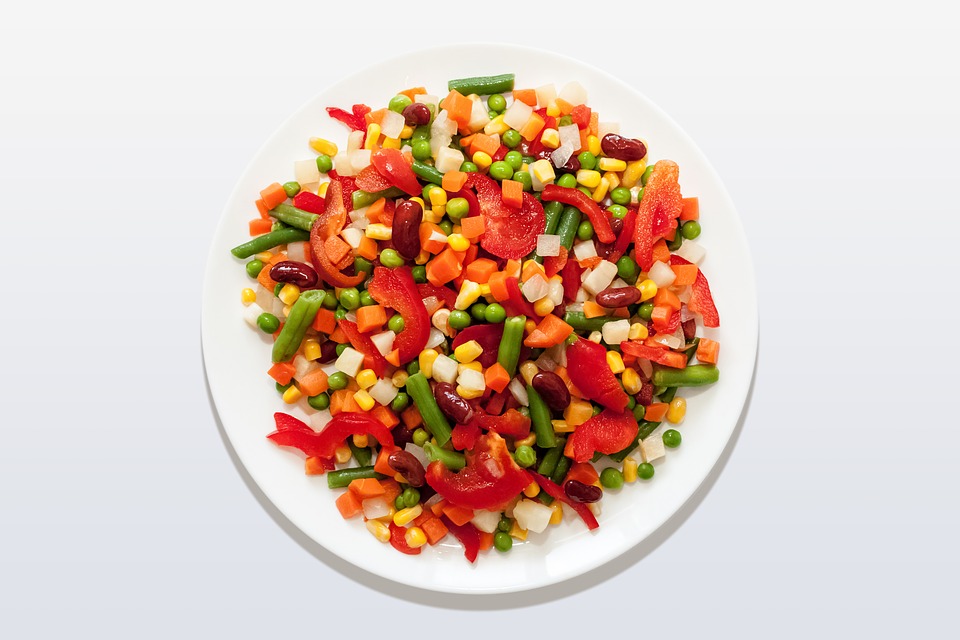
Rajma mix veg salad is a lip-smacking salad made with items such as rajma (kidney beans), vinegar, green chili, garlic, tomato, onion, red bell pepper, yellow bell pepper, carrot, and lemon juice. It is also super easy to make and deliciously good as well.
Rajma

Nutritive value for 1 bowl rajma mix veg salad:

Energy: 174 kcal Protein: 10 g Carbs: 24.5 g Fat: 3.5 g

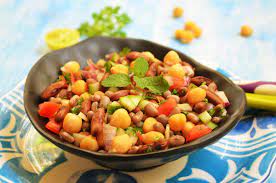
This bean chaat includes rajma, chole and French beans that gives you a nutritious punch. Along with 3 beans, it is also packed with vegetables such as onion, tomatoes, cucumber, drizzled with a light dressing of lemon juice and chaat masala. Furthermore, this instant recipe can be made when you are hungry, and one won’t even have to worry about weight while indulging in this. It is also very healthy, making it a great choice for a quick lunch or dinner.
Healthy Three Bean Chaat

Nutritive value for 1 bowl three bean chaat:

Energy: 267 kcal Protein: 14.5 g Carbs: 30 g Fat: 6.4 g

Paneer-chana salad is a spicy and delicious dish made with chickpeas (chana/chole) and paneer. Also, you can lots of colorful vegetables in it. This is very fulfilling and deliciously amazing and everyone loves it.

Nutritive value for 1 bowl paneer-chana salad:

Energy: 256 kcal Protein: 14.6 g Carbs: 25 g Fat: 10.2 g

5. Sprouts kadhi with rice bowl/Sprouts-paneer salad:

Sprouts kadhi is a popular western Indian dish that’s served for lunch or dinner meals. The flavors of this recipe are refined and wholesome. In addition, it is low in sodium and nutrient-rich with the goodness of calcium, protein & fiber that makes this a flavorful healthy choice for the meal. 

A slight twist to a regular kadhi with adding sprouts makes it more healthy, nutritious, flavorful, colorful, and appealing for all ages. 

On the whole, this dish can be a wholesome meal as a lunch or dinner with steamed rice served. Choose more amount of kadhi and less amount of rice which will balance your meal.

Sprouts kadhi

Nutritive value for 1 bowl sprouts kadhi with rice:

Energy: 208 kcal Protein: 8.5 g Carbs: 16.6 g Fat: 8.2 g

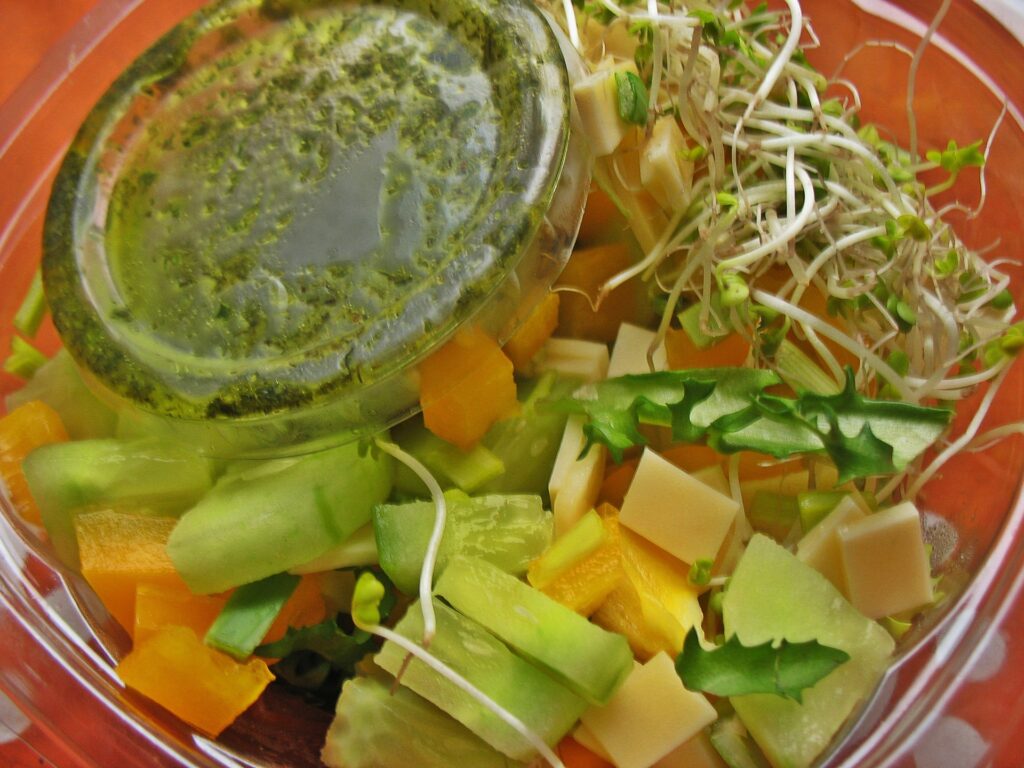
Sprouts-paneer salad is super healthy and also loaded with the goodness of protein and other essential nutrients. It is made with two prime ingredients- sprouts and paneer. The high protein element of this salad makes it a perfect pick for effective weight loss as protein makes your stomach full for a longer time period.

Also, it is super easy to make as it won’t take you more than 5-10 minutes to prepare this salad.
Nutritive value for 1 bowl sprouts paneer salad:

Energy: 159 kcal Protein: 10.1 g Carbs: 10.2 g Fat: 9.4 g

6. Baked palak paneer

Spinach is loaded with tons of nutrients and can be used for a breakfast meal or a main meal option both ways. Dark, leafy greens like spinach are important for skin, hair, and bone health. They also provide protein, iron, vitamins, and minerals. On the other hand, paneer is an excellent source of protein and calcium.

Nutritive value for 1 kat of baked palak paneer:

Energy: 177 kcal Protein: 6.5 g Carbs: 6.1 g Fat: 10.3 g

7. Chilli chicken/Chilli paneer with quinoa pasta

Chilli chicken is a flavorful and crispy dish which has a spicy taste to it. This is one of the most popular Indo-Chinese style chicken appetizers or starters. This dish is high in protein and low in carbs. You can enjoy the dish with quinoa pasta or millet noodles or fried rice. 

In fact, this delicious chicken recipe is very popular in restaurants but you can easily make it at the comfort of your home according to your own taste.
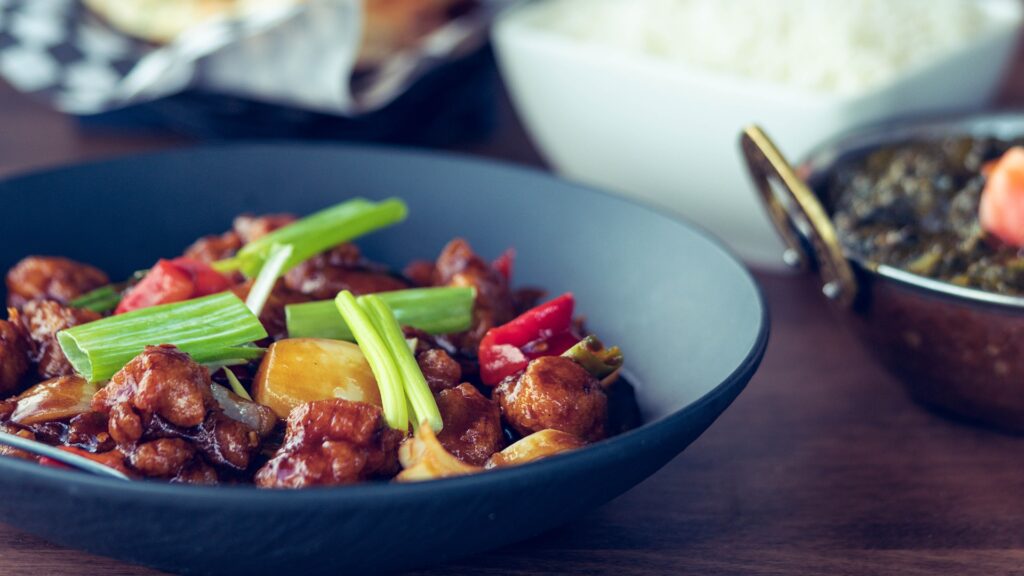
Nutritive value for 1 bowl of Chili chicken with quinoa pasta:

Energy: 287 kcal Protein: 25.0 g Carbs: 23 g Fat: 10.2 g

Chili Paneer is one of the popular recipes from Indian Chinese cuisine which is made by seasoning paneer in tomato chili sauce . It is a versatile dish and there are so many ways of making it. You can make it dry, semi dry or also a gravy version. You can serve a dry version of chili paneer as a starter or appetizer snack. The gravy version is served with steamed rice or noodles which you can have for your lunch or dinner. The semi-dry version can be served as an appetizer.

Nutritive value for 1 bowl of Chili paneer with quinoa pasta:

Energy: 289 kcal Protein: 16 g Carbs: 24.1 g Fat: 20.5 g

8. Broccoli paneer salad

Broccoli-paneer salad is loaded with the goodness of protein and also several important nutrients which are provided by the broccoli. The unique combination of broccoli and paneer turned into a salad is delicious and nutritious at the same time. Also. it makes a great dish for lunch or dinner and is simple to prepare. It is a perfect dish for weight-watchers.

Moreover, for non-vegetarians, chicken or fish can be used with broccoli which will give you a mouth watering taste.

Nutritive value for 1 bowl of Broccoli paneer salad:

Energy: 214 kcal Protein: 8.9 g Carbs: 10.1 g Fat: 16.3 g

9. Bajra khichdi 

Bajra Khichdi is a wholesome and nutritious meal made with rice and lentils. This Khichdi recipe is light on the stomach and easy to digest as well. Also, it is loaded with the goodness of protein. You can serve this nourishing khichdi with curd or raita.
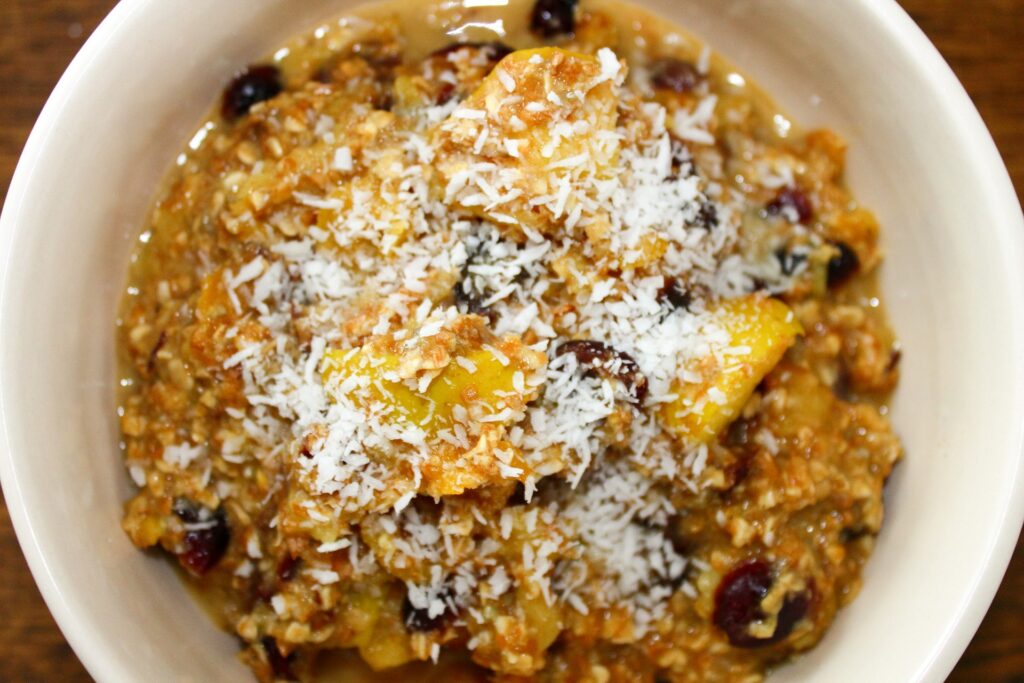
Nutritive value for 1 bowl of bajra khichdi:

Energy: 192 kcal Protein: 7.0 g Carbs: 25.1 g Fat: 7.1 g

10. Grilled steak with vegetables on the side

Grilled steaks are perfectly seasoned and mouth-watering indeed. It is so tender that it melts in your mouth. It is usually served with grilled or roasted or stir-fry vegetables on the side which gives an amazing flavorful taste.

Nutritive value for 1 serving of grilled steak with vegetables:

Energy: 372 kcal Protein: 33.1 g Carbs: 16.2 g Fat: 19.5 g

11. Spinach-Prawn-Avocado salad/Prawn and egg fried rice

Spinach-prawn-avocado salad is amazingly delicious salad made with avocado, spinach and prawns. You can also seasoned this salad with lemon juice, black pepper and some coriander leaves. This salad gives you a refreshing twist with its unique and flavorful taste. It is also loaded with the goodness of protein, vitamins and minerals.

Nutritive value for 1 bowl Spinach Prawn Avocado salad:

Energy: 266 kcal Protein: 19.1 g Carbs: 5.5 g Fat: 19.6 g

Prawn and egg fried rice is a unique and very appealing Thai dish and tasty as well. This Chinese style dish is delish enough to tempt your taste buds. Also, it is high in protein and low in carbohydrates which you can enjoy guilt-free.

Nutritive value for 1 bowl of Prawn and egg fried rice:

Energy: 334 kcal Protein: 23.8 g Carbs: 28.1 g Fat: 11.8 g

12. Boiled Egg white with Dal

Boiled egg white and dal, both the food items are rich sources of protein and low in carbohydrates. Egg whites are an excellent source of protein. On the other hand, dal is rich in dietary fiber which provides your stomach satiety. Apart from being rich in dietary fiber, dal is also rich in protein, potassium, magnesium and phosphorus which have their own benefits on your body.

Nutritive value for 3 boiled egg with 1 katori of Dal:

Energy: 190 kcal Protein: 19.9 g Carbs: 22.9 g Fat: 6.6 g

13. Korean style sweet and spicy chicken with mix veg fried rice

Non-vegetarians loves chicken. They love its every dish. This Korean style sweet and spicy chicken is very famous and also a must-try for all the chicken lovers out there.

Korean style chicken is known for its crunchy exterior and its sweet as well as spicy sauce. You can use leg, thigh, or even breast of chicken for this dish. Make this at your home and enjoy the authentic flavors of Korea.

Nutritive value for 1 serving of Korean style sweet and spicy chicken with mix veg fried rice:

Energy: 401 kcal Protein: 15 g Carbs: 24 g Fat: 18 g

14. Fish curry with rice/Chicken curry with rice for low-carb and high-protein meals

Fish curry/Chicken curry is a famous dish and indeed loved by non-vegetarians. The curry is not only delicious but also flavorful as well as soft and tender. Serve these curries with rice which will give your stomach satiety.
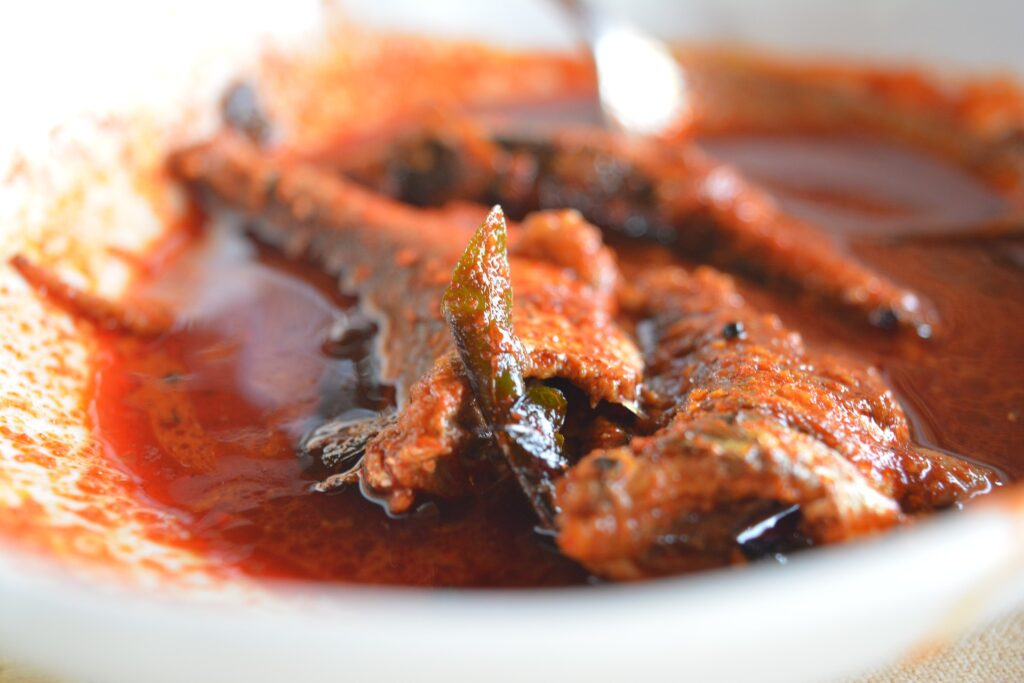
Fish curry

Nutritive value for 1 Fish curry with rice bowl:

Energy: 285 kcal Protein: 14.6 g Carbs: 29.6 g Fat: 9.7 g

Chicken curry

Nutritive value for 1 Chicken curry with rice bowl:

Energy: 425 kcal Protein: 35.8 g Carbs: 28.9 g Fat: 14.5 g

If you are struggling shedding weight. You can talk to us by taking this assessment: Click here

For more information click here  

How to make Paneer Dalia Upma

How to make Paneer Dalia Upma?

Upma is one of the most famous breakfast dishes of South Indian cuisine. Paneer dalia upma is a modified version of semolina upma. Moreover, it is healthy, delicious as well as nutritious. It is also a good source of high protein and low carbohydrates and also filled with natural fiber which provides satiety to your stomach. 

The recipe is made with broken wheat (dalia), paneer, urad dal, and lots of colorful vegetables which gives it a unique flavor. This high-protein vegetarian breakfast is really good for weight loss and also provides other health benefits like improving glucose absorption, decreasing bad cholesterol, etc.

Further, paneer is rich in proteins, calcium and Vitamin D which is good for your bones health and building your muscles. On the other hand, broken wheat is filled with goodness of fiber.

So, let’s quickly dig into the recipe!

Preparation time: 10 minutes

Cooking time: 15-20 minutes

Total time: 25-30 minutes

Serving: 1

Ingredients for Paneer dalia upma:

  • Dalia -½ cup
  • Urad dal -1 tsp
  • Paneer -½ cup
  • Cumin seeds / Mustard seeds-1 tsp 
  • Curry leaves – 4 to 5
  • Vegetables of your choice like carrot, french beans, Green Peas, Cauliflower, tomatoes – 1 cup
  • Green chillies -1
  • turmeric powder -½ tsp 
  • Dried red chilli – ¼ tsp
  • Salt, as required
  • Oil-1 tsp
  • Coriander leaves, for garnishing
How to make Paneer Dalia Upma
Image Courtesy: Richa Sharma

Method of preparation:

  • Firstly, heat oil in a pan or kadhai, and once the pan is hot enough, then add the mustard seeds/cumin seeds, urad dal, green chilli and curry leaves. Now, keep on sauteing in medium flame, till the spices start to flutter.
  • Now, add all the vegetables and paneer cubes then saute them for 1-2 minutes and then add spices like turmeric, red chilli and salt and mix well. 
  • Next, cover the lid of the pan or kadhai and cook for 3-4 minutes. 
  • Now, add the dalia and required amount of water in the pan or kadhai and cook it on low flame after covering the lid for 5 minutes.
  • Finally, serve hot with coriander garnishing.

If you are struggling shedding weight. You can talk to us by taking this assessment: Click here

For more information click here  

What are the healthy options to opt for in winters

What are the healthy options in winters to opt for

Winter is season in which we all crave for something warm and soothing and comforting. Especially something that doesn’t take a lot of time and is full-filling. It is a season of hot cup of teas and coffees, soups and sweets along with pipping hot food.

Being honest, winters is our favorite season. And if you ask why, then the answer is wide varieties of fruits and vegetables that are available in winters. Fresh green leafy vegetables, and red and yellow and orange colored vegetables, all are easily available in winters, which makes it extra-special for us. We all are foodies and who doesn’t love good food. After all, good food is equal to good mood. And to uplift your mood during this season, we have made food choosing options easy for you.

There are “n” number of options that you can choose from, but in this article, you will see major recipes of millets and greens. Yes, millets are super nutritious and during winters, they provide you with extra warmth and comfort. On the other hand, greens are one of our top-listers. Green leafy vegetables not only add flavor to the food, but also gives you nutrition. Do you know, that by consuming leafy vegetables, you get major chunk of your daily required vitamin A.

Let’s get started with the recipes!!

Sweet Dishes to try this winter

1. Gajar halwa

Gajar halwa is one one the must-haves during winters. If you didn’t have it, you might be missing out on a lot of happiness and deliciousness. It is one of the dishes that gives you comfort on a cold winter day. And with the combination of carrots and milk, this halwa is way too nutritious to have. You can use stevia or erythritol to add sweetness to the halwa.

Low Carb/Low Fat Gajar ka halwa

2. Peanut Chikki

Peanut chikki is another one of the most commonly prepared sweet dish during winters. It is made with peanuts and jaggery. Both of these ingredients are highly nutritious and the best part of this recipe is that it is really easy to make. You can even add more ingredients such as sesame seeds, other nuts, for instance almonds to the chikki as per your taste.

Peanut chikki

3. Makhana Dry fruit Panjiri

A sweet dish with the goodness of all the dry fruits? Why not! You need to definitely try this makhana dry fruit panjiri recipe. It is super easy to make and the it’s not only tasty but also immensely nutritious. You can also add more ingredients as per your choice and availability.

Makhana Dry Fruits Panjiri

4. Ragi Malpua

Malpua is a sweet dish that can never disappoint you. This recipe of malpua is with a twist. It’s similar to your regular malpua, but more healthier. Ragi malpua is not only delicious but also full of nutrition. You need to try this recipe of malpua as soon as possible!

raagi malpua

Savory recipes to try this winter

1. Green Dhokla

Green dhokla not only is appealing by its color, but it also tastes amazing. Dhokla is one of our favorites. It feels like comfort food and the best part is that it is super easy and super convenient to prepare. Be it as a snack, or a breakfast meal option, dhokla never really disappoints. This recipe of dhokla is with a twist, and by a twist, we not only mean healthy but also a tasty twist.

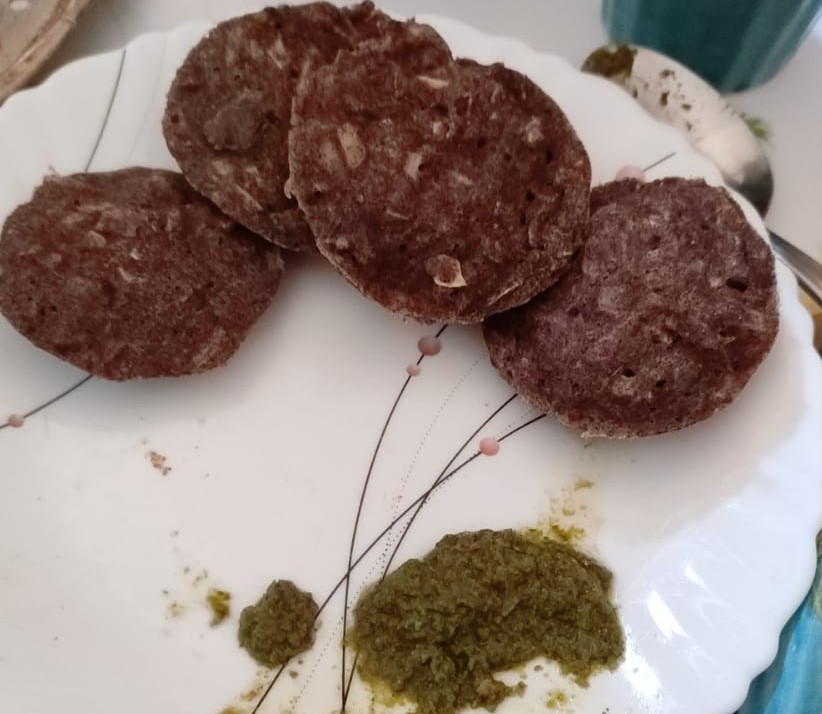
2. Vegetable ragi idli

Ragi idli coupled with coconut chutney makes the best breakfast which is the wholesome, delicious, and nutritious food needed for our body. It is indeed an excellent source of protein, calcium, potassium, iron, and dietary fiber. Ragi has so many health benefits like prevention of bone health, controlling sugar levels, increasing our hemoglobin levels.

3. Jowar Vegetable Chilla

Jowar vegetable chilla is that one recipe which you can make on a cold winter day and the one that’ll provide you warmth and comfort. It is not only highly nutritious but also delicious. You can serve it with mint-coriander chutney or tomato chutney, as per your taste and choice. This chilla is really wholesome and full-filling. You need to try this!

Jowar vegetable chilla

4. Ragi upma

Ragi upma is one of the most easiest and comforting recipes to make during winters. With goodness of ragi and vegetables, this recipe makes a wholesome combination. It is quick to make and will surely not disappoint you.

Ragi-upma
Upma

5. Ragi dosa

Ragi dosa is a healthy and delicious breakfast prepared with ragi millet or also known as finger millet. Do you know about the goodness of ragi? Well this millet is rich in proteins and calcium and even potassium. It is highly nutritious. You definitely need to try this recipe this winter! Serve it with coconut chutney and pipping-hot sambhar to satiate all your hunger pangs!

Ragi dosa

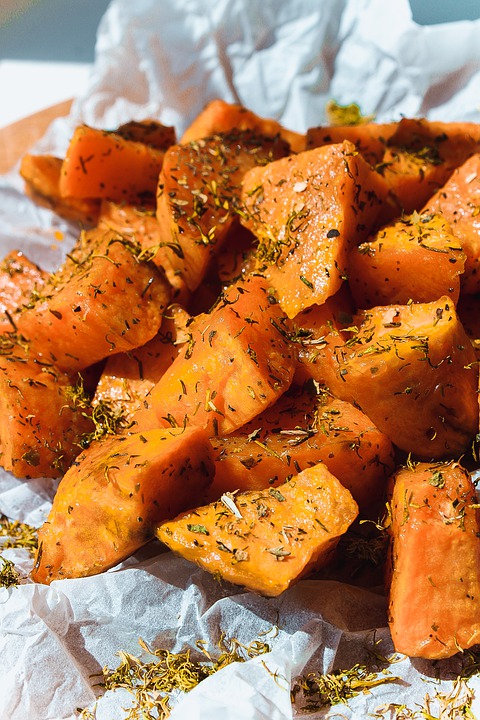
6. Shakarkandi Chaat

If you love sweet potatoes, then this recipe is especially curated for you. Shakarkandi chaat is the best snack option during winters. Those hot boiled sweet potatoes clubbed with vegetables and spices and drops of fresh lemon! Even just thinking about it gives us major cravings! Try this super easy recipe of shakarkandi chaat this winter.

Shakkarkandi Chaat

7. Jowar palak appe

Jowar palak appe is a great option to choose for breakfast or a light snack meal. They are vegetarian and gluten-free and also super healthy and nutritious. They can be served with a bowl of piping hot sambar, chutney, and salad on the side for a fulfilling meal. And do you know that you can use the same batter to make a dosa as well? Check out this amazing recipe of jowar palak appe.

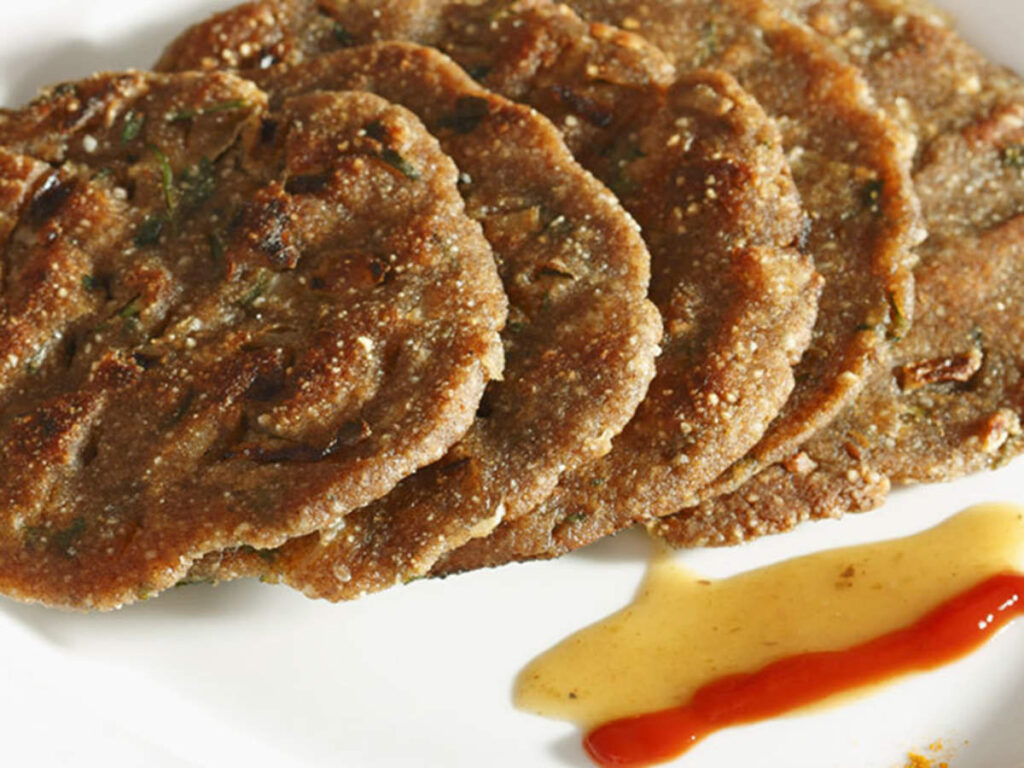
8. Thalipeeth

Thalipeeth is a spiced and delicious Maharashtrian flatbread which is made with multigrain flours. It makes for a healthy, tasty and nutritious breakfast or snack and is usually served with yogurt or pickle based on your taste and choice.  Especially during winter, thalipeeth makes for a healthy and heart-warming food. It is made with 3-4 different flours of your choice. 

thalipeeth

9. Tomato spinach pancakes

Spinach Tomato Pancakes is not only a healthy but also a yummy savory dish. It can be either consumed as a part of nutritious breakfast or an evening snack to satiate you hunger. It does not take much time to prepare and also, to cook. You can serve Spinach Tomato Savory Pancakes with either mint coriander chutney or with tamarind-jaggery chutney and enjoy the wholesomeness of a nutritious snack.

10. Bajra khichdi

In winters, bajra khichdi provides not only warmth but also nutrition. Do you know that bajra is a millet that is rich in many nutrients? It is really healthy and is loaded with nutrients as well. Bajra is a good source of magnesium and potassium. It is also said to be heart healthy.  This recipe is easy to make and really very comforting during cold weather. You can serve it with some curry or as I prefer to have it with kadhi. Also, can add your favorite vegetables to it.

bajra khichdi

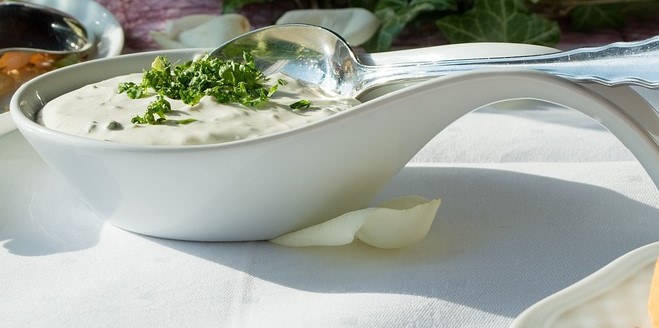
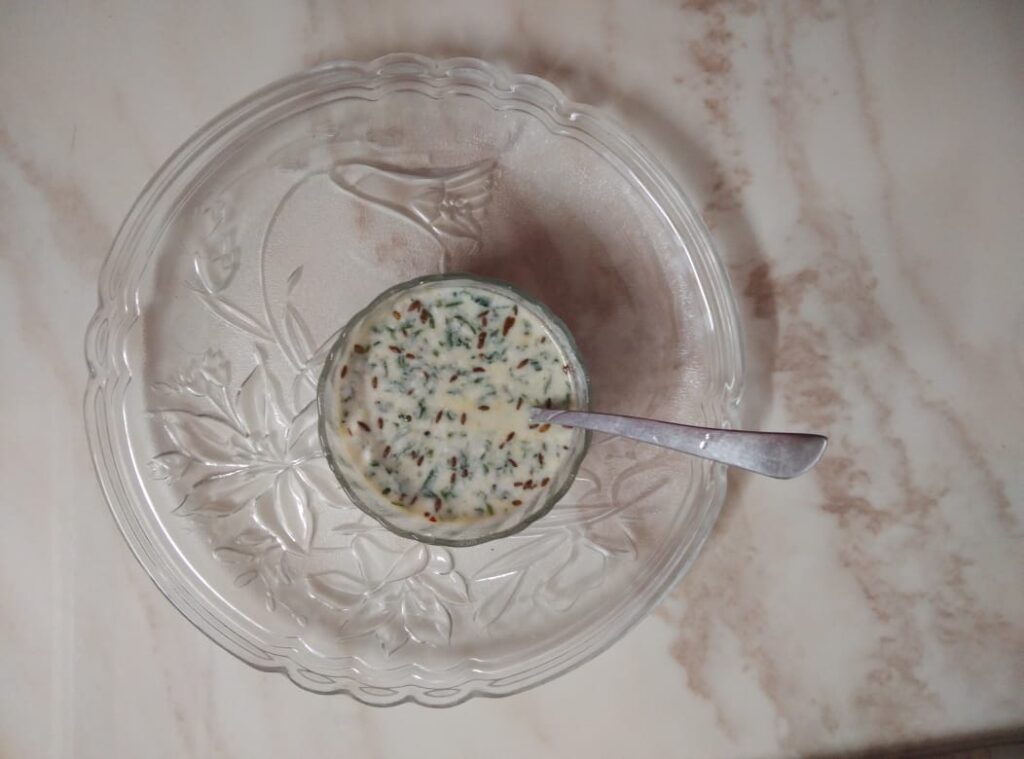
11. Bathua raita

Bathua along with curd makes an unbeatable combination that you need to try for sure! This raita is one of the most commonly made raita at our homes. It adds amazing flavor to the food and the best part is, that it is not only tasty but also loaded with nutrition. Make this super nutritious raita as soon as possible.

How to make bathua raita at home

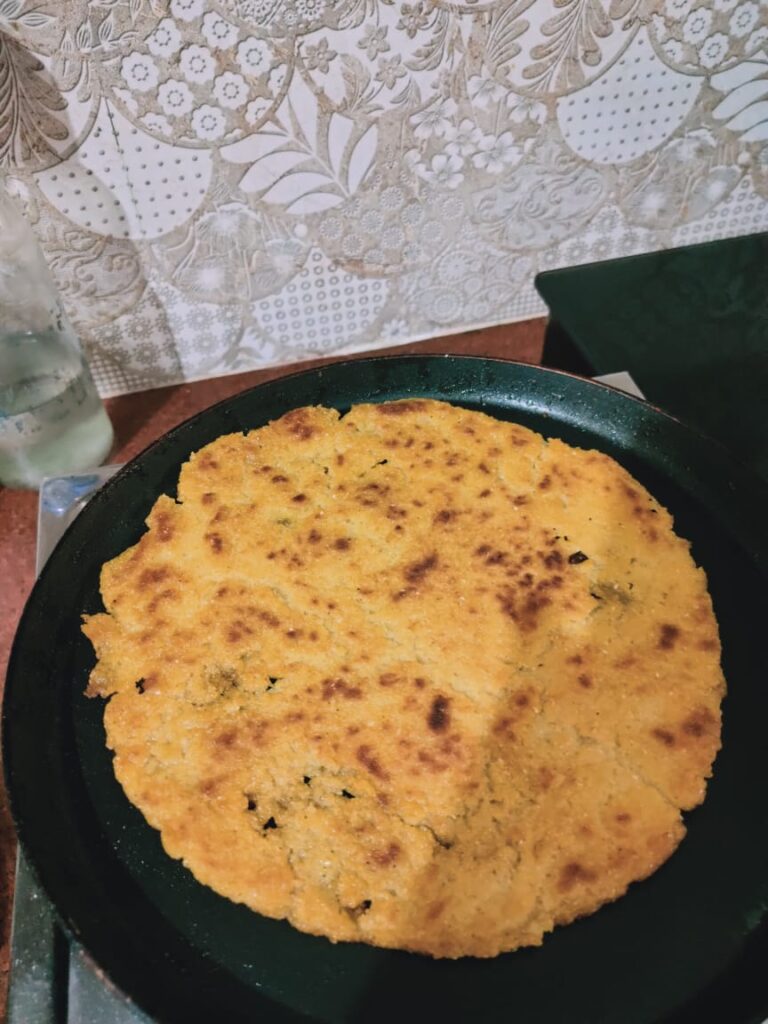
12. Makki roti

Makki di roti or chapati or flatbread is one of the most comforting food items of winters. this roti goes best with sarso ka saag. As you might have heard the common phrase “sarson da saag te makki ki roti”. Many people are fond of this combination. And many even like to eat this combination with a piece of jaggery. 

makki ki roti

13. Sarson ka saag

Sarson da saag with makki di roti is must haves during this season. It is traditionally made in Punjab and consists of mustard leaves and spinach. You must have noticed that it is generally served with makki di roti in Northern India. The combination of saag and makki roti is unbeatable.

sarson saag

14. Chole Palak

Chole Palak is another version of the chole recipe. It’s prepared in North Indian style. It’s a very healthy recipe because of the combination of spinach and chickpeas/chole/ garbanzo beans. Try this super amazing recipe of chole with a nutritious twist!

Chole Palak

Soups to try this winter

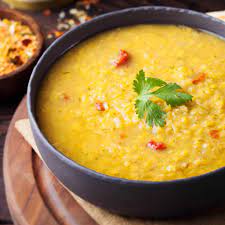
1. Lentil dal soup

Lentil Dal Soup is one of the staple food of India. This soup is prepared almost all parts of the country. Also, the variety and methods of preparation vary giving it different flavors. Dal soup is high in protein content and helps in maintaining the balance of dietary protein requirement.

Dal Soup

2. Bajra Vegetable Soup

Bajra vegetable soup (Millet Soup), which is a traditional warm soup in the states of Rajasthan and Gujarat, and this soup is called Bajra Raab. Millet is gluten-free and full of many nutrients. It is also super easy to make. This bowl of hot soup is so filling and comforting, especially when the days get colder and darker.

Bajra vegetable soup
Served with farofa, onion and parsley

3. Broccoli Soup

Broccoli soup is green colored soup along with the sauteed onions and carrot. It has a smooth and creamy texture, mouth-watering taste and fills your stomach. Soups are the best comfort foods in winter days. They give us warmth in cold winters. 

Broccoli soup

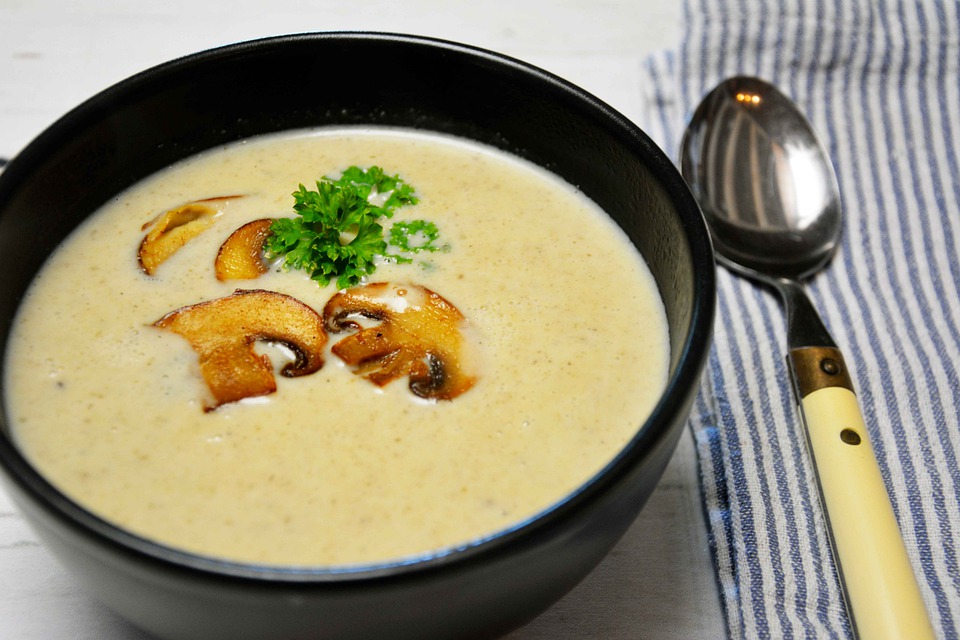
4. Mushroom and onion soup

One of the best soups of all times is mushroom and onion soup! Who can possibly be go wrong with this soup? It is a perfect combination of not only healthy but also tasty. And this soup is not only full-filling, but also nutritious. 

mushroom onion soup
How to make bathua raita at home

How to make Bathua raita at home

Curd preparations are must-haves with the meals. We all enjoy having different kinds of raitas with our major meals. Bathua raita is one of the most commonly made raita at our homes. It adds amazing flavor to the food and the best part is, that it is not only tasty but also loaded with nutrition.

Bathua leaves are easily available during winters in most part of the country. You might not be aware of, but bathua leaves are highly nutritious.

Nutritional facts of bathua leaves:

  • They are low in calories. So, you need not to worry about the calorie intake while consuming them
  • Bathua leaves are rich source of iron. Many of us might be deficient of iron and to replenish the iron stores, bathua is one of the great options to choose.
  • It is a rich source of calcium and magnesium. Calcium as we are aware, is of utmost importance for healthy bones and teeth. And same goes for magnesium.
  • Bathua is rich in potassium and low on sodium. It can be said that bathua aids in managing hypertension.

It is very easy to incorporate in the diet. You can make stuffed roti/parantha using bathua. Or can make a vegetable preparation. Can add it to any pulse preparation.

The other ingredient of this recipe if curd. Curd is an amazing source of calcium and magnesium and a rich source of proteins.

Bathua along with curd makes an unbeatable combination that you need to try for sure!

Let’s start with the recipe:

Preparation time: 5 minutes

Total time: 5 minutes

Serving: 2

Ingredients to make Bathua raita:

Bathua leaves: 1 cup (washed and boiled)

Curd: 1.5 cup

Salt: as per taste

For tadka:

Cumin seeds: ¼ tsp

Hing: a pinch

Mustard oil: ¼ tsp

Also learn how to make Beetroot raita at home!

Method of preparation:

  • Firstly, in a bowl, add curd and boiled bathua leaves and salt. Mix all the ingredients.
  • Place a small pan on stove, and take few drops of mustard oil, add cumin seeds (jeera) and hing to it. Let the seeds crackle.
  • Immediately add this tadka to the raita and mix well.

Your tasty bathua raita is ready to serve!

If you are struggling shedding weight. You can talk to us by taking this assessment: Click here

For more information click here  

How to make Peanut chikki at home

How to make Peanut chikki at home

Peanut jaggery chikki is one of the most commonly available sweet in India during winters. You can easily get it at any grocery shop or a sweet shop. But the best part is, that you can make it at home, quickly and easily.

Peanut jaggery chikki is not only tasty but also nutritious. And you can even get the ingredients of this recipe very easily at any super market store or a grocery shop. You can even add more ingredients such as sesame seeds, other nuts, for instance almonds to the chikki as per your taste. In this article, I’ll be sharing with you the easiest and basic chikki recipe.

Do you know the benefits of peanuts and jaggery?

Peanuts are a rich source of protein, fiber and fats. When I say fats, I correspond to “good fats”. These kinds of fats are beneficial for lowering cholesterol and can be considered as heart healthy. They are rich in proteins, which we all know are the building blocks of our body. Peanuts are also a good source of magnesium, vitamin E and folate.

Though peanuts are healthy, but you should always consume them in moderation.

Jaggery as we all know is also known as “gur” is not only tasty but also healthy. Do you know that jaggery is a source of iron? Well, it contains iron and the best way to ensure iron absorption in body is to consume it with a source of Vitamin C. So, next time when you consume iron-rich source, make sure to have a vitamin C rich source with it.

Let’s get started with the recipe:

Preparation time: 8-10 minutes

Cooking time: 5 minutes

Total time: 15 minutes

Servings: 15-20 pieces

Winters without peanut chikki and gajar ka halwa are incomplete! try out this super amazing recipe of low carb and low fat gajar ka halwa!

Ingredients to make peanut chikki:

Roasted peanuts: 1 cup

Jaggery: ¾ cup

Ghee: 1.5 tablespoon

Method of preparation:

  • Firstly, take a non-stick aluminum kadhai and place it on the stove. To it, add jaggery and cook for about 2 minutes on high flame, while stirring continuously.
  • Secondly, lower the flame and stir constantly for about 3-4 minutes. At this point, you’ll start noticing the formation of foam and a change in the color of jaggery.
  • Thirdly, switch off the flame and stir continuously. To this, add roasted peanuts and ghee. Mix it well.
  • Now, take a plate and grease it with ghee. Put the mixture on this plate and make it flat with the help of a ladle. Make sure that the surface becomes flat and not left uneven.
  • Lastly, cut immediately into pieces and let it cool completely.  

And your peanut jaggery chikki is ready! you can store it in a air-tight container.

If you are struggling shedding weight. You can talk to us by taking this assessment: Click here

For more information click here  

Dahi Vegetable sandwich

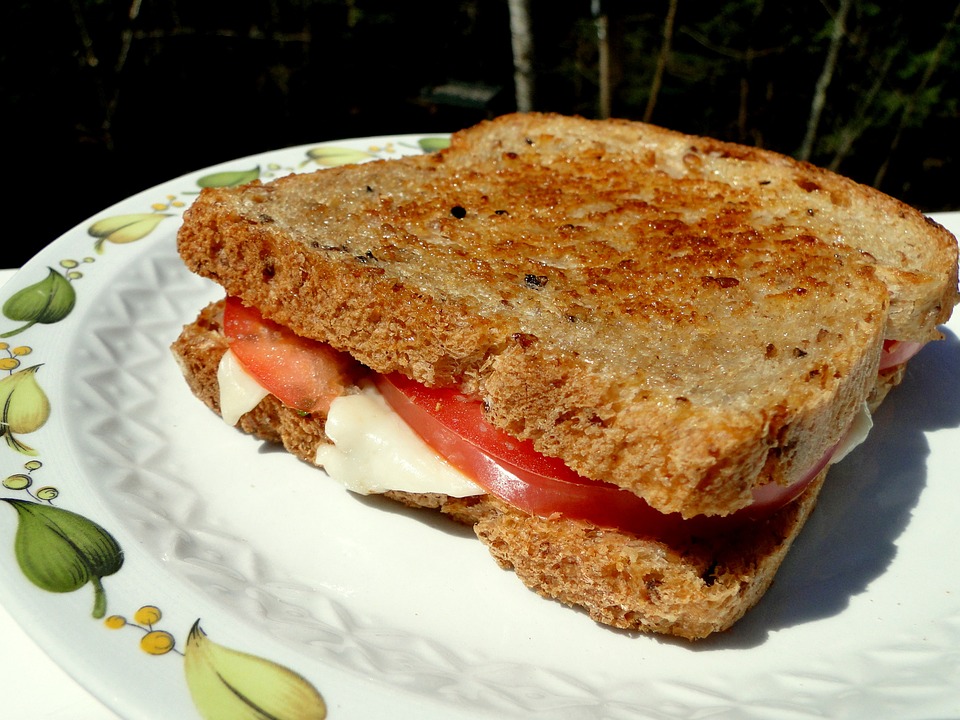
Do you ever get confused about what to make in breakfast or snacks? Like you want to make something delicious and every quick. Well, dahi vegetable sandwich is your perfect answer.

It takes only 5 minutes to make it and well, the result is super tasty. What’s more is that this sandwich is super healthy. The combination of curd and vegetables along with curry leaves and mustard seeds, makes it not only nutritious but also healthy.

Curd acts as a probiotic which is really good for your gut. It is rich in calcium and magnesium as well. Good for your gut health and good for your bones. It helps to replenish your calcium stores.

In this sandwich you, can add any vegetable of your choice. Here, I’ll be using onion, tomato, cucumber, and carrot. Also, add curry leaved and mustard seeds to it, to make it tastier and more nutritious.

Let’s start with the recipe

Preparation time: 5 minutes

Cooking time: 2 minutes

Total time: 7 minutes

Serving: 2

Also try this easy Besan sooji vegetable toast recipe for your quick breakfast!

Ingredients to make Dahi vegetable sandwich

Bread piece: 4

Thick Curd/Hung curd: 1 cup

Tomato: ½ (finely chopped)

Onion: ½ (finely chopped)

Cucumber: ½ (cut into cubes)

Carrot: ½ (finely grated)

Curry leaves: ¼ cup

Mustard seeds: 1 teaspoon

Salt: as per taste

Chili Powder: for taste

Chaat masala: ¼ tsp

Ghee: 1 tablespoon

Method of preparation:

  • Firstly, in a bowl, take 1 cup thick/ hung curd and add all the chopped vegetables to it. Add all the spices and mix well to make a paste. (you can also add grated coconut as well if you like)
  • Then, take the bread pieces and remove the sides with the help of a knife. To one bread piece, spread a spoonful of curd paste. Then, cover it with other bread piece. Repeat same for making other sandwiches.
  • Thirdly, heat a pan on medium flame. Add ghee to it and mustard seeds along with curry leaves.
  • Let the seeds crackle and then put the sandwich on the pan.
  • Lastly, cook the sandwich from both the sides until crisp.

Finally, your super easy and tasty dahi vegetable sandwich is ready! You can serve it with mint-coriander chutney.

If you are struggling shedding weight. You can talk to us by taking this assessment: Click here

For more information click here       

sarson saag

Sarson ka saag recipe

Winters call for green leafy vegetables. We get a variety of leafy vegetables during this season such as sarson (mustard leaves), spinach leaves, fenugreek leaves and bathua leaves. Do you know that a regular intake of these green leafy vegetables can help you restore your vitamin A stores? So, they are not only healthy but also brimming with nutrition. Sarson ka saag is one of the soulful foods during winters.

Sarson da saag with makki di roti is must haves during this season. It is traditionally made in Punjab and consists of mustard leaves and spinach. You must have noticed that it is generally served with makki di roti in Northern India. The combination of saag and makki roti is unbeatable.

Why sarson ka saag?

Well the answer is very easy. It is tasty and highly nutritious. Mustard leaves are a good source of fiber and potassium. They are also rich in vitamin C and iron. Do you know that when iron is consumed along with vitamin C, it gets absorbed better in our body? So, said that mustard leaves are a good source of iron as well. They are also rich in vitamin B6 and magnesium. These leaves are low in sodium and rich in potassium and therefore can be consumed by hypertensive patients as well.

Spinach leaves on the other hand are equally nutritious. They are low in carbohydrates and fats. Spinach is a good source of calcium and potassium. It is a moderate source of iron. It is also low in sodium and rich in potassium and therefore can be used in the diet of hypertensive persons.

If seen as a combination, mustard leaves and spinach together are low carb and fat and rich source of vitamins and minerals.

If you don’t get mustard leaves at your location, you can always make spinach curry! Add ginger-garlic paste to it along with onions. Palak saag is also equally tasty and healthy. You can just skip mustard leaves from the following recipe and make palak curry/saag.

Let’s start with the recipe:

Preparation time: 20 minutes

Cooking time: 15 minutes

Total time: 35 minutes

Servings: 4

Sarson ka saag is incomplete without makki di roti! so try out this amazing recipe of makki di roti!

Ingredients to make sarson ka saag:

Sarson leaves: 5 cups (washed and chopped)

Spinach leaves: 5 cups (washed and chopped)

Oil- 1 tbs

Cumin seeds: 1 tsp

Ginger garlic paste: 2 tbs

Onions: ½ cup (finely chopped)

Salt: to taste

Hing (asafetida): ¼ tsp

Turmeric powder: 1 tsp

Chili powder: 1 tsp

Method of preparation:

  • Firstly, to make sarson ka saag, heat a non-stick pan and boil around 5 cups of water. Add spinach leaves and mustard leaves to it. Mix well and cook on a high flame for about 4-5 minutes. Make sure to stir continuously.
  • Secondly, Strain and drain the leaves.
  • Thirdly, wash the leaves again 2 times using cold water. Drain and set them aside for 2-3 minutes.
  • Now, in a mixer blend the leaves to make a coarse mixture with ¼ cup of water.
  • Take a kadai and heat 1 tablespoon of oil. To it add cumin seeds and hing and let them crackle. Add ginger-garlic paste and sauté for few seconds on medium flame.
  • Then, to this add chopped onion and sauté for 1 minute.
  • To this, add the spinach & mustard coarse mixture and all the spices. Cook for about 4-5 minutes and then turn off the flame.

Sarson ka saag is ready! Serve hot with makki ki roti.

If you are struggling shedding weight. You can talk to us by taking this assessment: Click here

For more information click here

makki ki roti

Makki Di Roti Recipe

Makki di roti or chapati or flatbread is one of the most comforting food items of winters. Makki roti goes best with sarso ka saag. As you might have heard the common phrase “sarson da saag te makki ki roti”. Many people are fond of this combination. And many even like to eat this combination with a piece of jaggery. Well just the thought of this combination makes us craves for it.

Makki or maize flour is one of the millets and it is highly nutritious. It is a good source of complex carbohydrates and fiber. It also contains good amount of vitamin C. Makki flour is rich is proteins and low in fats. It also is a source of B vitamins.

Makki can be easily incorporated in diets and the easiest way to do that is to make rotis or chapatis out of it. You can add methi or bathua or spinach (palak) to the flour and make a higly nutritious chapati. Many people also like to add potatoes to the flour and making a thick chapati or a parantha. You can also have makki ki roti along with your morning cup of tea for a wholesome breakfast.

You can make dhokla of maize flour and even can make nachos at home using maize flour. Do you know you can also make healthy con sev puris by using maize flour? Well, it really tastes amazing.

For this recipe, we will be using fenugreek leaves along with makki to make chapatis. You can use bathua leaves or spinach leaves as per your taste or availability.

Let’s dig into the recipe:

Preparation time: 5 minutes

Cooking time: 10 minutes

Total time: 15 minutes

Serving: 8-10 chapatis

Makki di roti without sarson ka saag is a miss! Try out this amazing recipe of Sarson ka saag to club with makki di roti!

Ingredients to make Makki ki roti:

Makki flour: 2 cups

Fenugreek leaves: ½ cup

Salt: as needed

Makki flour for rolling

Method of preparation:

makki di roti1
  • Firstly, to make makki di roti, combine makki flour and methi (fenugreek) leaves and salt. Add warm water and knead a firm dough. Then, cover the dough with a cloth or plate and leave for about 30 minutes.
  • Secondly, divide the dough into equal portions and roll them by using a roller into a circle. If the dough sticks, apply little makki flour for rolling.
  • Thirdly, heat a non-stick pan on medium flame and place the chapati. Cook it from both the sides and then on open flame till it puffs and becomes brown.

Finally your makki di roti is ready. Serve hot with sarson ka saag or chutney!

If you are struggling shedding weight. You can talk to us by taking this assessment: Click here

For more information click here

Low Carb/Low Fat Gajar ka halwa

Low Carb/Low Fat Gajar ka halwa

Do you know why winters are our favorite season? Well, you guessed it right. It is all because of gajar ka halwa. How about we present to you a Low Carb/Low Fat Gajar ka halwa version. Winters and gajar ka halwa go hand in hand. It surely takes some time to make but the flavor, the aroma, the taste is surely worth the wait.

The best part about gajar ka halwa is that it is not only tasty but it is highly nutritious as well. The main component of the halwa are carrots and milk. And all of us know, how nutritious these two ingredients are.

Carrots:

Carrots be it of any color (orange or red) are loaded with nutrients. You must have heard that carrots are a rich source of vitamin A. They are not only rich in vitamin A but also a good source of fiber. Carrots also contain potassium, vitamin C and manganese.

Grated Carrots

During winters, we get really fresh carrots that can be easily incorporated in diet. For instance, you can make carrot stuffed paranthe, carrot cake, carrot kheer, carrot and methi sabzi and above all, you can have gajar ka halwa. You can also have carrots in salads. They have a rich red color which makes them more appealing.

On the other hand, we all know that milk is an amazing source of protein. No only protein, it is also rich in calcium. Do you know that 1 glass of milk, i.e., 250 ml gives you around 8g of proteins? Isn’t it great!

So now, when you mix these two amazing sources of nutrients together, you get the most ever tasty combination of all times. And that is, “gajar ka halwa”. Well, by now, you must have guessed that I really love gajar ka halwa.

The best thing about this halwa is that you don’t need sugar. You can make this without sugar and the sweetness will come from carrots and milk. So yes, it is also diabetic friendly. If you want, you can add stevia or erythritol to it.

There are 2 ways to make this halwa. You can make it in a pressure cooker to make it quick. Or you can use a pot to slow cook it. In this recipe, we will be making a quick gajar ka halwa.

Let’s dig into the recipe

Preparation time: 10 minutes

Cooking time: 10 minutes

Total time: 20 minutes

Serving: 2

Ingredients to make Gajar ka halwa:

Carrot: 2 cups grated

Milk: 1.5 cups

Ghee: 1 tablespoon

Sweetener (optional): Stevia/Erythritol/Monk fruit extract/Xylitol

Elaichi (cardamom) powder: ¼ tsp

Almonds and cashew-nuts: for garnishing (can also add raisins)

Also learn how to make peanut chikki this winter!

Method of preparation:

  • Firstly, to make gajar ka halwa in a pressure cooker, heat the ghee and add grated carrots to it. Sauté for a minute on medium flame. Make sure to stir continuously.
  • Secondly, add milk to the cooker and cover it with the lid. Let it cook for 1 whistle.
  • Thirdly, open the lid after the steam passes. Add ealichi powder and the sweetener (optional). Now, mix all the ingredients well. And cook for about 4 minutes on high flame. Make sure to stir continuously otherwise it might get burnt.

And your quick low carb/low fat gajar ka halwa is ready. Serve it hot with garnished almonds and cashew-nuts!

If you are struggling shedding weight. You can talk to us by taking this assessment: Click here

For more information click here
Roti wrap

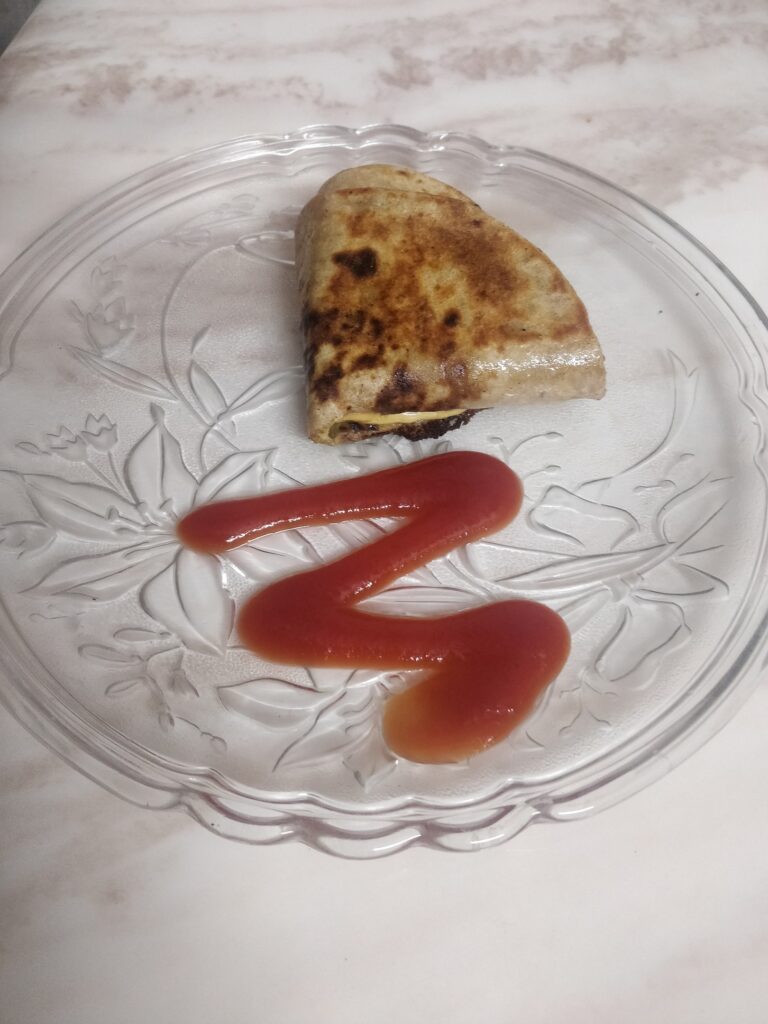
How to make viral four ways roti/tortilla wrap?

Everyone loves wraps and rolls. Especially kids, they are their favorites. You can make this viral four ways roti/tortilla wrap for their breakfast or packed lunch which they will surely enjoy. They all are easy to make and really delicious at the same time. 

This four way wrap is versatile, delicious and also nutritious. This wrap became viral through social media across the whole world during the lockdown. It involves making a roti/tortilla wrap by using a quartering and folding technique to divide the roti into four, placing a different filling of your choice in each section. 

For fillings, you can use your own imagination and choose from any number of fillings such as paneer, vegetables, dips, cheese, and sauces. 

You can also try this viral dish with Paranthas instead of a simple roti or tortilla wrap.

For this recipe, we used paneer, cucumber, onion, lettuce leaves along with tomato sauce and some sprinkles of cheese on the top of veggies.

This mesmerizing tortilla/roti wrap works with all the things, and the wide variety of filling options. With this wrap hack, you can create anything of your taste just in a matter of minutes. 

Let’s dig into the recipe!

Preparation time: 10 minutes

Cooking time: 8-10 minutes

Total time: 18-20 minutes

Serving: 1

Ingredients for Four-way roti/tortilla wrap:

Roti/tortilla/paratha-1

Paneer slices- 5-6

Cucumber slices- 3-4

Onion slices- 3-4

Lettuce leaves- 2-3

Cheese- 1 slice

Oil/butter- 1 tsp

Tomato sauce/ketchup-1 tsp

Mint chutney-1 tsp

Method to prepare viral four ways roti/tortilla:

If you are struggling shedding weight. You can talk to us by taking this assessment: Click here

  1. Firstly, prepare all the ingredients you will use in the wrap. 
  2. Secondly, cut the roti/tortilla/paratha from the middle of the tortilla to the bottom edge down using a knife or pizza cutter.
  1. Now, starting at the bottom left quadrant, place paneer slices to the left quadrant.
  2. To the top left quadrant, add lettuce and chopped onions slices.
  3. On the top right quadrant, spread some tomato ketchup and add cucumber slices in it.
  1. Then, on the last quadrant, spread some mint chutney and then top it with a cheese slice.
  2. Next, fold the wrap, starting from the bottom left quarter to up, to right, to bottom right; just keep folding until you get a triangle.

  1. Lastly, heat a pan/grill over medium heat, and add some butter and spread it. Now, grill the tortilla from both sides, until they are crispy and the cheese melts for 2-3 minutes per side.
  2. Finally, serve this wrap filled with the goodness with chutney of your choice.

For more information click here